The First Swimming Lesson
الدرس الأول في السباحة
Emma brings her daughter to the first lesson and meets Mia, the swimming coach. Mia explains what the children will do in class.
تحضر إيما ابنتها إلى درس السباحة الأول، وتلتقي ميا، مدرّبة السباحة. تشرح ميا ما سيفعله الأطفال في الحصة.
حوار8
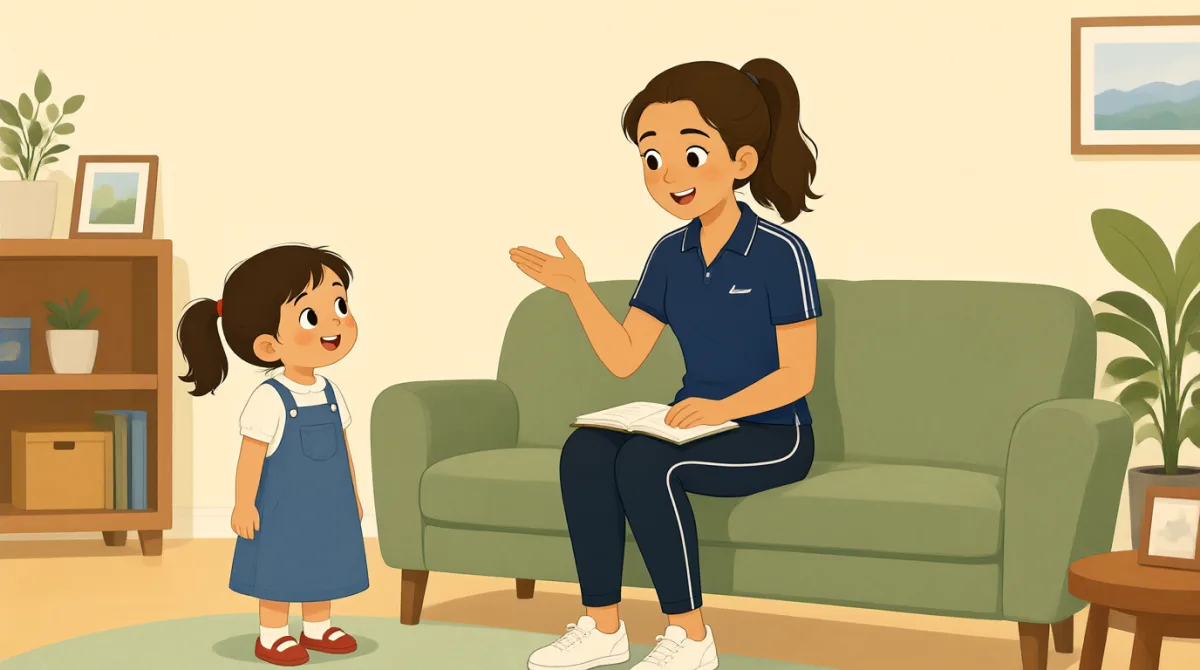

Hi, I’m here for my daughter’s first swimming lesson.
مرحبًا، جئت لحضور ابنتي درس السباحة الأول.

Welcome! I’m Mia, her coach. Let’s get her ready by the pool.
أهلًا بكِ! أنا ميا، مدرّبتها. هيا نجهّزها بجانب المسبح.
What will the children do in class today?
ماذا سيفعل الأطفال في الحصة اليوم؟
We’ll start with a warm-up, then practice kicking and blowing bubbles.
سنبدأ بتمارين الإحماء، ثم نتدرّب على تحريك الساقين ونفخ الفقاعات.
That sounds fun. Should she wear her goggles now?
يبدو ذلك ممتعًا. هل ينبغي أن ترتدي نظّارتها الآن؟
Yes, please. She should also wear her swim cap and bring a towel.
نعم، من فضلكِ. وينبغي أن ترتدي قبعة السباحة وتحضر منشفة أيضًا.
Okay. Can I watch from here during the lesson?
حسنًا. هل يمكنني المشاهدة من هنا أثناء الحصة؟
Of course. Please stay behind the glass, and I’ll come talk to you afterward.
بالطبع. يُرجى البقاء خلف الزجاج، وسآتي للتحدث إليكِ بعد ذلك.
المفردات8
- first swimming lessonدرس السباحة الأول
This is the first class a child has to learn how to swim. You can use “first” before the name of a new class or activity.
هذا هو الدرس الأول الذي يتعلم فيه الطفل السباحة. يمكنك استخدام “first” قبل اسم درس أو نشاط جديد.
- get her readyيجهّزها
This means help her prepare for the lesson. You can use “get someone ready” before an activity or event.
يعني هذا مساعدتها على الاستعداد للدرس. يمكنك استخدام “get someone ready” قبل نشاط أو مناسبة.
- warm-upتمارين الإحماء
A warm-up is easy exercise at the start of a class. It helps the body get ready for more activity.
الإحماء تمارين سهلة تُجرى في بداية الحصة، وتساعد الجسم على الاستعداد لمزيد من النشاط.
- blowing bubblesنفخ الفقاعات
This means breathing out into the water to make bubbles. Children often practice this when learning to swim.
يعني هذا إخراج الهواء في الماء لتكوين فقاعات. يتدرّب الأطفال على ذلك كثيرًا عند تعلم السباحة.
- gogglesنظّارات السباحة
Goggles are special glasses that protect your eyes in the water. You can ask, “Should I wear my goggles now?”
نظّارات السباحة نظّارات خاصة تحمي العينين في الماء. يمكنك أن تسأل: “Should I wear my goggles now?”
- swim capقبعة السباحة
A swim cap is a close-fitting hat worn in the pool. You can use “wear a swim cap” to talk about putting one on.
قبعة السباحة قبعة محكمة تُلبس في المسبح. يمكنك استخدام “wear a swim cap” للحديث عن ارتدائها.
- behind the glassخلف الزجاج
This means on the other side of the glass, where parents can watch the lesson. You can use “behind” to say where someone should stay.
يعني هذا في الجانب الآخر من الزجاج، حيث يمكن للأهل مشاهدة الحصة. يمكنك استخدام “behind” لتوضيح المكان الذي ينبغي لشخص ما أن يبقى فيه.
- afterwardبعد ذلك
“Afterward” means after something is finished. You can use it to say when you will do something later.
تعني “Afterward” بعد انتهاء شيء ما. يمكنك استخدامها لتوضيح وقت القيام بشيء لاحقًا.
الجمل الأساسية7
- 1
I’m here for my daughter’s first swimming lesson.
جئت لحضور درس السباحة الأول لابنتي.
Use this sentence to explain why you have come somewhere. You can replace “my daughter’s first swimming lesson” with another appointment or activity.
استخدم هذه الجملة لتوضيح سبب مجيئك إلى مكان ما. يمكنك استبدال “my daughter’s first swimming lesson” بموعد أو نشاط آخر.
- 2
Let’s get her ready by the pool.
هيا نجهّزها بجانب المسبح.
This is a friendly way to suggest preparing someone for an activity. Replace “her” with another person, and change “by the pool” to the place where you will get ready.
هذه طريقة ودودة لاقتراح تجهيز شخص لنشاط ما. استبدل “her” بشخص آخر، وغيّر “by the pool” إلى المكان الذي ستستعدون فيه.
- 3
What will the children do in class today?
ماذا سيفعل الأطفال في الحصة اليوم؟
Use this question to ask about a class plan. You can replace “the children” with “we” or “my child” to ask about other people.
استخدم هذا السؤال للاستفسار عن خطة الحصة. يمكنك استبدال “the children” بـ “we” أو “my child” للسؤال عن أشخاص آخرين.
- 4
We’ll start with a warm-up, then practice kicking and blowing bubbles.
سنبدأ بتمارين الإحماء، ثم نتدرّب على تحريك الساقين ونفخ الفقاعات.
This sentence explains what will happen first and next. Use “We’ll start with…” to describe the beginning of a lesson or activity.
توضح هذه الجملة ما سيحدث أولًا ثم بعد ذلك. استخدم “We’ll start with…” لوصف بداية درس أو نشاط.
- 5
Should she wear her goggles now?
هل ينبغي أن ترتدي نظّارتها الآن؟
Use “Should she…?” to ask if someone ought to do something. Replace “she” and “wear her goggles” to ask about another person or action.
استخدم “Should she…?” للسؤال عما إذا كان ينبغي لشخص ما القيام بشيء. استبدل “she” و “wear her goggles” للسؤال عن شخص أو فعل آخر.
- 6
Can I watch from here during the lesson?
هل يمكنني المشاهدة من هنا أثناء الحصة؟
This is a polite way to ask permission to watch. You can replace “watch” with another activity and “the lesson” with another event.
هذه طريقة مهذبة لطلب الإذن بالمشاهدة. يمكنك استبدال “watch” بنشاط آخر و “the lesson” بحدث آخر.
- 7
Please stay behind the glass, and I’ll come talk to you afterward.
يُرجى البقاء خلف الزجاج، وسآتي للتحدث إليكِ بعد ذلك.
This sentence gives a polite instruction and explains what will happen later. Use “Please stay…” to ask someone to remain in a place.
تتضمن هذه الجملة طلبًا مهذبًا وتوضح ما سيحدث لاحقًا. استخدم “Please stay…” لطلب بقاء شخص ما في مكان معين.