Filling a Prescription
تهیهٔ داروی نسخهای
A customer presents a doctor's prescription to the pharmacist to get their prescribed medication and possibly asks about dosage or side effects.
مشتری نسخهٔ پزشک را به داروساز میدهد تا داروی تجویزشده را دریافت کند و شاید دربارهٔ مقدار مصرف یا عوارض جانبی آن سؤال بپرسد.
گفتوگو10
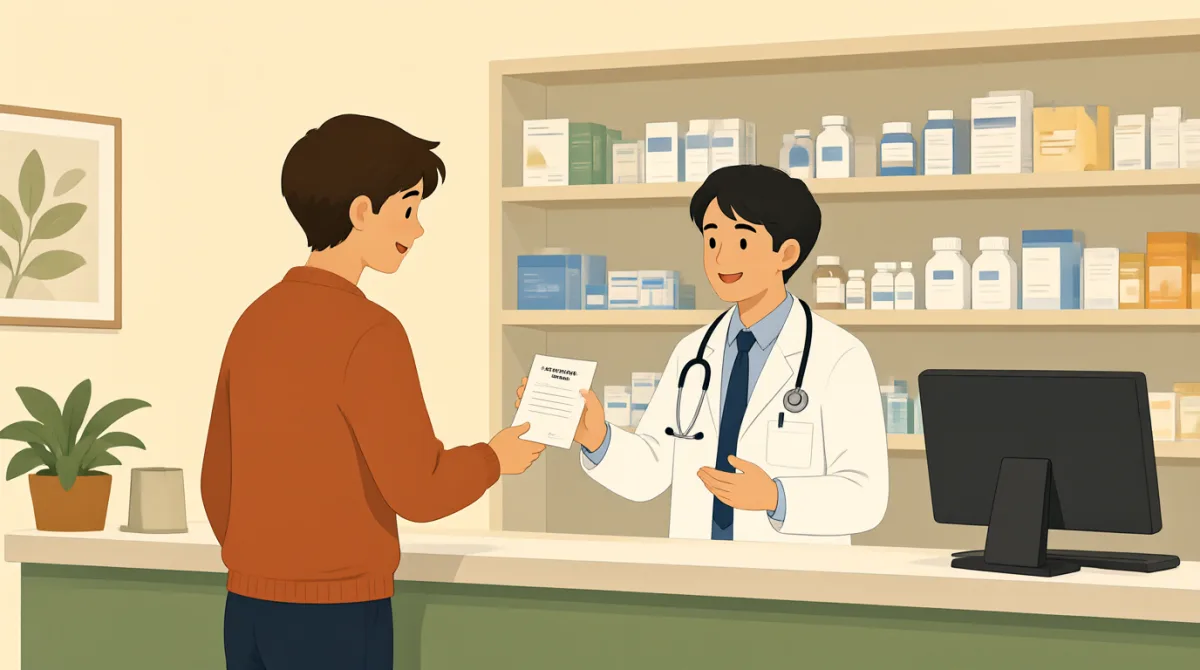

Hi, I'm here to pick up a prescription. Here's my doctor's note.
سلام، برای گرفتن داروی نسخهای آمدهام. این هم نسخهٔ پزشکم.

Okay, let me take a look at that. Please give me a few minutes to prepare it for you.
بسیار خب، اجازه بدهید نگاهی به آن بیندازم. لطفاً چند دقیقه به من فرصت بدهید تا دارو را برایتان آماده کنم.
Sure, no problem. While you're doing that, could you tell me a bit about the dosage instructions for this medicine?
حتماً، مشکلی نیست. تا شما دارو را آماده میکنید، میشود کمی دربارهٔ دستور مصرف این دارو برایم توضیح بدهید؟
Certainly. This medication is to be taken twice a day, one tablet each time, with food. It's best to take it in the morning and evening.
حتماً. این دارو را باید روزی دو بار، هر بار یک قرص، همراه غذا مصرف کنید. بهتر است صبح و شب آن را بخورید.
Okay, twice a day, one tablet with food. Got it. Are there any common side effects I should be aware of?
بسیار خب، روزی دو بار، هر بار یک قرص همراه غذا. متوجه شدم. عوارض جانبی رایجی هست که باید حواسم به آنها باشد؟
Some people might experience mild dizziness or an upset stomach. If these symptoms are severe or persist, please contact your doctor.
ممکن است بعضیها کمی سرگیجه یا ناراحتی معده پیدا کنند. اگر این علائم شدید شدند یا ادامه داشتند، لطفاً با پزشکتان تماس بگیرید.
Alright, mild dizziness or upset stomach. Thank you for the information. Is there anything else I should know?
متوجه شدم، کمی سرگیجه یا ناراحتی معده. ممنون از توضیحاتتان. چیز دیگری هست که باید بدانم؟
Yes, it's important to complete the full course of medication even if you start feeling better. And avoid alcohol while taking this medicine.
بله، مهم است که دورهٔ کامل دارو را مصرف کنید، حتی اگر حالتان بهتر شد. هنگام مصرف این دارو هم از نوشیدن الکل خودداری کنید.
Got it. Complete the course and no alcohol. Thanks so much for your help!
متوجه شدم. دورهٔ دارو را کامل کنم و الکل نخورم. خیلی ممنون از کمکتان!
You're welcome. Here's your medication. Feel better soon!
خواهش میکنم. این هم داروی شما. امیدوارم زودتر حالتان خوب شود!
واژگان8
- prescriptionنسخه
A written order from a doctor telling the pharmacist what medicine to give you. Use it when picking up medicine at a pharmacy.
دستور کتبی پزشک که به داروساز میگوید چه دارویی به شما بدهد. وقتی برای گرفتن دارو به داروخانه میروید، از این واژه استفاده کنید.
- dosageمقدار مصرف
The amount and timing of medicine you should take. It's important to follow dosage to stay safe and healthy.
مقدار دارویی که باید مصرف کنید و زمان مصرف آن. رعایت مقدار مصرف برای حفظ سلامتی و ایمنیتان مهم است.
- medicationدارو
Another word for medicine or drugs prescribed by a doctor. Use it in formal situations like talking to a pharmacist.
واژهای دیگر برای داروهایی که پزشک تجویز میکند. در موقعیتهای رسمی، مثل صحبت با داروساز، از این واژه استفاده کنید.
- tabletقرص
A small, solid pill you swallow. Common in pharmacies for oral medicine.
داروی کوچک و جامدی که آن را میبلعید. در داروخانهها این شکل دارو برای مصرف خوراکی رایج است.
- side effectsعوارض جانبی
Unwanted or unexpected effects from taking medicine, like feeling dizzy. Always ask about them before starting a new drug.
اثرات ناخواسته یا غیرمنتظرهٔ مصرف دارو، مثل سرگیجه. همیشه پیش از شروع داروی جدید دربارهٔ این عوارض سؤال کنید.
- dizzinessسرگیجه
A feeling of being light-headed or unsteady. It's a common side effect mentioned in health talks.
حالت سبکی سر یا احساس ناپایداری. در گفتوگوهای مربوط به سلامت، این واژه برای اشاره به یکی از عوارض جانبی رایج به کار میرود.
- upset stomachناراحتی معده
Discomfort or pain in the stomach, often from food or medicine. Use this phrase to describe mild digestive issues.
احساس ناراحتی یا درد در معده که اغلب بر اثر غذا یا دارو ایجاد میشود. از این عبارت برای توصیف مشکلات خفیف گوارشی استفاده کنید.
- courseدورهٔ درمان
The full period of treatment with medicine, from start to finish. Finishing the course prevents the illness from returning.
مدت کامل درمان دارویی، از شروع تا پایان. کاملکردن دورهٔ درمان کمک میکند بیماری برنگردد.
جملات کلیدی8
- 1
Hi, I'm here to pick up a prescription.
سلام، برای گرفتن داروی نسخهای آمدهام.
This is a polite way to start a conversation at a pharmacy. Use it when you have a doctor's order for medicine. It's simple and direct for everyday situations.
این روش مؤدبانهای برای شروع گفتوگو در داروخانه است. وقتی نسخهٔ پزشک دارید، از آن استفاده کنید. برای موقعیتهای روزمره ساده و سرراست است.
- 2
Could you tell me a bit about the dosage instructions for this medicine?
میشود کمی دربارهٔ دستور مصرف این دارو برایم توضیح بدهید؟
A polite request using 'could you' for asking information. Useful for getting details on how to take medicine. The phrase 'a bit about' makes it sound casual and friendly.
درخواستی مؤدبانه با استفاده از 'could you' برای پرسیدن اطلاعات است. برای پرسیدن جزئیات مصرف دارو کاربرد دارد. عبارت 'a bit about' لحن جمله را دوستانه و خودمانیتر میکند.
- 3
This medication is to be taken twice a day, one tablet each time, with food.
این دارو را باید روزی دو بار، هر بار یک قرص، همراه غذا مصرف کنید.
This explains instructions clearly using passive voice 'is to be taken' for formal advice. Learn it to understand or give dosage rules; 'with food' means during meals to avoid stomach issues.
این جمله با ساختار مجهول 'is to be taken' دستور مصرف را بهروشنی و با لحنی رسمی بیان میکند. این ساختار را یاد بگیرید تا دستورهای مصرف دارو را بفهمید یا توضیح دهید؛ 'with food' یعنی همراه غذا، تا از ناراحتی معده جلوگیری شود.
- 4
Are there any common side effects I should be aware of?
عوارض جانبی رایجی هست که باید حواسم به آنها باشد؟
A question to ask about risks, using 'be aware of' meaning 'know about.' It's practical for health visits to stay informed and safe.
این پرسش دربارهٔ خطرهای احتمالی است و از عبارت 'be aware of' به معنای «از چیزی اطلاع داشتن» استفاده میکند. برای آگاه و ایمن ماندن، در مراجعههای پزشکی این پرسش کاربردی است.
- 5
If these symptoms are severe or persist, please contact your doctor.
اگر این علائم شدید شدند یا ادامه داشتند، لطفاً با پزشکتان تماس بگیرید.
Uses conditional 'if' for advice on when to seek help. 'Persist' means continue; this sentence teaches warning patterns in medical talks.
در این جمله از شرطیساز 'if' برای گفتن این استفاده شده که چه زمانی باید کمک بگیرید. 'Persist' یعنی ادامه داشتن؛ این جمله الگویی برای بیان هشدار در گفتوگوهای پزشکی به شما یاد میدهد.
- 6
It's important to complete the full course of medication even if you start feeling better.
مهم است که دورهٔ کامل دارو را مصرف کنید، حتی اگر حالتان بهتر شد.
Emphasizes importance with 'it's important to' followed by a verb. Useful for reminding about finishing treatment; grammar shows obligation.
این جمله با ساختار 'it's important to' و سپس یک فعل، بر اهمیت کاری تأکید میکند. برای یادآوری کاملکردن دورهٔ درمان کاربرد دارد؛ ساختار آن هم ضرورت انجام کار را نشان میدهد.
- 7
Avoid alcohol while taking this medicine.
هنگام مصرف این دارو از نوشیدن الکل خودداری کنید.
An imperative command 'avoid' meaning 'stay away from.' Short and direct for warnings; use in health advice to prevent interactions.
در این دستور از 'avoid' به معنای «دوری کردن از» استفاده شده است. این عبارت برای هشدار دادن کوتاه و صریح است؛ در توصیههای پزشکی برای پیشگیری از تداخل دارویی به کار میرود.
- 8
You're welcome. Here's your medication. Feel better soon!
خواهش میکنم. این هم داروی شما. امیدوارم زودتر حالتان خوب شود!
A friendly closing response. 'You're welcome' answers thanks; 'feel better soon' is a common well-wish. Practice for polite endings in service situations.
این یک پاسخ دوستانه برای پایان گفتوگوست. 'You're welcome' پاسخی به تشکر است و 'feel better soon' آرزوی رایجِ بهبود سریع است. برای تمرین پایان مؤدبانهٔ گفتوگوهای خدماتی از این عبارتها استفاده کنید.