Book Not Scannable
تعذّر مسح الكتاب ضوئيًا
A book's barcode is damaged or not scanning correctly, requiring the librarian to manually input information or find an alternative solution.
الرمز الشريطي على الكتاب تالف أو لا يُمسح ضوئيًا بشكل صحيح، لذا يحتاج أمين المكتبة إلى إدخال المعلومات يدويًا أو إيجاد حل بديل.
حوار10
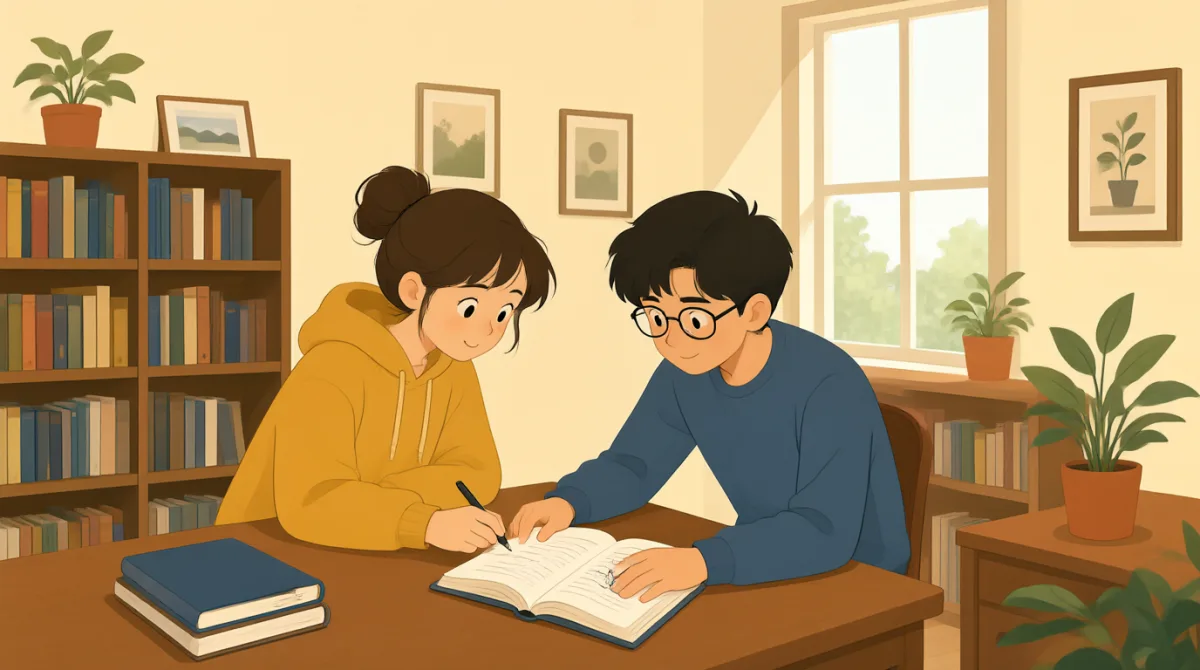

Hi, I'd like to check out these three books, please.
مرحبًا، أود استعارة هذه الكتب الثلاثة، من فضلك.

Certainly. Do you have your library card?
بالتأكيد. هل معك بطاقة المكتبة؟
Yes, here it is.
نعم، تفضل.
Thank you. Let's see... Hmm, it seems like the barcode on this book isn't scanning. Is it damaged?
شكرًا لك. لنرَ... همم، يبدو أن الرمز الشريطي على هذا الكتاب لا يُمسح ضوئيًا. هل هو تالف؟
Oh, I'm not sure. I just picked it up from the shelf.
أوه، لست متأكدة. أخذته للتو من الرف.
No worries. I'll just manually input the number for you. It might take just a moment.
لا بأس. سأُدخل الرقم يدويًا من أجلك. لن يستغرق الأمر سوى لحظة.
No problem at all. Take your time.
لا مشكلة أبدًا. خذ وقتك.
Alright, all done. These books are due back on October 25th. Here's your receipt.
حسنًا، انتهينا. موعد إعادة هذه الكتب هو 25 أكتوبر. إليك الإيصال.
Thank you so much! Have a good day.
شكرًا جزيلًا! أتمنى لك يومًا سعيدًا.
You too! Goodbye.
ولك أيضًا! إلى اللقاء.
المفردات8
- check outيستعير
To borrow books or items from a library; use this phrase when you want to take books home after selecting them.
تعني استعارة كتب أو أغراض من المكتبة. استخدم هذه العبارة عندما تريد أخذ الكتب إلى المنزل بعد اختيارها.
- library cardبطاقة المكتبة
A special ID card given by the library that allows you to borrow books; always show it when checking out.
بطاقة تعريف خاصة تمنحها المكتبة وتتيح لك استعارة الكتب. أبرِزها دائمًا عند استعارة الكتب.
- barcodeالرمز الشريطي
A black and white code printed on books that a scanner reads to identify the item; common in stores and libraries.
رمز بالأبيض والأسود يُطبع على الكتب ويقرأه جهاز المسح للتعرّف على الغرض. وهو شائع في المتاجر والمكتبات.
- scanningالمسح الضوئي
The action of using a machine to read a barcode; if it doesn't work, the item can't be processed automatically.
عملية استخدام جهاز لقراءة الرمز الشريطي. إذا لم تعمل، فلن يمكن معالجة الغرض آليًا.
- damagedتالف
Broken or not working properly, like a torn barcode; use this to describe problems with items.
مكسور أو لا يعمل كما ينبغي، مثل رمز شريطي ممزق. تُستخدم هذه الكلمة لوصف المشكلات التي تصيب الأغراض.
- manuallyيدويًا
Done by hand instead of using a machine; helpful when technology fails, like typing in information.
إنجاز شيء باليد بدلًا من استخدام آلة. يفيد ذلك عند تعطل التقنية، مثل إدخال المعلومات بالكتابة.
- due backموعد الإعادة
The date by which you must return the borrowed item; libraries use this to track loans.
التاريخ الذي يجب أن تعيد فيه الغرض المستعار. تستخدم المكتبات هذا التاريخ لمتابعة الإعارات.
- receiptإيصال
A printed note showing what you borrowed and when it's due; keep it as proof of your transaction.
ورقة مطبوعة توضّح ما استعرته وموعد إعادته. احتفظ بها كإثبات للمعاملة.
الجمل الأساسية7
- 1
I'd like to check out these three books, please.
أود استعارة هذه الكتب الثلاثة، من فضلك.
This is a polite way to request borrowing books; use 'I'd like to' for formal requests, and add 'please' to be courteous. Useful at library or store checkouts.
هذه طريقة مهذبة لطلب استعارة الكتب. استخدم 'I'd like to' للطلبات الرسمية، وأضف 'please' للتعبير عن التهذيب. تفيد هذه العبارة عند استعارة الكتب من المكتبة أو عند الدفع في متجر.
- 2
Do you have your library card?
هل معك بطاقة المكتبة؟
A simple yes/no question to ask for identification; the word order is subject-verb-object in questions. Say this when someone wants to borrow items.
هذا سؤال بسيط إجابته نعم أو لا، ويُستخدم لطلب إثبات الهوية. يأتي ترتيب الكلمات في السؤال على النحو التالي: الفاعل ثم الفعل ثم المفعول به. قل هذه العبارة عندما يريد شخص ما استعارة أغراض.
- 3
It seems like the barcode on this book isn't scanning.
يبدو أن الرمز الشريطي على هذا الكتاب لا يُمسح ضوئيًا.
Describes a problem politely with 'it seems like' for uncertainty; 'isn't scanning' uses present continuous for ongoing issues. Useful for explaining technical problems.
تصف هذه العبارة مشكلة بأسلوب مهذب، وتُستخدم 'it seems like' للتعبير عن عدم التأكد. أما 'isn't scanning' فتستخدم المضارع المستمر لوصف مشكلة مستمرة. وهي مفيدة لشرح المشكلات التقنية.
- 4
No worries. I'll just manually input the number for you.
لا بأس. سأُدخل الرقم يدويًا من أجلك.
Reassures the person with 'no worries' meaning it's okay; 'I'll just' softens the action. Use this to calm someone and offer a solution in service situations.
تطمئن الشخص بعبارة 'no worries' التي تعني أن الأمر لا بأس به، وتلطّف عبارة 'I'll just' الإجراء المقترح. استخدم ذلك لتهدئة شخص واقتراح حل في مواقف تقديم الخدمات.
- 5
No problem at all. Take your time.
لا مشكلة أبدًا. خذ وقتك.
Shows patience and understanding; 'no problem at all' emphasizes it's fine, and 'take your time' means don't rush. Great for responding when something takes longer.
تُظهر هذه العبارة الصبر والتفهّم. تؤكد 'no problem at all' أن الأمر لا مشكلة فيه، وتعني 'take your time' ألا تتعجل. وهي مناسبة للرد عندما يستغرق شيء وقتًا أطول.
- 6
These books are due back on October 25th.
موعد إعادة هذه الكتب هو 25 أكتوبر.
Informs about the return date using future passive 'are due back'; specify the date clearly. Essential for library staff to tell borrowers.
تُخبرك العبارة بموعد الإعادة باستخدام صيغة المستقبل للمجهول 'are due back'. احرص على ذكر التاريخ بوضوح. يحتاج موظفو المكتبة إلى هذه العبارة لإبلاغ المستعيرين.
- 7
Thank you so much! Have a good day.
شكرًا جزيلًا! أتمنى لك يومًا سعيدًا.
A polite way to end the interaction; 'thank you so much' shows strong gratitude, and 'have a good day' is a friendly goodbye. Use in everyday services.
هذه طريقة مهذبة لإنهاء الحديث. تعبّر 'thank you so much' عن امتنان كبير، وعبارة 'have a good day' وداع ودود. استخدمهما في التعاملات اليومية.