Taking Time to Cool Down
ใช้เวลาสงบสติอารมณ์
After the argument, Emma and Jack agree to take some time apart rather than say things they might regret. Later, Jack checks in and asks whether Emma is ready to talk.
หลังจากทะเลาะกัน เอ็มมากับแจ็กตกลงแยกกันไปสักพัก แทนที่จะพูดอะไรที่อาจทำให้เสียใจทีหลัง ต่อมาแจ็กถามไถ่เอ็มมาว่าพร้อมคุยหรือยัง
บทสนทนา11
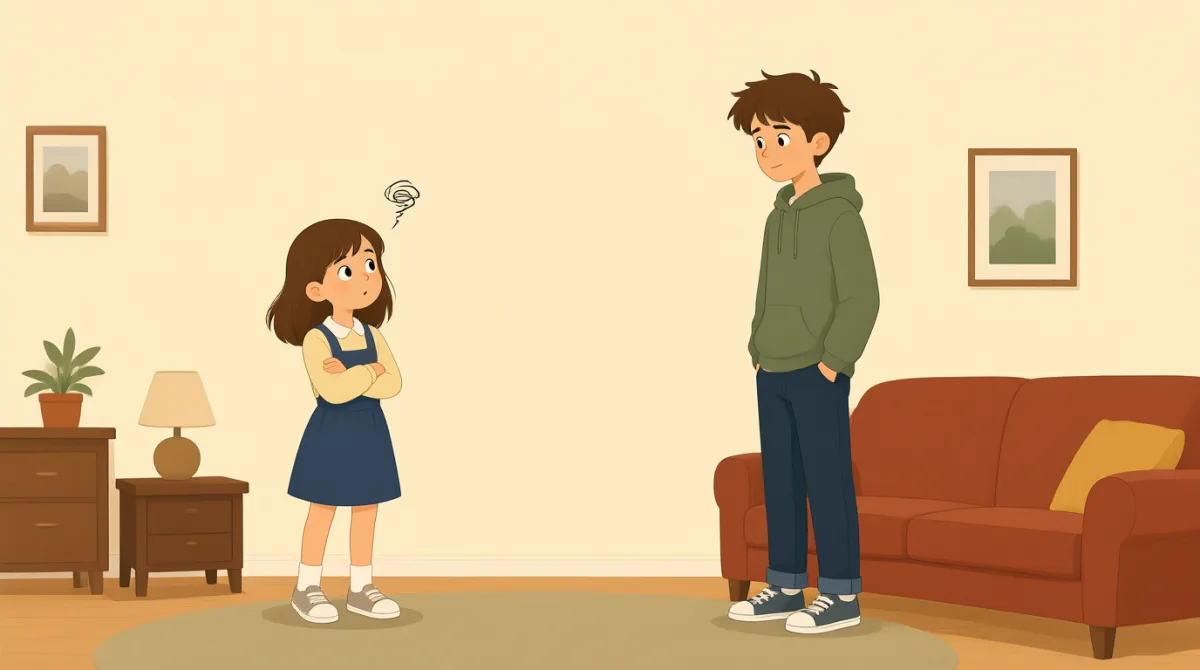

Hey, Emma. I know we said we’d give each other some space, so there’s no pressure to reply right away. I just wanted to check in.
เฮ้ เอ็มมา เรารู้ว่าเราตกลงกันว่าจะให้พื้นที่กันสักพัก เพราะงั้นไม่ต้องรีบตอบก็ได้นะ แค่อยากถามไถ่ว่าเป็นยังไงบ้าง

Thanks for checking in. I’ve had some time to cool down, but I’m still feeling hurt. I think I’m ready to talk, as long as we take it slowly.
ขอบใจนะที่ถามไถ่ เราได้มีเวลาสงบสติอารมณ์แล้ว แต่ก็ยังรู้สึกเจ็บอยู่ เราคิดว่าพร้อมคุยแล้ว ถ้าเราค่อย ๆ คุยกันนะ
Absolutely. We don’t have to sort everything out tonight. I’d rather listen properly than jump in and get defensive again.
ได้เลย เราไม่จำเป็นต้องเคลียร์ทุกอย่างให้จบคืนนี้ก็ได้ เราอยากตั้งใจฟังมากกว่า จะได้ไม่รีบเถียงแล้วตั้งการ์ดอีก
That would help. When we argued, I felt like we were both trying to win instead of understand what the other person was saying.
แบบนั้นก็ดี ตอนที่เราทะเลาะกัน เรารู้สึกเหมือนเราทั้งคู่พยายามเอาชนะกัน มากกว่าจะพยายามเข้าใจว่าอีกฝ่ายพูดอะไร
I can see that. I got caught up in explaining myself, and the more I talked, the less I seemed to hear you. I’m sorry for that.
เราเข้าใจนะ เรามัวแต่พยายามอธิบายตัวเอง ยิ่งพูดมากเท่าไหร่ ก็ดูเหมือนยิ่งฟังเธอน้อยลงเท่านั้น ขอโทษนะ
I appreciate you saying that. I don’t want us to brush it under the rug, but I also don’t want to go over every sharp thing we said right now.
เราดีใจที่เธอพูดแบบนั้นนะ เราไม่อยากทำเหมือนไม่มีอะไรเกิดขึ้น แต่ตอนนี้ก็ยังไม่อยากขุดคุ้ยทุกคำพูดแรง ๆ ที่เราพูดใส่กัน
That makes sense. We can pause if either of us starts getting worked up. Would you rather talk here, or take a walk somewhere quiet?
ฟังดูเข้าใจได้เลย ถ้าคนใดคนหนึ่งเริ่มหัวร้อน เราพักกันก่อนได้ เธออยากคุยกันตรงนี้ หรือไปเดินเล่นที่ไหนเงียบ ๆ ดี
A walk sounds good. I think I’ll be able to explain myself better if we’re not sitting across from each other like we’re in a formal meeting.
ไปเดินเล่นก็ดีนะ เราว่าน่าจะอธิบายตัวเองได้ดีกว่า ถ้าเราไม่ได้นั่งประจันหน้ากันเหมือนอยู่ในที่ประชุมทางการ
Fair enough. We can keep it low-key and just talk for a little while. If it feels like too much, we can call it for tonight and pick it up later.
ก็ได้ เราคุยกันสบาย ๆ แค่แป๊บเดียวก็พอ ถ้ารู้สึกว่ามันหนักเกินไป เราหยุดไว้แค่นี้คืนนี้ แล้วค่อยคุยกันต่อวันหลังก็ได้
Okay. I’m not promising we’ll settle everything on this walk, but I’m willing to hear you out and tell you how I’ve been feeling.
โอเค เราไม่ได้รับปากว่าเราจะเคลียร์ทุกอย่างได้ตอนเดินเล่นนะ แต่เราเต็มใจฟังเธอให้จบ แล้วก็บอกว่าเรารู้สึกยังไงบ้าง
That’s all I’m asking for. Thanks for giving me a chance to talk, Emma. Let’s take it one step at a time.
แค่นั้นเราก็พอใจแล้ว ขอบใจที่ให้โอกาสเราพูดนะ เอ็มมา ค่อย ๆ ไปทีละขั้นก็แล้วกัน
คำศัพท์7
- give each other some spaceให้พื้นที่กันสักพัก
To spend some time apart so both people can calm down. It can help prevent an argument from getting worse.
ใช้เวลาแยกกันสักพักเพื่อให้ทั้งสองฝ่ายสงบลง วิธีนี้อาจช่วยไม่ให้การทะเลาะบานปลาย
- cool downสงบสติอารมณ์
To become calmer after feeling angry or upset. Here, Emma has had time to process her feelings before talking.
ใจเย็นลงหลังจากรู้สึกโกรธหรือไม่สบายใจ ในที่นี้ เอ็มมาได้ใช้เวลาทบทวนความรู้สึกของตัวเองก่อนคุยกัน
- get defensiveตั้งการ์ด
To react as if you are being attacked, often by making excuses or arguing back. You can use this phrase to describe a response that makes a difficult conversation harder.
แสดงท่าทีเหมือนถูกโจมตี มักจะด้วยการแก้ตัวหรือเถียงกลับ ใช้คำนี้พูดถึงการตอบสนองที่ทำให้บทสนทนายากขึ้นได้
- brush it under the rugทำเหมือนปัญหาไม่มีอยู่
To avoid discussing a problem instead of dealing with it. It is often used when an issue may come back later if it is ignored.
หลีกเลี่ยงการพูดถึงปัญหาแทนที่จะจัดการกับมัน มักใช้เมื่อปัญหาที่ถูกละเลยอาจกลับมาเกิดขึ้นอีกในภายหลัง
- keep it low-keyคุยกันสบาย ๆ
To make something relaxed and informal, without too much intensity or attention. Here, it means having a calm, casual conversation.
ทำให้บรรยากาศผ่อนคลายและไม่เป็นทางการ โดยไม่กดดันหรือทำให้เป็นเรื่องใหญ่ ในที่นี้หมายถึงคุยกันอย่างสงบและสบาย ๆ
- hear you outฟังให้จบก่อน
To listen to someone fully before judging or responding. It is useful when you want to show that you are open to understanding another person's point of view.
ตั้งใจฟังอีกฝ่ายให้จบก่อนตัดสินหรือตอบกลับ ใช้ได้ดีเมื่ออยากแสดงว่าเปิดใจทำความเข้าใจมุมมองของอีกคน
- one step at a timeค่อย ๆ ทำไปทีละขั้น
To deal with something gradually instead of trying to solve everything at once. It can reassure someone during a difficult or complicated process.
ค่อย ๆ จัดการเรื่องหนึ่ง แทนที่จะพยายามแก้ทุกอย่างพร้อมกัน วลีนี้ช่วยให้อีกฝ่ายรู้สึกอุ่นใจระหว่างจัดการเรื่องยากหรือซับซ้อน
ประโยคสำคัญ8
- 1
I’ve had some time to cool down, but I’m still feeling hurt.
เราได้มีเวลาสงบสติอารมณ์แล้ว แต่ก็ยังรู้สึกเจ็บอยู่
This sentence shows that you are calmer but still have difficult feelings. You can reuse the pattern “I’ve had some time to [verb], but I’m still…” to describe mixed emotions.
ประโยคนี้บอกว่าตอนนี้ใจเย็นลงแล้ว แต่ก็ยังมีความรู้สึกที่จัดการได้ยากอยู่ ลองนำรูปแบบ “I’ve had some time to [verb], but I’m still…” (เราได้มีเวลาทำ...แล้ว แต่ก็ยัง...) ไปใช้พูดถึงความรู้สึกที่ปะปนกันได้
- 2
I think I’m ready to talk, as long as we take it slowly.
เราคิดว่าพร้อมคุยแล้ว ถ้าเราค่อย ๆ คุยกันนะ
This is a considerate way to agree to a conversation while setting a condition. Replace “take it slowly” with another request, such as “keep it brief” or “talk somewhere quiet.”
นี่เป็นวิธีตอบตกลงที่จะคุยกันอย่างใส่ใจ พร้อมบอกเงื่อนไขไปด้วย เปลี่ยน “take it slowly” (ค่อย ๆ คุยกัน) เป็นคำขออย่าง “keep it brief” (คุยกันสั้น ๆ) หรือ “talk somewhere quiet” (ไปคุยกันที่เงียบ ๆ) ได้
- 3
I’d rather listen properly than jump in and get defensive again.
เราอยากตั้งใจฟังมากกว่า จะได้ไม่รีบเถียงแล้วตั้งการ์ดอีก
This sentence expresses a preference and recognizes a past behavior you want to change. The structure “I’d rather [action] than [action]” is useful for explaining how you want to handle a situation.
ประโยคนี้บอกสิ่งที่อยากทำ พร้อมยอมรับพฤติกรรมในอดีตที่อยากเปลี่ยน โครงสร้าง “I’d rather [action] than [action]” (เราอยาก...มากกว่า...) ใช้อธิบายได้ว่าอยากรับมือกับสถานการณ์อย่างไร
- 4
I don’t want us to brush it under the rug, but I also don’t want to go over every sharp thing we said right now.
เราไม่อยากทำเหมือนไม่มีอะไรเกิดขึ้น แต่ตอนนี้ก็ยังไม่อยากขุดคุ้ยทุกคำพูดแรง ๆ ที่เราพูดใส่กัน
This balances the need to address a problem with the need to avoid discussing it all immediately. You can reuse “I don’t want to…, but I also don’t want to…” to explain two competing concerns.
ประโยคนี้พูดถึงความจำเป็นที่จะต้องจัดการปัญหา โดยไม่จำเป็นต้องคุยทุกอย่างให้หมดทันที ลองใช้ “I don’t want to…, but I also don’t want to…” (เราไม่อยาก... แต่ก็ไม่อยาก...) เพื่อบอกความกังวลสองอย่างที่ขัดกันได้
- 5
We can pause if either of us starts getting worked up.
ถ้าคนใดคนหนึ่งเริ่มหัวร้อน เราพักกันก่อนได้
This suggests a practical boundary for keeping a conversation calm. The pattern “We can [action] if either of us…” can help both people agree on a plan.
ประโยคนี้เสนอข้อตกลงที่ทำได้จริงเพื่อช่วยให้บทสนทนายังคงสงบ รูปแบบ “We can [action] if either of us…” (เราสามารถ...ได้ ถ้าคนใดคนหนึ่ง...) ช่วยให้ทั้งคู่ตกลงกันได้ว่าจะรับมืออย่างไร
- 6
If it feels like too much, we can call it for tonight and pick it up later.
ถ้ารู้สึกว่ามันหนักเกินไป เราหยุดไว้แค่นี้คืนนี้ แล้วค่อยคุยกันต่อวันหลังก็ได้
This offers a way to stop a difficult conversation without giving up on it. “Call it for tonight” means stop for now, while “pick it up later” means continue at another time.
ประโยคนี้เสนอทางหยุดบทสนทนาที่ยากไว้ก่อน โดยไม่ได้หมายความว่าจะเลิกคุยกัน “Call it for tonight” หมายถึงหยุดไว้ก่อนในคืนนี้ ส่วน “pick it up later” หมายถึงกลับมาคุยต่อในเวลาอื่น
- 7
I’m not promising we’ll settle everything on this walk, but I’m willing to hear you out and tell you how I’ve been feeling.
เราไม่ได้รับปากว่าเราจะเคลียร์ทุกอย่างได้ตอนเดินเล่นนะ แต่เราเต็มใจฟังเธอให้จบ แล้วก็บอกว่าเรารู้สึกยังไงบ้าง
This manages expectations while showing openness to a conversation. You can use “I’m not promising…, but I’m willing to…” to set a realistic limit and still show cooperation.
ประโยคนี้ช่วยตั้งความคาดหวังให้เหมาะสม พร้อมแสดงว่าเปิดใจคุยกัน ลองใช้ “I’m not promising…, but I’m willing to…” (เราไม่ได้รับปากว่า... แต่เราเต็มใจที่จะ...) เพื่อบอกขอบเขตที่เป็นจริงและแสดงความร่วมมือไปพร้อมกัน
- 8
Let’s take it one step at a time.
ค่อย ๆ ไปทีละขั้นก็แล้วกัน
This encourages people to handle a situation gradually. It works well when a problem feels complicated or emotionally overwhelming.
ประโยคนี้ให้กำลังใจให้ค่อย ๆ จัดการสถานการณ์ทีละขั้น เหมาะกับเวลาที่ปัญหาดูซับซ้อนหรือทำให้รู้สึกท่วมท้น