The Argument About Forgotten Plans
ทะเลาะกันเรื่องลืมนัด
Emma and Jack argue after Jack forgets their plans for the evening. They both feel hurt, but the disagreement gets sharper when they try to explain what happened.
เอ็มมากับแจ็กทะเลาะกันหลังจากแจ็กลืมนัดที่วางแผนกันไว้ว่าจะไปทำอะไรด้วยกันตอนเย็น ทั้งคู่ต่างก็รู้สึกเจ็บใจ แต่พอพยายามอธิบายว่าเกิดอะไรขึ้น ความเห็นไม่ตรงกันก็ยิ่งบานปลาย
บทสนทนา10
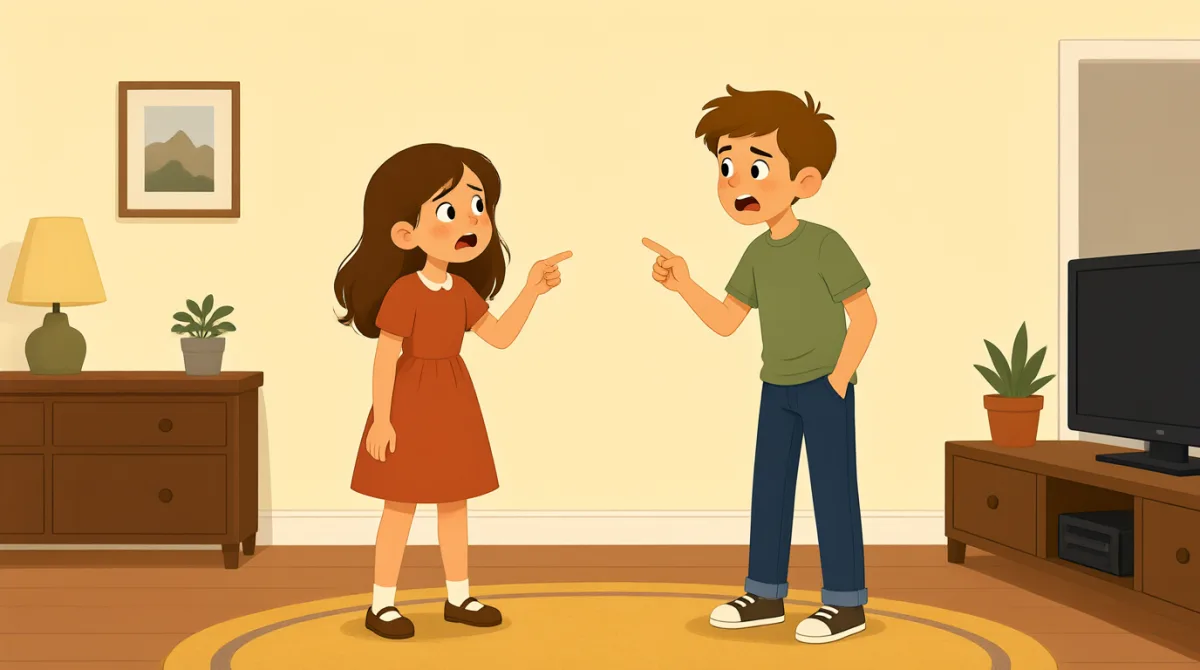

Jack, we agreed to meet at seven, and I waited for nearly an hour. I know things come up, but I wish you’d let me know you weren’t coming.
แจ็ก เราตกลงกันว่าจะเจอกันตอนหนึ่งทุ่ม แล้วฉันก็รอเกือบชั่วโมง ฉันเข้าใจว่าอาจมีเรื่องไม่คาดคิดเกิดขึ้นได้ แต่ฉันอยากให้นายบอกกันหน่อยว่าจะไม่มา

I’m sorry I didn’t show up. I completely lost track of time at work, and by the time I checked my phone, I saw your messages. That’s on me.
ขอโทษนะที่ฉันไม่ได้ไป ฉันมัวแต่ทำงานจนลืมดูเวลาไปเลย พอหยิบโทรศัพท์ขึ้นมาเช็กก็เห็นข้อความของเธอแล้ว เรื่องนี้ฉันผิดเอง
It’s not just that you forgot. I’d been looking forward to tonight, and when you didn’t come or even call, I felt like our plans didn’t matter to you.
มันไม่ใช่แค่เรื่องที่นายลืมนะ ฉันตั้งตารอคืนนี้มาก แล้วพอนายไม่มาทั้งยังไม่โทรหา ฉันก็รู้สึกเหมือนแผนของเราไม่ได้สำคัญกับนายเลย
I get why you’re upset, but I wasn’t sitting there thinking your plans didn’t matter. I had a deadline, and everything got hectic. I didn’t do it on purpose.
ฉันเข้าใจว่าทำไมเธอถึงไม่พอใจ แต่ฉันไม่ได้คิดว่าแผนของเธอไม่สำคัญนะ ฉันมีงานที่ต้องส่ง แล้วทุกอย่างก็วุ่นวายไปหมด ฉันไม่ได้ตั้งใจให้เป็นแบบนี้
I’m not saying you did it on purpose. But when I tried to tell you how hurt I was, you immediately started explaining why it wasn’t your fault.
ฉันไม่ได้บอกว่านายตั้งใจทำแบบนั้น แต่ตอนที่ฉันพยายามบอกว่าน้อยใจแค่ไหน นายก็รีบอธิบายทันทีว่าทำไมมันไม่ใช่ความผิดของนาย
Because it felt like you’d already decided I didn’t care. I was trying to explain what happened, not brush off how you felt, but maybe I came across that way.
ก็เพราะฉันรู้สึกเหมือนเธอตัดสินไปแล้วว่าฉันไม่แคร์ ฉันพยายามอธิบายว่าเกิดอะไรขึ้น ไม่ได้จะปัดความรู้สึกของเธอทิ้ง แต่บางทีฉันอาจทำให้เธอรู้สึกแบบนั้นจริง ๆ
I hadn’t decided that. I was angry and disappointed, and I wanted you to acknowledge that I’d been left waiting. Instead, we both got defensive.
ฉันไม่ได้ตัดสินแบบนั้น ฉันแค่โกรธและผิดหวัง แล้วก็อยากให้นายยอมรับว่าฉันต้องรออยู่คนเดียว แต่สุดท้ายเราก็ต่างคนต่างตั้งรับกัน
You’re right that I should’ve acknowledged it first. But when you said I always put work ahead of you, I felt like one mistake was being treated as a pattern.
เธอพูดถูก ฉันควรยอมรับเรื่องนั้นก่อน แต่ตอนที่เธอบอกว่าฉันเอาแต่งานจนไม่สนใจเธอ ฉันรู้สึกเหมือนความผิดพลาดครั้งเดียวถูกมองว่าเป็นนิสัยที่ทำซ้ำ ๆ
I said that because I was hurt, and I shouldn’t have made it sound like this happens every time. Still, tonight mattered to me, and I need you to understand that.
ฉันพูดแบบนั้นเพราะฉันน้อยใจ แล้วก็ไม่ควรพูดให้ฟังเหมือนเรื่องแบบนี้เกิดขึ้นทุกครั้ง ถึงอย่างนั้น คืนนี้ก็สำคัญกับฉันนะ และฉันอยากให้นายเข้าใจ
I hear you. I’m still frustrated about how we’re talking to each other, though. Can we take a minute before this turns into another round of accusations?
ฉันเข้าใจนะ แต่ฉันก็ยังหงุดหงิดกับวิธีที่เราคุยกันอยู่เหมือนกัน เราพักกันสักนาทีก่อนได้ไหม ก่อนที่เรื่องนี้จะกลายเป็นการกล่าวโทษกันอีกรอบ
คำศัพท์6
- lost track of timeมัวแต่ทำอะไรจนลืมดูเวลา
To lose track of time means to become so focused on something that you do not notice how much time has passed. Jack uses it to explain why he missed their plans.
“lost track of time” หมายถึงจดจ่อกับบางอย่างมากจนไม่รู้ว่าเวลาผ่านไปนานแค่ไหน แจ็กใช้สำนวนนี้อธิบายว่าทำไมเขาถึงพลาดนัด
- That’s on me.ฉันผิดเอง
This means “That’s my responsibility” or “It was my fault.” Use it to accept responsibility for a mistake.
สำนวนนี้หมายถึง “เป็นความรับผิดชอบของฉัน” หรือ “ฉันเป็นคนผิด” ใช้เมื่อยอมรับว่าตัวเองทำพลาด
- come upมีเรื่องไม่คาดคิดเกิดขึ้น
Here, “things come up” means unexpected situations happen. It is a common way to acknowledge that plans can sometimes be interrupted.
ในที่นี้ “things come up” หมายถึงมีเรื่องไม่คาดคิดเกิดขึ้น เป็นวิธีพูดที่ใช้กันทั่วไปเพื่อยอมรับว่าบางครั้งแผนที่วางไว้อาจต้องเปลี่ยน
- brush offปัดความรู้สึกทิ้ง
To brush off someone’s feelings is to dismiss them or act as if they are not important. It is useful when explaining how someone’s response came across.
การ “brush off” ความรู้สึกของใครสักคน คือการไม่ใส่ใจหรือทำเหมือนความรู้สึกนั้นไม่สำคัญ ใช้เมื่อต้องการอธิบายว่าคำตอบหรือท่าทีของใครบางคนทำให้อีกฝ่ายรู้สึกอย่างไร
- put work ahead of youเอางานมาก่อนเธอ
This means to give work more importance or priority than another person. The phrase can describe a concern about someone’s priorities in a relationship.
วลีนี้หมายถึงให้ความสำคัญหรือลำดับความสำคัญกับงานมากกว่าอีกคนหนึ่ง ใช้พูดถึงความกังวลว่าใครสักคนจัดลำดับความสำคัญในความสัมพันธ์อย่างไร
- another round of accusationsการกล่าวโทษกันอีกรอบ
An accusation is a claim that someone has done something wrong. “Another round” suggests the accusations may start again.
การกล่าวโทษคือการพูดว่าใครบางคนทำสิ่งที่ไม่ถูกต้อง ส่วน “another round” สื่อว่าการกล่าวโทษอาจเริ่มขึ้นอีกครั้ง
ประโยคสำคัญ8
- 1
I know things come up, but I wish you’d let me know you weren’t coming.
ฉันเข้าใจว่าอาจมีเรื่องไม่คาดคิดเกิดขึ้นได้ แต่ฉันอยากให้นายบอกกันหน่อยว่าจะไม่มา
This sentence acknowledges that unexpected problems happen while clearly expressing what you needed. Reuse “I wish you’d let me know…” to explain how someone could have handled a situation better.
ประโยคนี้ยอมรับว่าอาจเกิดปัญหาที่ไม่คาดคิดขึ้นได้ พร้อมกับบอกชัดเจนว่าคุณต้องการอะไร ลองนำโครงสร้าง “I wish you’d let me know…” ไปปรับใช้เพื่อบอกว่าอีกฝ่ายน่าจะจัดการสถานการณ์ได้ดีกว่านี้อย่างไร
- 2
That’s on me.
ฉันผิดเอง
This is a brief, direct way to take responsibility for a mistake. Use it when you want to acknowledge fault without making excuses.
ประโยคนี้เป็นวิธีสั้น ๆ และตรงไปตรงมาในการรับผิดชอบต่อความผิดพลาด ใช้เมื่ออยากยอมรับว่าตัวเองผิดโดยไม่แก้ตัว
- 3
I’d been looking forward to tonight, and when you didn’t come or even call, I felt like our plans didn’t matter to you.
ฉันตั้งตารอคืนนี้มาก แล้วพอนายไม่มาทั้งยังไม่โทรหา ฉันก็รู้สึกเหมือนแผนของเราไม่ได้สำคัญกับนายเลย
This explains both the situation and its emotional impact without claiming to know the other person’s intentions. You can adapt the structure to describe how someone’s actions made you feel.
ประโยคนี้อธิบายทั้งเหตุการณ์และผลกระทบทางความรู้สึก โดยไม่ด่วนสรุปว่าอีกฝ่ายตั้งใจทำอะไร คุณนำโครงสร้างนี้ไปปรับใช้เพื่อบอกได้ว่าการกระทำของใครบางคนทำให้คุณรู้สึกอย่างไร
- 4
I was trying to explain what happened, not brush off how you felt, but maybe I came across that way.
ฉันพยายามอธิบายว่าเกิดอะไรขึ้น ไม่ได้จะปัดความรู้สึกของเธอทิ้ง แต่บางทีฉันอาจทำให้เธอรู้สึกแบบนั้นจริง ๆ
This sentence clarifies your intention while recognizing how your behavior may have seemed. Reuse “I was trying to…, but maybe I came across that way” to repair a misunderstanding.
ประโยคนี้ชี้แจงเจตนาของคุณ พร้อมยอมรับว่าพฤติกรรมของคุณอาจดูเป็นอย่างไร ลองนำ “I was trying to…, but maybe I came across that way” ไปใช้เพื่อแก้ความเข้าใจผิด
- 5
I wanted you to acknowledge that I’d been left waiting.
ฉันอยากให้นายยอมรับว่าฉันต้องรออยู่คนเดียว
This clearly states what kind of response the speaker needed. Use “I wanted you to acknowledge that…” when asking someone to recognize the impact of their actions.
ประโยคนี้บอกชัดเจนว่าผู้พูดต้องการให้อีกฝ่ายตอบสนองอย่างไร ใช้ “I wanted you to acknowledge that…” เมื่อต้องการให้อีกฝ่ายรับรู้ถึงผลกระทบจากการกระทำของตัวเอง
- 6
You’re right that I should’ve acknowledged it first.
เธอพูดถูก ฉันควรยอมรับเรื่องนั้นก่อน
This is a specific apology that accepts the other person’s point. Use “You’re right that I should’ve…” to admit what you could have done differently.
นี่เป็นคำขอโทษที่เจาะจงและยอมรับว่าอีกฝ่ายพูดถูก ใช้ “You’re right that I should’ve…” เพื่อยอมรับว่าคุณน่าจะทำอะไรแตกต่างออกไปได้
- 7
I shouldn’t have made it sound like this happens every time.
ฉันไม่ควรพูดให้ฟังเหมือนเรื่องแบบนี้เกิดขึ้นทุกครั้ง
This takes responsibility for exaggerating or making a mistake seem like a repeated pattern. Adapt “I shouldn’t have made it sound like…” when correcting how you expressed something.
ประโยคนี้แสดงความรับผิดชอบที่พูดเกินจริงหรือทำให้ความผิดพลาดดูเหมือนเป็นเรื่องที่เกิดซ้ำ ลองปรับใช้ “I shouldn’t have made it sound like…” เมื่อต้องการแก้ไขสิ่งที่ตัวเองพูดให้ฟังดูผิดไป
- 8
Can we take a minute before this turns into another round of accusations?
เราพักกันสักนาทีก่อนได้ไหม ก่อนที่เรื่องนี้จะกลายเป็นการกล่าวโทษกันอีกรอบ
This calmly suggests a pause before a disagreement gets worse. Use “Can we take a minute before…” to propose a break and prevent an argument from escalating.
ประโยคนี้เสนอให้พักกันอย่างใจเย็น ก่อนที่ความเห็นไม่ตรงกันจะแย่ลง ใช้ “Can we take a minute before…” เพื่อชวนพักและป้องกันไม่ให้การทะเลาะบานปลาย