Reporting a Broken Appliance to Landlord
แจ้งเจ้าของบ้านว่าเครื่องใช้ไฟฟ้าเสีย
A tenant discovers that their refrigerator or washing machine is not working and needs to contact their landlord to report the issue and request a repair.
ผู้เช่าพบว่าตู้เย็นหรือเครื่องซักผ้าใช้งานไม่ได้ จึงต้องติดต่อเจ้าของบ้านเพื่อแจ้งปัญหาและขอให้ส่งช่างมาซ่อม
บทสนทนา9
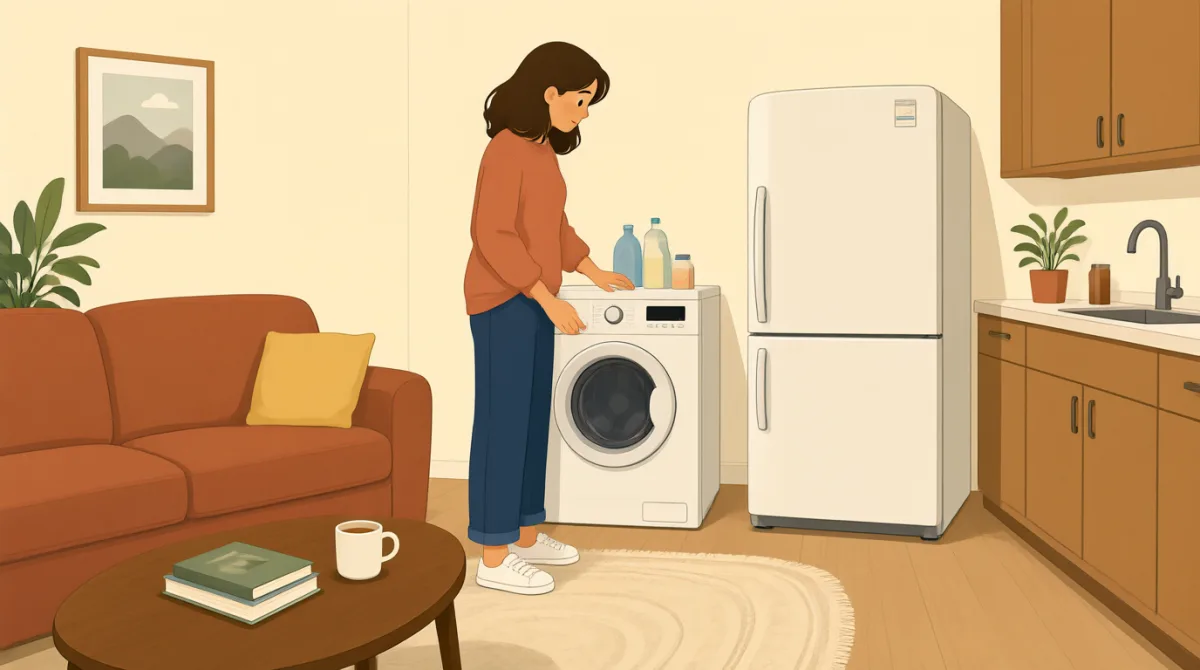

Hi David, I hope you're doing well. I'm calling because I have an issue with the washing machine.
สวัสดีค่ะคุณเดวิด หวังว่าคุณสบายดีนะคะ โทรมาเพราะเครื่องซักผ้ามีปัญหาค่ะ

Oh, hi Emma. Thanks for calling. What's going on with it?
อ๋อ สวัสดีเอ็มมา ขอบคุณที่โทรมานะ เครื่องเป็นอะไรเหรอ
It seems to have completely stopped working. I tried plugging it in and out, but it won't even power on. I noticed it yesterday.
ดูเหมือนว่าจะหยุดทำงานไปเลยค่ะ ฉันลองถอดปลั๊กแล้วเสียบใหม่แล้ว แต่เครื่องก็ยังเปิดไม่ติดเลย เมื่อวานฉันเพิ่งสังเกตเห็นค่ะ
Hmm, that's not good. Is it making any noise at all, or just completely dead?
อืม แบบนั้นไม่ดีเลย เครื่องมีเสียงอะไรบ้างไหม หรือว่าเสียสนิทเลย
Completely dead, no lights, no sound. It was working fine last week.
เสียสนิทเลยค่ะ ไม่มีไฟ ไม่มีเสียง อาทิตย์ที่แล้วก็ยังใช้ได้ดีอยู่เลย
Alright, I understand. I'll need to send someone over to take a look at it. Are you available sometime this week for a repair person to come by?
เข้าใจแล้ว เดี๋ยวผมต้องส่งช่างไปดูหน่อยนะ สัปดาห์นี้คุณสะดวกให้ช่างเข้าไปซ่อมวันไหนบ้าง
Yes, I'm pretty flexible. Any weekday afternoon works for me, or perhaps Wednesday morning.
ค่ะ ฉันค่อนข้างสะดวกได้หลายวันเลย บ่ายวันธรรมดาได้ทุกวัน หรือเช้าวันพุธก็ได้ค่ะ
Okay, great. Let me check with my repairman's schedule and I'll get back to you with a confirmed time later today. Thanks for letting me know right away, Emma.
โอเค ดีเลย เดี๋ยวผมเช็กตารางช่างแล้วจะติดต่อกลับพร้อมเวลาที่แน่นอนภายในวันนี้นะ ขอบคุณที่รีบแจ้งให้ผมรู้ เอ็มมา
No problem, David. Thanks for your help. I look forward to hearing from you.
ไม่เป็นไรค่ะคุณเดวิด ขอบคุณที่ช่วยนะคะ แล้วจะรอฟังข่าวค่ะ
คำศัพท์8
- issueปัญหา
A problem or concern. In this dialogue, Emma uses it to politely describe the washing machine problem, which is a common way to report issues without sounding too negative.
หมายถึงเรื่องที่ขัดข้องหรือสิ่งที่น่ากังวล ในบทสนทนานี้ เอ็มมาใช้คำนี้พูดถึงปัญหาของเครื่องซักผ้าอย่างสุภาพ เป็นวิธีทั่วไปในการแจ้งปัญหาโดยไม่ฟังดูรุนแรงเกินไป
- stopped workingหยุดทำงาน
Means something that was functioning is no longer operating. This is a practical phrase for describing broken appliances in everyday conversations.
หมายถึงสิ่งที่เคยทำงานได้ แต่ตอนนี้ใช้งานไม่ได้แล้ว เป็นวลีที่ใช้ได้จริงในบทสนทนาทั่วไปเมื่อต้องพูดถึงเครื่องใช้ไฟฟ้าที่เสีย
- plugging it in and outถอดปลั๊กแล้วเสียบใหม่
Connecting and disconnecting the power cord to try fixing a device. It's a basic troubleshooting step people often try before calling for help.
ถอดสายไฟออกแล้วเสียบกลับเข้าไปใหม่เพื่อลองแก้ปัญหา เป็นขั้นตอนแก้ปัญหาเบื้องต้นที่หลายคนมักลองทำก่อนโทรขอความช่วยเหลือ
- power onเปิดเครื่อง
To turn on using electricity. Here, it means the machine won't start at all, useful for explaining electronic failures.
ทำให้เครื่องเริ่มทำงานโดยใช้ไฟฟ้า ในที่นี้หมายถึงเครื่องเปิดไม่ติดเลย มีประโยชน์เมื่อต้องอธิบายว่าอุปกรณ์ไฟฟ้าเสีย
- completely deadเสียสนิท
Totally not working, with no signs of life like lights or sounds. This vivid expression helps emphasize the severity of a breakdown.
หมายถึงใช้งานไม่ได้เลย ไม่มีสัญญาณว่าเครื่องยังทำงานอยู่ เช่น ไม่มีไฟหรือเสียง เป็นสำนวนที่ช่วยเน้นว่าเครื่องเสียหนักแค่ไหน
- take a lookเข้าไปดู
To examine or inspect something quickly. It's informal and commonly used when asking someone to check a problem.
ตรวจดูหรือสำรวจอะไรบางอย่างอย่างรวดเร็ว เป็นสำนวนไม่เป็นทางการที่ใช้กันทั่วไปเมื่อต้องการให้ใครช่วยตรวจสอบปัญหา
- flexibleยืดหยุ่น
Able to change plans easily. Emma uses it to show she's open to different times for the repair, which is polite in scheduling talks.
สามารถปรับเปลี่ยนแผนได้ง่าย เอ็มมาใช้คำนี้เพื่อบอกว่าเธอสะดวกให้ช่างมาซ่อมได้หลายช่วงเวลา ซึ่งเป็นการพูดอย่างสุภาพเมื่อนัดหมาย
- get back to youติดต่อกลับ
To contact someone again later with more information. This is a standard phrase in professional or service conversations to promise a follow-up.
ติดต่อใครอีกครั้งในภายหลังพร้อมข้อมูลเพิ่มเติม เป็นวลีมาตรฐานในการสนทนาเรื่องงานหรือบริการ เพื่อบอกว่าจะติดตามเรื่องให้
ประโยคสำคัญ8
- 1
I'm calling because I have an issue with the washing machine.
โทรมาเพราะเครื่องซักผ้ามีปัญหาค่ะ
This is a polite way to start a call about a problem. It uses 'because' to give a reason, which is useful for reporting issues clearly. Practice this for customer service or landlord talks.
ประโยคนี้เป็นวิธีสุภาพในการเริ่มโทรมาแจ้งปัญหา โดยใช้ 'because' เพื่อบอกเหตุผล ซึ่งช่วยให้แจ้งเรื่องได้ชัดเจน ลองฝึกใช้เวลาติดต่อฝ่ายบริการลูกค้าหรือคุยกับเจ้าของบ้านนะคะ
- 2
It seems to have completely stopped working.
ดูเหมือนว่าจะหยุดทำงานไปเลยค่ะ
Describes a problem tentatively with 'seems to have,' making it less direct. The present perfect 'have stopped' shows a recent change. Great for explaining breakdowns without blame.
ประโยคนี้บอกปัญหาอย่างไม่ฟันธงด้วย 'seems to have' จึงฟังดูนุ่มนวลกว่า ส่วน present perfect ใน 'have stopped' สื่อถึงการเปลี่ยนแปลงที่เพิ่งเกิดขึ้น เหมาะสำหรับอธิบายว่าเครื่องเสียโดยไม่กล่าวโทษใครค่ะ
- 3
I tried plugging it in and out, but it won't even power on.
ฉันลองถอดปลั๊กแล้วเสียบใหม่แล้ว แต่เครื่องก็ยังเปิดไม่ติดเลยค่ะ
Shows what you've already tried to fix it, using 'tried... but' for contrast. 'Won't even' adds emphasis on failure. This builds credibility when asking for help.
ประโยคนี้บอกสิ่งที่คุณลองทำเพื่อแก้ปัญหาแล้ว โดยใช้ 'tried... but' เพื่อแสดงความขัดแย้ง ส่วน 'won't even' ช่วยเน้นว่าเครื่องใช้ไม่ได้เลย การบอกสิ่งที่ลองทำแล้วช่วยให้คำขอความช่วยเหลือดูมีข้อมูลชัดเจนขึ้นค่ะ
- 4
Is it making any noise at all, or just completely dead?
เครื่องมีเสียงอะไรบ้างไหม หรือว่าเสียสนิทเลย
A question to gather more details, using 'or' for alternatives. 'At all' emphasizes checking for any sign. Useful for service providers diagnosing problems over the phone.
เป็นคำถามเพื่อขอรายละเอียดเพิ่มเติม โดยใช้ 'or' เสนอทางเลือก และ 'at all' เพื่อเน้นว่าต้องการรู้ว่ามีสัญญาณใด ๆ หรือไม่ มีประโยชน์เมื่อผู้ให้บริการกำลังวินิจฉัยปัญหาทางโทรศัพท์ค่ะ
- 5
I'll need to send someone over to take a look at it.
เดี๋ยวผมต้องส่งช่างไปดูหน่อยนะ
Promises action with 'I'll need to,' which is polite and professional. 'Send someone over' means dispatching help. This is key for responding to repair requests.
ประโยคนี้รับปากว่าจะดำเนินการด้วย 'I'll need to' ซึ่งสุภาพและเป็นมืออาชีพ 'Send someone over' หมายถึงส่งคนไปช่วย เป็นประโยคสำคัญสำหรับตอบรับคำขอให้ซ่อมค่ะ
- 6
Are you available sometime this week for a repair person to come by?
สัปดาห์นี้คุณสะดวกให้ช่างเข้าไปซ่อมวันไหนบ้าง
Asks for availability using 'sometime' for flexibility and 'come by' for a casual visit. The infinitive 'to come by' explains the purpose. Essential for scheduling appointments.
ประโยคนี้ถามเวลาที่อีกฝ่ายสะดวก โดยใช้ 'sometime' เพื่อเปิดกว้างเรื่องเวลา และ 'come by' ในความหมายว่าแวะไป ส่วน 'to come by' บอกจุดประสงค์ของการนัดหมาย ควรรู้ไว้เมื่อต้องนัดเวลาเข้ารับบริการค่ะ
- 7
I'm pretty flexible. Any weekday afternoon works for me.
ฉันค่อนข้างสะดวกได้หลายวันเลย บ่ายวันธรรมดาได้ทุกวันค่ะ
Offers options politely with 'pretty flexible' (meaning quite adaptable) and 'works for me' (suitable). This shows cooperation in planning, common in service dialogues.
ประโยคนี้เสนอช่วงเวลาที่สะดวกอย่างสุภาพ โดย 'pretty flexible' หมายถึงปรับเปลี่ยนเวลาได้ค่อนข้างมาก และ 'works for me' หมายถึงสะดวกสำหรับฉัน การพูดแบบนี้แสดงความร่วมมือในการนัดหมาย ซึ่งพบได้บ่อยในบทสนทนาเรื่องบริการค่ะ
- 8
Let me check with my repairman's schedule and I'll get back to you with a confirmed time later today.
เดี๋ยวผมเช็กตารางช่างแล้วจะติดต่อกลับพร้อมเวลาที่แน่นอนภายในวันนี้นะ
Uses 'let me' for permission to act, future 'I'll get back' for follow-up, and 'with a confirmed time' for specifics. This reassures the caller and is standard in business calls.
ประโยคนี้ใช้ 'let me' เพื่อขออนุญาตดำเนินการ ใช้ 'I'll get back' เพื่อบอกว่าจะติดต่อกลับ และใช้ 'with a confirmed time' เพื่อระบุว่าจะให้เวลาที่แน่นอน การพูดแบบนี้ช่วยให้อีกฝ่ายมั่นใจ และเป็นสำนวนที่ใช้กันทั่วไปในการคุยงานทางโทรศัพท์ค่ะ