Reporting a Broken Appliance to Landlord
向房東報告電器故障
A tenant discovers that their refrigerator or washing machine is not working and needs to contact their landlord to report the issue and request a repair.
一名租戶發現冰箱或洗衣機不工作,需要聯絡房東報告問題並要求維修。
對話9
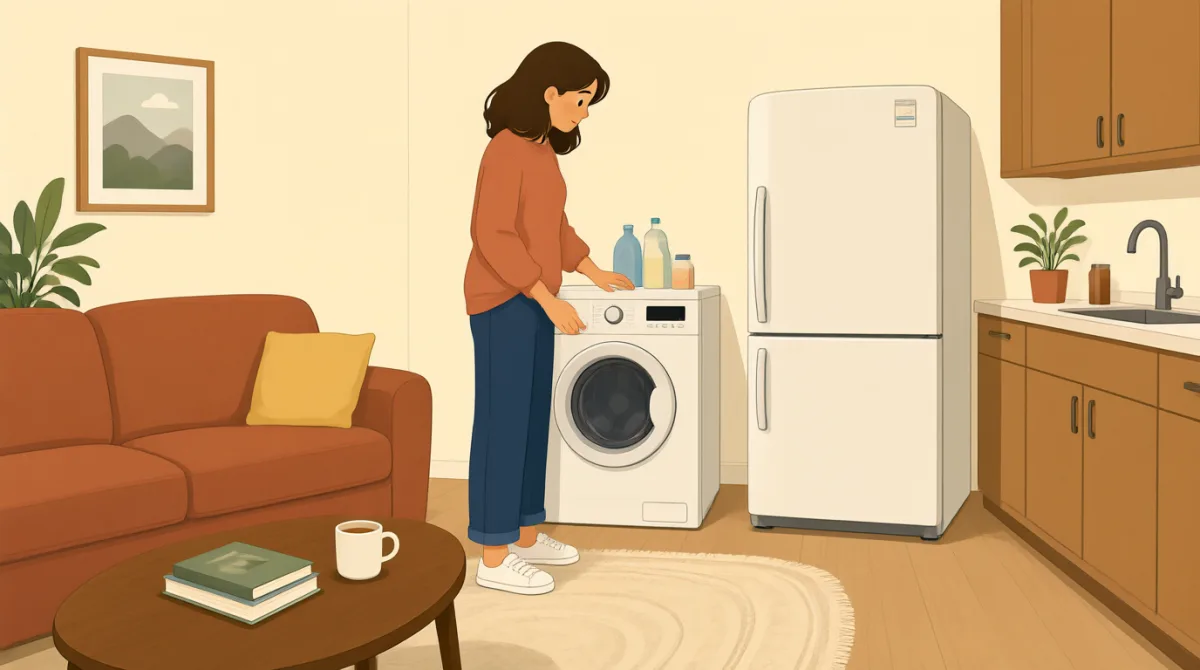

Hi David, I hope you're doing well. I'm calling because I have an issue with the washing machine.
你好大衛,希望你一切都好。我打電話是因為洗衣機有點問題。

Oh, hi Emma. Thanks for calling. What's going on with it?
哦,你好艾瑪。謝謝你的電話。洗衣機怎麼了?
It seems to have completely stopped working. I tried plugging it in and out, but it won't even power on. I noticed it yesterday.
它好像完全不工作了。我試著插拔電源,但它甚至打不開。我昨天注意到這個問題了。
Hmm, that's not good. Is it making any noise at all, or just completely dead?
嗯,這可不妙。它有發出任何聲音嗎,還是完全沒反應?
Completely dead, no lights, no sound. It was working fine last week.
完全沒反應,沒燈光,沒聲音。上週還用得好好的。
Alright, I understand. I'll need to send someone over to take a look at it. Are you available sometime this week for a repair person to come by?
好的,我明白了。我需要派人過去看看。這周你什麼時候有空,方便維修人員過來嗎?
Yes, I'm pretty flexible. Any weekday afternoon works for me, or perhaps Wednesday morning.
有,我時間比較靈活。工作日下午任何時候都可以,或者週三上午。
Okay, great. Let me check with my repairman's schedule and I'll get back to you with a confirmed time later today. Thanks for letting me know right away, Emma.
好的,太好了。我查一下維修工的日程,然後今天晚些時候我會給你一個確切的時間。謝謝你第一時間告訴我,艾瑪。
No problem, David. Thanks for your help. I look forward to hearing from you.
沒問題,大衛。謝謝你的幫助。我等你訊息。
詞彙8
- issue問題
A problem or concern. In this dialogue, Emma uses it to politely describe the washing machine problem, which is a common way to report issues without sounding too negative.
指問題或令人擔憂的事情。在這段對話中,艾瑪用它來委婉地描述洗衣機的問題。報告故障時這樣說很常見,聽起來也不會太嚴重。
- stopped working停止工作
Means something that was functioning is no longer operating. This is a practical phrase for describing broken appliances in everyday conversations.
表示原本正常運轉的東西現在不再執行了。這是日常對話中描述電器壞了的一種實用說法。
- plugging it in and out反覆插拔電源
Connecting and disconnecting the power cord to try fixing a device. It's a basic troubleshooting step people often try before calling for help.
指透過插拔電源線嘗試修理裝置。這是人們在求助前經常會嘗試的基本故障排查方法。
- power on通電啟動
To turn on using electricity. Here, it means the machine won't start at all, useful for explaining electronic failures.
指接通電源後開機。這裡表示機器完全無法啟動,適合用來說明電器故障。
- completely dead徹底壞了
Totally not working, with no signs of life like lights or sounds. This vivid expression helps emphasize the severity of a breakdown.
指完全不能工作,連燈光或聲音等跡象都沒有。這個形象的說法可以強調故障很嚴重。
- take a look檢查一下
To examine or inspect something quickly. It's informal and commonly used when asking someone to check a problem.
指快速檢視或檢查某樣東西。這種說法比較隨意,常用於請別人幫忙看看問題。
- flexible靈活
Able to change plans easily. Emma uses it to show she's open to different times for the repair, which is polite in scheduling talks.
指能夠輕鬆調整安排。艾瑪用這個詞表示維修時間可以靈活安排,在商量日程時這樣說很有禮貌。
- get back to you再聯絡你
To contact someone again later with more information. This is a standard phrase in professional or service conversations to promise a follow-up.
指之後再聯絡某人並提供更多資訊。在工作或服務場合,這是一種常見的跟進承諾說法。
關鍵句8
- 1
I'm calling because I have an issue with the washing machine.
我打電話是因為洗衣機出了問題。
This is a polite way to start a call about a problem. It uses 'because' to give a reason, which is useful for reporting issues clearly. Practice this for customer service or landlord talks.
這是打電話說明問題時一種禮貌的開場方式。句中用 'because'(因為)說明原因,有助於清楚地報告問題。和客服或房東溝通時可以練習使用這句話。
- 2
It seems to have completely stopped working.
它好像徹底不工作了。
Describes a problem tentatively with 'seems to have,' making it less direct. The present perfect 'have stopped' shows a recent change. Great for explaining breakdowns without blame.
用 'seems to have'(好像已經)委婉地描述問題,語氣不那麼直接。現在完成時 'have stopped' 表示最近發生了變化。說明故障時這樣說很合適,也不會顯得在責怪誰。
- 3
I tried plugging it in and out, but it won't even power on.
我試著反覆插拔電源,但它甚至無法啟動。
Shows what you've already tried to fix it, using 'tried... but' for contrast. 'Won't even' adds emphasis on failure. This builds credibility when asking for help.
這句話說明了你已經嘗試過什麼來修理裝置,並用 'tried... but'(試著……但……)表示轉折。'Won't even'(甚至無法)強調機器失靈。說明這些情況能讓對方更瞭解問題,也更容易獲得幫助。
- 4
Is it making any noise at all, or just completely dead?
它有發出任何聲音嗎,還是徹底沒反應?
A question to gather more details, using 'or' for alternatives. 'At all' emphasizes checking for any sign. Useful for service providers diagnosing problems over the phone.
這是為了瞭解更多情況而提出的問題,用 'or'(還是)列出不同可能。'At all'(任何)強調要確認是否有一點動靜。維修人員在電話裡判斷故障時,這種問法很實用。
- 5
I'll need to send someone over to take a look at it.
我需要派人過去檢查一下。
Promises action with 'I'll need to,' which is polite and professional. 'Send someone over' means dispatching help. This is key for responding to repair requests.
用 'I'll need to'(我需要)禮貌而專業地承諾採取行動。'Send someone over'(派人過去)指安排工作人員上門。這是回覆維修請求時很有用的表達。
- 6
Are you available sometime this week for a repair person to come by?
這周你什麼時候方便維修人員過來?
Asks for availability using 'sometime' for flexibility and 'come by' for a casual visit. The infinitive 'to come by' explains the purpose. Essential for scheduling appointments.
用 'sometime'(某個時間)靈活地詢問對方是否有空,'come by'(過來一趟)則表示短暫上門。'To come by' 說明上門的目的。安排預約時,這種表達很實用。
- 7
I'm pretty flexible. Any weekday afternoon works for me.
我的時間比較靈活。工作日下午什麼時候都可以。
Offers options politely with 'pretty flexible' (meaning quite adaptable) and 'works for me' (suitable). This shows cooperation in planning, common in service dialogues.
這句話用 'pretty flexible'(時間比較靈活)和 'works for me'(對我來說合適)禮貌地提出可選時間。這樣表達願意配合安排,在服務場景的對話中很常見。
- 8
Let me check with my repairman's schedule and I'll get back to you with a confirmed time later today.
我查一下維修工的日程,今天晚些時候再告訴你確認的時間。
Uses 'let me' for permission to act, future 'I'll get back' for follow-up, and 'with a confirmed time' for specifics. This reassures the caller and is standard in business calls.
用 'let me'(讓我)表示要採取行動,用將來時 'I'll get back'(我會再聯絡你)承諾後續跟進,'with a confirmed time'(並告知確認的時間)則說明會提供具體安排。這能讓來電者放心,也是商務電話中的常見說法。