單元 61
單字 1201–1220 · ball, cry, introduction, requirement, north, confirm

ball
#1201noun, verb
球;把……揉成球狀
A round object used in games, sports, or play; to make something round.
一種用於遊戲、運動或玩耍的圓形物體;把某物做成圓形。
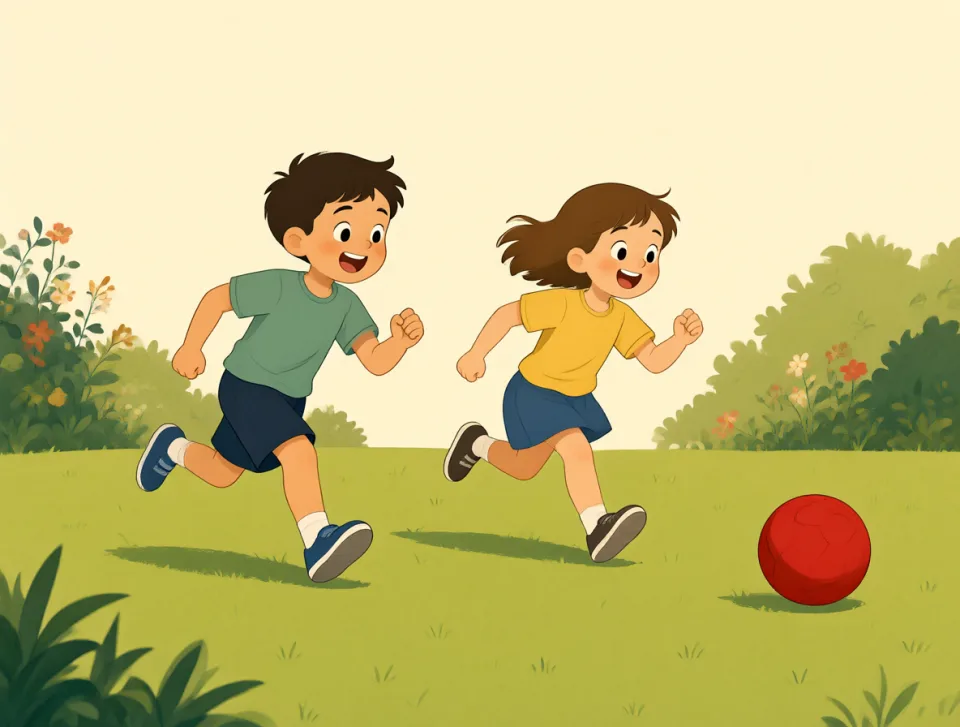
The children are playing with a ball in the garden.
孩子們正在花園裡玩球。
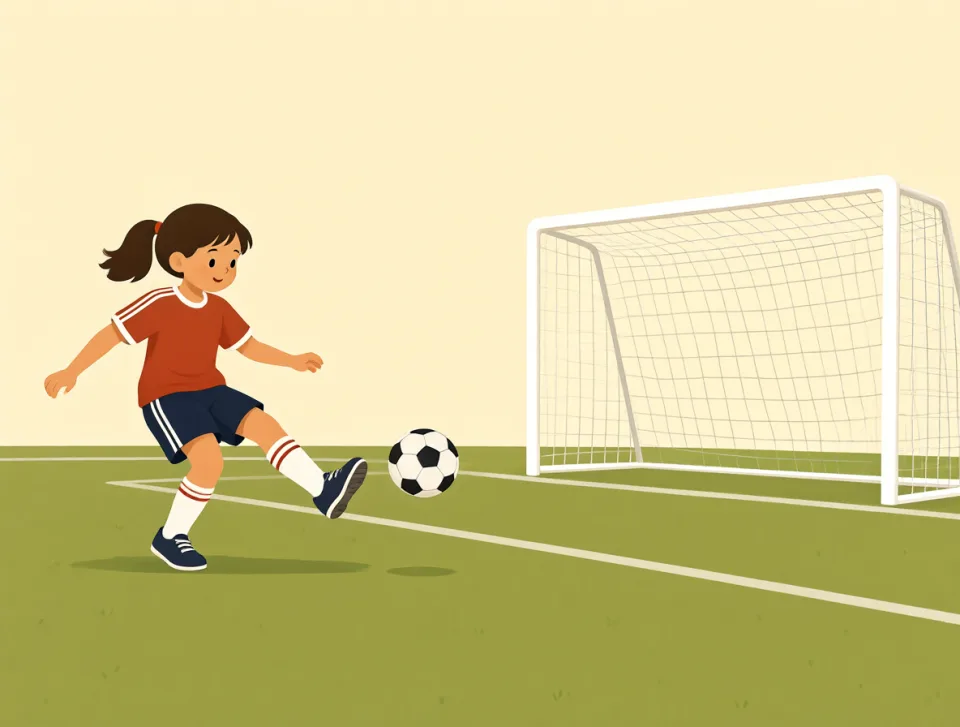
She kicked the ball into the goal during the game.
比賽中,她把球踢進了球門。
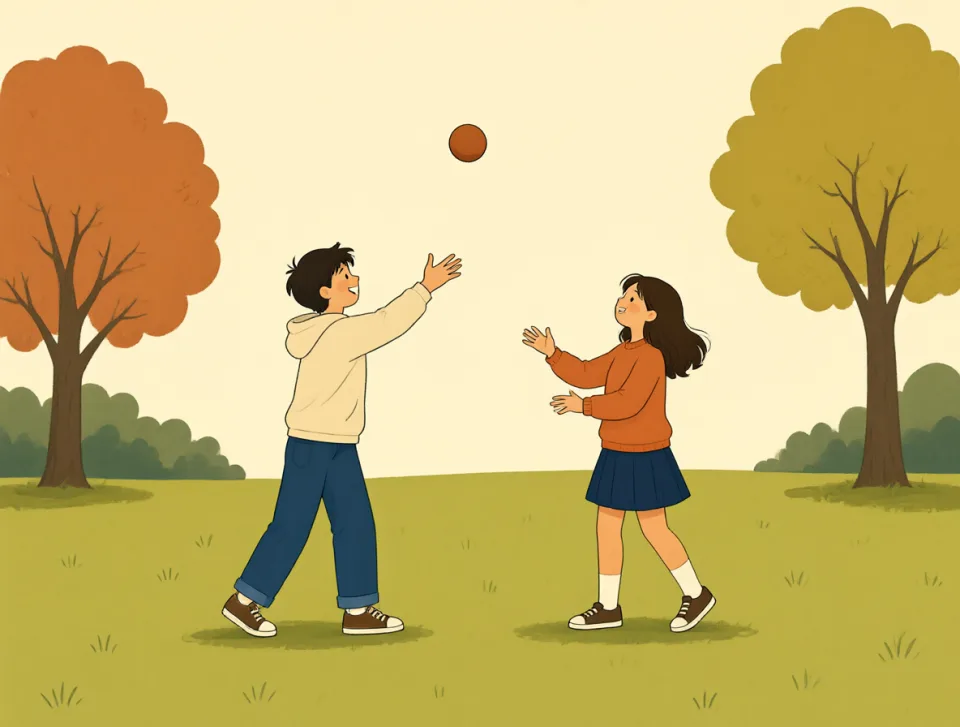
Please throw me the ball when you are ready.
你準備好後,請把球扔給我。

We bought a small ball for the baby yesterday.
我們昨天給寶寶買了一個小球。

The chef balled the dough before putting it in the oven.
廚師把麵糰揉成球狀後放進了烤箱。
cry
#1202verb, noun
哭;哭喊
To produce tears or loud sounds because you are sad, hurt, or need help.
因悲傷、受傷或需要幫助而流淚或大聲呼喊。
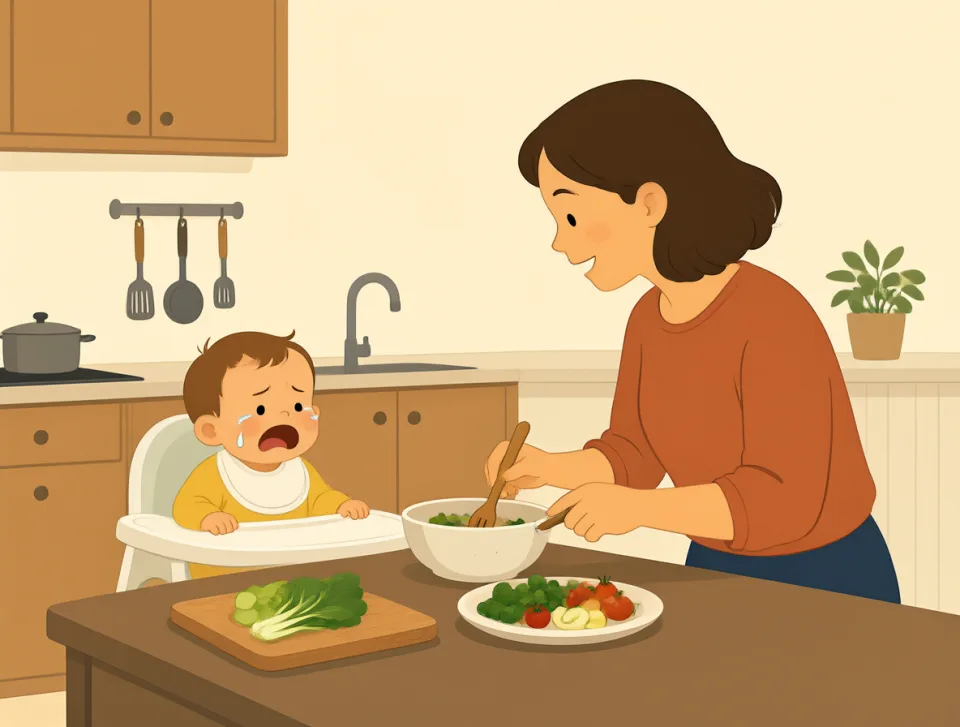
The baby started to cry when she was hungry.
寶寶餓了,就哭了起來。

Please do not cry; everything will be all right.
請別哭,一切都會好起來的。
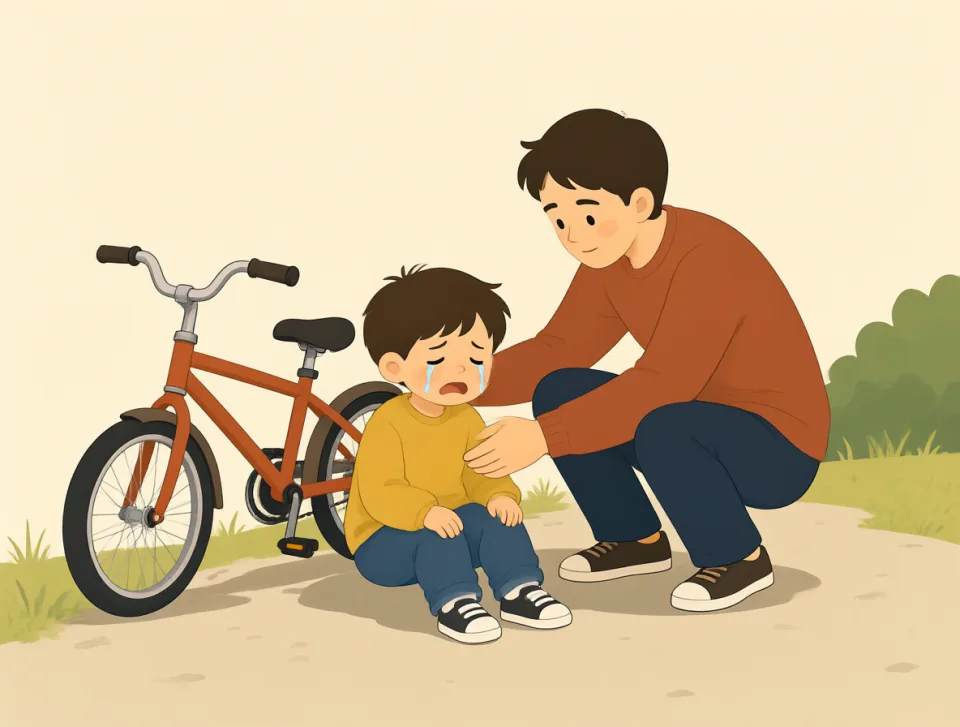
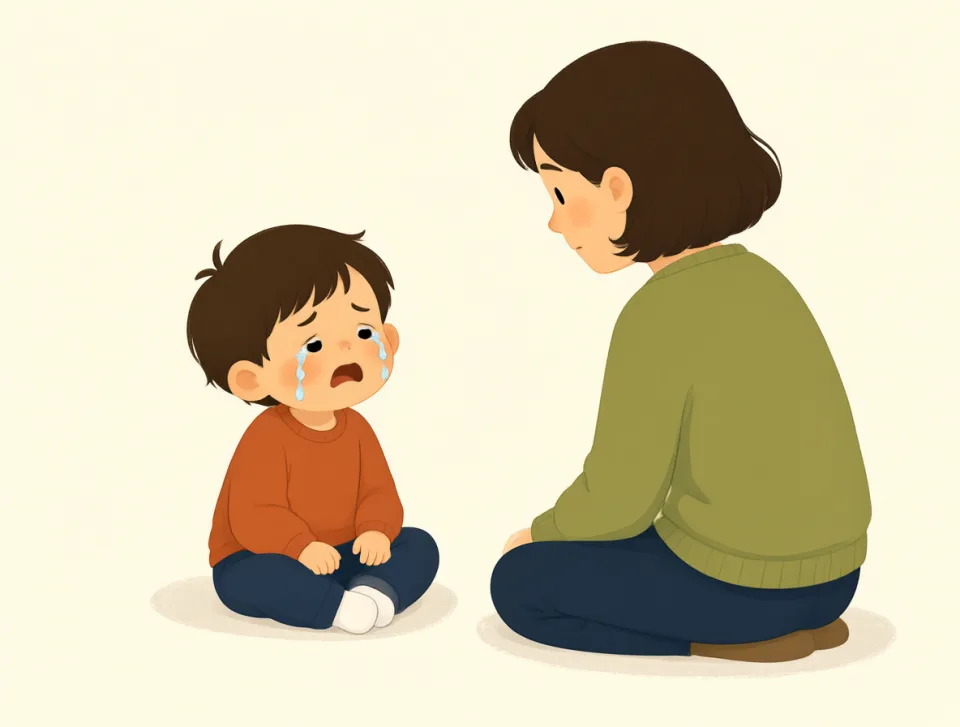
The little boy cried after falling off his bicycle.
小男孩從腳踏車上摔下來後哭了。

She cried with happiness when she passed her final exam.
她透過了期末考試,高興得哭了起來。
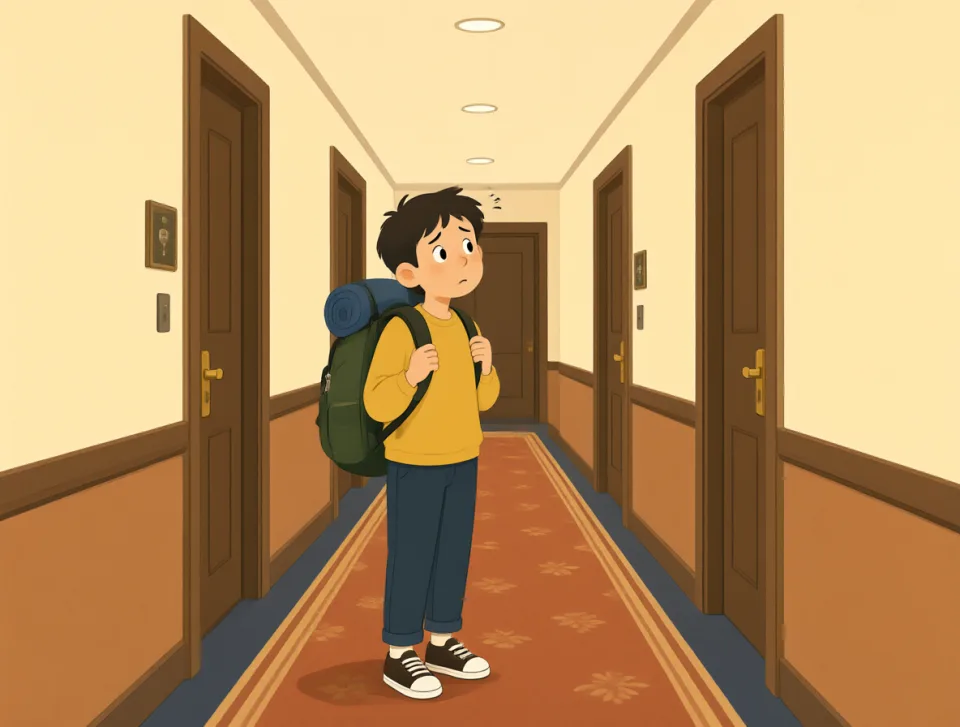
We heard a loud cry for help from the hotel hallway.
我們聽到酒店走廊裡有人大聲呼救。

introduction
#1203noun
介紹;引言
the act of presenting someone or something for the first time
首次介紹某人或某物的行為

The teacher gave a short introduction before starting the lesson.
老師在開始上課前做了簡短的介紹。

After a quick introduction, we started talking about our new jobs.
簡單認識了一下後,我們就開始聊起了各自的新工作。

The book's introduction explains what readers will learn in each chapter.
這本書的引言介紹了讀者將在每一章學到什麼。

Our manager made introductions when the new employee joined the team.
新員工加入團隊時,我們經理為大家做了介紹。
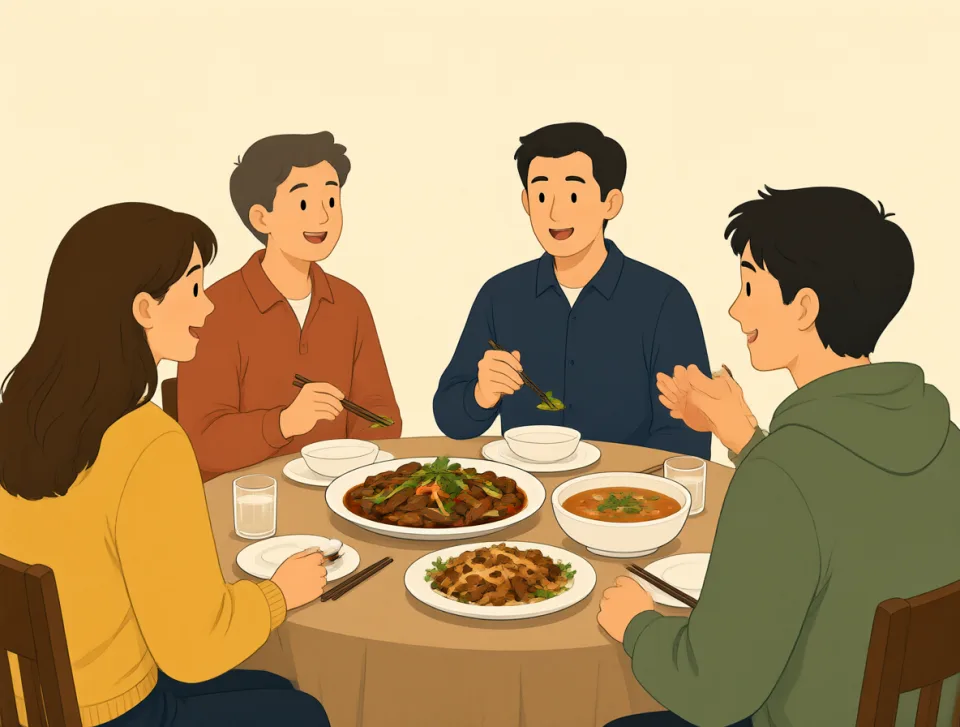
The hotel offered an introduction to local food during our first evening.
入住的第一個晚上,酒店向我們介紹了當地美食。
requirement
#1204noun
要求;必要條件
something that is needed or must be done
需要具備或必須完成的事情
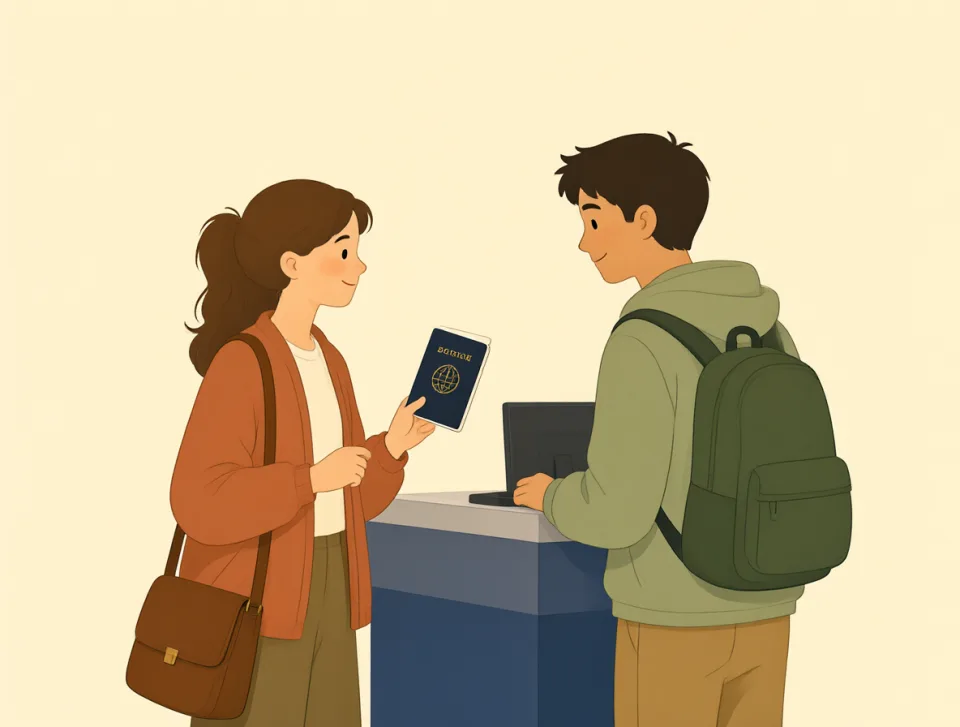
A passport is a requirement for entering some countries.
進入某些國家必須持有護照。

The job requirements include good English and computer skills.
這份工作的要求包括良好的英語水平和計算機技能。
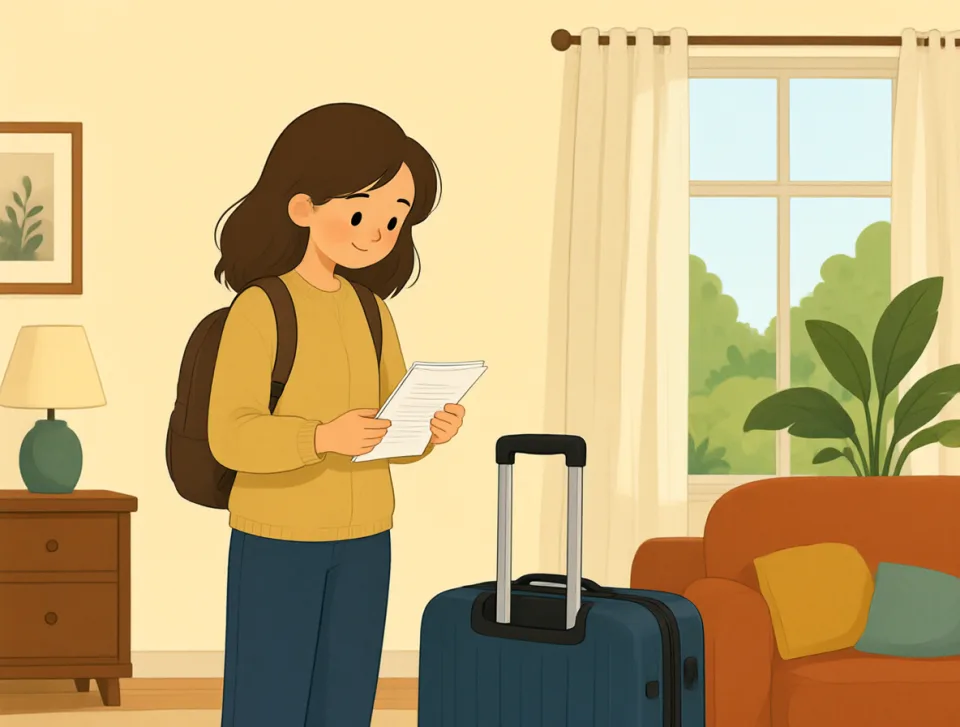
Please check the visa requirements before booking your flight.
訂機票前,請先檢視簽證要求。
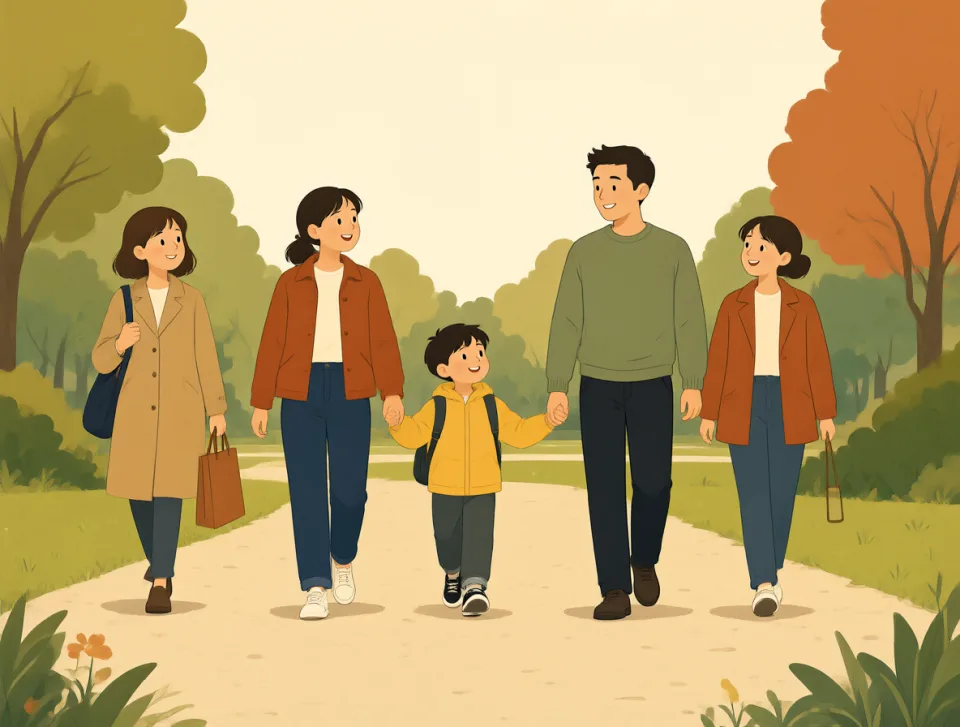
There are no special requirements for joining our walking group.
加入我們的徒步小組沒有特別要求。
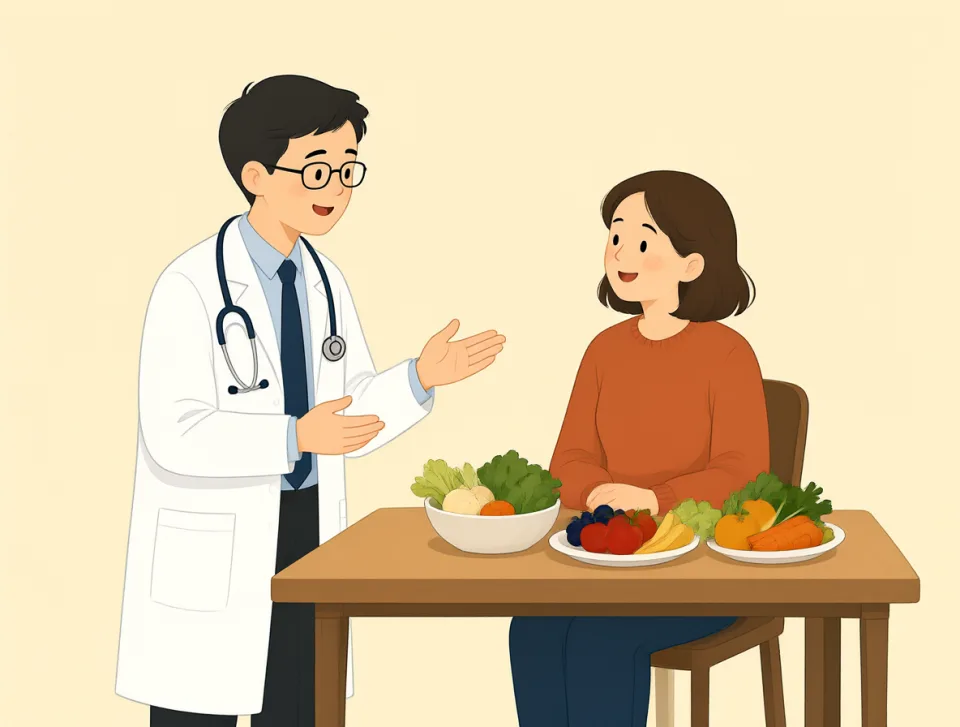
The doctor explained the requirements for a healthy diet.
醫生講解了健康飲食的要求。
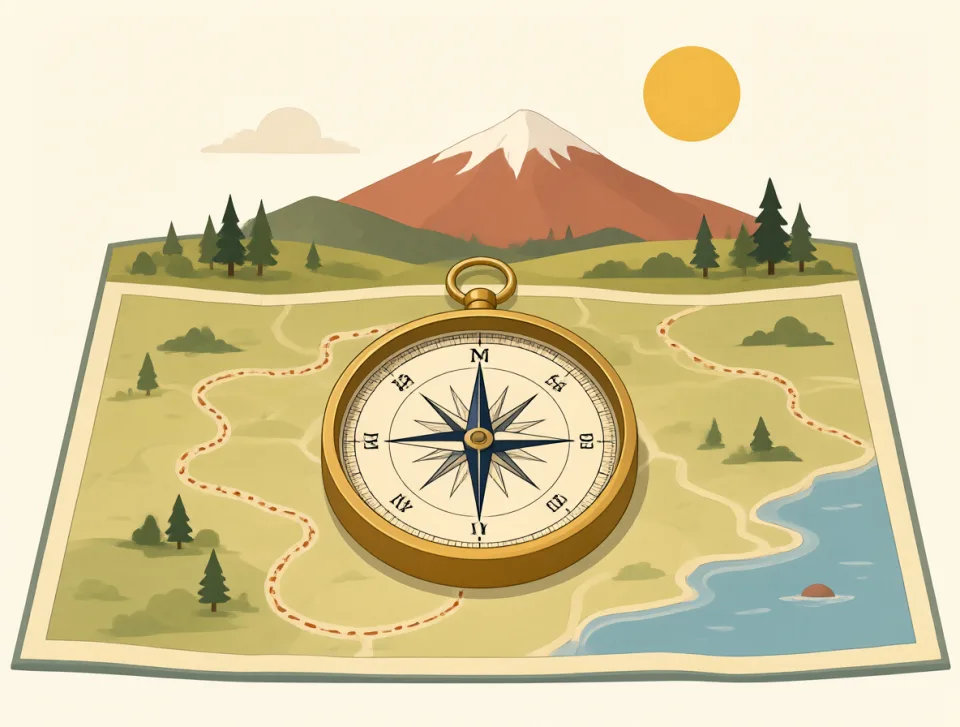
north
#1205noun, adjective, adverb, preposition
北;北方;向北
the direction or region that is opposite to the south
與南相反的方向或地區
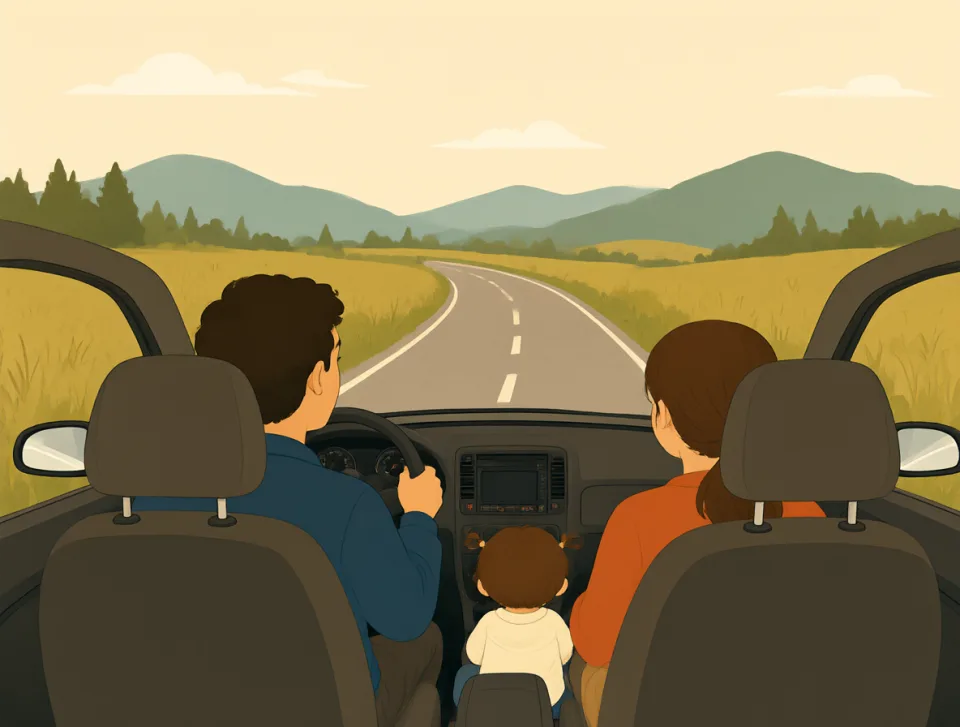
We drove north for two hours to visit my aunt.
我們向北開了兩個小時的車,去看望我的姑媽。
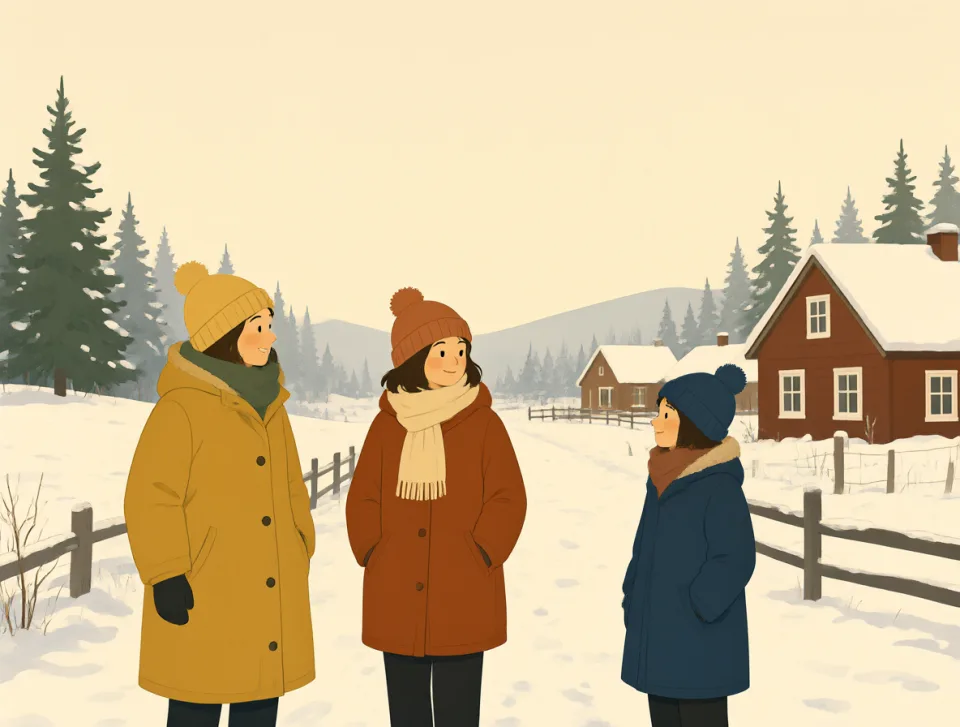
The north of the country gets very cold in winter.
這個國家的北部冬天非常冷。
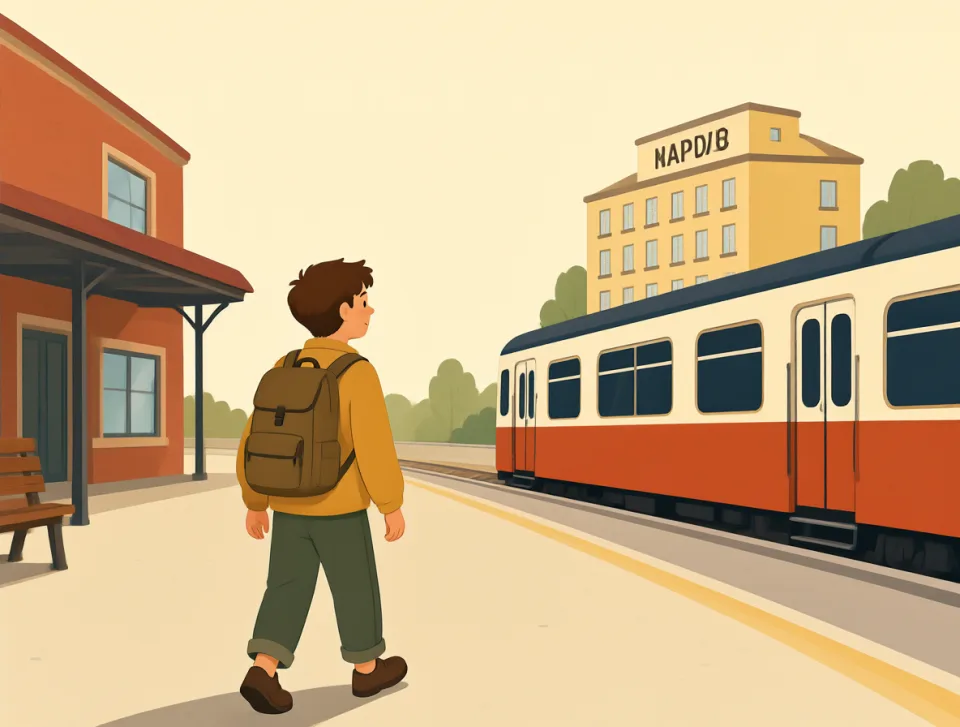
Our hotel is north of the train station.
我們的酒店在火車站以北。

The birds are flying north for the summer.
鳥兒正飛往北方過夏天。

A cold wind came from the north this morning.
今天早上,一陣冷風從北方吹來。

confirm
#1206verb
確認; 證實
To say or show that something is true, correct, or arranged.
說出或表明某事屬實、正確或已安排妥當。

Please confirm your booking before you arrive at the hotel.
請在到達酒店前確認您的預訂。

The doctor confirmed that my test results were normal.
醫生確認我的檢查結果正常。

She called to confirm the meeting time with her manager.
她打電話和經理確認會議時間。

We confirmed our order before the waiter brought the food.
在服務員上菜前,我們確認了訂單。

Tom confirmed that he would help us move this weekend.
湯姆確認這個週末會幫我們搬家。
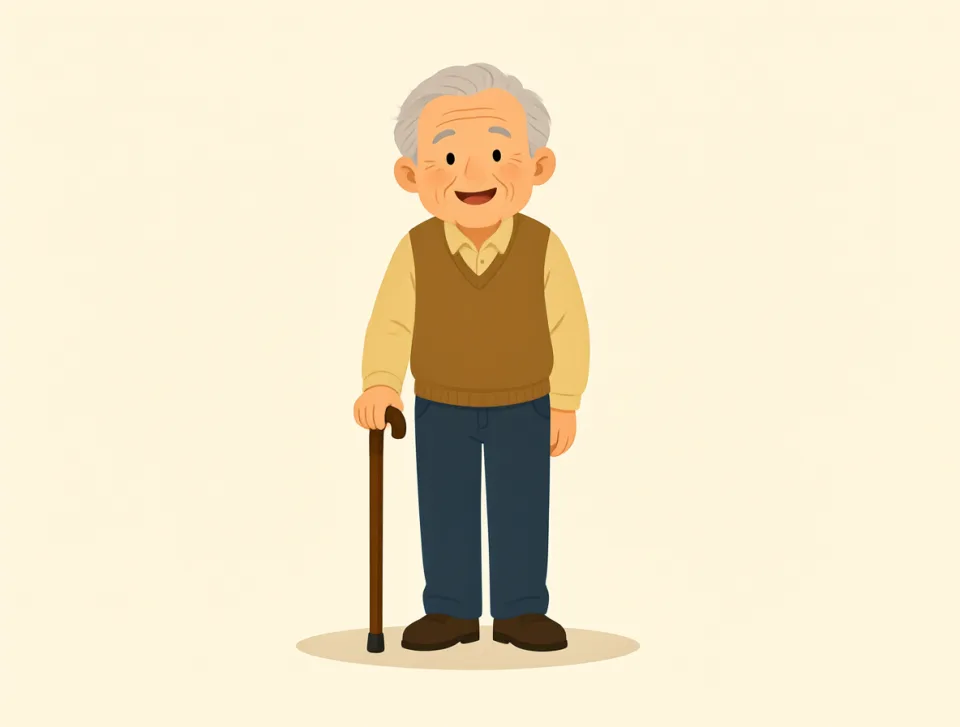
senior
#1207noun, adjective
年長者;高年級學生;高階的;資深的
an older person, or a student in the last year of high school or college
年長的人,或高中或大學最後一年級的學生

The senior citizen received a discount at the grocery store.
這位老年人在雜貨店購物時享受了折扣。

My senior year of high school was busy but exciting.
我的高中畢業年忙碌而又令人興奮。

The company hired a senior manager to lead the new team.
公司聘請了一位高階經理來帶領新團隊。
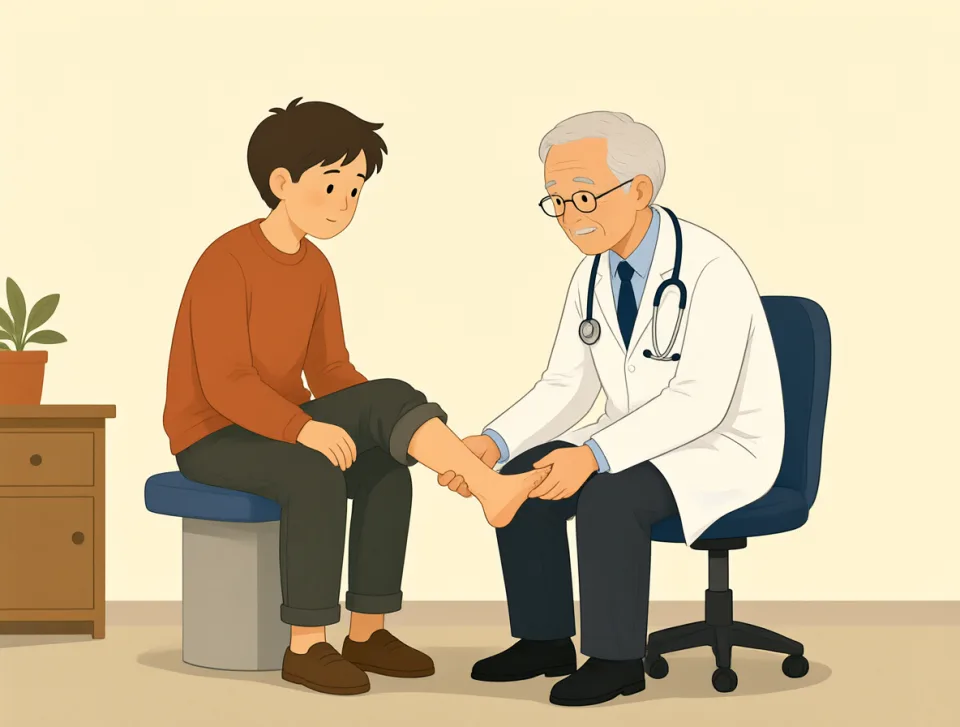
A senior doctor checked my injured ankle carefully.
一位資深醫生仔細檢查了我受傷的腳踝。
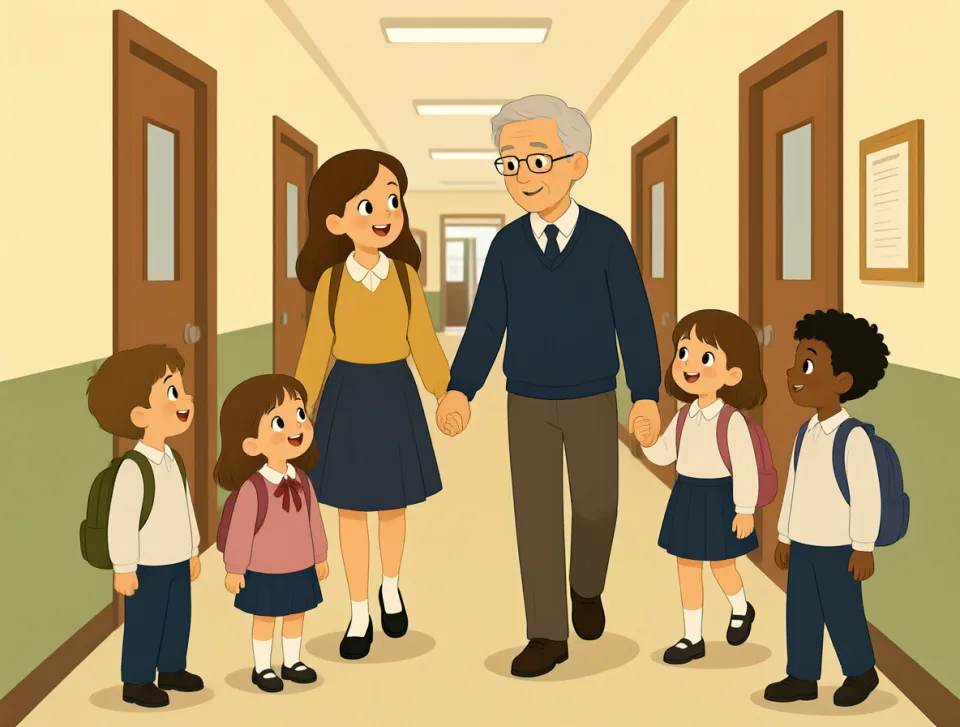
The senior students helped younger children find their classrooms.
高年級學生幫助年幼的孩子找到了他們的教室。
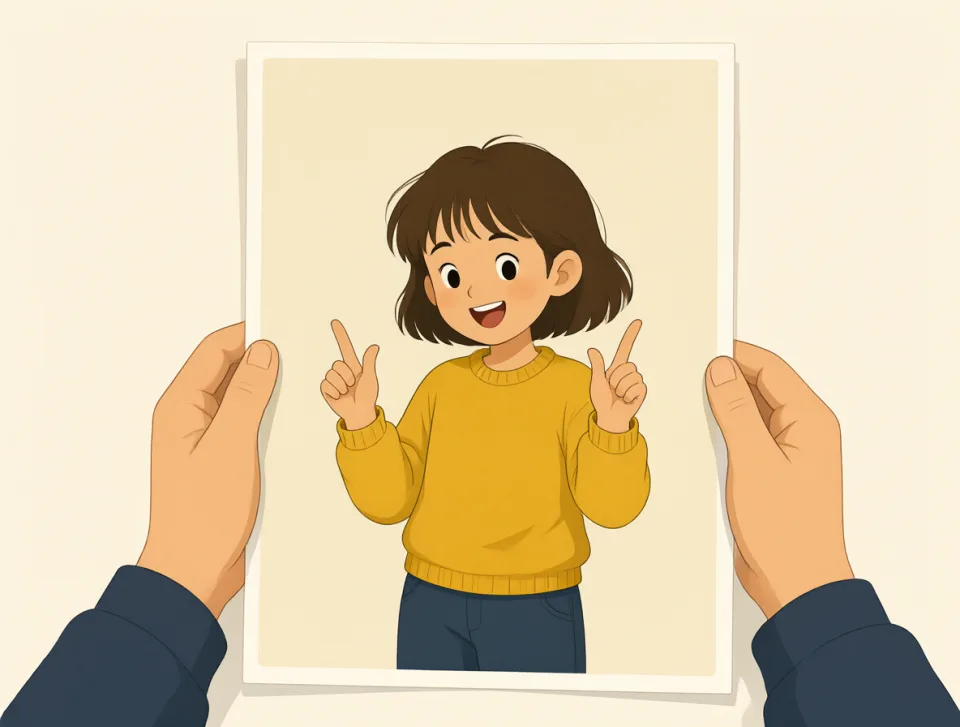
photo
#1208noun
照片;相片
A picture made with a camera.
用相機拍攝的圖片。
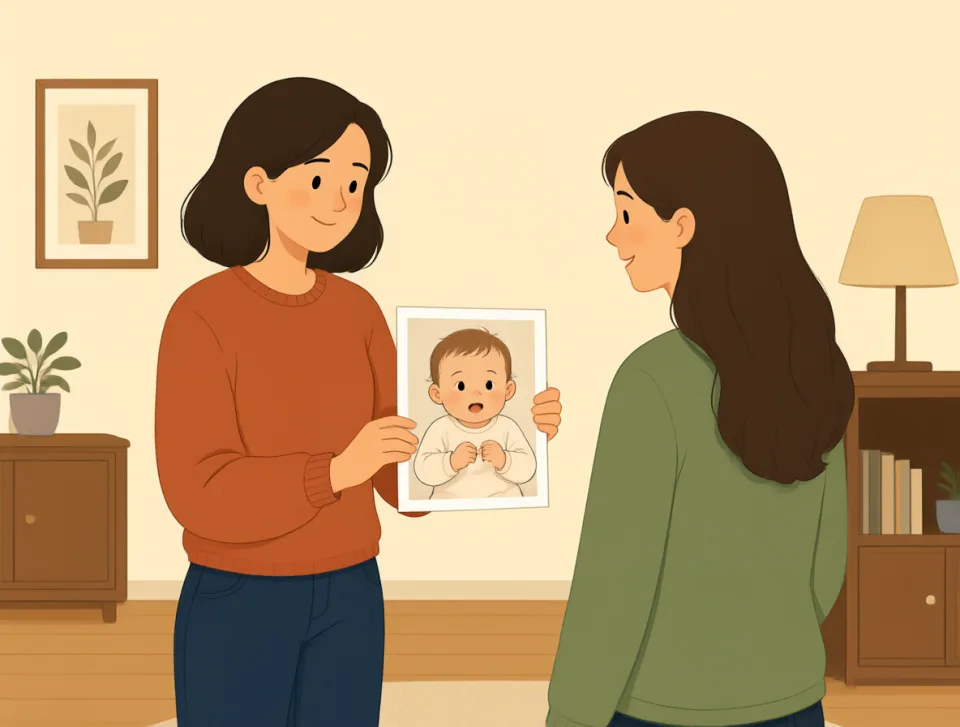
She showed me a photo of her new baby.
她給我看了她新生寶寶的照片。

I took a photo of the mountains during our trip.
旅行時,我拍了一張山景照。
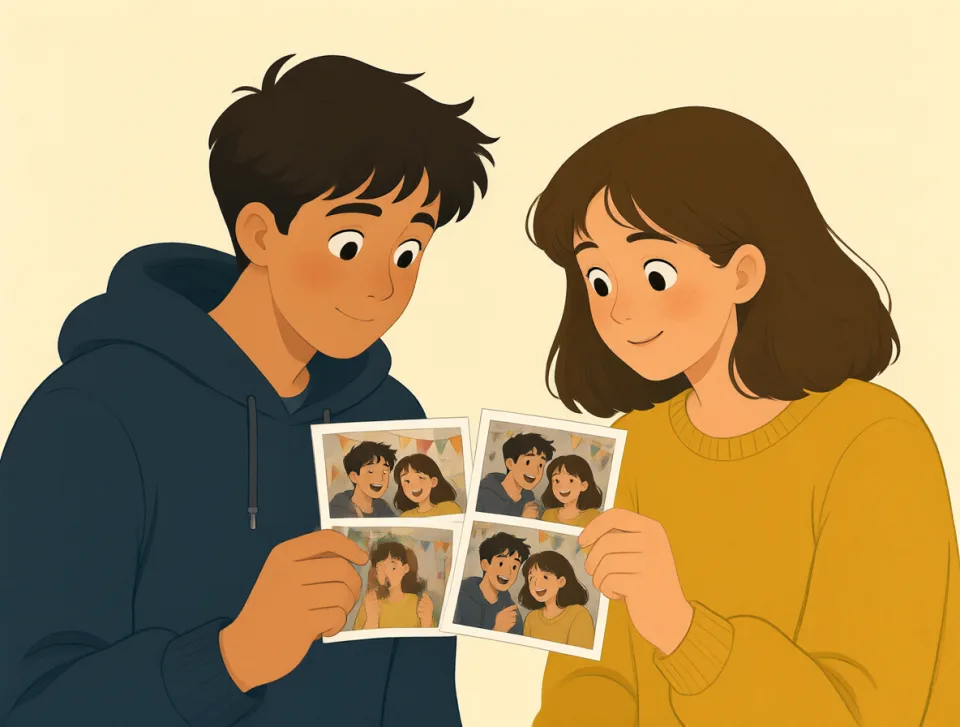
Please send me the photos from yesterday's party.
請把昨天派對的照片發給我。

The school photo will be taken next Monday.
學校照將在下週一拍攝。
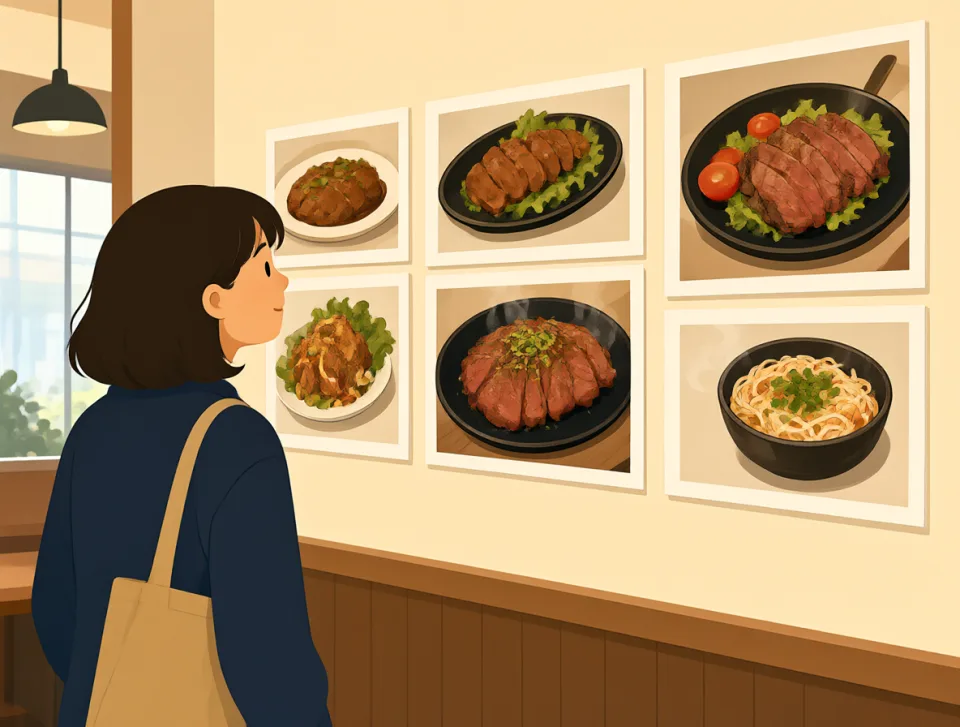
This restaurant has delicious photos of its food.
這家餐廳的食物照片拍得很誘人。
refuse
#1209verb, noun
拒絕;垃圾
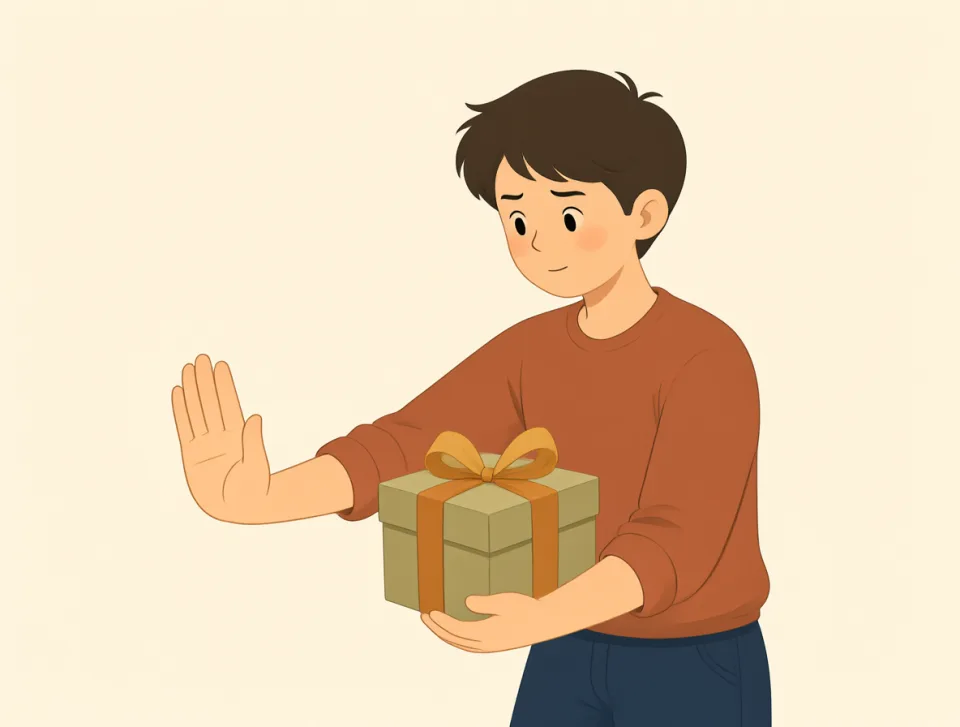
To say no to something, or waste that people throw away.
拒絕某事;或指人們丟棄的廢棄物。
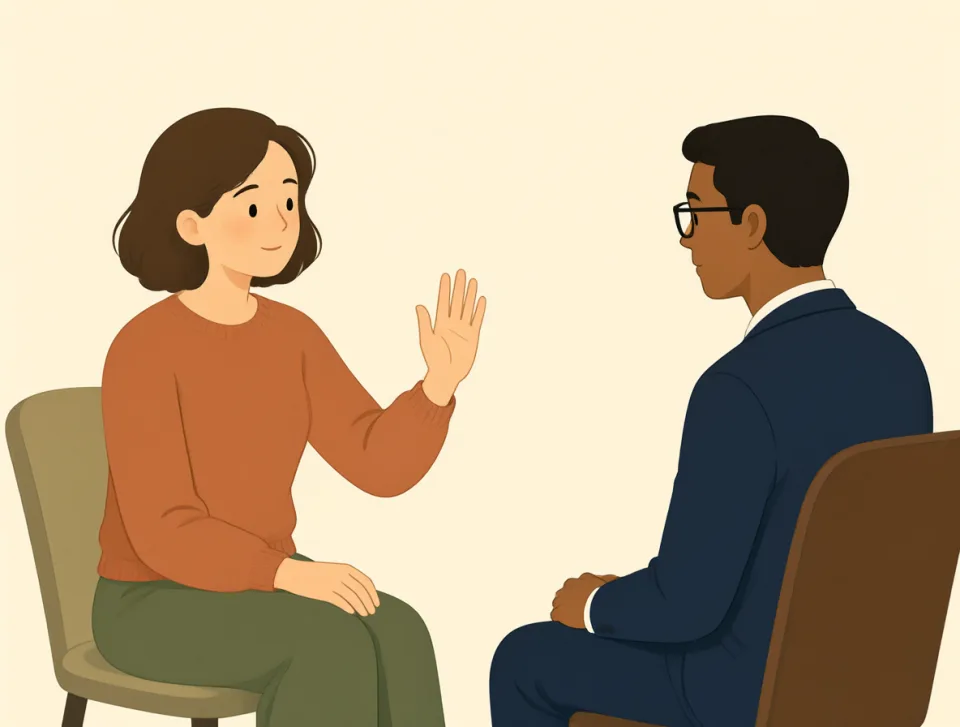
She refused to answer the question during the interview.
她在面試時拒絕回答這個問題。

The shop refused to give me a refund.
那家商店拒絕給我退款。
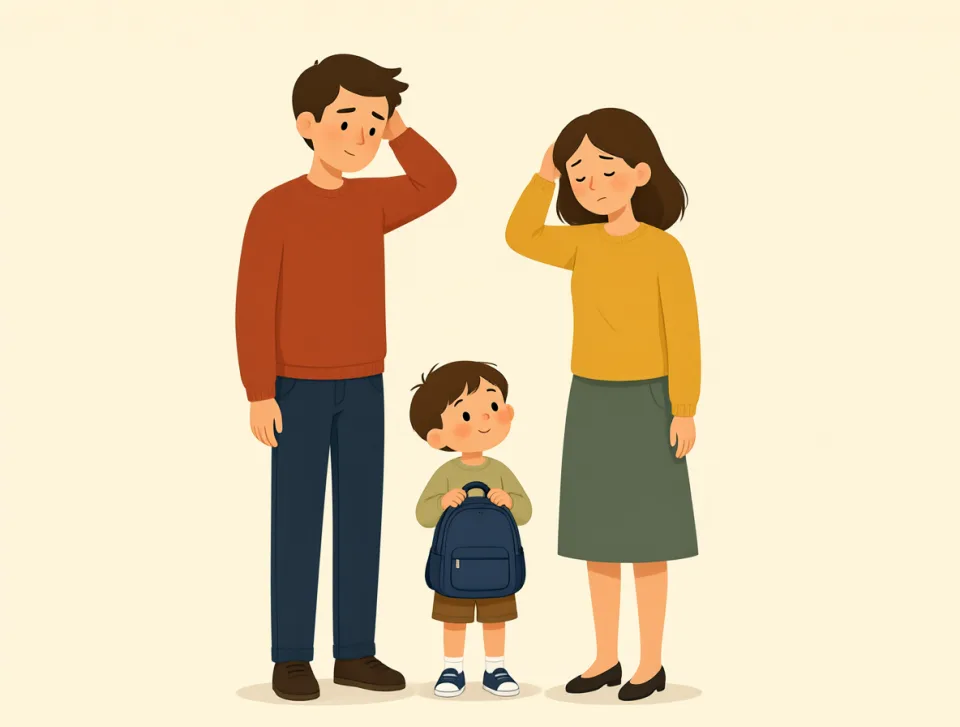
My parents refused permission for the school trip.
我父母不同意我參加學校組織的旅行。
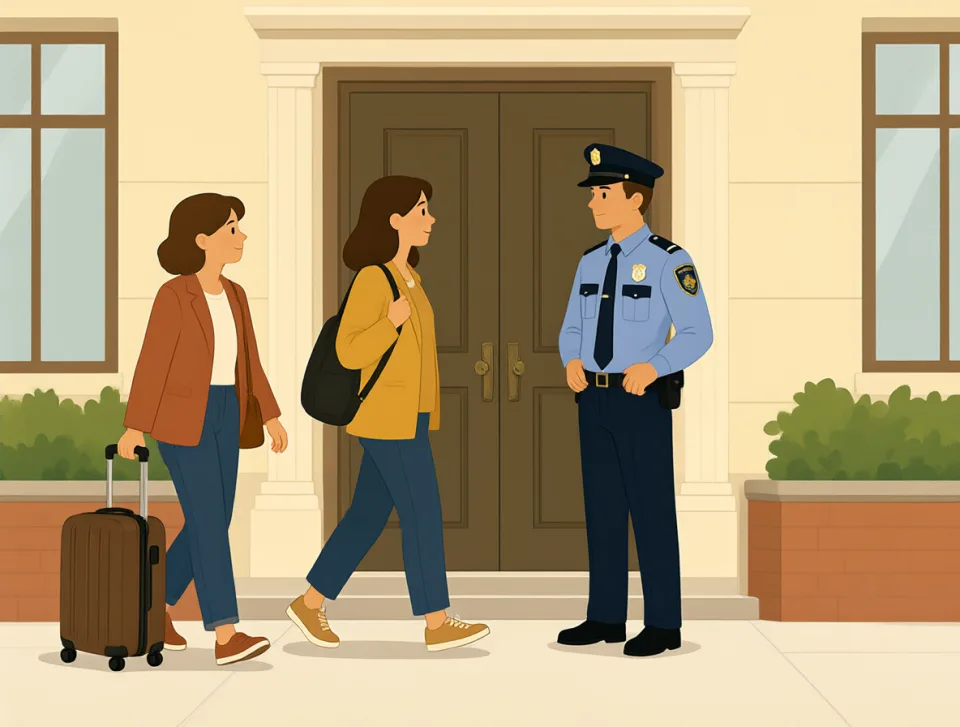
They refused us entry because we arrived too late.
我們到得太晚,他們不讓我們進去。
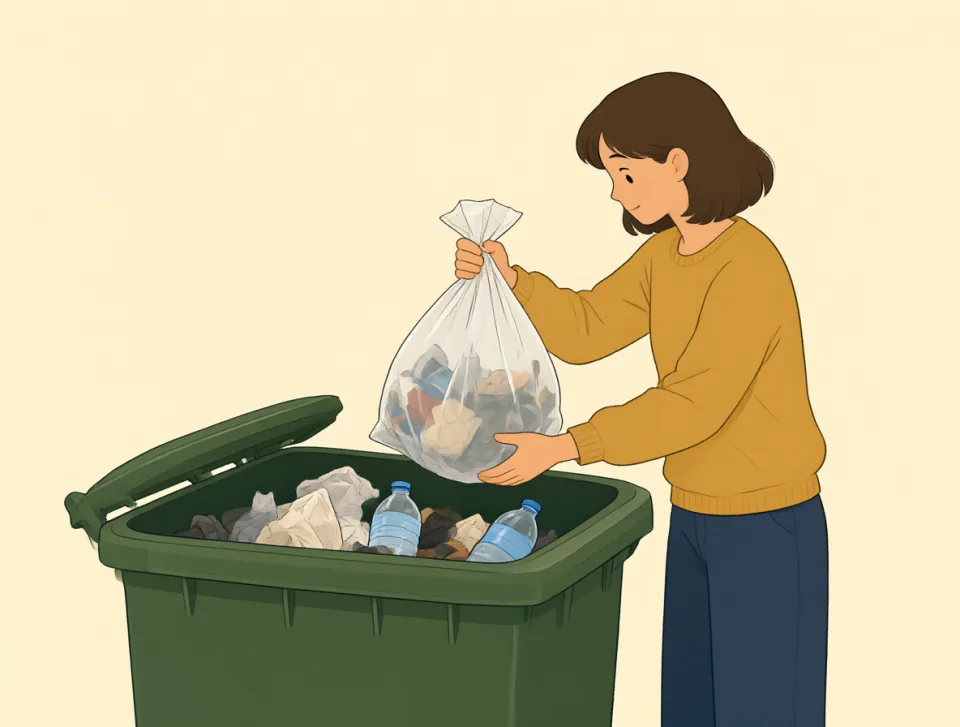
Please put your household refuse in the outside bin.
請把家裡的垃圾放進外面的垃圾桶。
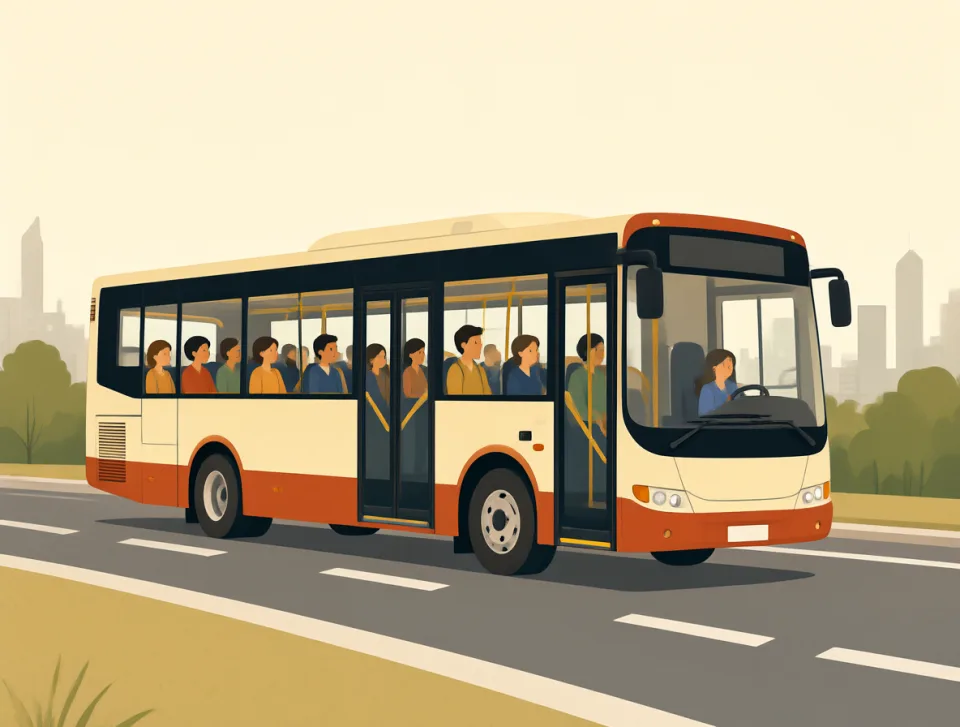
transport
#1210noun, verb
交通;運輸
A way of carrying people or goods from one place to another.
把人或貨物從一個地方運到另一個地方的方式。
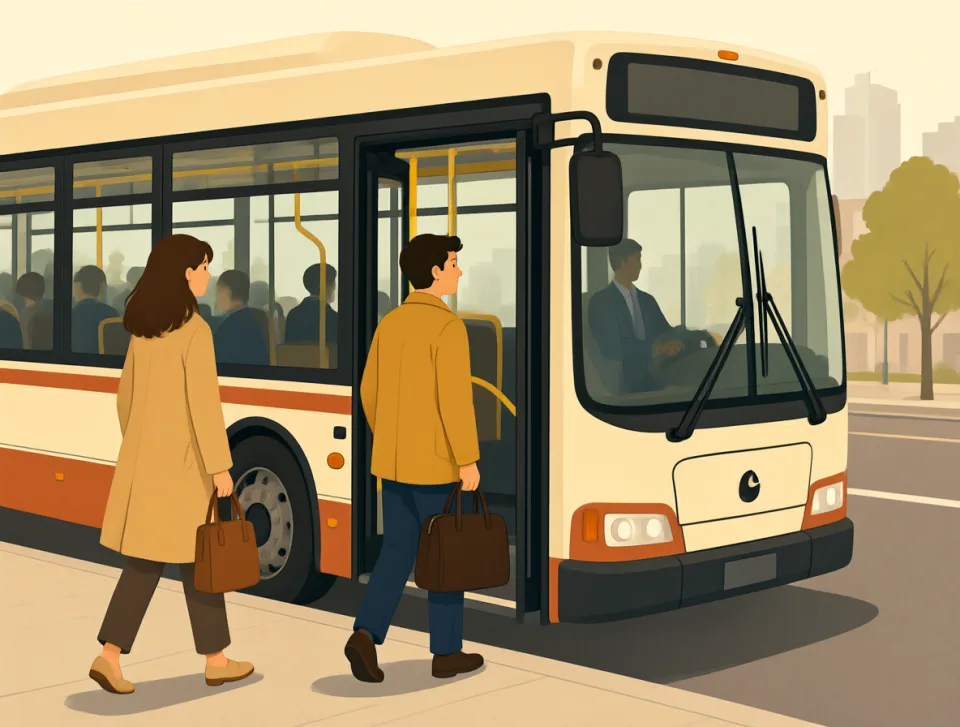
Public transport is often cheaper than driving to work.
乘坐公共交通上班通常比開車便宜。
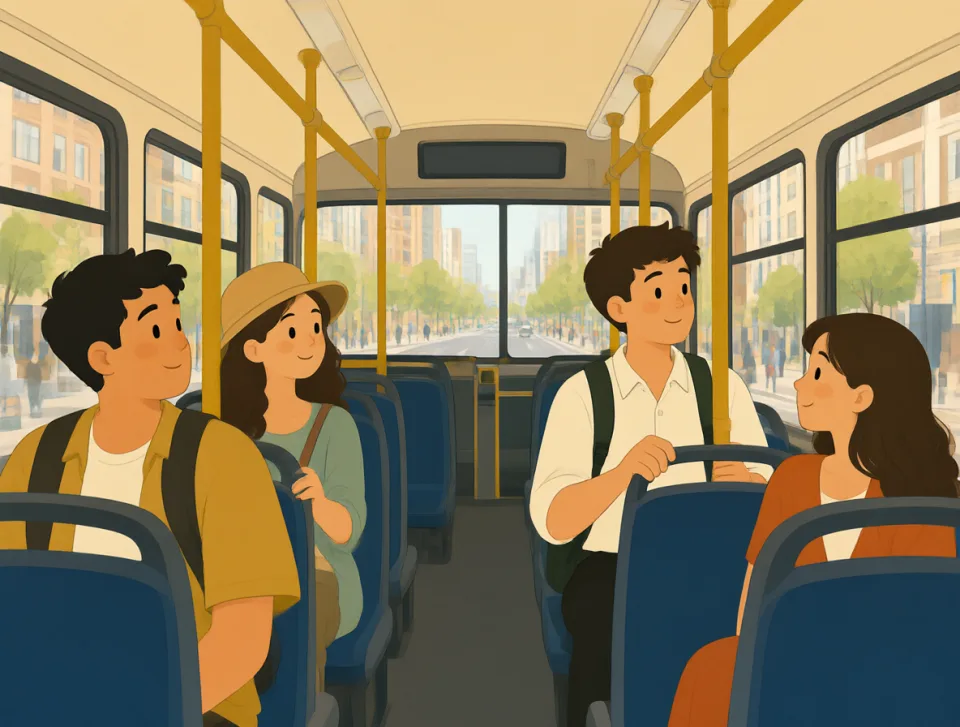
We used public transport to get around the city.
我們乘坐公共交通遊覽了這座城市。
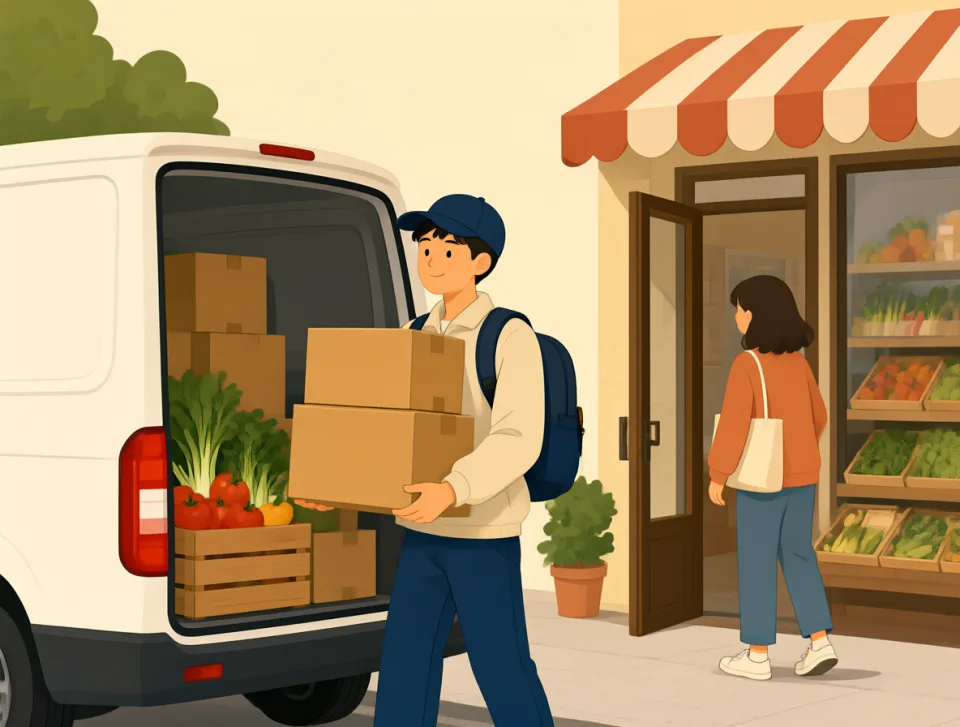
The company transports fresh food to local shops every morning.
這家公司每天早上都把新鮮食品運到當地的商店。

This truck transports furniture from the warehouse to customers' homes.
這輛卡車把傢俱從倉庫運到顧客家裡。
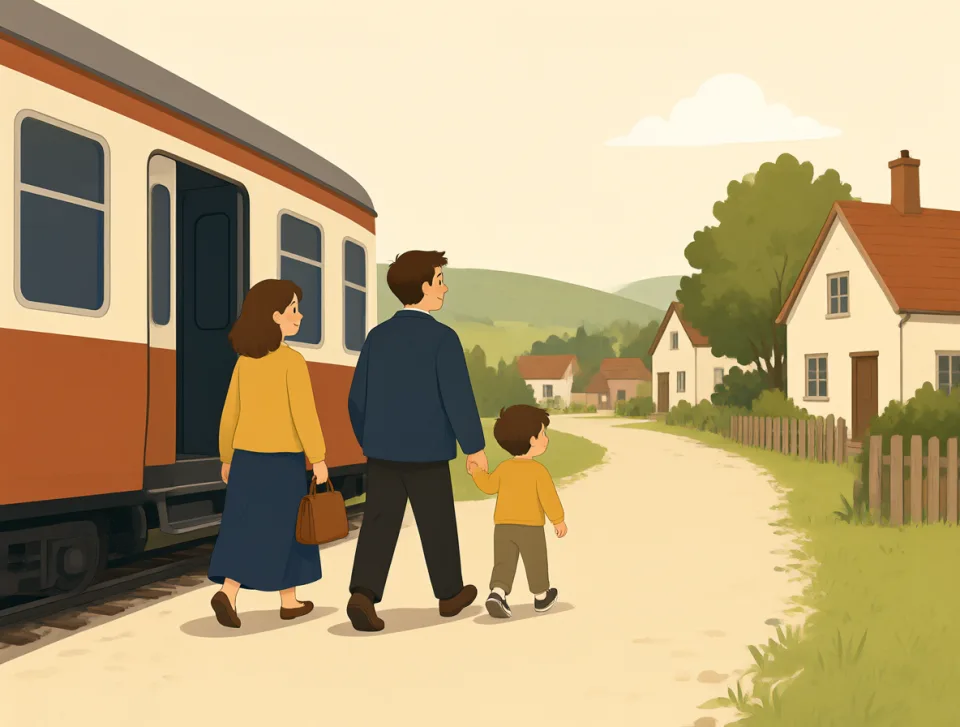
Good transport links make it easy to visit the village.
交通便利,去這個村子很方便。
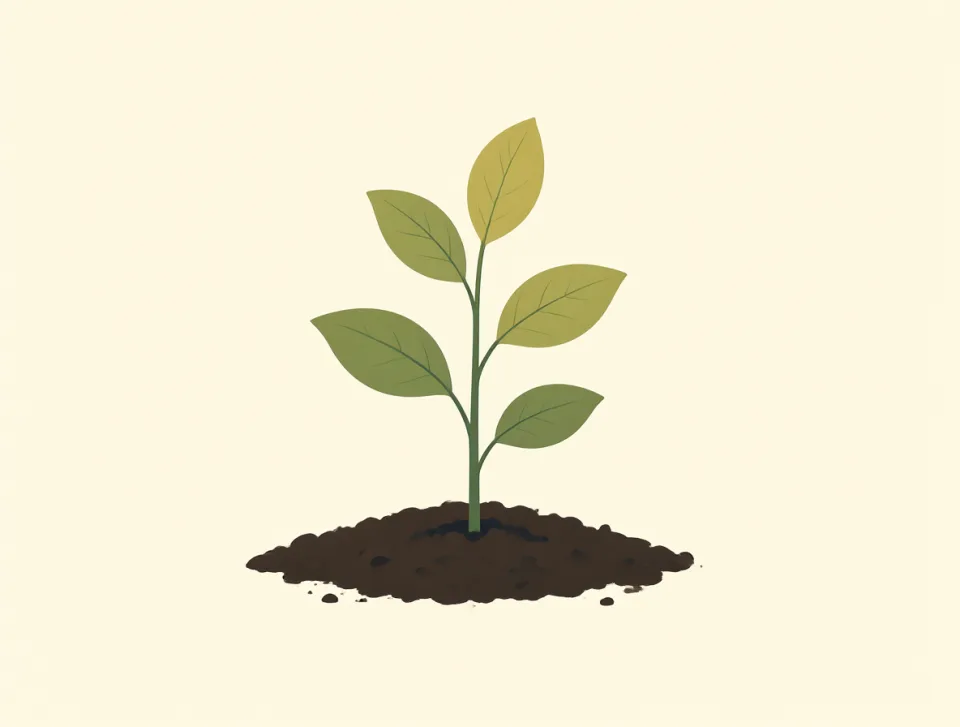
emerge
#1211verb
出現; 浮現; 顯露; 脫穎而出
to come out or become known, often after being hidden or unclear
出來或變得為人所知,通常是在此前被隱藏或不明確的情況下
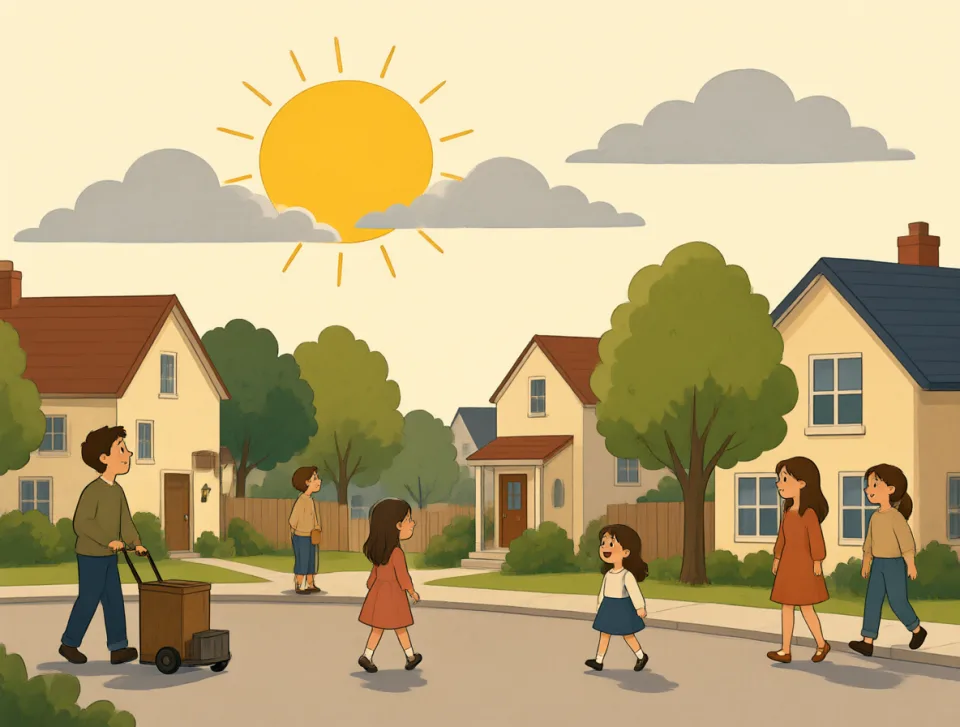
The sun emerged from behind the clouds after the storm.
暴風雨過後,太陽從雲層後面露了出來。
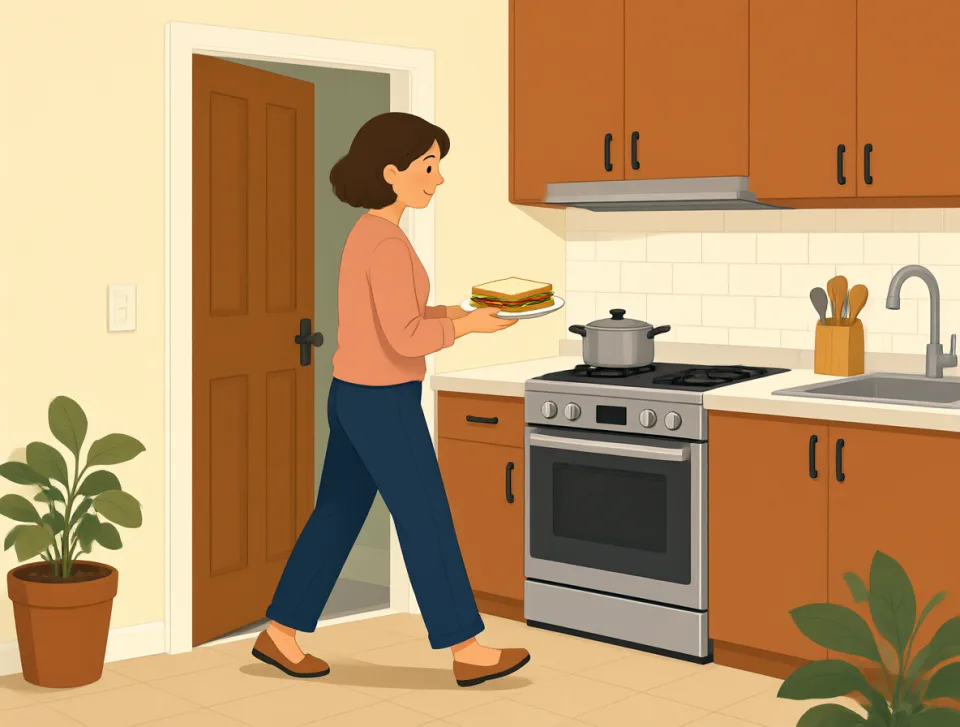
She emerged from the kitchen carrying a plate of sandwiches.
她端著一盤三明治從廚房裡走了出來。

New problems emerged during the team meeting.
團隊會議期間出現了新的問題。

The winner emerged after a close final match.
經過一場勢均力敵的決賽,勝者最終脫穎而出。
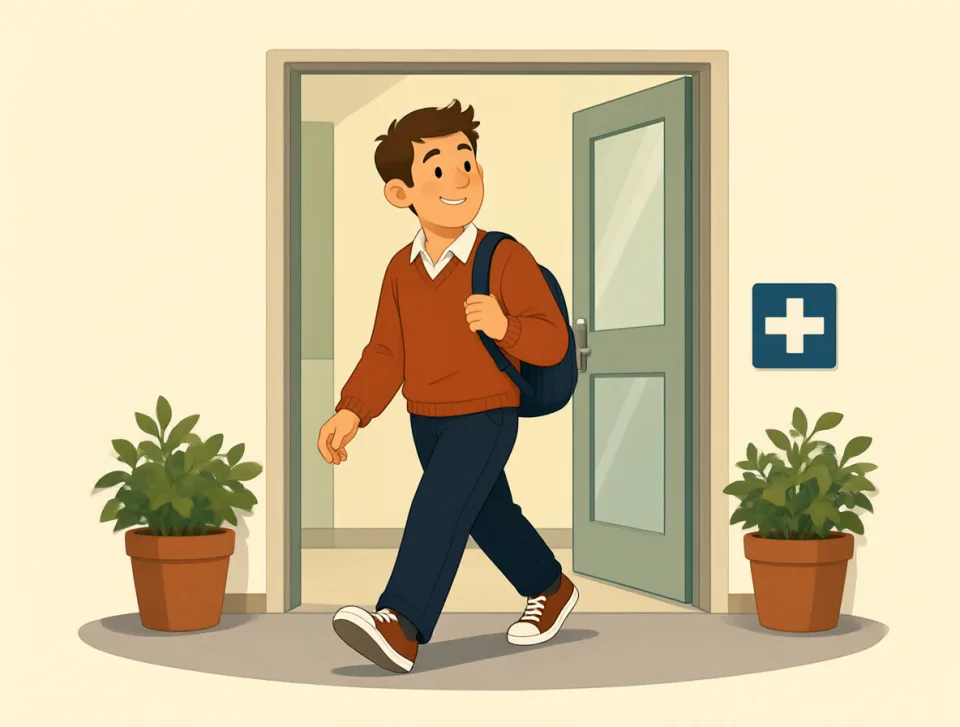
He emerged from the hospital feeling stronger after treatment.
接受治療後,他走出醫院,感覺身體更強壯了。
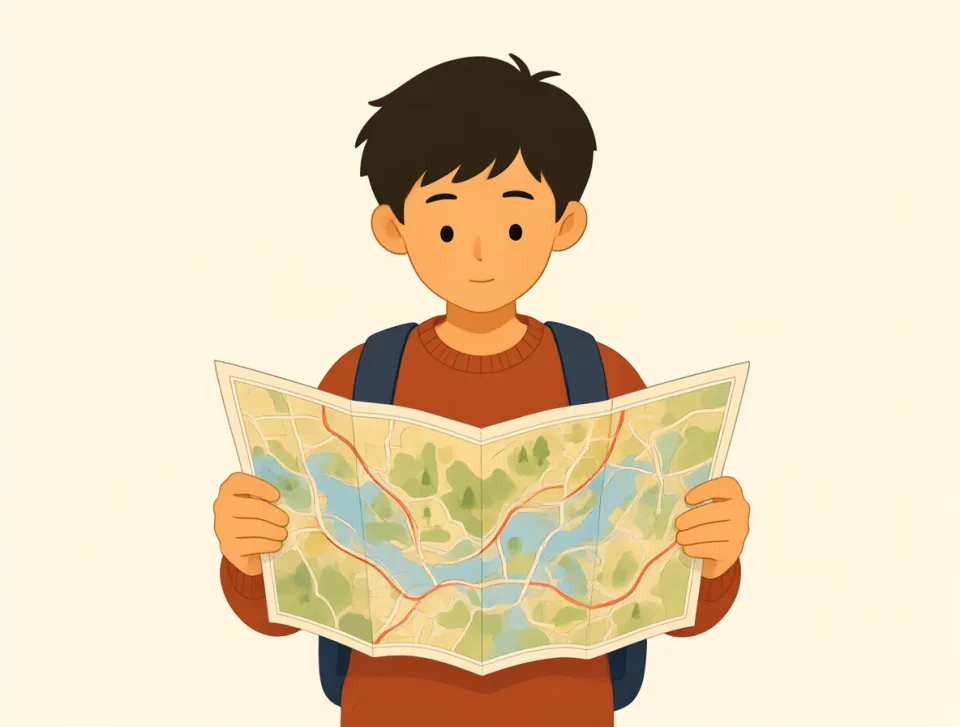
map
#1212noun, verb
地圖;繪製地圖;標示
A drawing of an area, or to show where places are and how they connect.
一幅區域的圖,或表示各個地點的位置及其相互聯絡。
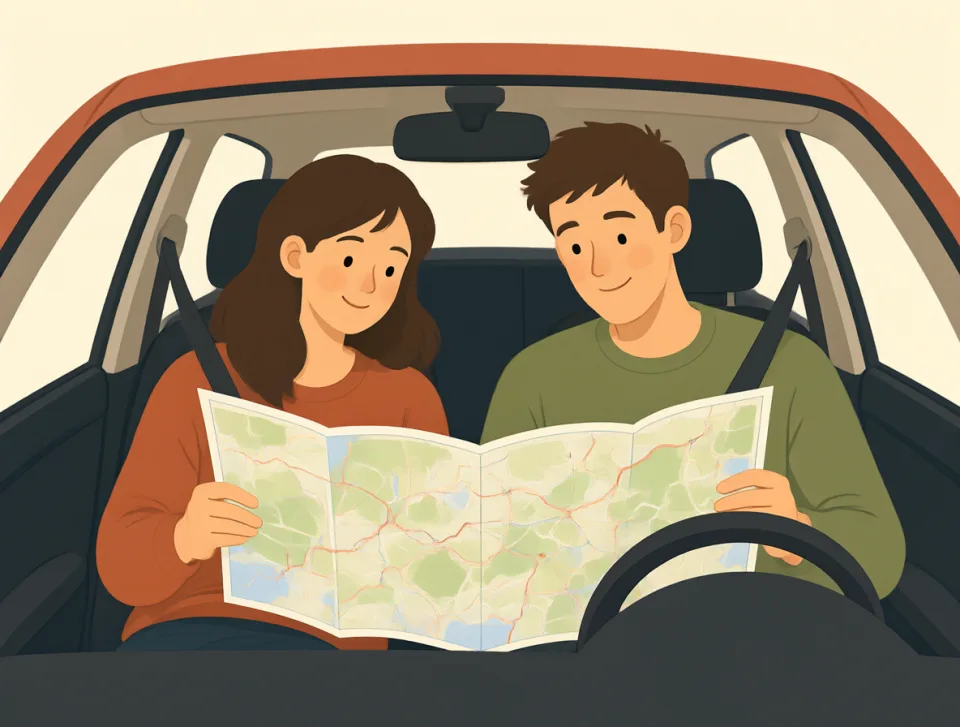
We checked the map before driving to the next town.
開車去下一個城鎮前,我們檢視了地圖。
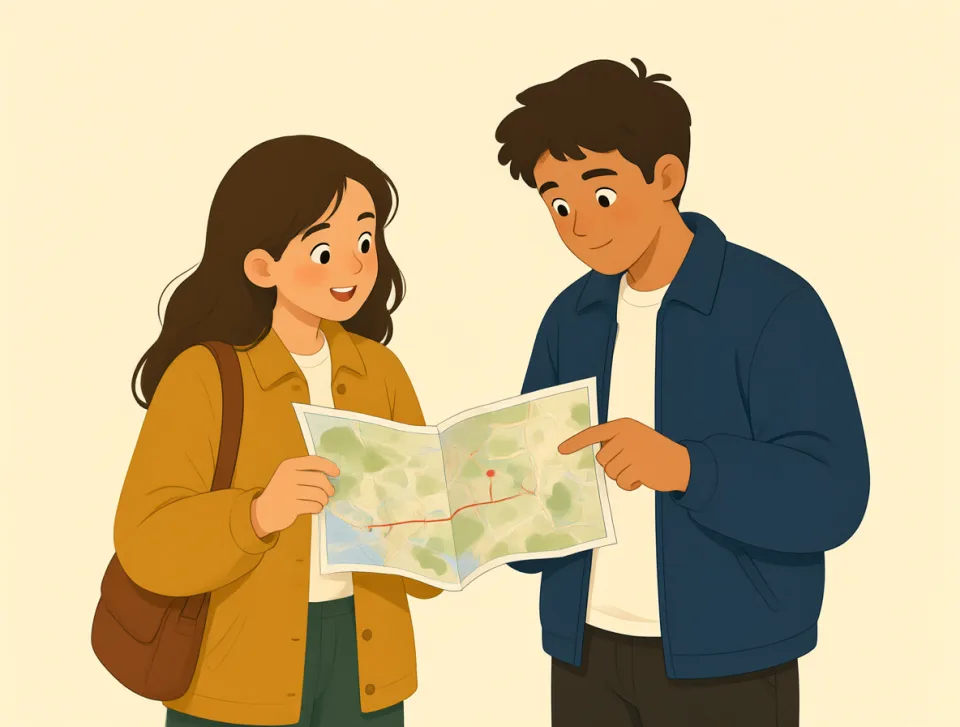
Can you show me on the map where the station is?
你能在地圖上指給我看車站在哪裡嗎?
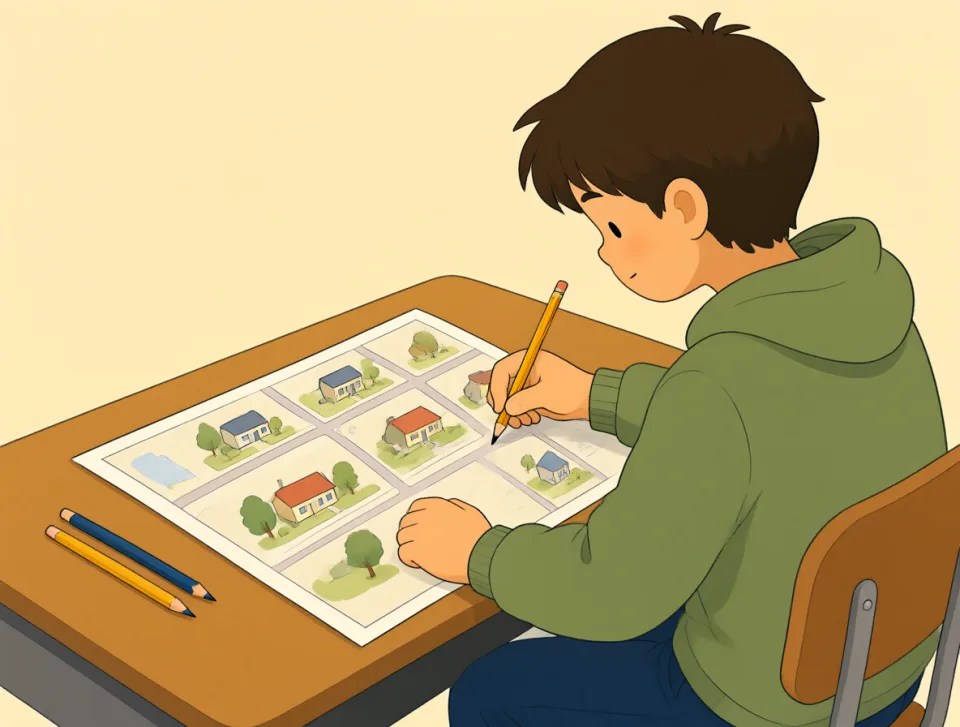
The teacher asked us to draw a map of our neighborhood.
老師讓我們畫一張社群地圖。
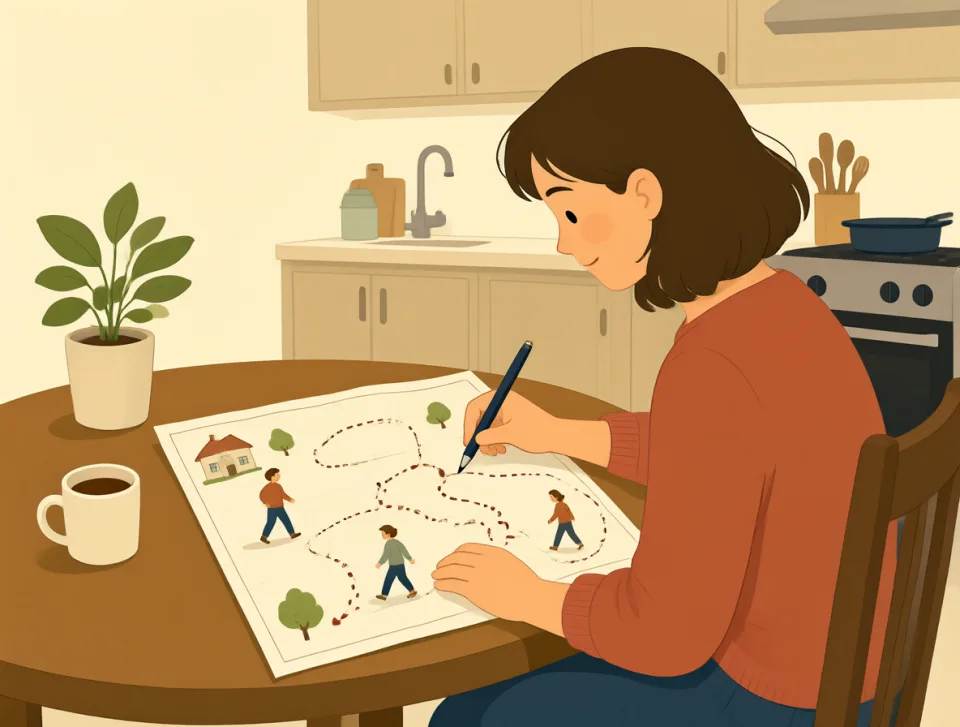
I mapped the walking route from my home to the market.
我繪製了從家到市場的步行路線。
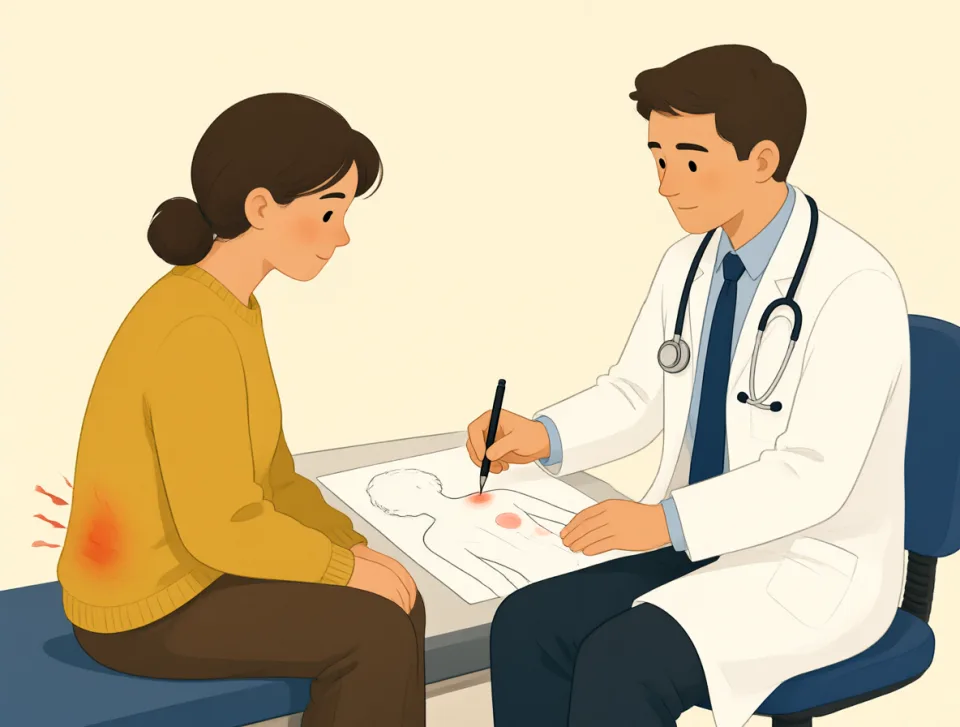
The doctor mapped the pain across my back during the examination.
檢查時,醫生標出了我背部各處的疼痛位置。
concept
#1213noun
概念; 觀念
An idea or general understanding of something.
對某事物的想法或總體理解。
The concept of sharing makes our classroom a happier place.
分享的理念讓我們的課堂變得更加愉快。

She explained the concept clearly during the team meeting.
她在團隊會議上清楚地解釋了這個概念。
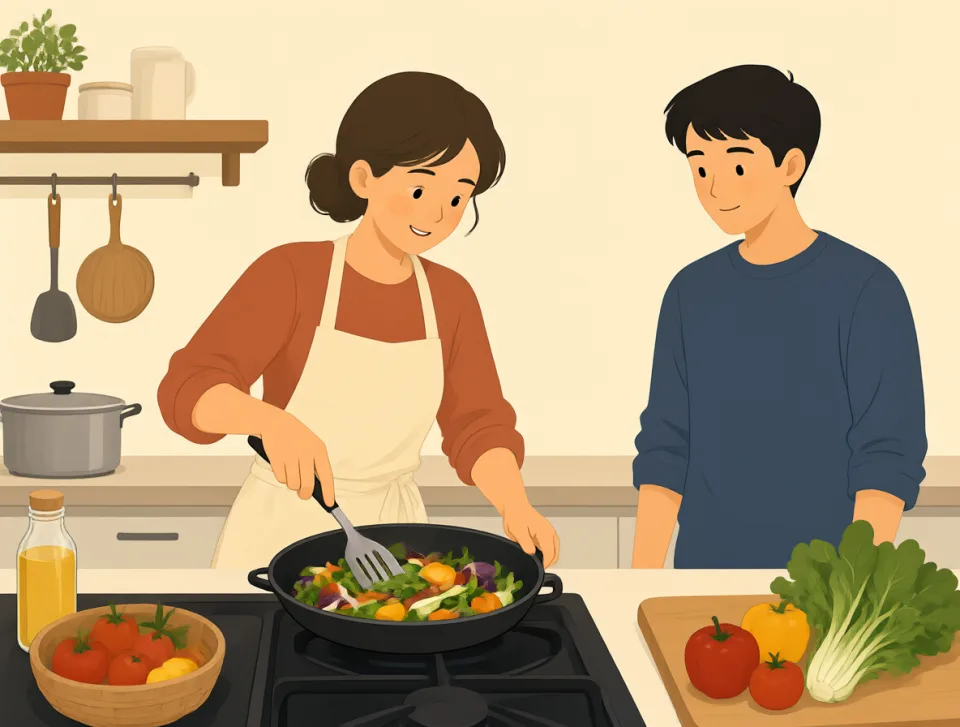
This book introduces the basic concepts of healthy cooking.
這本書介紹了健康烹飪的基本概念。

The travel agency presented a new hotel concept for families.
這家旅行社為家庭遊客推出了一種全新的酒店概念。

My friend loves the concept of working from a beach.
我的朋友很喜歡在海灘上工作的想法。

island
#1214noun
島;島嶼
A piece of land completely surrounded by water.
一塊完全被水環繞的陸地。

We spent our holiday on a small island near Greece.
我們在希臘附近的一座小島上度過了假期。
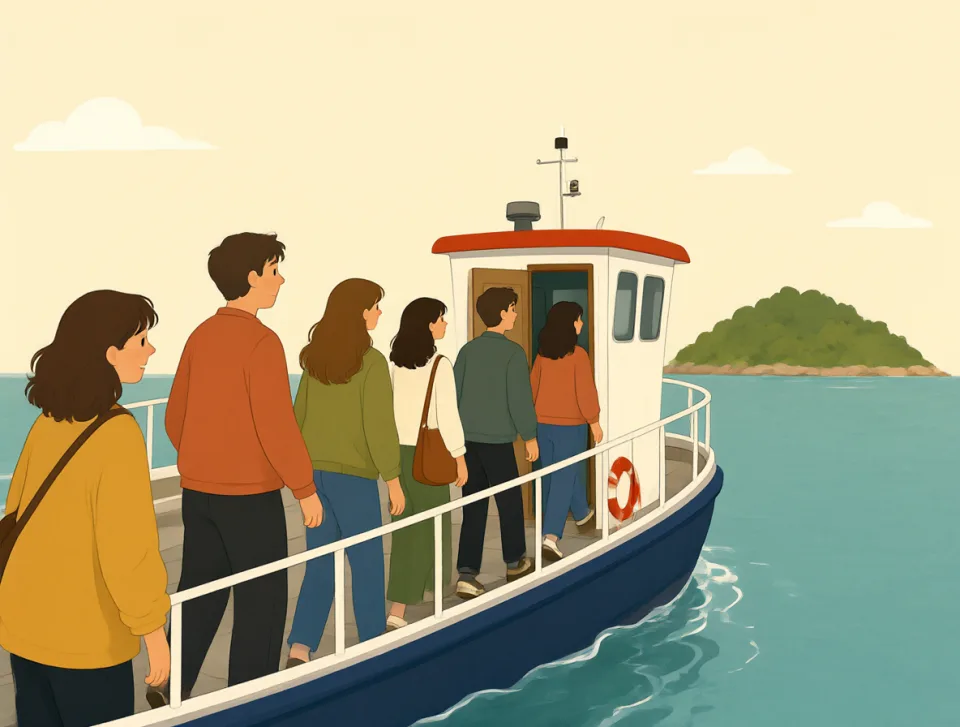
The boat takes visitors to the island every morning.
這艘船每天早上都會載遊客去島上。
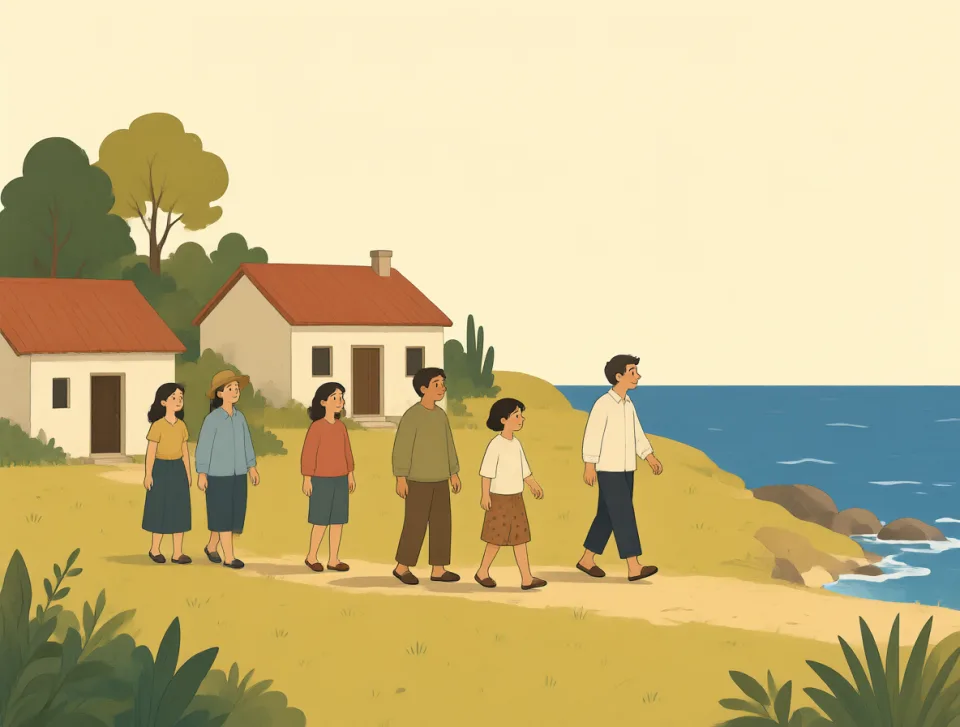
Many people live on the island all year.
許多人一年到頭都住在島上。

The children found a beautiful island in the middle of the lake.
孩子們在湖中央發現了一座美麗的小島。
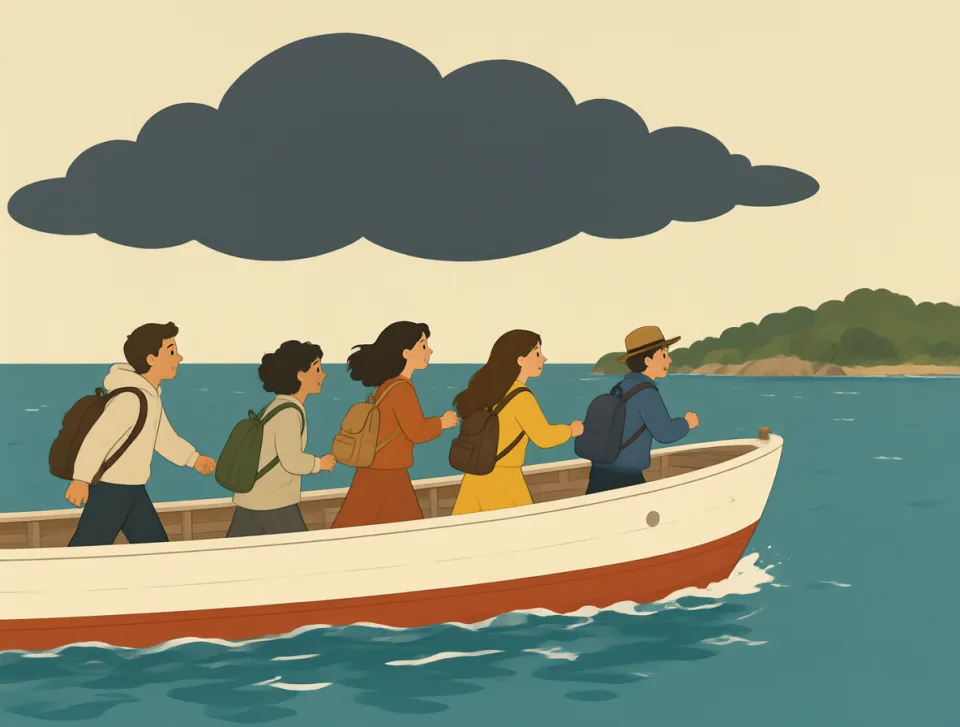
We left the island before the storm reached the coast.
暴風雨到達海岸之前,我們就離開了島。
reform
#1215noun, verb
改革;改進
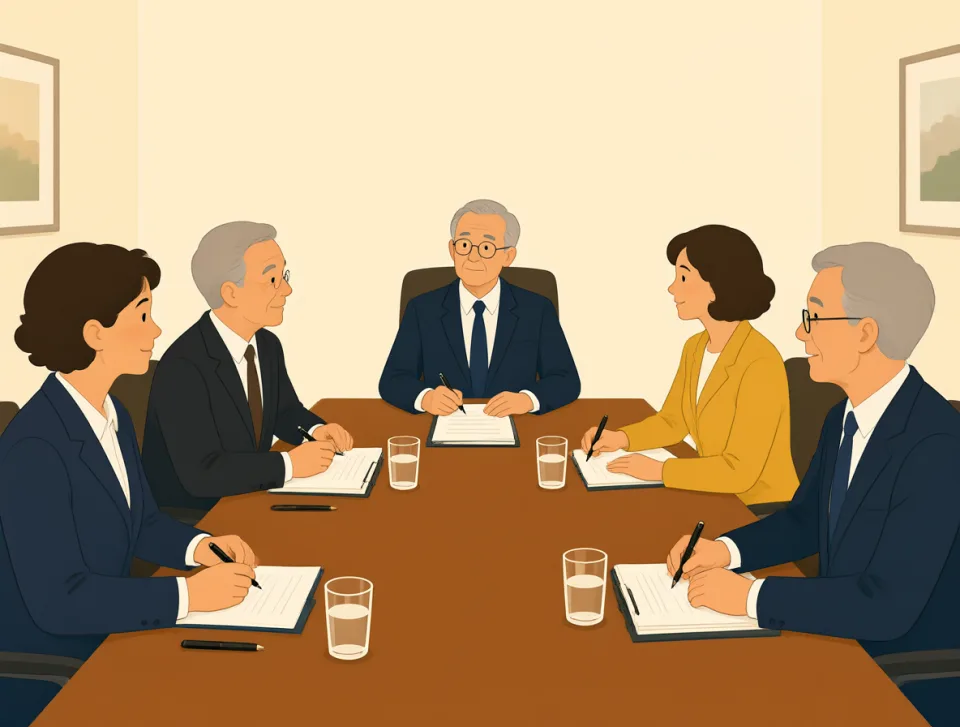
a change made to improve a system, law, or organization
為改善一個系統、法律或組織而作出的改變
The government plans to reform the healthcare system next year.
政府計劃明年改革醫療保健制度。

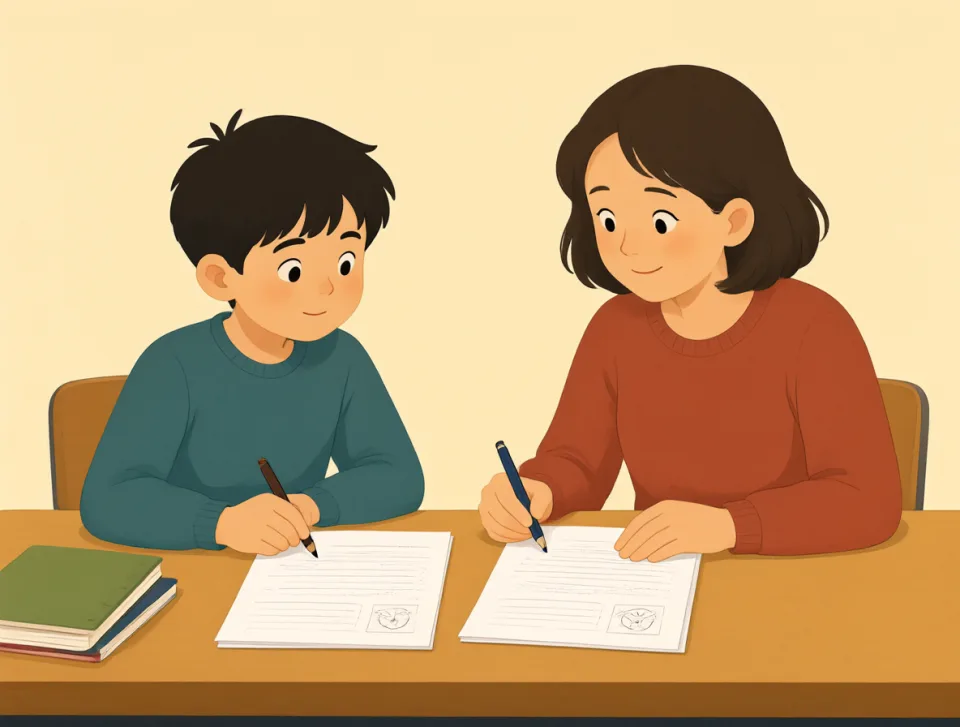
The school introduced education reforms to improve reading skills.
學校推行了教育改革,以提高學生的閱讀能力。

The company is reforming its hiring process to be fairer.
公司正在改革招聘流程,使其更加公平。
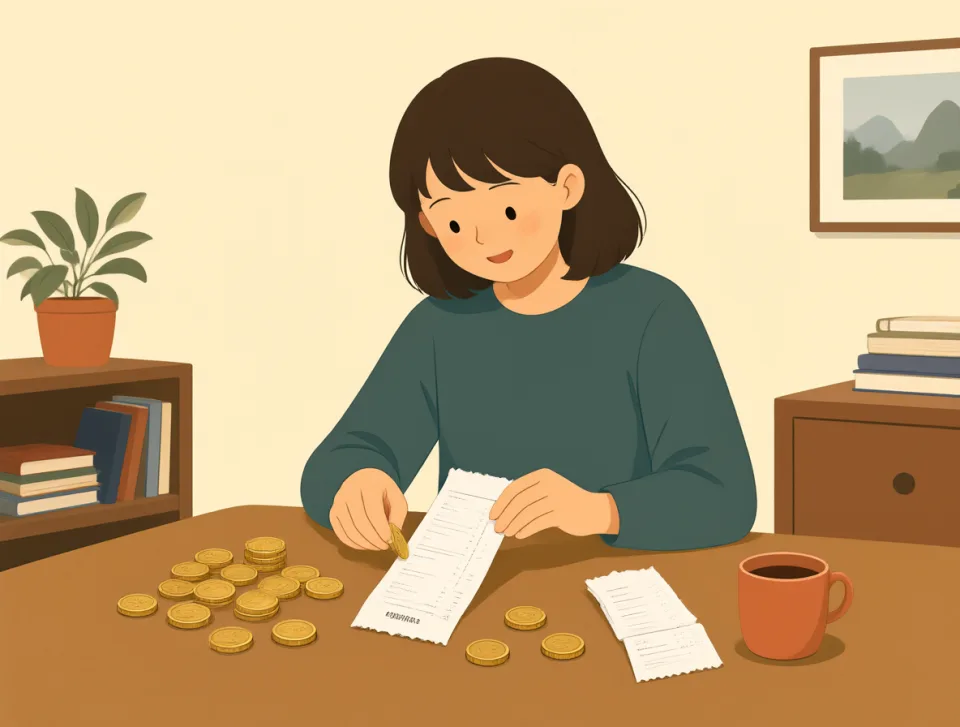
We need to reform our spending habits before the holidays.
假期前,我們需要改進自己的消費習慣。
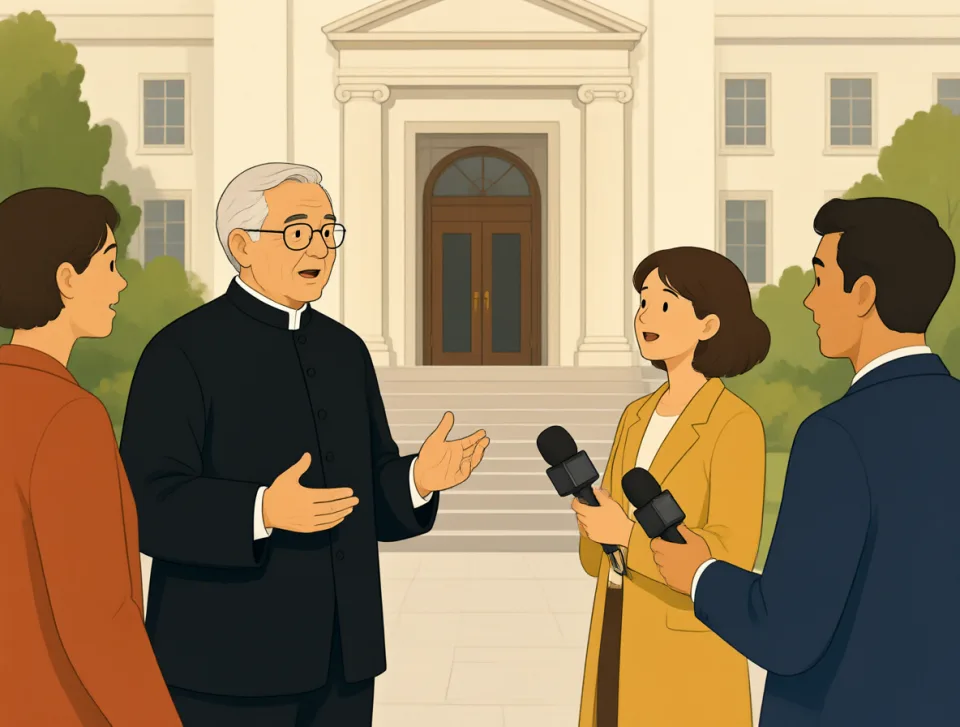
The minister promised political reform after the public scandal.
這位部長承諾在公眾醜聞後進行政治改革。
neither
#1216determiner, pronoun, adverb, conjunction
兩者都不;都不;也不
Not one and not the other of two people or things.
兩個人或兩樣東西中一個也不是,另一個也不是。
Neither answer is correct, so please try again.
兩個答案都不對,請再試一次。

Neither of us likes coffee in the morning.
我們倆早上都不喜歡喝咖啡。
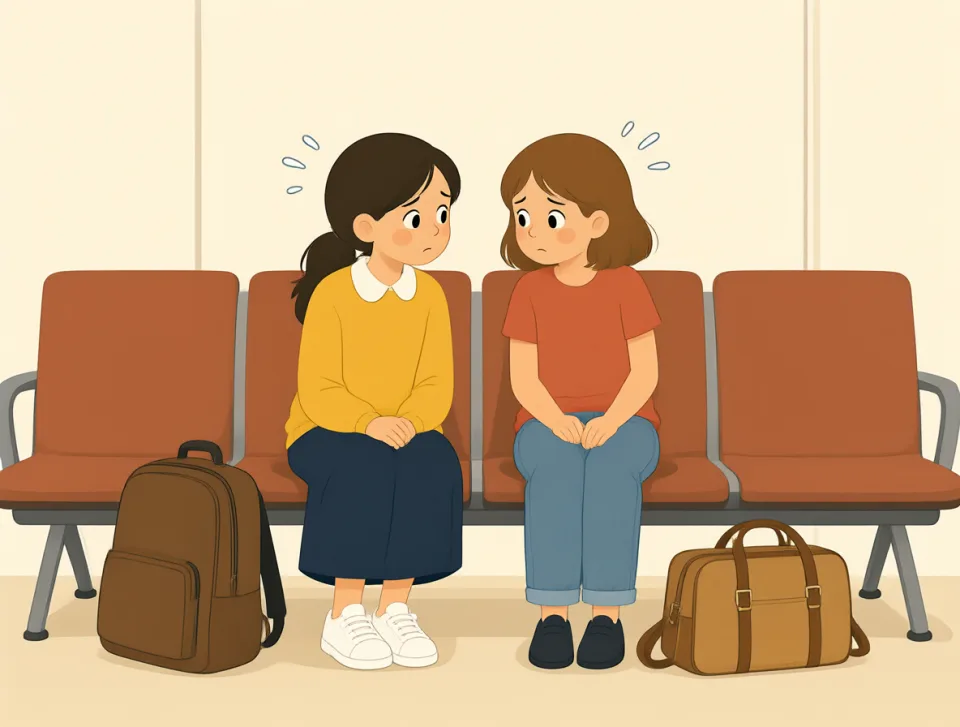
I don't like flying, and neither does my sister.
我不喜歡坐飛機,我姐姐也不喜歡。
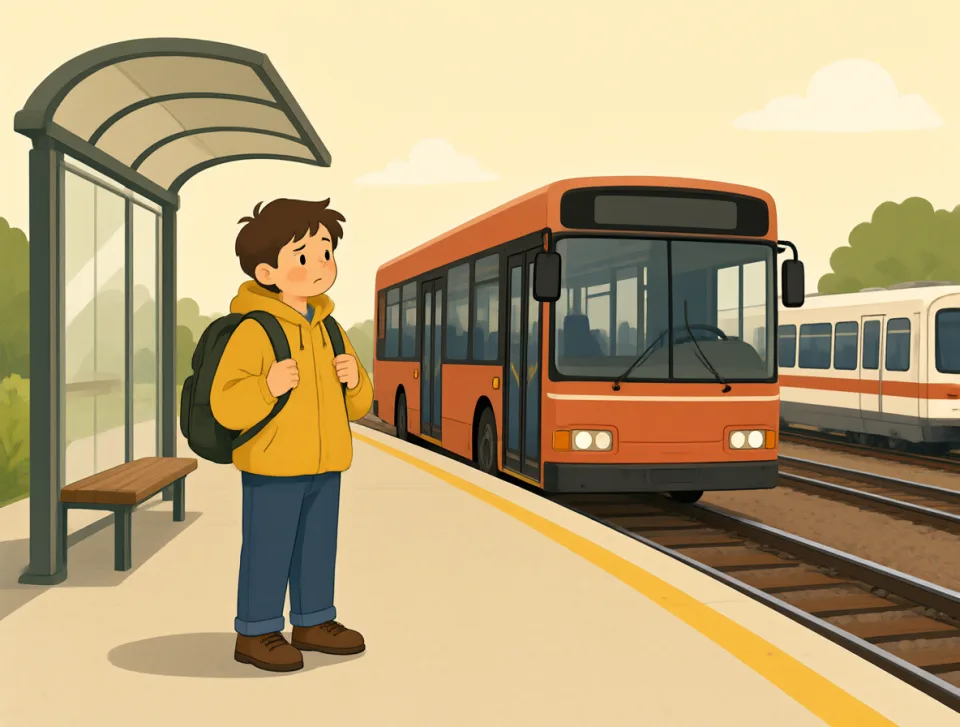
Neither the bus nor the train was on time.
公交車和火車都沒有準時到。
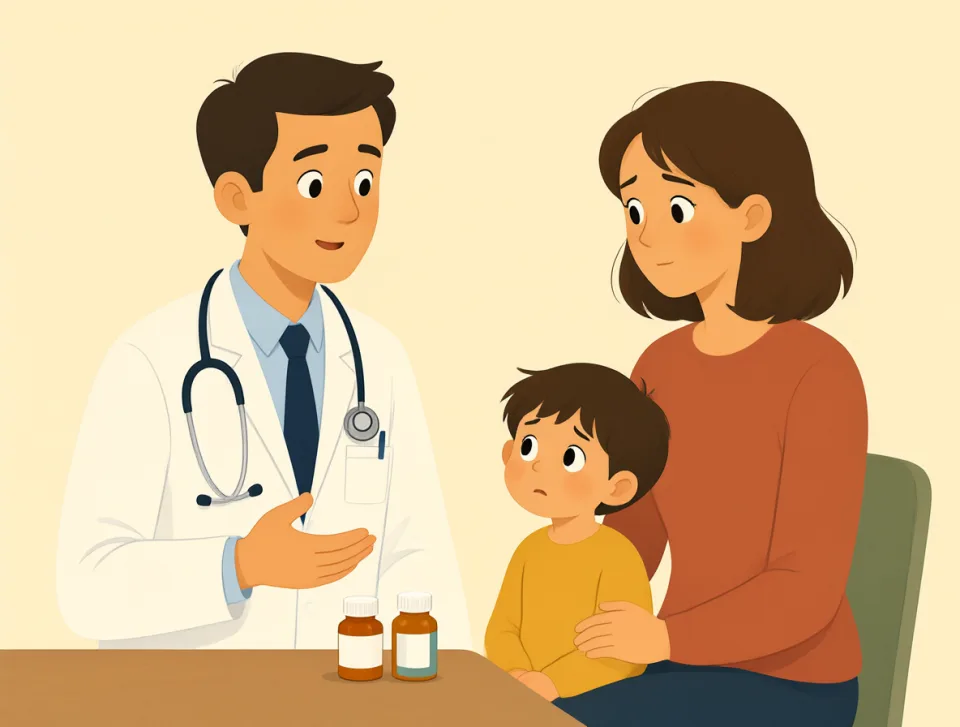
The doctor said neither medicine was safe for children.
醫生說這兩種藥都不適合兒童服用。
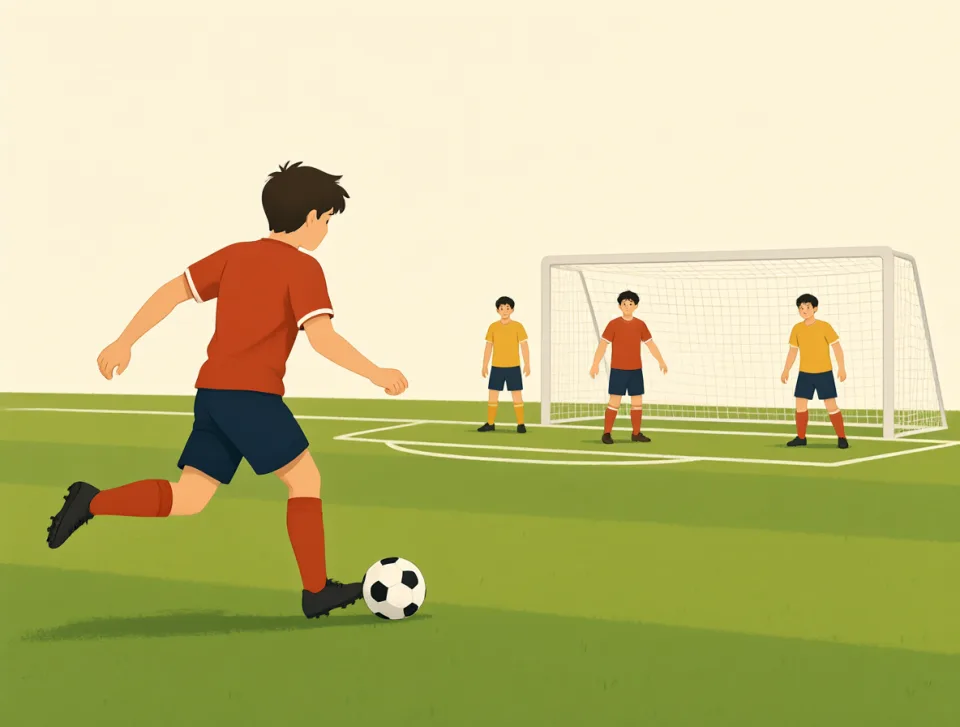
football
#1217noun
足球
a game where two teams try to kick a ball into each other's goal
一種兩隊互相將球踢進對方球門的運動
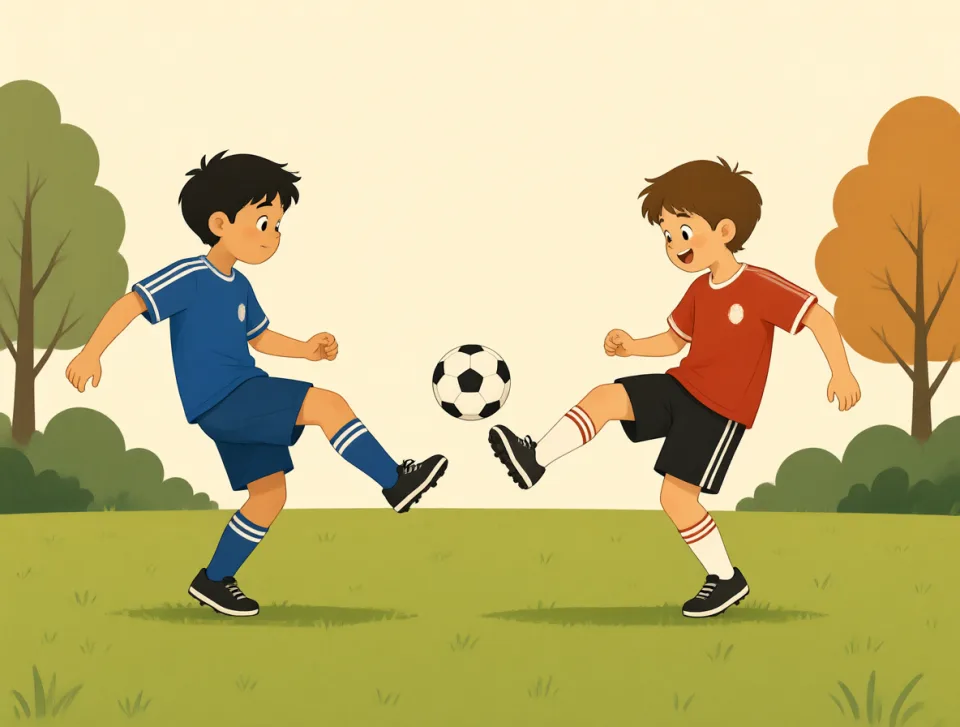
We play football in the park every Saturday.
我們每週六都在公園踢足球。

My brother watches football with his friends after dinner.
我哥哥晚飯後和朋友一起看足球比賽。
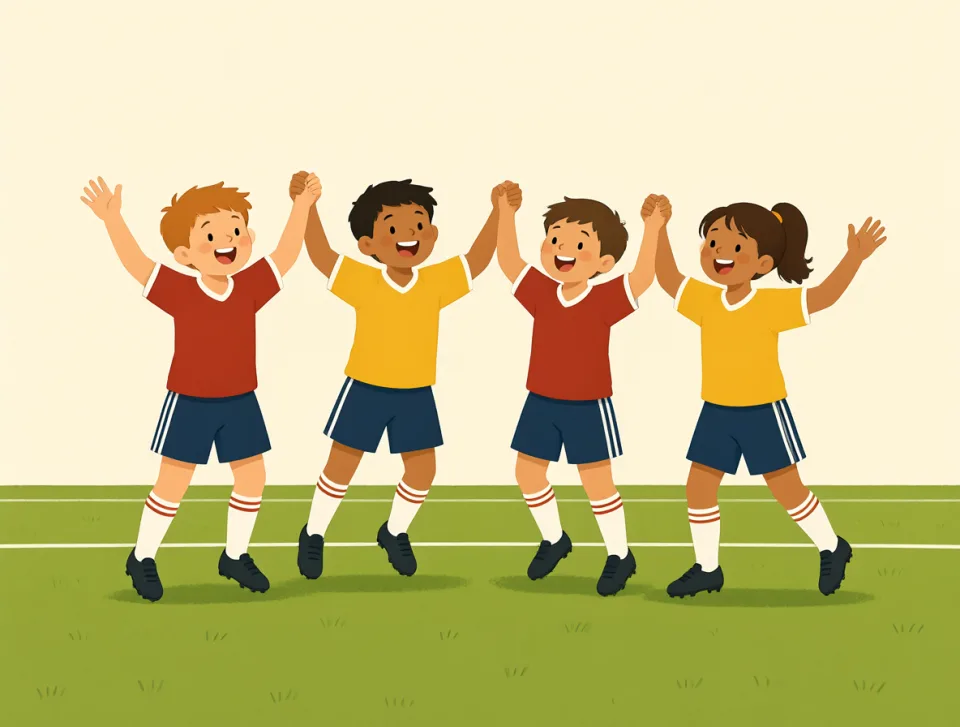
The school football team won the final yesterday.
校足球隊昨天贏得了決賽。

I bought new football boots before the training session.
訓練前我買了一雙新的足球鞋。
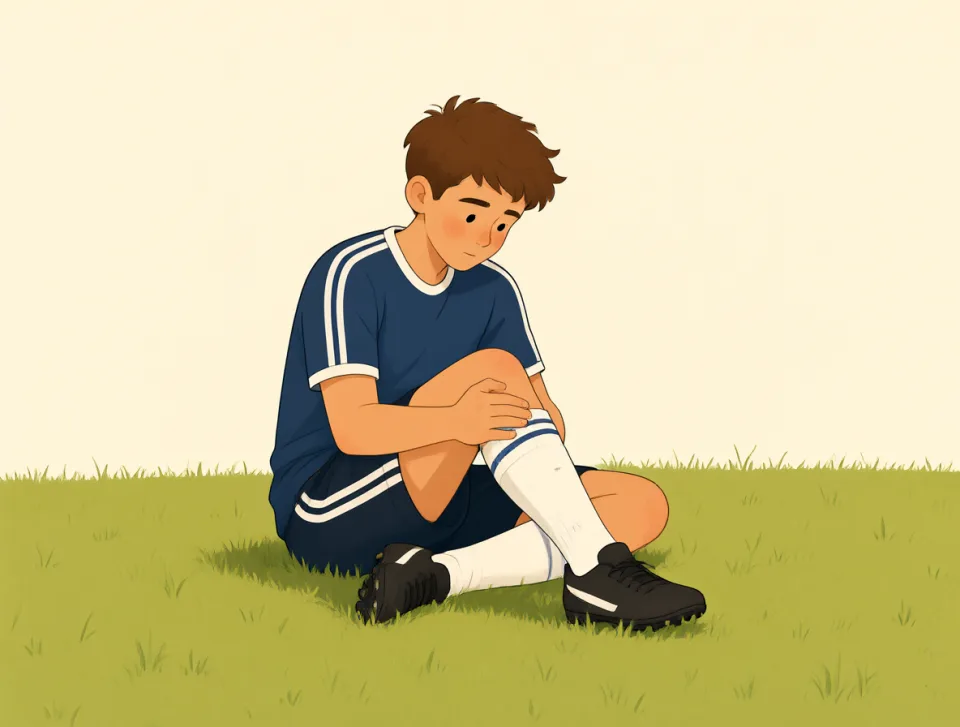
He hurt his knee while playing football at the weekend.
他週末踢足球時傷了膝蓋。
survive
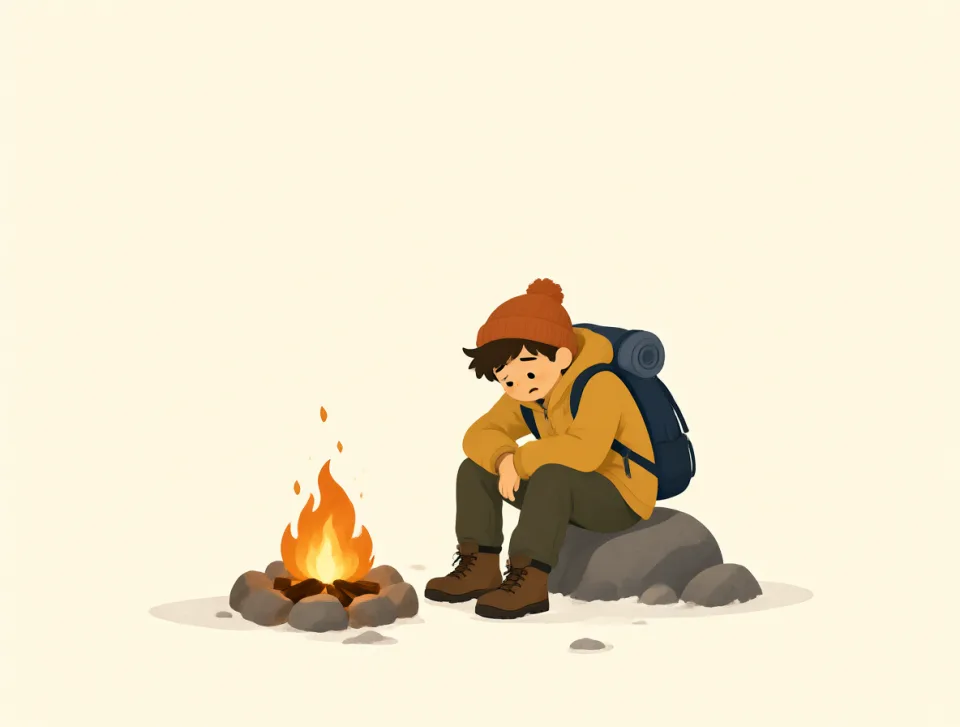
#1218verb
倖存;存活;生存
to continue living or existing after danger, illness, or a difficult situation
在危險、疾病或困境之後繼續活著或存在

Only two people survived the terrible plane crash.
那場可怕的空難中只有兩個人倖存了下來。
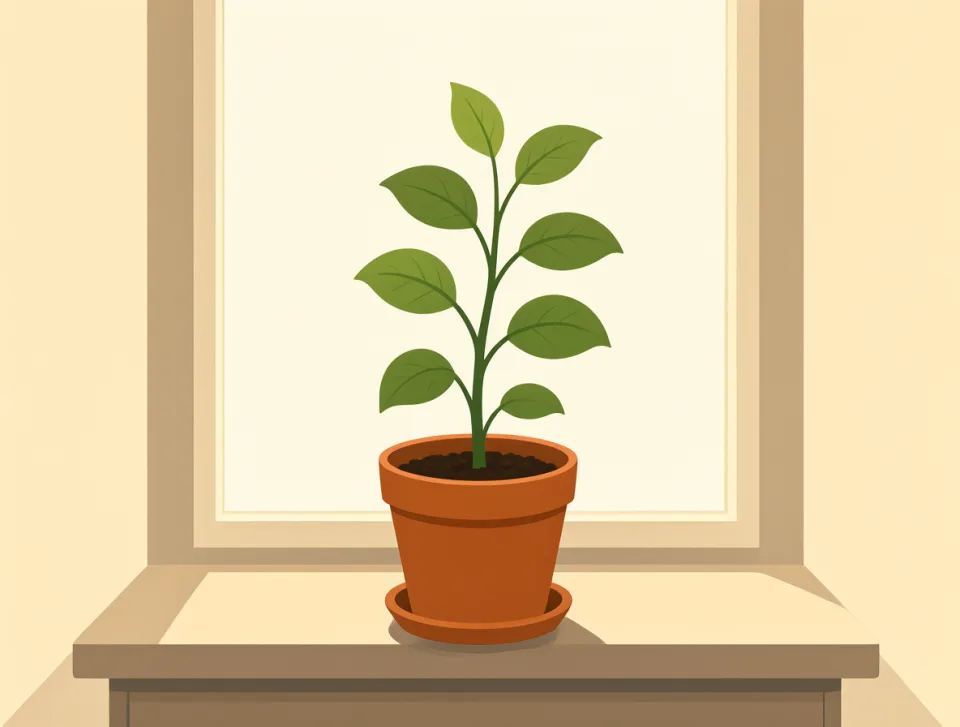
Some plants cannot survive without enough sunlight.
有些植物沒有充足的陽光就無法存活。

She survived a serious illness and returned to work.
她戰勝了重病,重返工作崗位。

We survived the long flight by sleeping and drinking water.
我們靠睡覺和喝水熬過了漫長的飛行。
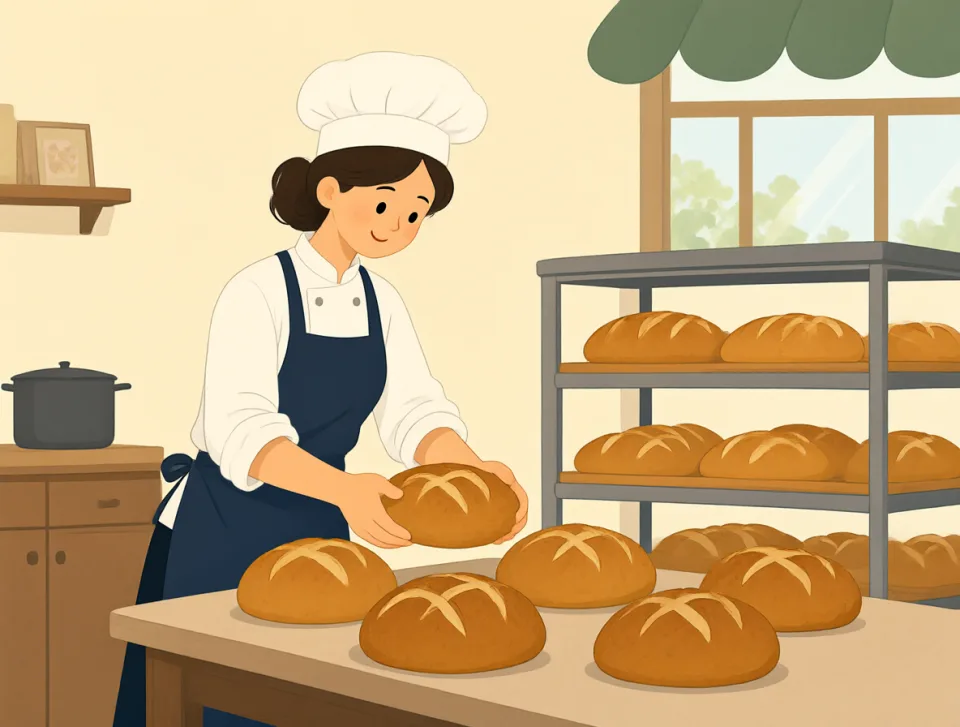
This small shop survives by selling fresh bread every morning.
這家小店靠每天早上賣新鮮麵包維持經營。
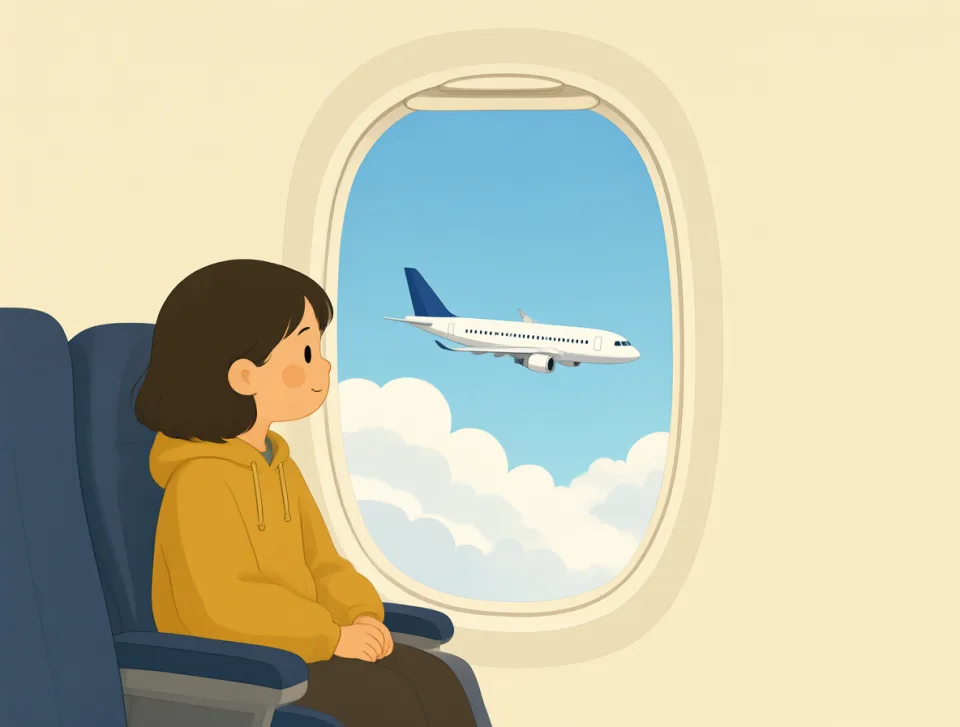
flight
#1219noun
航班; 飛行; 一段樓梯
A journey through the air in an aircraft, or the act of flying.
乘坐飛機在空中進行的旅程,或飛行這一行為。
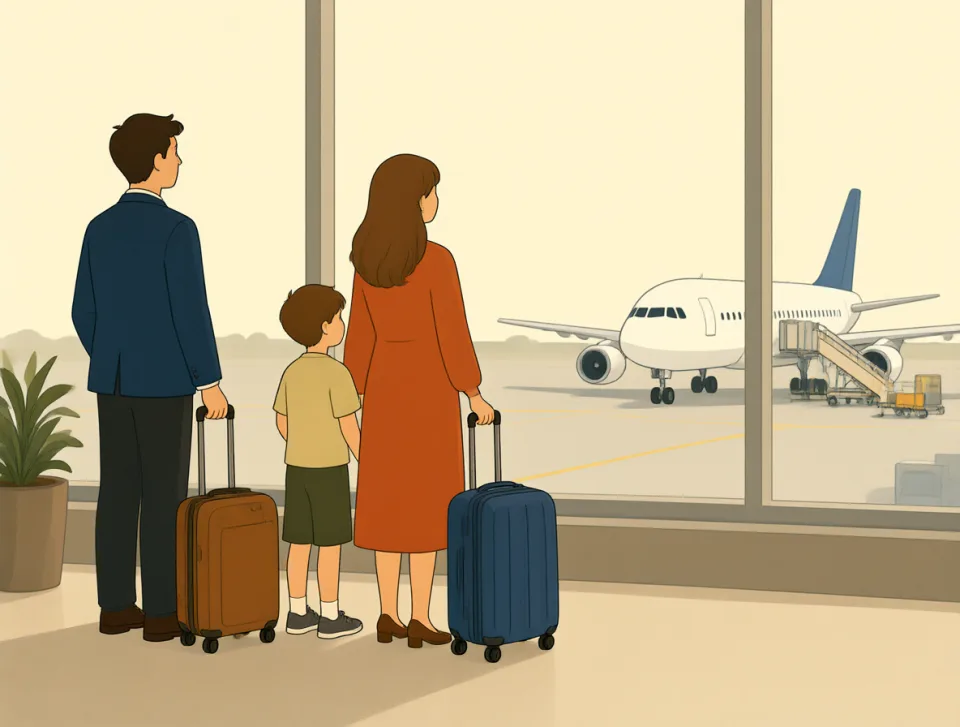
Our flight to London leaves at six tomorrow morning.
我們飛往倫敦的航班明天早上六點起飛。
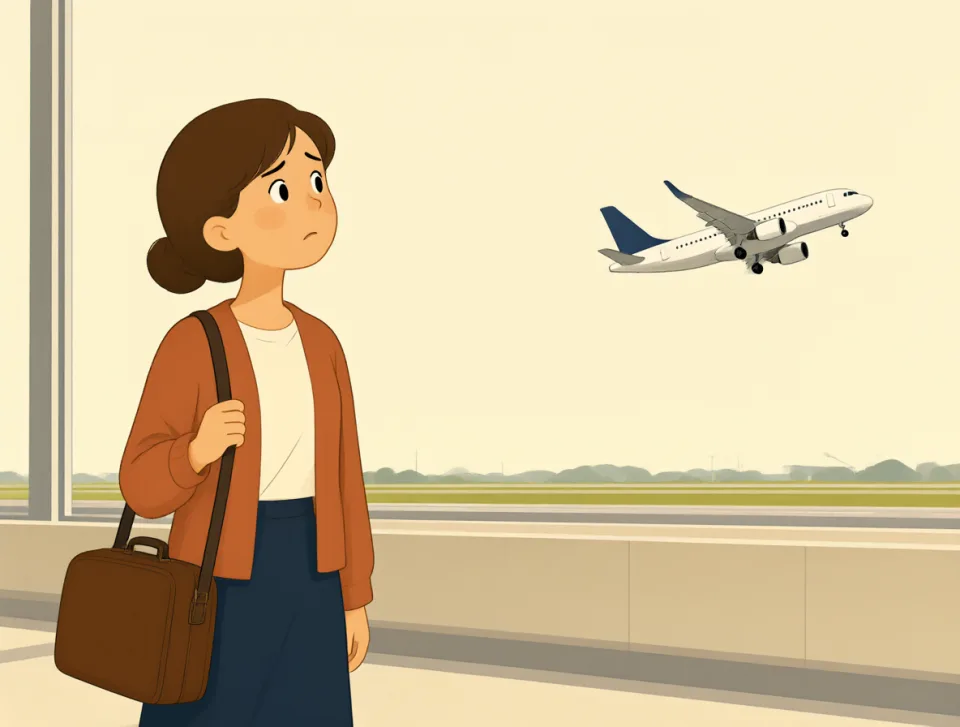
She missed her flight because the train was delayed.
她因為火車晚點而誤了航班。
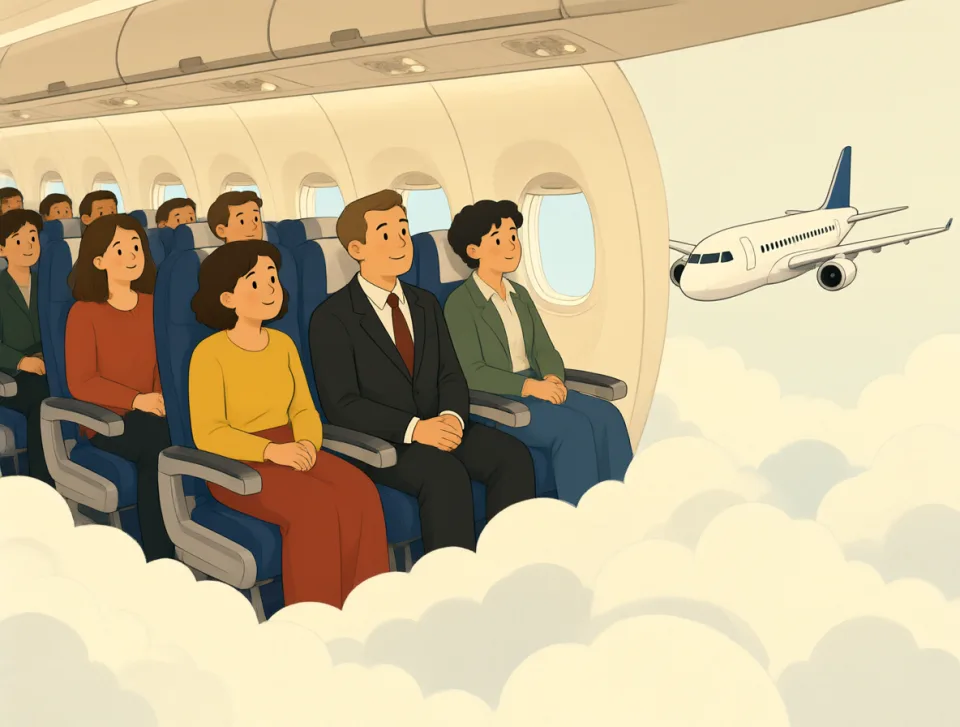
The flight from Paris took nearly two hours.
從巴黎飛來的航班花了將近兩個小時。
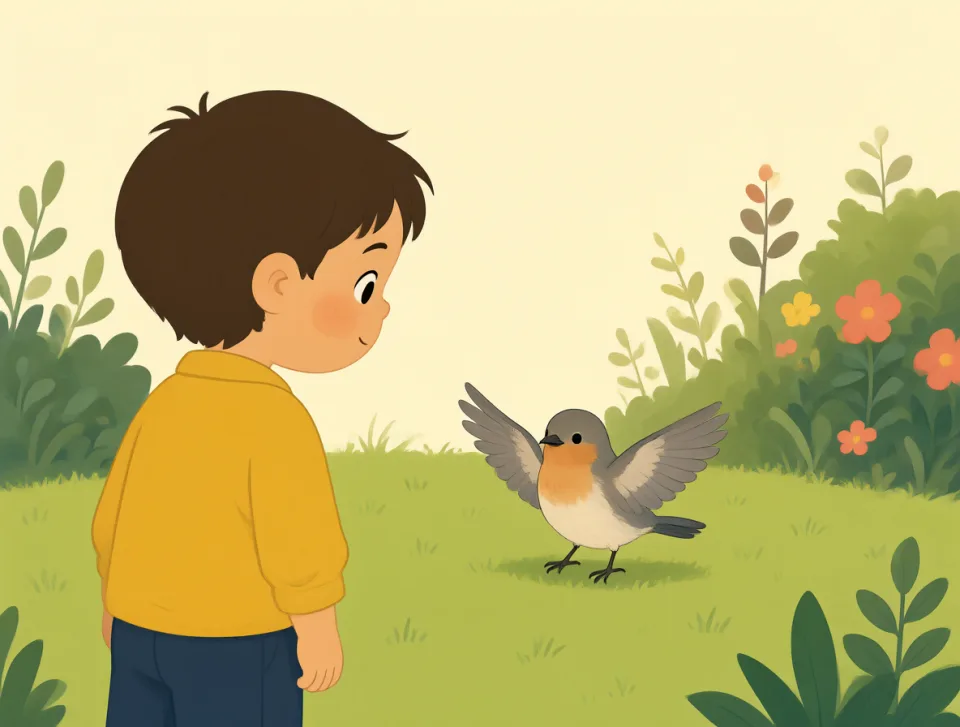
The doctor said the bird would soon regain its flight.
醫生說,這隻鳥很快就會恢復飛行能力。
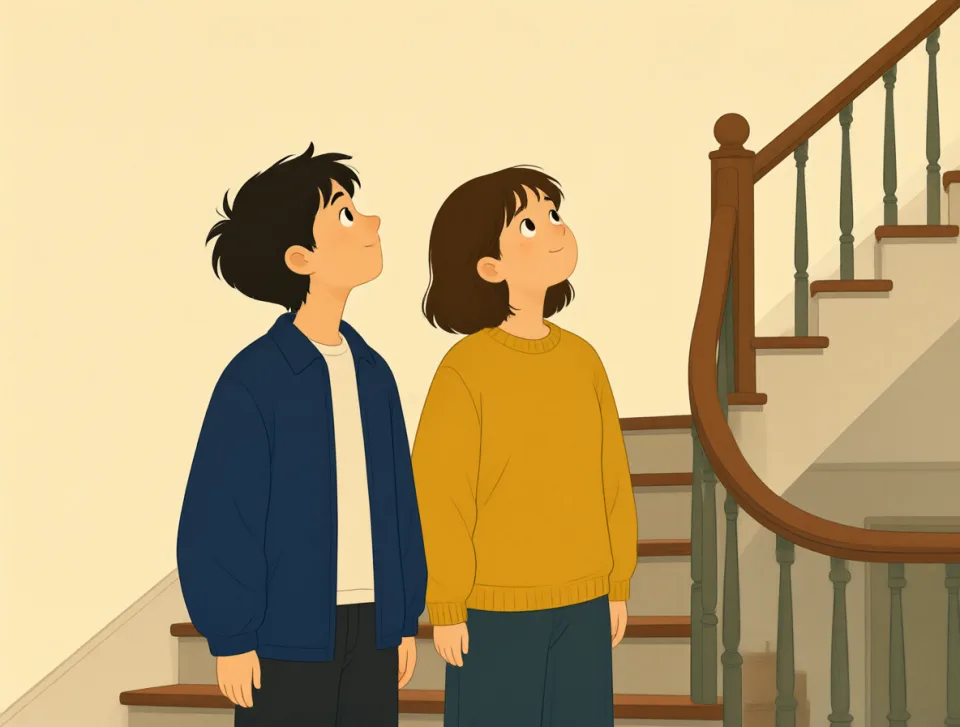
We saw a beautiful flight of stairs in the old house.
我們在那座老房子裡看到了一段漂亮的樓梯。
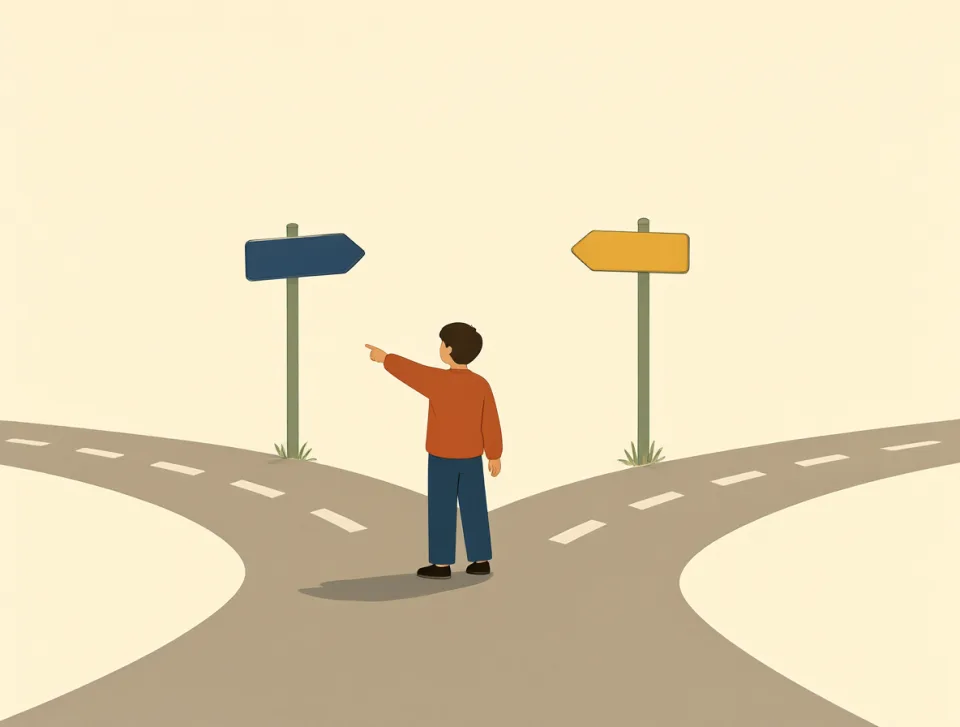
left
#1220adjective, adverb, noun, verb
左邊的;剩下的;離開;留下
the side opposite the right side; remaining after others have gone
與右邊相對的一側;其他人離開後剩下的
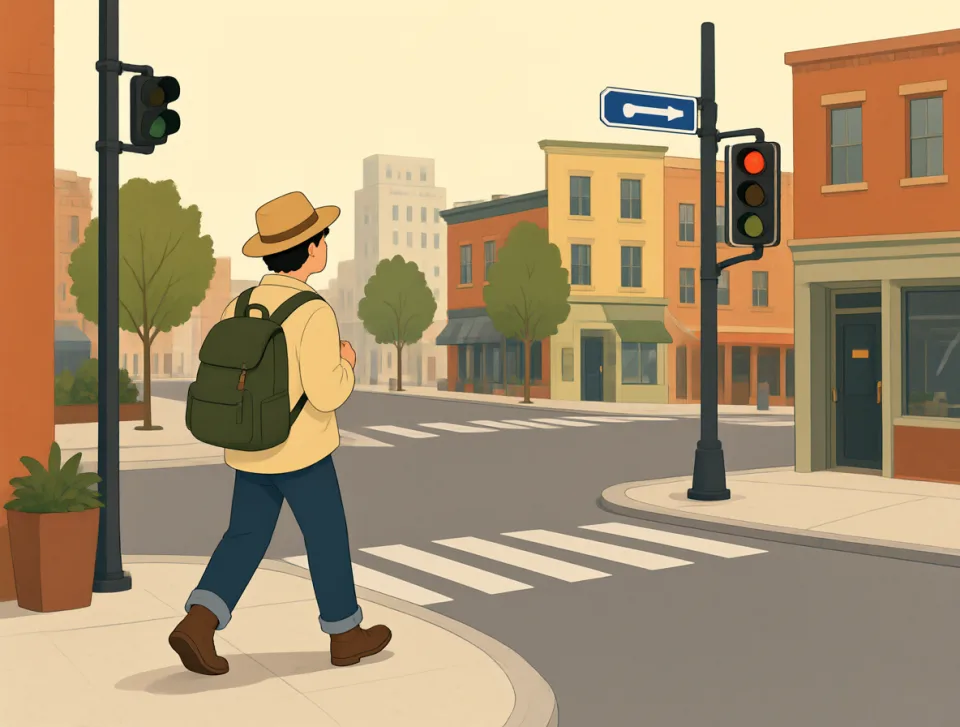
Turn left at the next corner and walk two blocks.
在下一個路口向左轉,步行兩個街區。
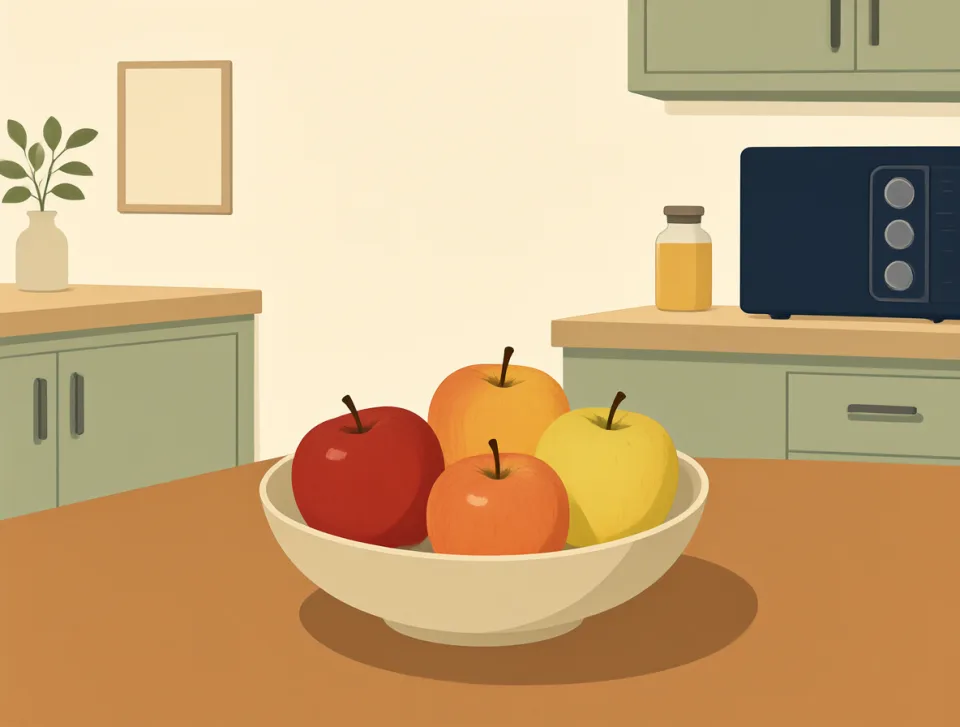
There are three apples left in the kitchen bowl.
廚房的碗裡還剩三個蘋果。
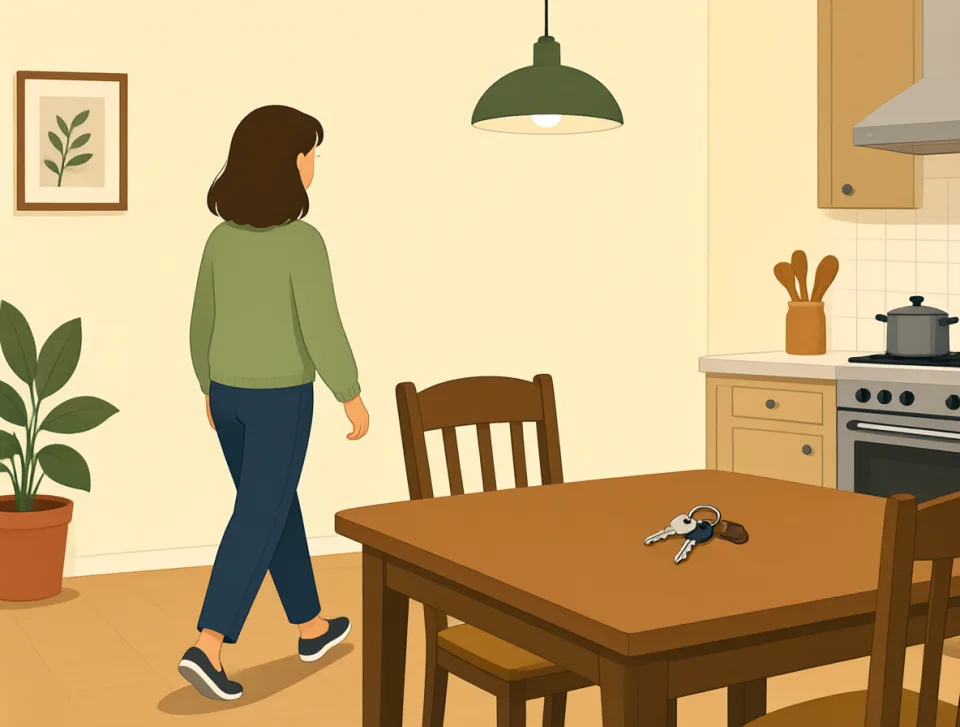
She left her keys on the table this morning.
她今天早上把鑰匙落在桌上了。

I left work early because I had a terrible headache.
我頭疼得厲害,所以提前下班了。
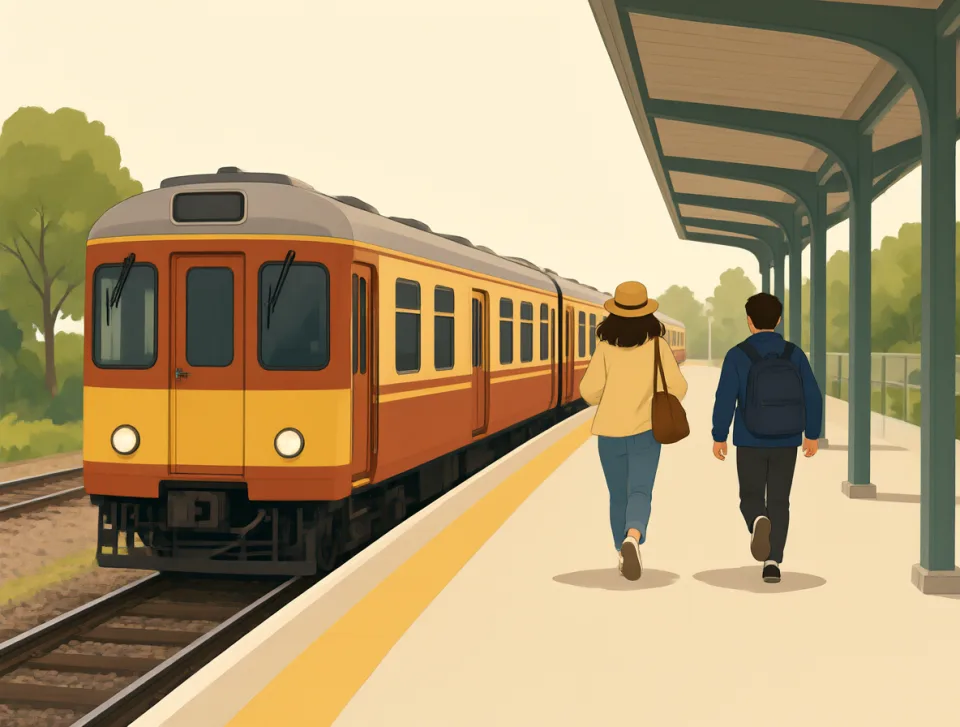
The train left the station before we reached the platform.
我們還沒走到站臺,火車就已經開走了。