ユニット 32
621〜640語 · arm, heart, source, employee, manage, simply
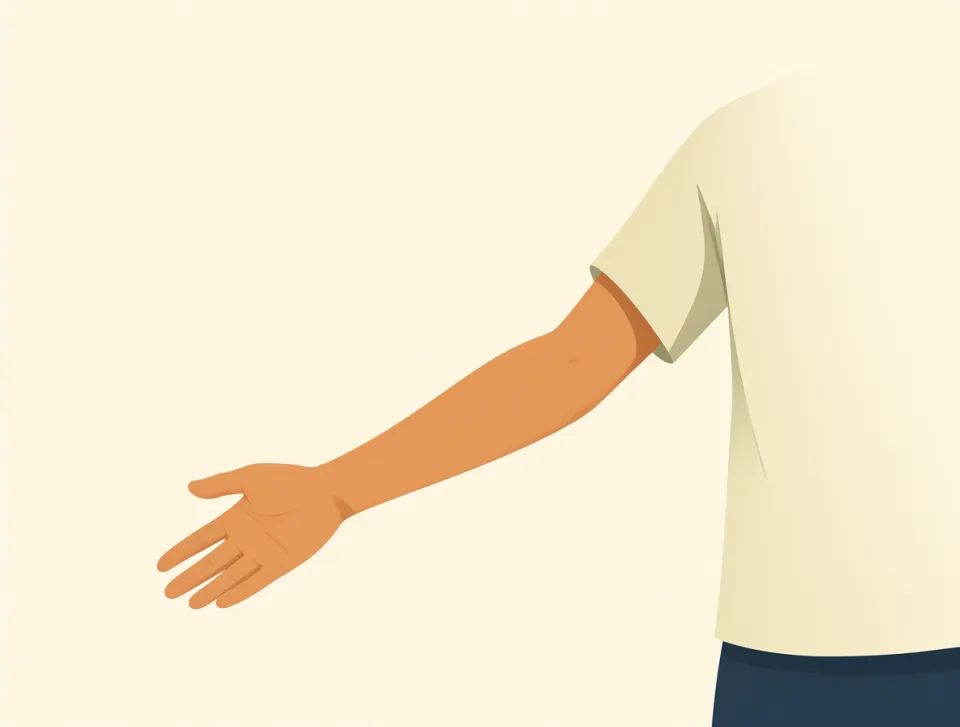
arm
#621noun, verb
腕; 武装させる
the body part between your shoulder and hand; to prepare or protect someone for action
肩から手までの間にある体の部分;誰かに行動するための準備をさせたり、身を守れるようにしたりすること
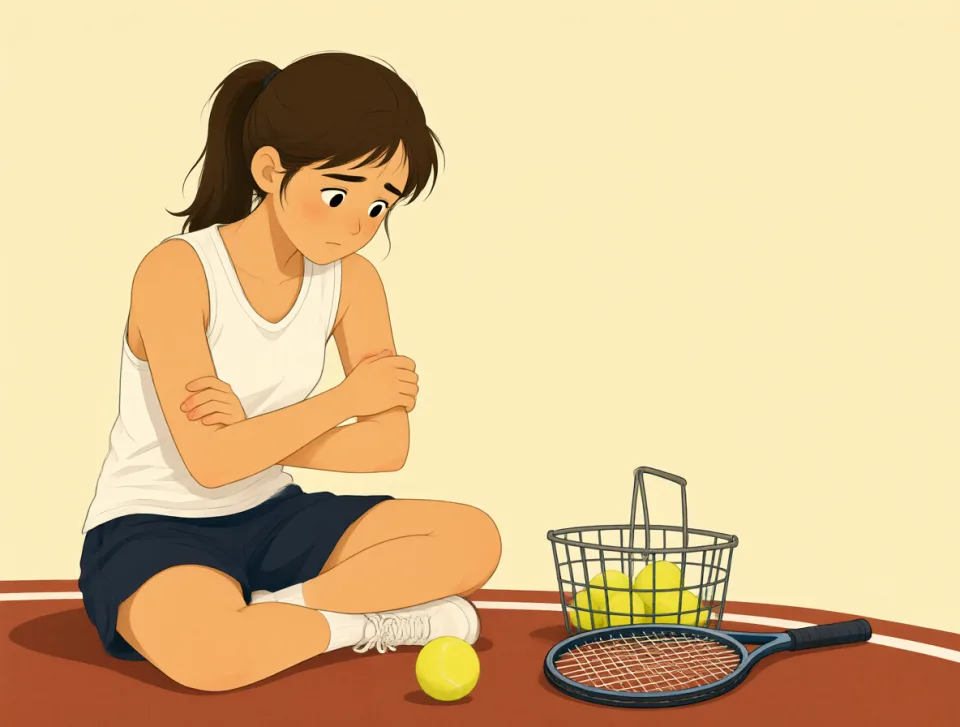
She hurt her arm playing tennis.
テニスをしていて腕を痛めました。
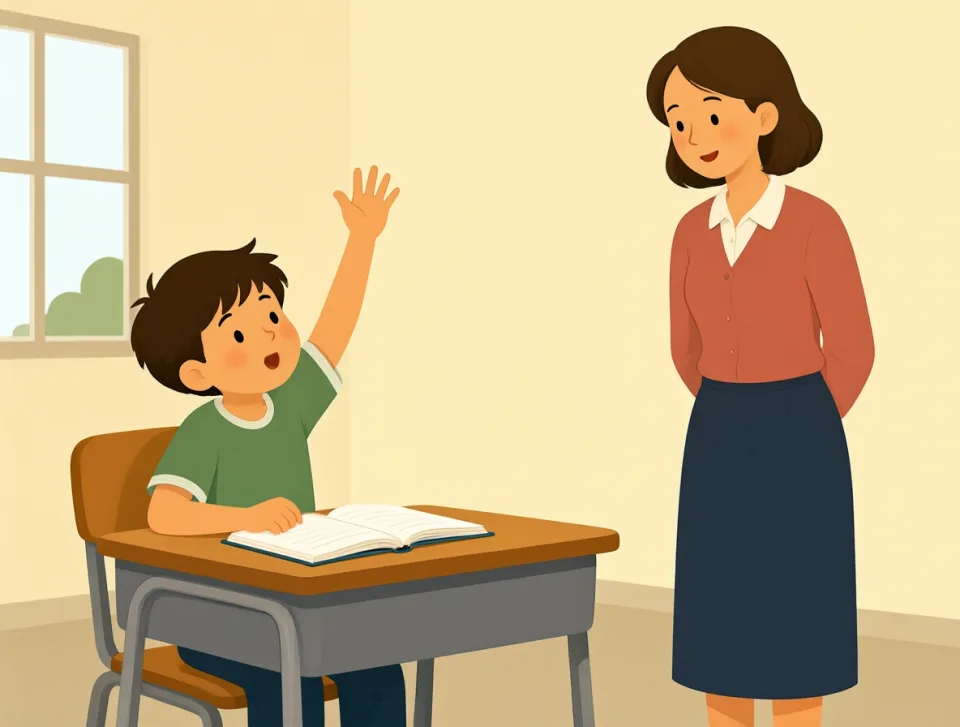
He raised his arm to ask a question.
彼は質問するために腕を上げました。
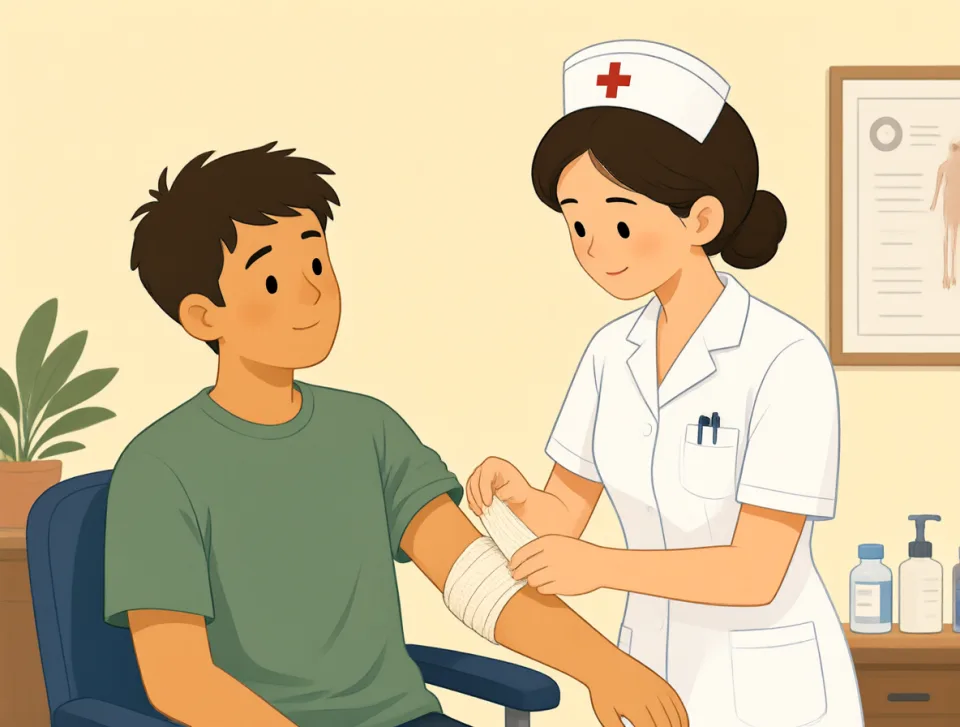
The nurse put a bandage on my arm.
看護師は私の腕に包帯を巻きました。
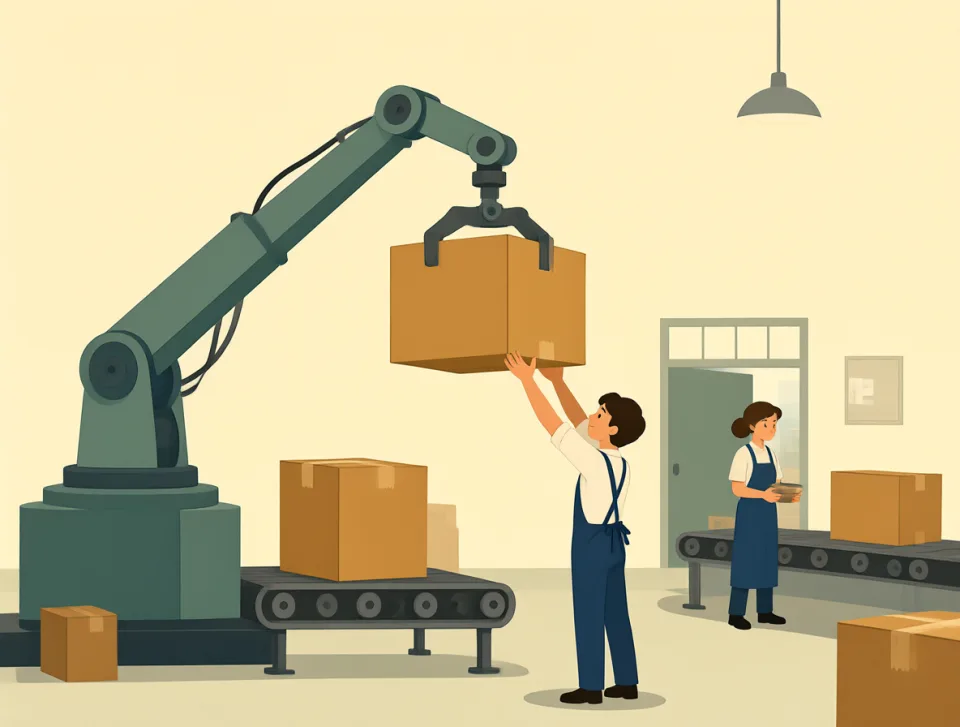
The robot arm moved the box.
ロボットアームが箱を動かしました。
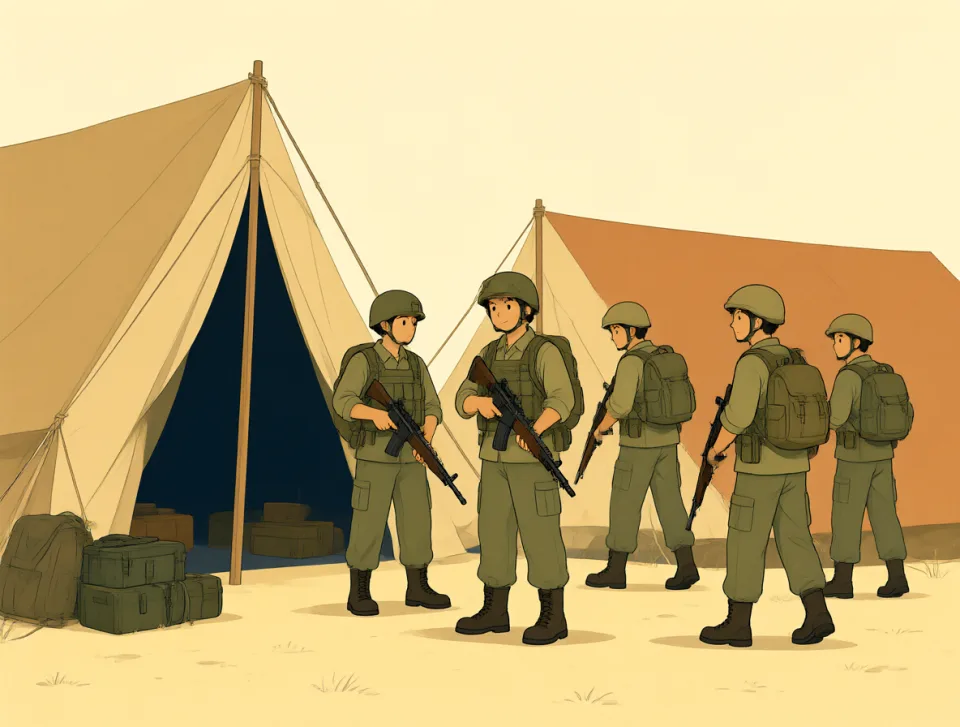
The soldiers armed themselves before leaving.
兵士たちは出発する前に武装しました。
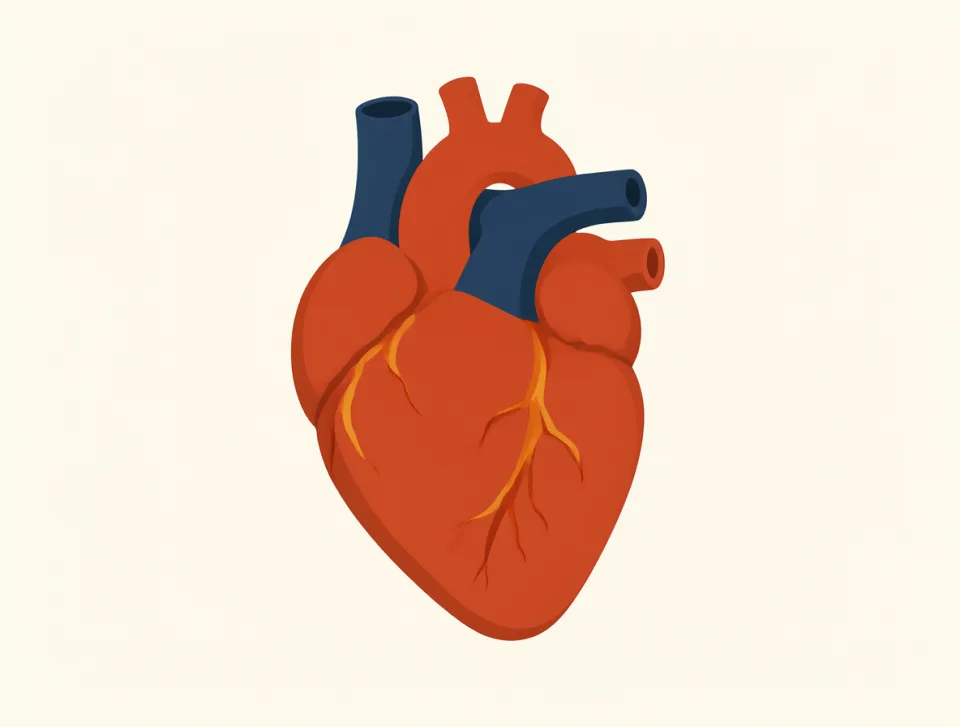
heart
#622noun
心臓; 心; ハート
the organ in your chest that pumps blood around your body
胸の中にあり、体中に血液を送り出す器官
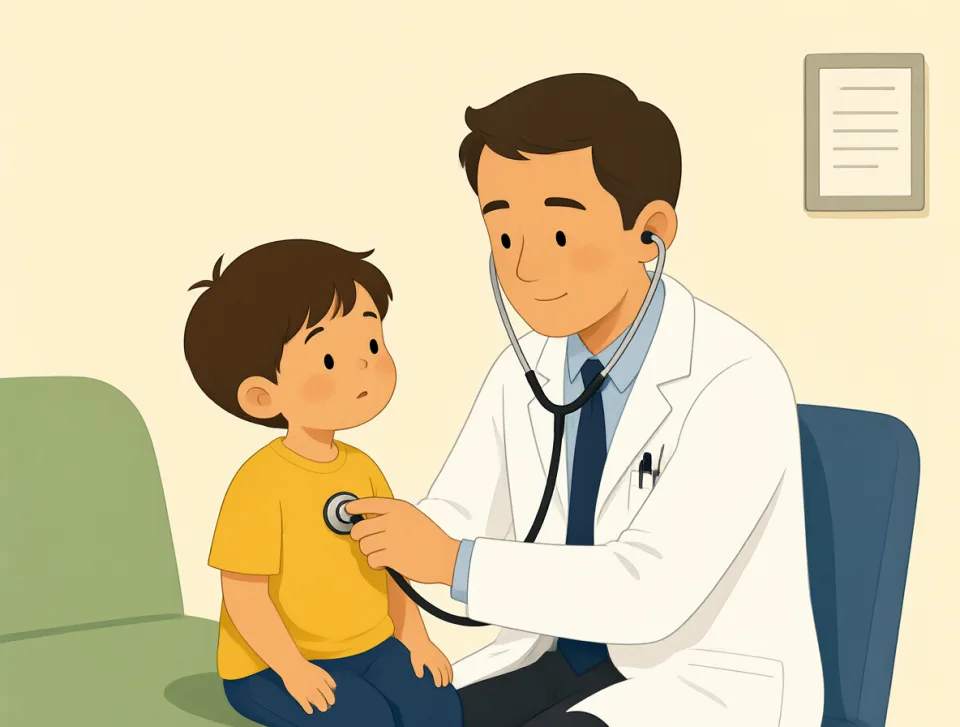
The doctor listened to my heart.
医者は私の心臓の音を聞いた。
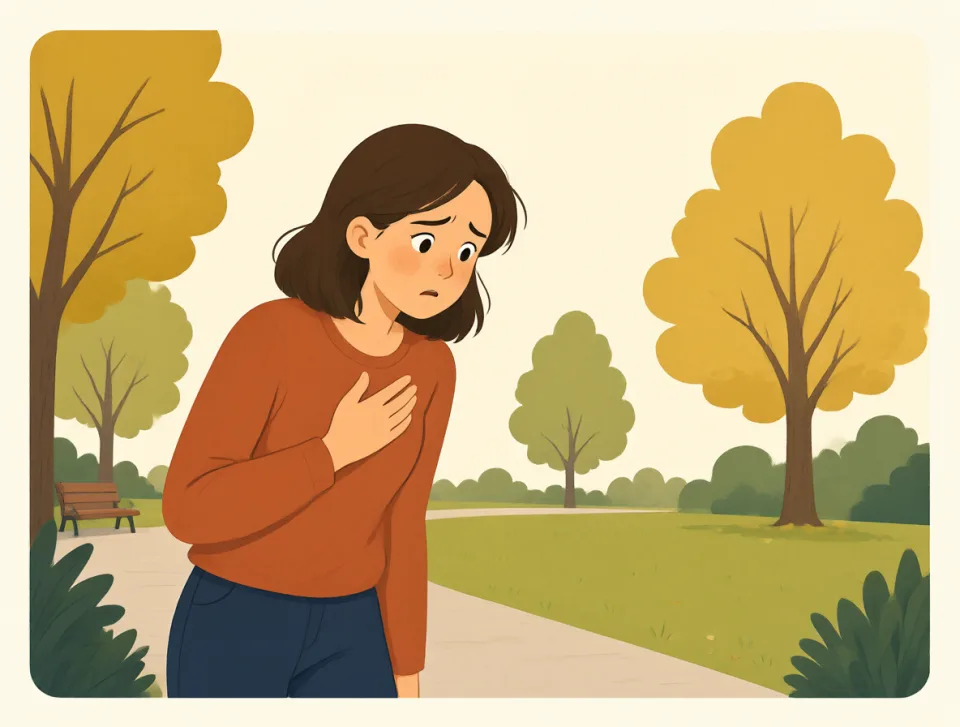
Her heart was beating very fast.
彼女の心臓はとても速く鼓動していた。
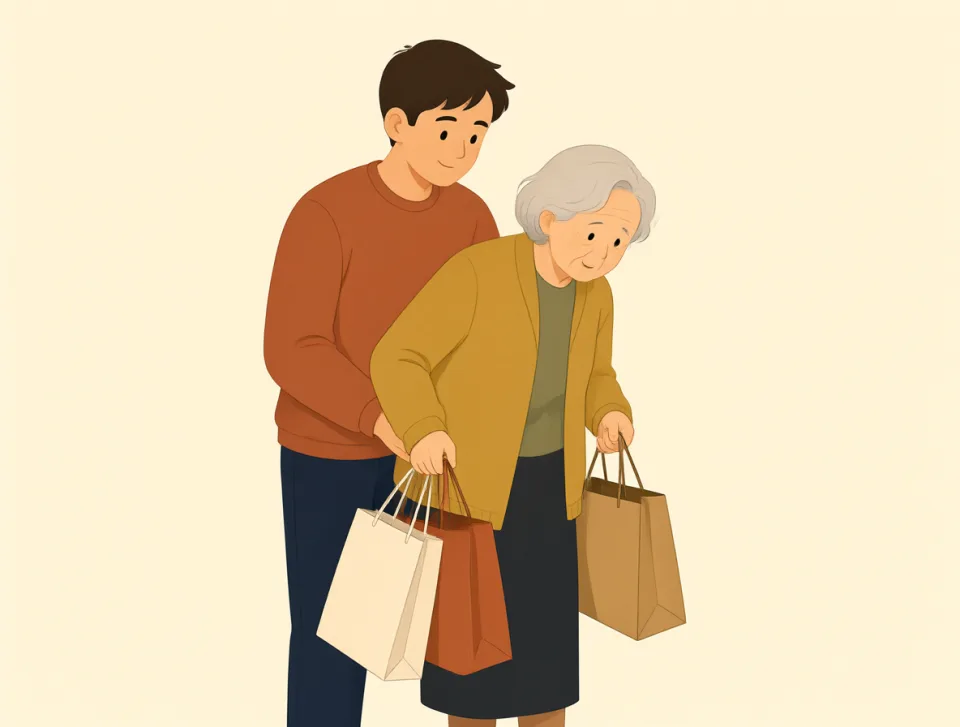
He has a kind heart.
彼は優しい心の持ち主だ。
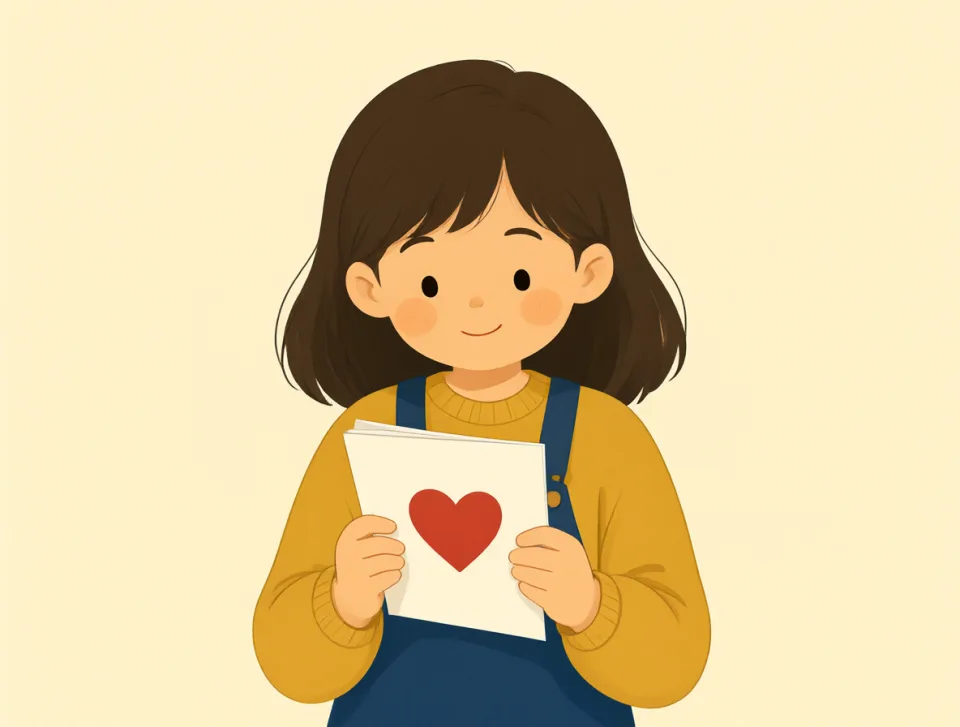
The red heart on the card looked sweet.
カードに描かれた赤いハートがかわいらしく見えた。
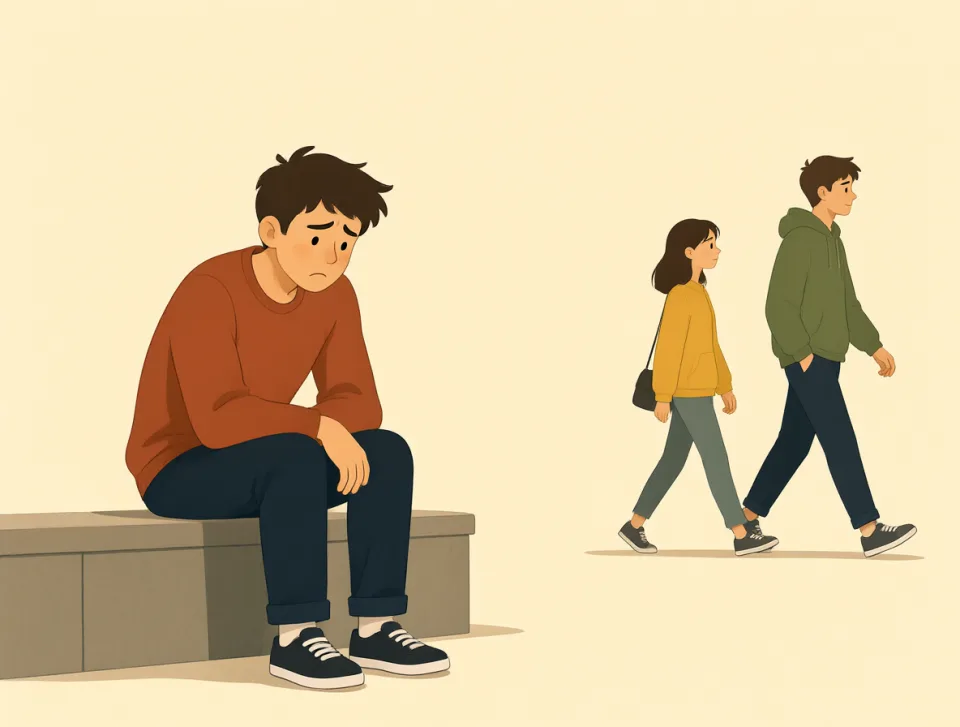
She broke his heart by leaving.
彼女は去って、彼を失恋させた。
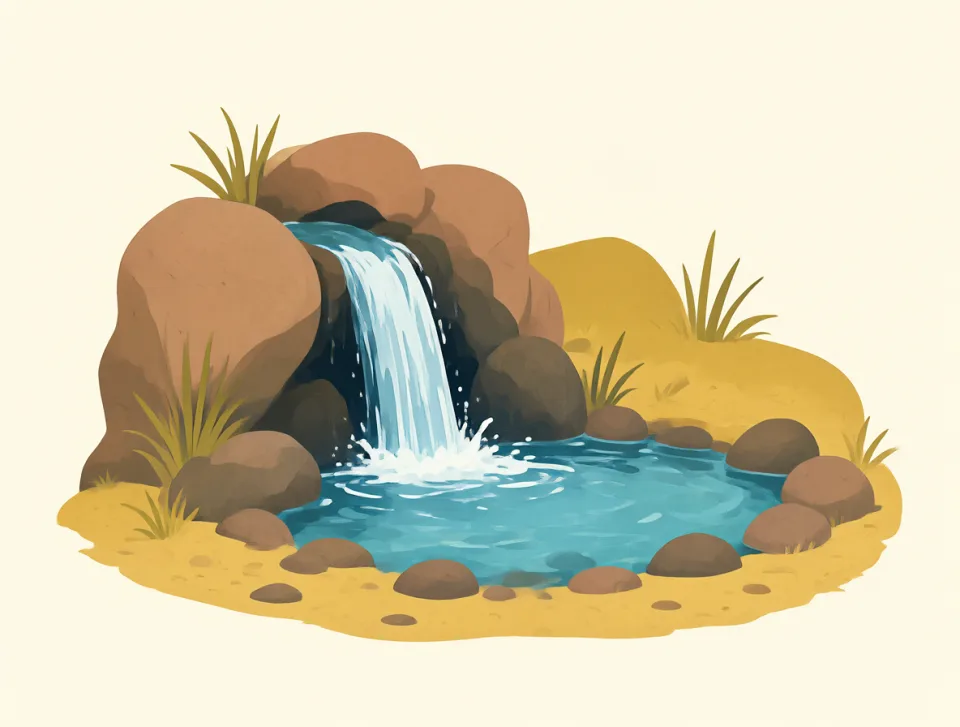
source
#623noun, verb
源; 情報源; 調達する
A person, place, or thing that provides something; to get information or supplies from somewhere.
何かを提供する人・場所・物、またはどこかから情報や物資を入手すること。
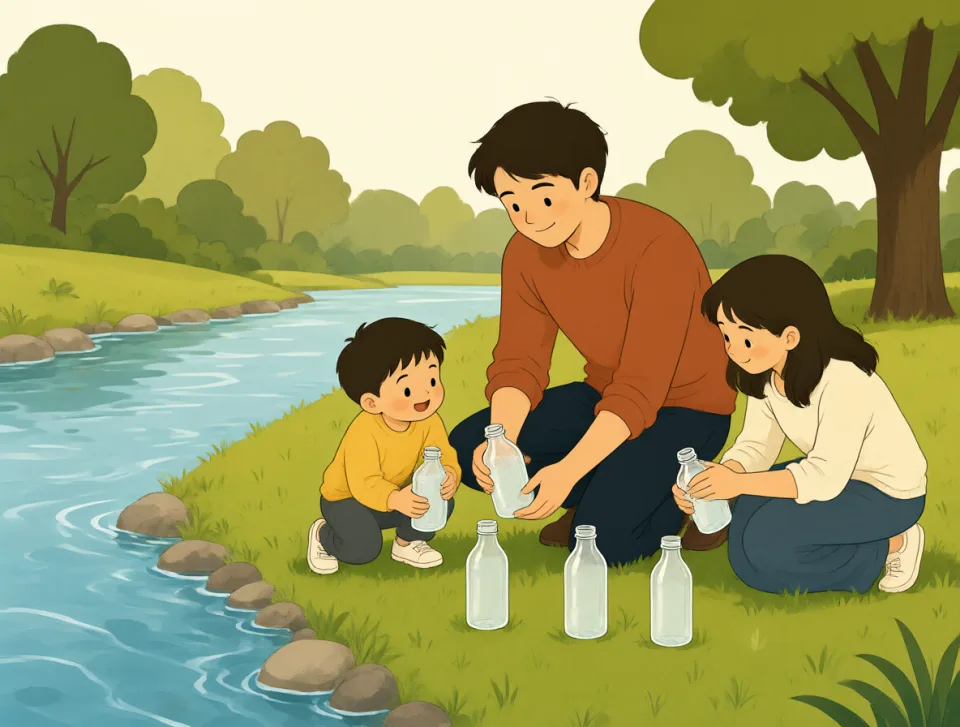
The river is a source of fresh water.
その川は新鮮な水の源です。
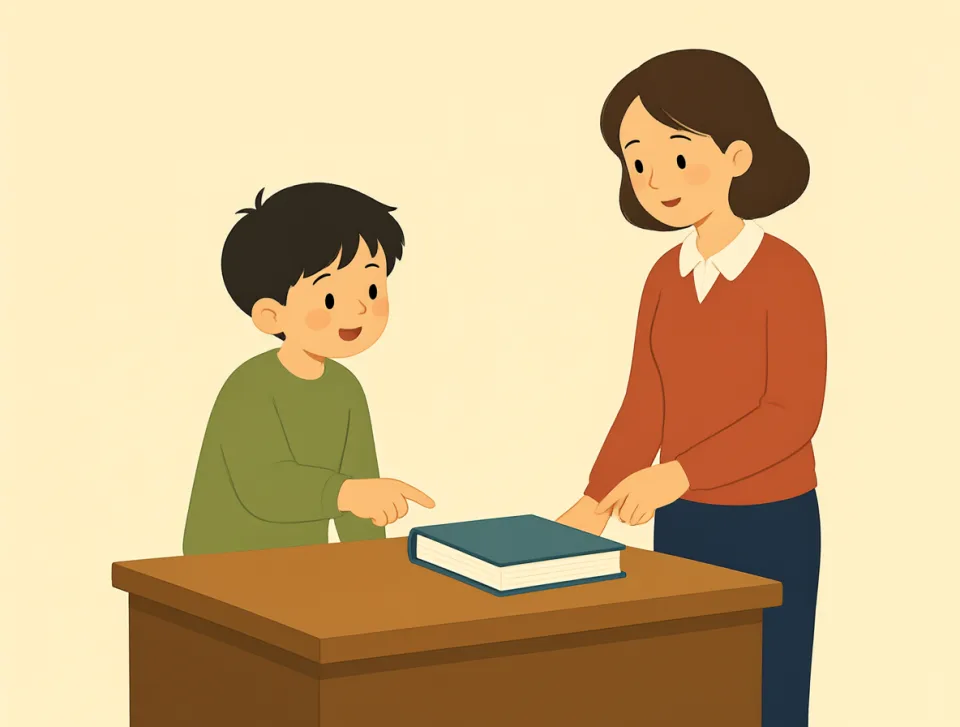
Please check the source of this information.
この情報の出典を確認してください。
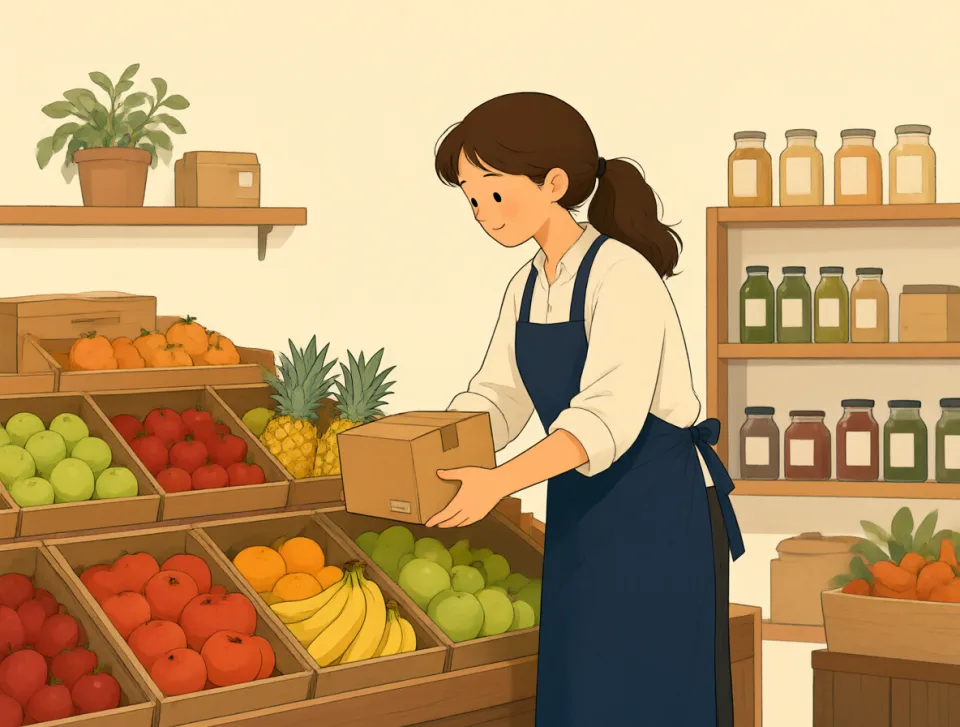
The shop sources fresh fruit from local farms.
その店は地元の農家から新鮮な果物を仕入れています。

We found a good source of cheap clothes.
安い服の良い仕入れ先を見つけました。
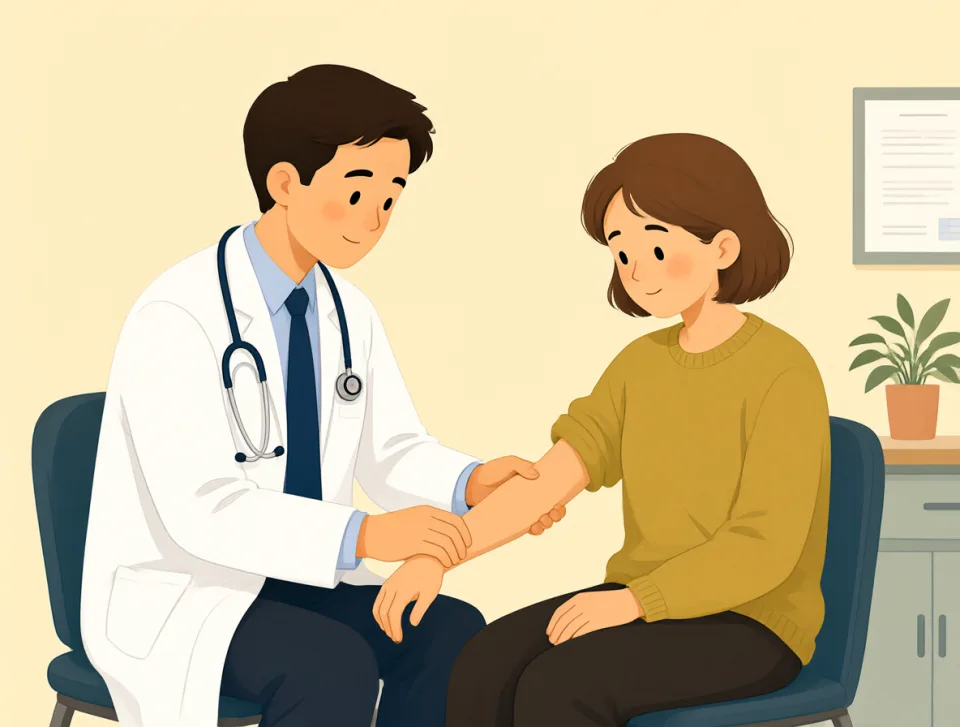
The doctor asked about the source of pain.
医師は痛みの原因について尋ねました。
employee
#624noun
従業員; 社員; 雇用者
A person who is paid to work for a company or another person.
会社や他の人に雇われ、給料をもらって働く人。
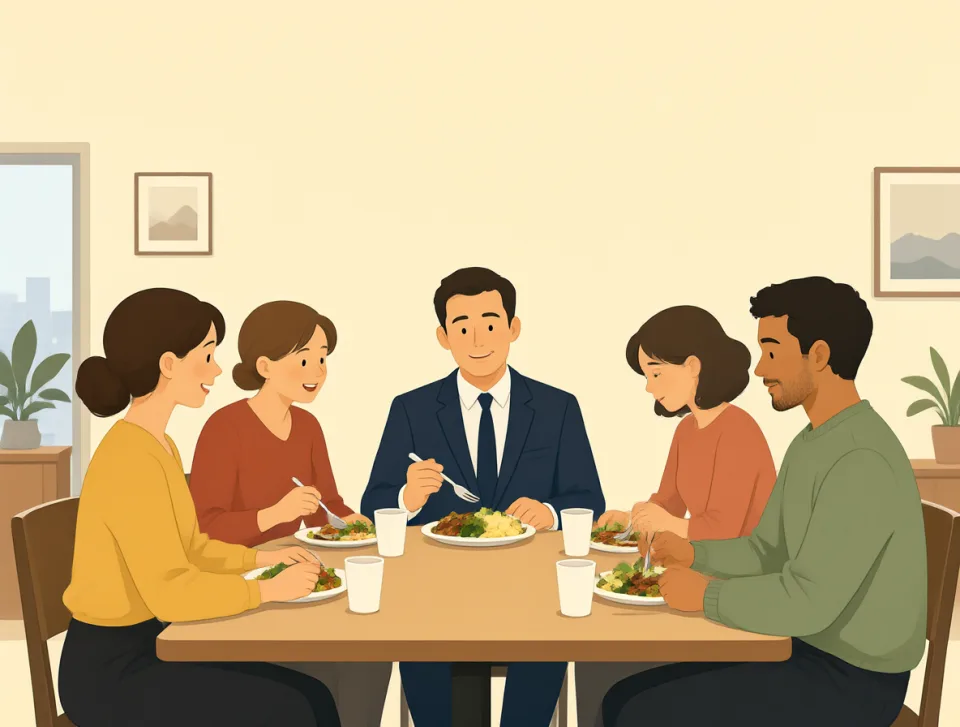
Every employee gets a lunch break.
従業員は全員、昼休みを取ります。

The company hired three new employees.
その会社は新しい従業員を3人採用しました。
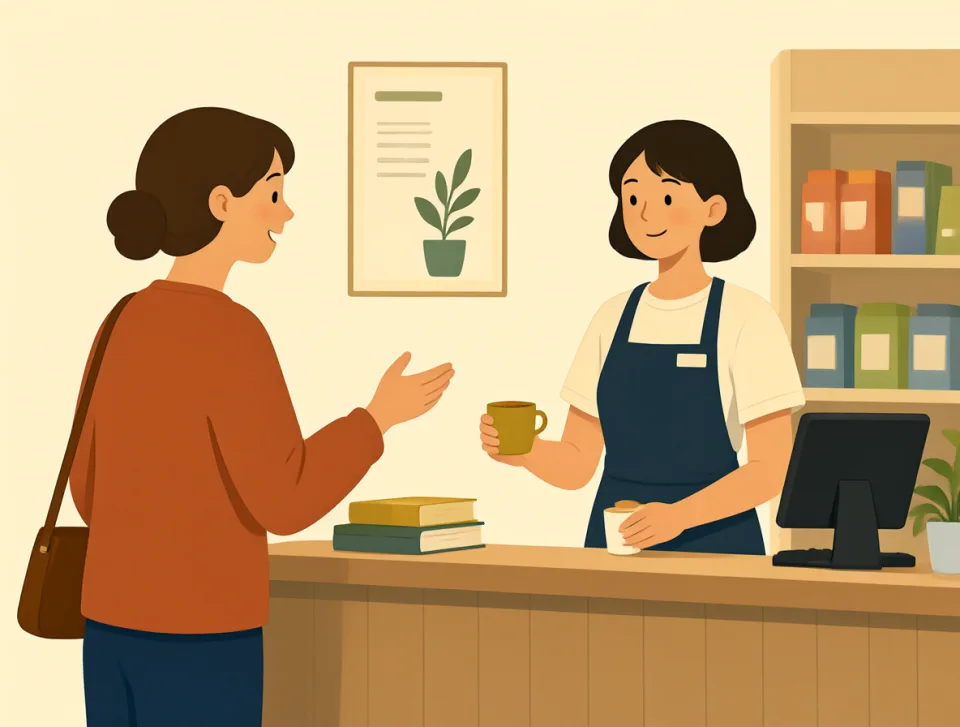
Please ask an employee for help.
従業員に助けを求めてください。

The employee arrived early for work.
その従業員は仕事に早く来ました。
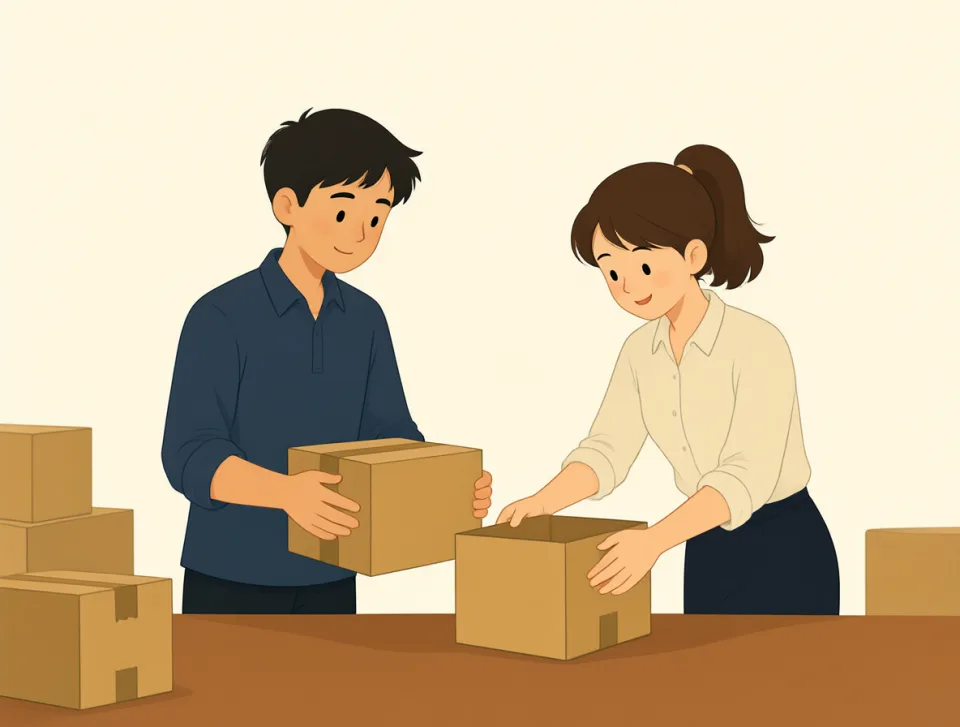
Good employees work well with others.
優れた従業員は、他の人たちとうまく協力して働きます。
manage
#625verb
何とかやり遂げる; 管理する; 経営する; 扱う
To succeed in doing something, especially when it is difficult.
特に難しいことを、何とかやり遂げること。
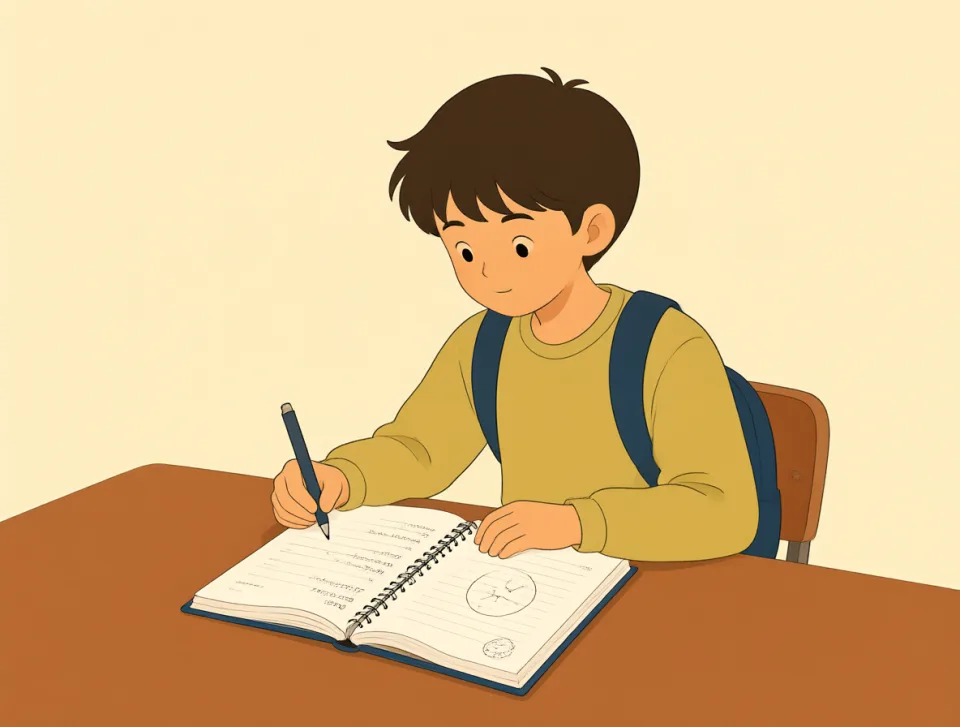
I managed to finish my homework before dinner.
私は夕食前になんとか宿題を終えた。
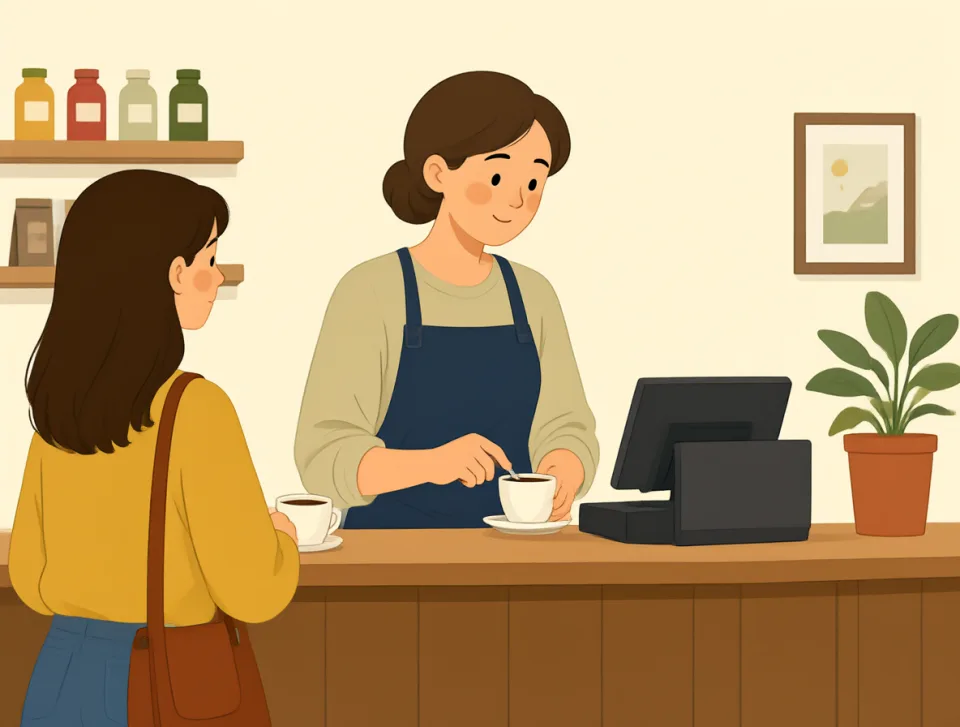
She manages a small shop near the station.
彼女は駅の近くで小さな店を経営している。
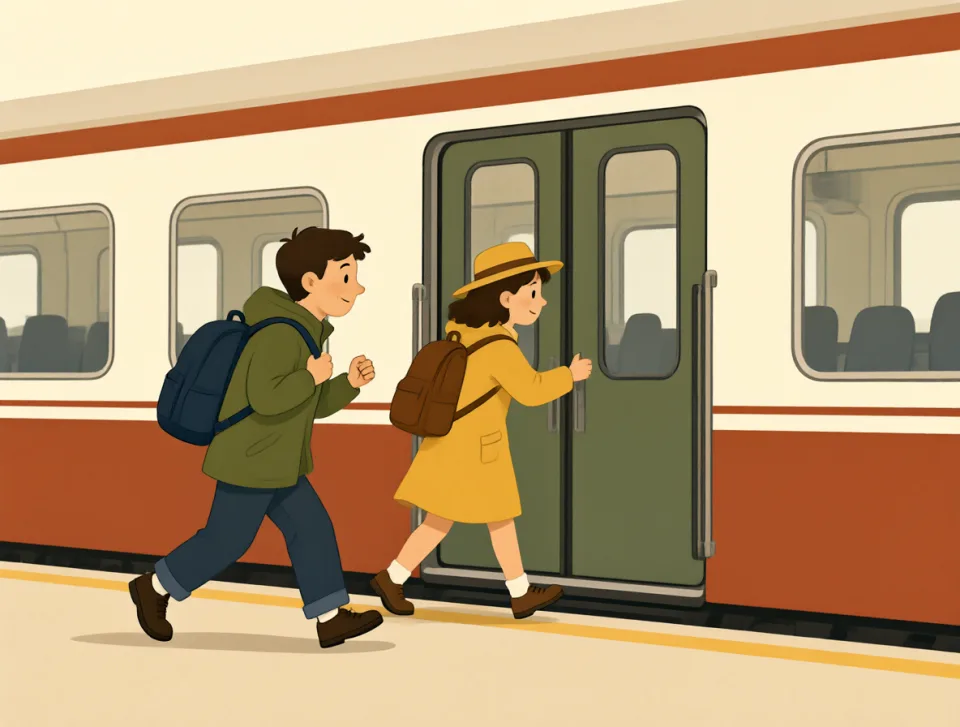
We managed to catch the last train.
私たちはなんとか終電に間に合った。

He managed the team for five years.
彼は5年間そのチームを管理していた。
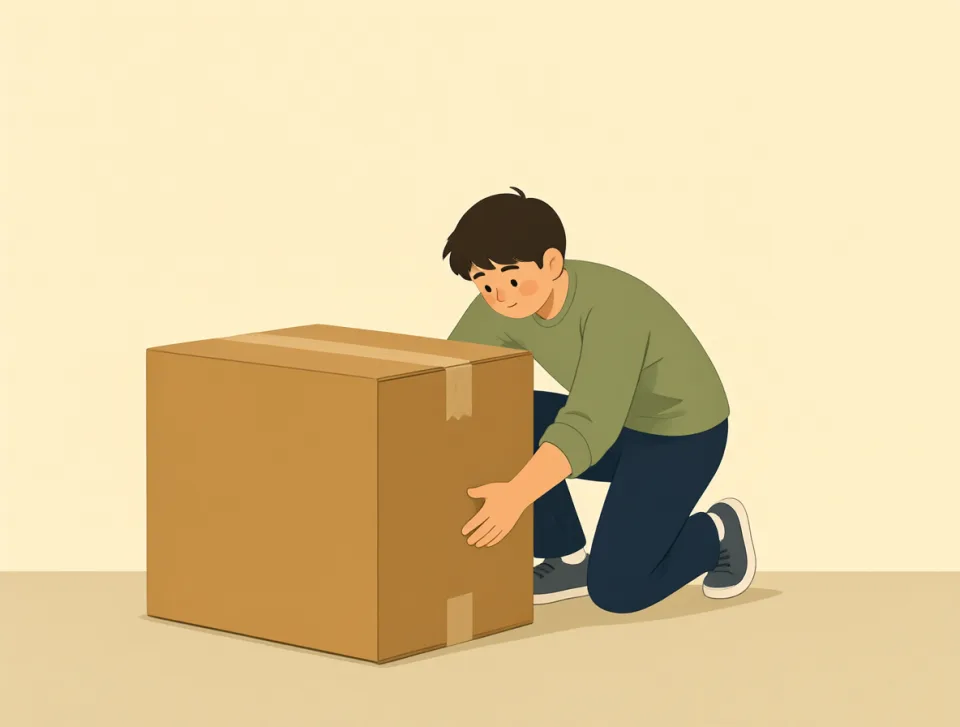
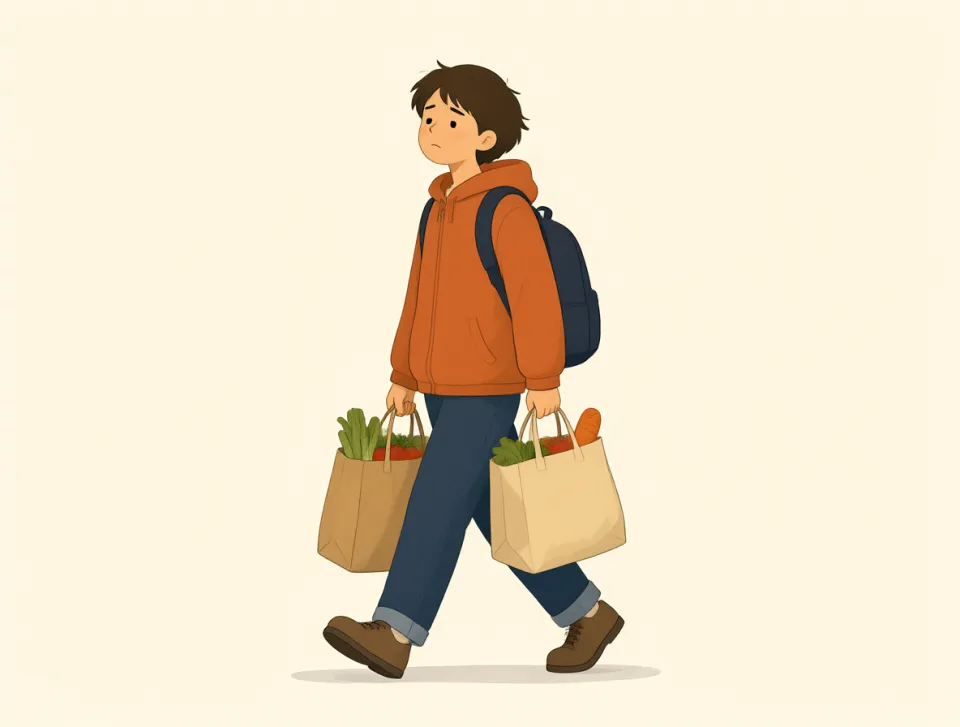
Can you manage this heavy box alone?
この重い箱を一人で運べますか?
simply
#626adverb
簡単に; 単に; ただ
in an easy, plain, or direct way
簡単な、わかりやすい、または直接的な方法で
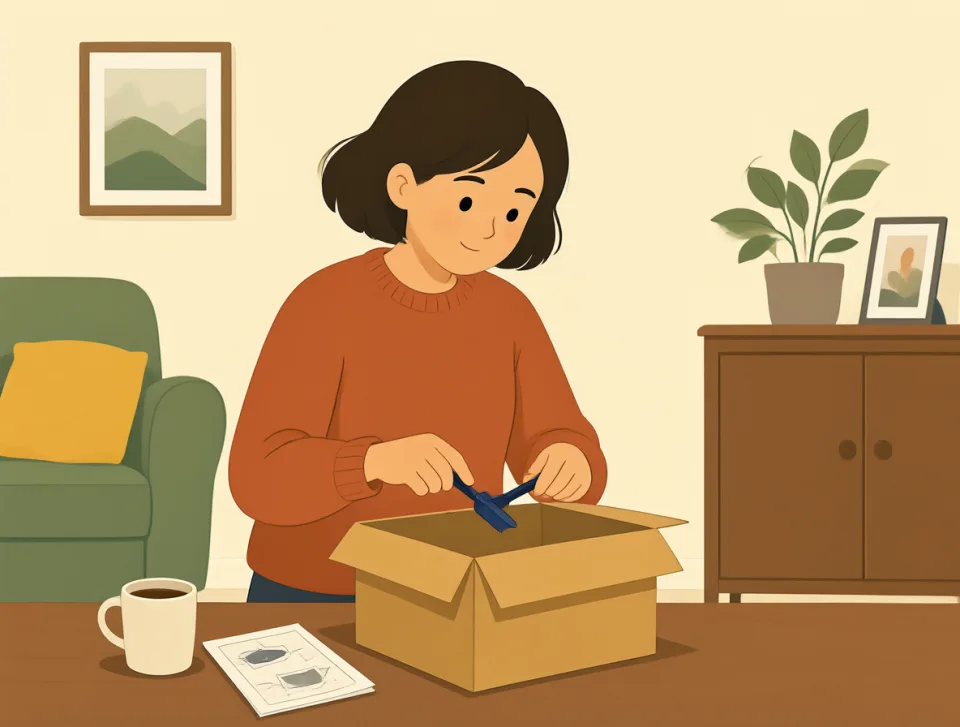
Simply follow the instructions on the box.
箱に書かれている説明に従うだけです。
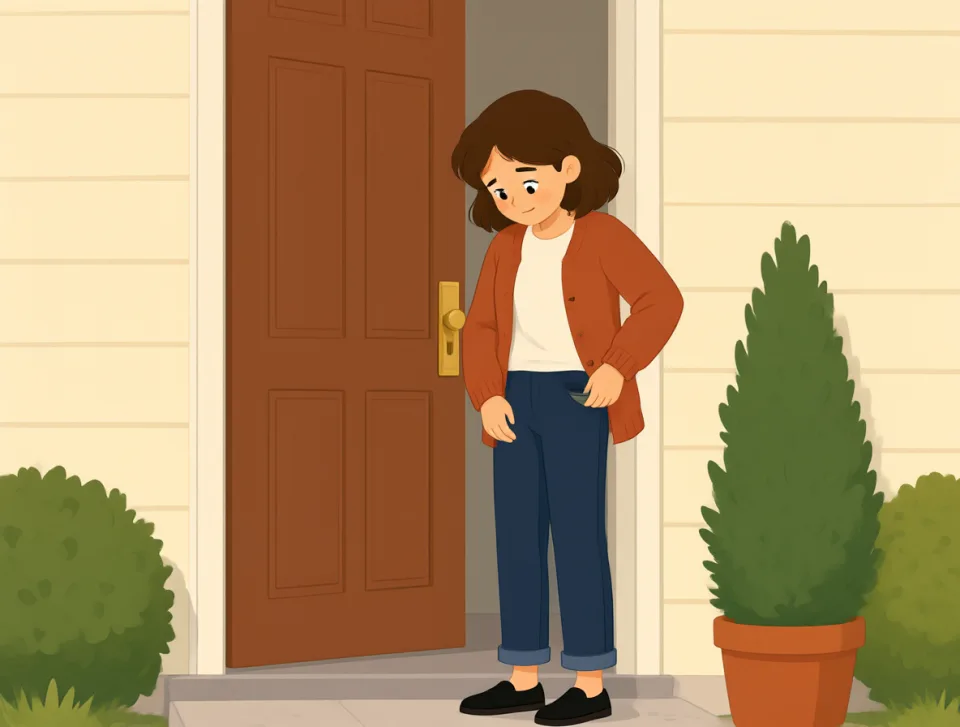
She simply forgot her keys at home.
彼女は単に家に鍵を忘れただけです。

We simply cannot afford that expensive meal.
私たちには、そんな高い食事をする余裕はどうしてもありません。
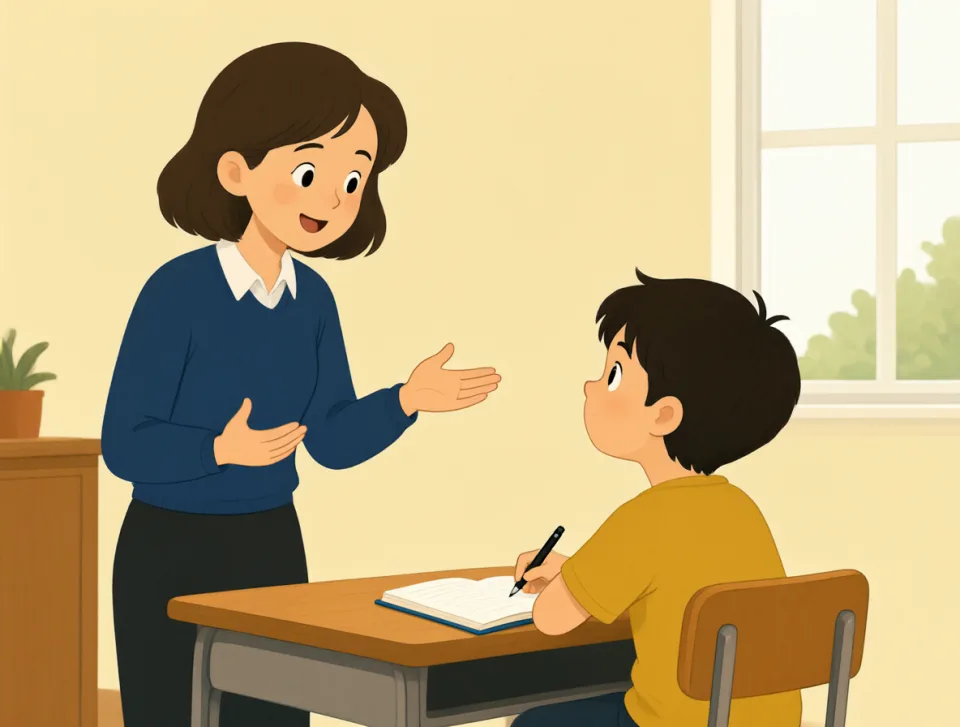
He explained the problem simply and clearly.
彼は問題を簡潔かつ明確に説明しました。
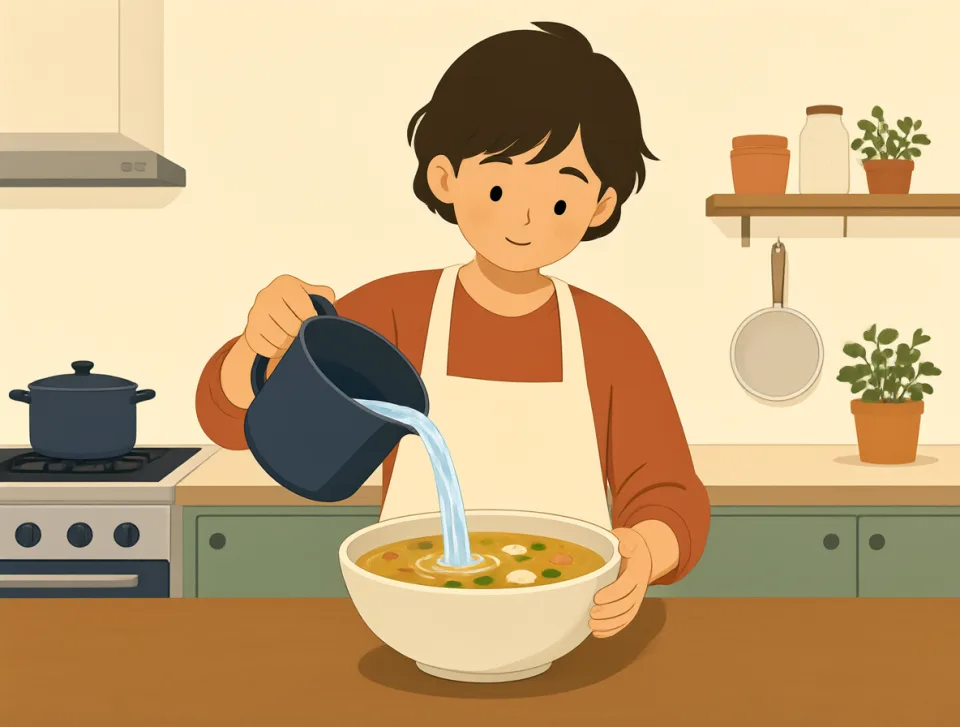
Simply add water and stir the soup.
水を加えて、スープをかき混ぜるだけです。
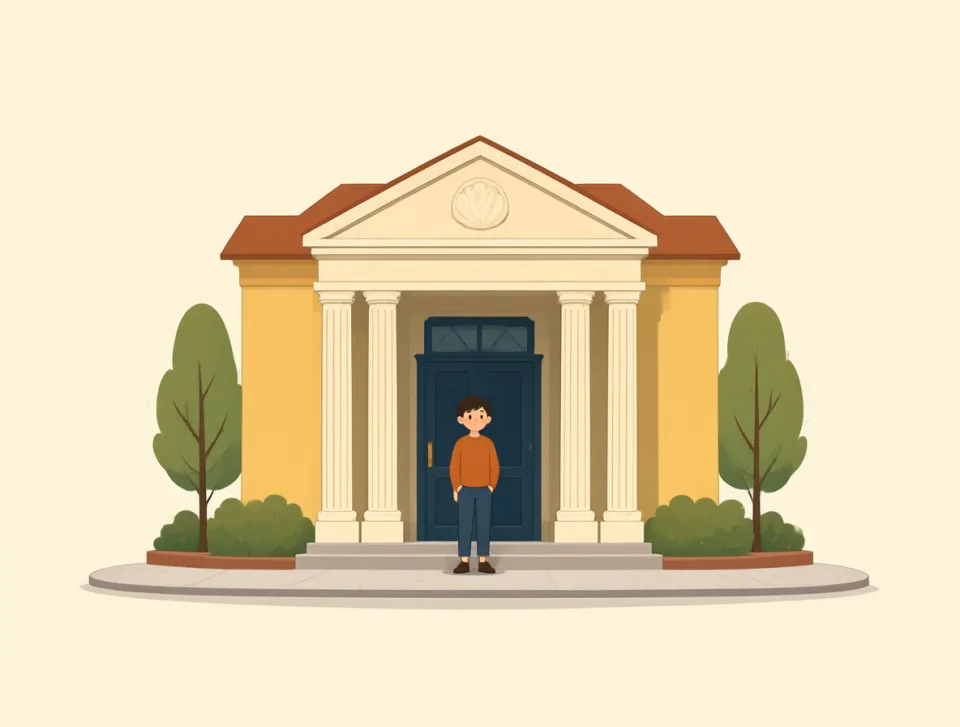
bank
#627noun, verb
銀行; 預金する
A place that keeps your money safe; to put money in a bank.
お金を安全に預けておく場所。また、お金を銀行に預けること。

I need to go to the bank today.
今日は銀行に行かないといけません。
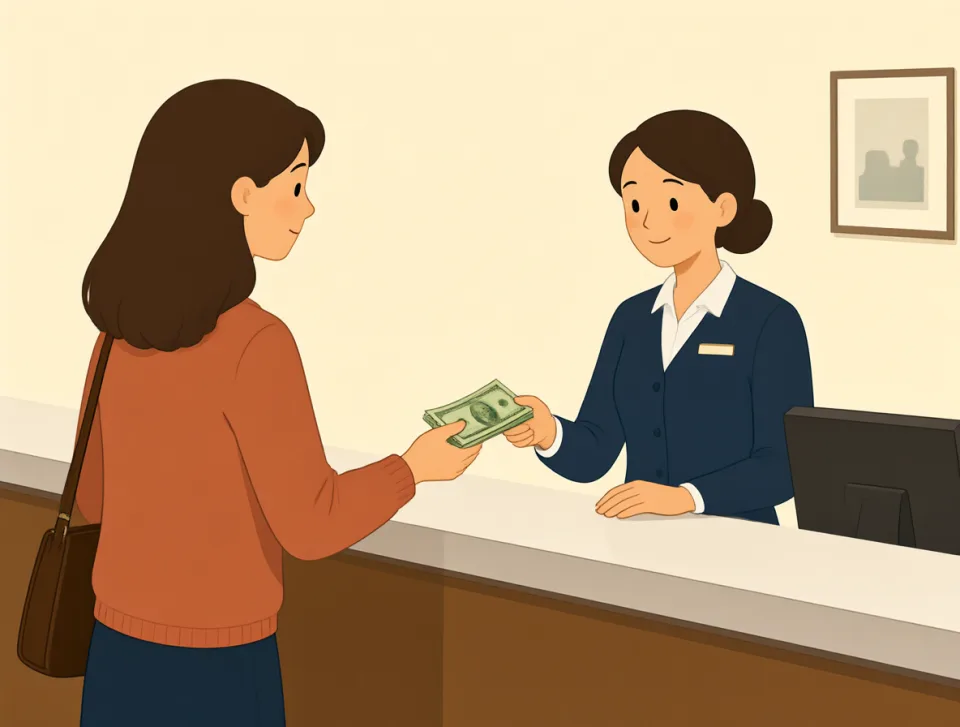
She put her money in the bank.
彼女はお金を銀行に預けました。
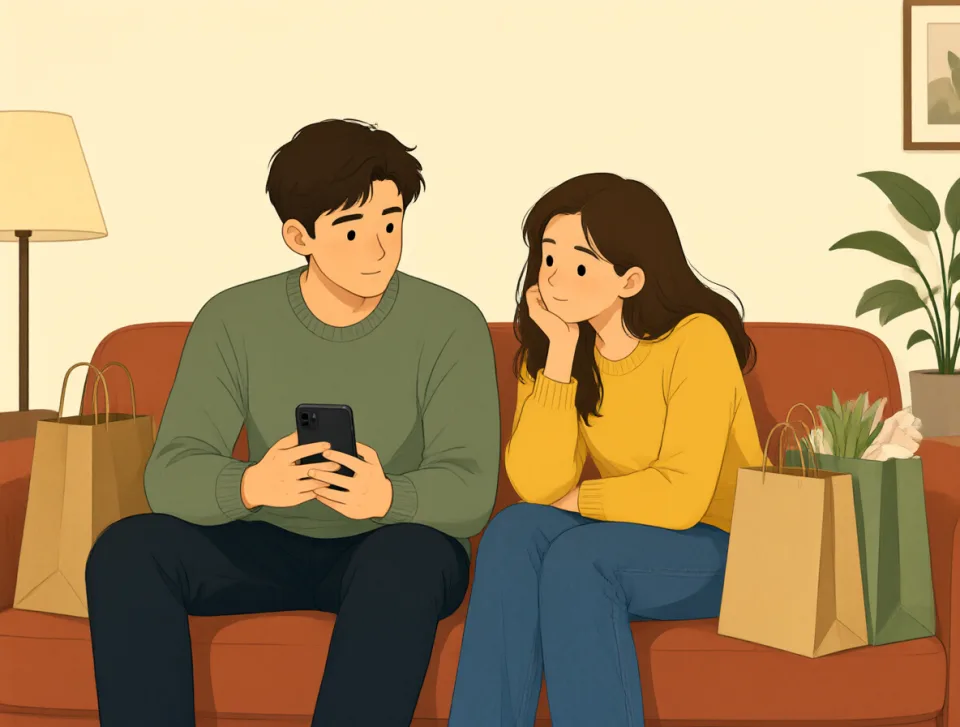
We checked our bank account after shopping.
買い物のあと、私たちは銀行口座を確認しました。
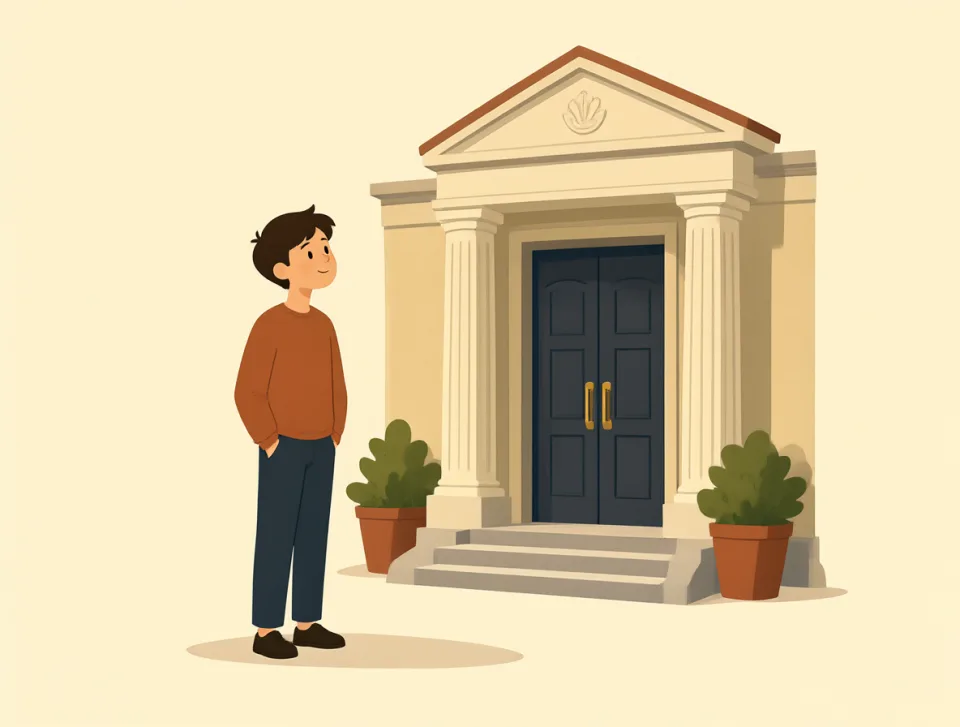
The bank closes at five o’clock.
その銀行は5時に閉まります。
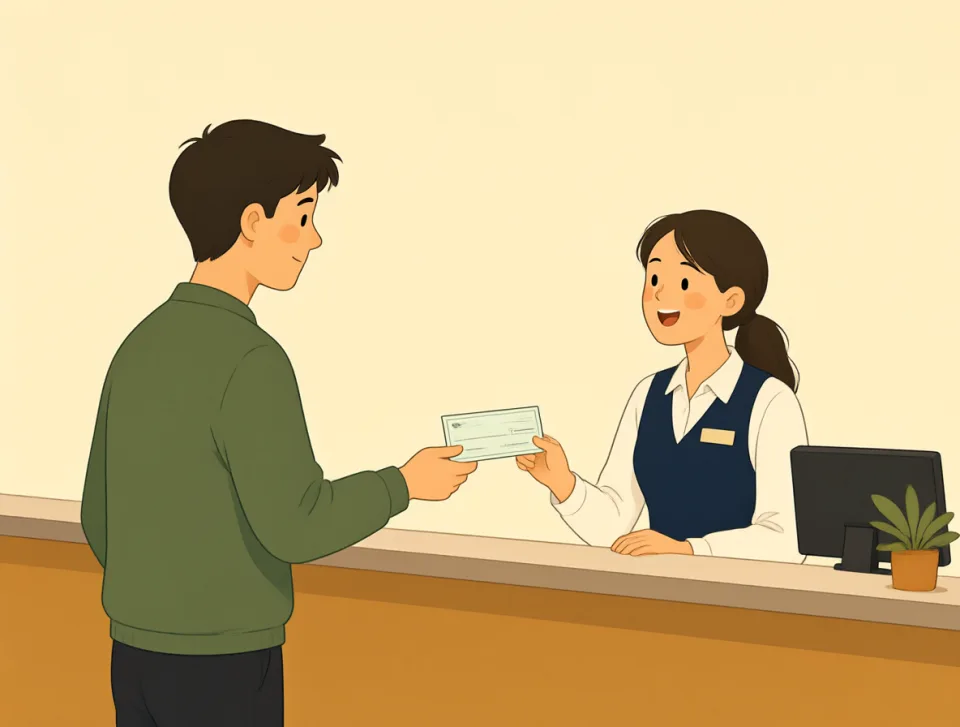
He banked the check before lunch.
彼は昼食前に小切手を銀行に預けました。
firm
#628noun, adjective
会社; 固い; しっかりした
A company, or strong and not soft or easily moved.
会社、または強くて柔らかくなく、簡単には動かないもの
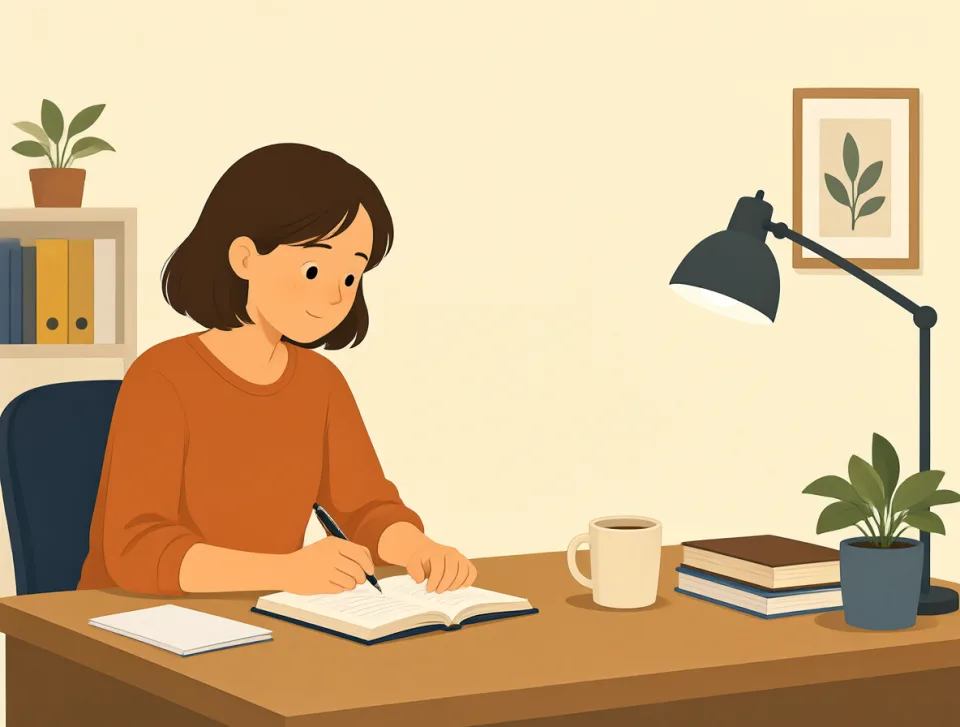
She works for a small software firm.
彼女は小さなソフトウェア会社に勤めています。

The firm offered him a better job.
その会社は彼にもっと条件のいい仕事を紹介しました。
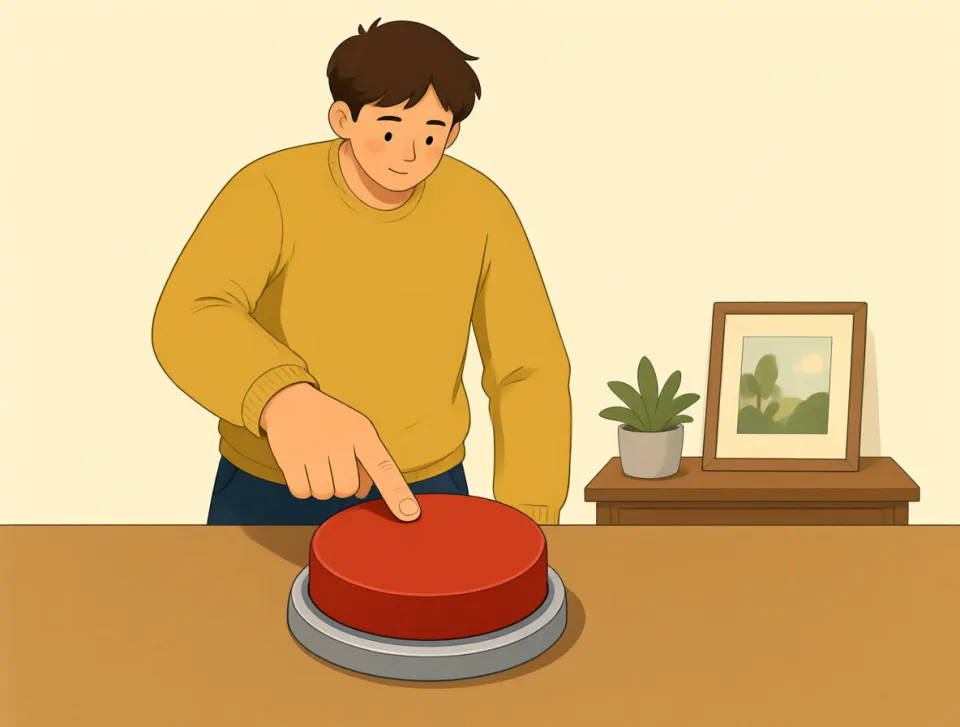
Press the button firmly with your finger.
指でボタンをしっかり押してください。

The doctor gave her a firm handshake.
医師は彼女としっかり握手をしました。

This mattress feels too firm for me.
このマットレスは私には硬すぎます。
cell
#629noun
細胞; 独房; セル
A small room in a prison, or a small unit in a larger group.
刑務所の小さな部屋、またはより大きな集団を構成する小さな単位。
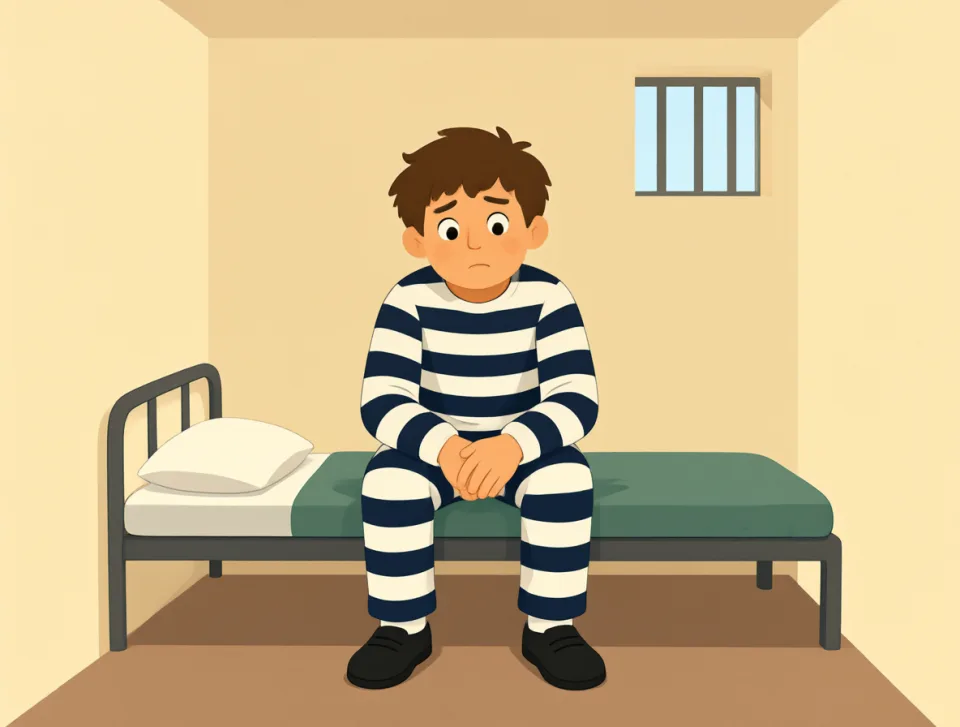
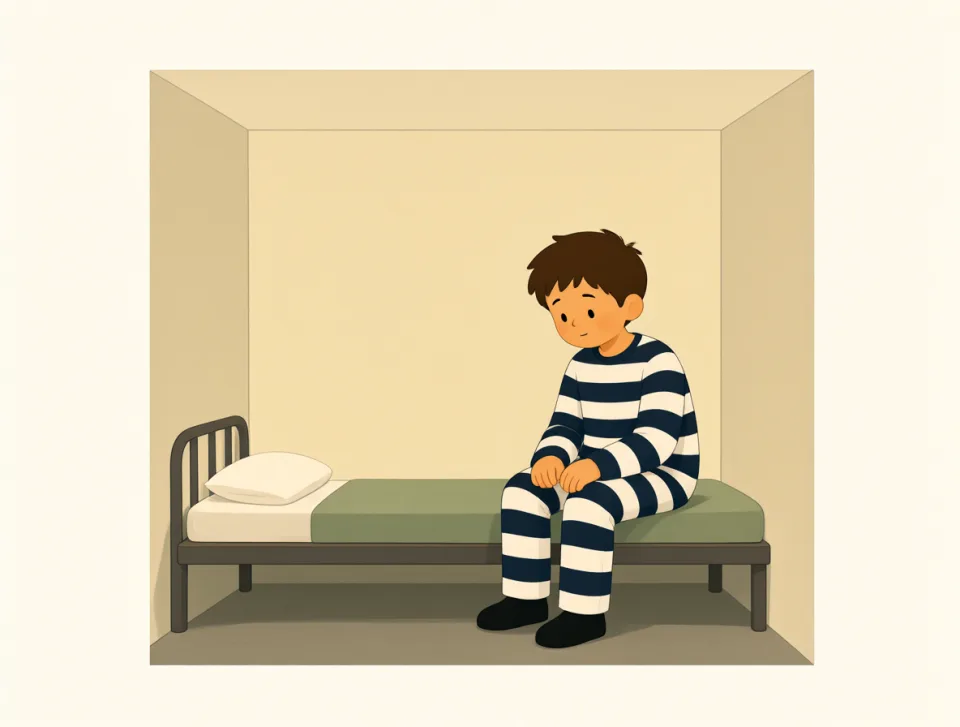
The prisoner stayed in his cell all day.
その囚人は一日中独房にいた。
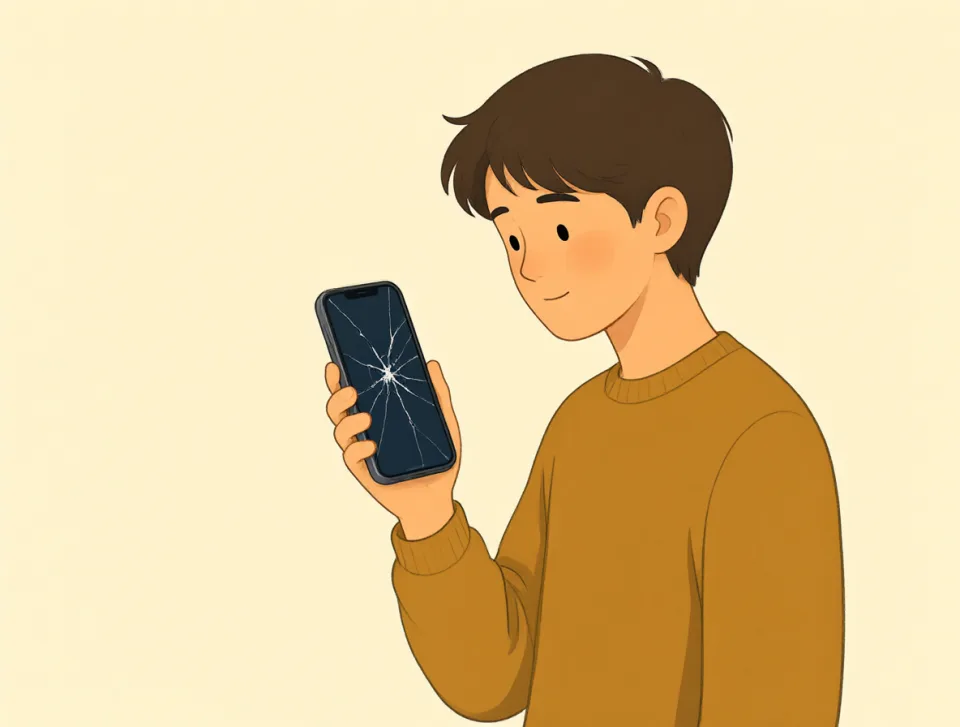
My phone has a broken cell.
私の携帯電話はセルが壊れている。
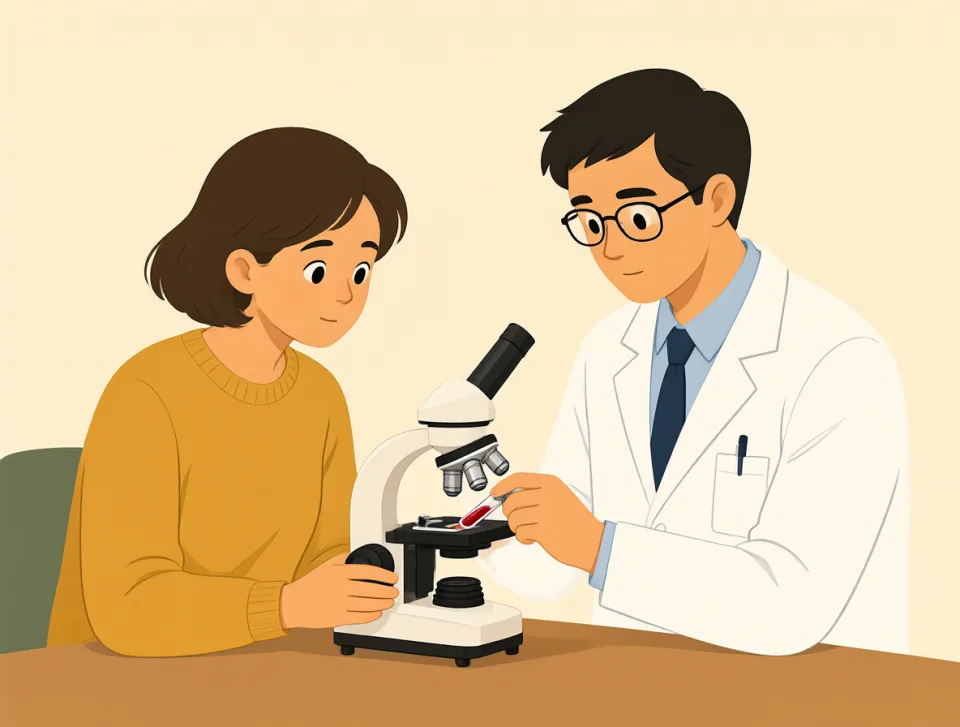
The doctor looked at the blood cells.
医師は血液細胞を調べた。
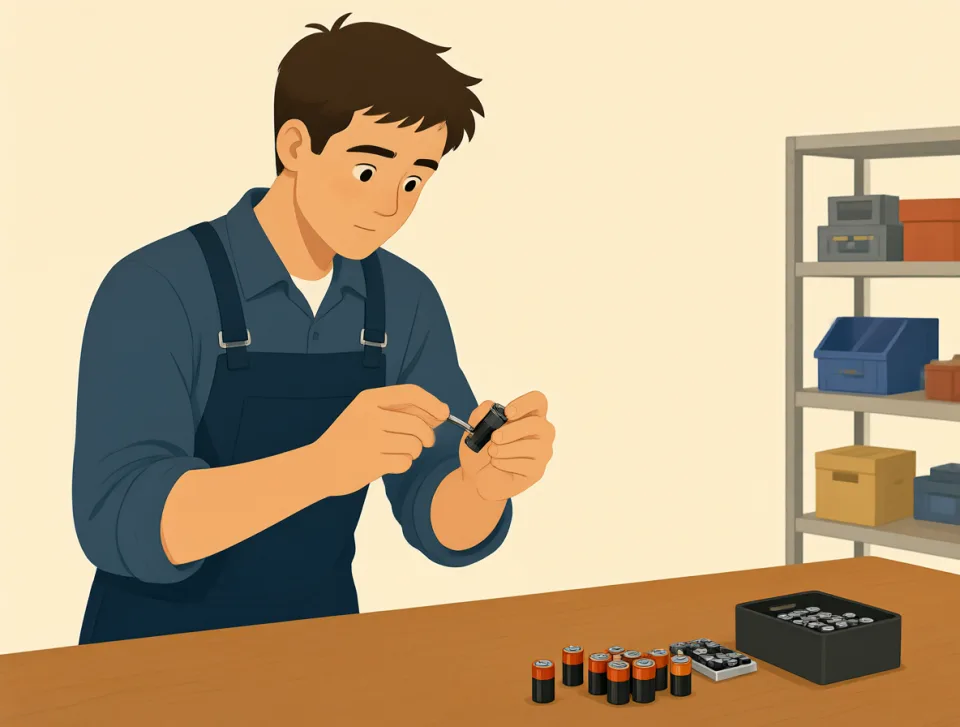
Each cell has a small battery inside.
それぞれのセルの中には小さな電池が入っている。

The cells in this honeycomb are empty.
この蜂の巣の部屋は空っぽだ。
article
#630noun
記事; 品物
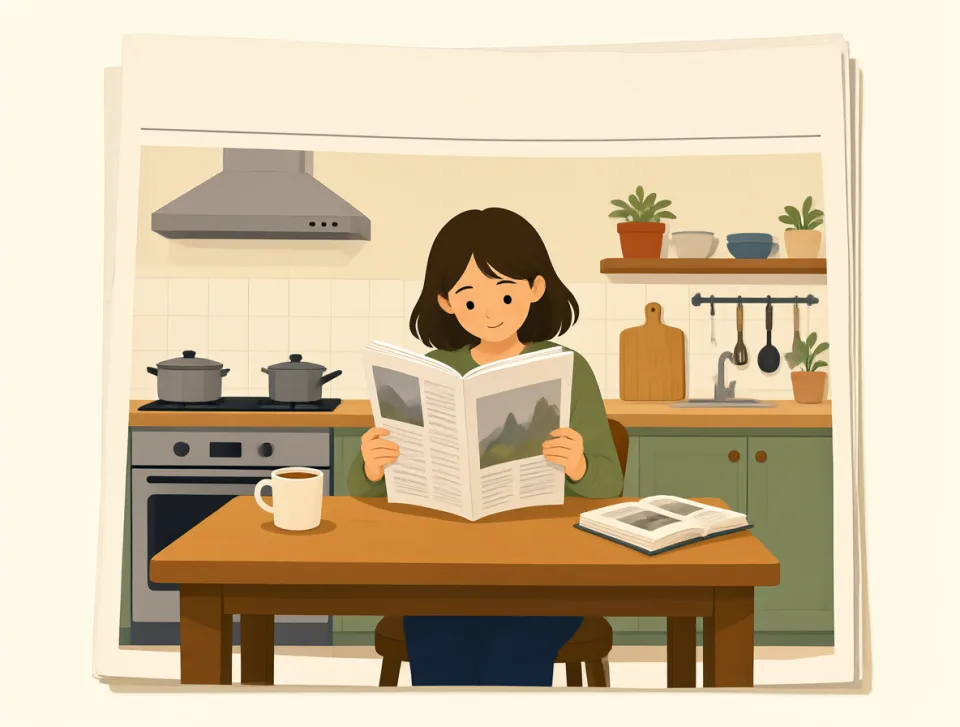
A piece of writing in a newspaper, magazine, or online publication.
新聞、雑誌、またはオンライン出版物に掲載される文章。
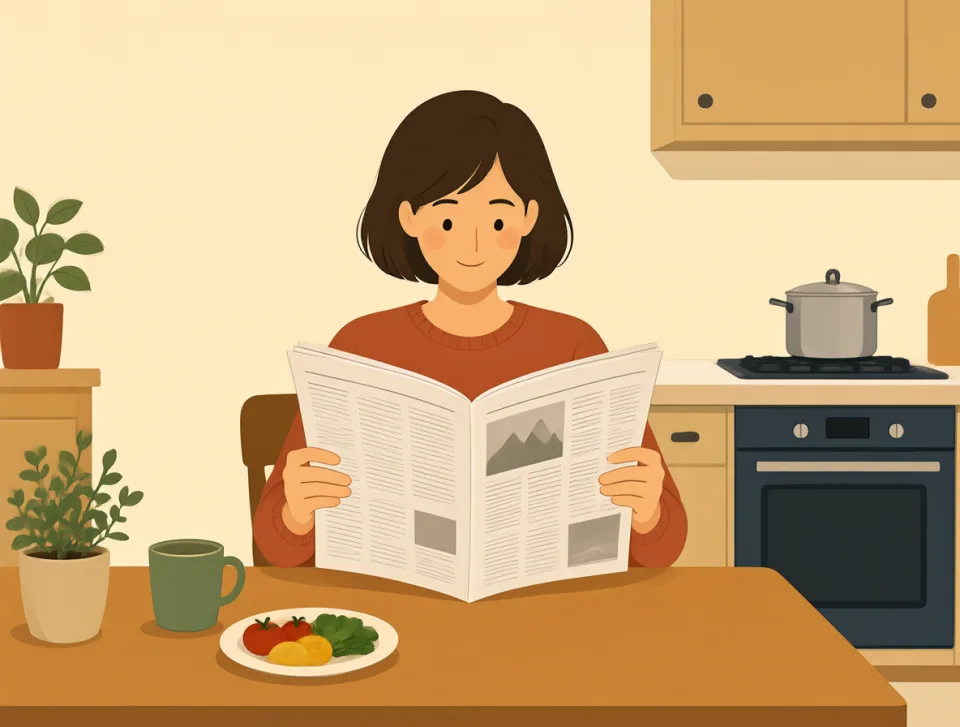
I read an interesting article about healthy food.
健康的な食べ物についての興味深い記事を読んだ。
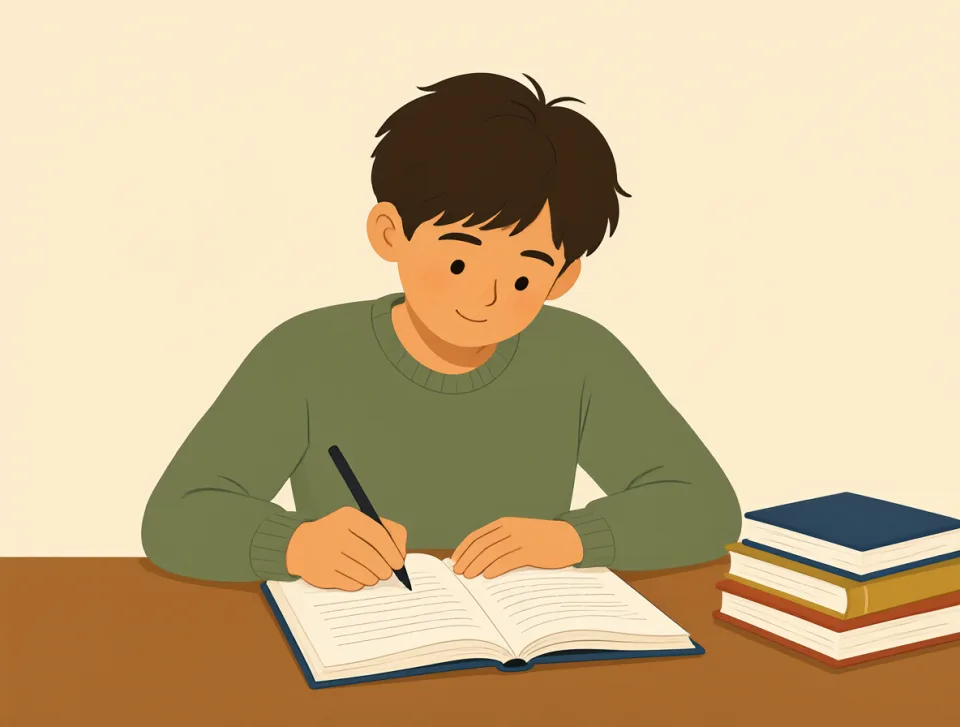
She wrote an article for the school magazine.
彼女は学校の雑誌に記事を書いた。

This article explains how to save money.
この記事では、お金を節約する方法を説明している。
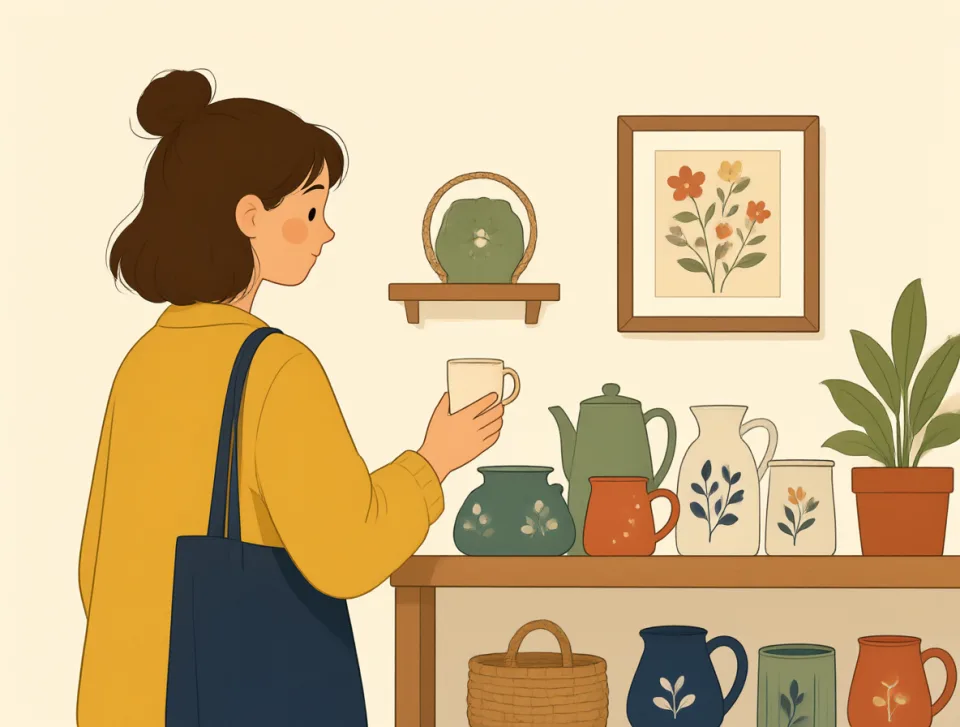
The shop sells art articles and home gifts.
その店では美術用品や家庭用ギフトを販売している。
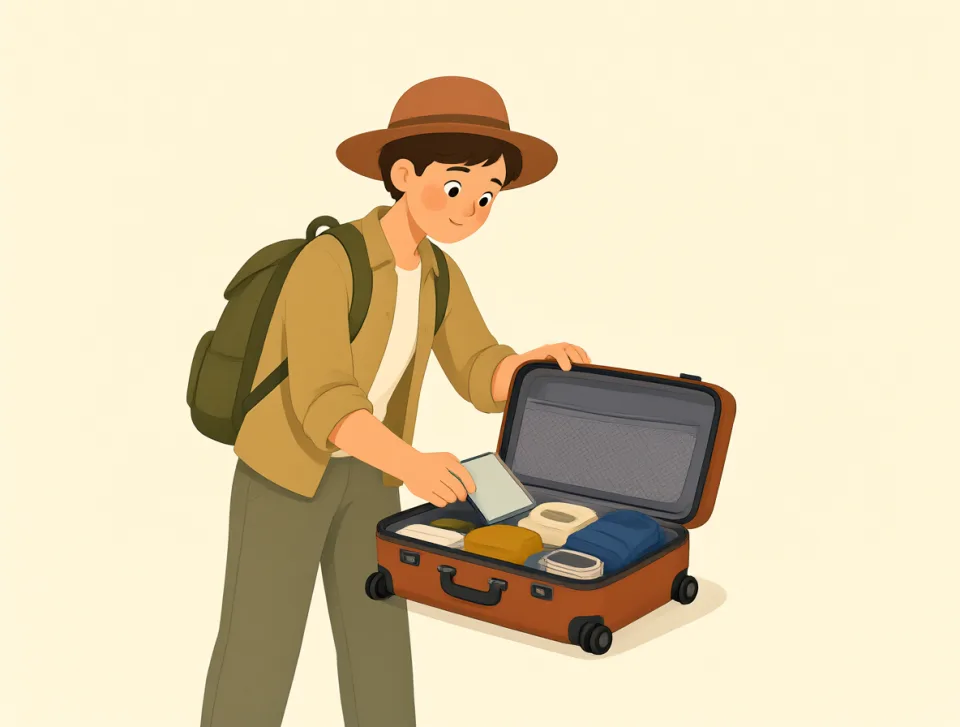
Please bring the articles from your suitcase.
スーツケースから品物を持ってきてください。

fast
#631adjective, adverb, noun, verb
速い;速く;断食する;ファストフード
Moving or happening at high speed; able to move quickly.
動きや出来事の進み方が速いこと。素早く動けること。
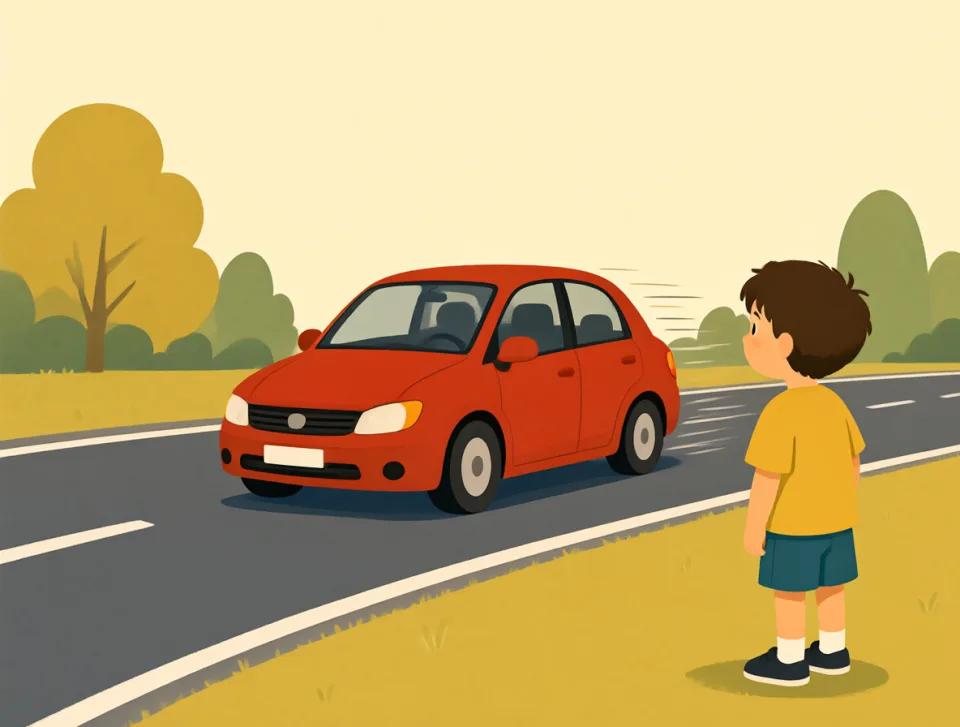
That car is very fast.
あの車はとても速いです。
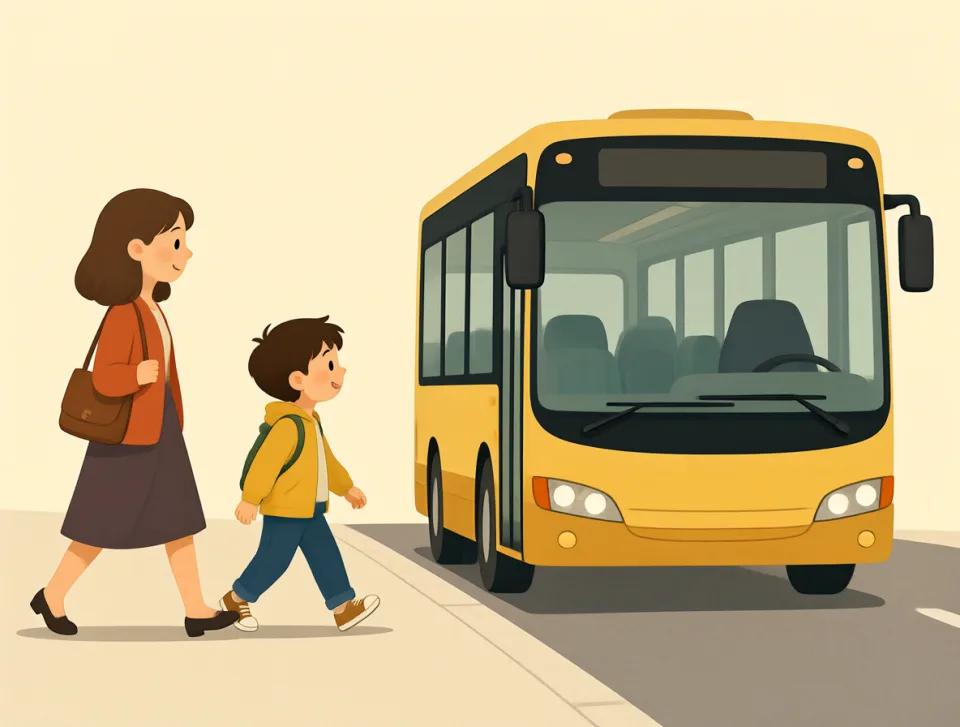
Please walk fast; the bus is here.
バスが来ているので、速く歩いてください。

She runs fast every morning.
彼女は毎朝、速く走ります。
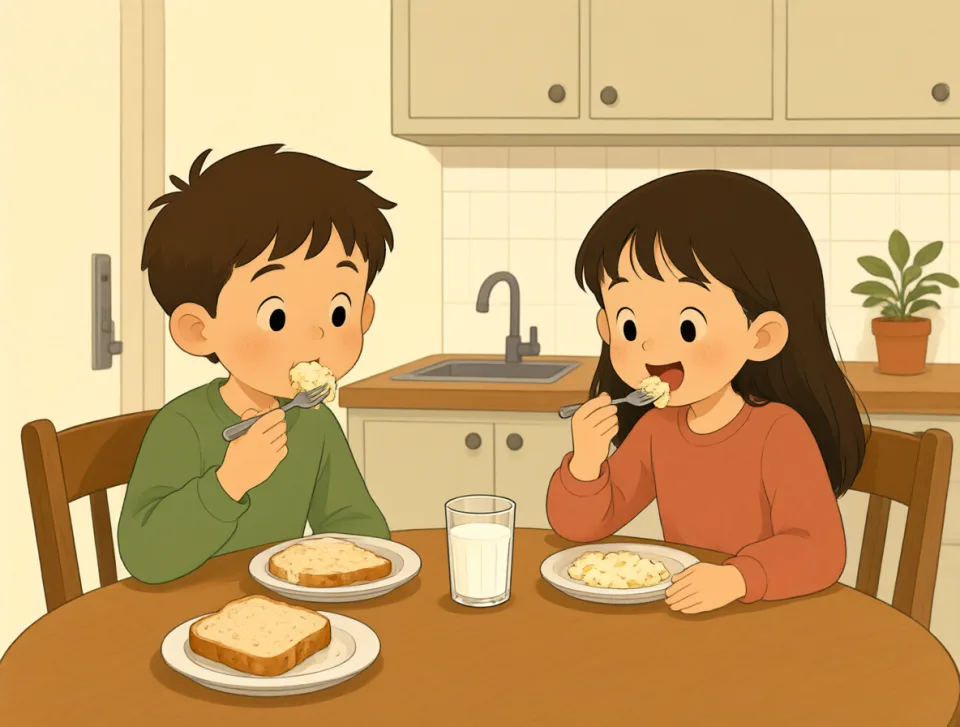
We ate fast before school.
私たちは学校に行く前に急いで食べました。
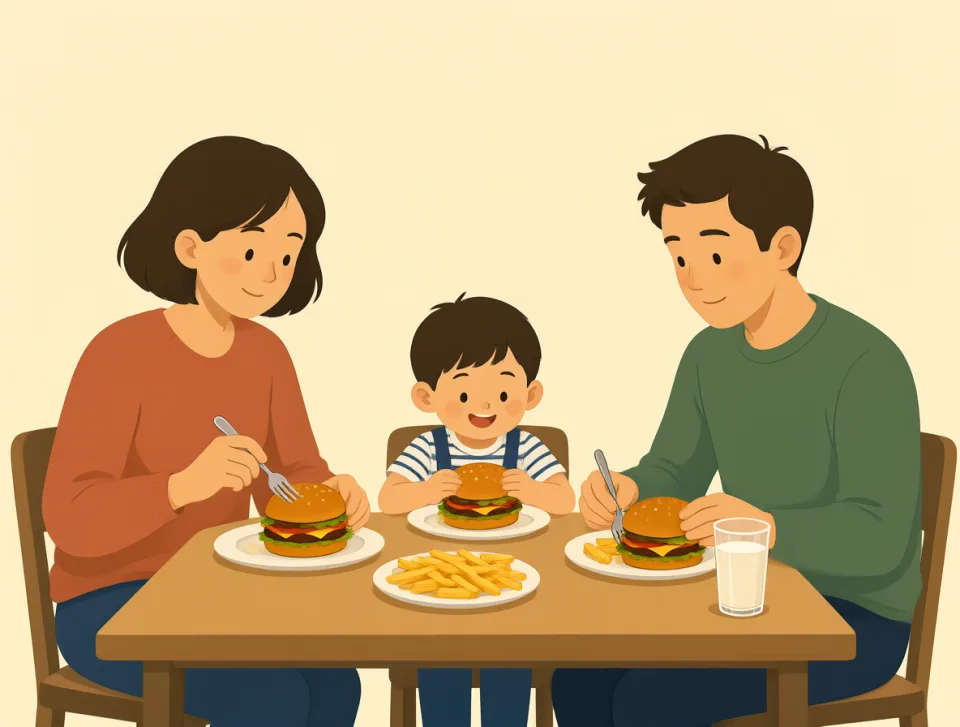
The store sells fast food.
その店ではファストフードを売っています。
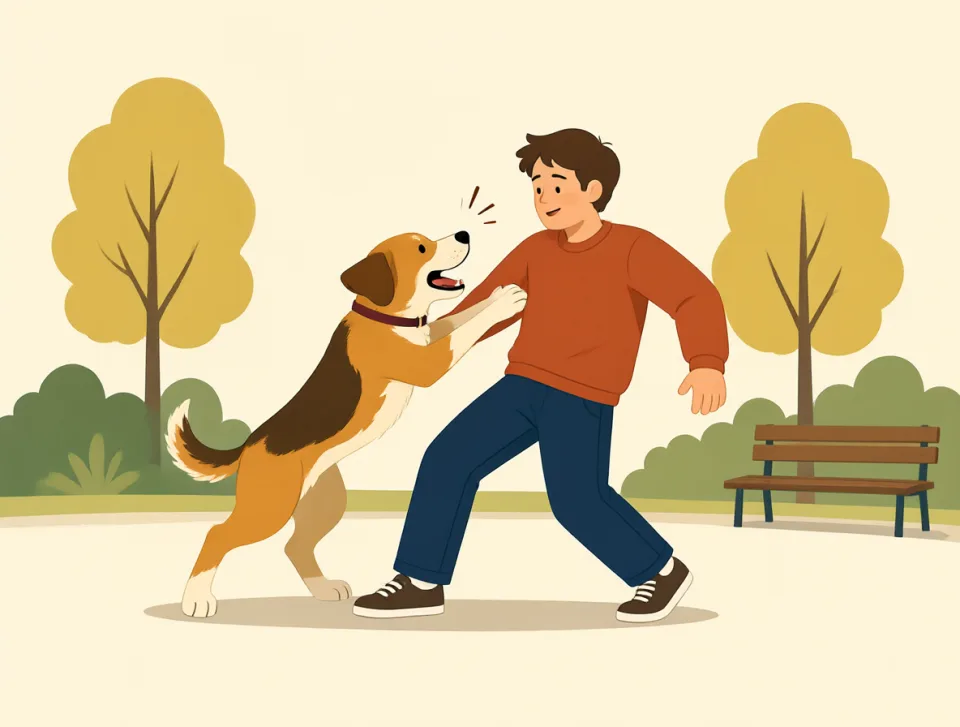
attack
#632noun, verb
攻撃する; 襲う; 頭痛がする
to try to hurt someone, damage something, or defeat an opponent
誰かを傷つけたり、何かを壊したり、相手を負かそうとする
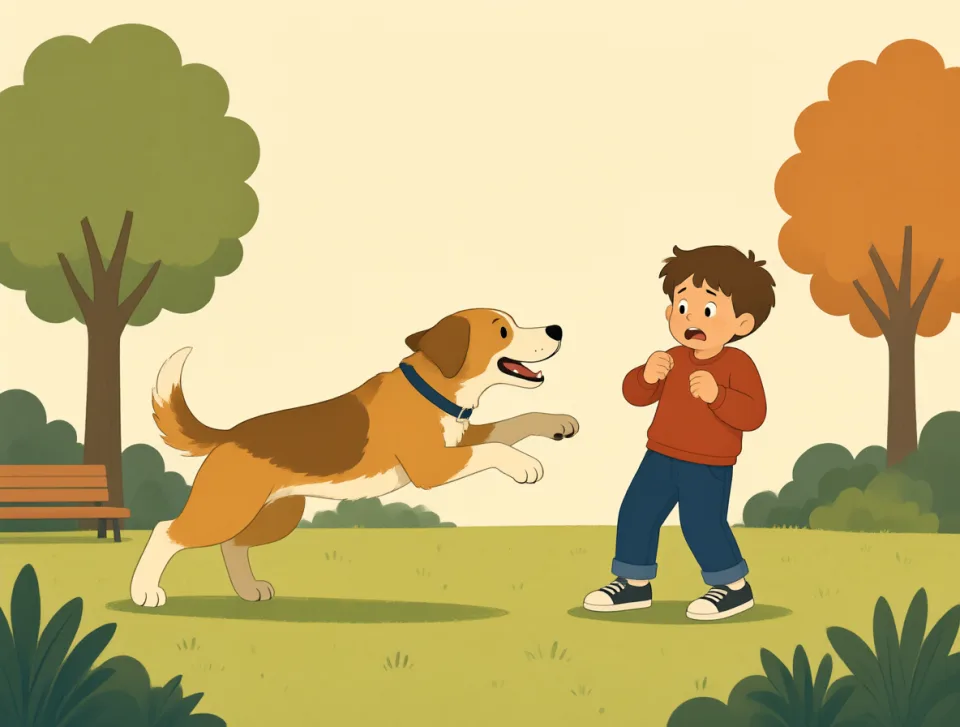
The dog attacked the boy in the park.
その犬は公園で男の子を襲った。
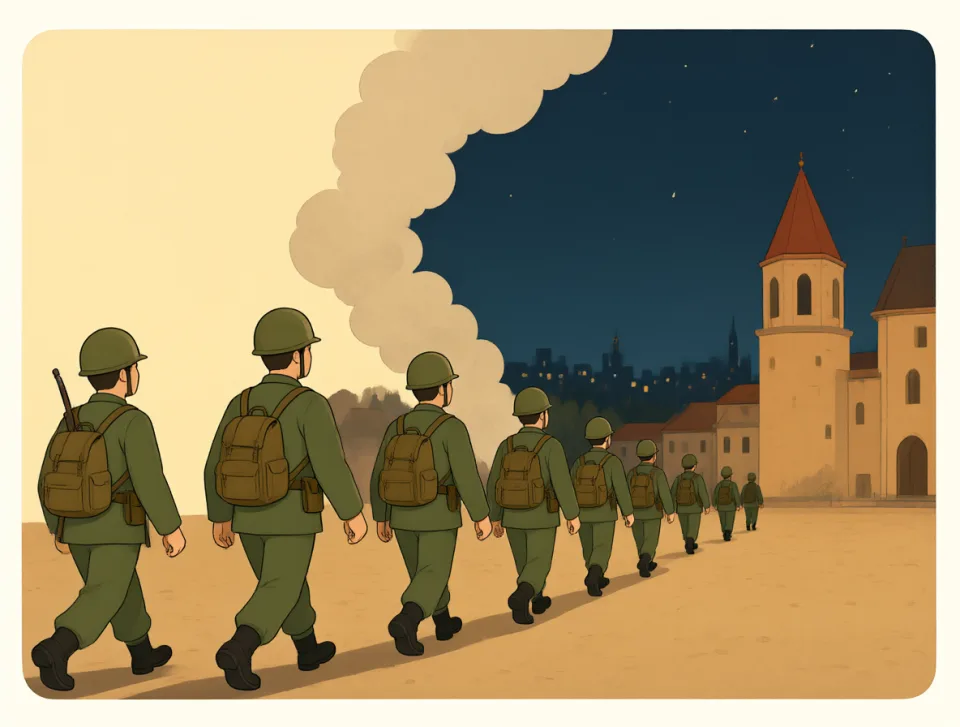
The army attacked the city at night.
軍は夜にその都市を攻撃した。
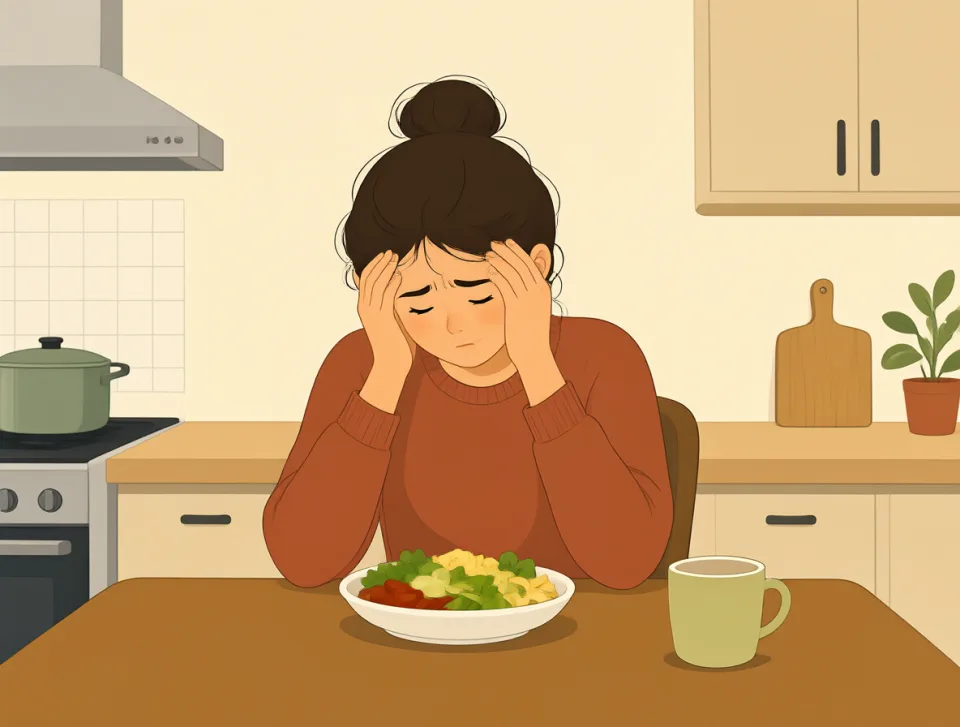
The headache attacked me after lunch.
昼食のあと、頭痛に襲われた。
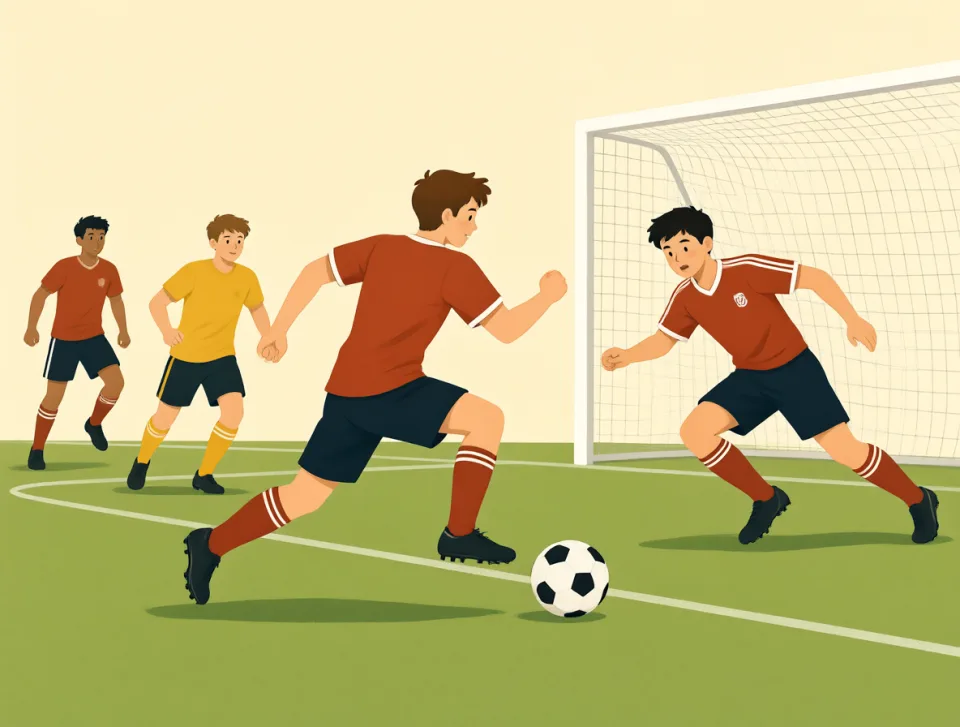
The team attacked early in the game.
そのチームは試合の序盤から攻めた。
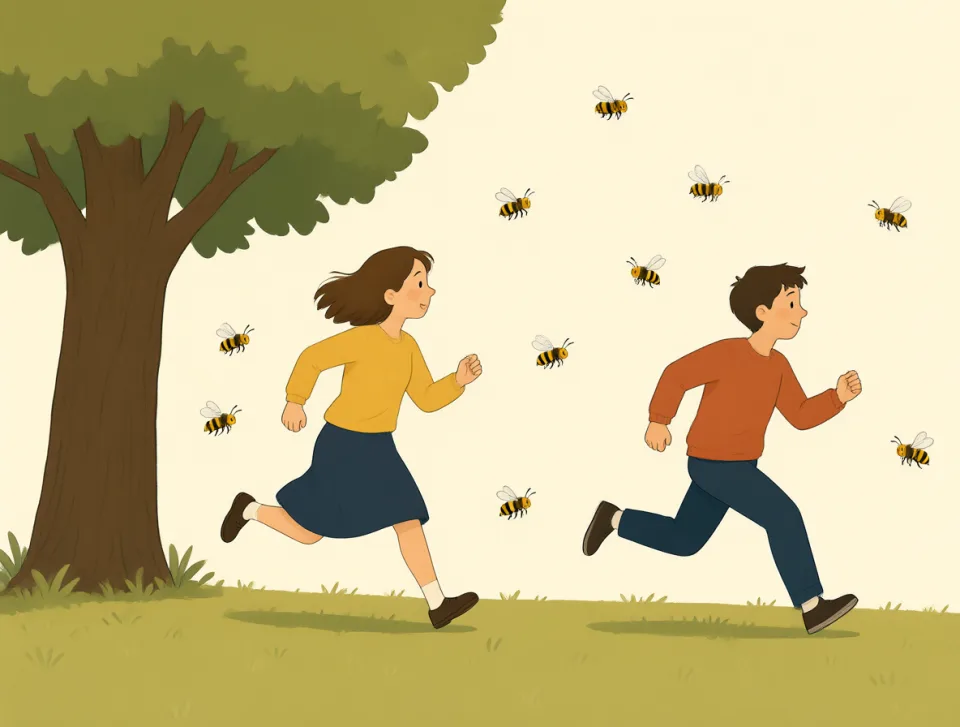
The bees attacked us near the tree.
木の近くでハチが私たちを襲った。
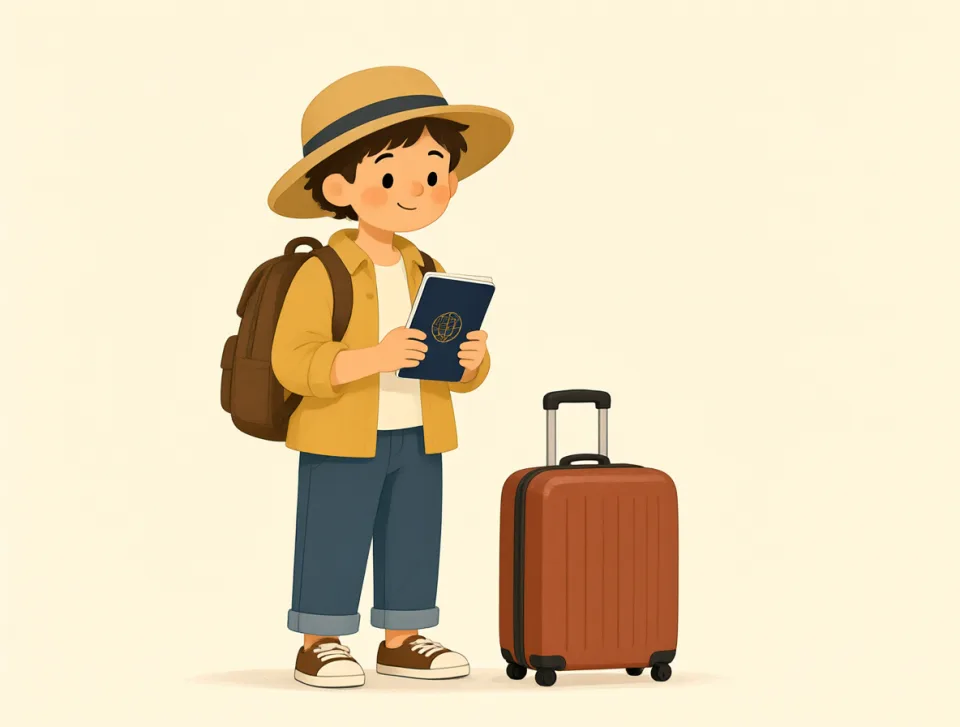
foreign
#633adjective
外国の; 外国人の
from or connected with a country that is not your own
自分の国ではない国から来た、またはそれに関係する

She speaks two foreign languages at work.
彼女は職場で外国語を2か国語話します。
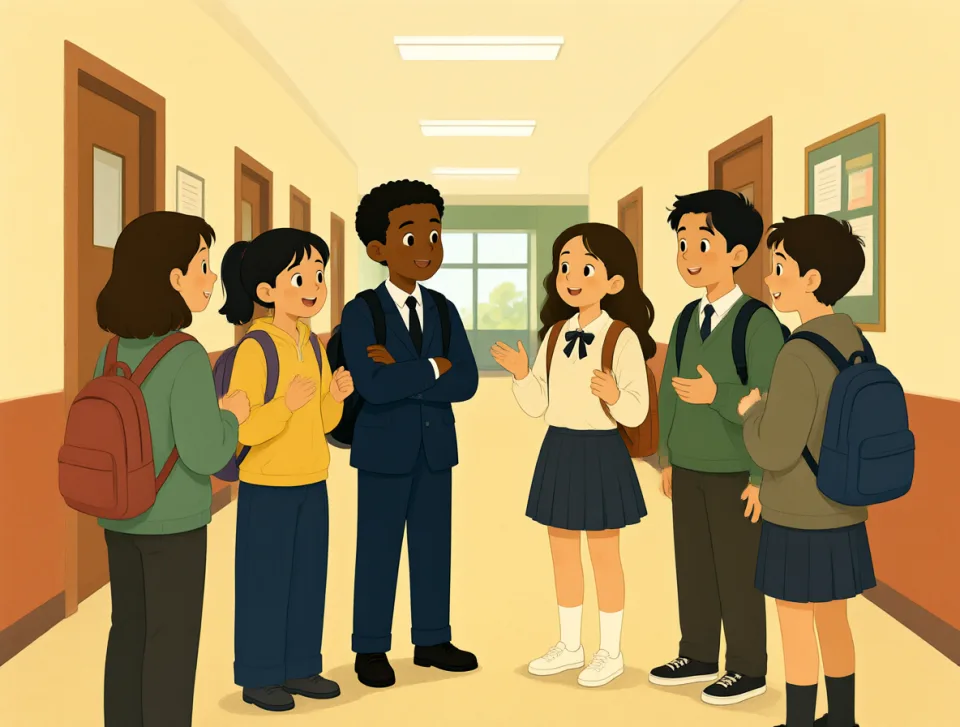
We met some foreign students at school.
私たちは学校で外国人の学生に何人か会いました。
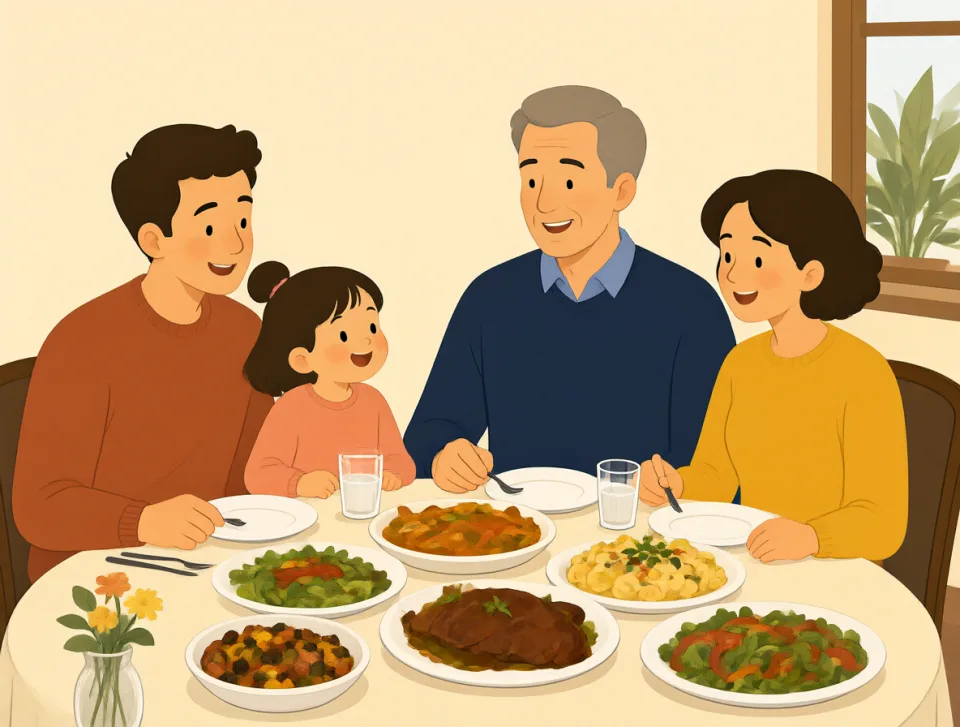
This restaurant serves delicious foreign food.
このレストランではおいしい外国料理を出しています。
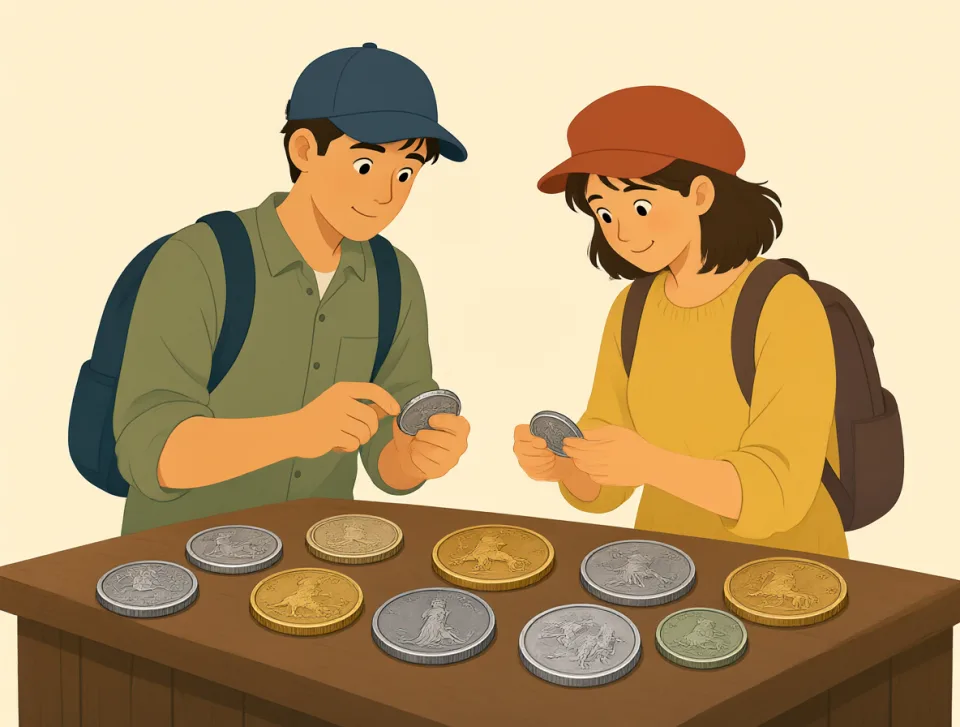
He bought foreign coins while traveling.
彼は旅行中に外国の硬貨を買いました。

The doctor asked about foreign travel.
その医師は海外旅行について尋ねました。

surprise
#634noun, verb
驚き; 驚かせる
An unexpected event or feeling; to make someone feel surprised.
予期しない出来事や感情。また、人を驚かせること。
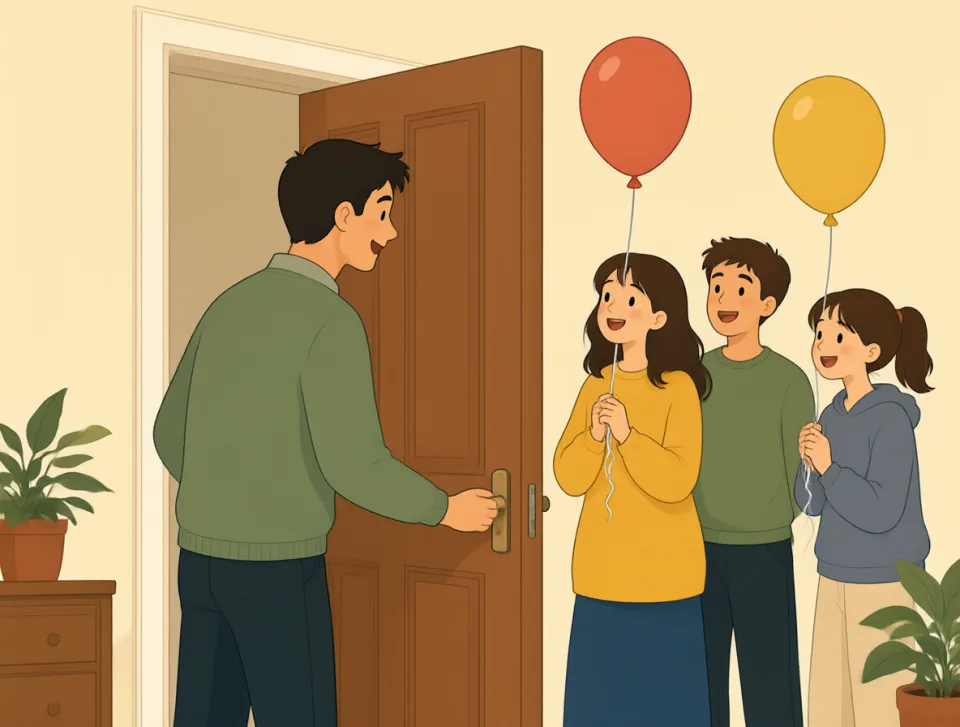
The party was a big surprise for Dad.
そのパーティーはDadへの大きなサプライズだった。
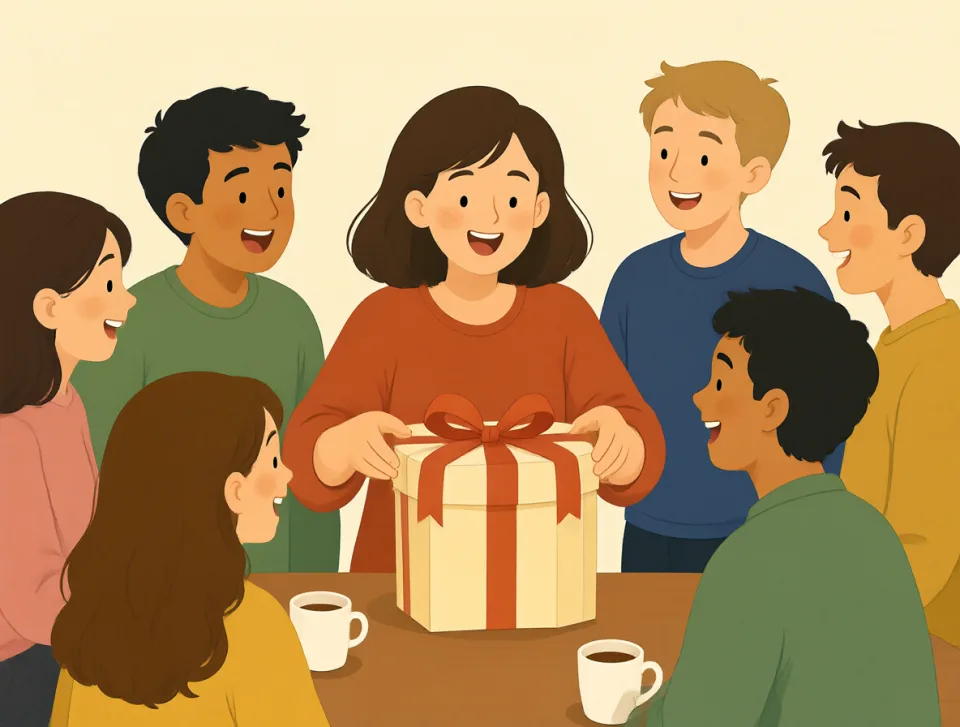
Her birthday surprise made everyone happy.
彼女の誕生日のサプライズで、みんなが幸せな気分になった。
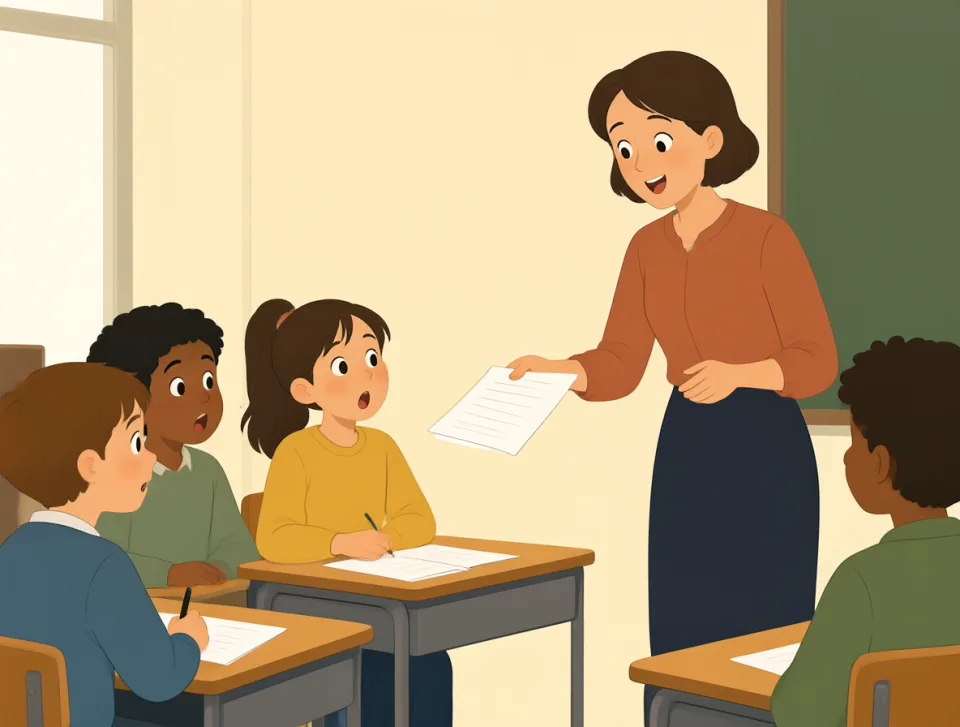
The teacher surprised us with a short quiz.
先生は突然、短い小テストをして私たちを驚かせた。

I was surprised by the high hotel price.
ホテルの料金の高さに驚いた。
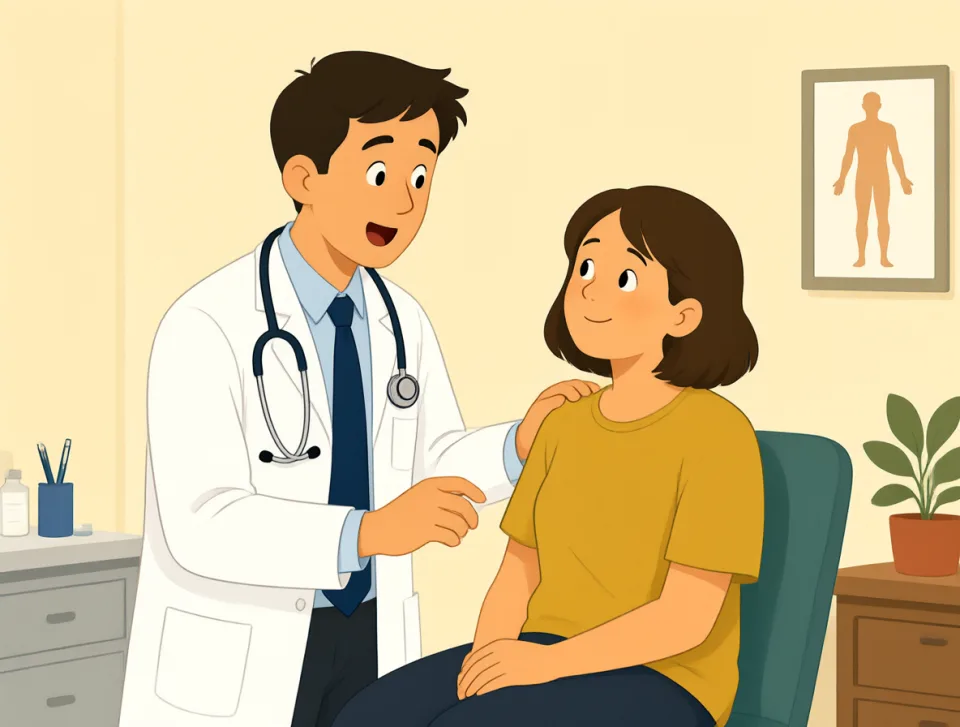
The doctor was surprised by my quick recovery.
医師は私の回復の早さに驚いた。
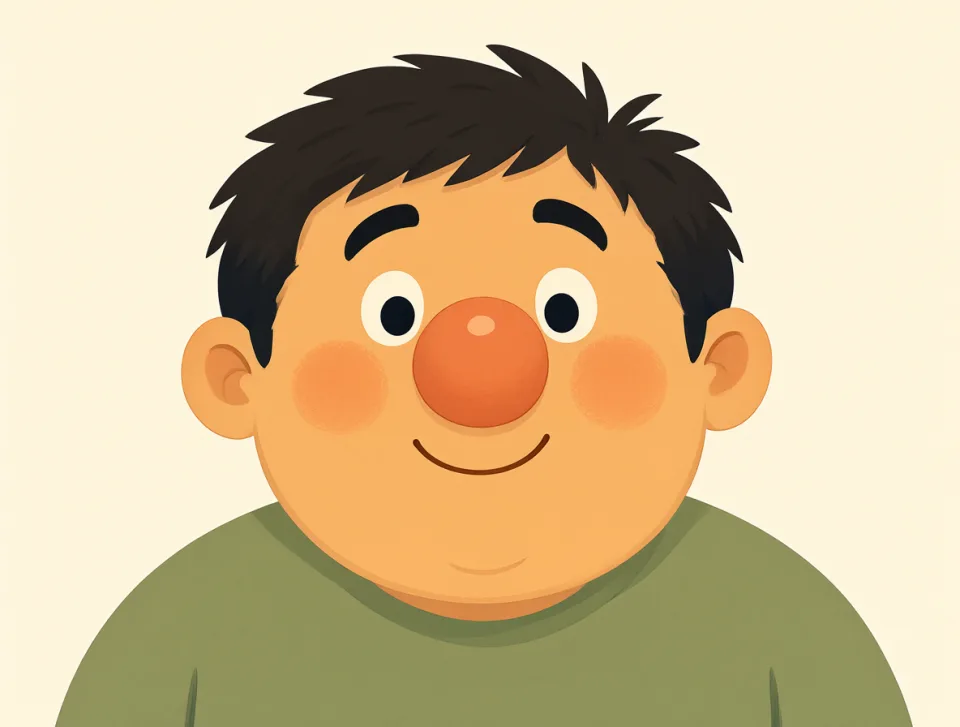
feature
#635noun, verb
特徴; 特徴として備える
an important part or quality of something; to have or include something as an important part
何かの重要な部分や性質; 重要な部分として何かを備えている、または含んでいること

The hotel has a swimming pool as its best feature.
そのホテルの一番の特徴は、プールがあることです。
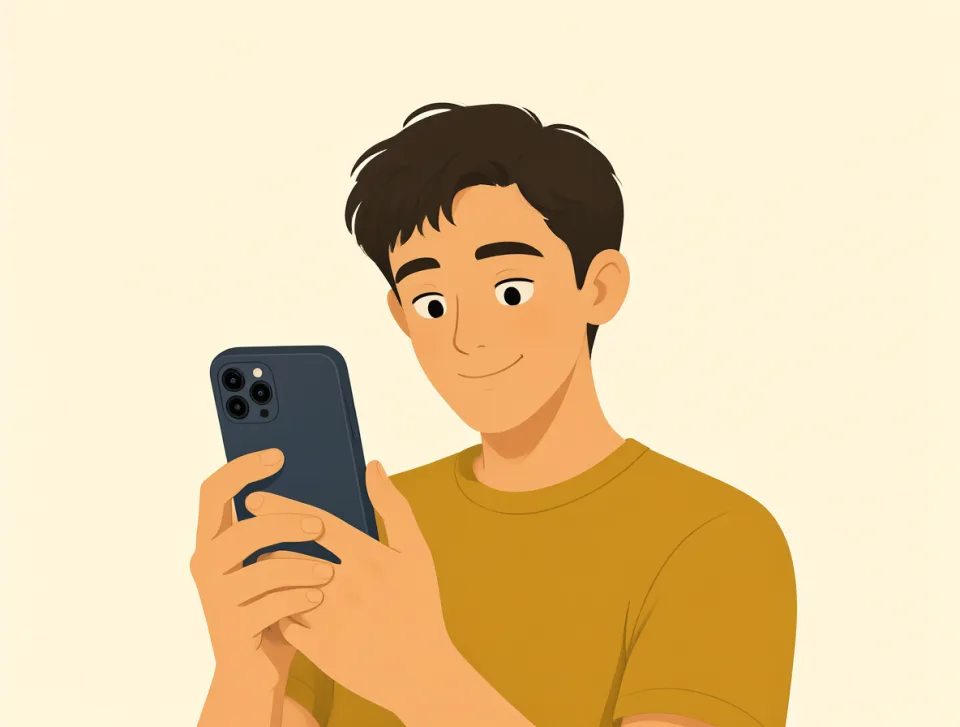
The phone features a very good camera.
そのスマートフォンは、とても性能のよいカメラを搭載しています。
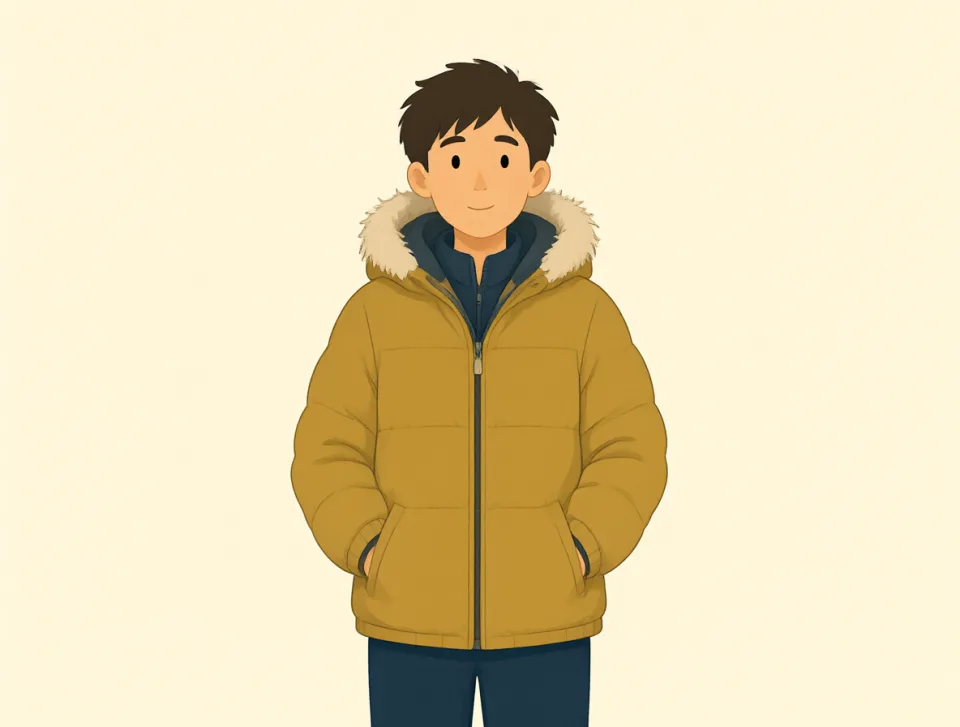
This jacket features warm pockets for cold days.
このジャケットには、寒い日に暖かいポケットが付いています。
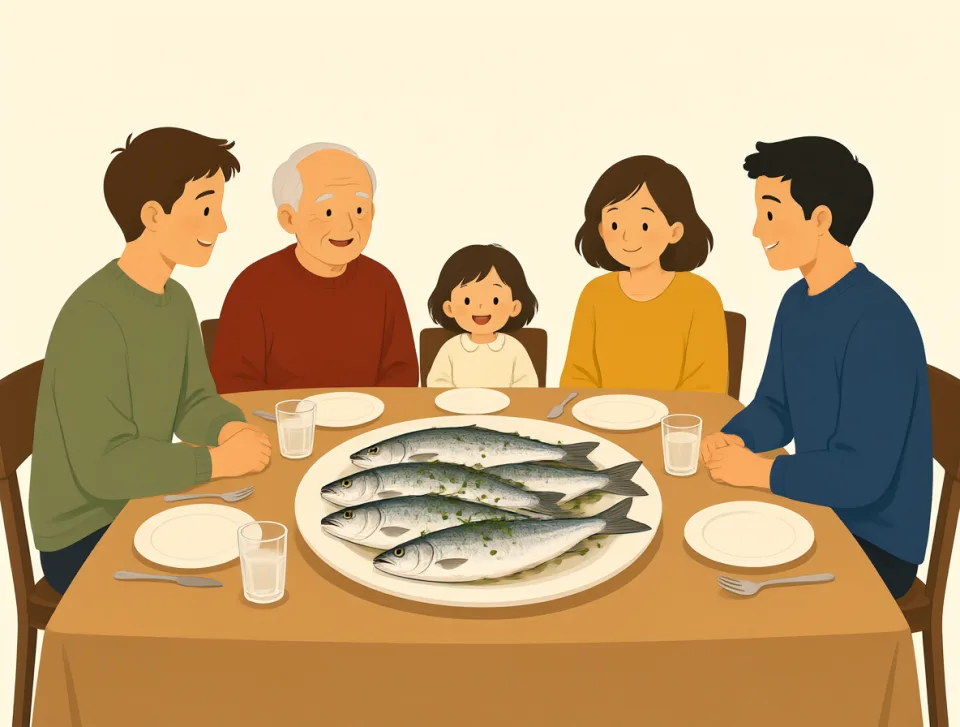
The main feature of the meal was fresh fish.
その食事の主な特徴は、新鮮な魚でした。

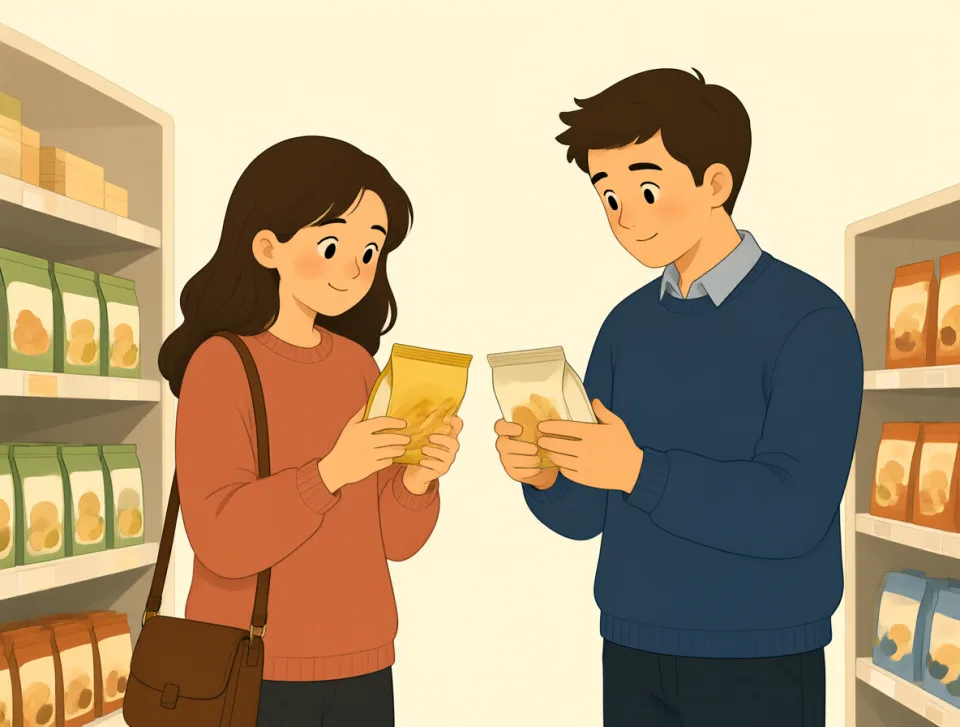
Her eyes are her most beautiful feature.
彼女の目は、彼女の最も美しい特徴です。
factor
#636noun
要因; 要素
A fact or situation that influences a result or decision.
結果や判断に影響を与える事実や状況。
Cost was the main factor in our choice.
費用が私たちの選択の主な要因でした。
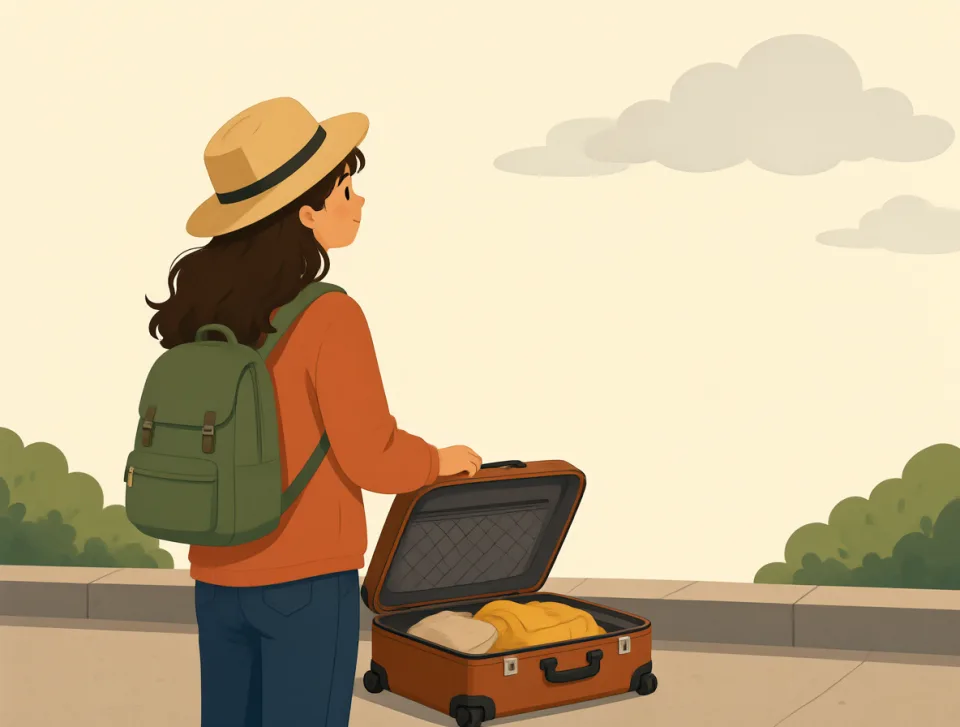
Weather is an important factor when planning trips.
旅行の計画を立てるとき、天候は重要な要素です。
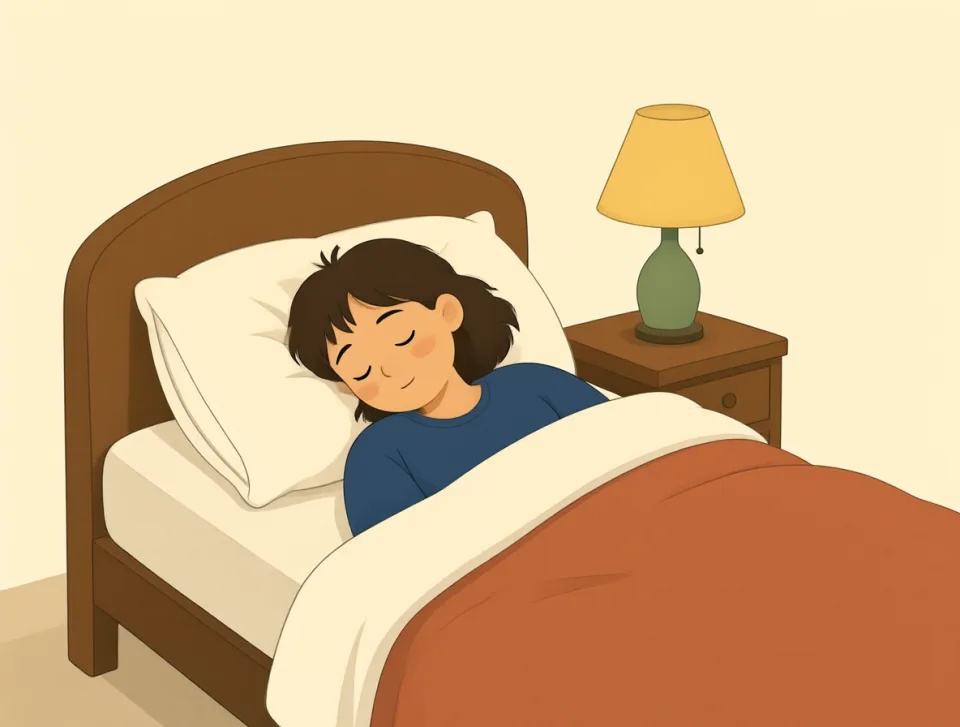
Sleep is a key factor in good health.
睡眠は健康を保つための重要な要因です。
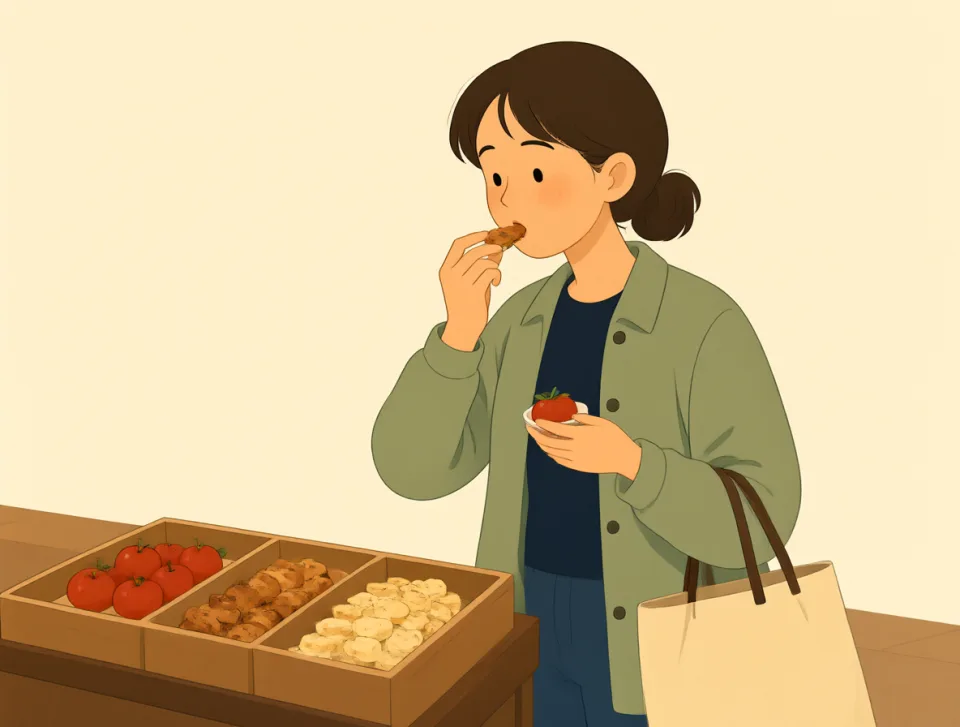
Taste is a big factor when choosing food.
食べ物を選ぶとき、味は大きな決め手になります。
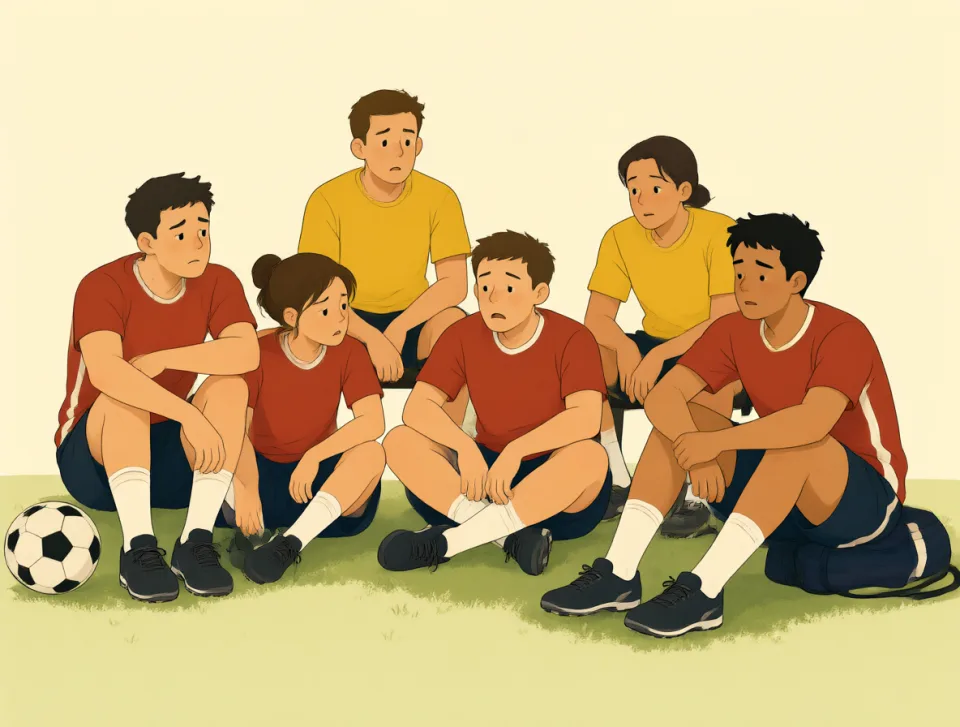
Several factors caused the team’s loss.
いくつかの要因がチームの敗因となりました。

pretty
#637adjective, adverb
かわいい;きれいな;かなり;けっこう
attractive or pleasing to look at; fairly or quite
見た目に魅力的で、見ていて心地よい;かなり、相当に
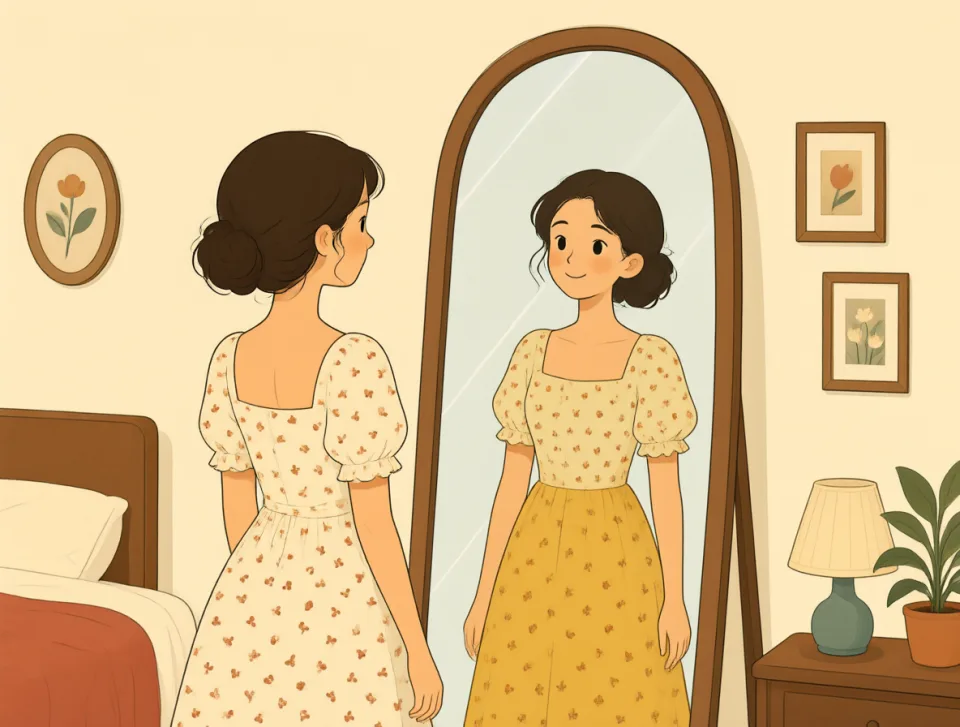
She wore a pretty dress to the party.
彼女はパーティーにかわいいドレスを着て行った。
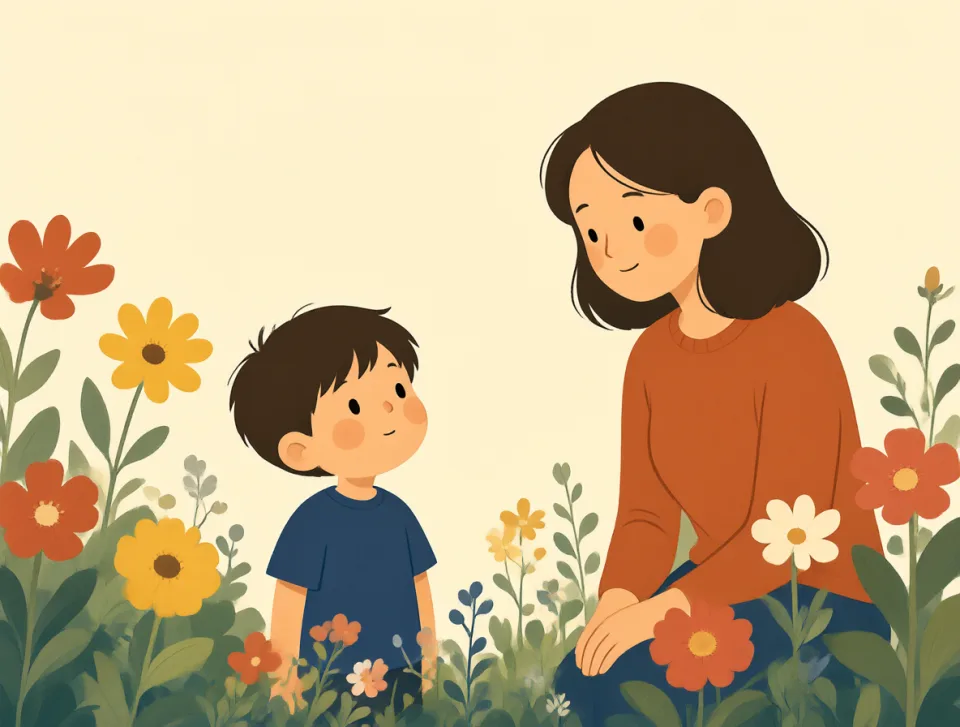
What a pretty garden you have!
なんてきれいな庭をお持ちなんでしょう!

The shop is pretty busy today.
その店は今日はかなり混んでいる。
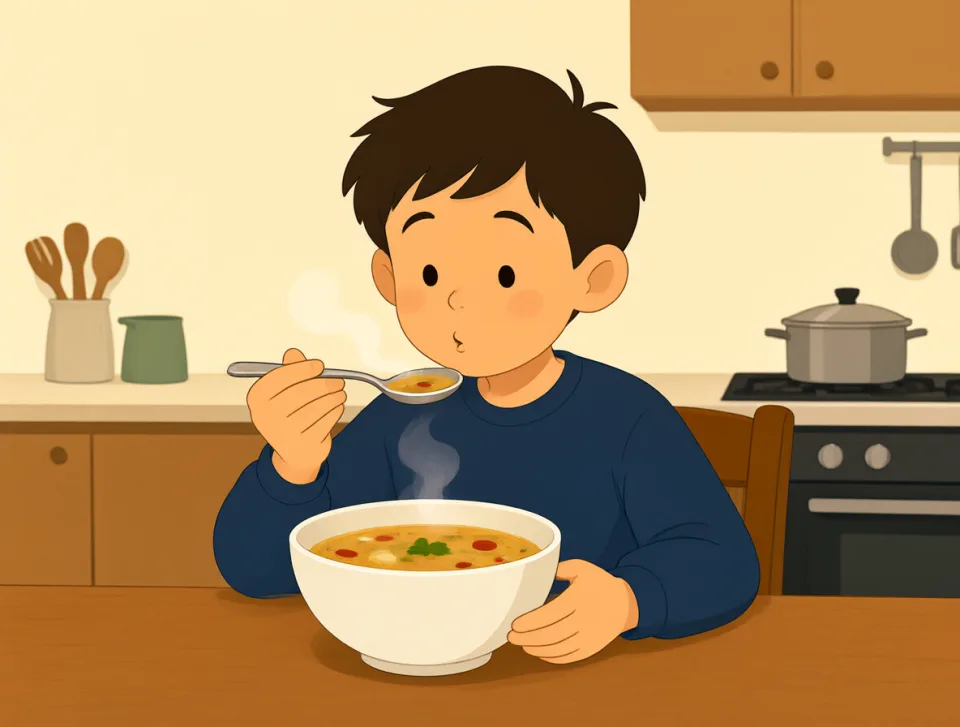
This soup is pretty hot.
このスープはかなり熱い。

I am pretty sure he is coming.
彼はきっと来ると思う。

recently
#638adverb
最近; 近ごろ
A short time ago; not long before now.
今からあまり時間がたっていない、少し前に。
I recently moved to a new apartment.
私は最近、新しいアパートに引っ越しました。

Have you seen Maria recently?
最近、Mariaを見かけましたか?
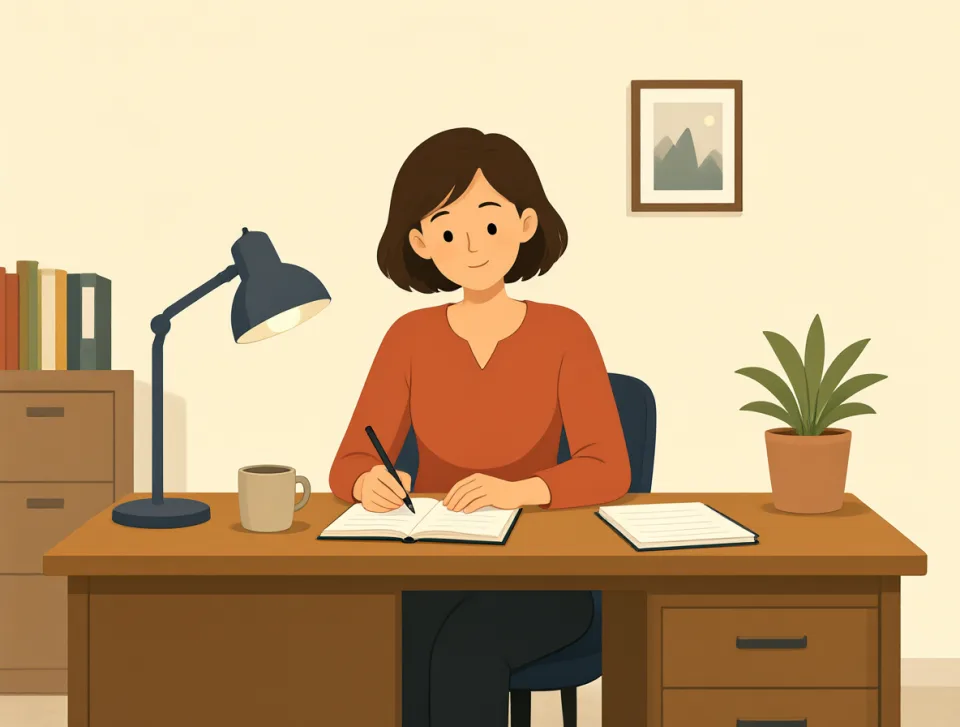
She recently started a new job.
彼女は最近、新しい仕事を始めました。
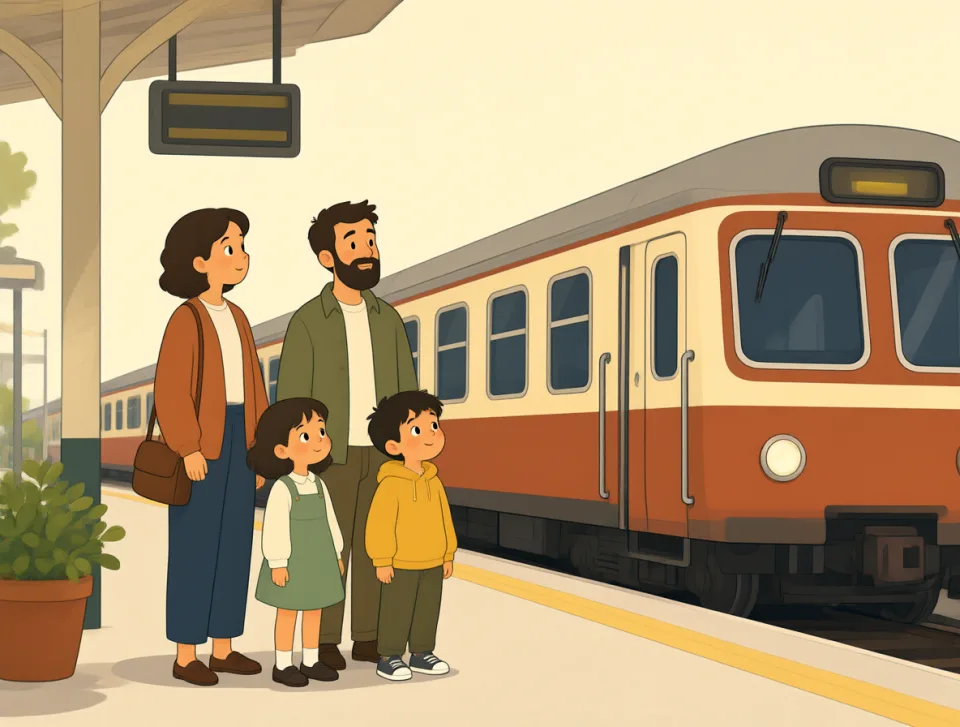
We recently visited London by train.
私たちは最近、電車でロンドンを訪れました。
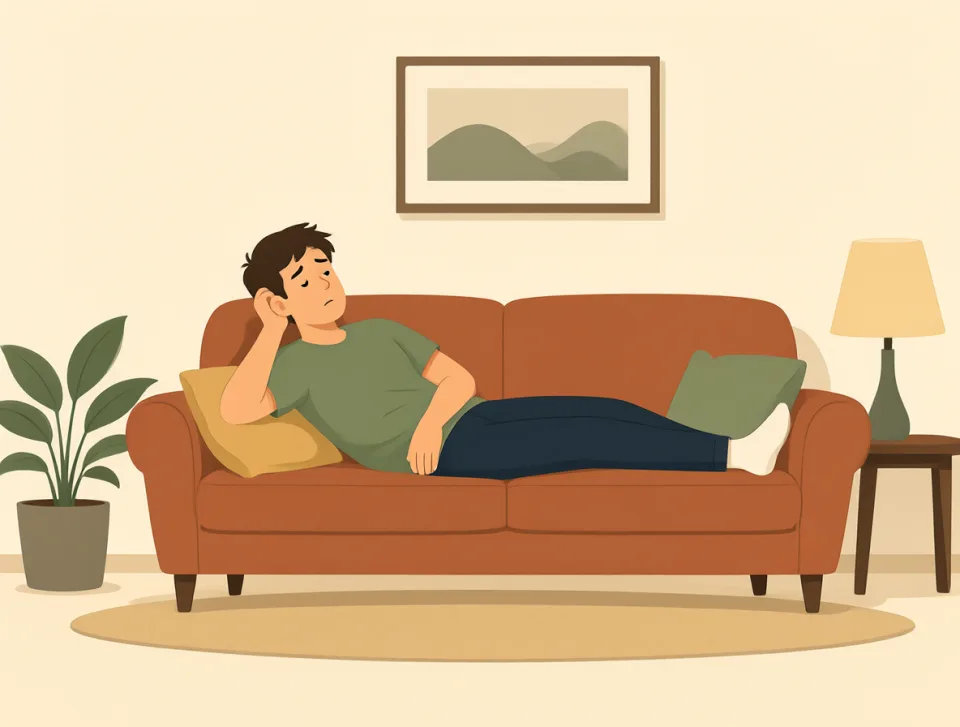
He has been feeling tired recently.
彼は最近、疲れを感じています。
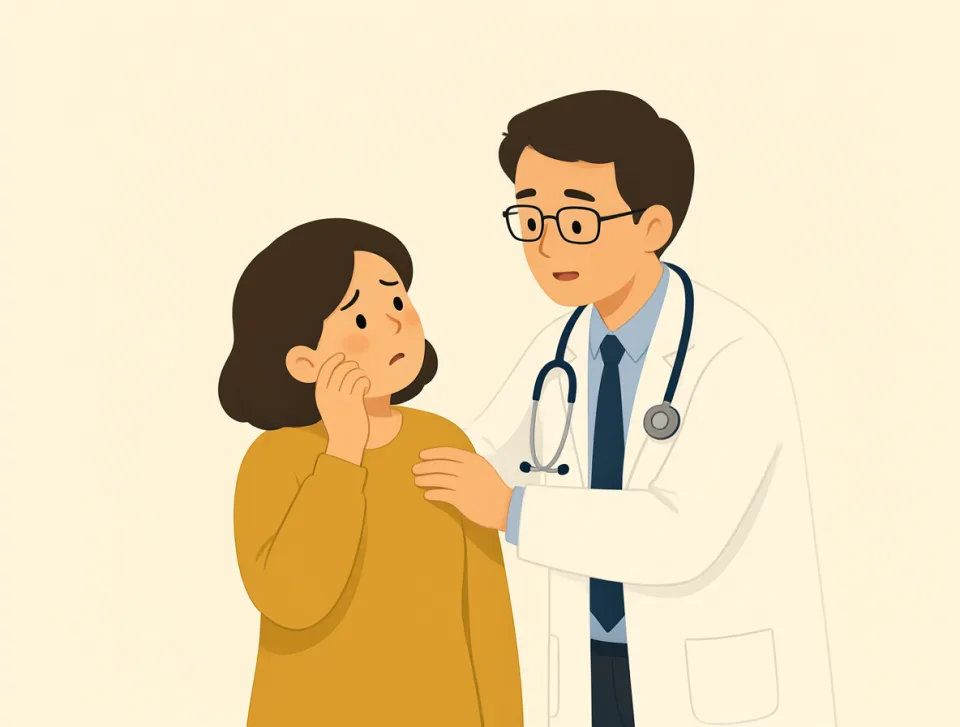
affect
#639verb, noun
影響を与える; 感情表現
to cause a change in someone or something; a feeling shown in the face
人や物に変化をもたらすこと;顔に表れる感情
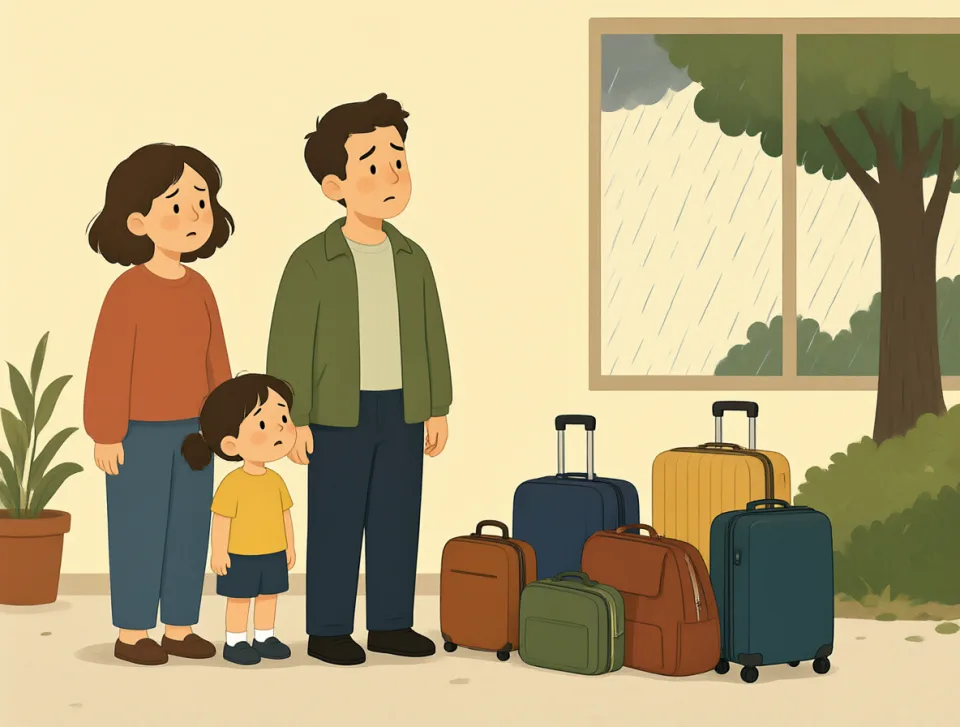
Rain can affect our travel plans.
雨は私たちの旅行の予定に影響を与えることがある。
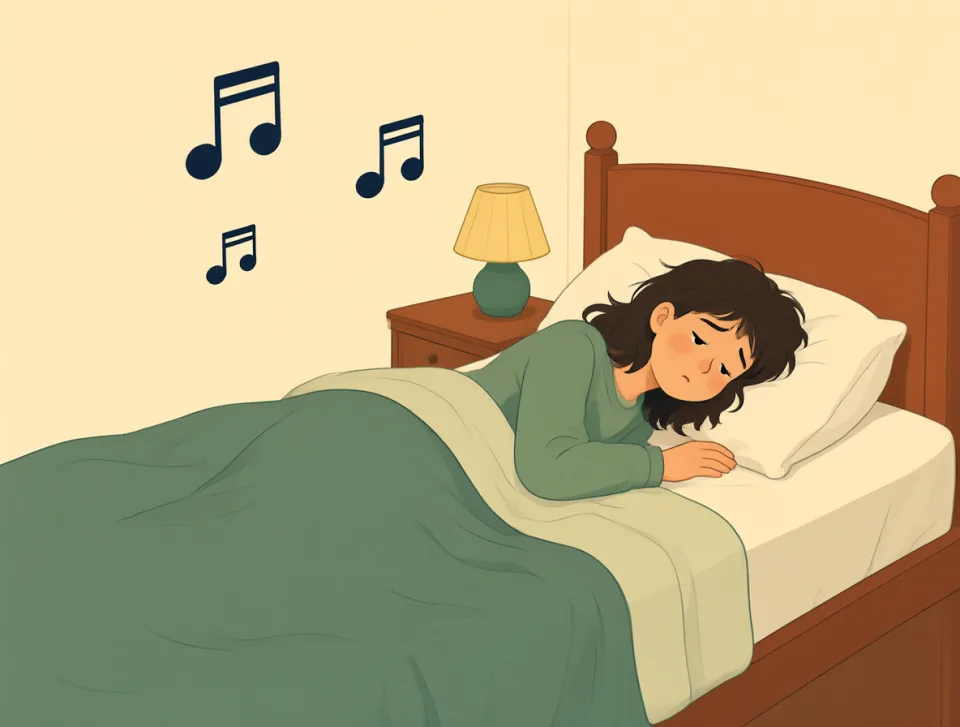
Loud music affected my sleep last night.
昨夜は大音量の音楽のせいで眠りに影響が出た。

The illness affected his work.
その病気は彼の仕事に影響を与えた。
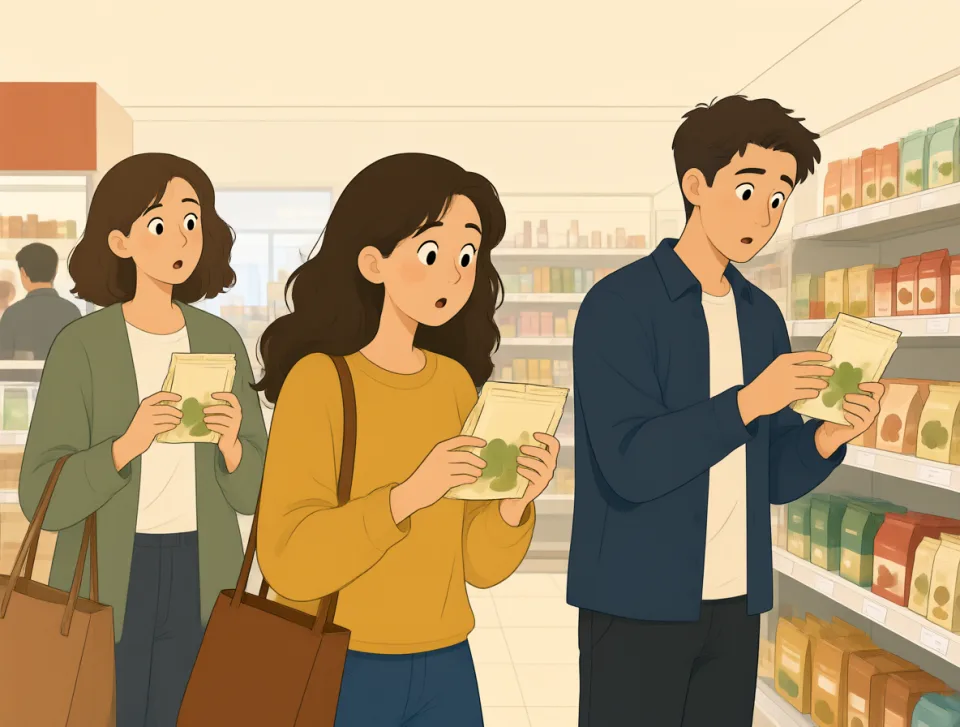
The price change affected many shoppers.
価格の変更は多くの買い物客に影響を与えた。
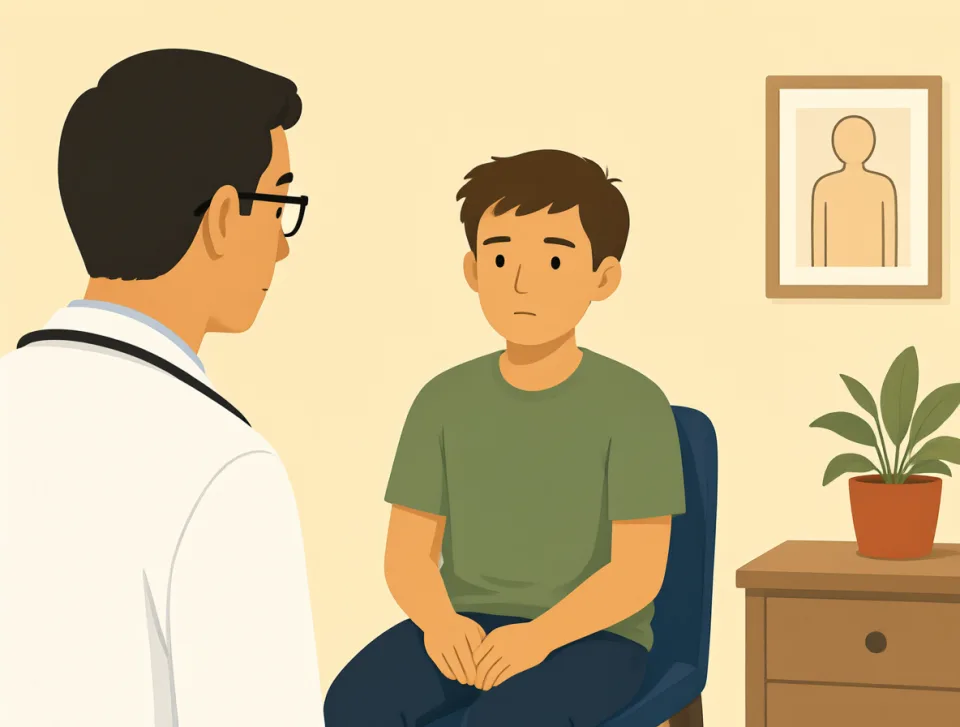
Her face showed little affect.
彼女の顔には感情がほとんど表れていなかった。
drop
#640verb, noun
落とす; 落ちる; 中退する; しずく
To let something fall, or a small amount of liquid that falls.
何かを落下させること、または落ちる少量の液体。
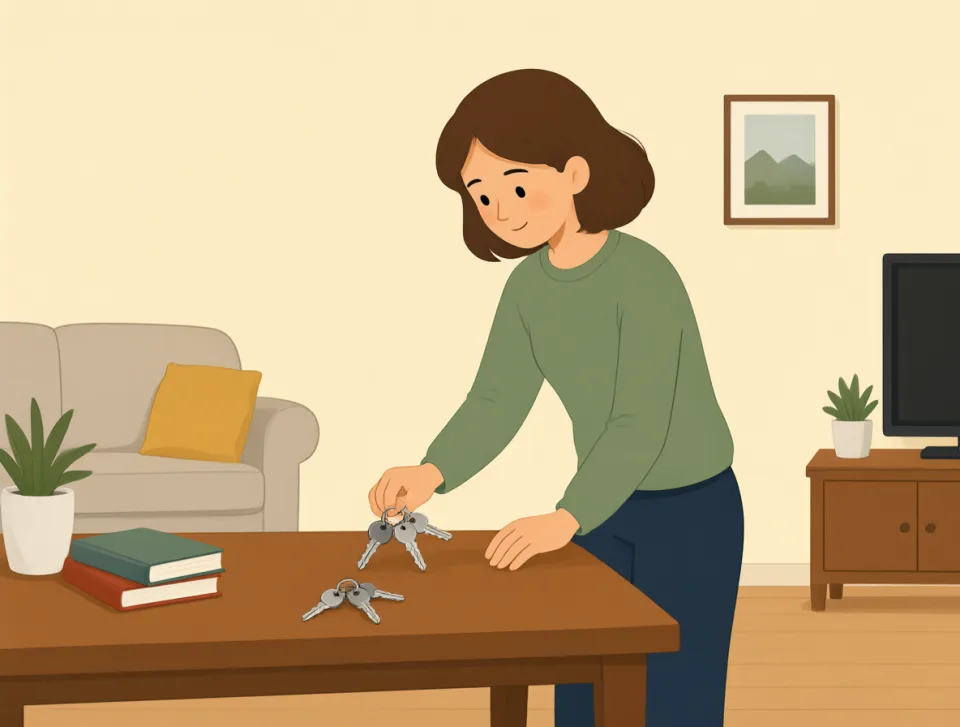
Please drop the keys on the table.
鍵をテーブルの上に落としてください。
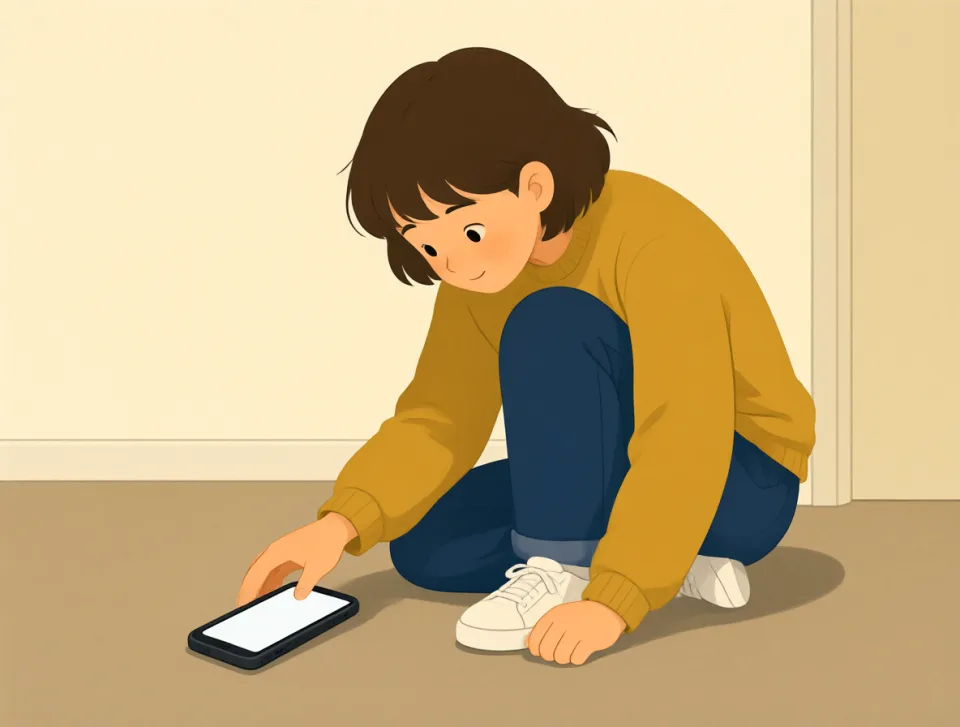
I dropped my phone on the floor.
床に携帯電話を落としました。
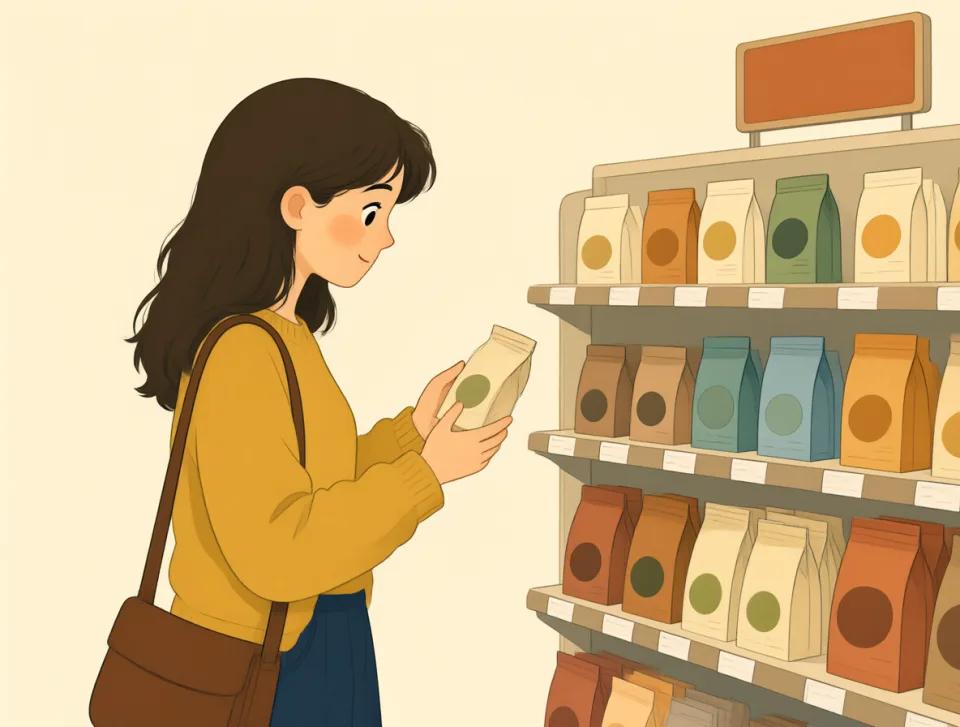
The price dropped after the sale began.
セールが始まった後、価格が下がりました。

She dropped out of school last year.
彼女は去年、学校を中退しました。
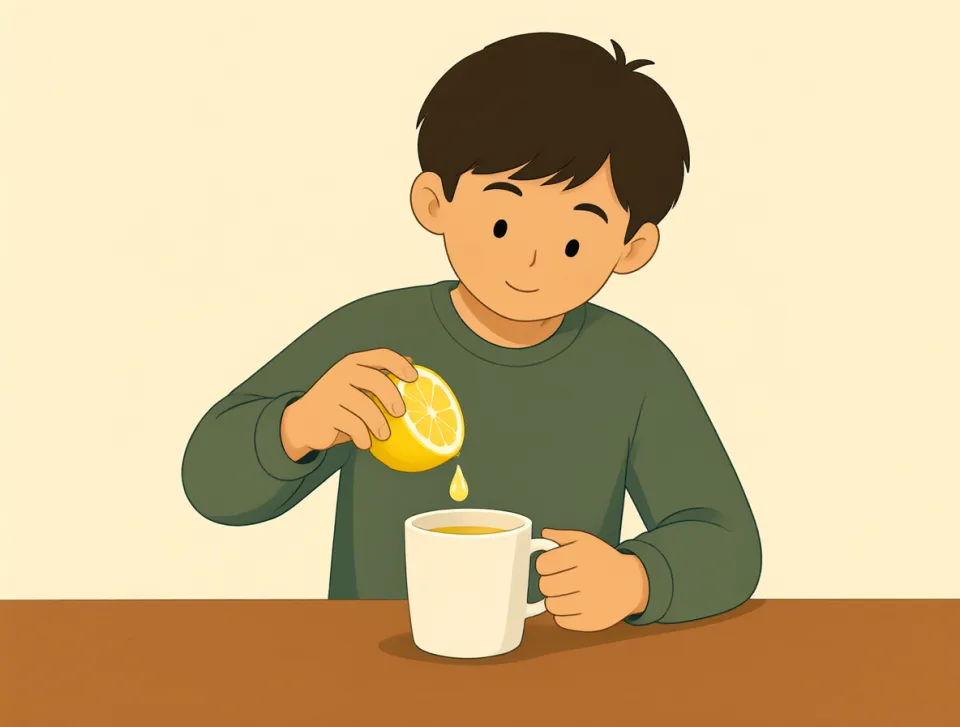
Add one drop of lemon juice.
レモン汁を1滴加えてください。