Unidad 32
Palabras 621–640 · arm, heart, source, employee, manage, simply
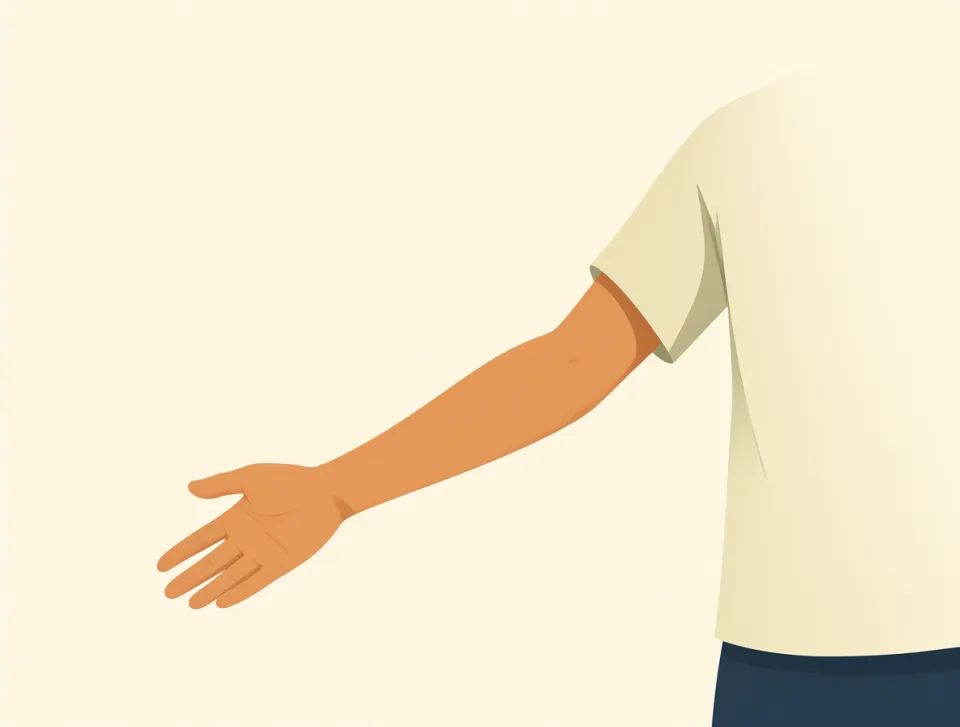
arm
#621noun, verb
brazo; armar
the body part between your shoulder and hand; to prepare or protect someone for action
la parte del cuerpo entre el hombro y la mano; preparar o proteger a alguien para la acción
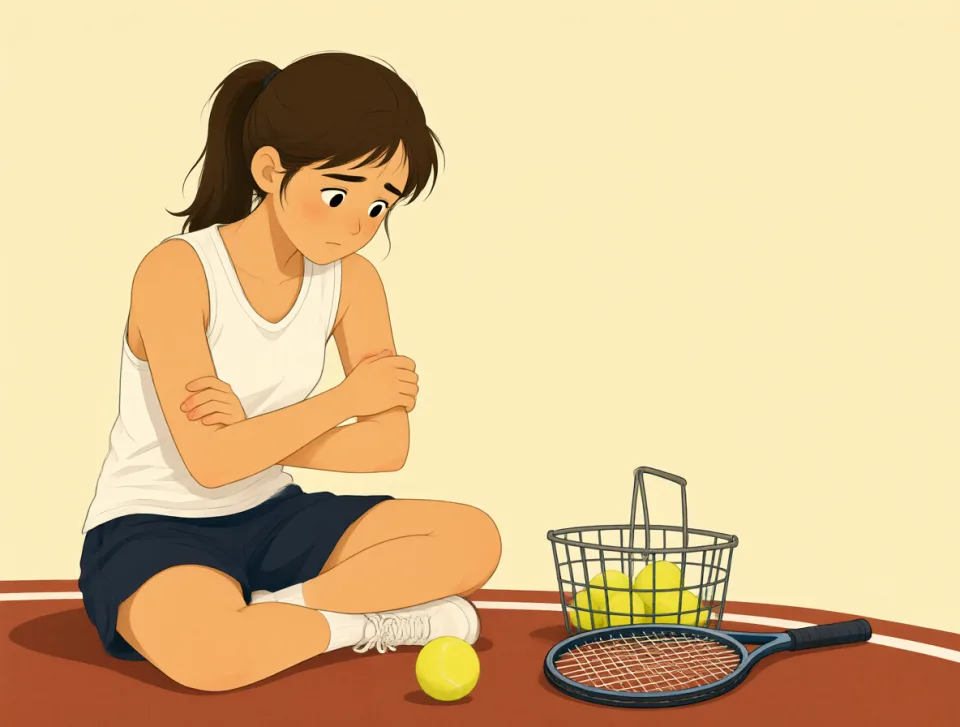
She hurt her arm playing tennis.
Se lastimó el brazo jugando al tenis.
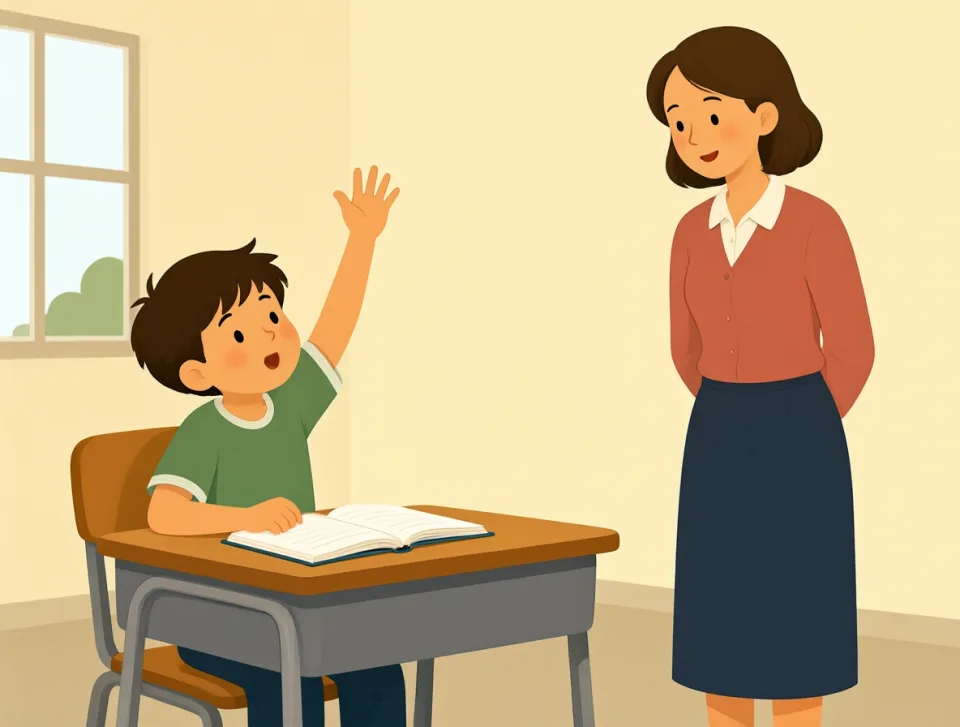
He raised his arm to ask a question.
Levantó el brazo para hacer una pregunta.
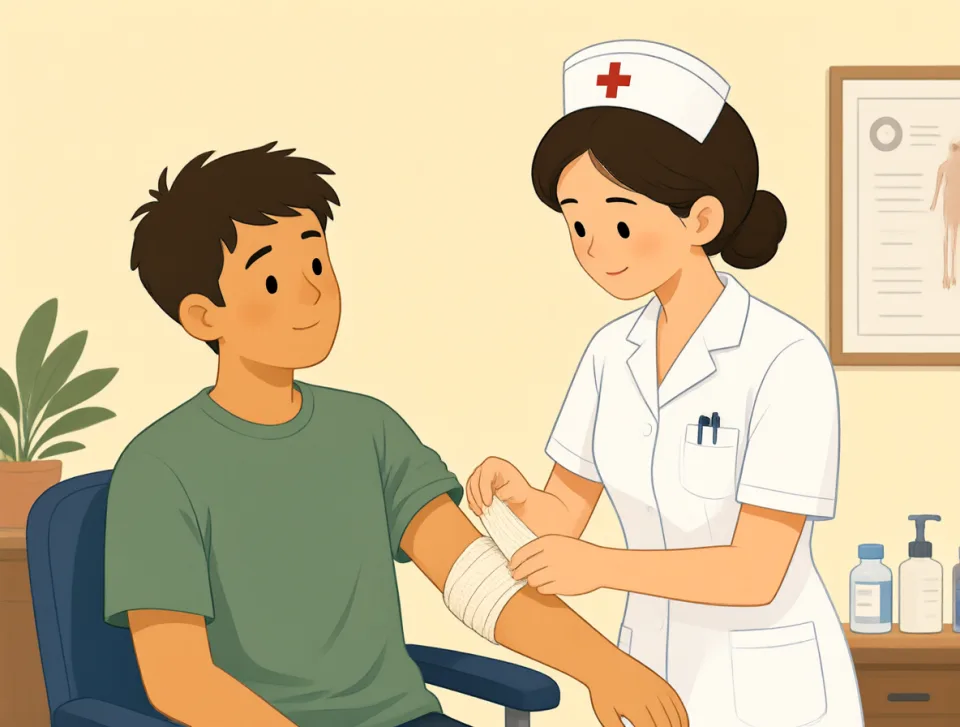
The nurse put a bandage on my arm.
La enfermera me puso una venda en el brazo.
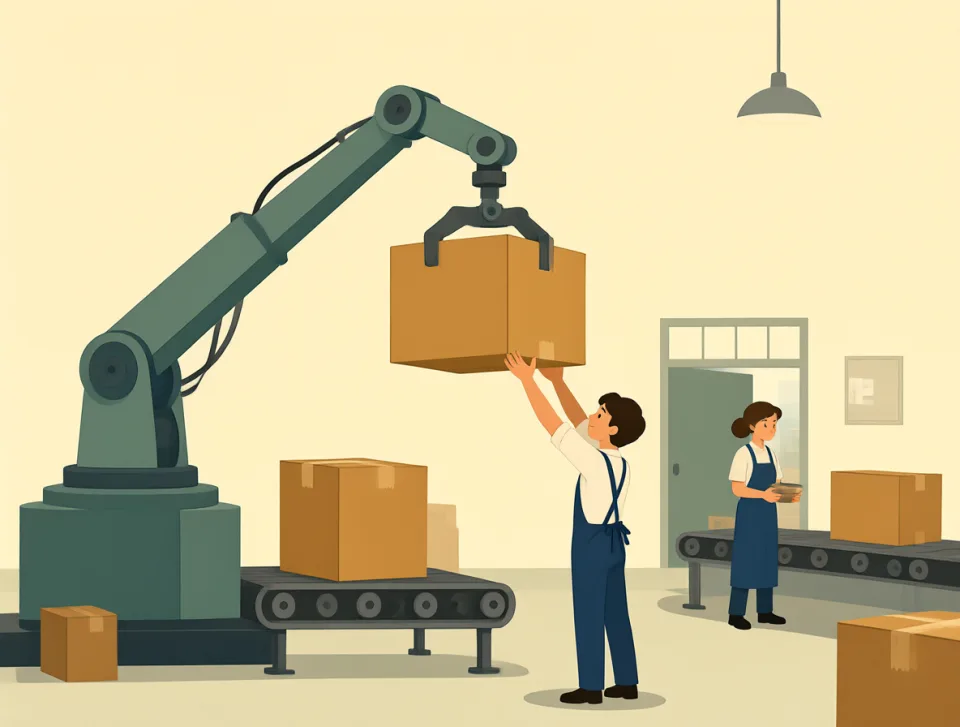
The robot arm moved the box.
El brazo robótico movió la caja.
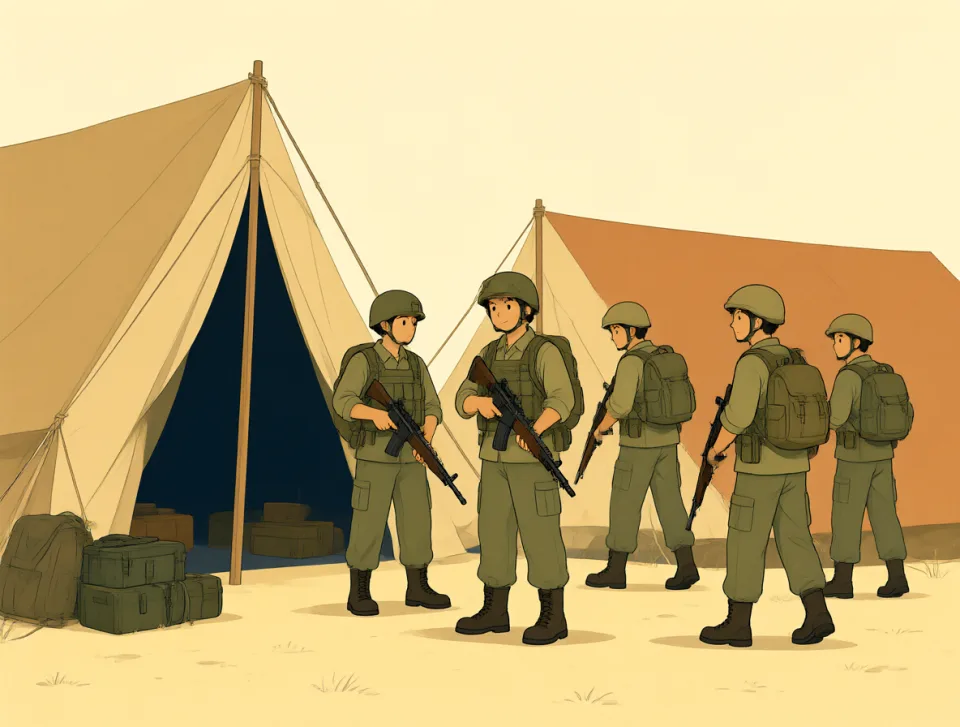
The soldiers armed themselves before leaving.
Los soldados se armaron antes de irse.
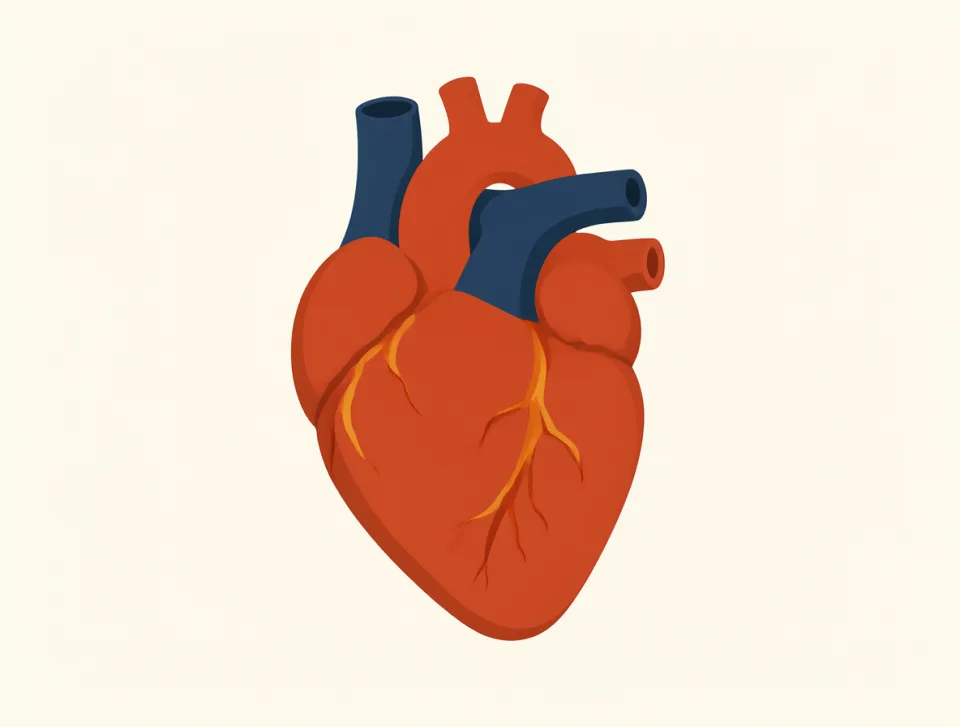
heart
#622noun
corazón
the organ in your chest that pumps blood around your body
el órgano que tienes en el pecho y que bombea sangre por todo tu cuerpo
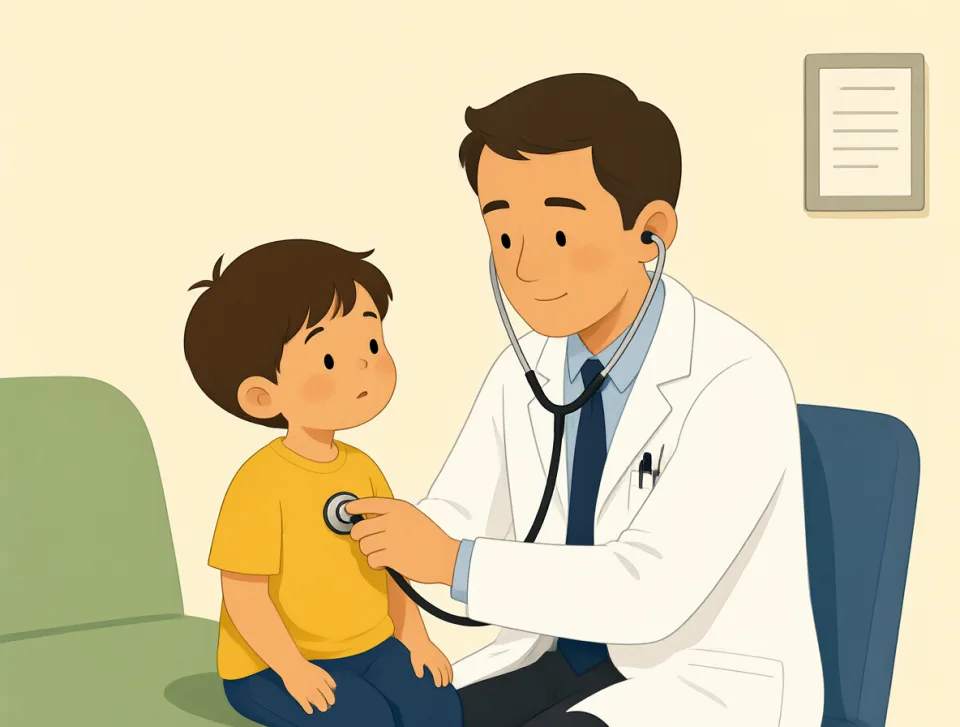
The doctor listened to my heart.
El médico me escuchó el corazón.
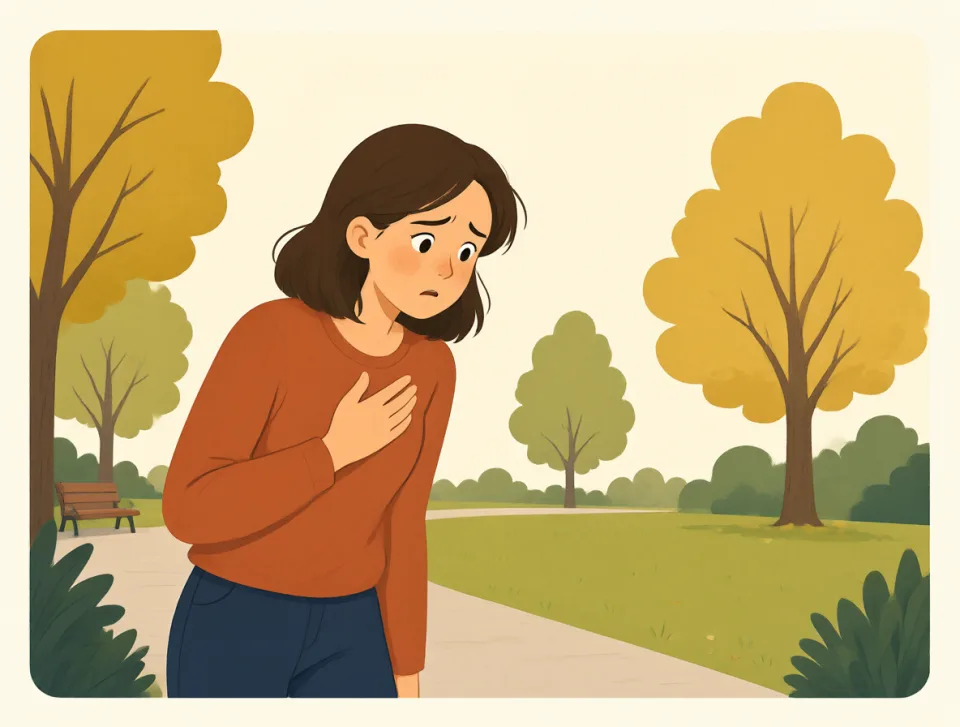
Her heart was beating very fast.
Su corazón latía muy rápido.
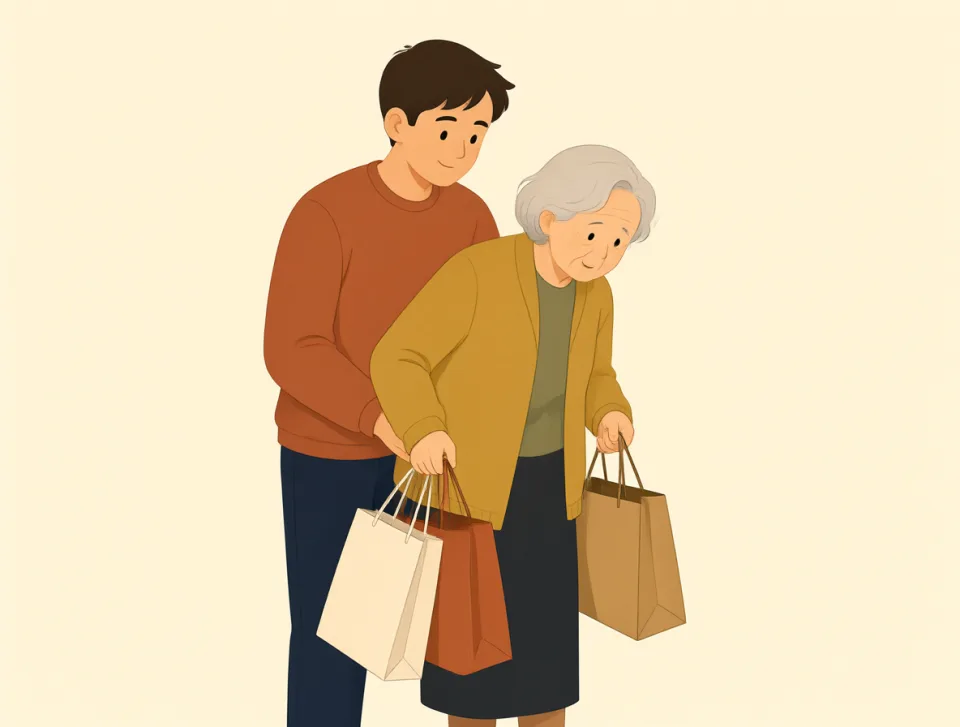
He has a kind heart.
Tiene un corazón bondadoso.

The red heart on the card looked sweet.
El corazón rojo de la tarjeta se veía muy bonito.
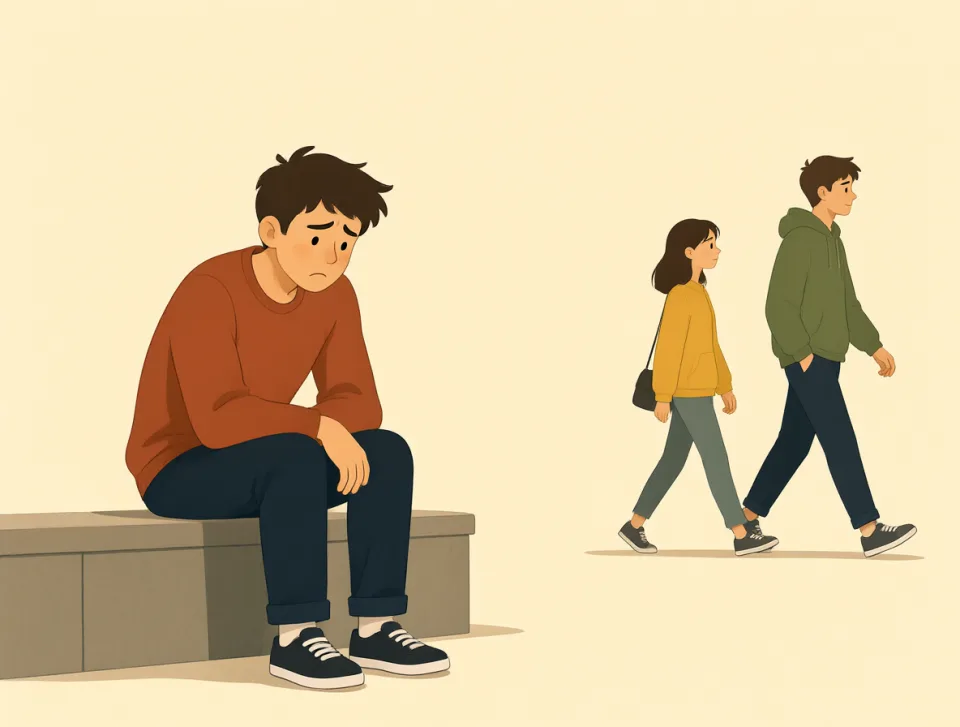
She broke his heart by leaving.
Le rompió el corazón al irse.
source
#623noun, verb
fuente; abastecerse
A person, place, or thing that provides something; to get information or supplies from somewhere.
Una persona, lugar o cosa que proporciona algo; obtener información o suministros de algún lugar.
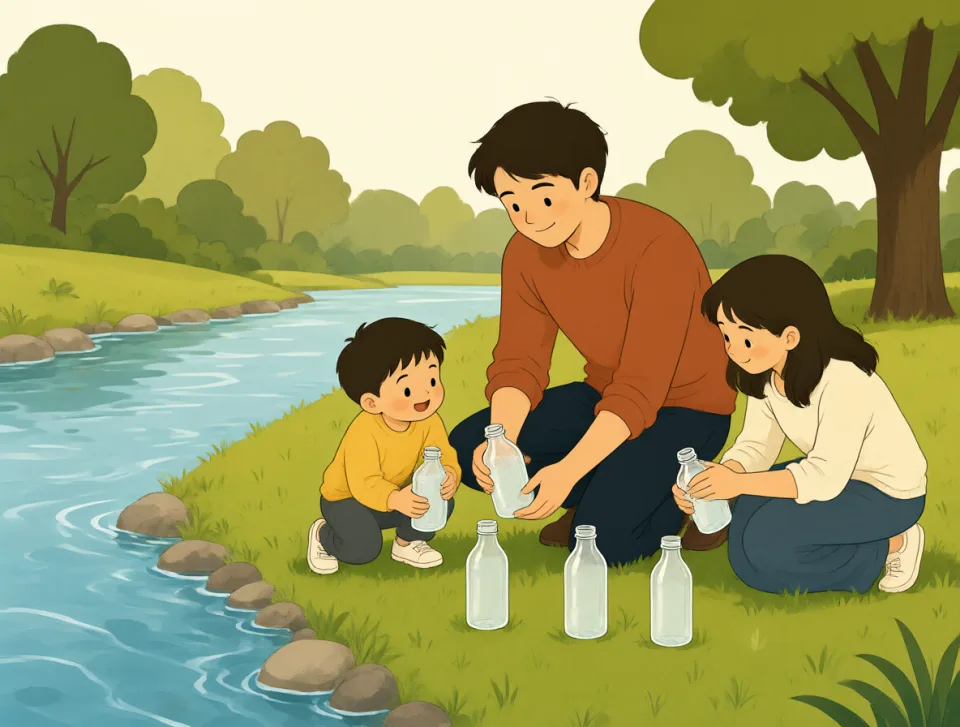
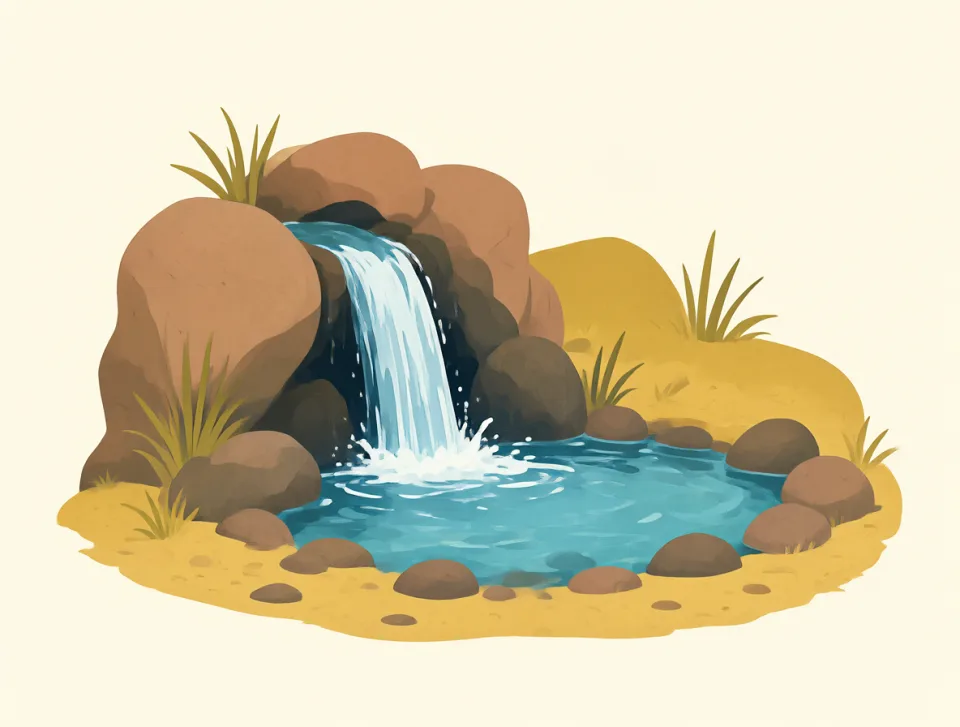
The river is a source of fresh water.
El río es una fuente de agua dulce.
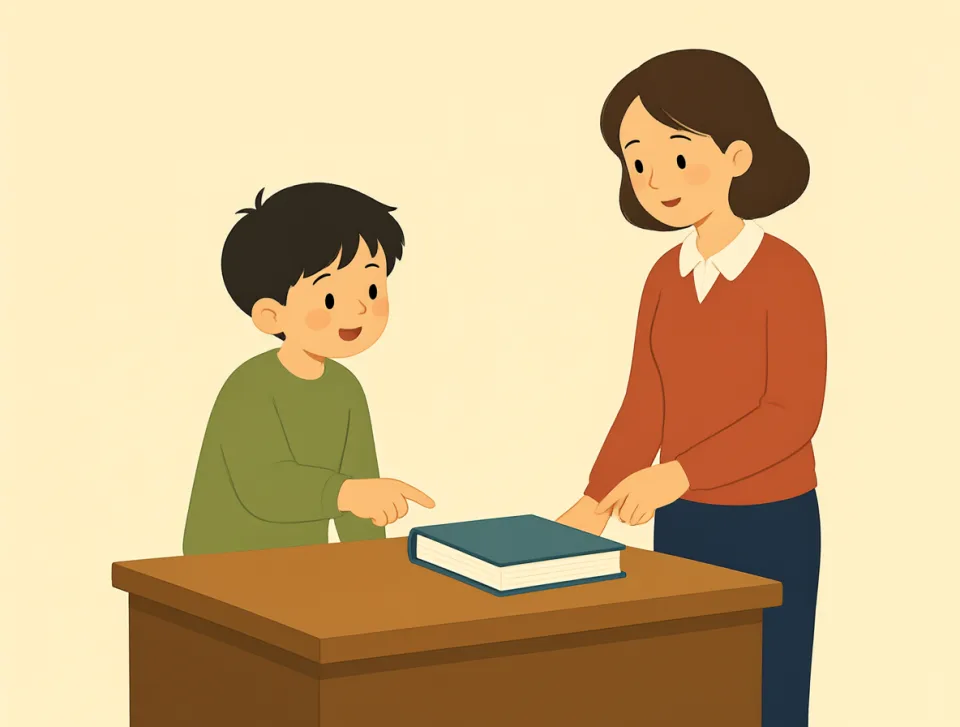
Please check the source of this information.
Por favor, comprueba la fuente de esta información.
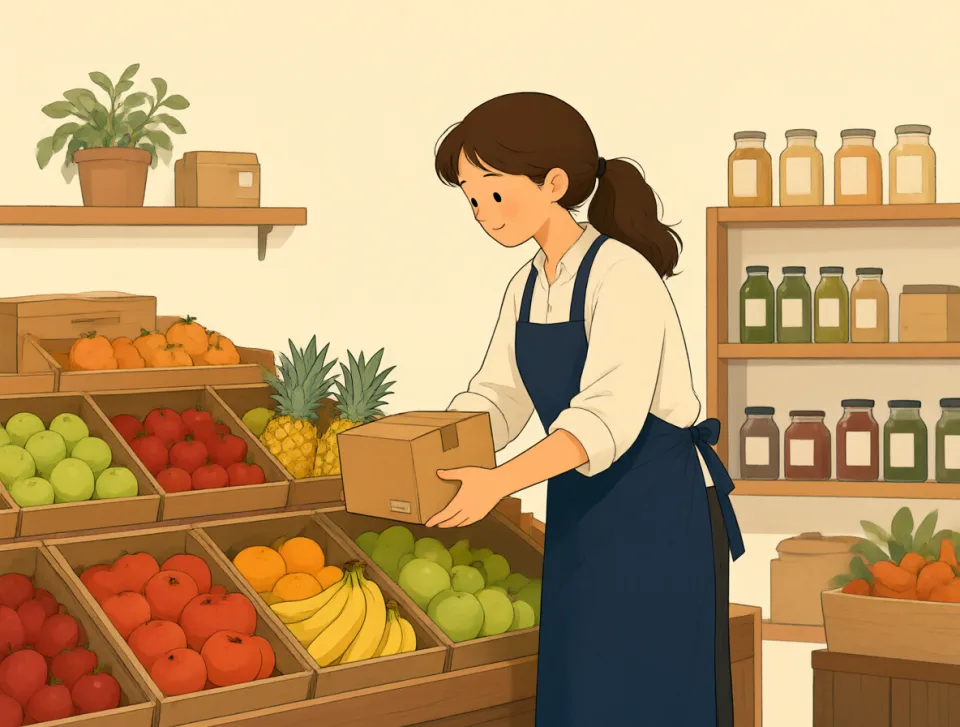
The shop sources fresh fruit from local farms.
La tienda se abastece de fruta fresca de granjas locales.

We found a good source of cheap clothes.
Encontramos una buena fuente de ropa barata.
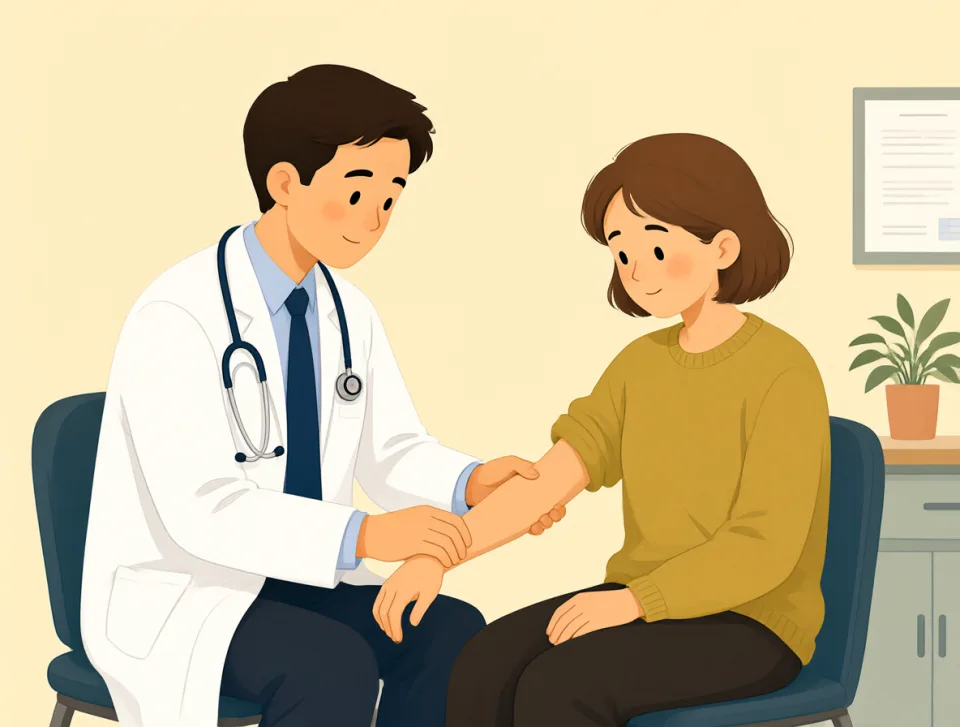
The doctor asked about the source of pain.
El médico preguntó por el origen del dolor.

employee
#624noun
empleado; trabajador
A person who is paid to work for a company or another person.
Una persona a la que le pagan por trabajar para una empresa o para otra persona.
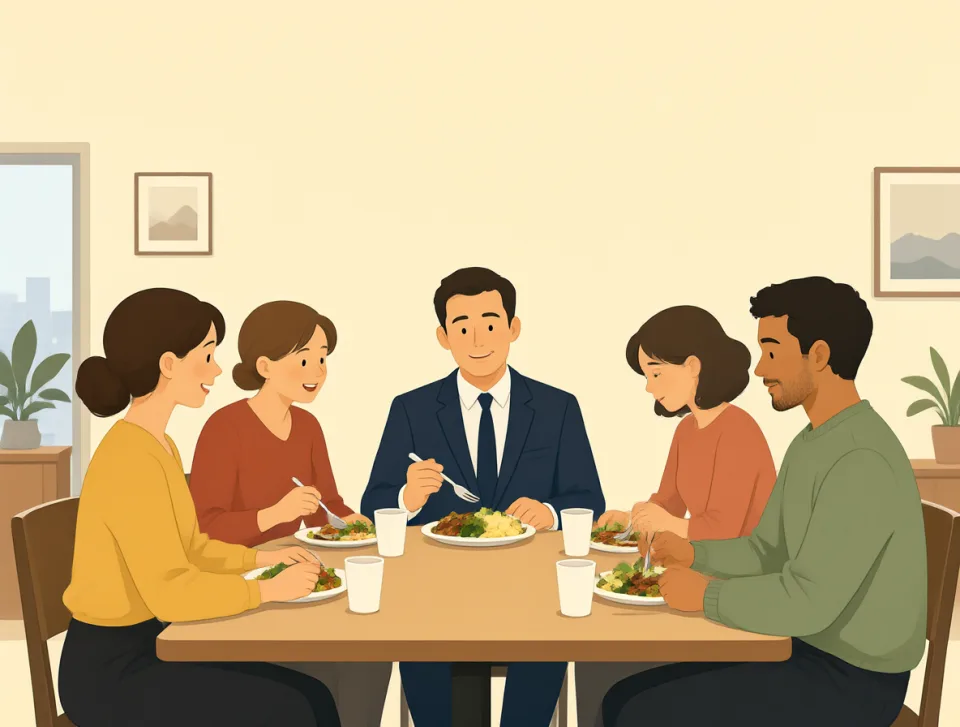
Every employee gets a lunch break.
Todos los empleados tienen un descanso para almorzar.

The company hired three new employees.
La empresa contrató a tres empleados nuevos.

Please ask an employee for help.
Por favor, pídele ayuda a un empleado.

The employee arrived early for work.
El empleado llegó temprano al trabajo.
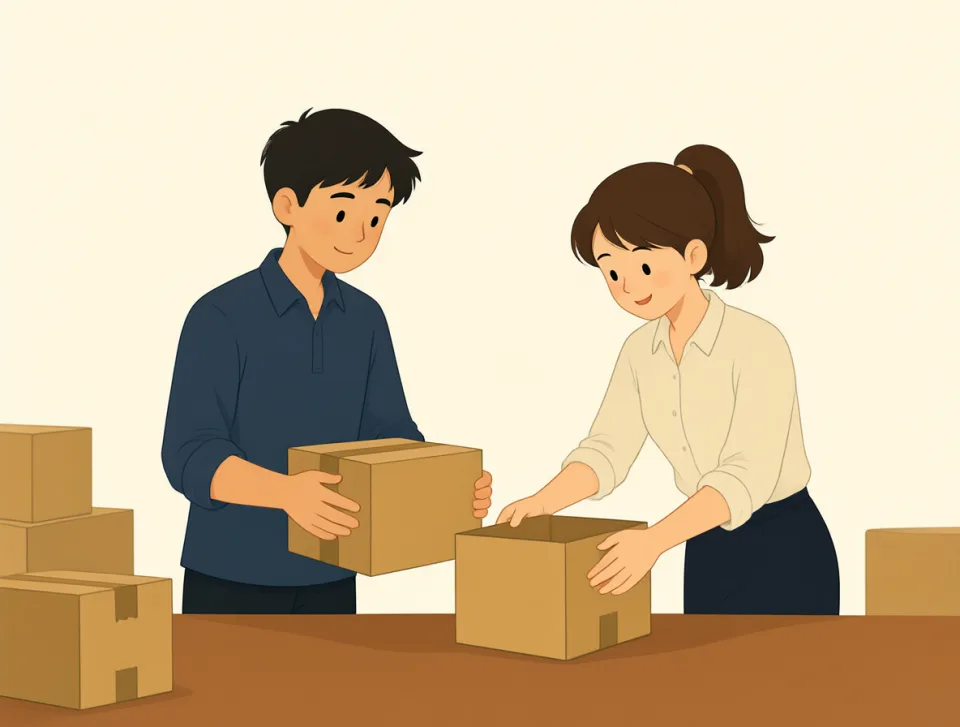
Good employees work well with others.
Los buenos empleados trabajan bien con los demás.
manage
#625verb
lograr; arreglárselas; gestionar; dirigir
To succeed in doing something, especially when it is difficult.
Conseguir hacer algo, especialmente cuando es difícil.
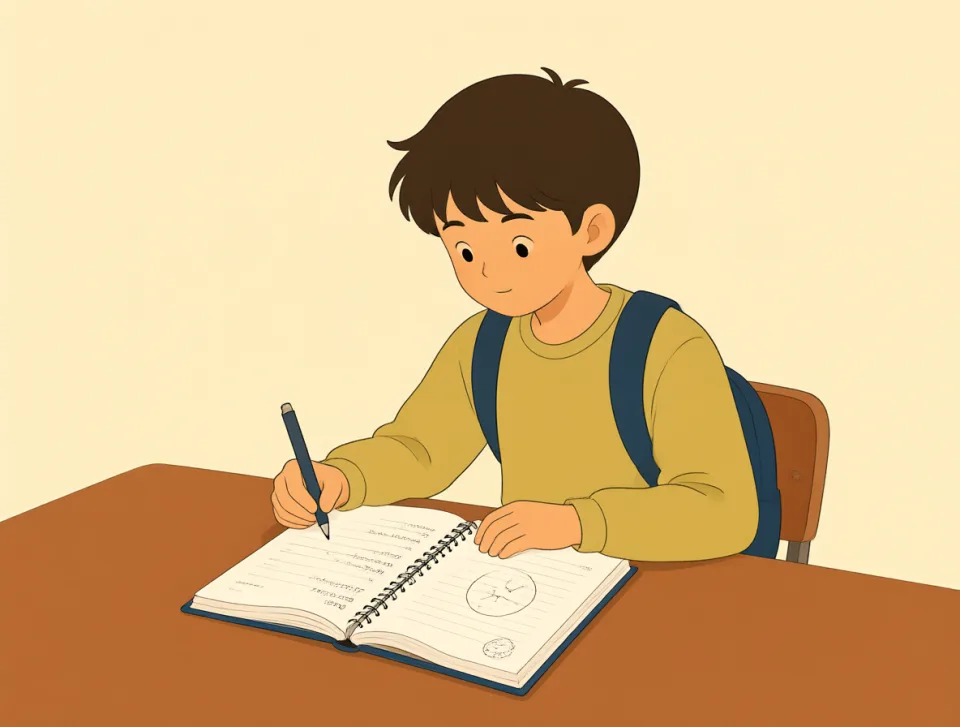
I managed to finish my homework before dinner.
Logré terminar los deberes antes de cenar.
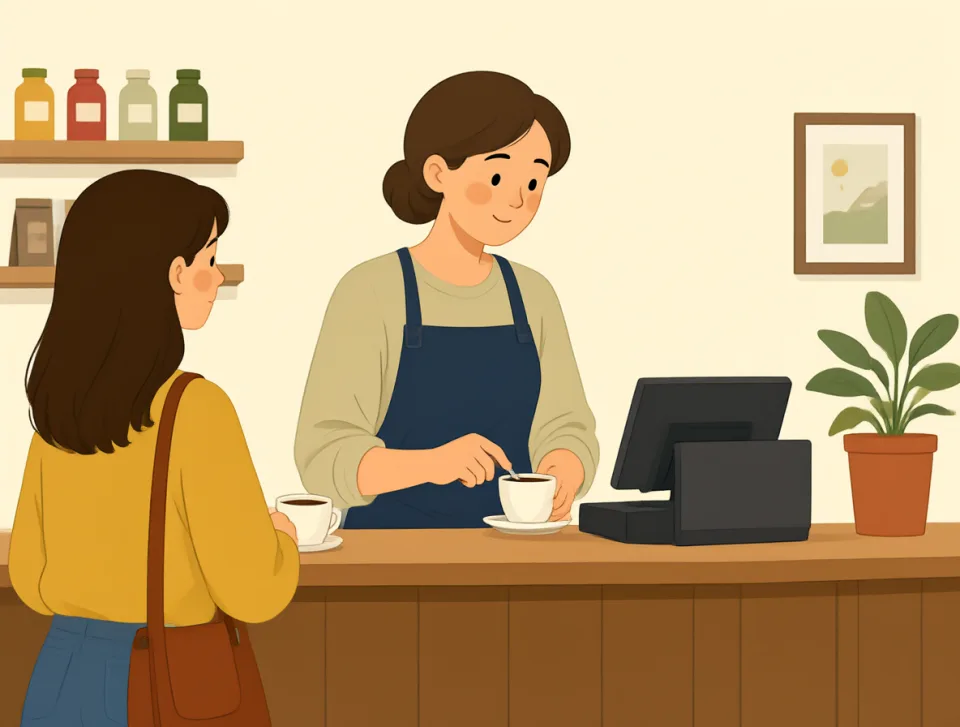
She manages a small shop near the station.
Ella gestiona una pequeña tienda cerca de la estación.
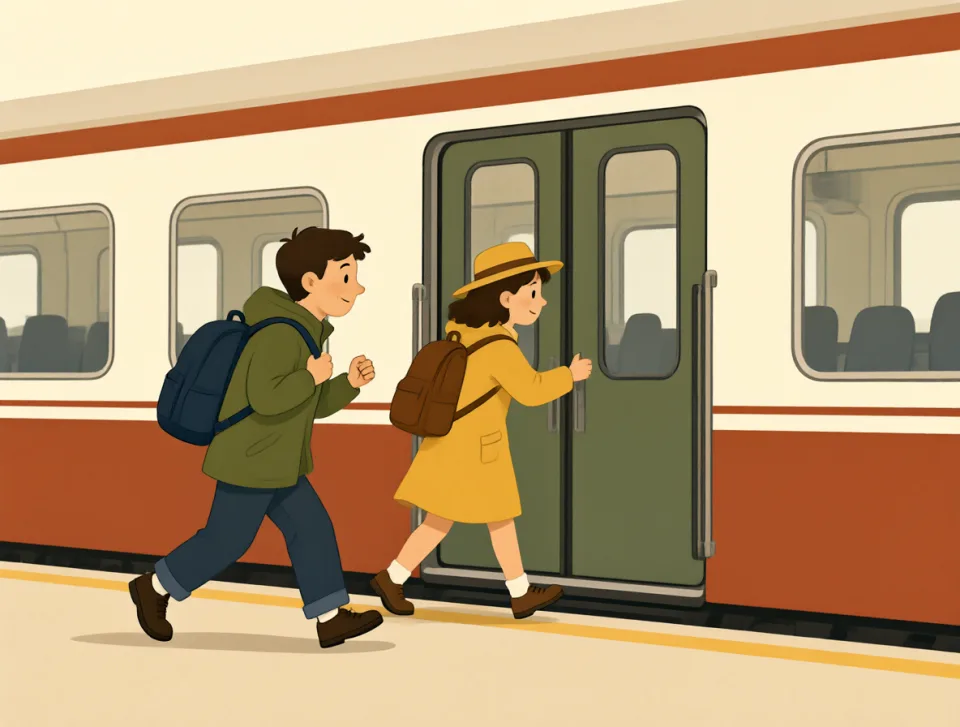
We managed to catch the last train.
Logramos tomar el último tren.

He managed the team for five years.
Dirigió el equipo durante cinco años.
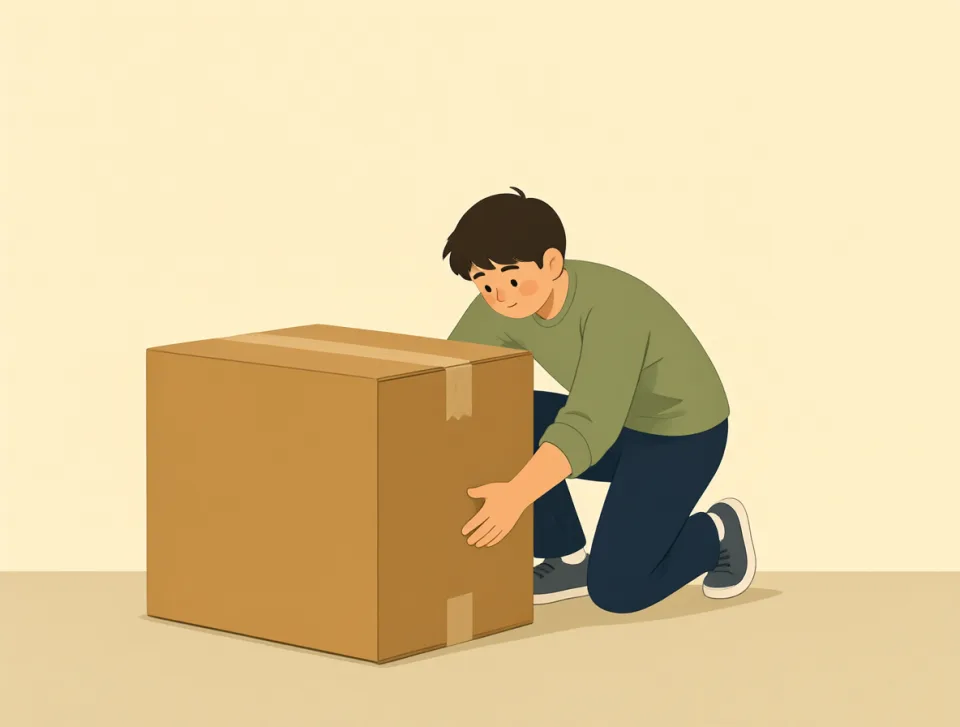
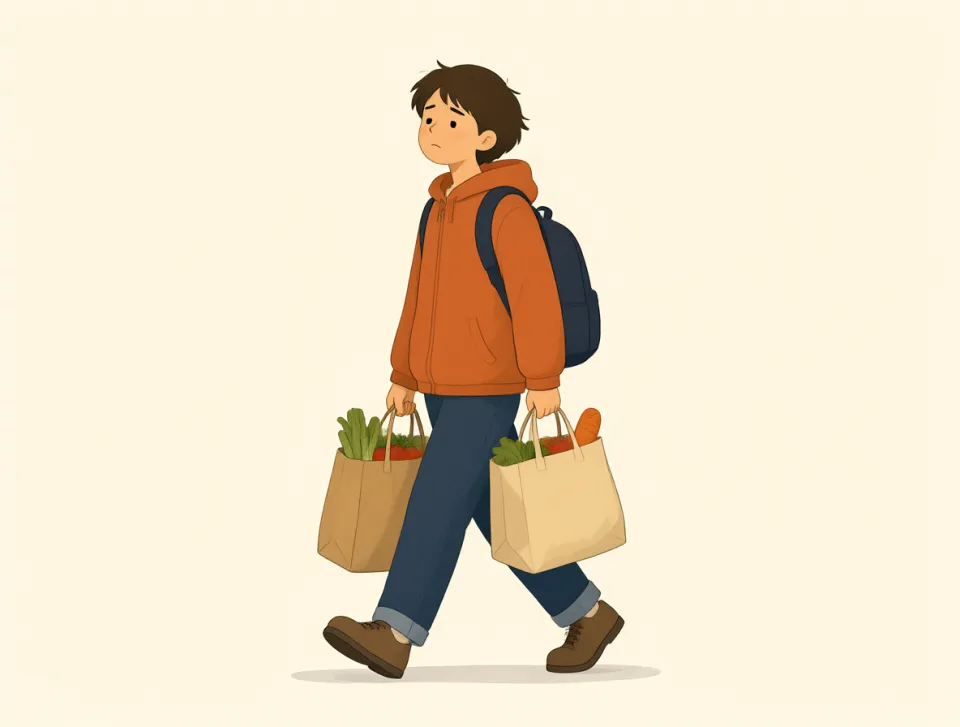
Can you manage this heavy box alone?
¿Puedes mover esta caja pesada tú solo?
simply
#626adverb
simplemente; sencillamente
in an easy, plain, or direct way
de manera fácil, sencilla o directa
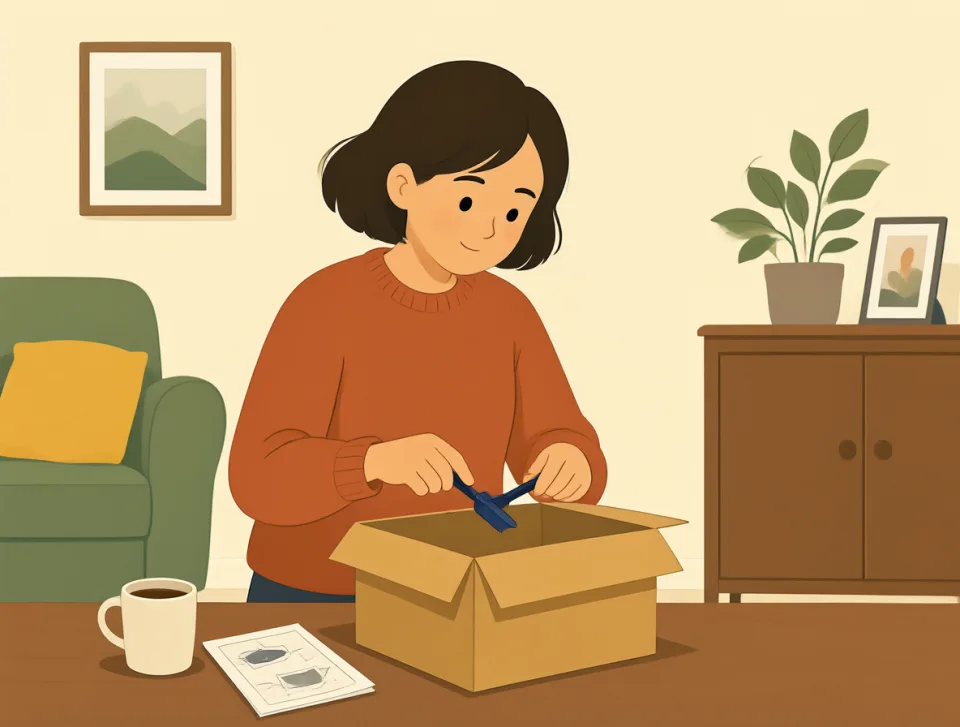
Simply follow the instructions on the box.
Simplemente sigue las instrucciones de la caja.
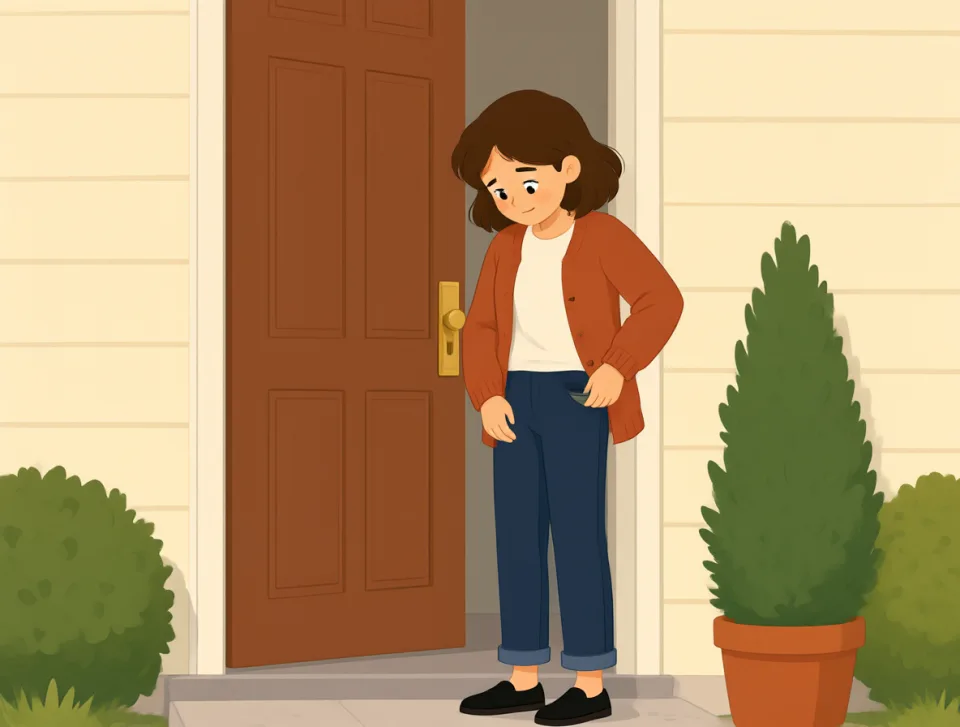
She simply forgot her keys at home.
Ella simplemente se olvidó las llaves en casa.
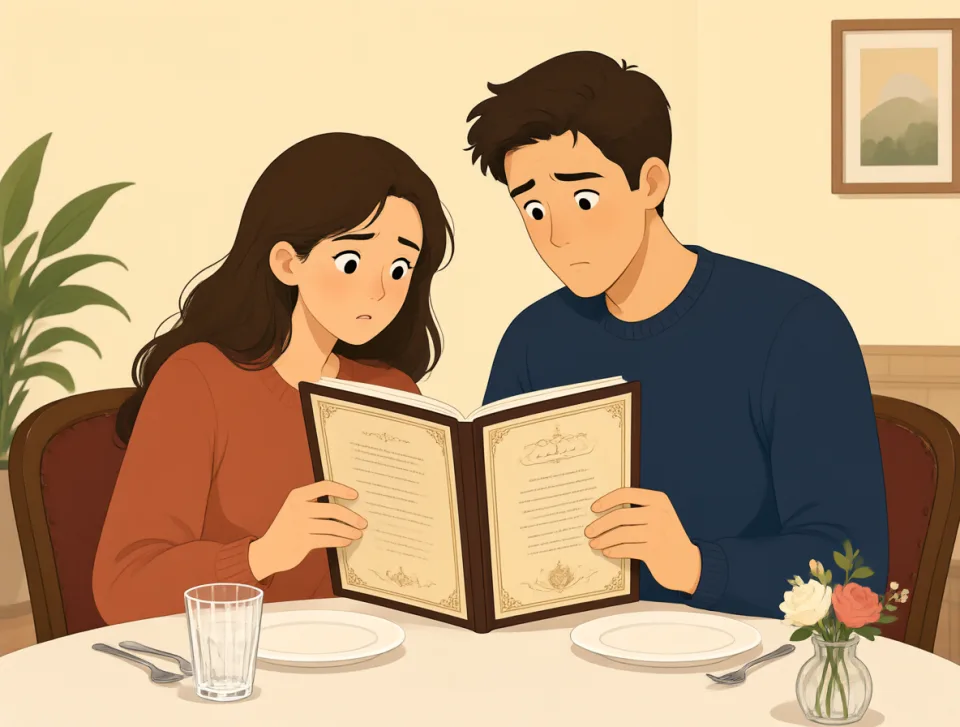
We simply cannot afford that expensive meal.
Sencillamente no podemos permitirnos esa comida tan cara.
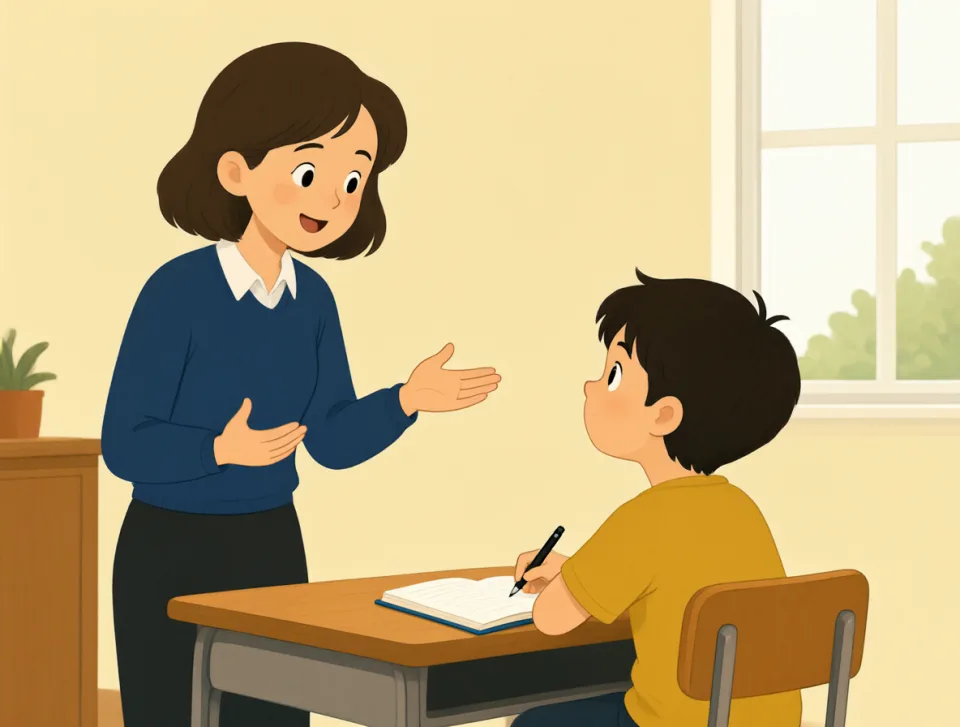
He explained the problem simply and clearly.
Explicó el problema de manera sencilla y clara.
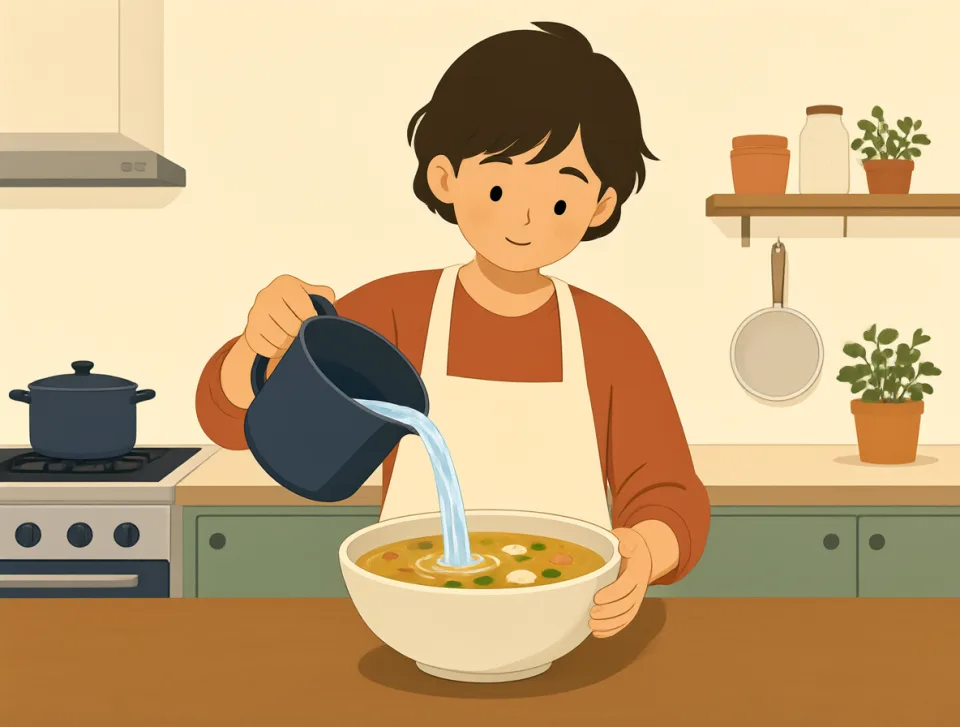
Simply add water and stir the soup.
Solo tienes que añadir agua y revolver la sopa.
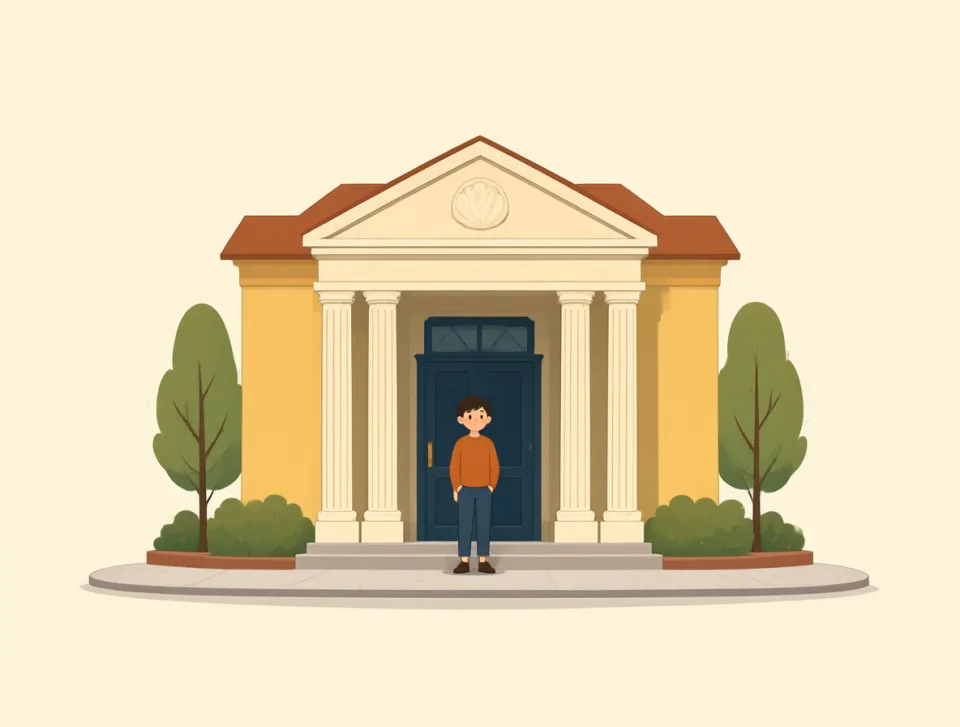
bank
#627noun, verb
banco; depositar
A place that keeps your money safe; to put money in a bank.
Un lugar que guarda tu dinero de forma segura; poner dinero en un banco.
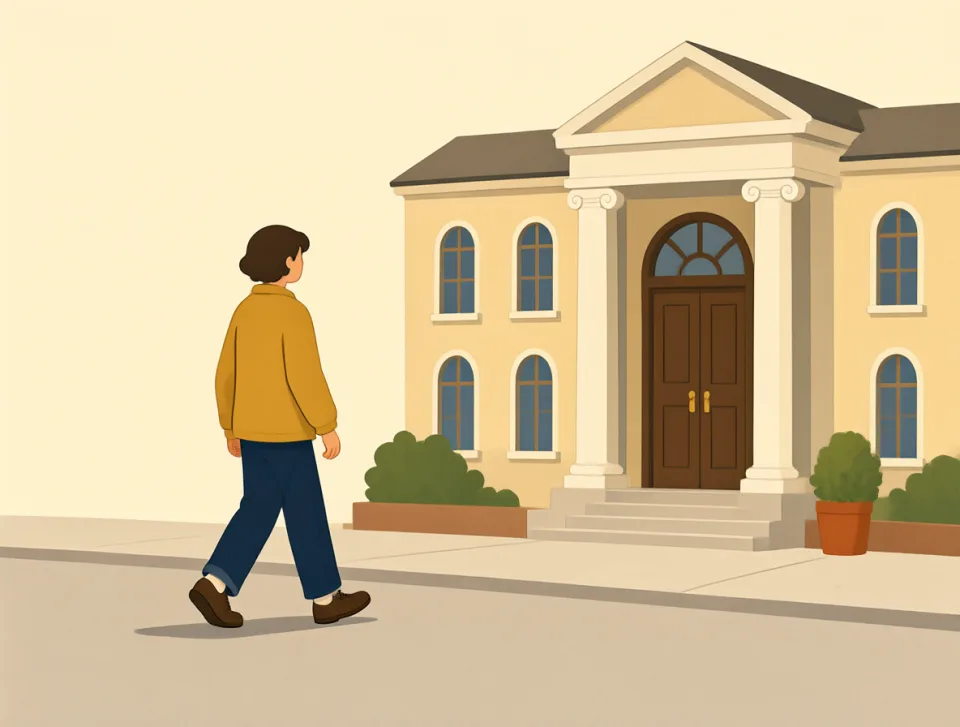
I need to go to the bank today.
Hoy necesito ir al banco.
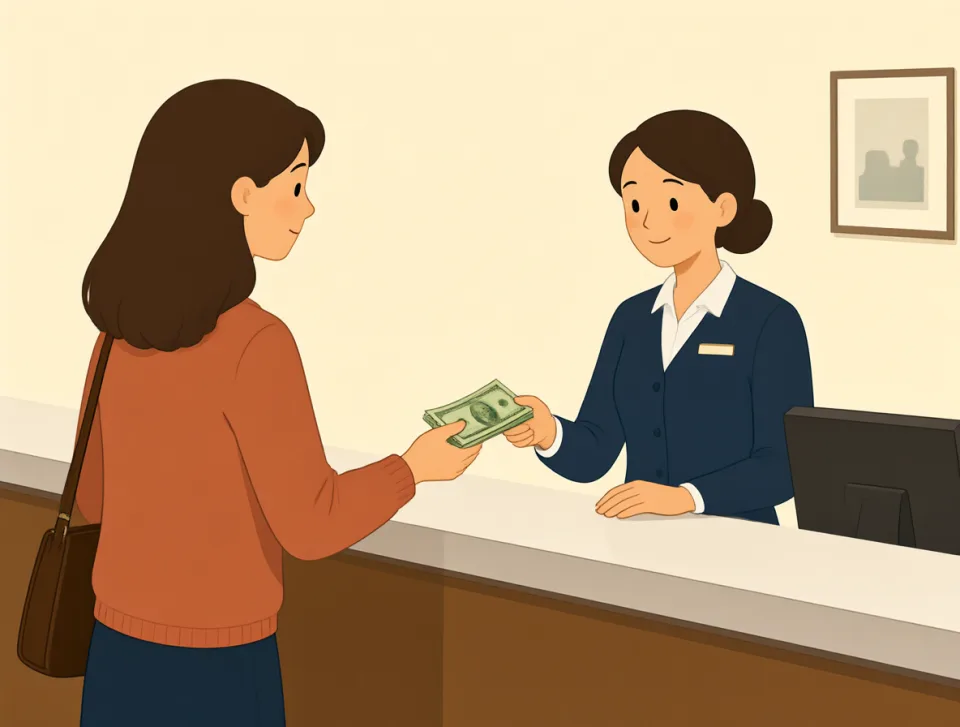
She put her money in the bank.
Ella depositó su dinero en el banco.

We checked our bank account after shopping.
Revisamos nuestra cuenta bancaria después de hacer compras.
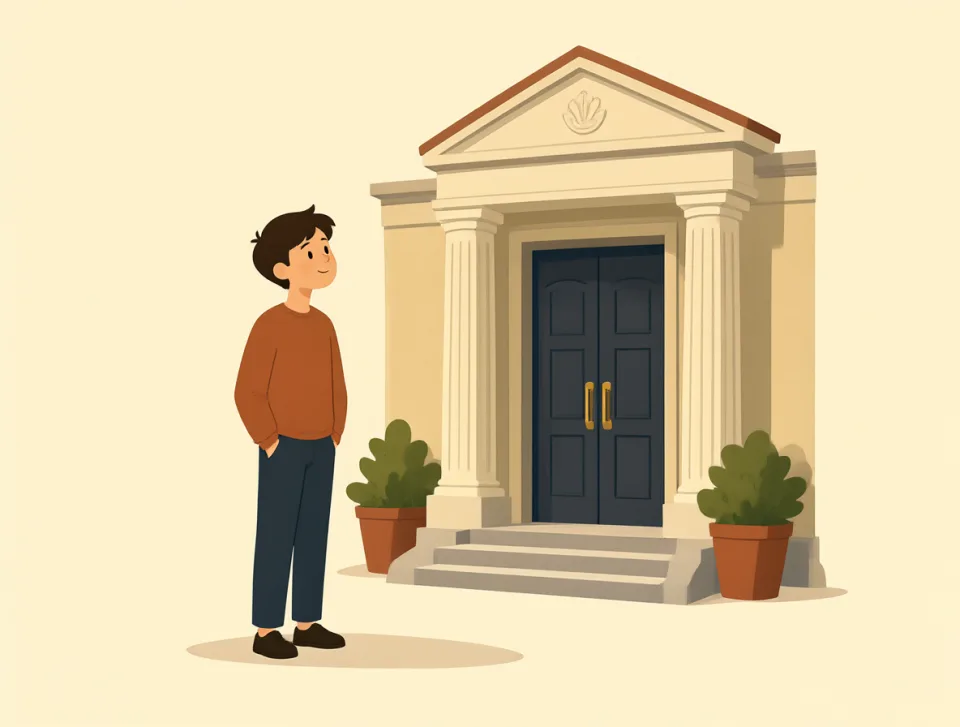
The bank closes at five o’clock.
El banco cierra a las cinco.
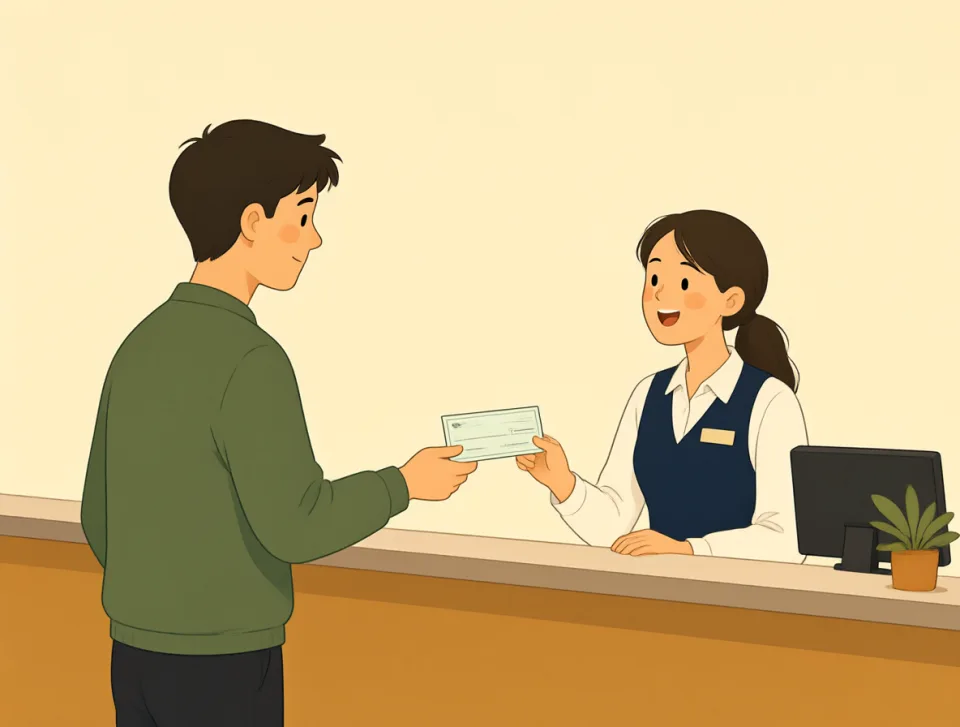
He banked the check before lunch.
Depositó el cheque antes del almuerzo.
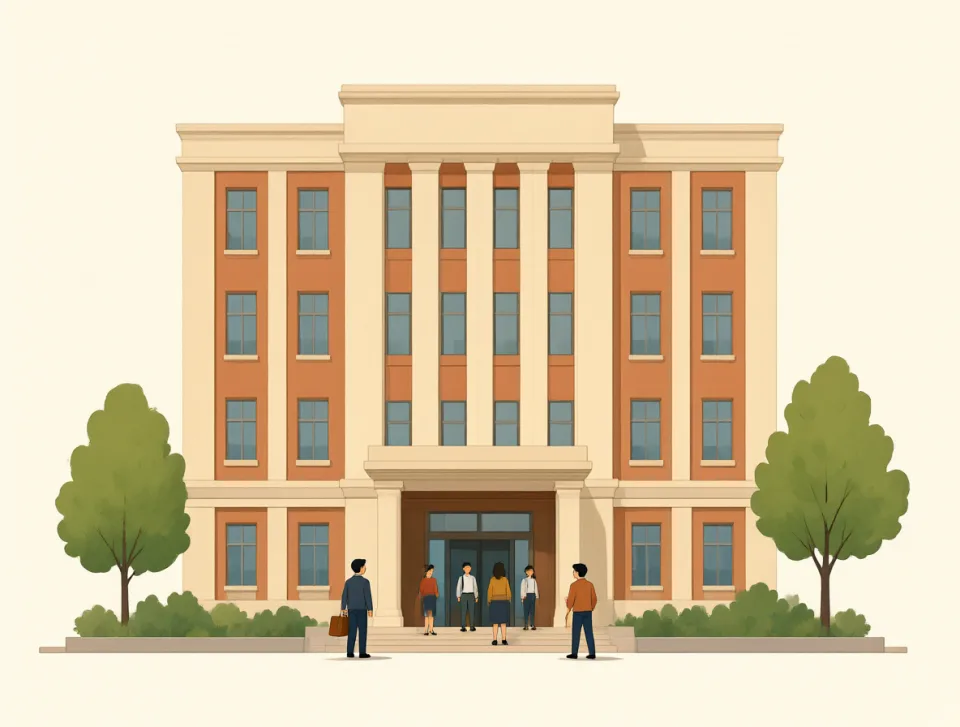
firm
#628noun, adjective
empresa; firme
A company, or strong and not soft or easily moved.
Una empresa, o algo fuerte que no es blando ni se mueve fácilmente.
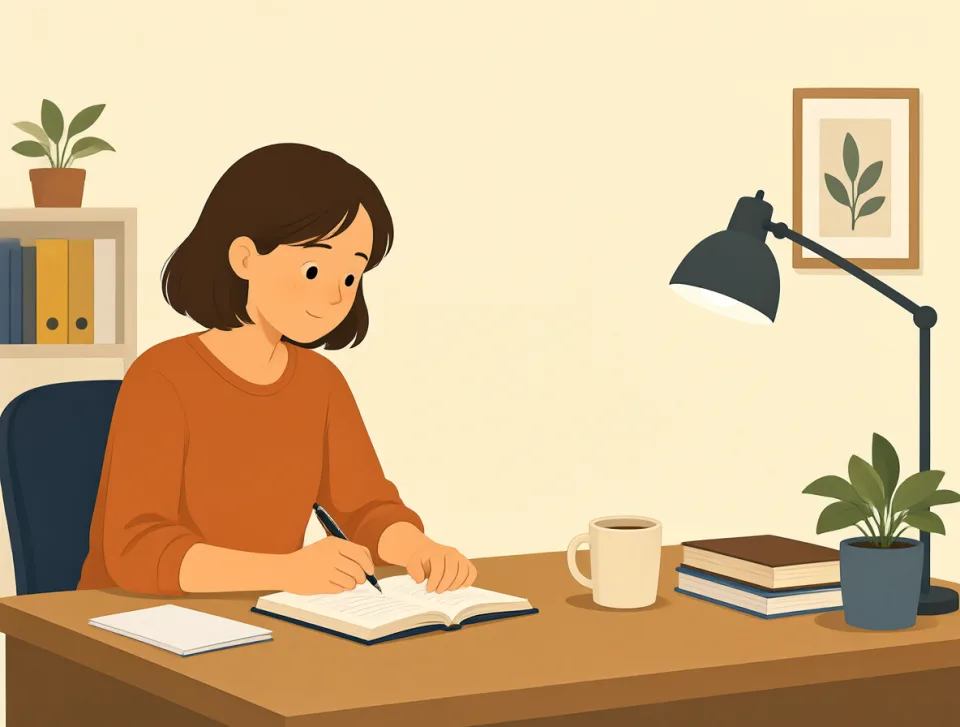
She works for a small software firm.
Ella trabaja para una pequeña empresa de software.

The firm offered him a better job.
La empresa le ofreció un trabajo mejor.
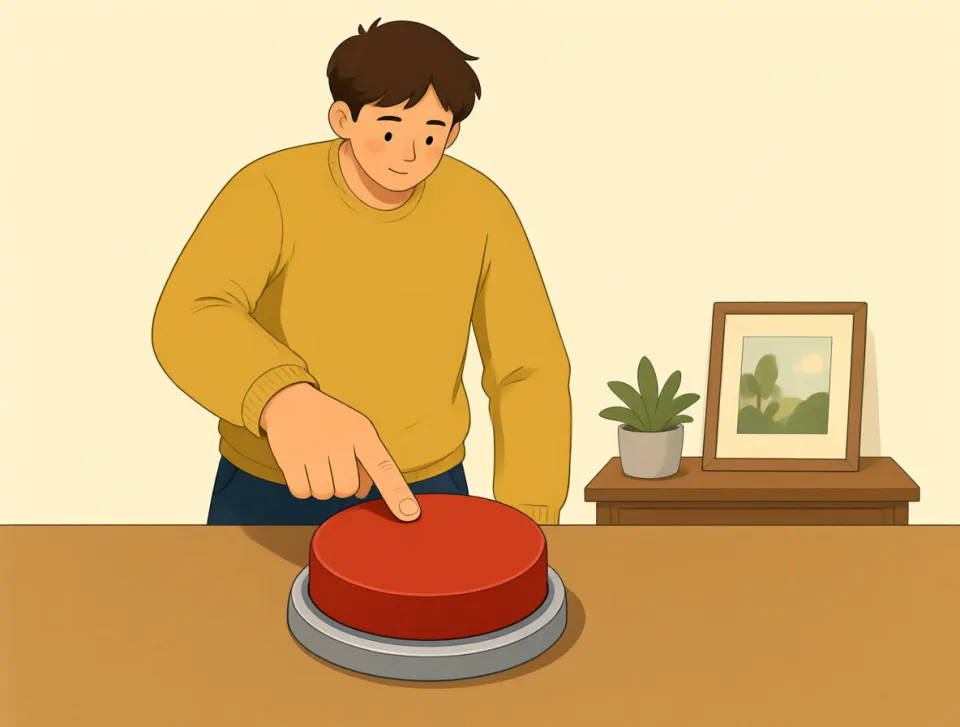
Press the button firmly with your finger.
Presiona el botón con firmeza con el dedo.

The doctor gave her a firm handshake.
El médico le dio un apretón de manos firme.

This mattress feels too firm for me.
Este colchón me parece demasiado firme.
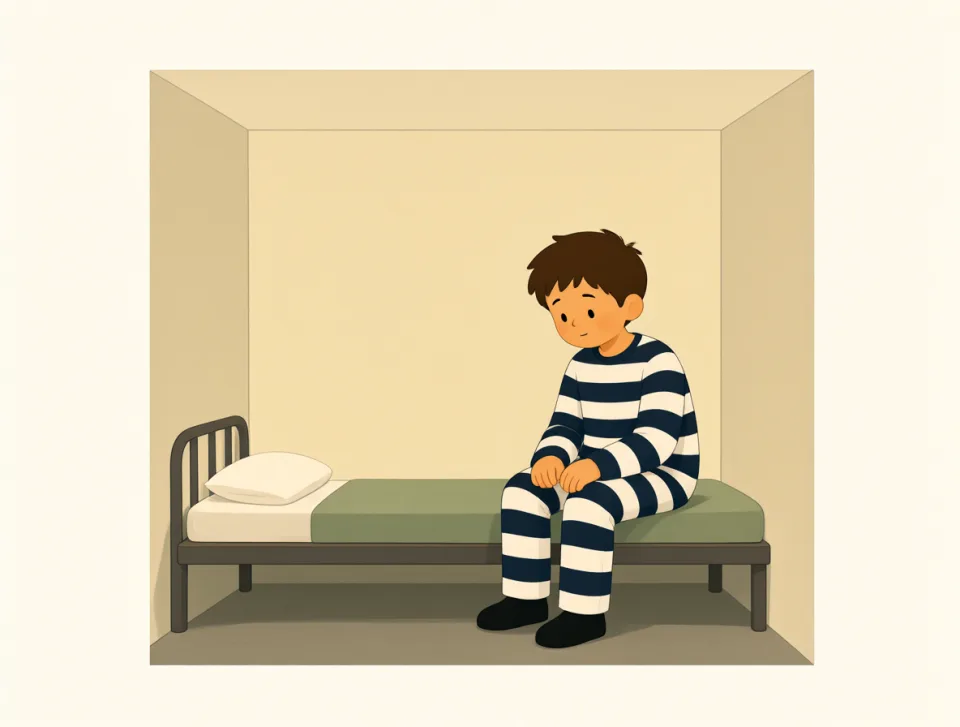
cell
#629noun
celda; célula
A small room in a prison, or a small unit in a larger group.
Una habitación pequeña en una prisión o una unidad pequeña dentro de un grupo más grande.
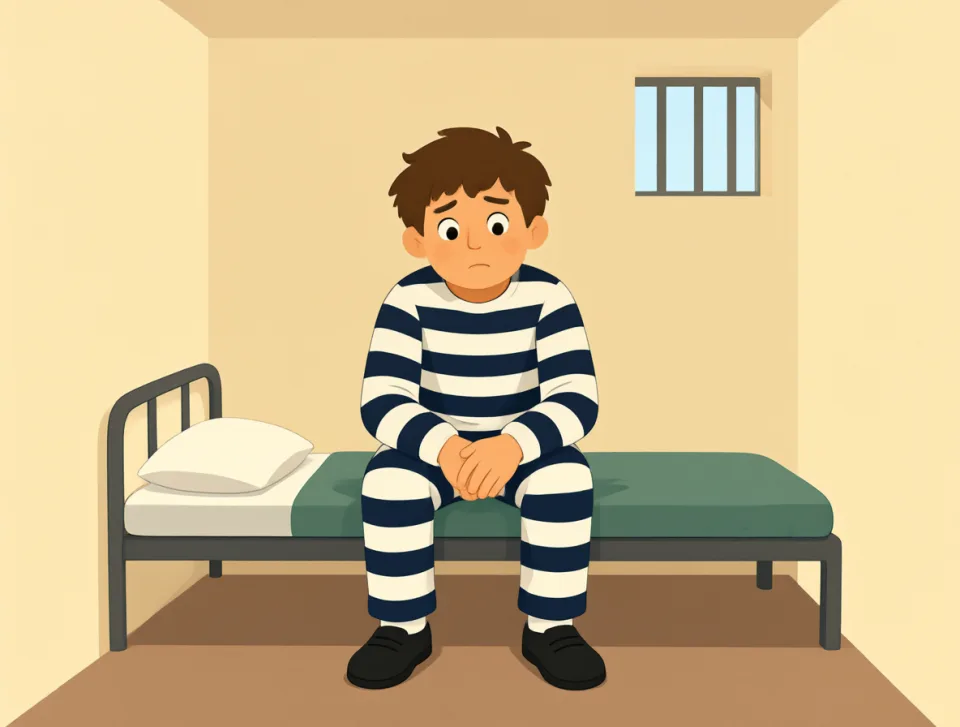
The prisoner stayed in his cell all day.
El preso pasó todo el día en su celda.
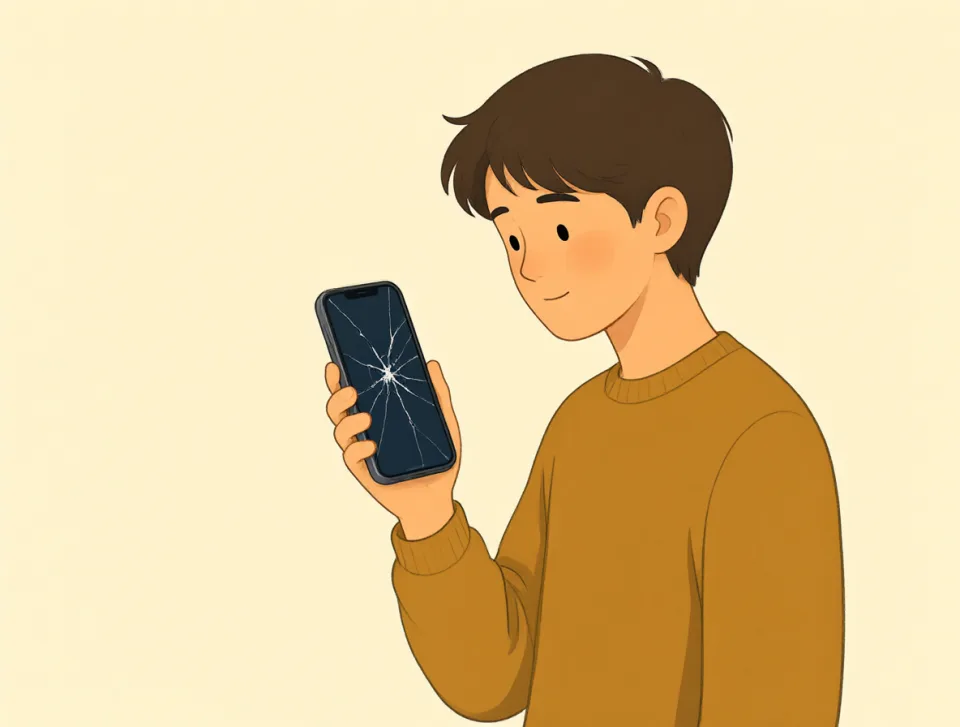
My phone has a broken cell.
Mi teléfono tiene una celda dañada.
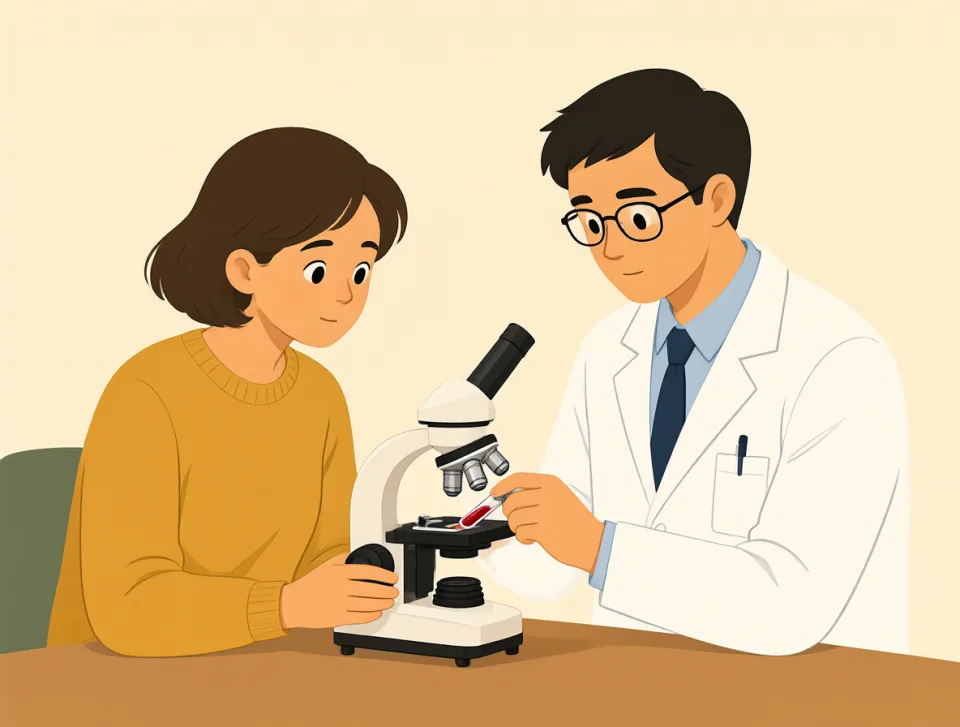
The doctor looked at the blood cells.
El médico examinó las células sanguíneas.
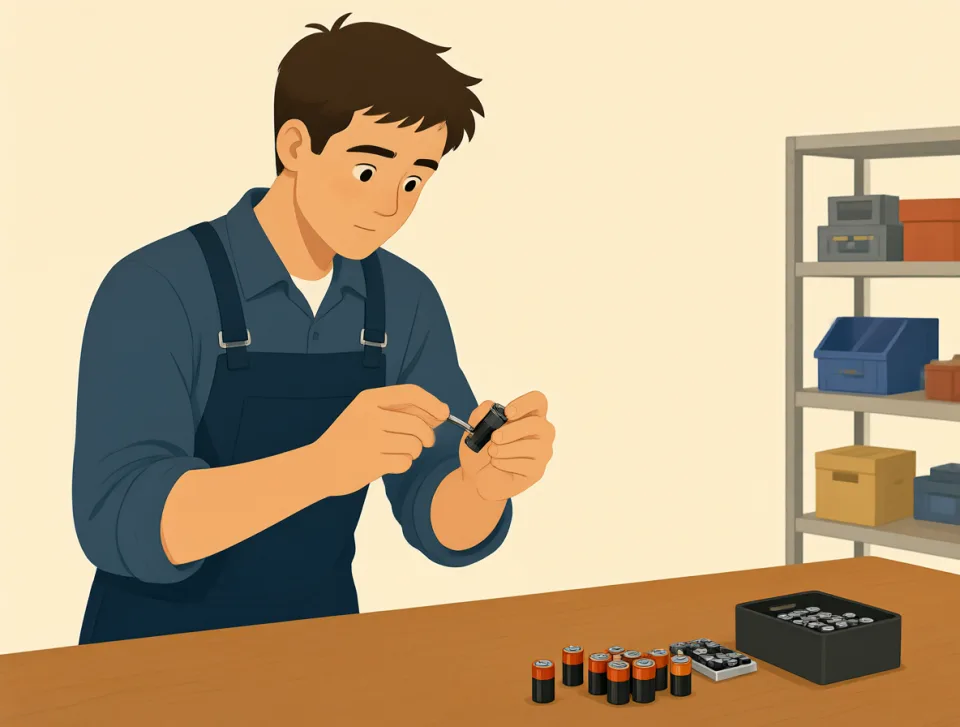
Each cell has a small battery inside.
Cada celda lleva una pequeña batería dentro.

The cells in this honeycomb are empty.
Las celdas de este panal están vacías.
article
#630noun
artículo; objeto
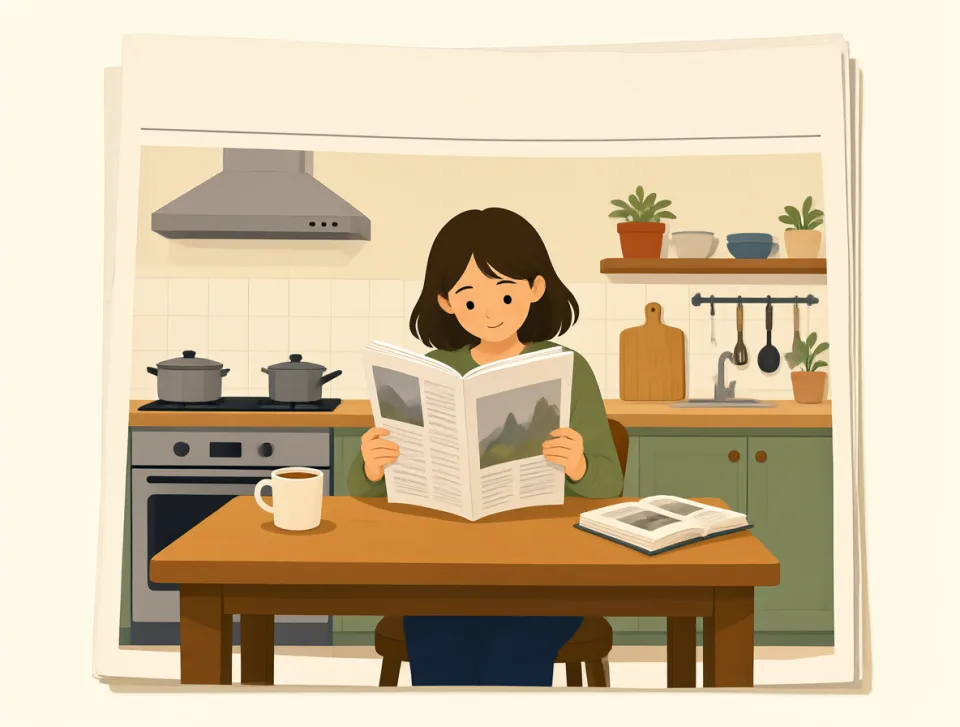
A piece of writing in a newspaper, magazine, or online publication.
Un texto escrito en un periódico, una revista o una publicación en línea.
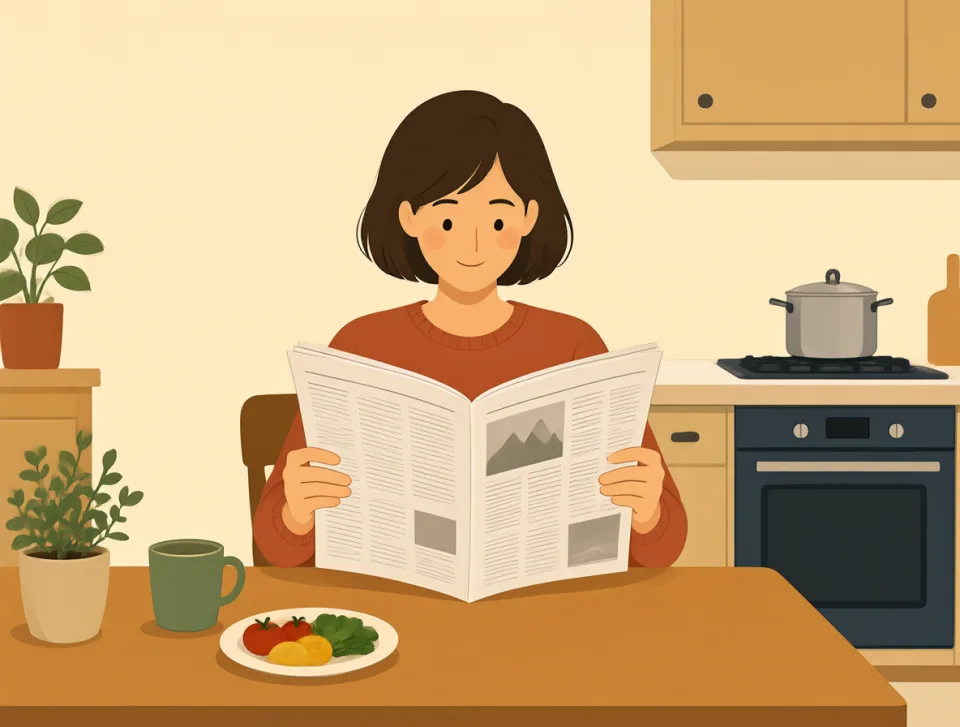
I read an interesting article about healthy food.
Leí un artículo interesante sobre la alimentación saludable.
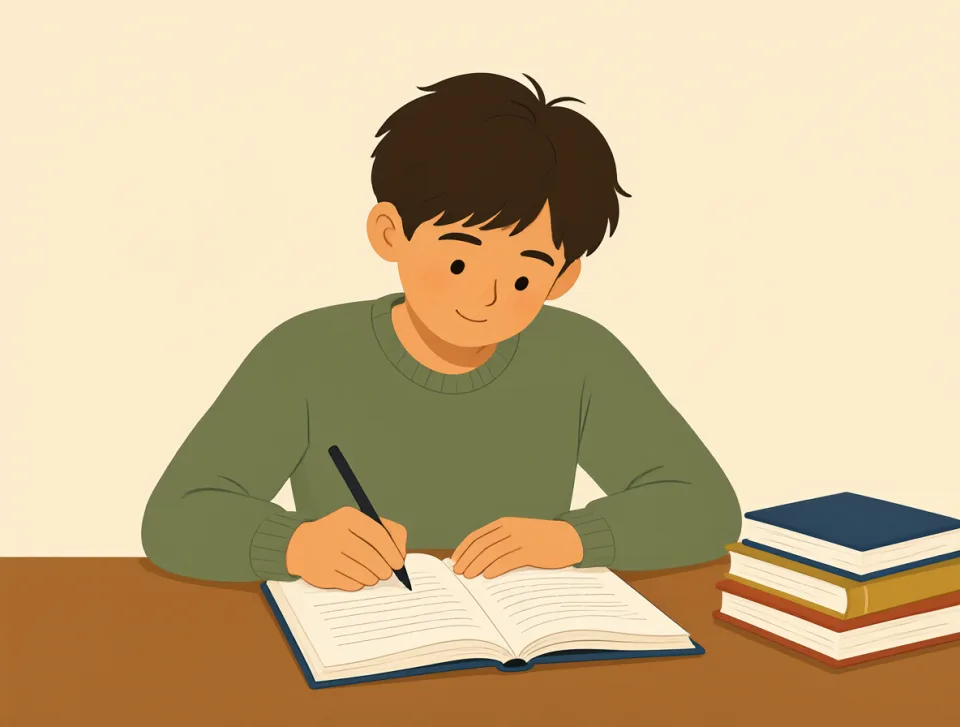
She wrote an article for the school magazine.
Ella escribió un artículo para la revista de la escuela.

This article explains how to save money.
Este artículo explica cómo ahorrar dinero.
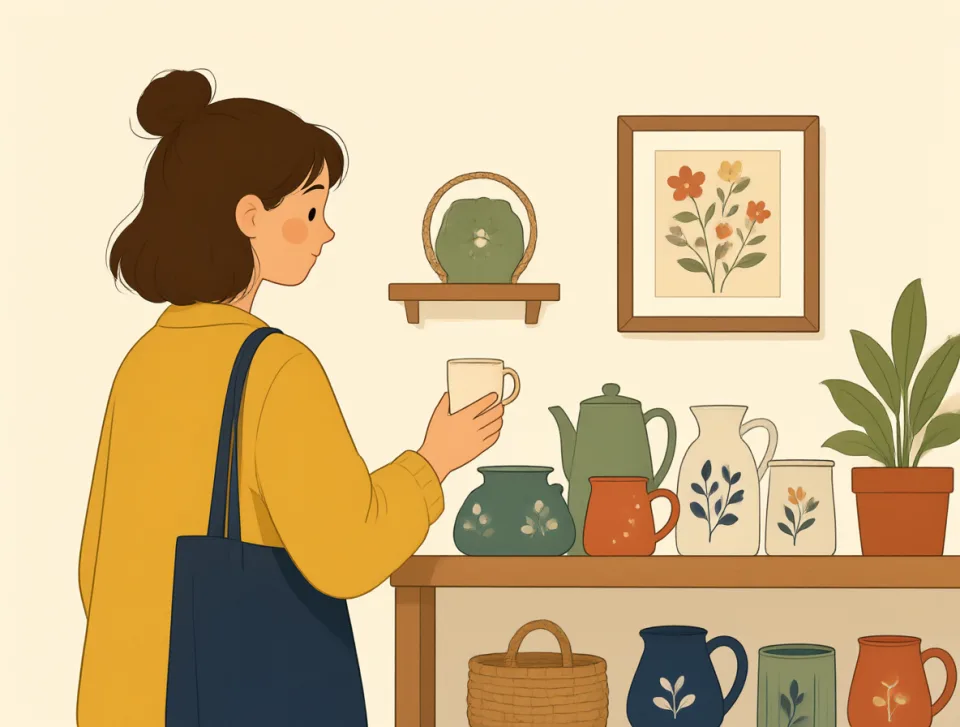
The shop sells art articles and home gifts.
La tienda vende artículos de arte y regalos para el hogar.
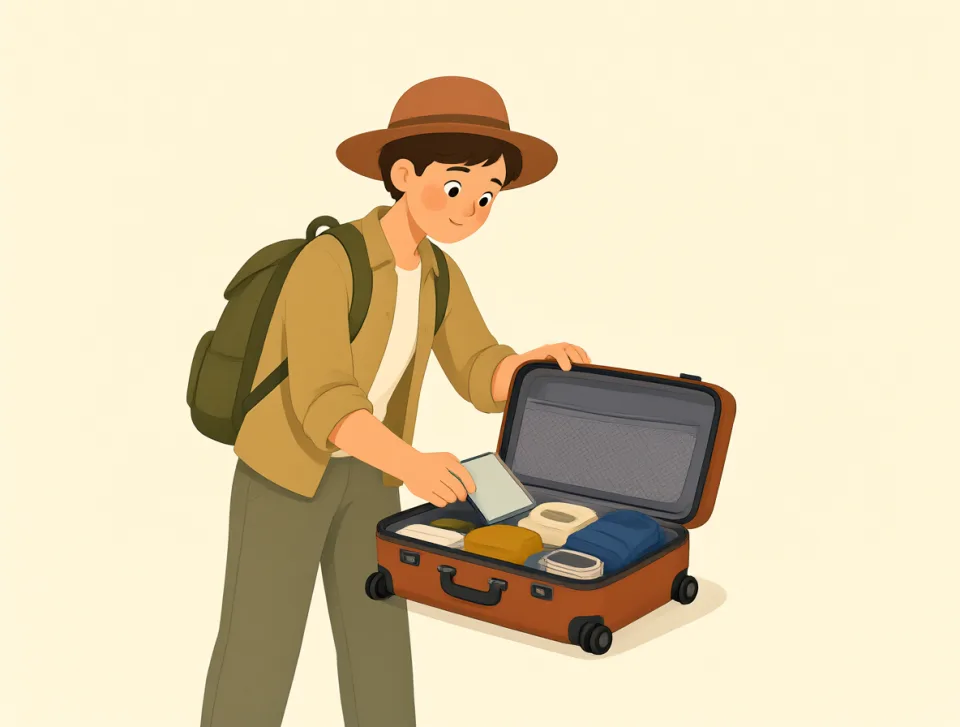
Please bring the articles from your suitcase.
Por favor, trae los artículos de tu maleta.

fast
#631adjective, adverb, noun, verb
rápido; deprisa; comida rápida
Moving or happening at high speed; able to move quickly.
Que se mueve o sucede a gran velocidad; capaz de moverse rápidamente.
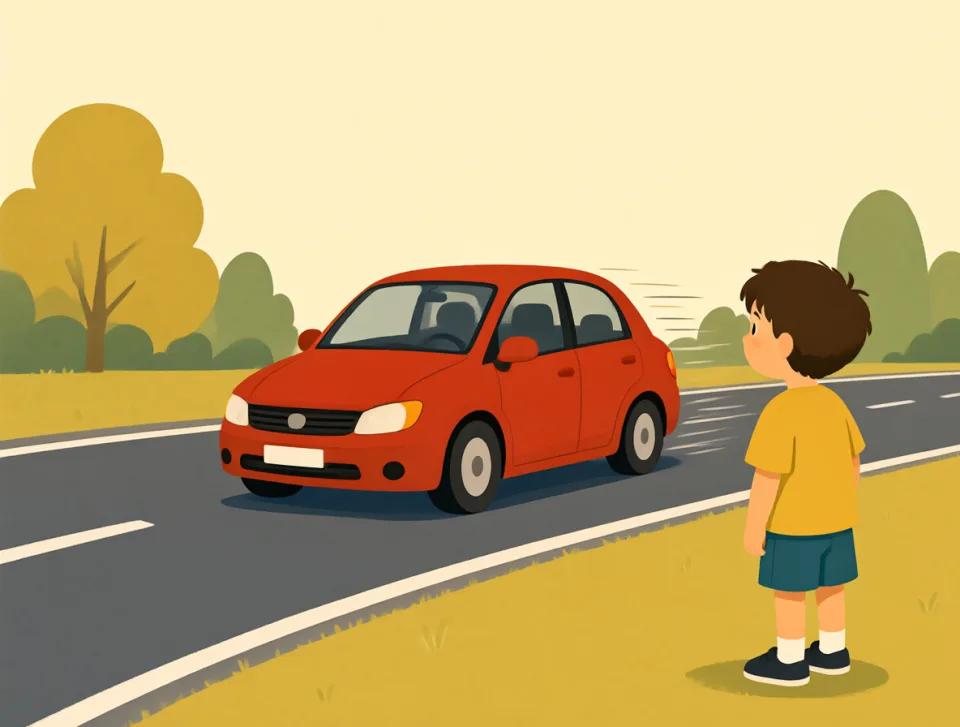
That car is very fast.
Ese auto es muy rápido.
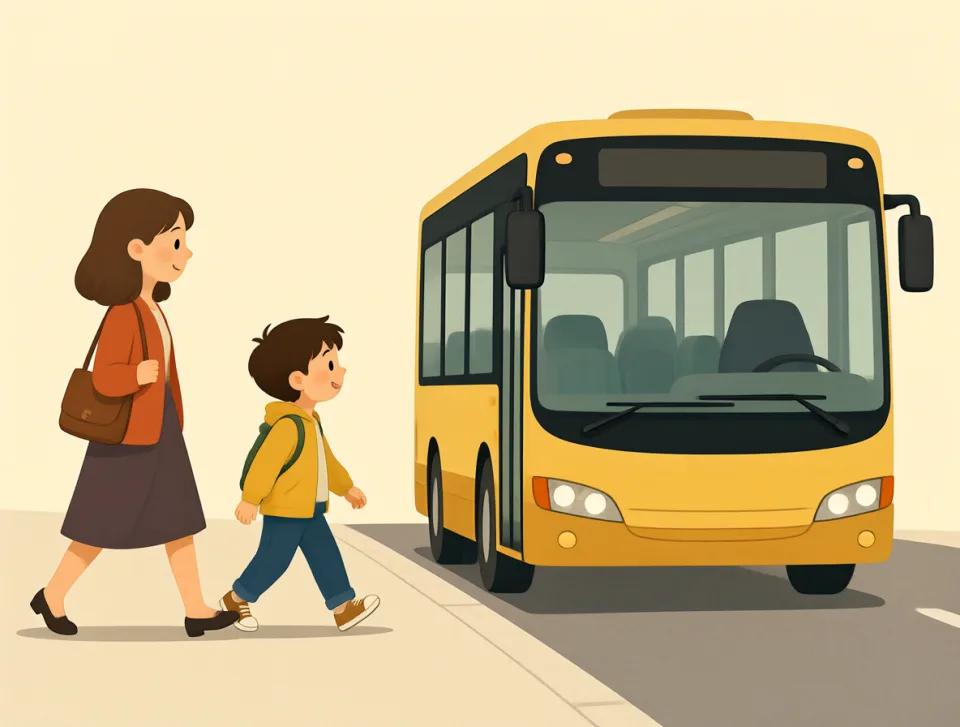
Please walk fast; the bus is here.
Camina rápido, por favor; el autobús ya está aquí.

She runs fast every morning.
Ella corre rápido todas las mañanas.
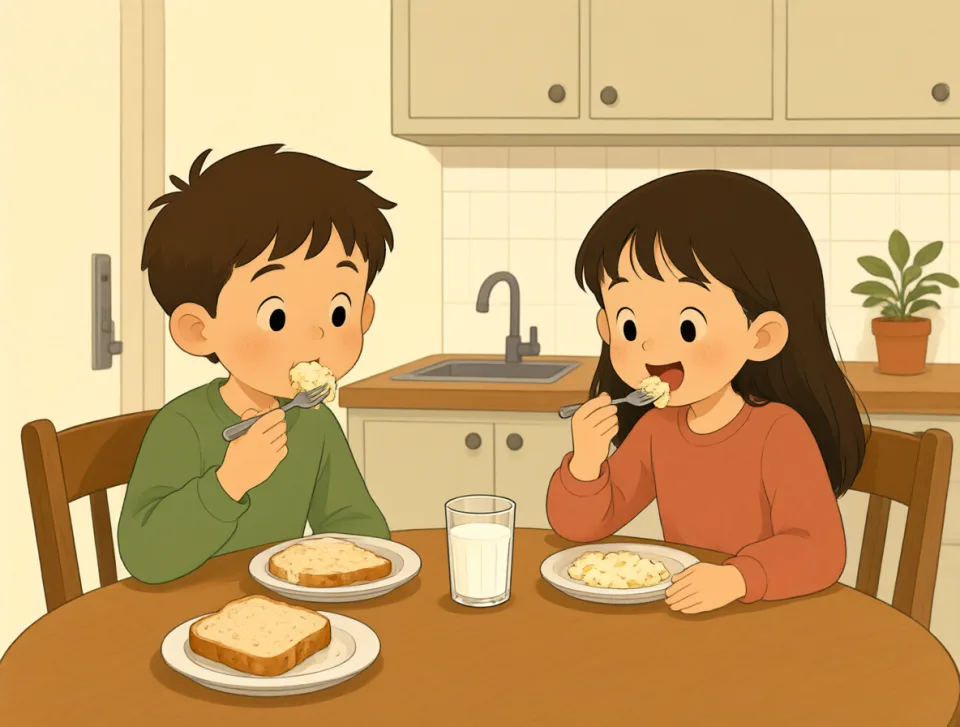
We ate fast before school.
Comimos rápido antes de ir a la escuela.
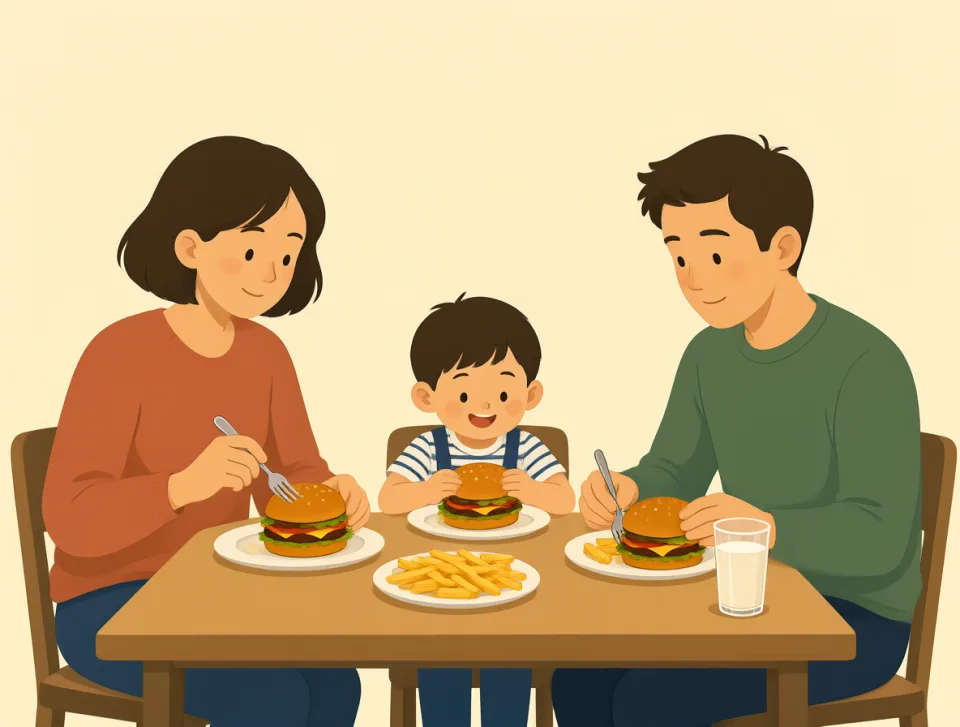
The store sells fast food.
La tienda vende comida rápida.
attack
#632noun, verb
ataque; atacar
to try to hurt someone, damage something, or defeat an opponent
intentar hacerle daño a alguien, dañar algo o derrotar a un oponente
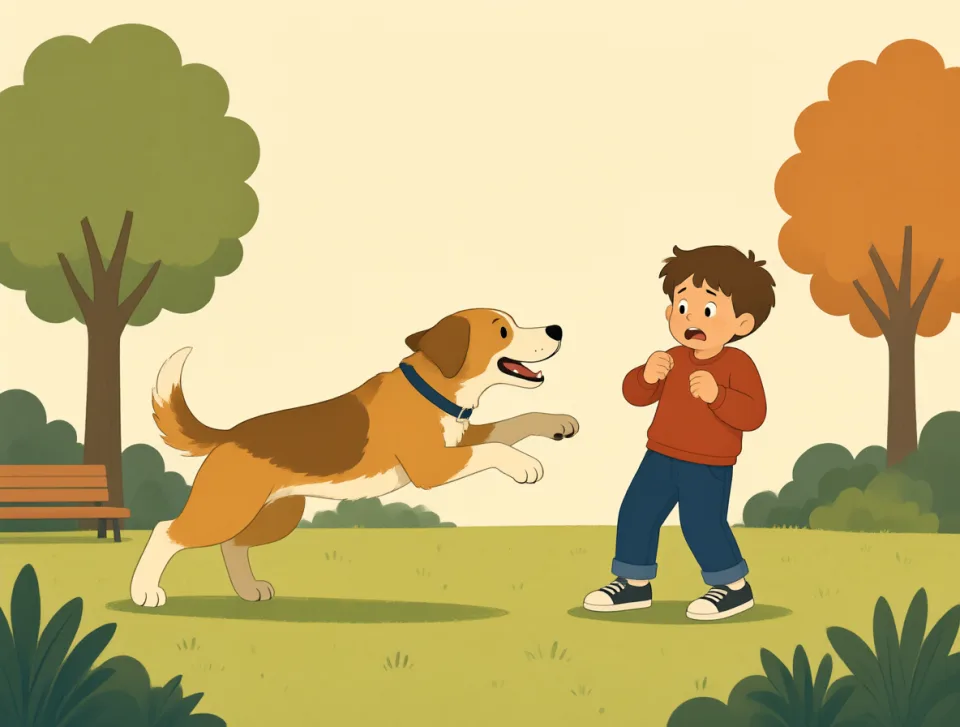
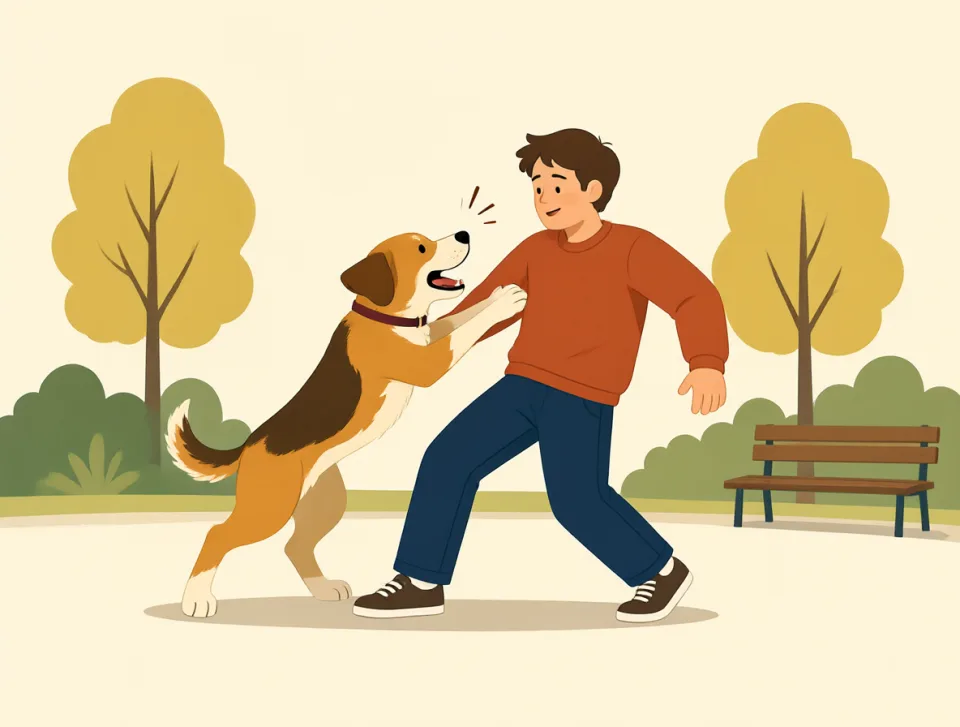
The dog attacked the boy in the park.
El perro atacó al niño en el parque.
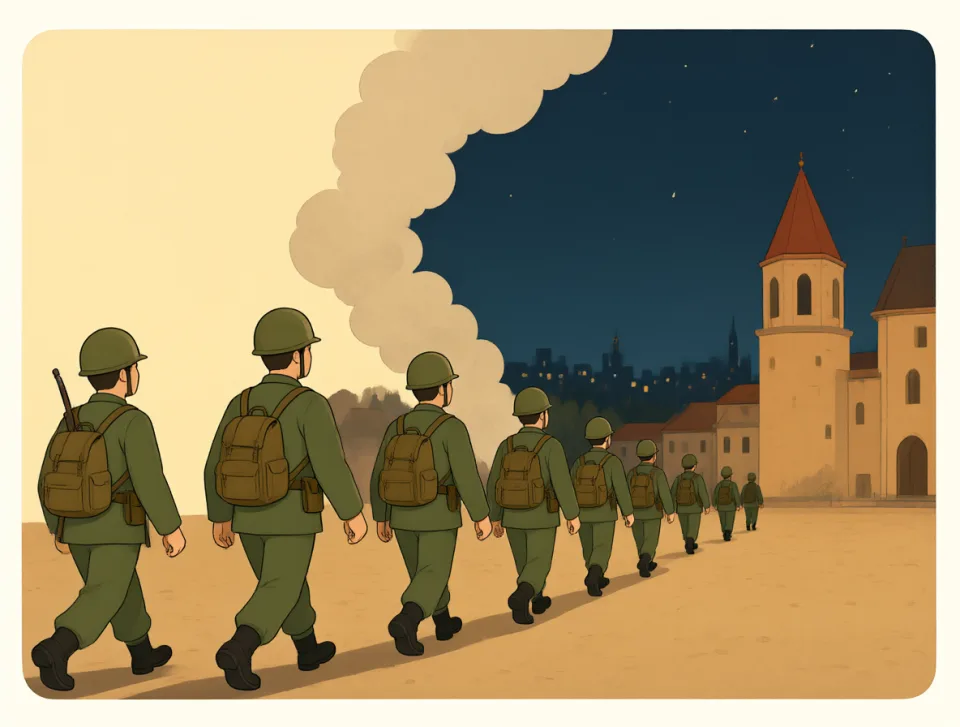
The army attacked the city at night.
El ejército atacó la ciudad por la noche.
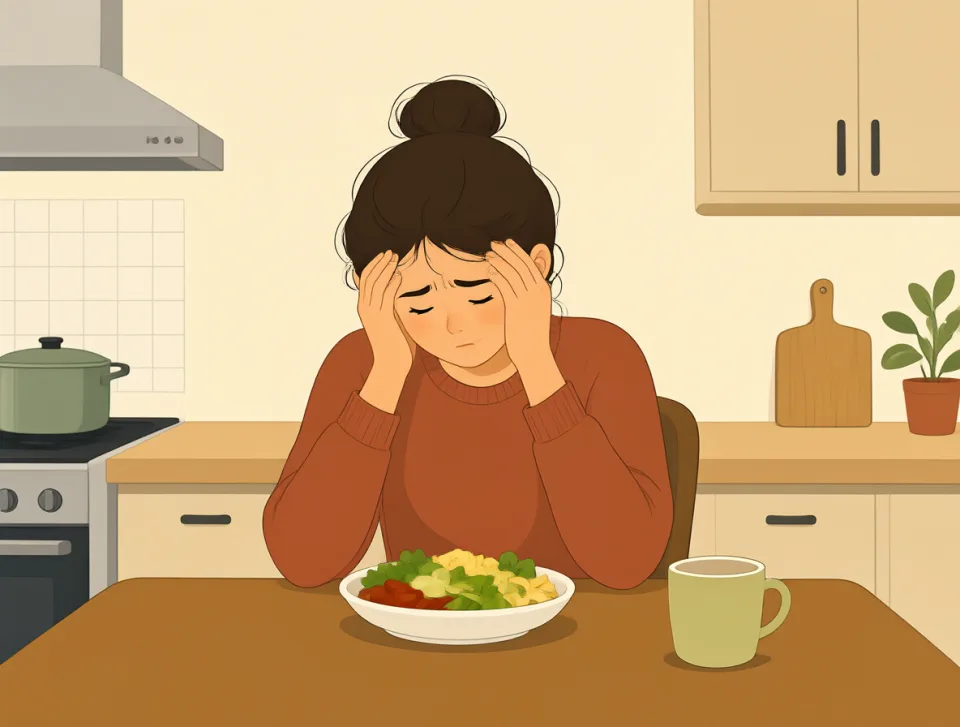
The headache attacked me after lunch.
El dolor de cabeza me atacó después de almorzar.
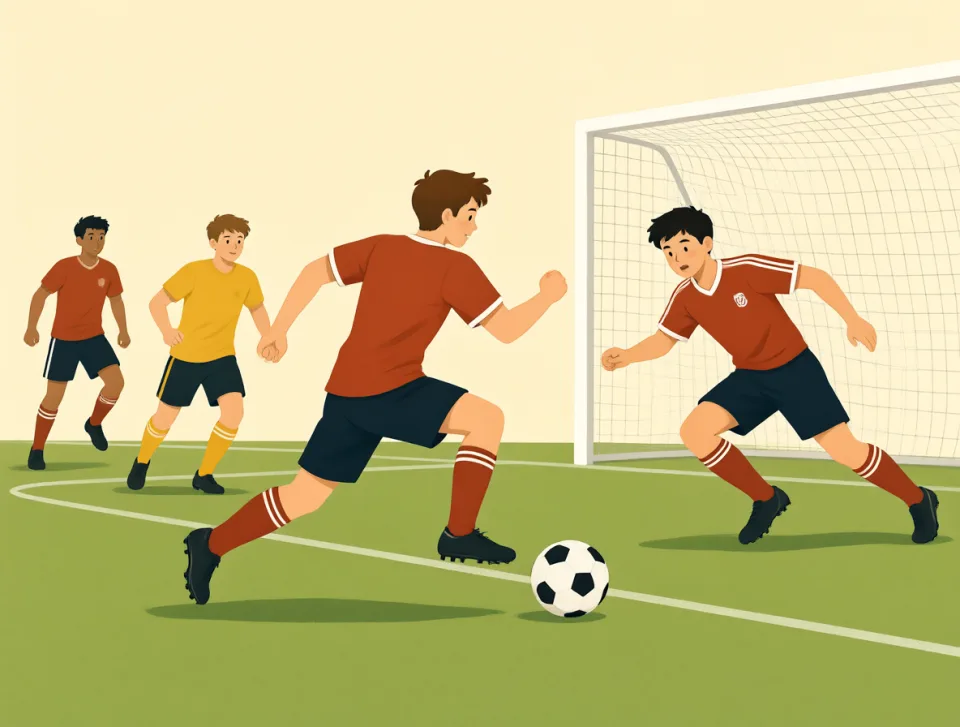
The team attacked early in the game.
El equipo atacó desde el principio del partido.
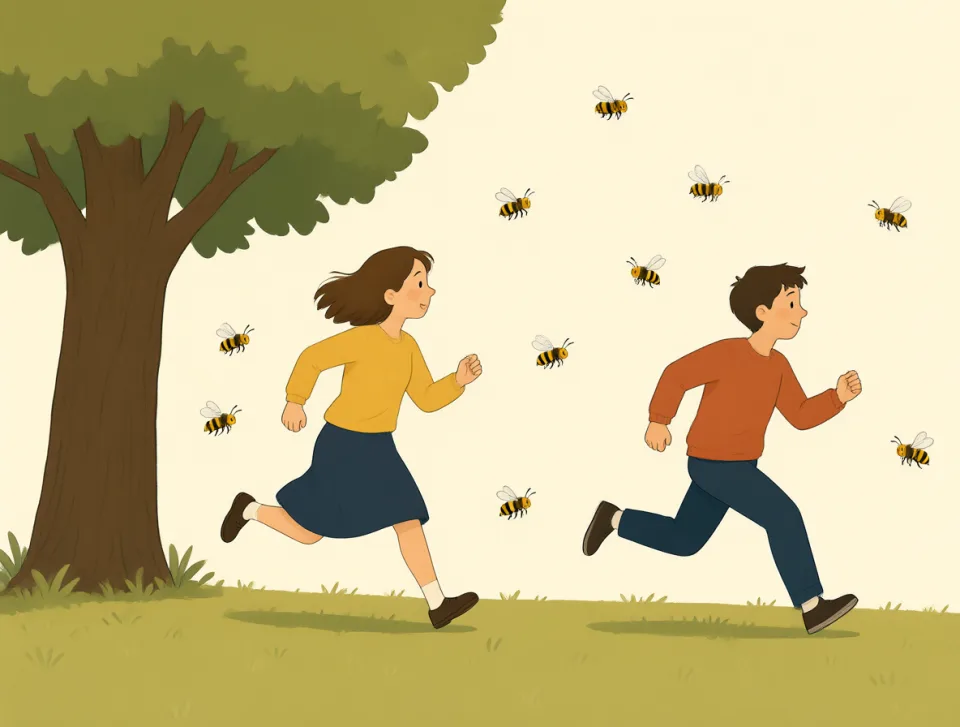
The bees attacked us near the tree.
Las abejas nos atacaron cerca del árbol.
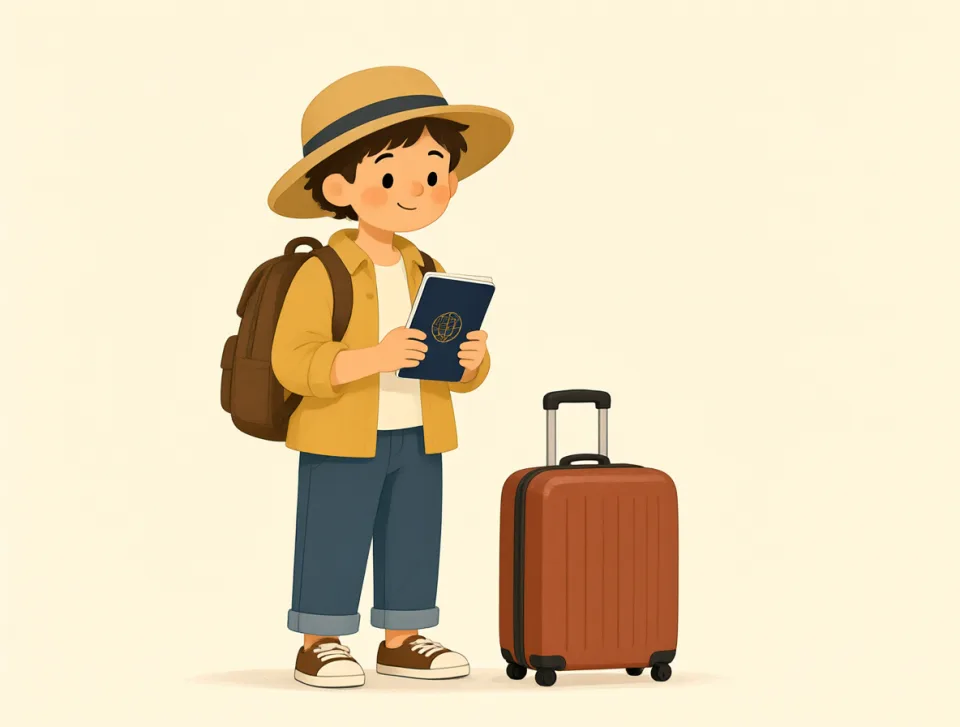
foreign
#633adjective
extranjero; foráneo
from or connected with a country that is not your own
de o relacionado con un país que no es el propio

She speaks two foreign languages at work.
Habla dos idiomas extranjeros en el trabajo.

We met some foreign students at school.
Conocimos a algunos estudiantes extranjeros en la escuela.
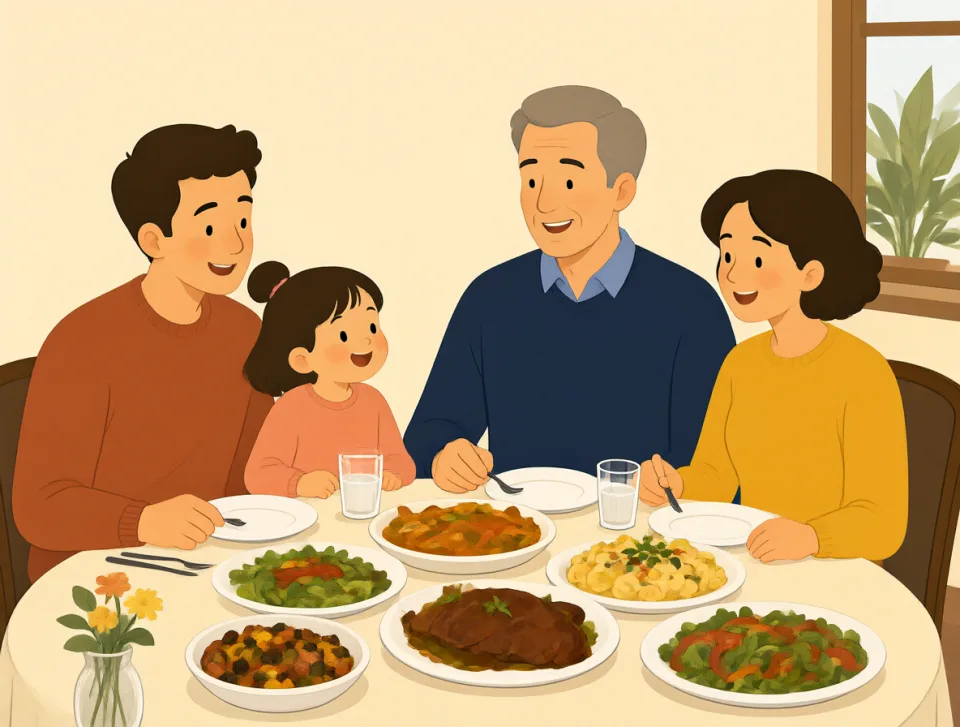
This restaurant serves delicious foreign food.
Este restaurante sirve deliciosa comida extranjera.
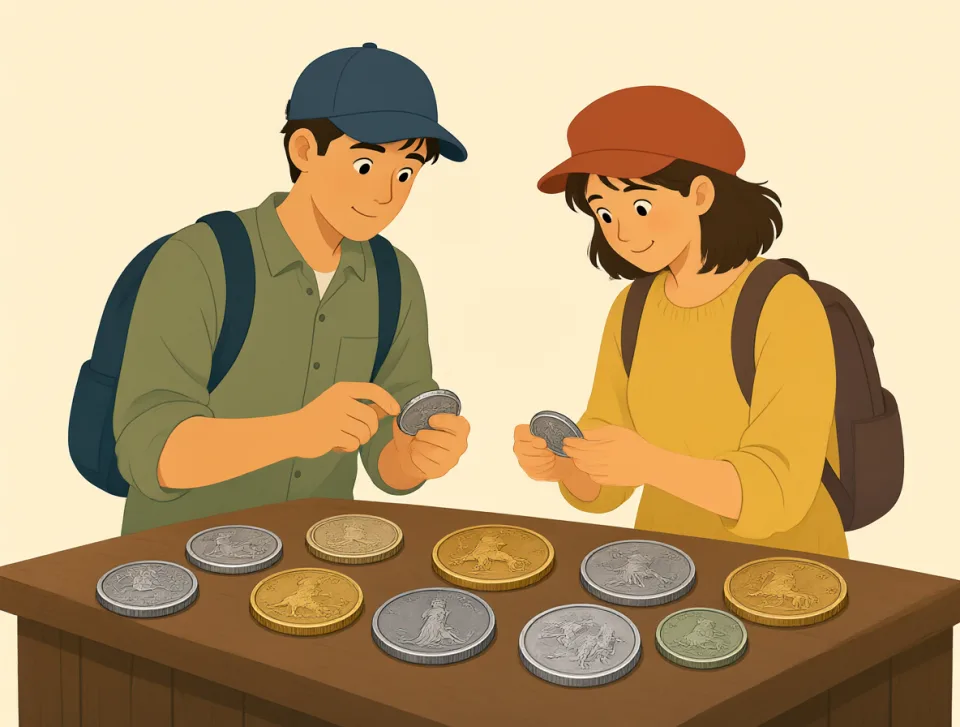
He bought foreign coins while traveling.
Compró monedas extranjeras mientras viajaba.

The doctor asked about foreign travel.
El médico preguntó sobre los viajes al extranjero.

surprise
#634noun, verb
sorpresa; sorprender
An unexpected event or feeling; to make someone feel surprised.
Un acontecimiento o sentimiento inesperado; hacer que alguien se sorprenda.
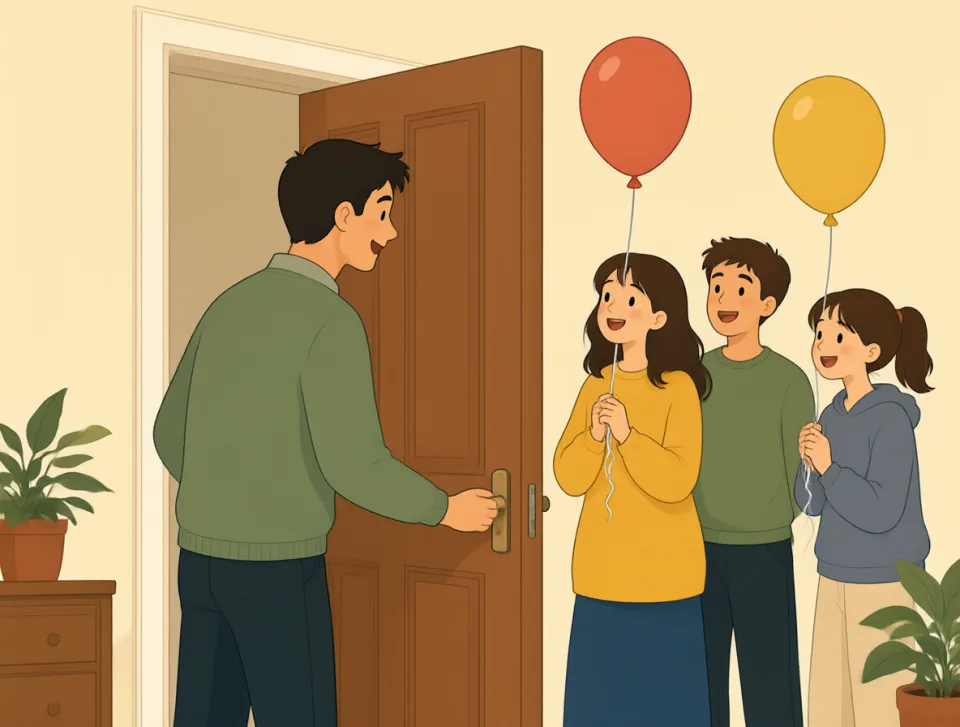
The party was a big surprise for Dad.
La fiesta fue una gran sorpresa para papá.
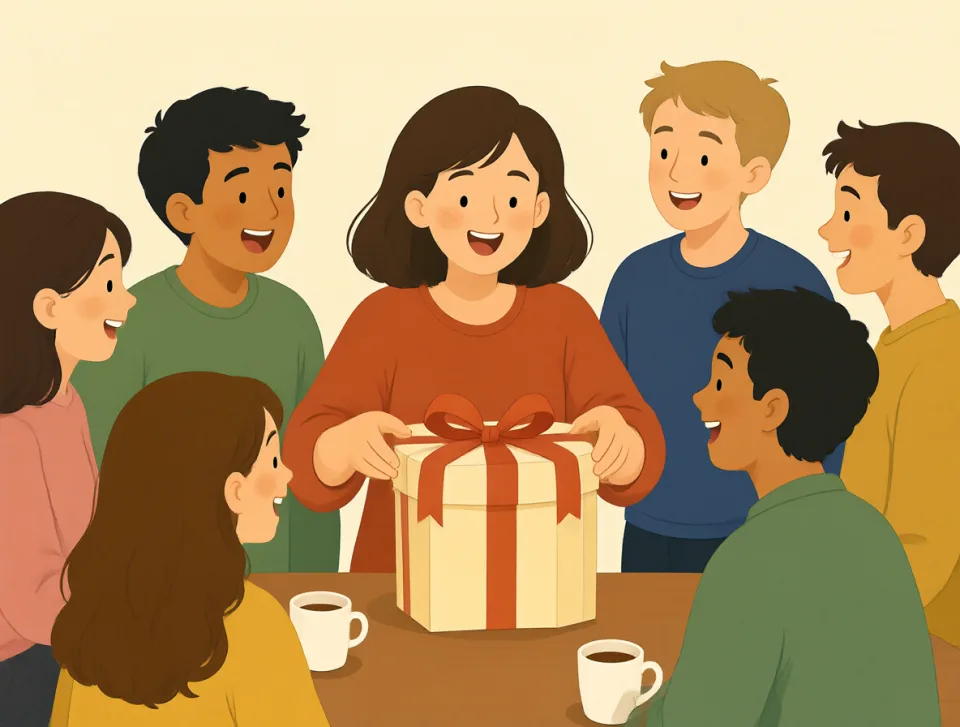
Her birthday surprise made everyone happy.
La sorpresa de cumpleaños de ella hizo felices a todos.
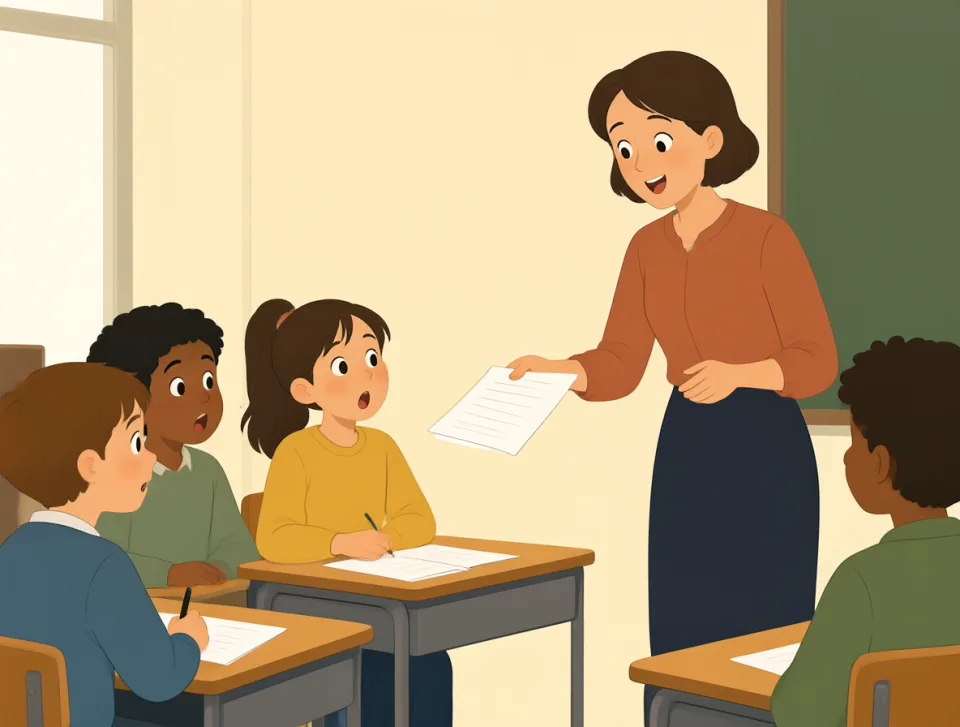
The teacher surprised us with a short quiz.
El profesor nos sorprendió con un examen corto.

I was surprised by the high hotel price.
Me sorprendió lo caro que era el hotel.
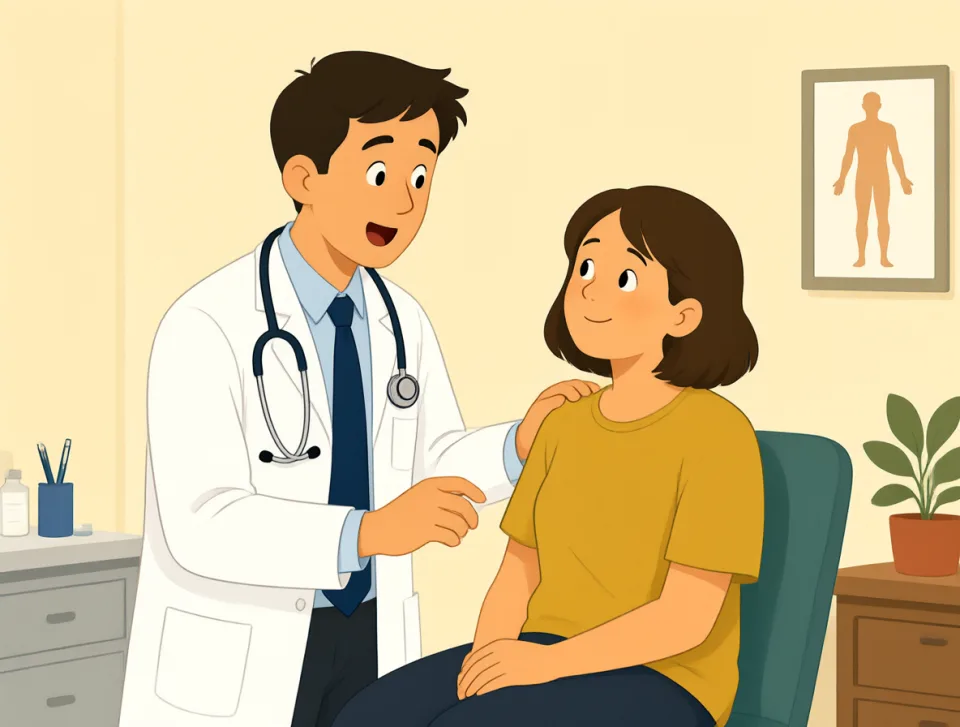
The doctor was surprised by my quick recovery.
Al médico le sorprendió que me recuperara tan rápido.
feature
#635noun, verb
característica; contar con; incluir
an important part or quality of something; to have or include something as an important part
una parte o cualidad importante de algo; tener o incluir algo como parte importante

The hotel has a swimming pool as its best feature.
El hotel tiene una piscina como su mejor característica.
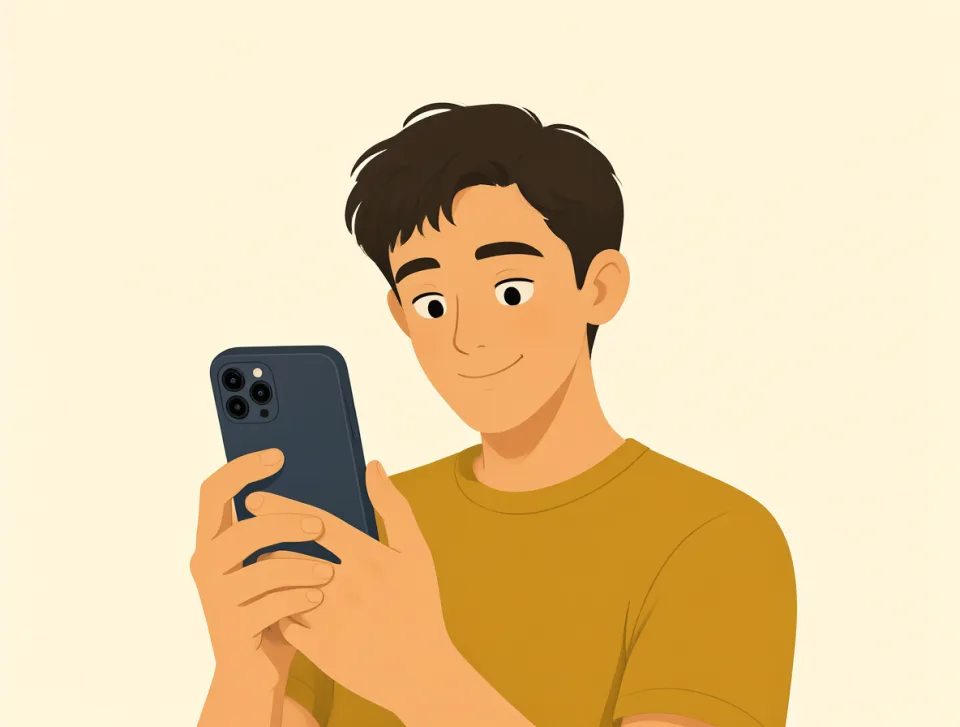
The phone features a very good camera.
El teléfono cuenta con una cámara muy buena.

This jacket features warm pockets for cold days.
Esta chaqueta tiene bolsillos abrigados para los días fríos.
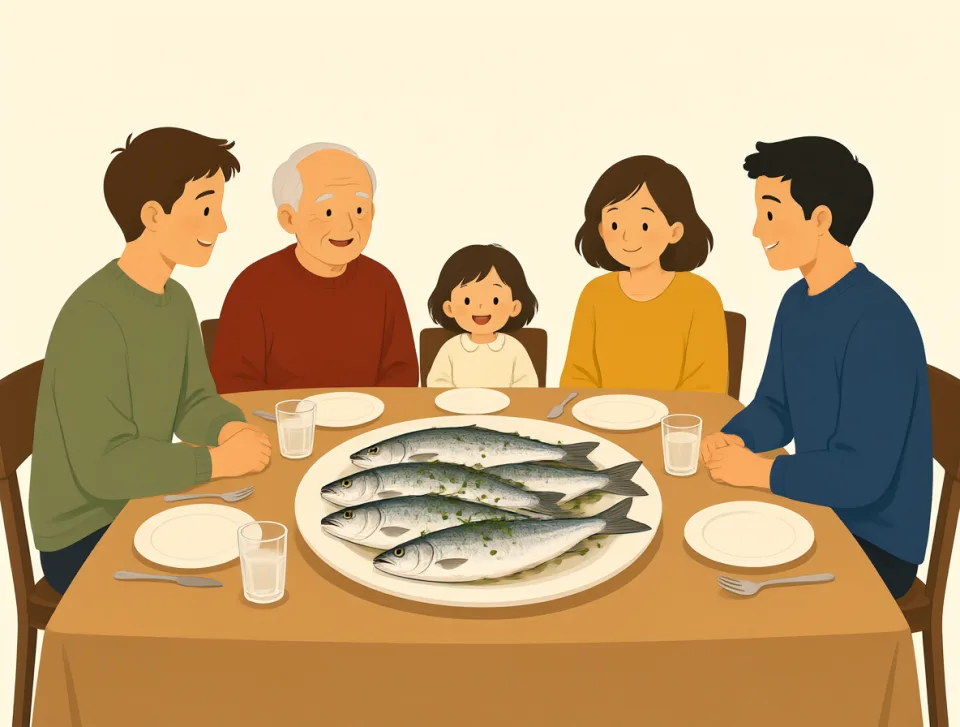
The main feature of the meal was fresh fish.
La característica principal de la comida era el pescado fresco.

Her eyes are her most beautiful feature.
Sus ojos son su rasgo más hermoso.
factor
#636noun
factor
A fact or situation that influences a result or decision.
Un hecho o una situación que influye en un resultado o una decisión.
Cost was the main factor in our choice.
El costo fue el factor principal en nuestra elección.
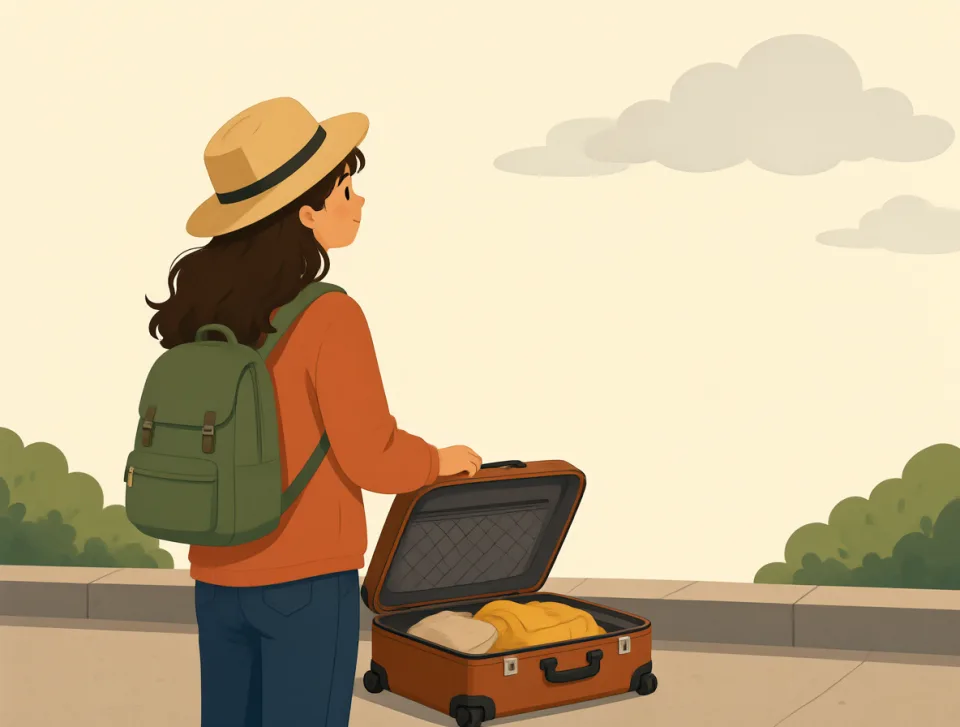
Weather is an important factor when planning trips.
El clima es un factor importante al planear viajes.
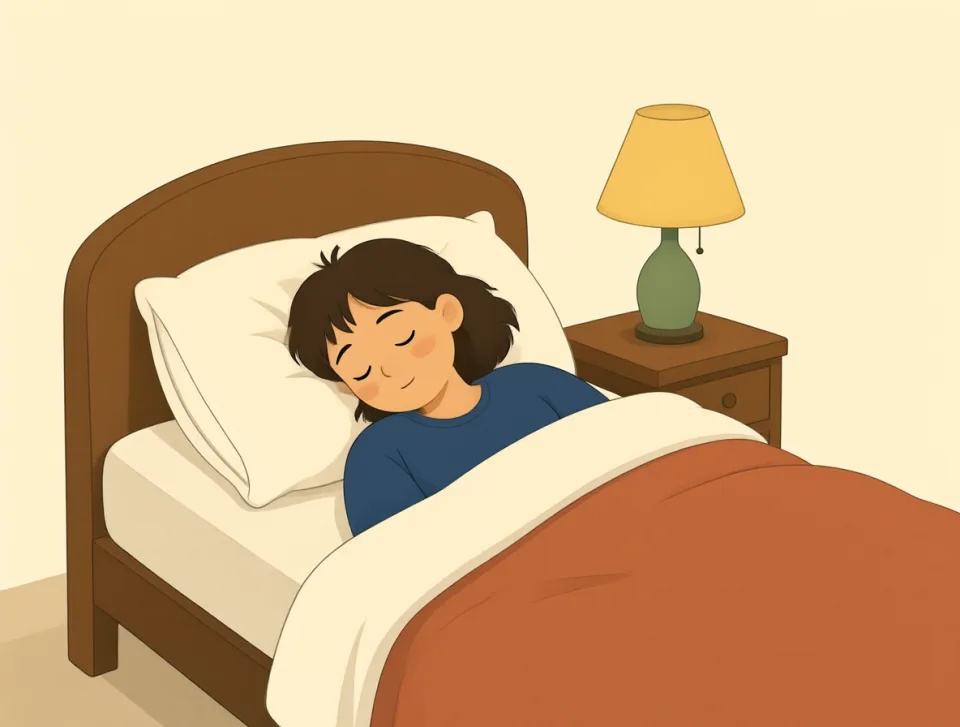
Sleep is a key factor in good health.
Dormir bien es un factor clave para tener buena salud.
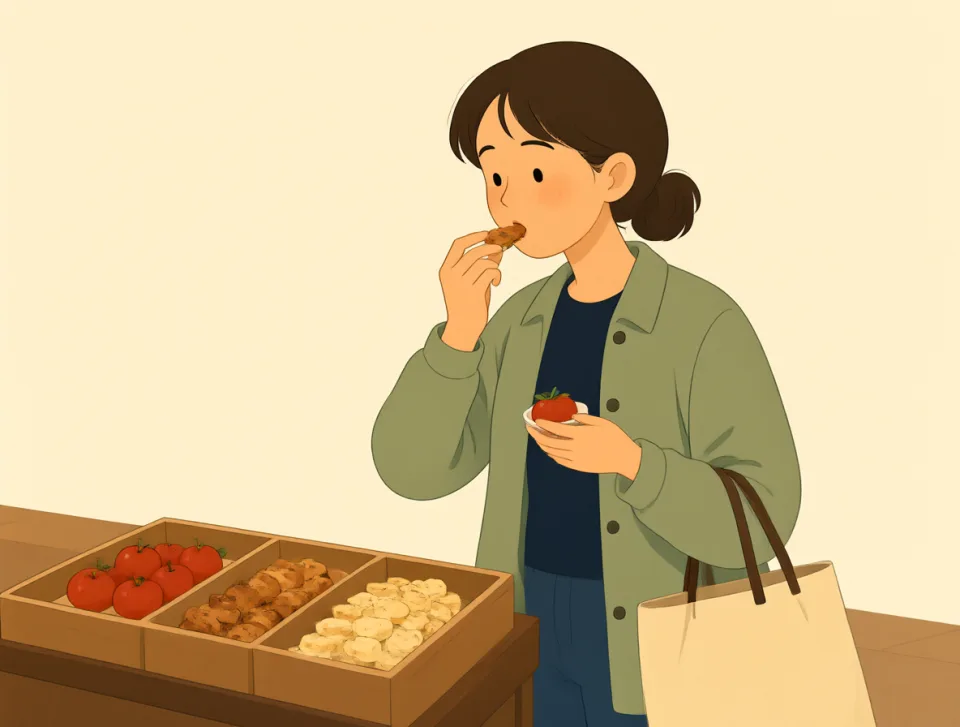
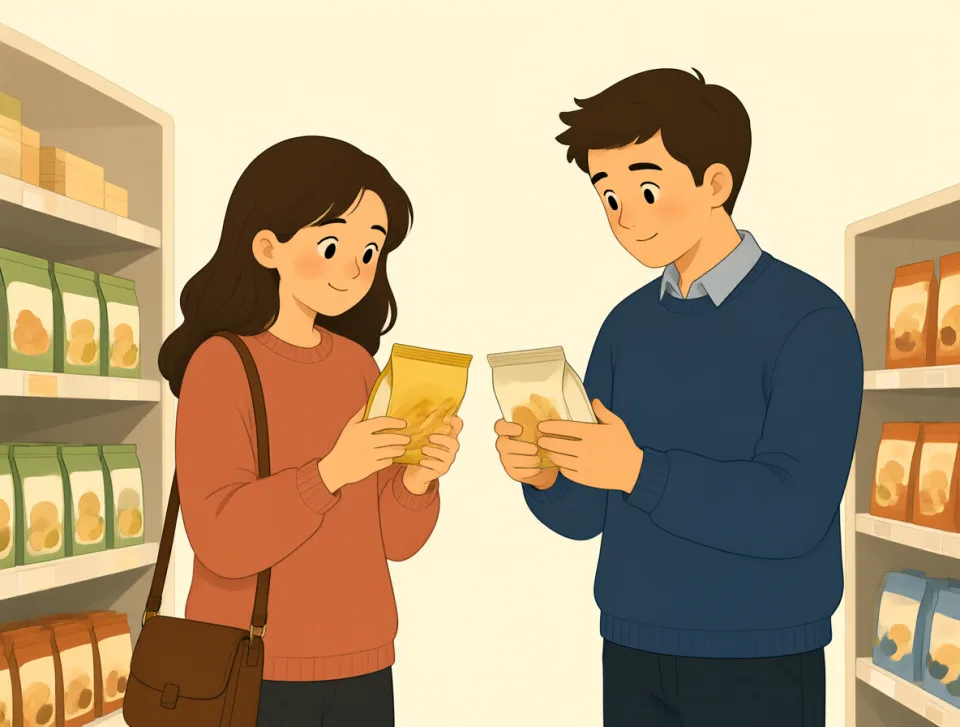
Taste is a big factor when choosing food.
El sabor es un factor importante al elegir la comida.
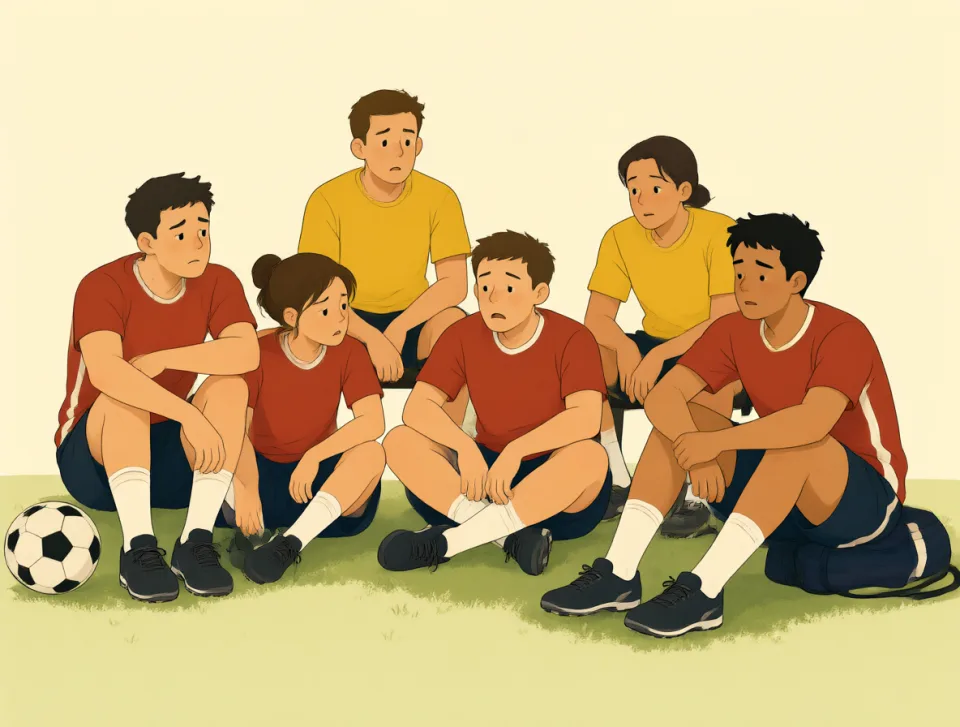
Several factors caused the team’s loss.
Varios factores causaron la derrota del equipo.

pretty
#637adjective, adverb
bonito/a; bastante
attractive or pleasing to look at; fairly or quite
atractivo o agradable a la vista; bastante o muy
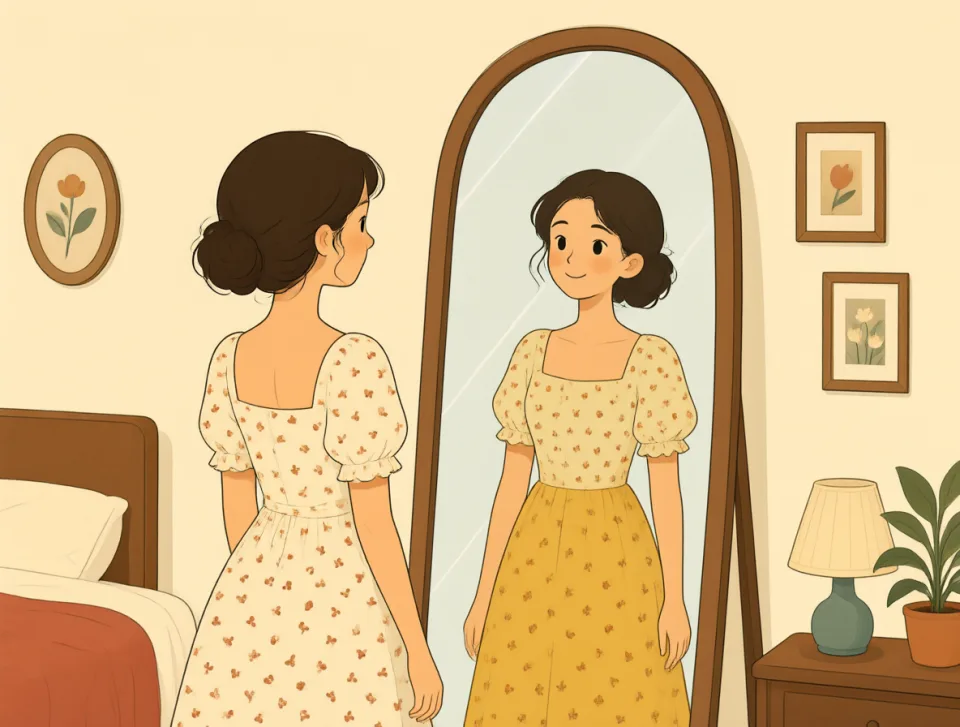
She wore a pretty dress to the party.
Llevaba un vestido bonito a la fiesta.

What a pretty garden you have!
¡Qué jardín tan bonito tienes!

The shop is pretty busy today.
La tienda está bastante concurrida hoy.
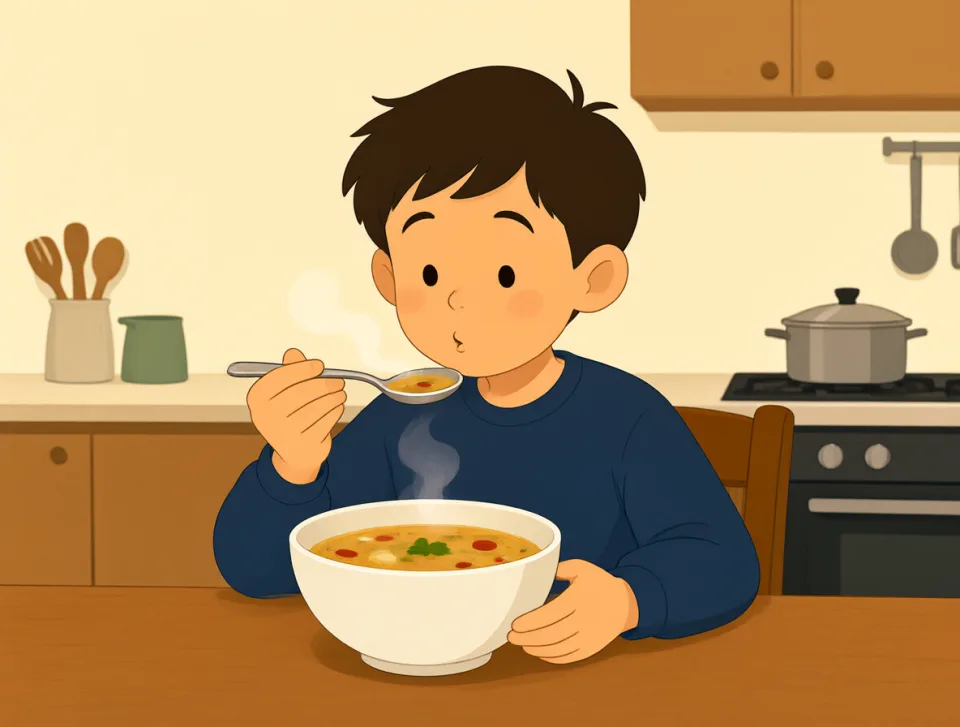
This soup is pretty hot.
Esta sopa está bastante caliente.

I am pretty sure he is coming.
Estoy bastante seguro de que viene.

recently
#638adverb
recientemente; últimamente
A short time ago; not long before now.
Hace poco; no mucho antes de ahora.
I recently moved to a new apartment.
Recientemente me mudé a un departamento nuevo.

Have you seen Maria recently?
¿Has visto a Maria últimamente?
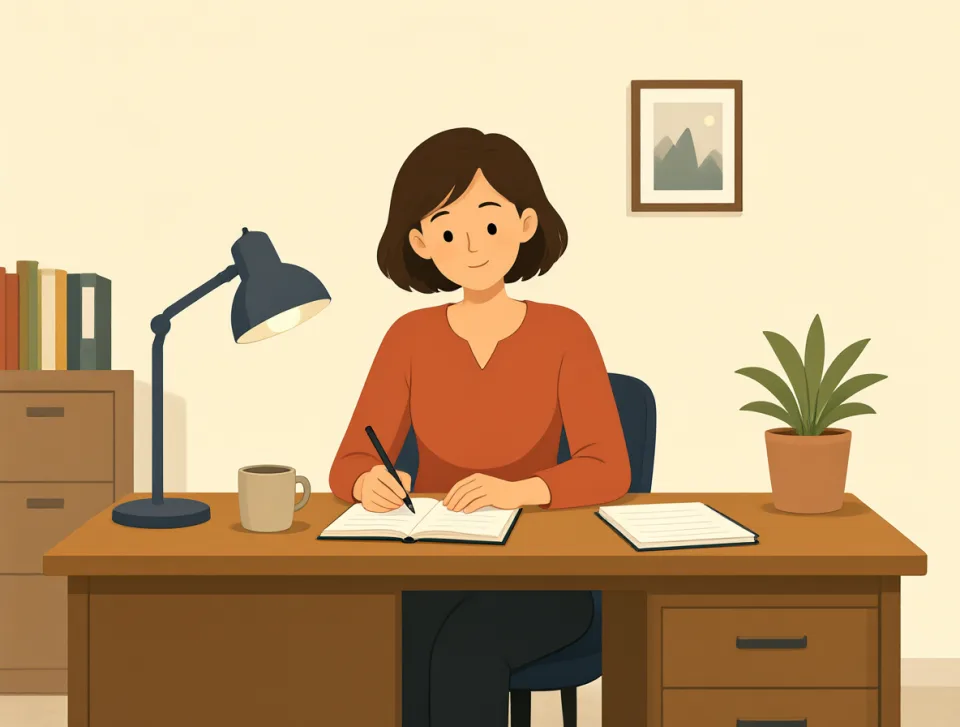
She recently started a new job.
Recientemente empezó un trabajo nuevo.
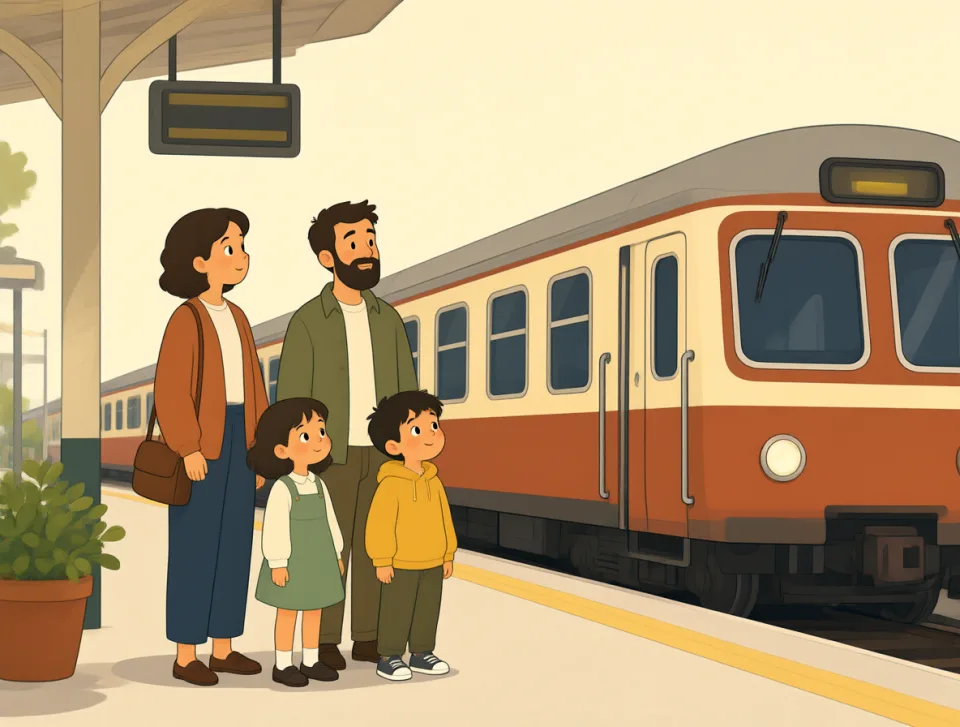
We recently visited London by train.
Recientemente viajamos a Londres en tren.

He has been feeling tired recently.
Últimamente se ha estado sintiendo cansado.
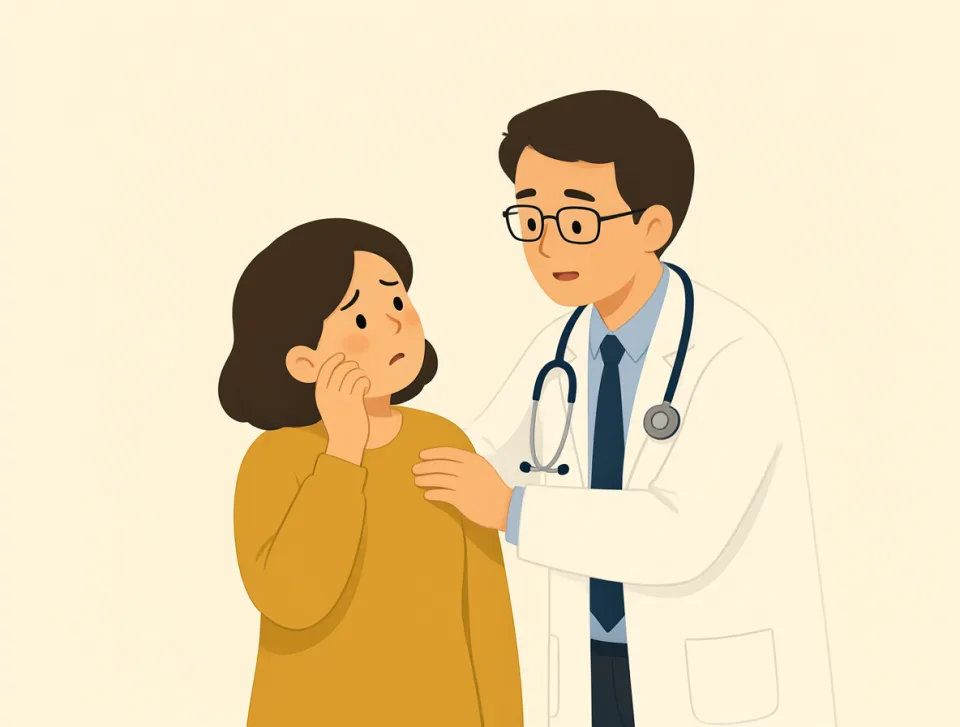
affect
#639verb, noun
afectar; afecto
to cause a change in someone or something; a feeling shown in the face
causar un cambio en alguien o algo; sentimiento que se muestra en el rostro
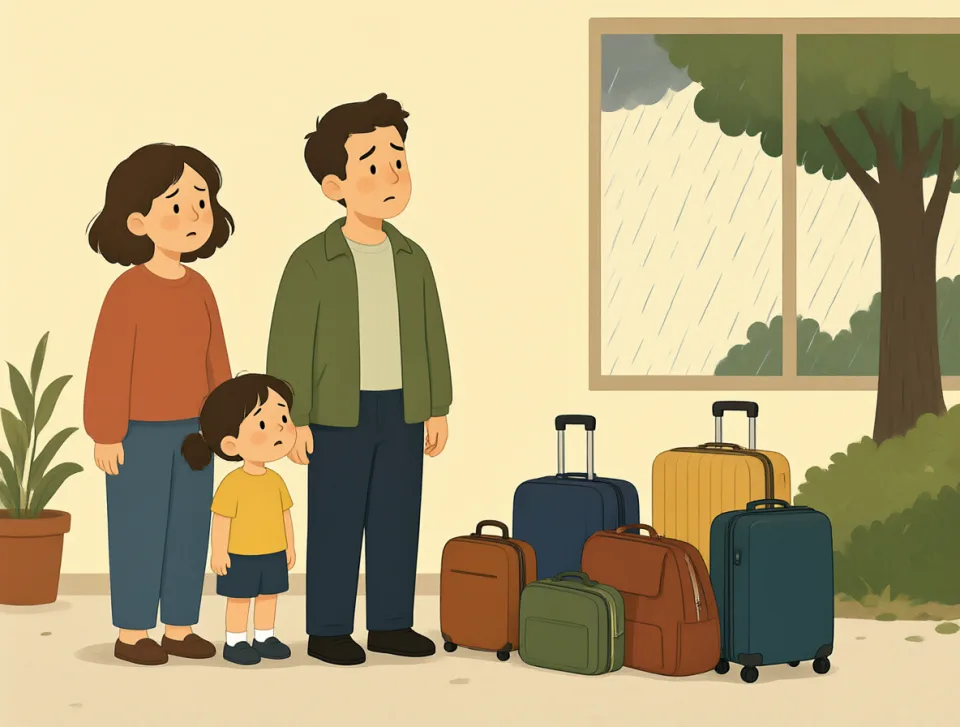
Rain can affect our travel plans.
La lluvia puede afectar nuestros planes de viaje.
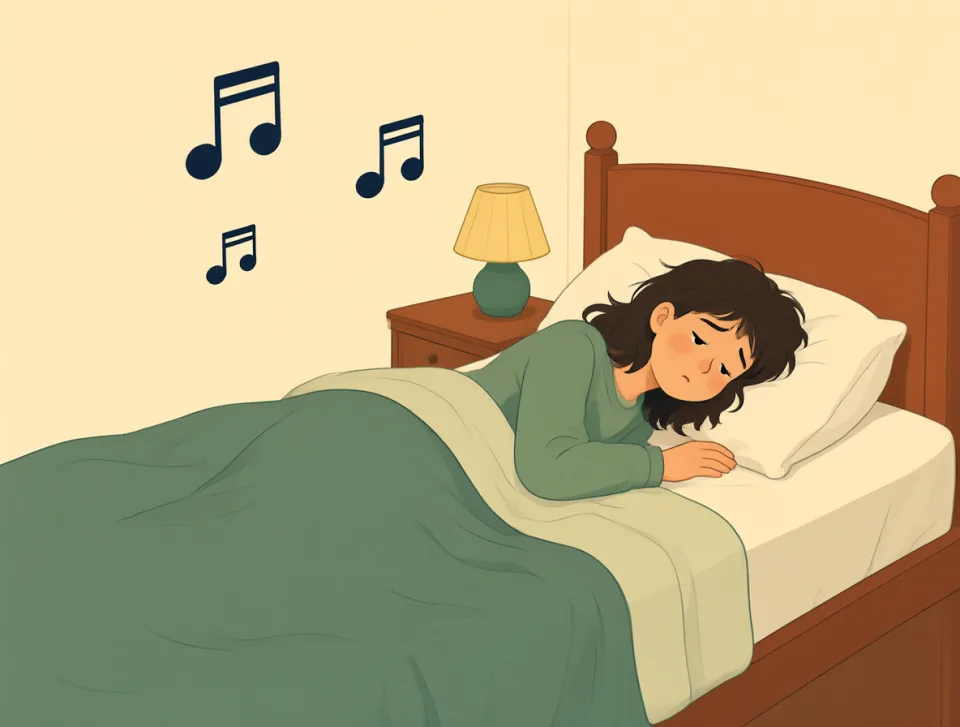
Loud music affected my sleep last night.
La música fuerte afectó mi sueño anoche.
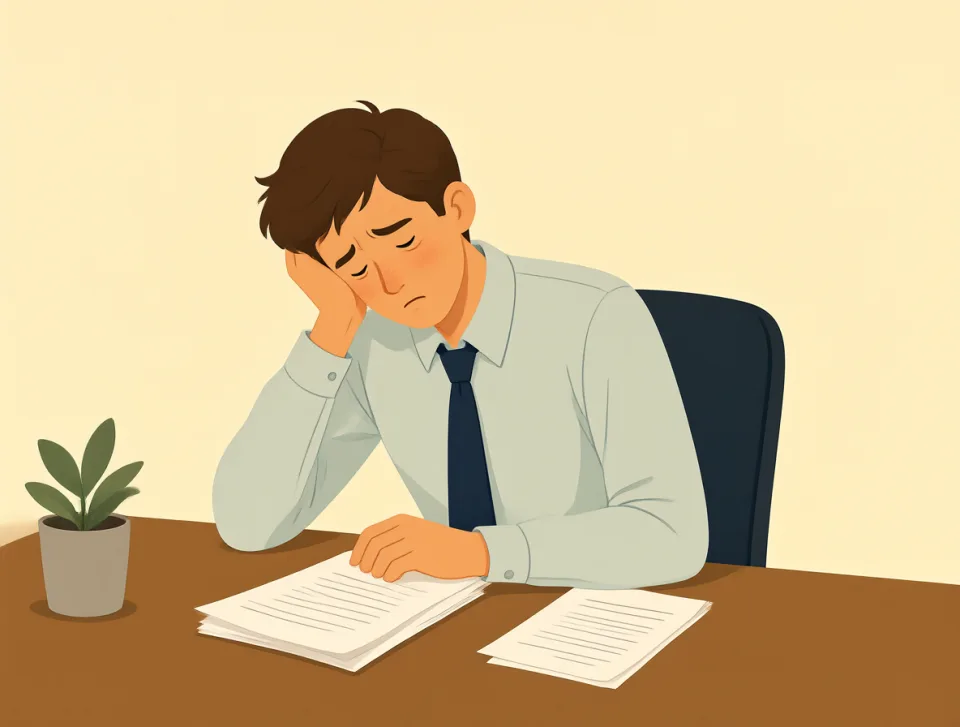
The illness affected his work.
La enfermedad afectó su trabajo.

The price change affected many shoppers.
El cambio de precio afectó a muchos compradores.
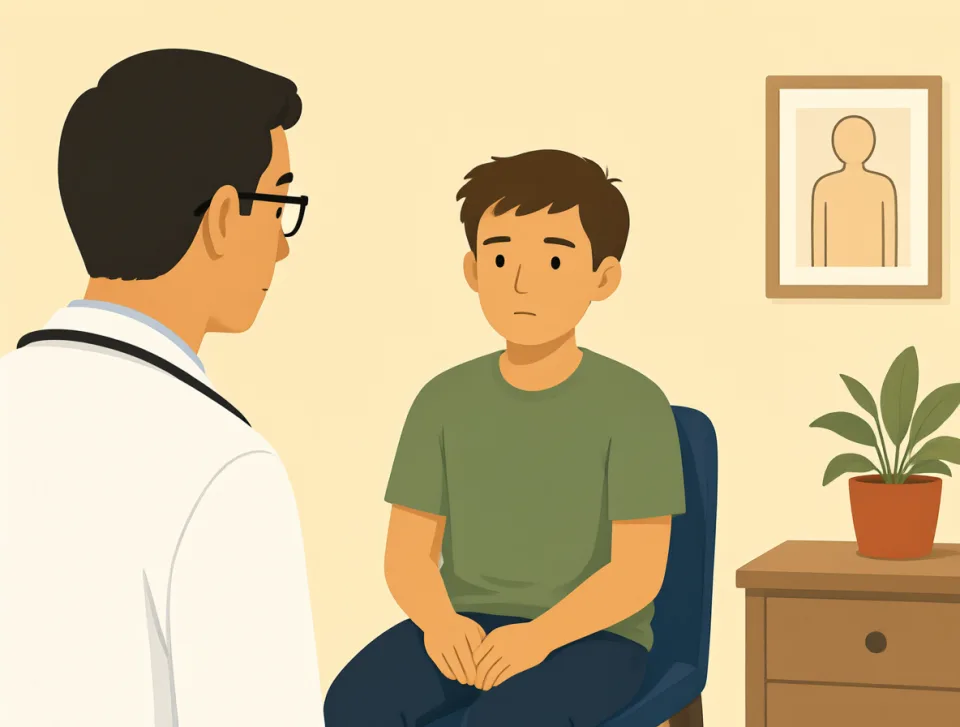
Her face showed little affect.
Su rostro mostraba poco afecto.
drop
#640verb, noun
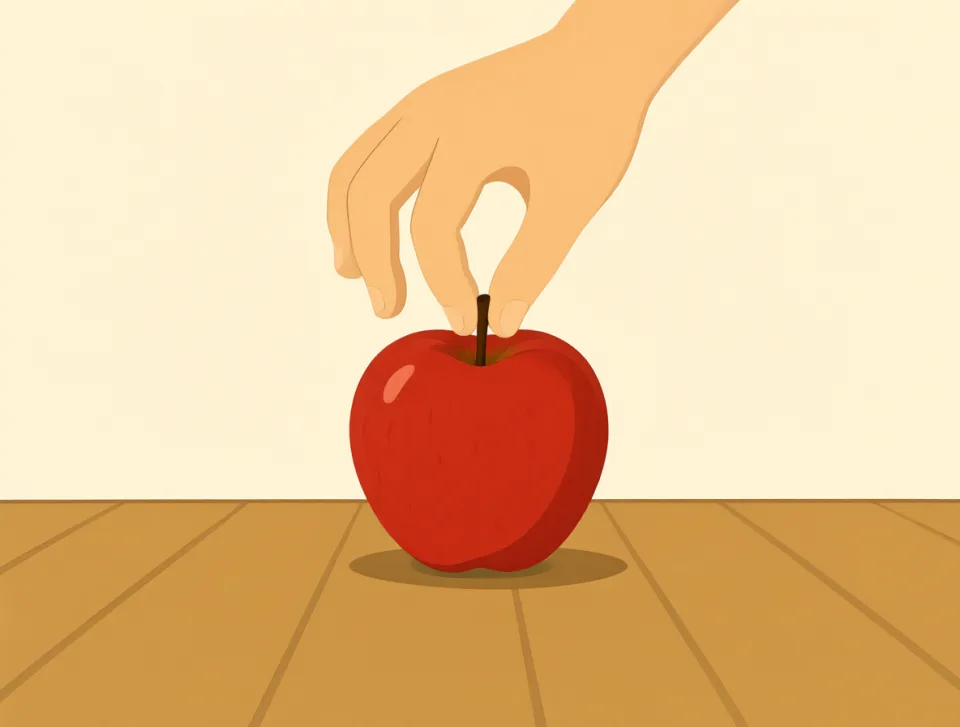
dejar caer; gota
To let something fall, or a small amount of liquid that falls.
Dejar que algo caiga, o una pequeña cantidad de líquido que cae.
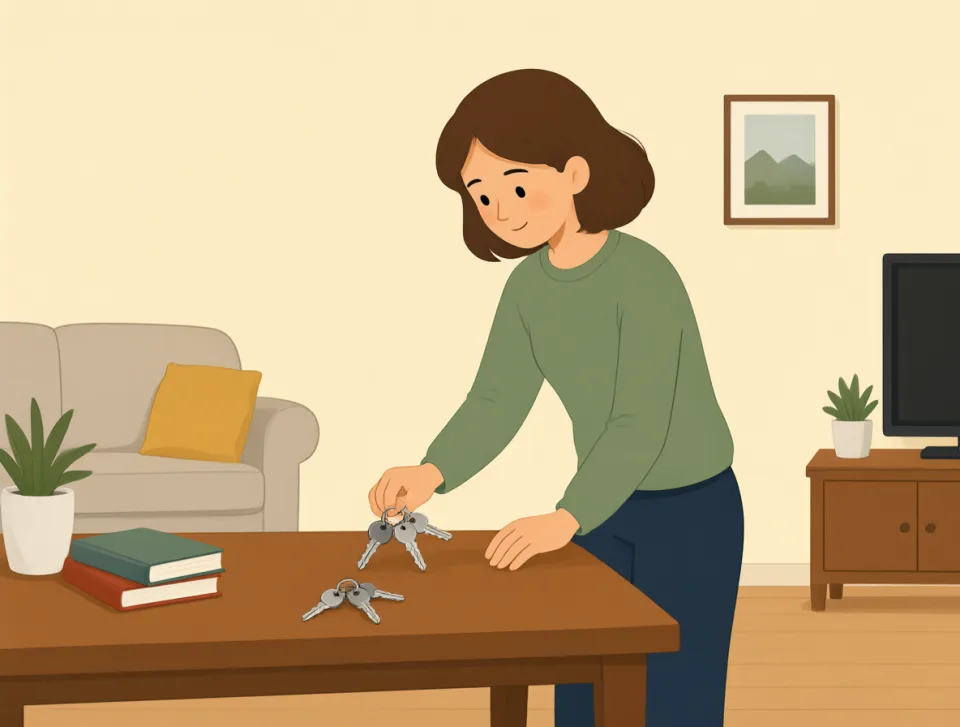
Please drop the keys on the table.
Por favor, deja caer las llaves sobre la mesa.
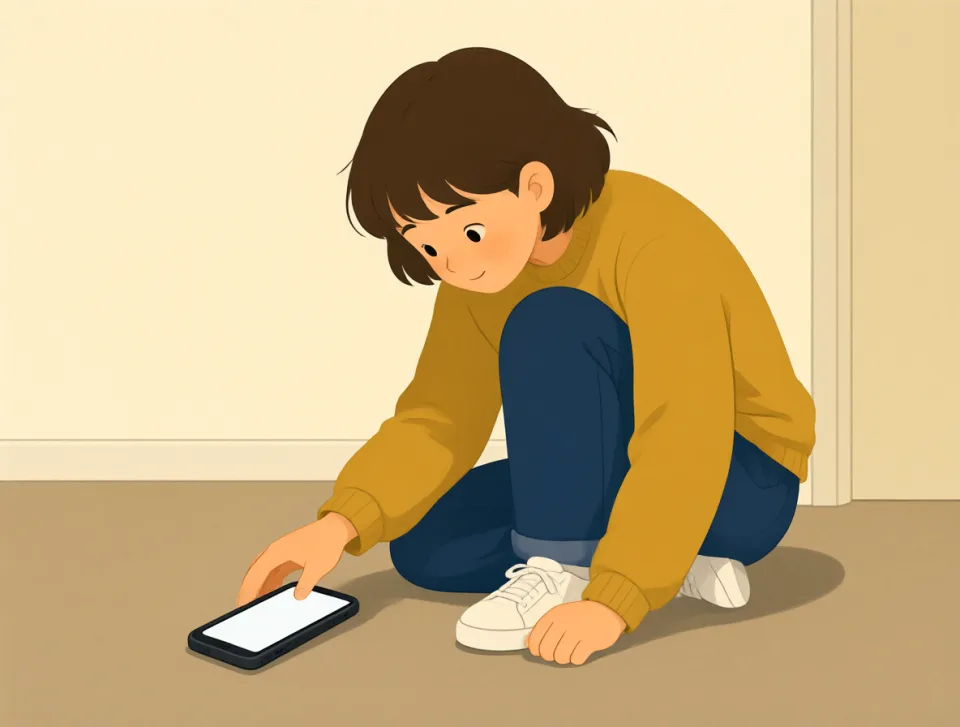
I dropped my phone on the floor.
Se me cayó el teléfono al suelo.
The price dropped after the sale began.
El precio bajó después de que comenzara la oferta.

She dropped out of school last year.
Dejó los estudios el año pasado.
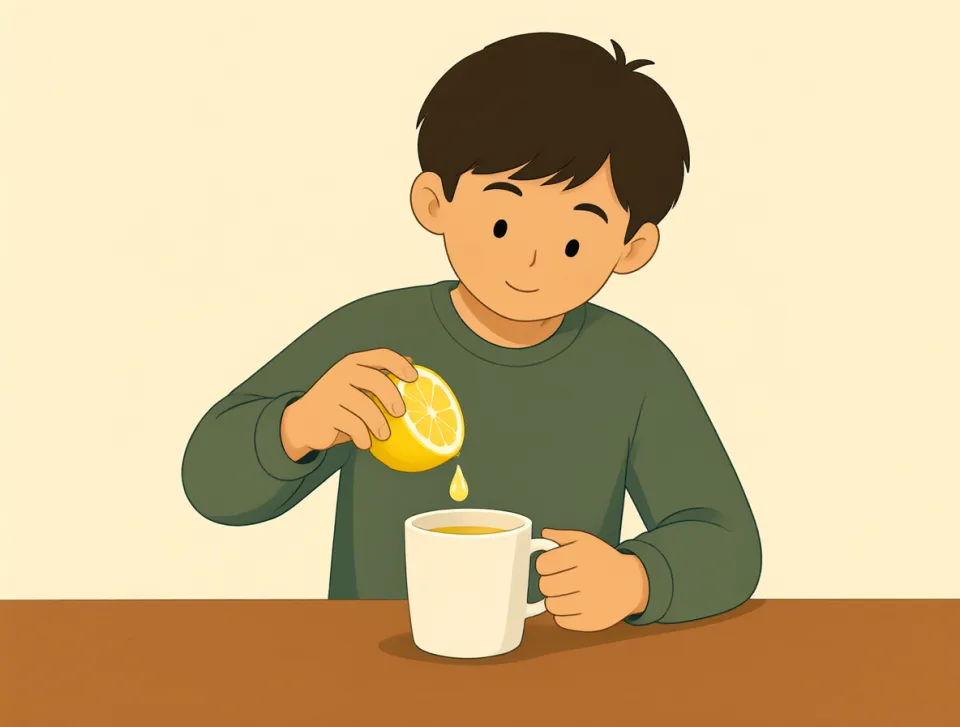
Add one drop of lemon juice.
Añade una gota de zumo de limón.