Блок 29
Слова 561–580 · accept, society, technology, mention, choice, save
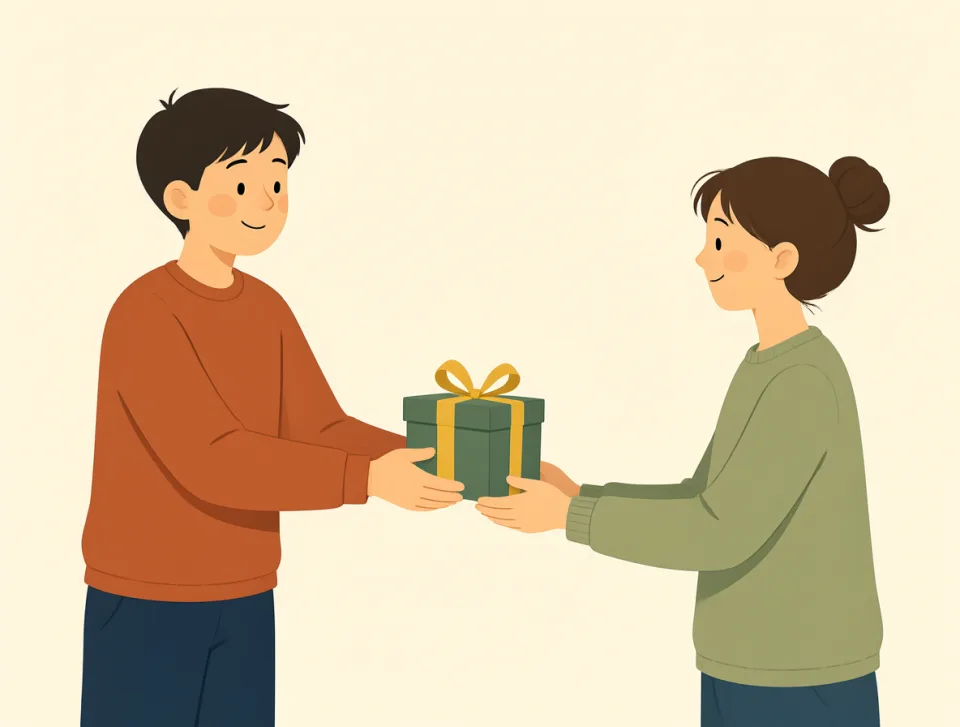
accept
#561verb
принимать; соглашаться
to agree to take something or agree that something is true
соглашаться взять что-либо или признавать что-либо правдой

She accepted the invitation to dinner.
Она приняла приглашение на ужин.
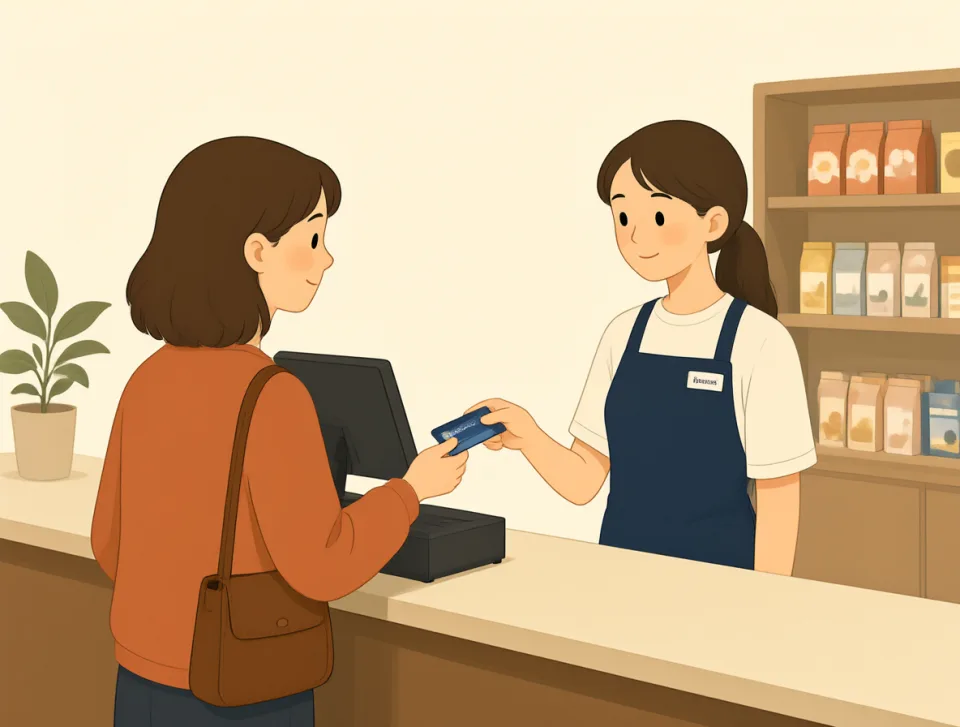
The store accepts credit cards.
Магазин принимает кредитные карты.

He accepted the job after the interview.
После собеседования он согласился на эту работу.
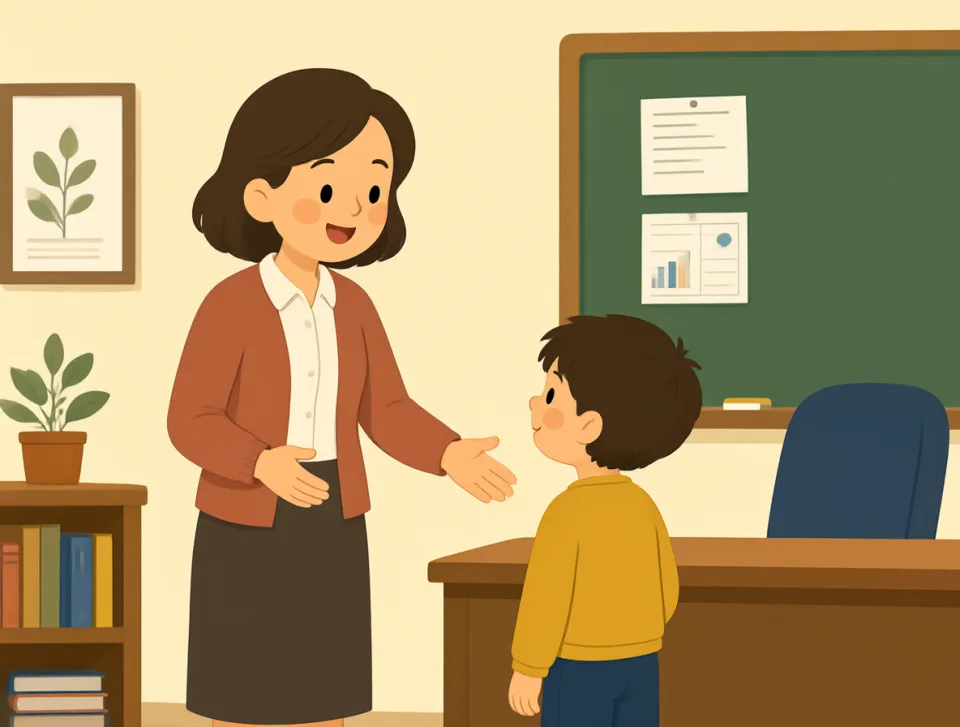
The school accepted my application.
Школа приняла мою заявку.
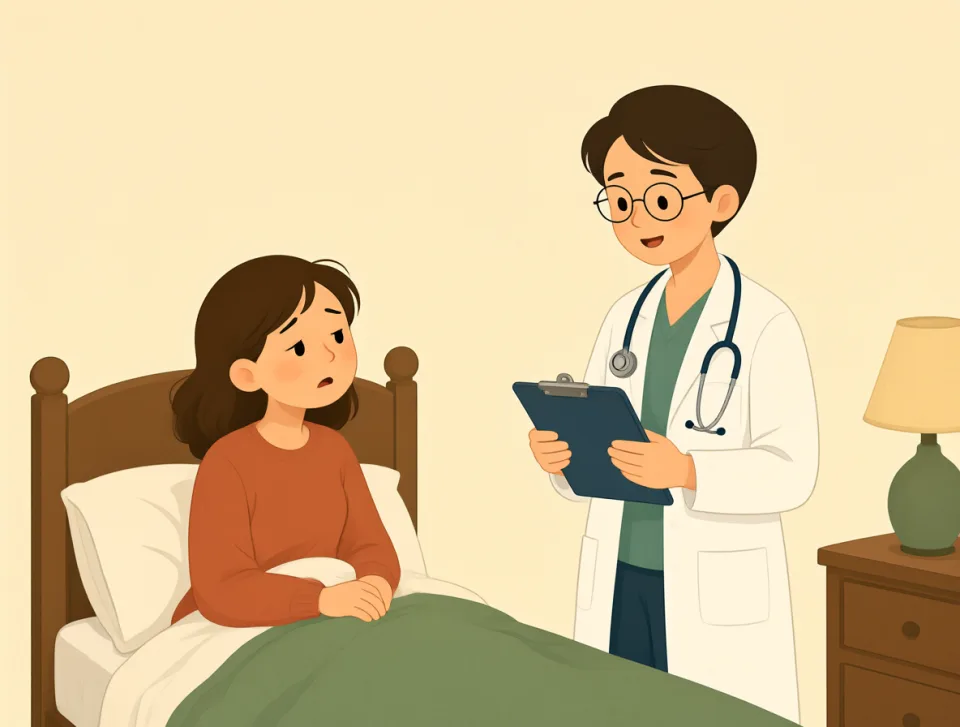
She accepted that she needed more rest.
Она признала, что ей нужно больше отдыхать.
society
#562noun
общество
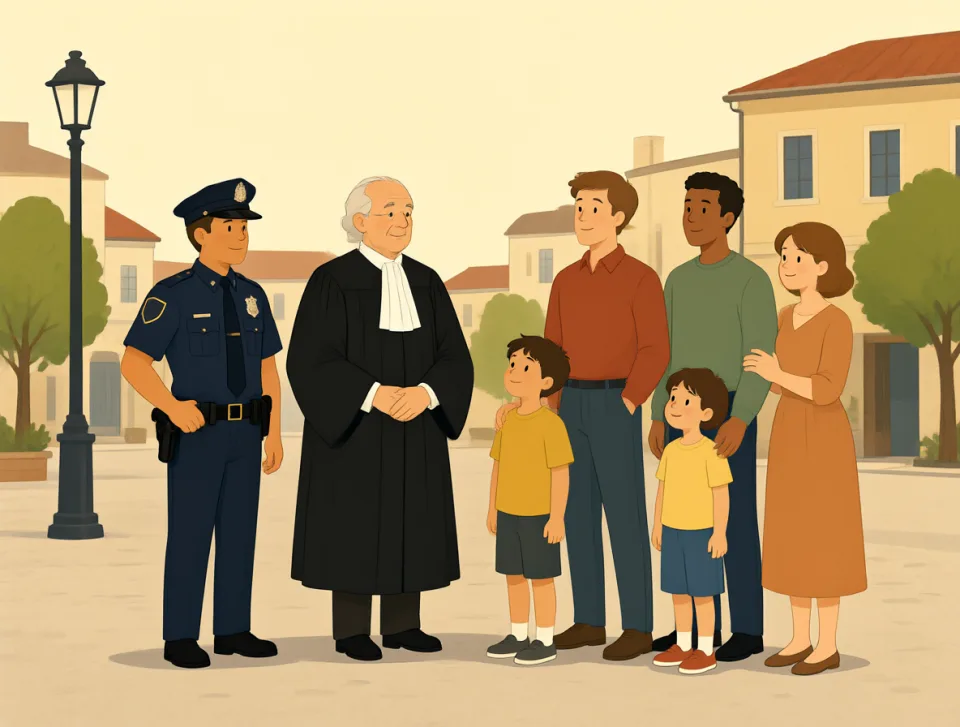
People living together in an organized community or country.
Люди, живущие вместе в организованном сообществе или стране.
Society needs laws to protect everyone.
Обществу нужны законы, чтобы защитить каждого.
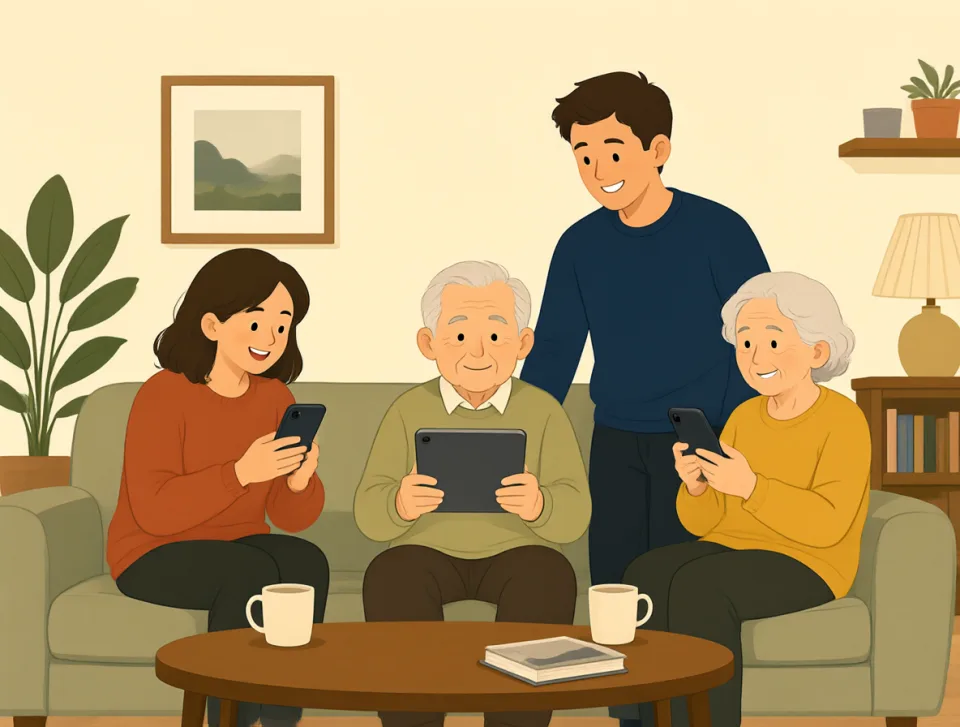
Technology has changed society in many ways.
Технологии во многом изменили общество.
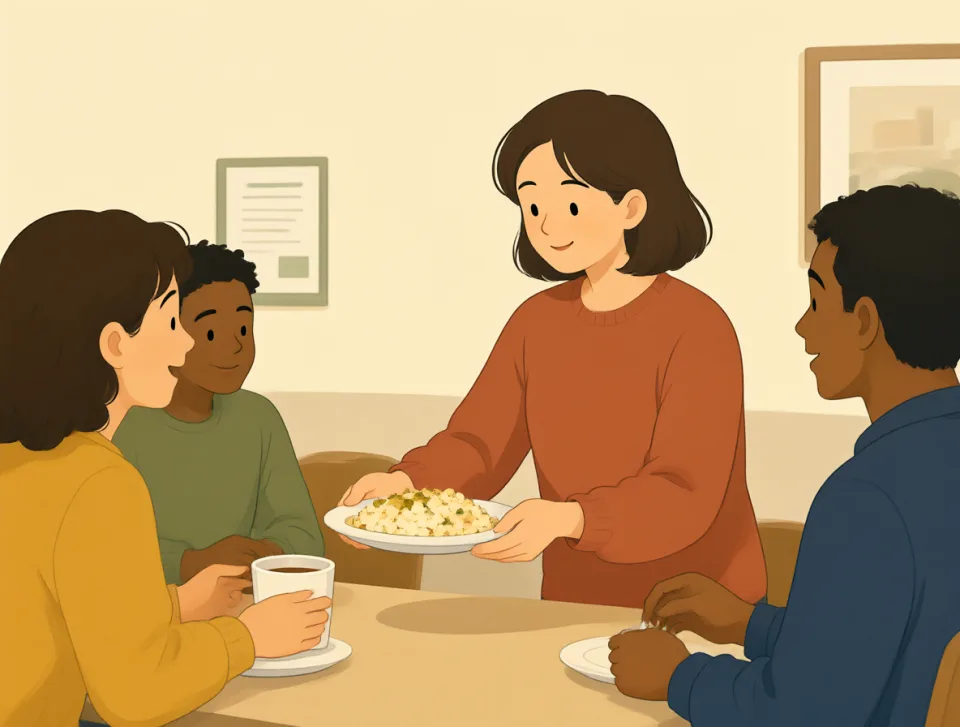
She wants to help society after school.
После школы она хочет помогать обществу.
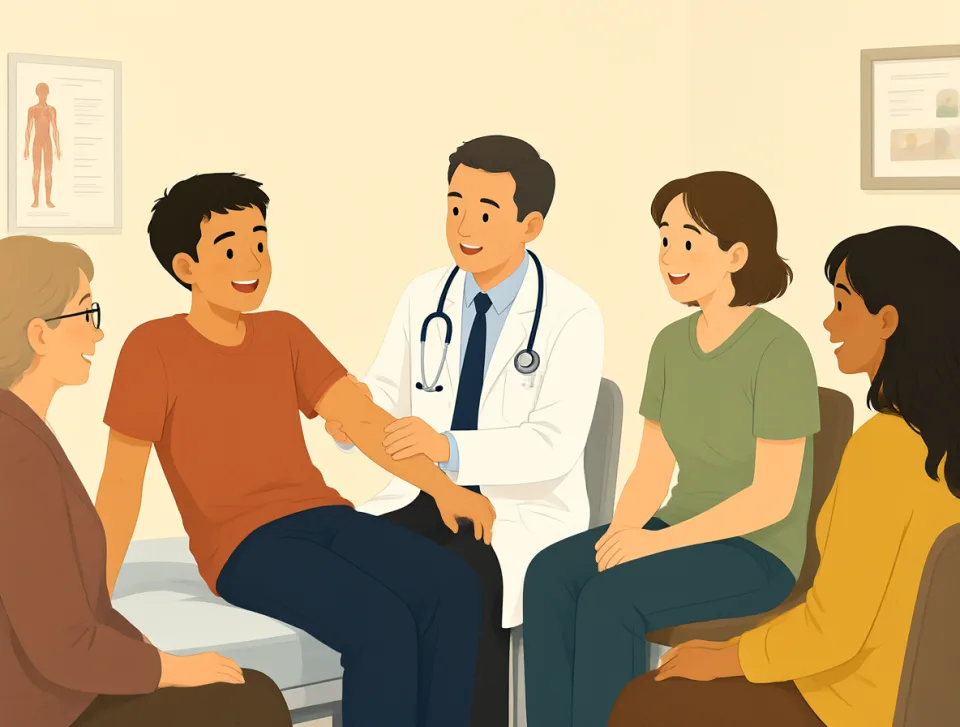
Good health is important for society.
Хорошее здоровье важно для общества.

The museum shows how society lived long ago.
В музее показывают, как жили люди в далёком прошлом.

technology
#563noun
технология
The use of scientific knowledge to make useful tools, machines, and systems.
Использование научных знаний для создания полезных инструментов, машин и систем.

Technology makes it easier to work from home.
Благодаря технологиям работать из дома стало проще.
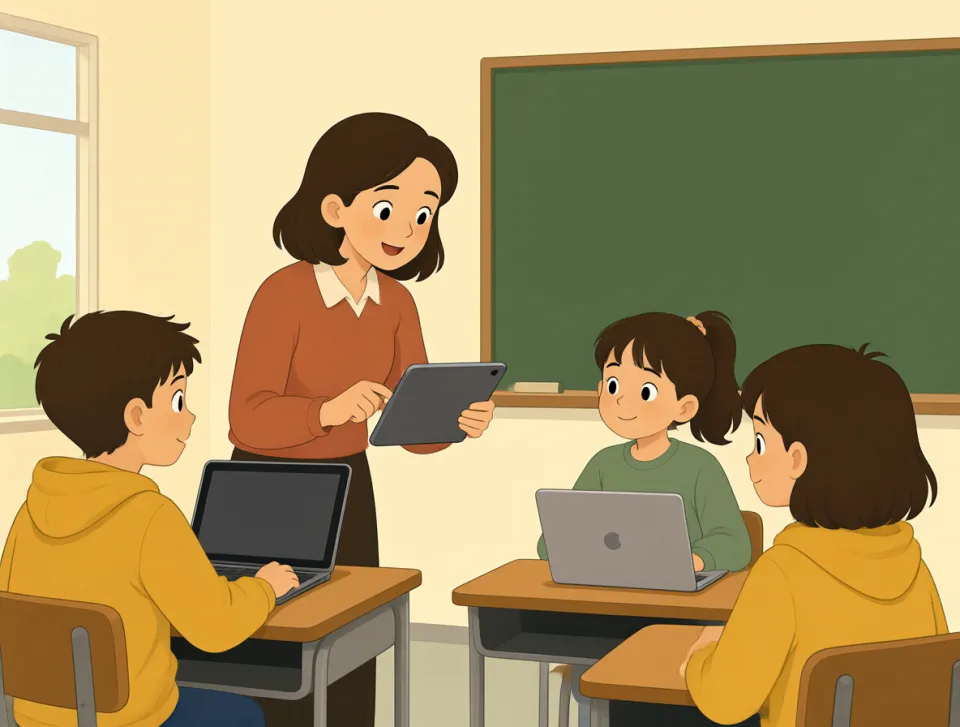
Our school uses new technology every day.
В нашей школе каждый день используют новые технологии.
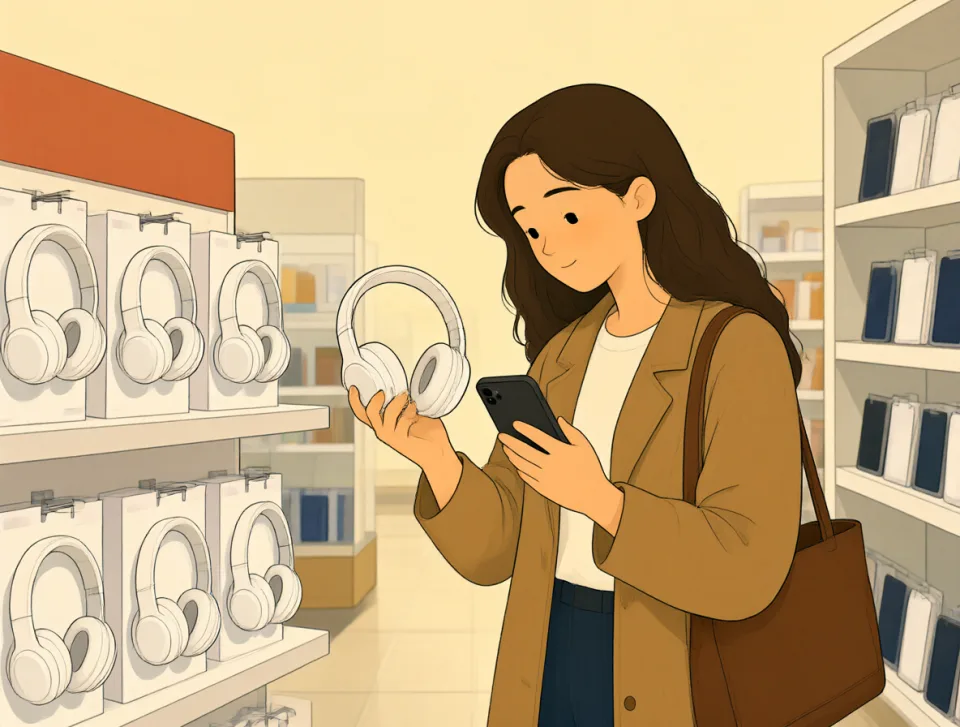
This shop has the latest technology.
В этом магазине есть самые современные технологии.
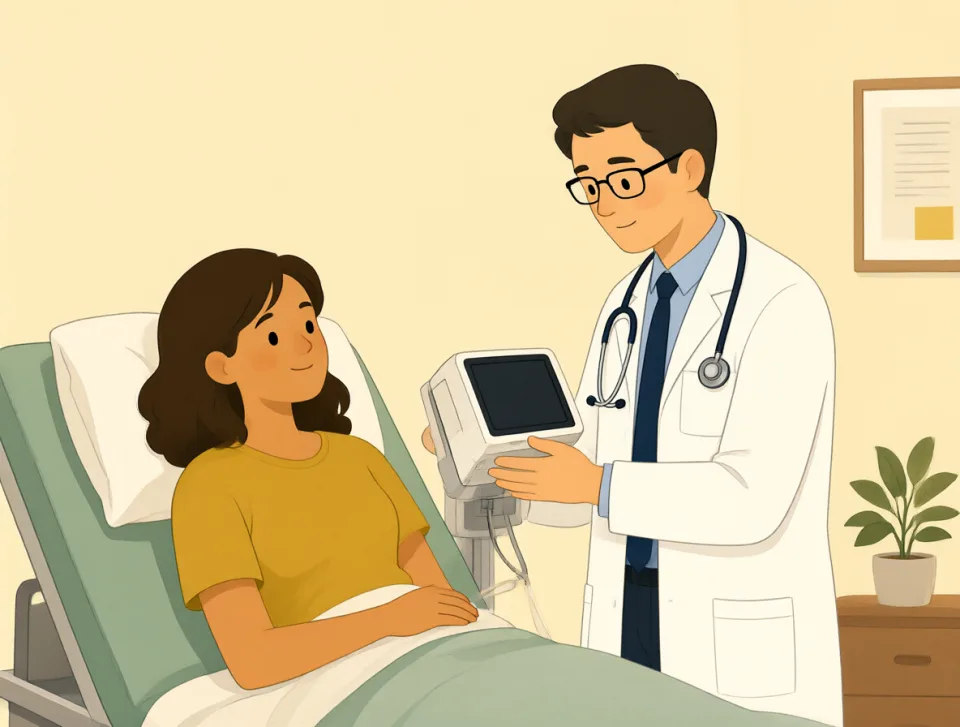
Medical technology helps doctors treat patients.
Медицинские технологии помогают врачам лечить пациентов.
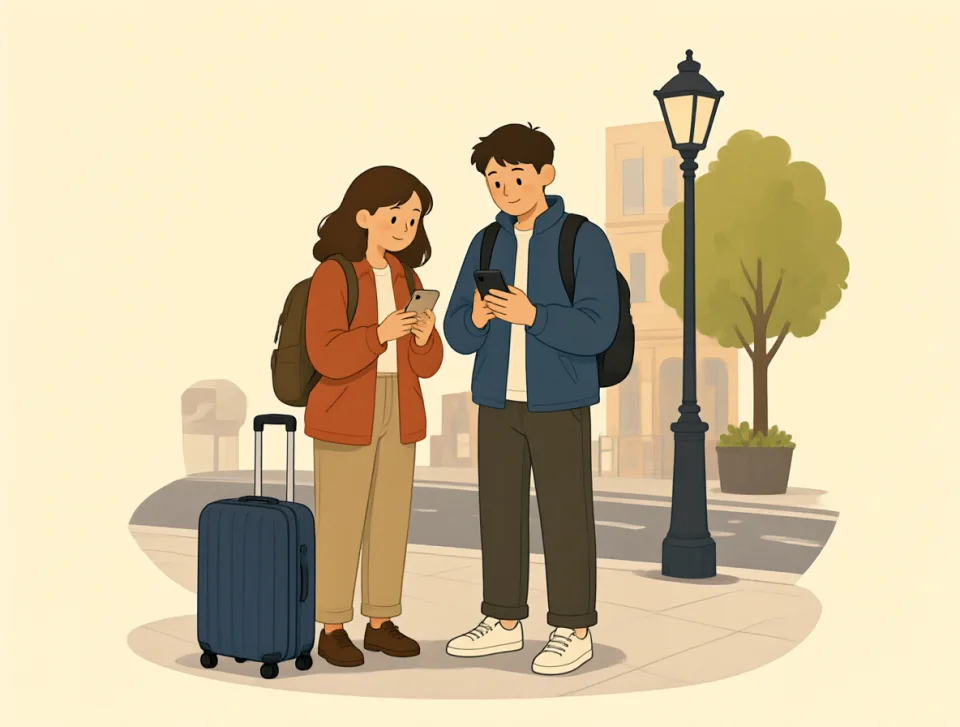
Technology helped us find our way.
Технологии помогли нам найти дорогу.

mention
#564verb, noun
упоминать
To talk about someone or something briefly, or to name it in conversation.
Кратко говорить о ком-либо или чём-либо или называть кого-либо или что-либо в разговоре.
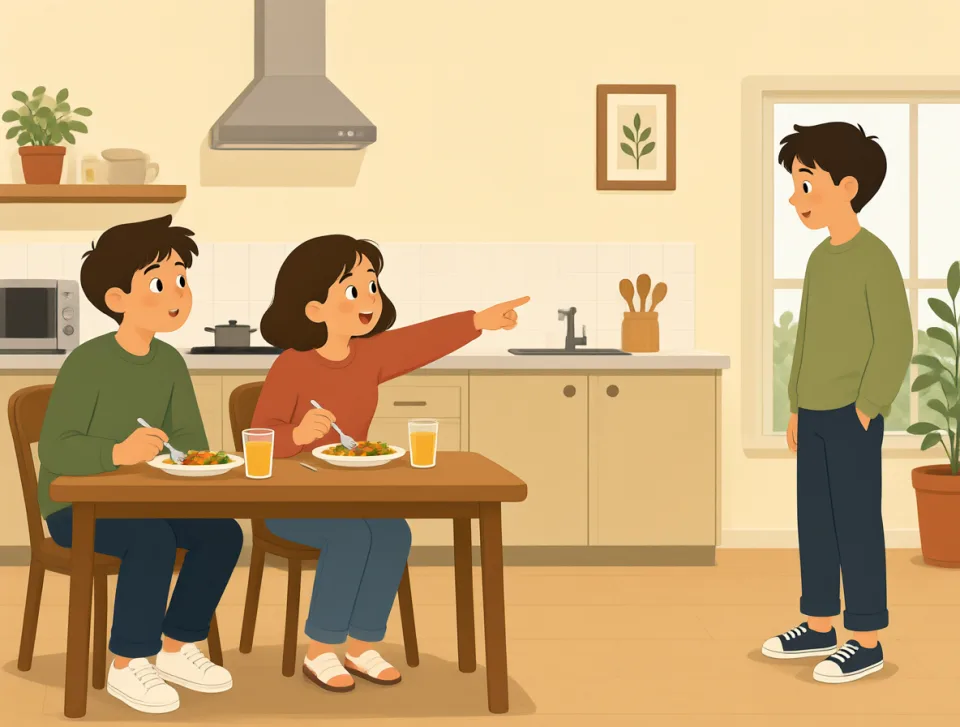
She mentioned your name at lunch.
За обедом она упомянула твоё имя.
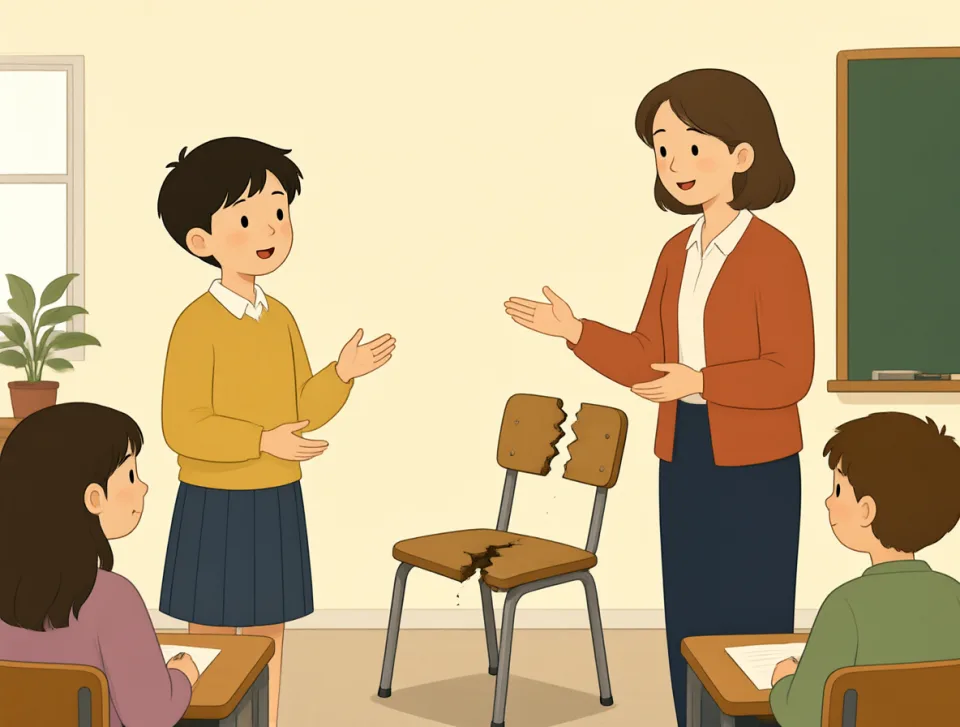
Please mention this problem to your teacher.
Пожалуйста, расскажи учителю об этой проблеме.

He mentioned meeting us after work.
Он упомянул, что встретится с нами после работы.

The guide mentioned a beautiful beach nearby.
Гид упомянул красивый пляж неподалёку.

She made no mention of her headache.
Она ничего не сказала о своей головной боли.
choice
#565noun
выбор
The act of choosing between two or more things, or the thing you choose.
Действие по выбору одного из двух или нескольких вариантов, а также сам выбранный вариант.

You have a choice of two desserts.
На выбор есть два десерта.
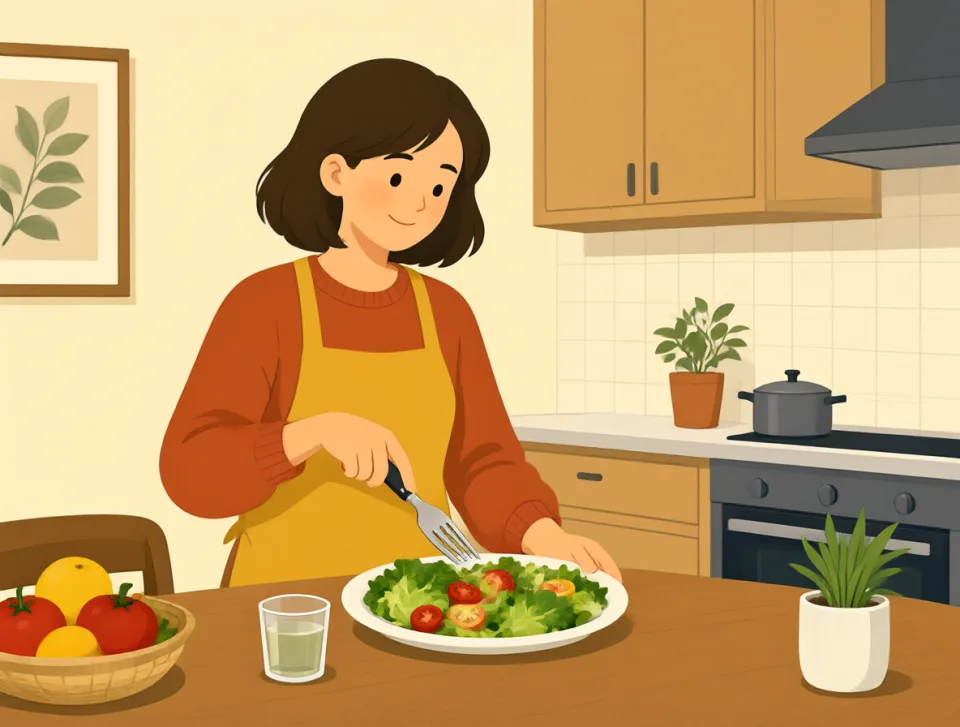
She made the right choice for her health.
Она сделала правильный выбор для своего здоровья.

This blue shirt was my first choice.
Эта синяя рубашка была моим первым выбором.
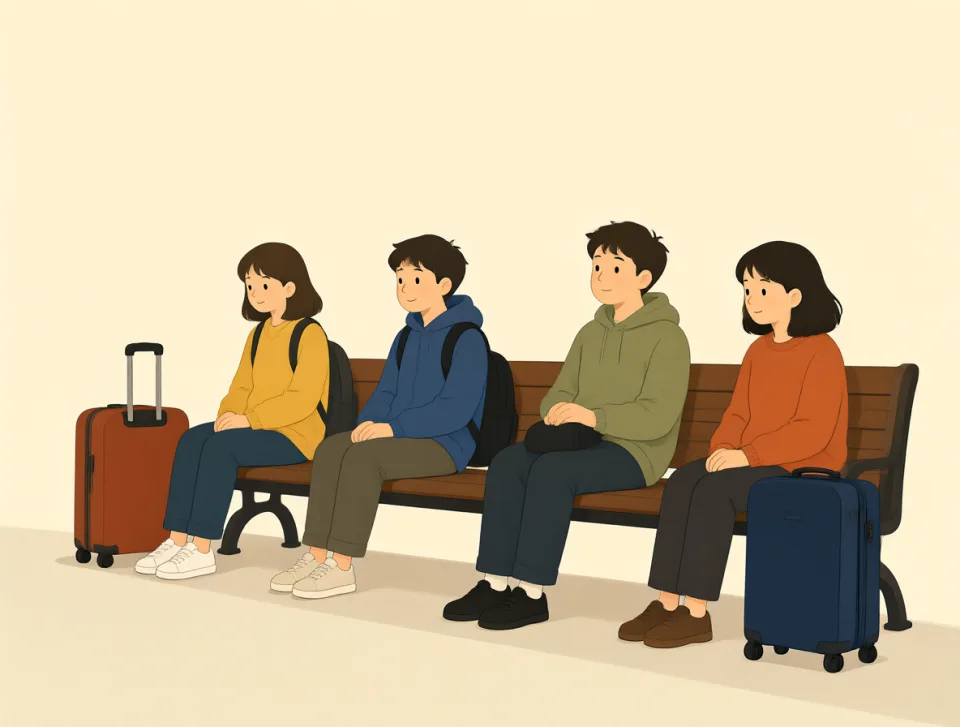
We had little choice but to wait.
Нам почти ничего не оставалось, кроме как ждать.
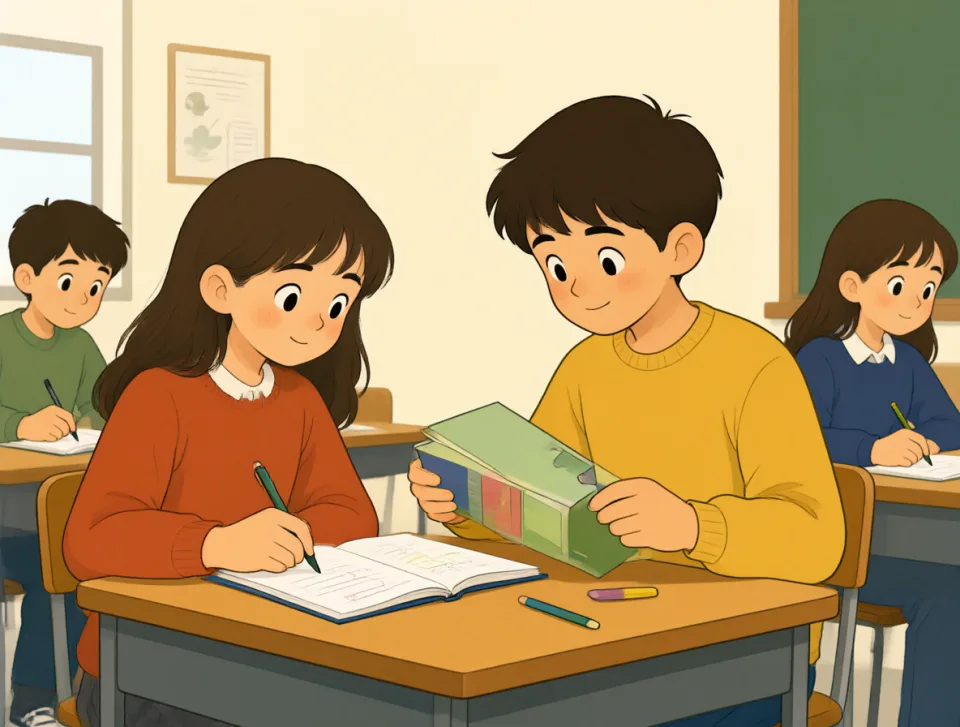
Students can choose their own project topic.
Ученики могут сами выбрать тему проекта.
save
#566verb, noun, preposition
сберегать; спасать
To keep something for later, or prevent someone from danger, loss, or harm.
Оставлять что-либо на потом или уберегать кого-либо от опасности, потери или вреда.
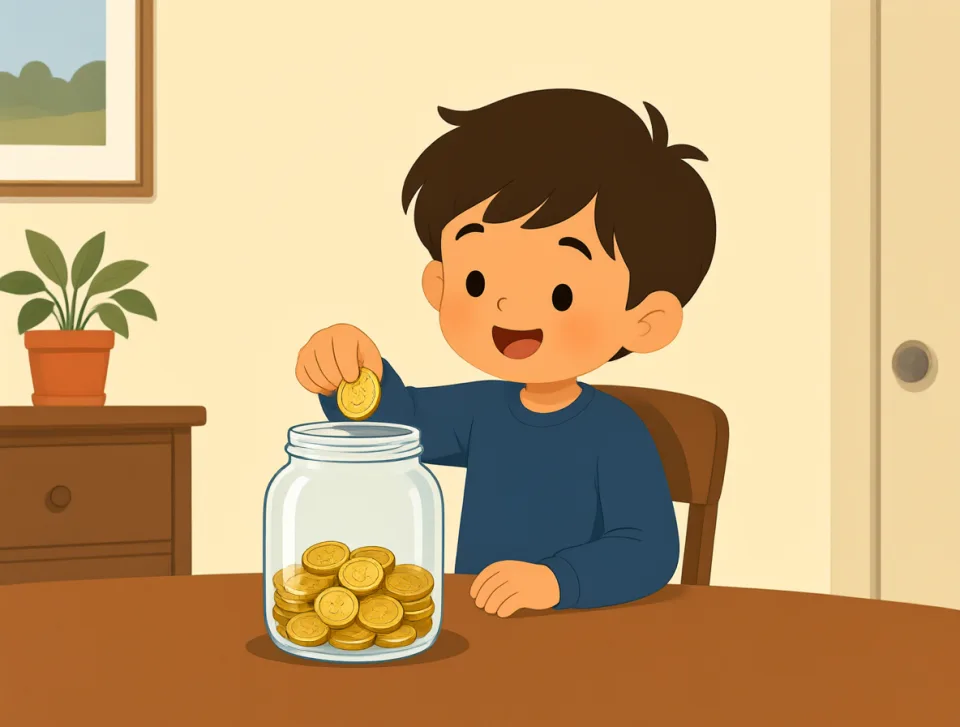
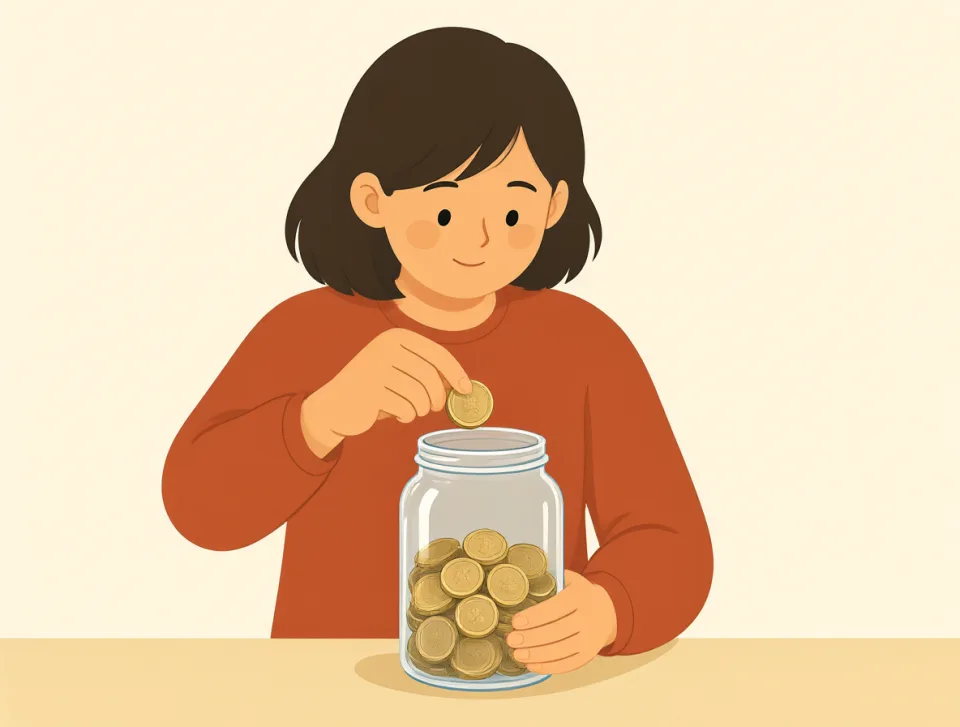
I save money for a new bike.
Я откладываю деньги на новый велосипед.
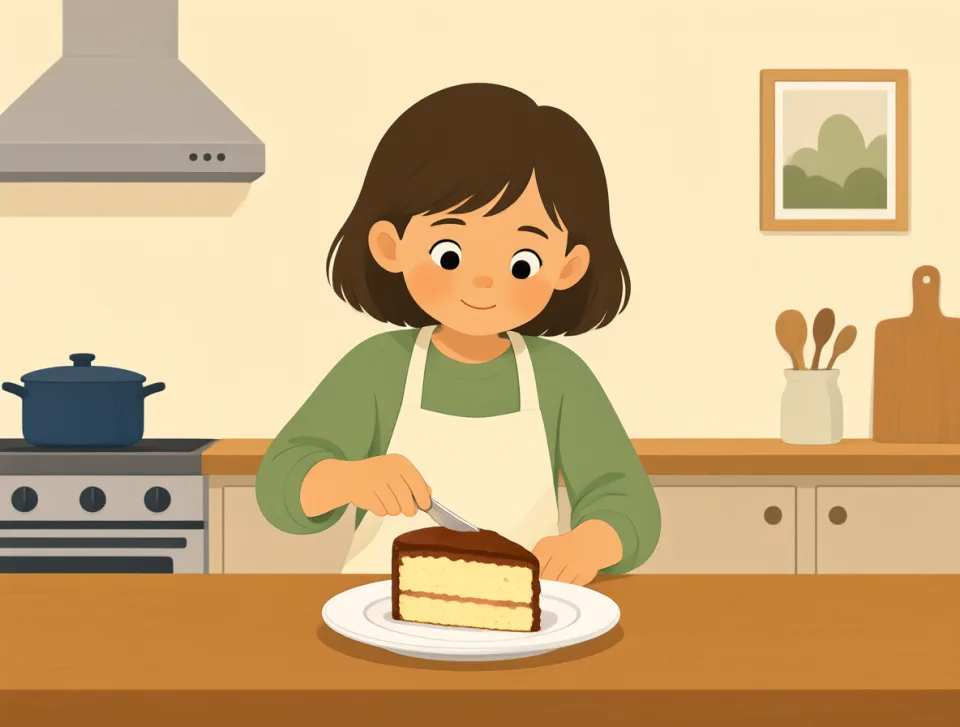
Please save some cake for me.
Пожалуйста, оставь мне немного торта.

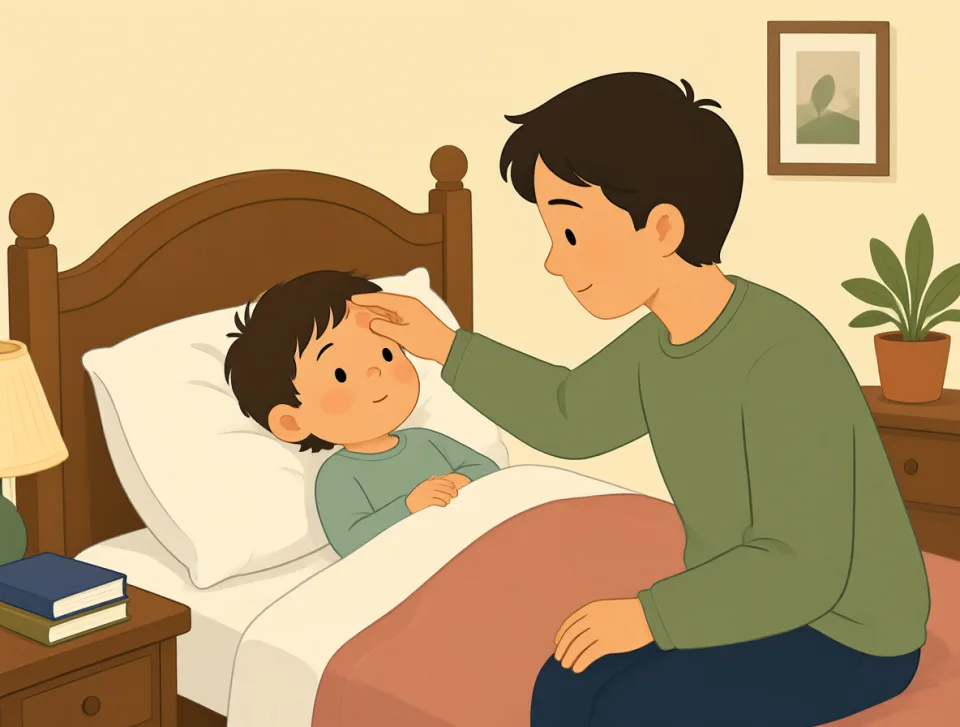
She saved the file before leaving work.
Она сохранила файл перед уходом с работы.
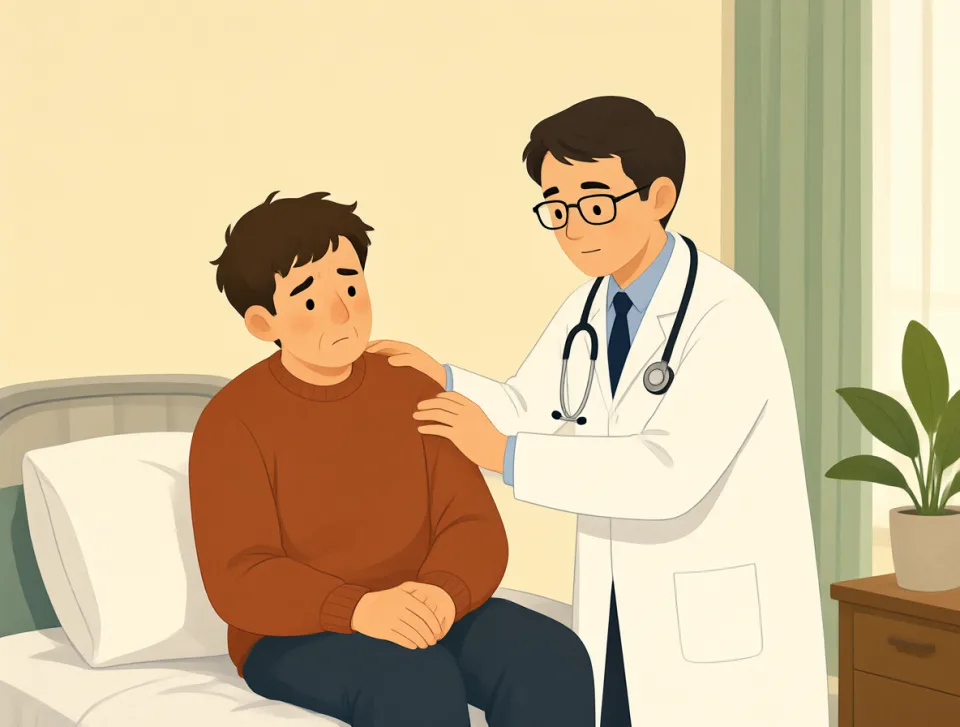
The doctor saved his life.
Врач спас ему жизнь.
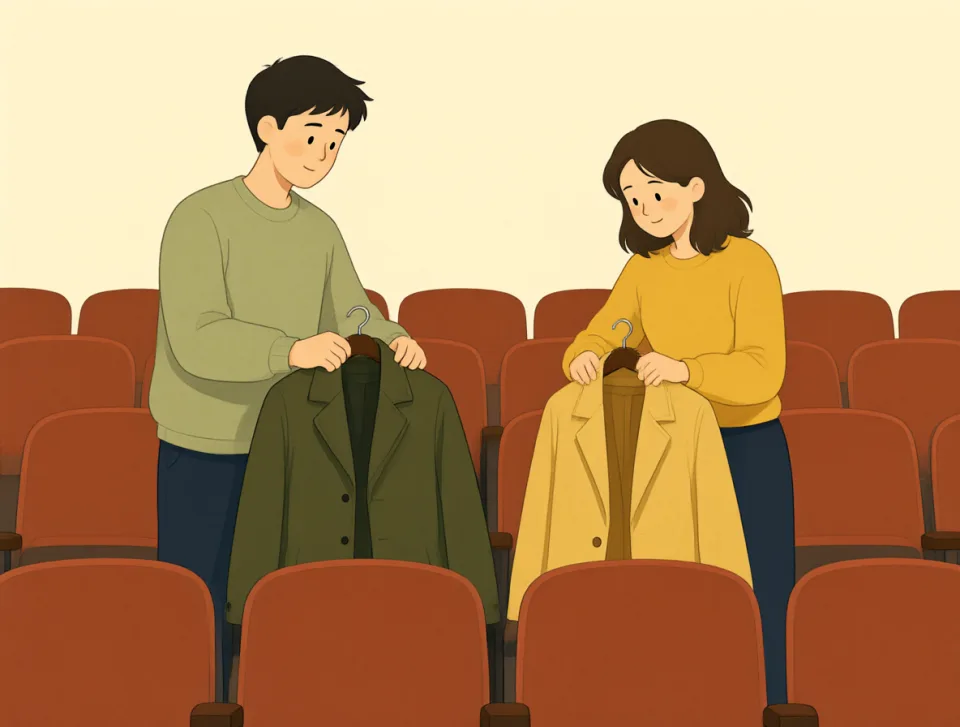
We saved two seats for our friends.
Мы заняли два места для наших друзей.
common
#567adjective
распространённый; обычный
Happening often or found in many places or among many people.
Часто происходящий или встречающийся во многих местах либо у многих людей.
Colds are common in winter.
Зимой простуда — обычное дело.
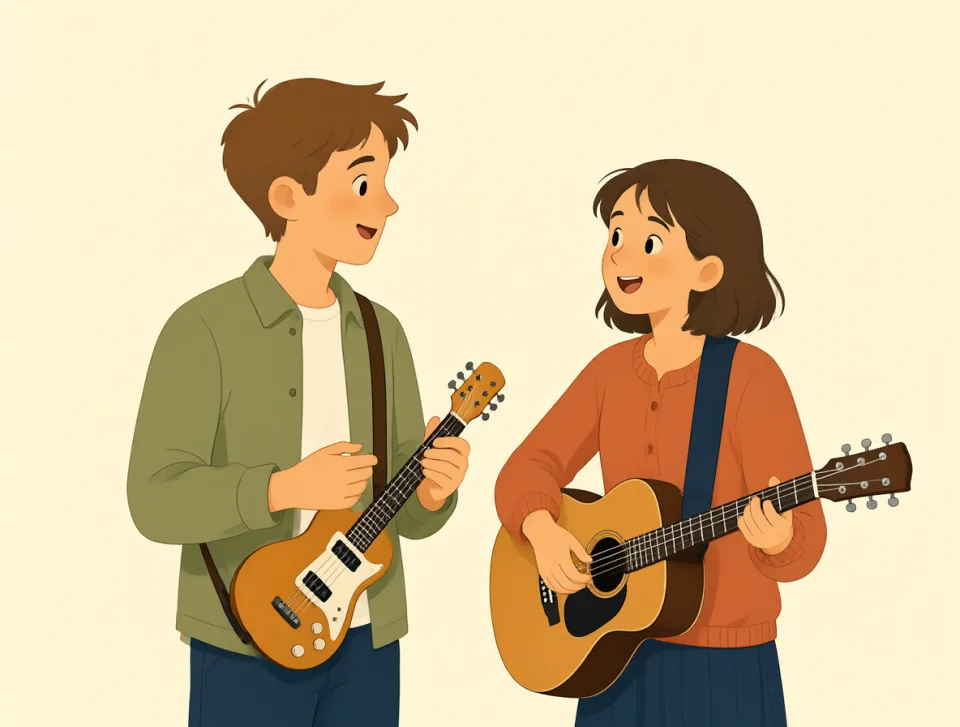
We have a common interest in music.
У нас общий интерес к музыке.

This is a common problem at work.
Это распространённая проблема на работе.

They use a common room after class.
После занятий они пользуются общей комнатой.
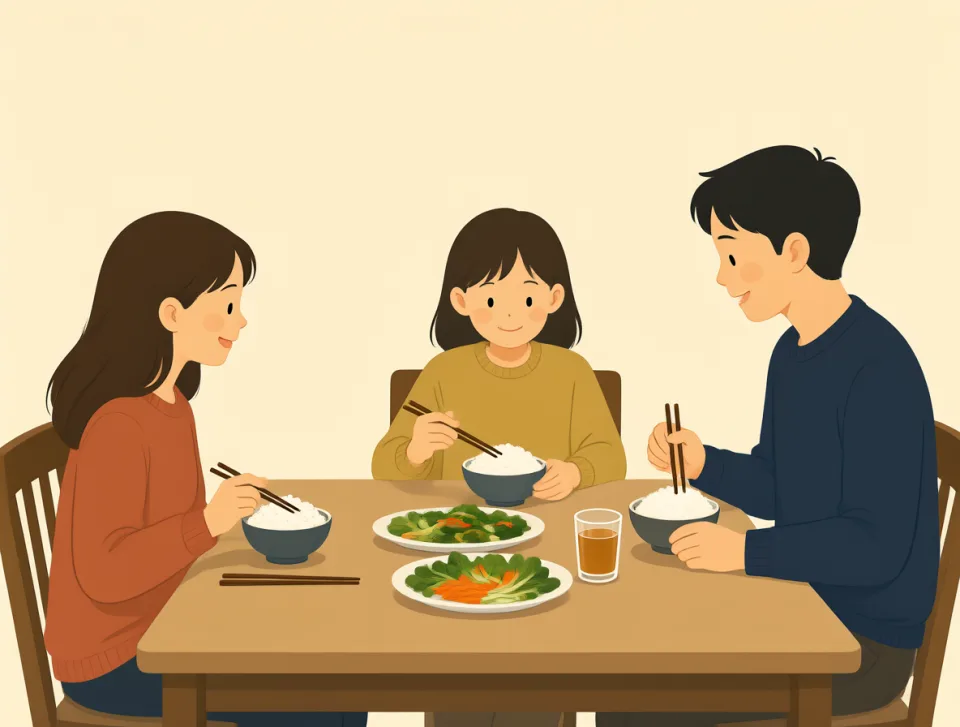
Rice is common in many Asian meals.
Рис часто едят во многих странах Азии.
culture
#568noun
культура
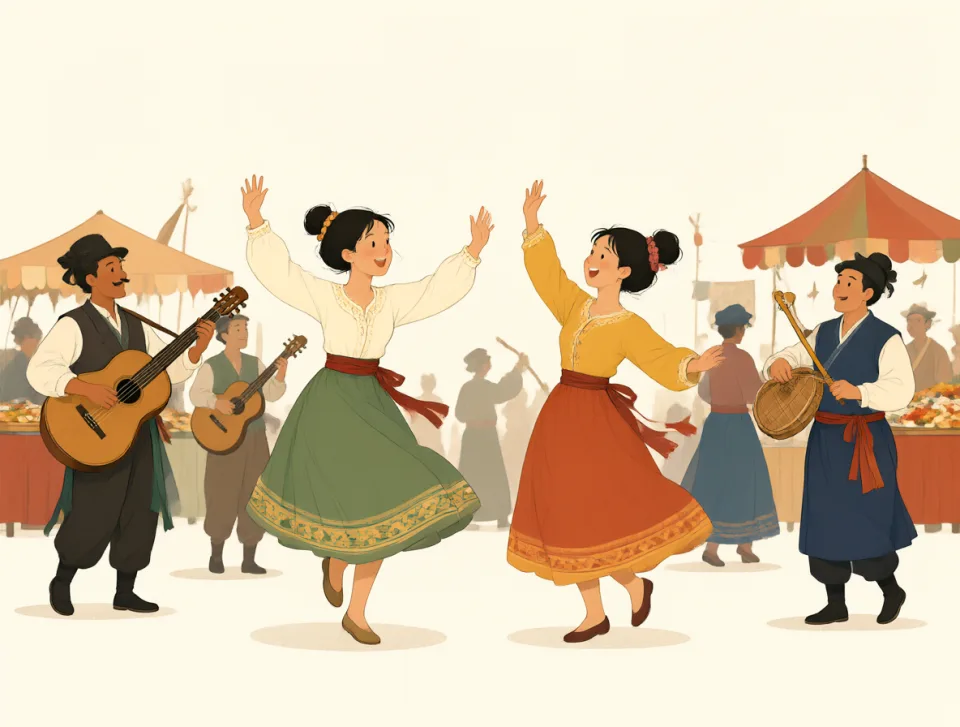
The beliefs, customs, art, and way of life of a group of people.
Убеждения, обычаи, искусство и образ жизни группы людей.

I love learning about different cultures.
Мне нравится узнавать о разных культурах.
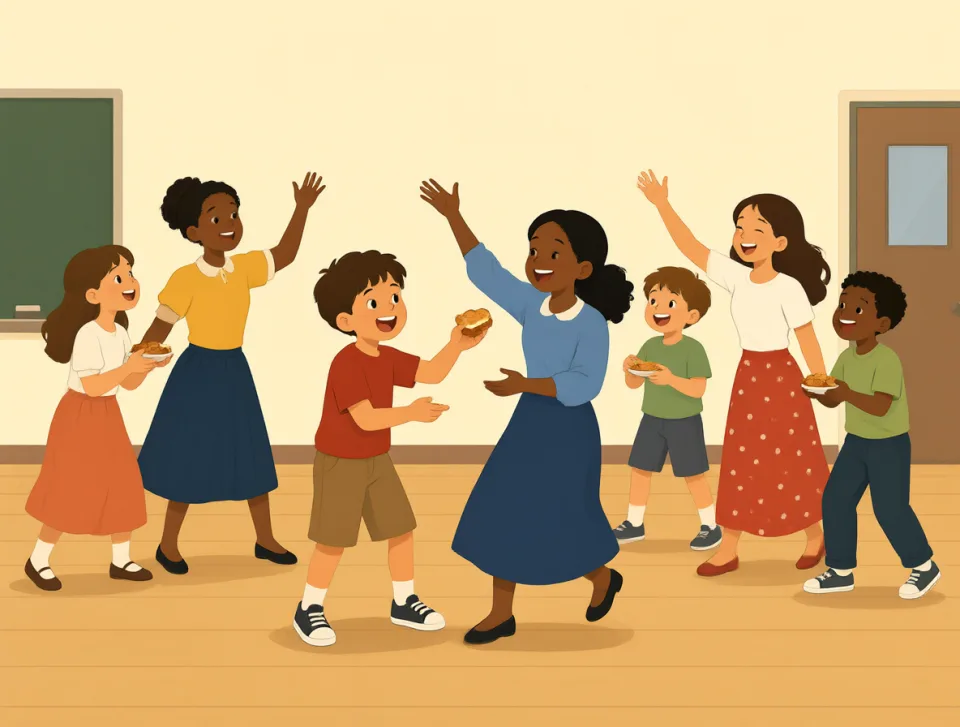
Our school celebrates many cultures.
В нашей школе отмечают многообразие культур.
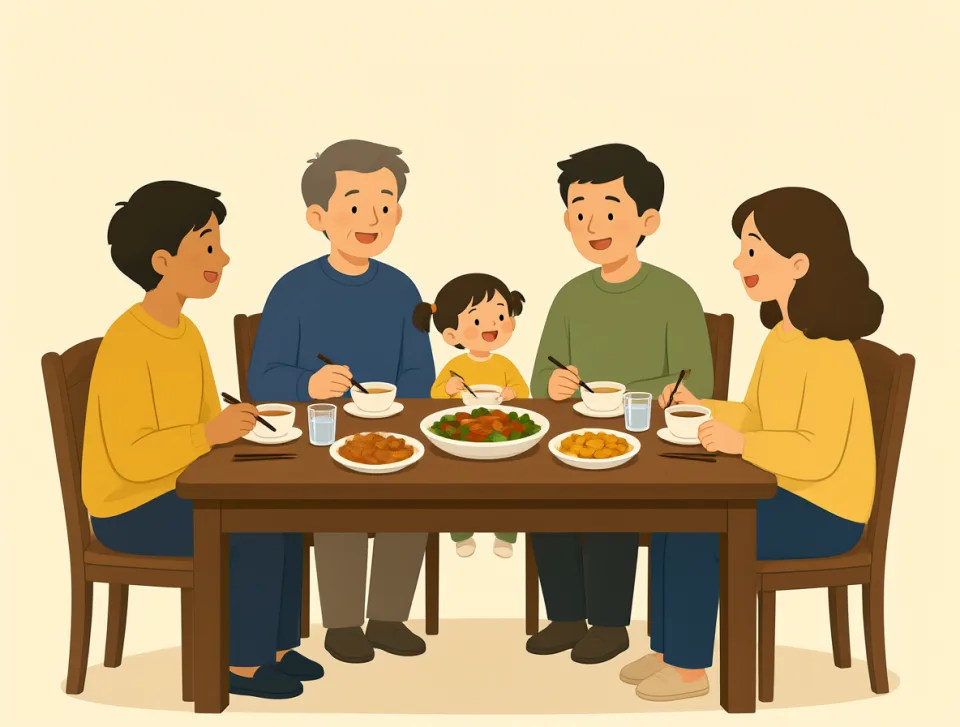
Food is an important part of culture.
Еда — важная часть культуры.
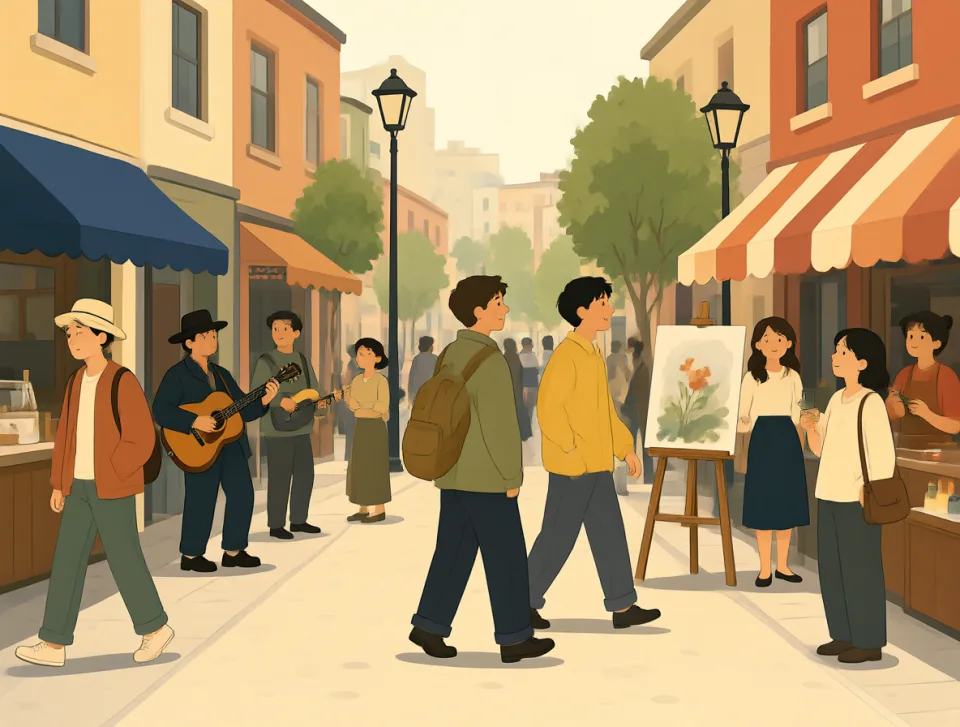
The city has a rich culture.
У города богатая культура.

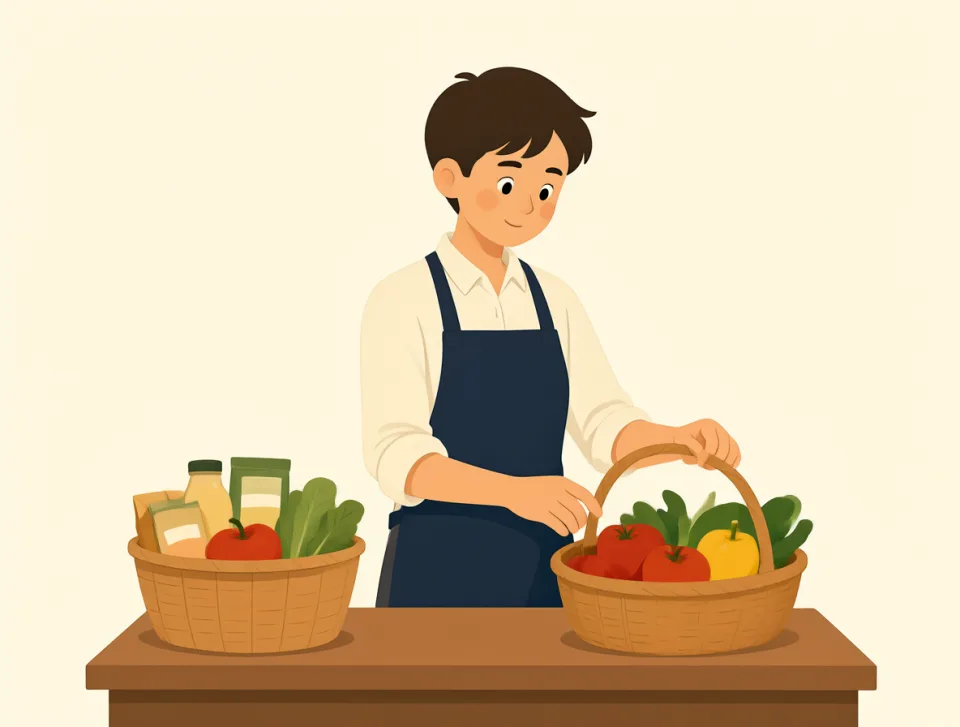
We talked about work culture over lunch.
За обедом мы говорили о корпоративной культуре.
total
#569noun, adjective, verb
общий; итоговый
The complete amount or number of something; complete or whole.
Полное количество или число чего-либо; полный, целый.

The total cost is ten dollars.
Общая стоимость — десять долларов.
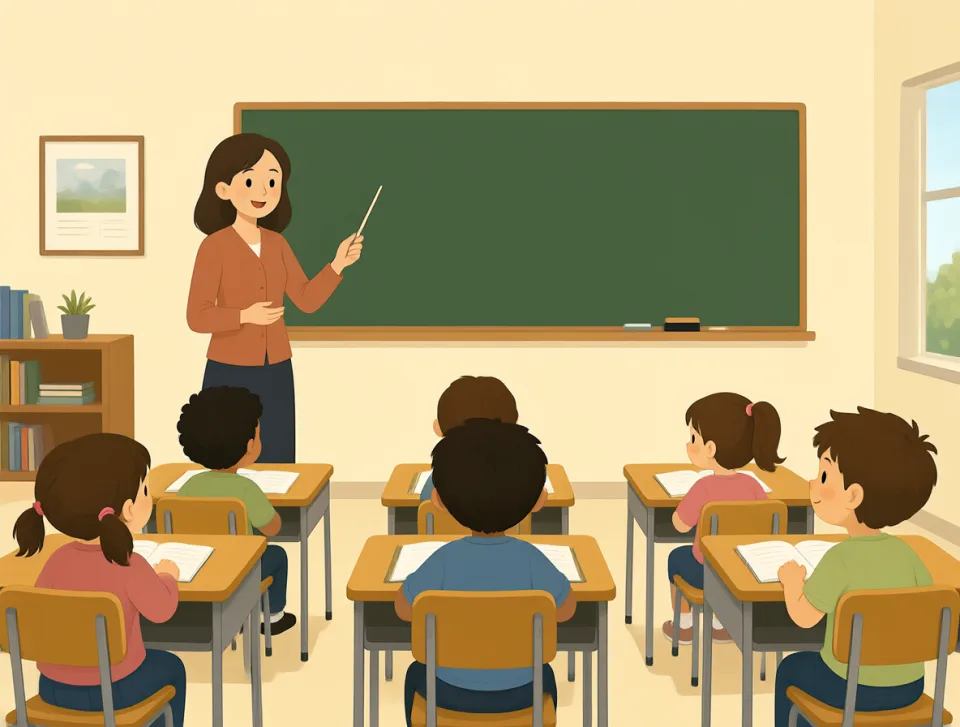
What is the total number of students?
Каково общее число учеников?
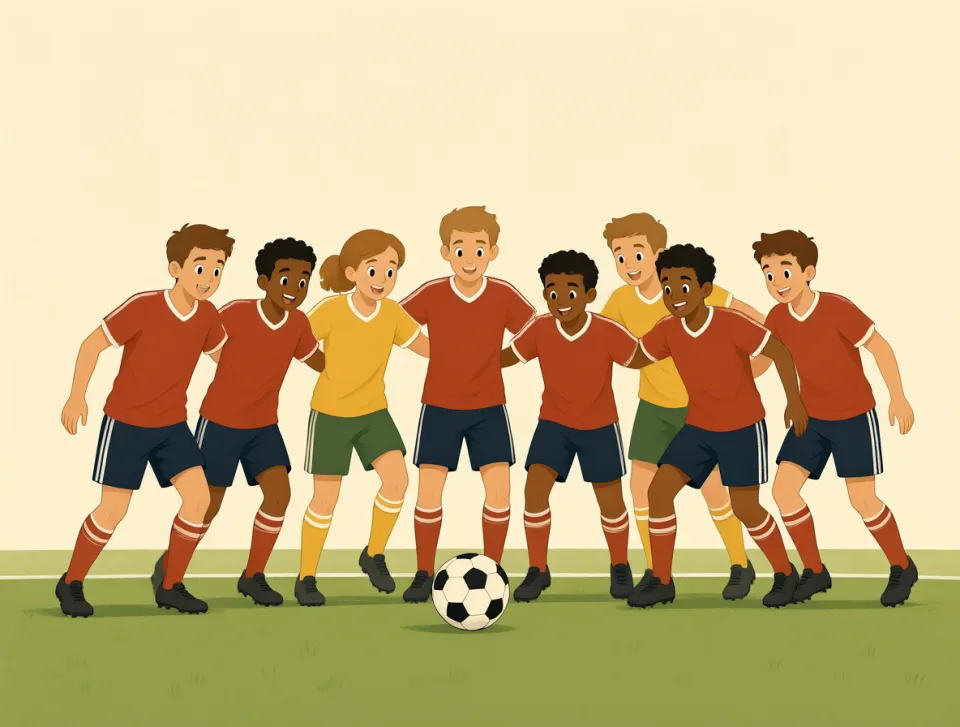
The team played for total control.
Команда боролась за полный контроль.

We totally enjoyed our holiday.
Мы отлично провели отпуск.
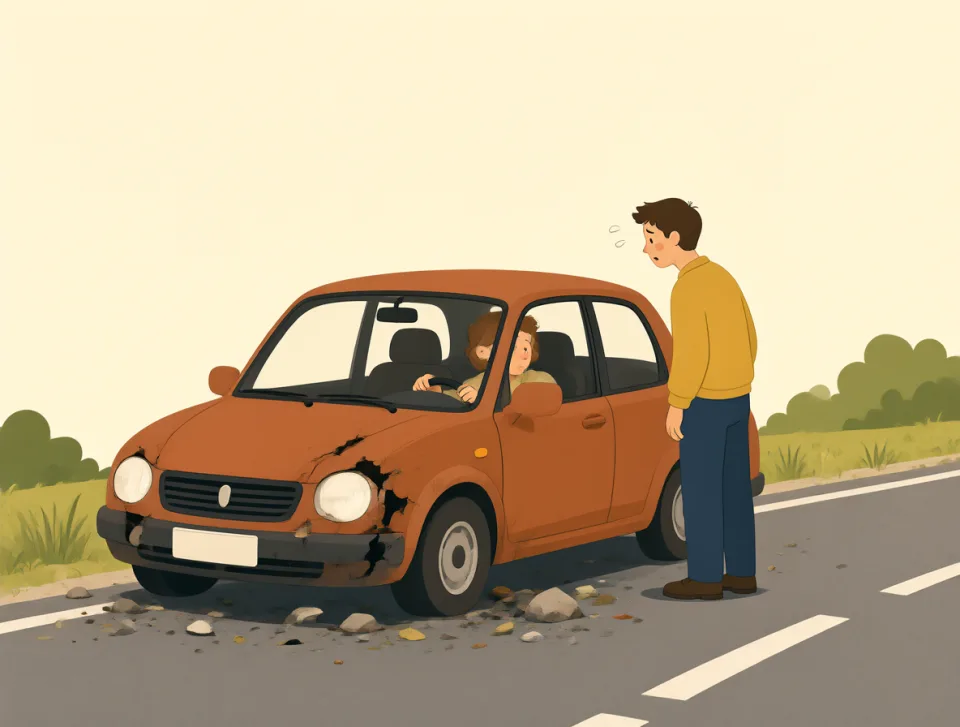
The accident totally damaged the car.
В аварии машина была полностью разбита.

demand
#570noun, verb
требовать; спрос
A strong need or request for something, or to ask strongly for it.
Острая потребность в чём-либо или настоятельная просьба о чём-либо; также — настойчиво просить или требовать.
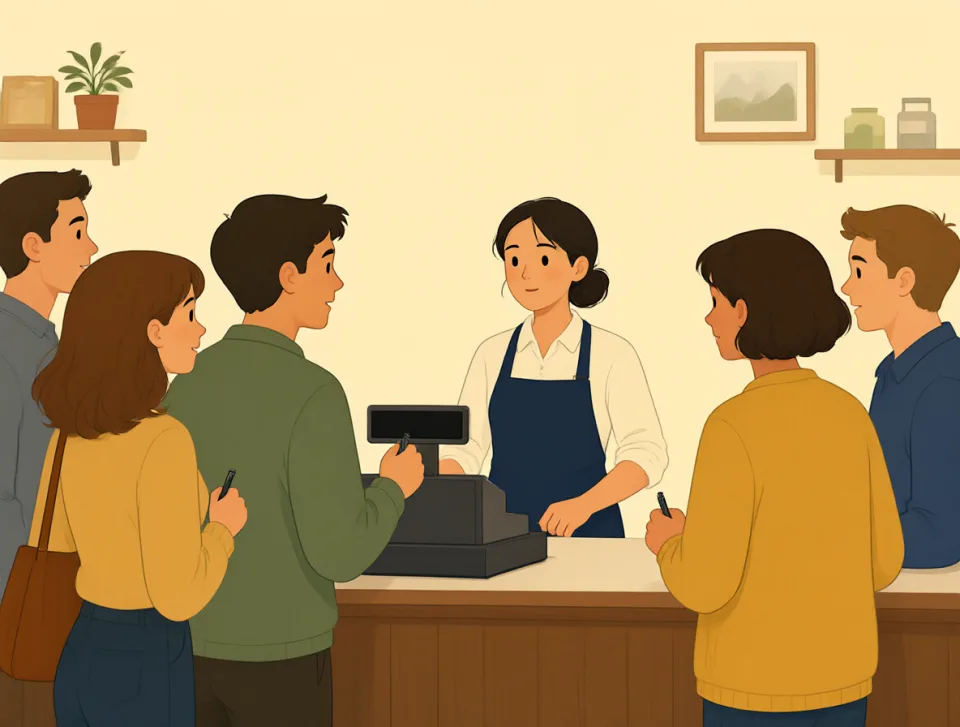
Customers demand better service from the store.
Покупатели требуют от магазина более качественного обслуживания.

The job demands long hours every day.
Эта работа требует долгих часов каждый день.
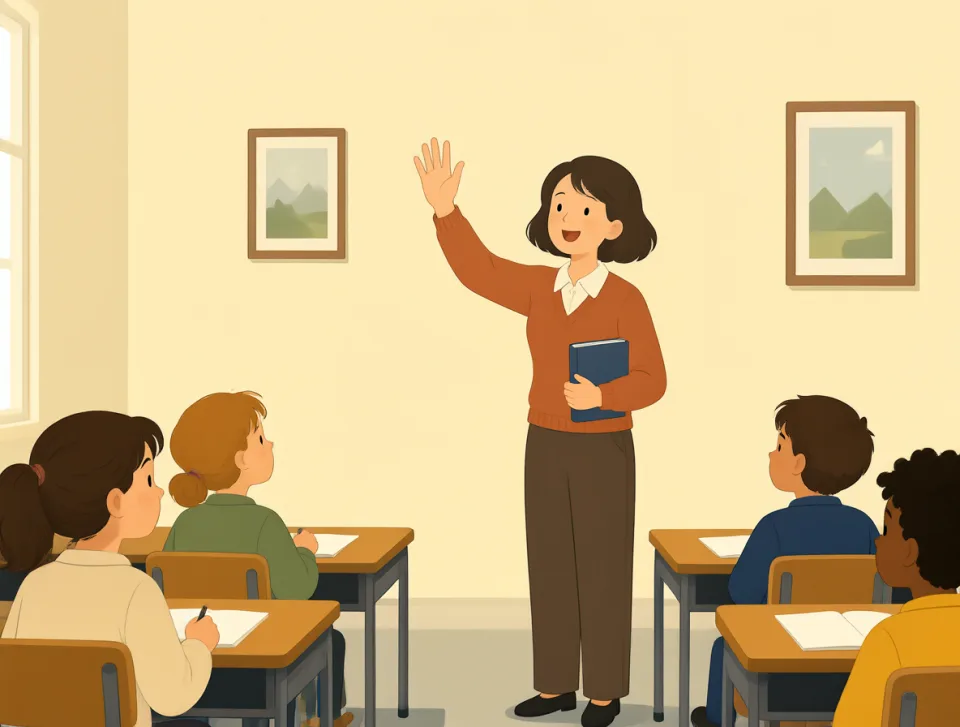
The teacher demanded quiet during the test.
Учитель потребовал, чтобы во время контрольной была тишина.
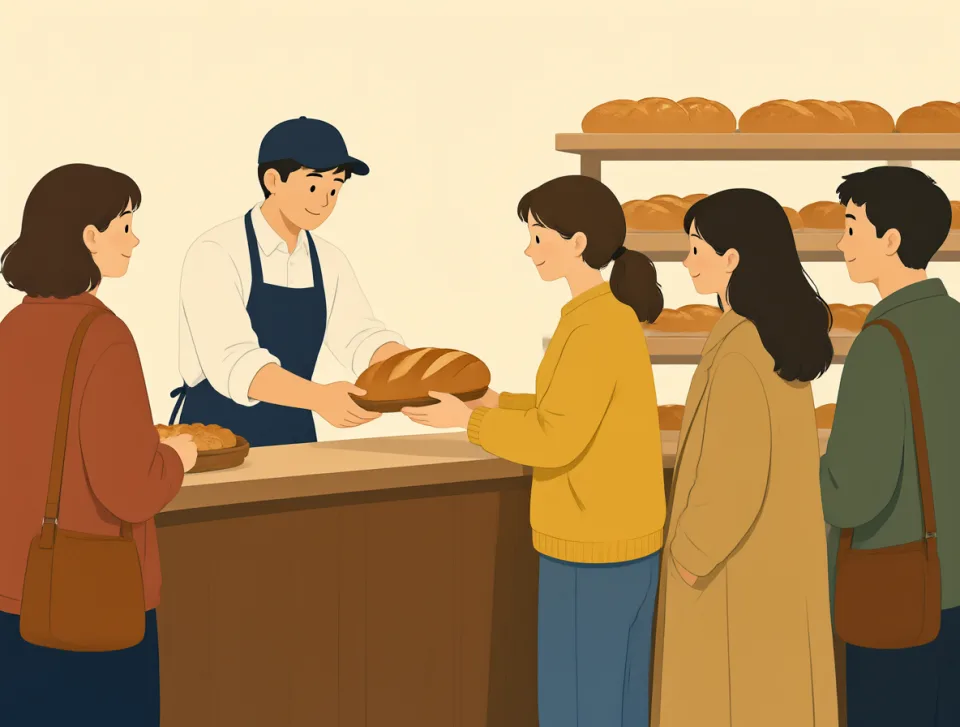
There is high demand for fresh bread.
Свежий хлеб пользуется большим спросом.

She demanded an answer from her friend.
Она потребовала от друга ответа.

material
#571noun, adjective
материал
The substance used to make something, or related to physical things.
Вещество, из которого что-либо сделано, или то, что относится к физическим предметам.
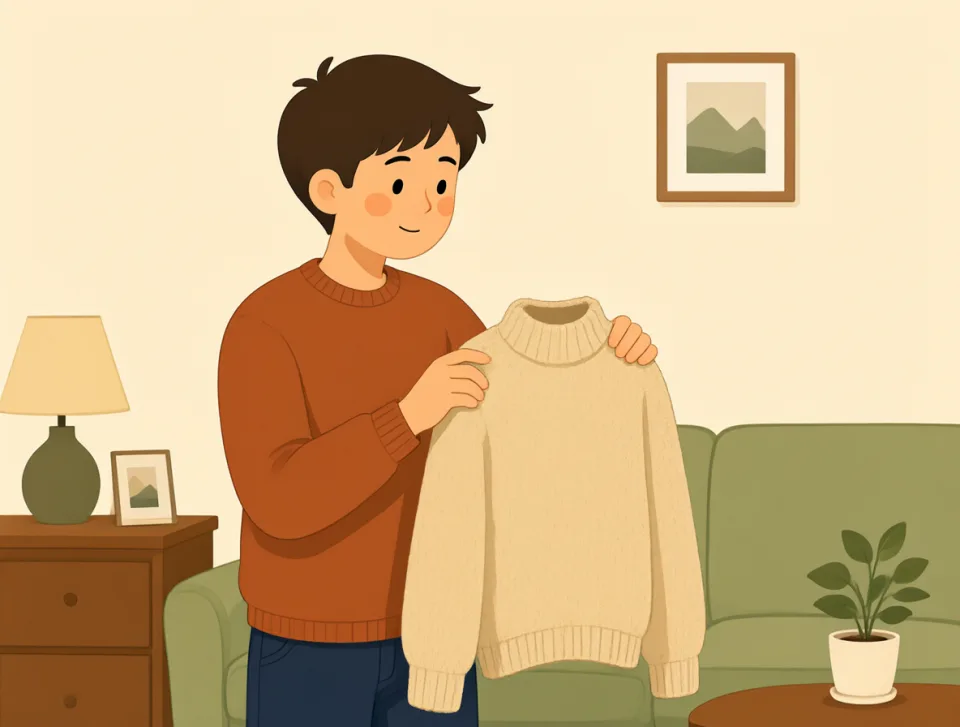
This material feels soft and warm.
Этот материал мягкий и тёплый на ощупь.
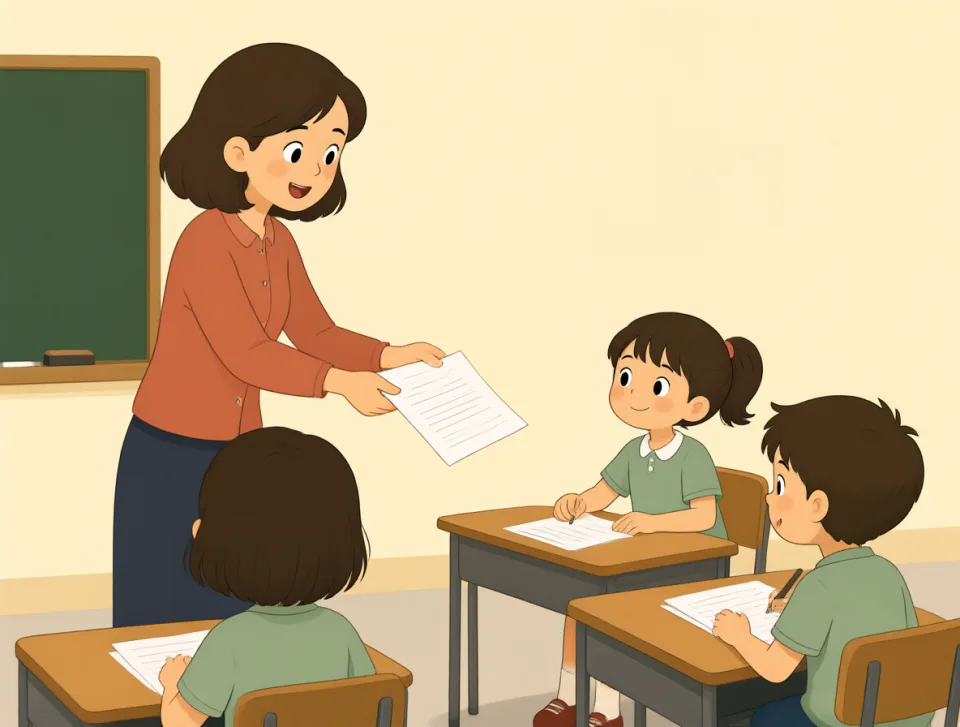
The teacher gave us reading material.
Учитель дал нам материал для чтения.

We need more building materials.
Нам нужно больше строительных материалов.

She bought material for a new dress.
Она купила ткань для нового платья.
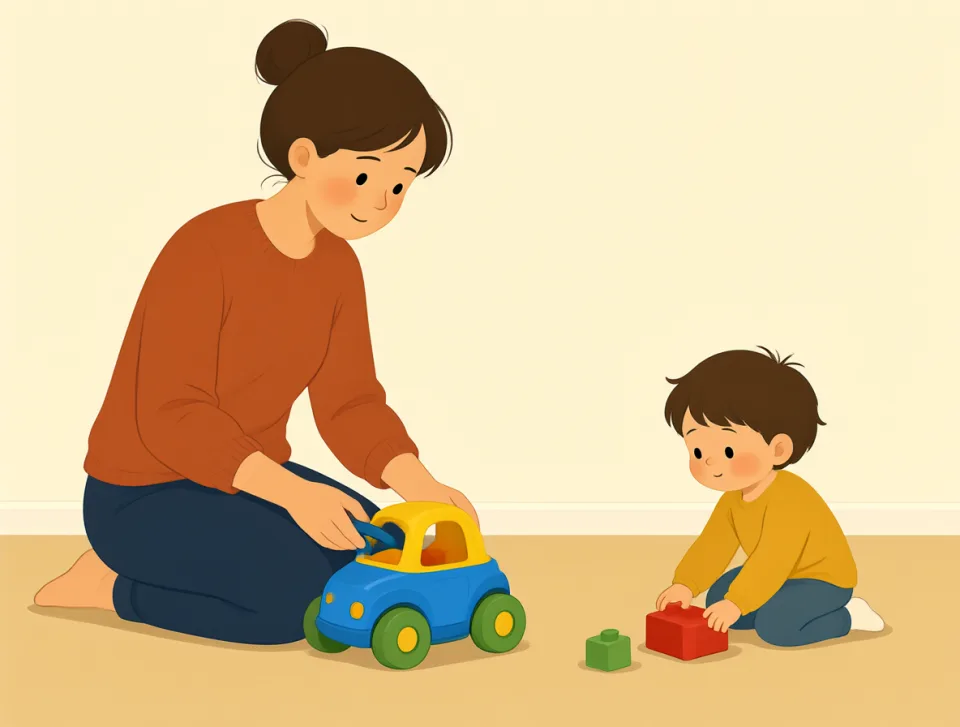
The material is safe for children.
Этот материал безопасен для детей.
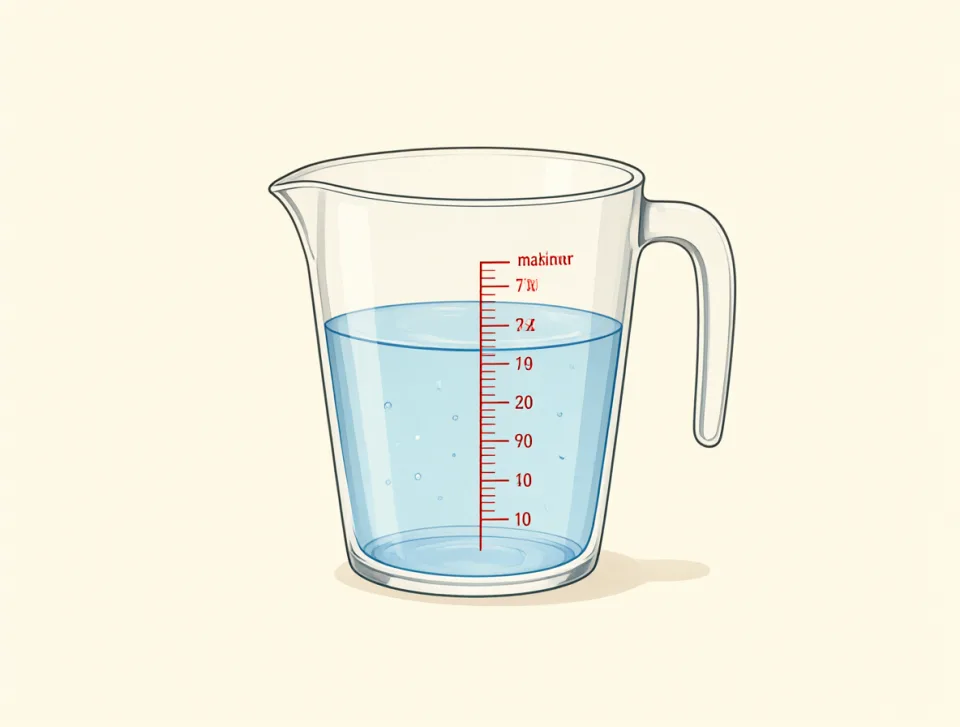
limit
#572noun, verb
предел; ограничивать
the greatest amount or level that is allowed or possible
Наибольшее количество или уровень, который разрешён или возможен.
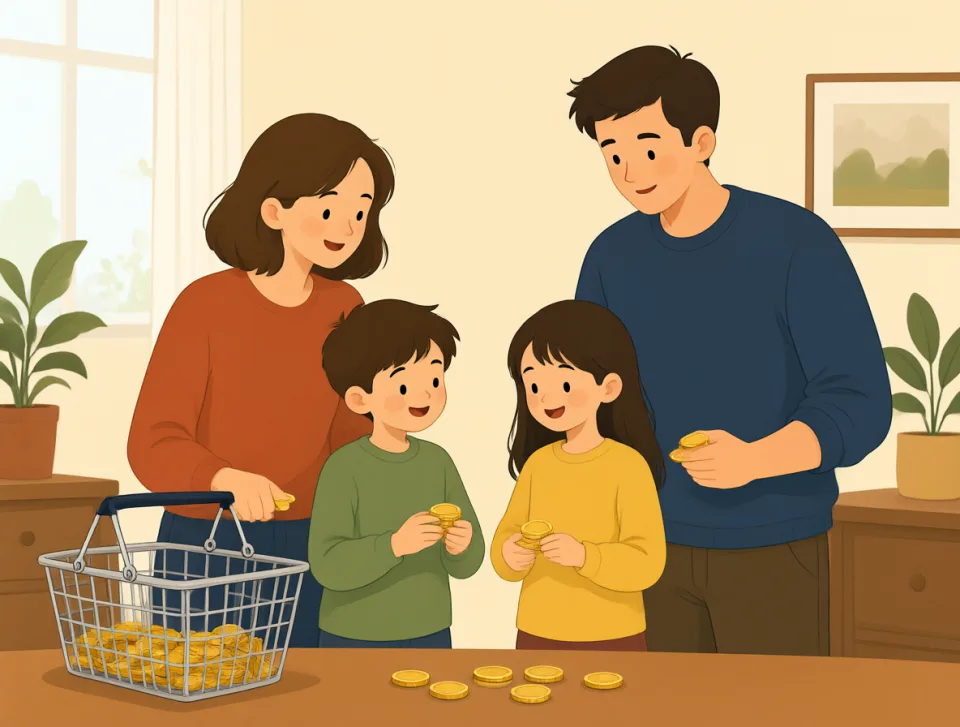
There is a limit to how much we can spend.
Есть предел тому, сколько мы можем потратить.
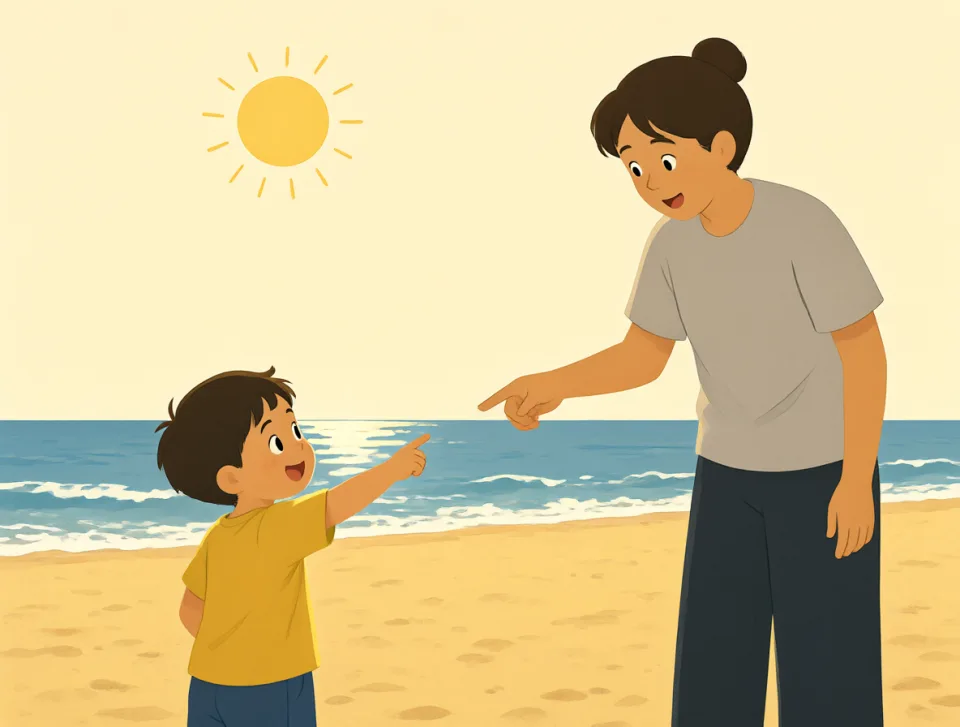
Please limit your time in the sun.
Пожалуйста, ограничьте время, которое проводите на солнце.
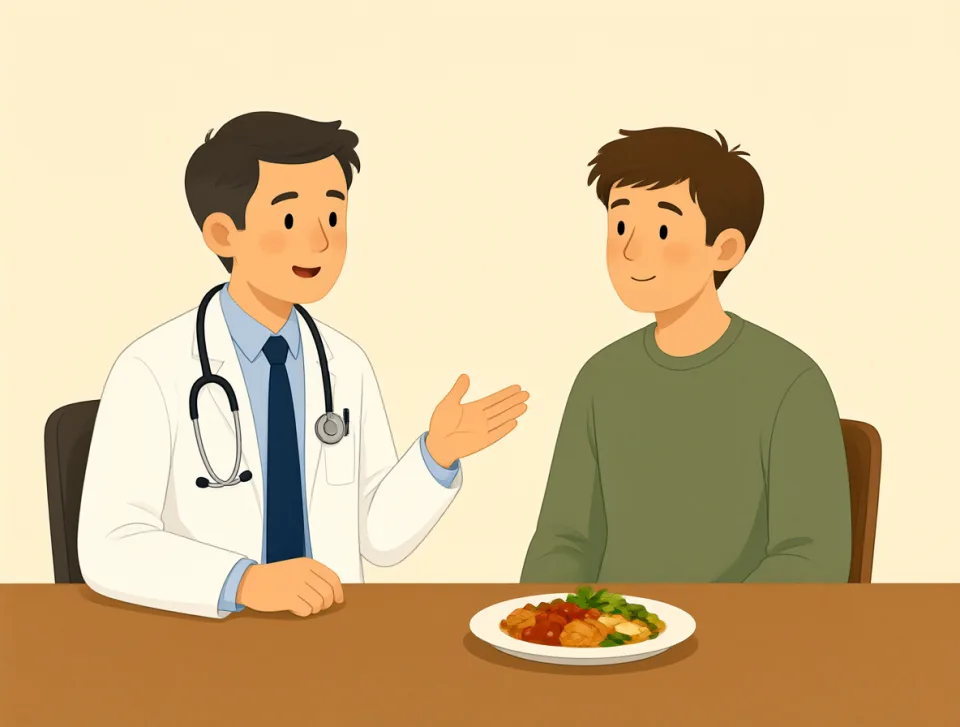
The doctor told him to limit salt.
Врач велел ему ограничить потребление соли.

The car reached its speed limit.
Машина достигла предельной скорости.
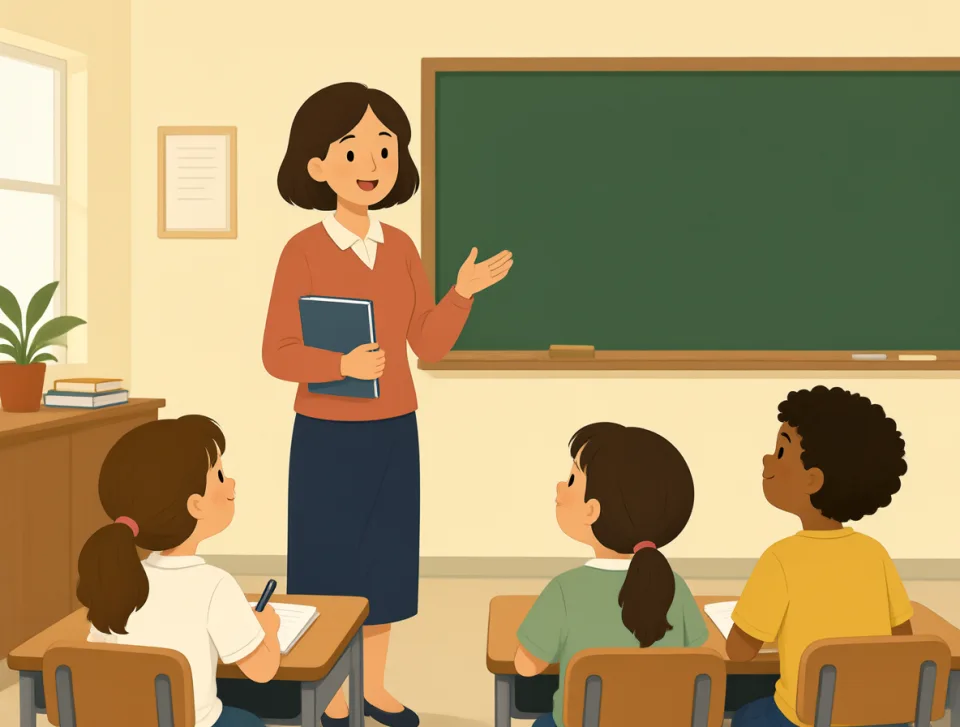
Our class has a limit of twenty students.
В нашем классе может быть не больше двадцати учеников.
listen
#573verb
слушать
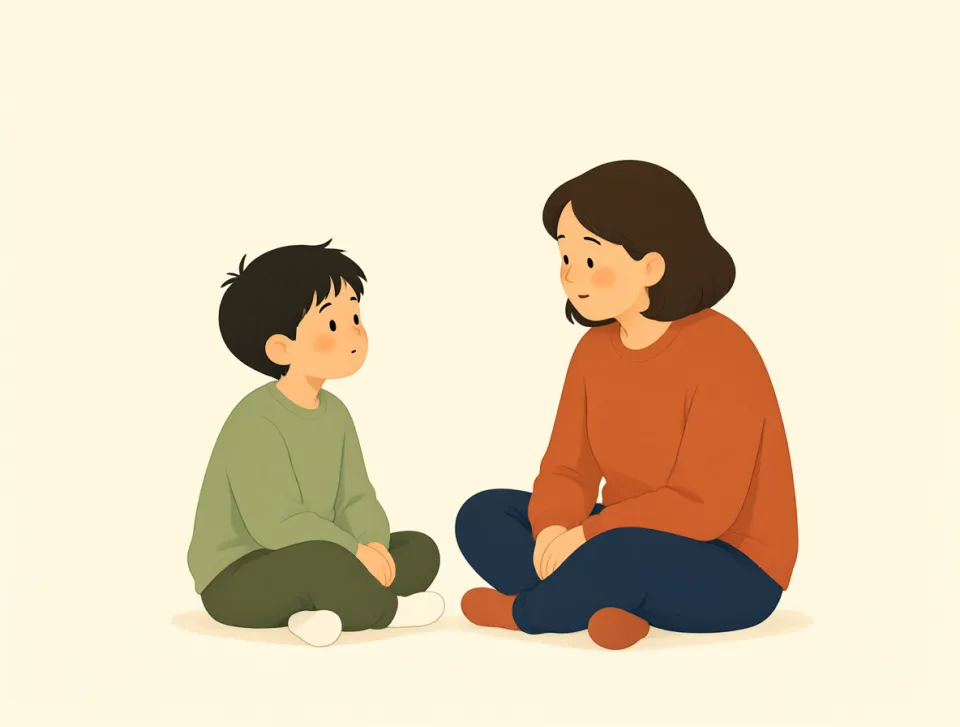
To pay attention to a sound or someone speaking.
Обращать внимание на звуки или на то, что кто-то говорит.
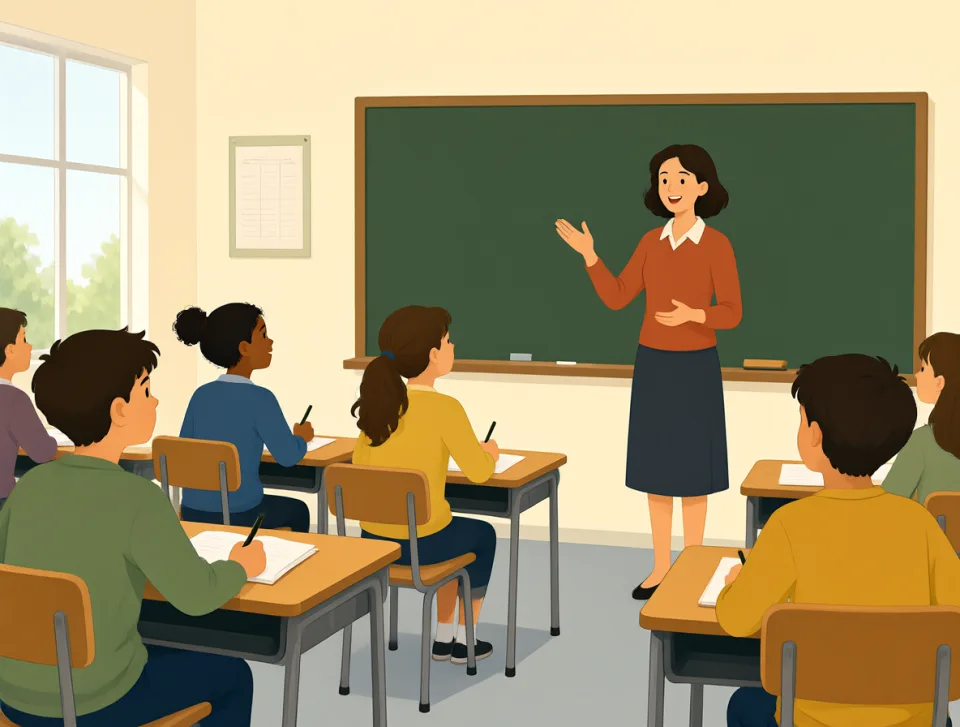
Please listen carefully to the teacher.
Пожалуйста, внимательно слушайте учителя.
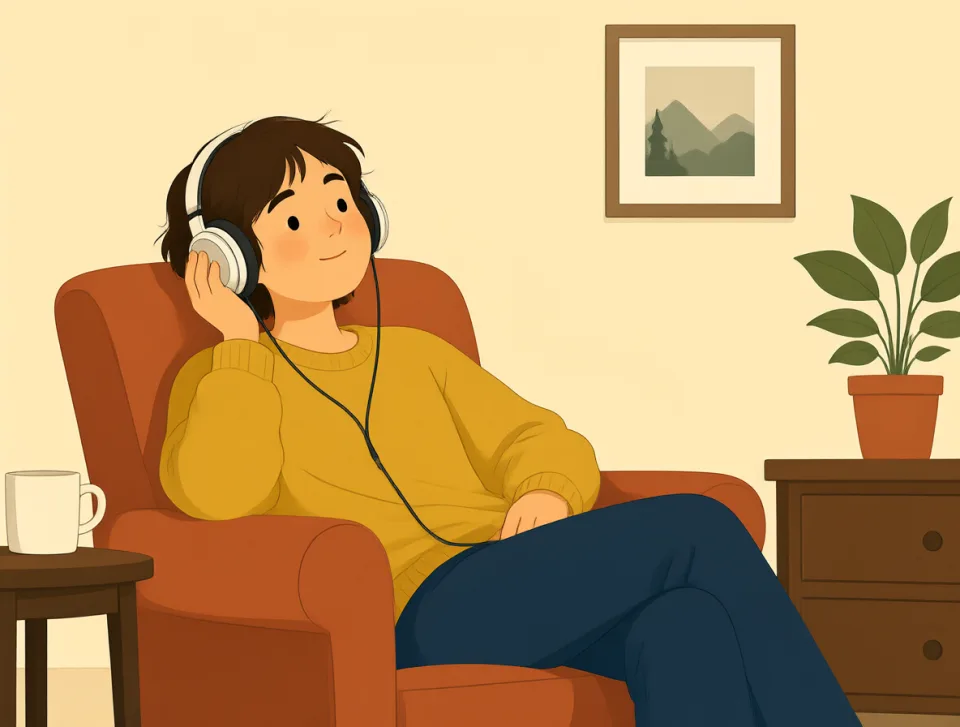
I listen to music every evening.
Я слушаю музыку каждый вечер.

Listen to this funny story!
Послушай эту забавную историю!

We listened for the train at night.
Ночью мы прислушивались, не идёт ли поезд.

She is listening to her doctor.
Она прислушивается к советам своего врача.
due
#574adjective, noun, preposition
причитаться; быть назначенным; быть обусловленным
Expected or owed at a particular time, or caused by someone or something.
То, что должно произойти или быть уплачено в определённое время, либо вызвано кем-то или чем-то.

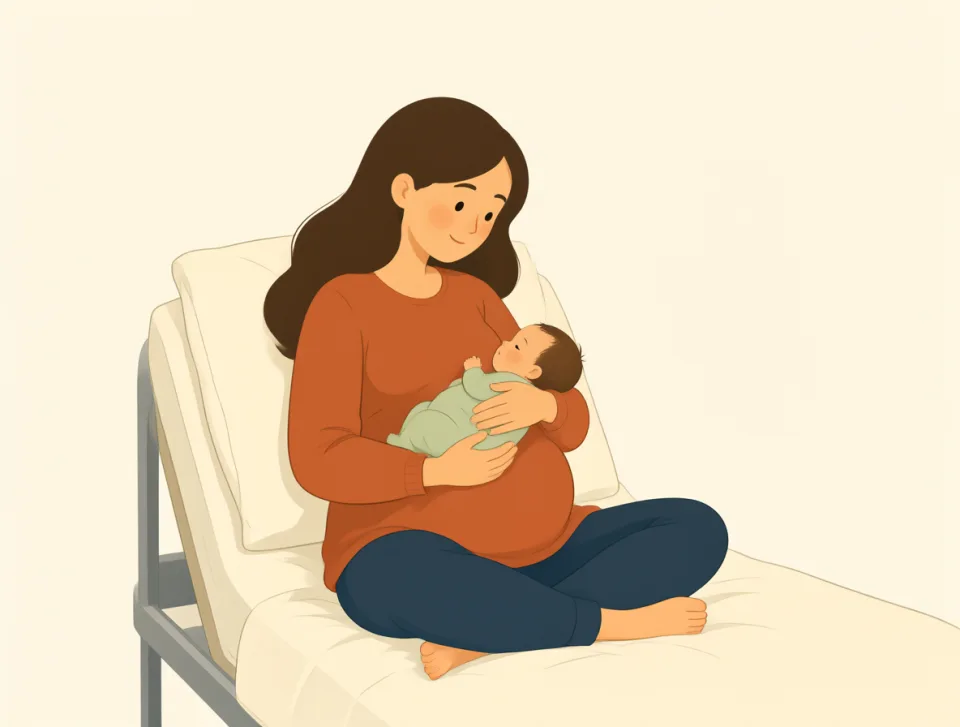
The baby is due next week.
Ребёнок должен родиться на следующей неделе.
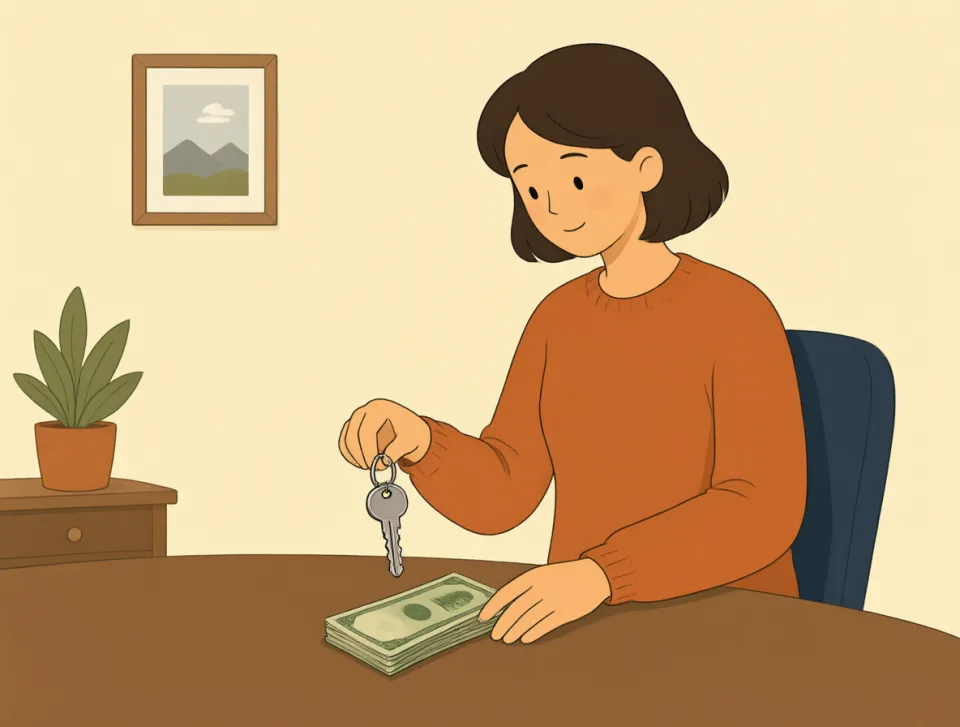
Our rent is due on Friday.
Аренду нужно заплатить в пятницу.
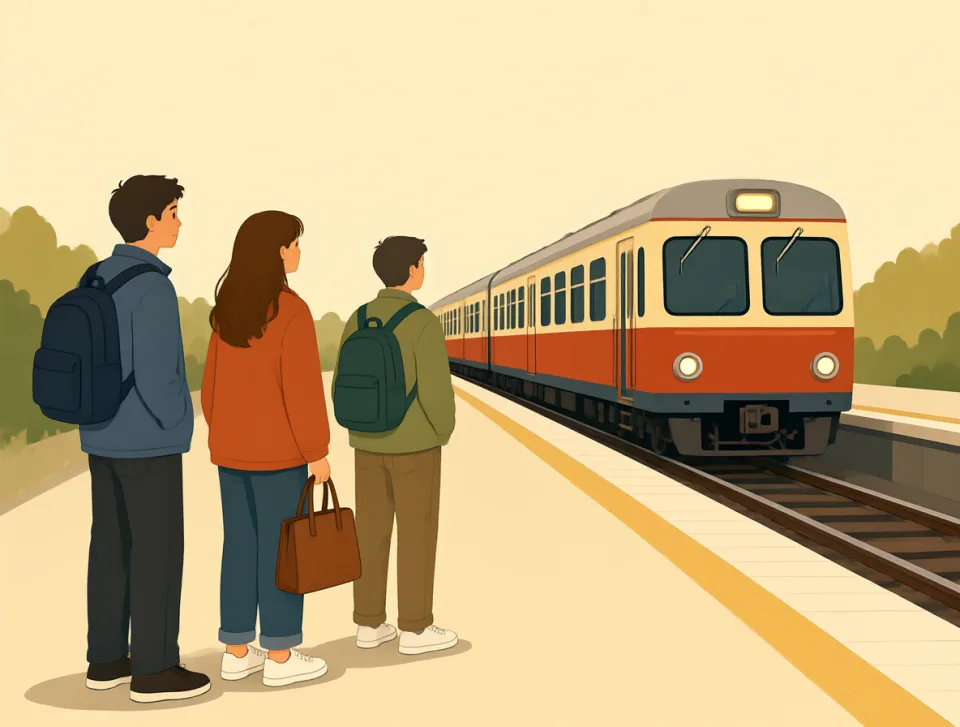
The train is due at six.
Поезд должен прибыть в шесть.

The delay was due to heavy rain.
Задержка была вызвана сильным дождём.

She paid the money due yesterday.
Она заплатила вчера причитавшуюся сумму.
wrong
#575adjective, adverb, noun
неправильный; неверный
Not correct, suitable, or true; in an unsuitable or incorrect way.
Не правильный, неподходящий или неверный; неподходящим или неправильным образом.
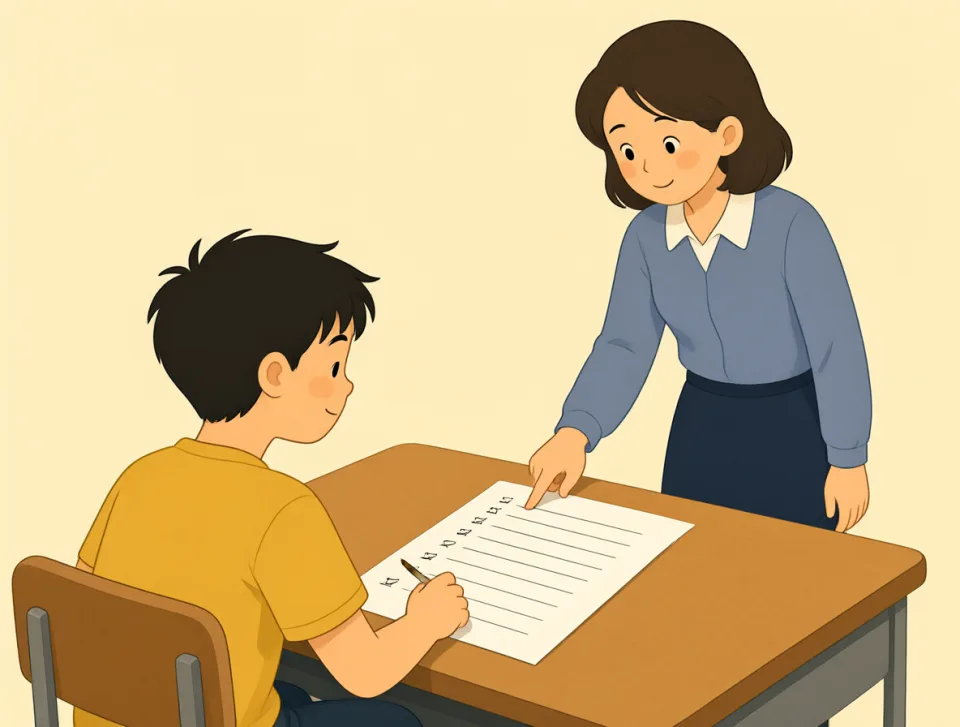
I think you have the wrong answer.
Думаю, ты дал неправильный ответ.

She took the wrong bus to work.
Она села не на тот автобус, чтобы добраться до работы.

This shirt is the wrong size for me.
Эта рубашка мне не по размеру.
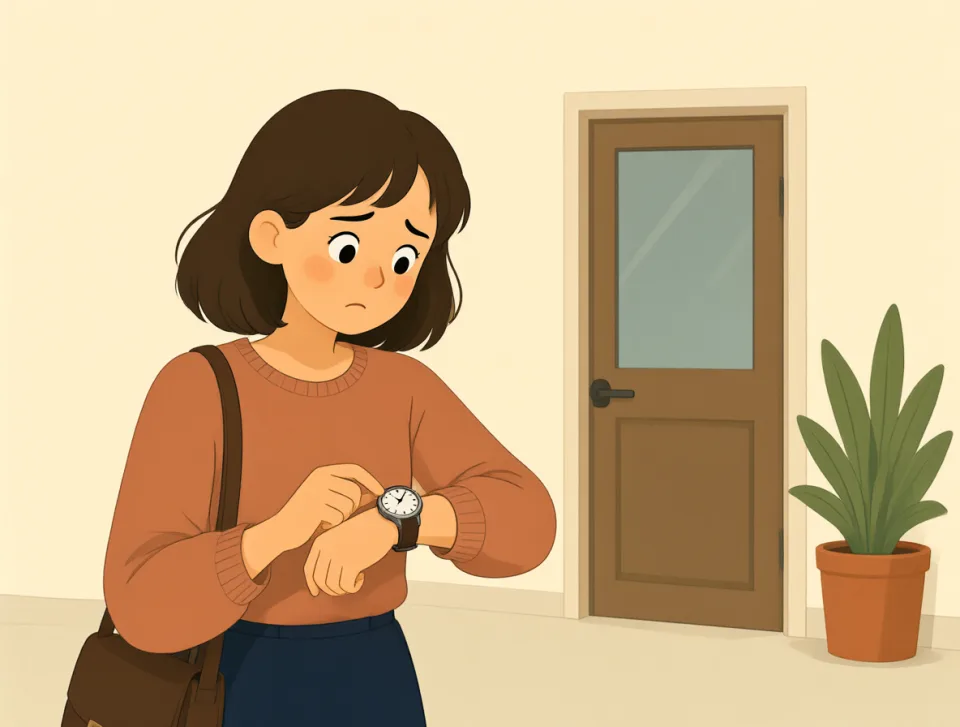
My watch is wrong, so I arrived late.
Мои часы спешат или отстают, поэтому я опоздал.
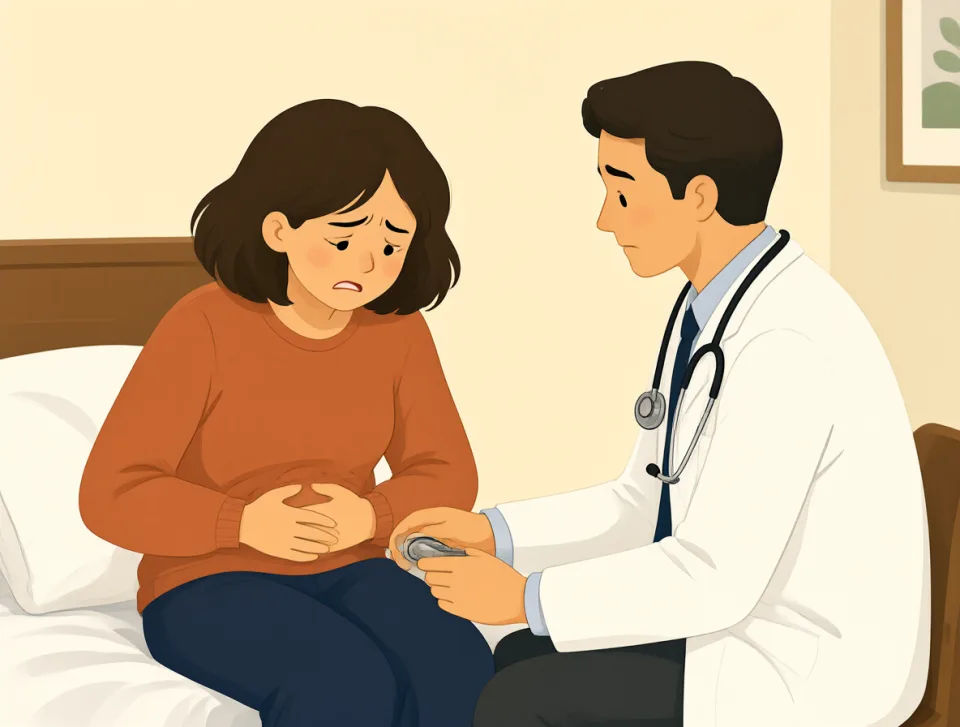
There is something wrong with my stomach.
У меня что-то не так с желудком.
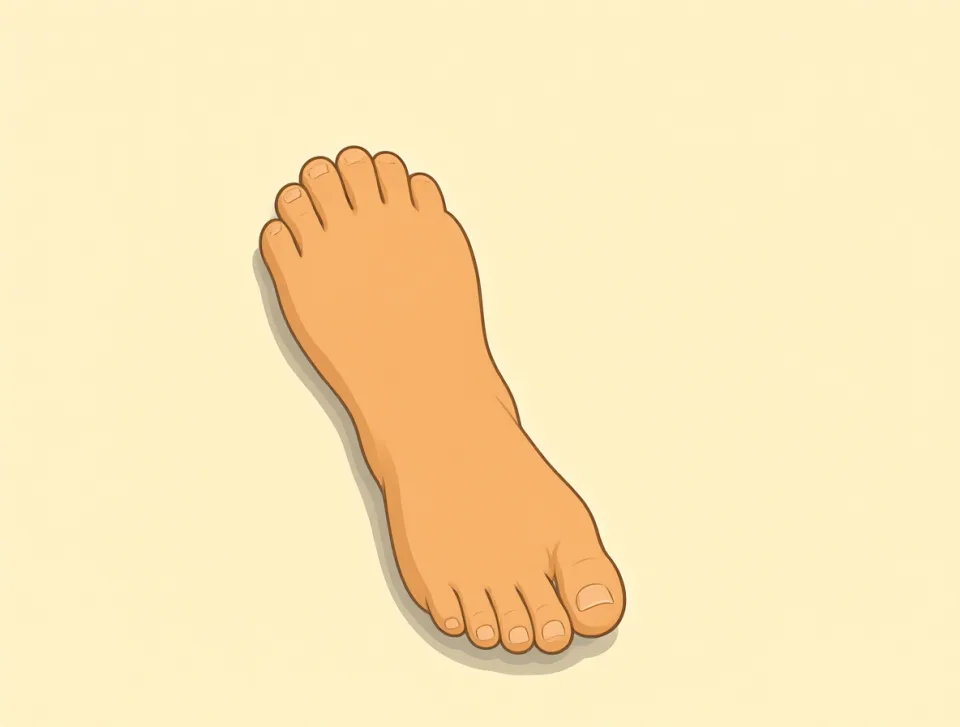
foot
#576noun, verb
ступня
The part of your body below the ankle, or to walk somewhere.
Часть тела ниже лодыжки; также глагол to foot означает «идти пешком».
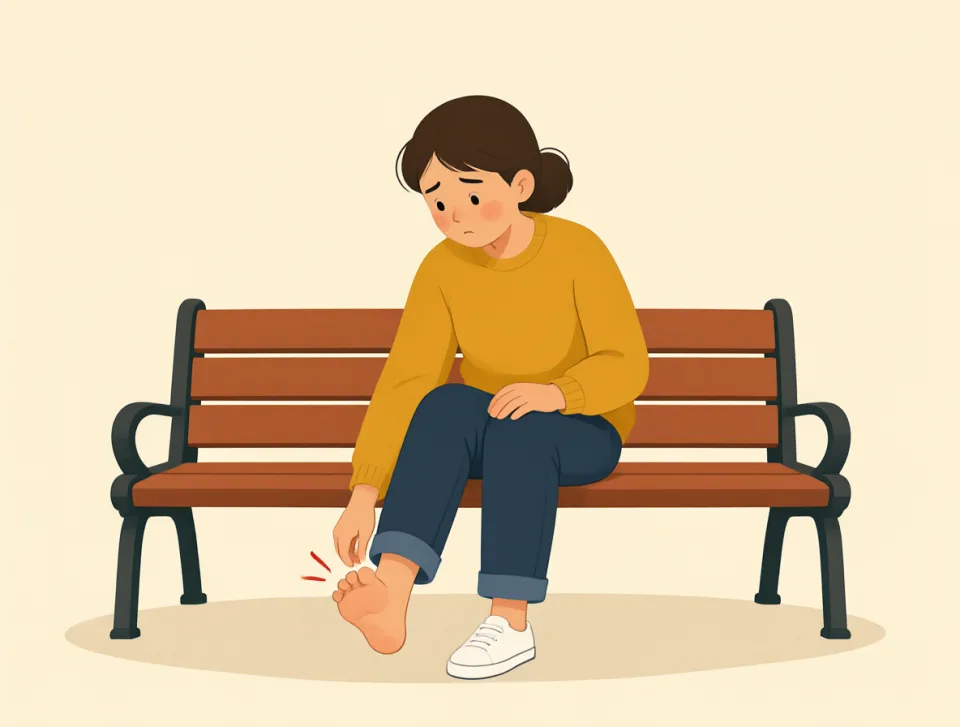
My foot hurts after the long walk.
После долгой прогулки у меня болит ступня.

She put her foot under the table.
Она положила ногу под стол.
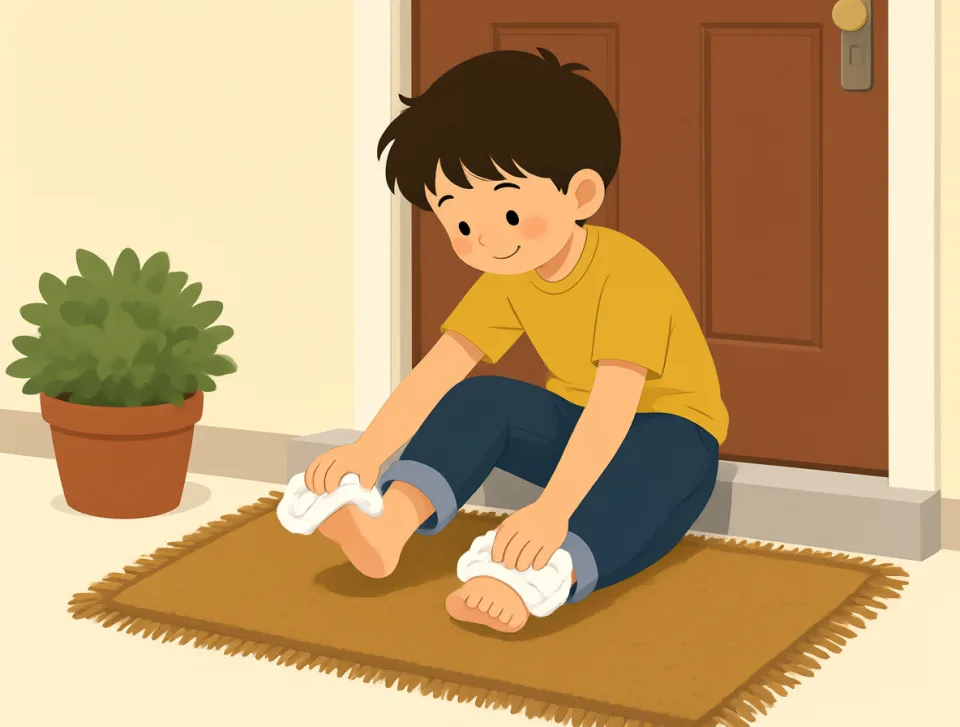
Please wipe your feet before coming inside.
Пожалуйста, вытирайте ноги, прежде чем войти.

He lost his footing on the wet floor.
Он поскользнулся на мокром полу и потерял равновесие.

We walked on foot to the station.
Мы дошли до станции пешком.
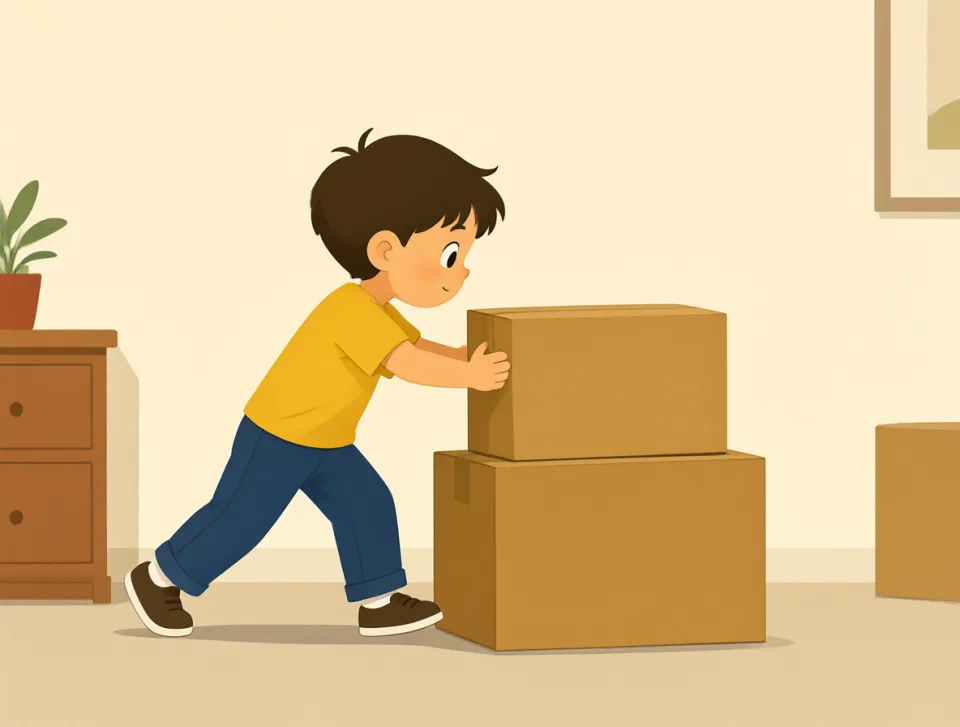
effort
#577noun
усилие
The energy and hard work used to do something.
Энергия и усердие, которые нужны, чтобы что-то сделать.
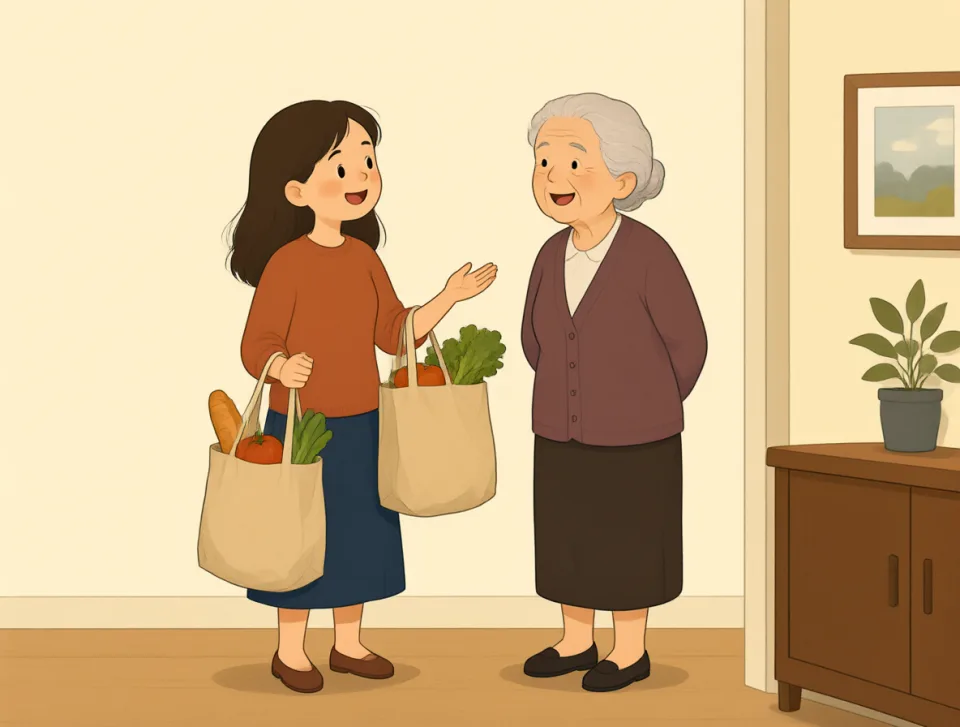
She made a great effort to help.
Она приложила большие усилия, чтобы помочь.
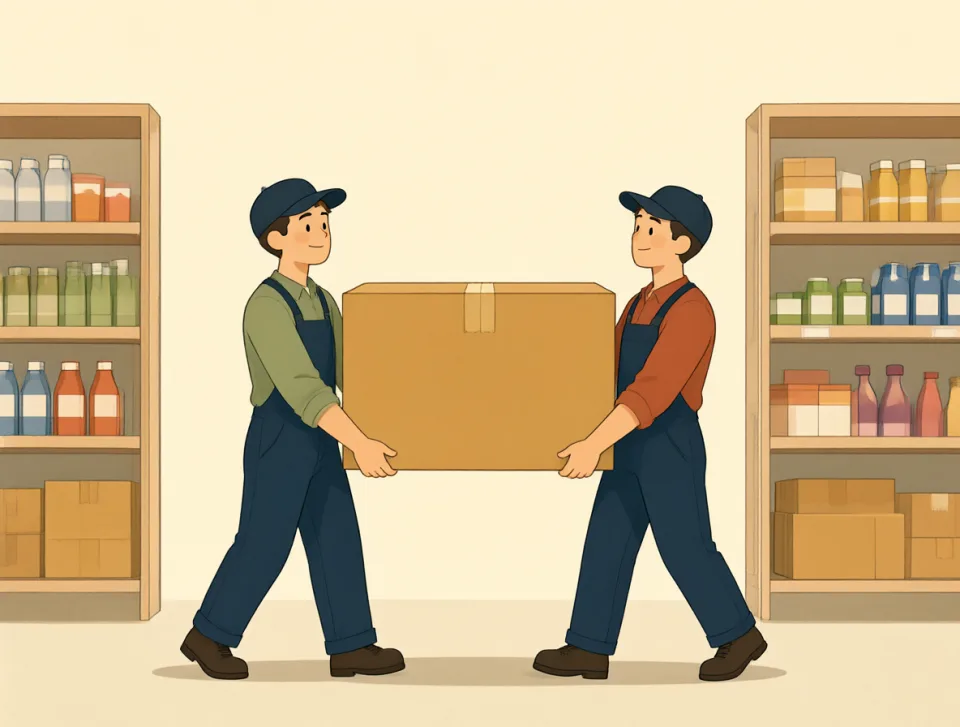
Your effort will make the job easier.
Твои усилия облегчат работу.
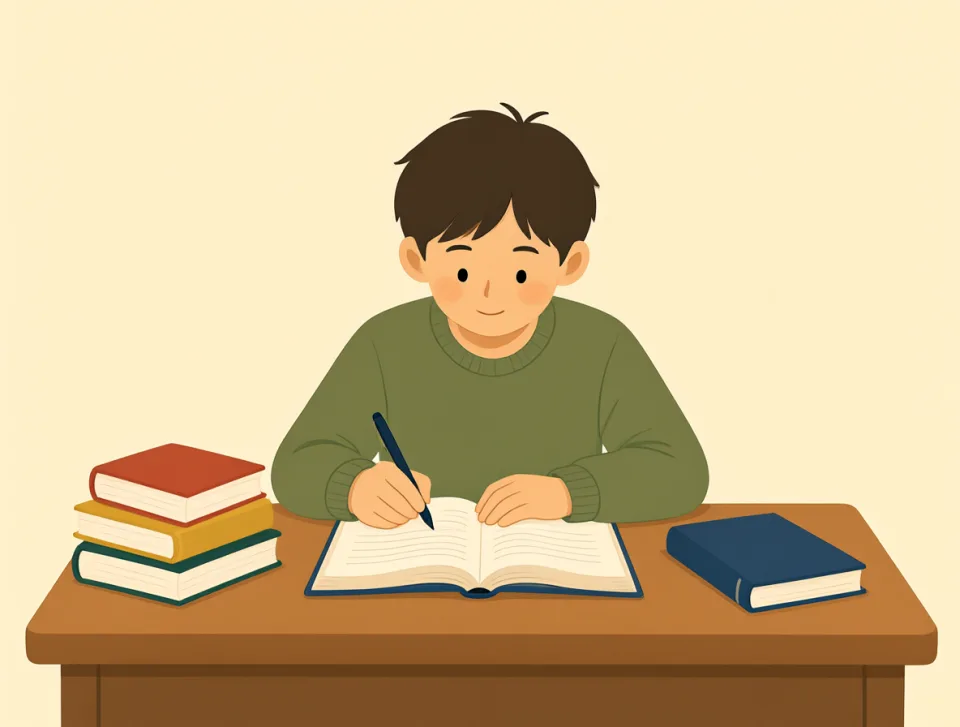
He passed the test through hard effort.
Он сдал экзамен благодаря упорному труду.
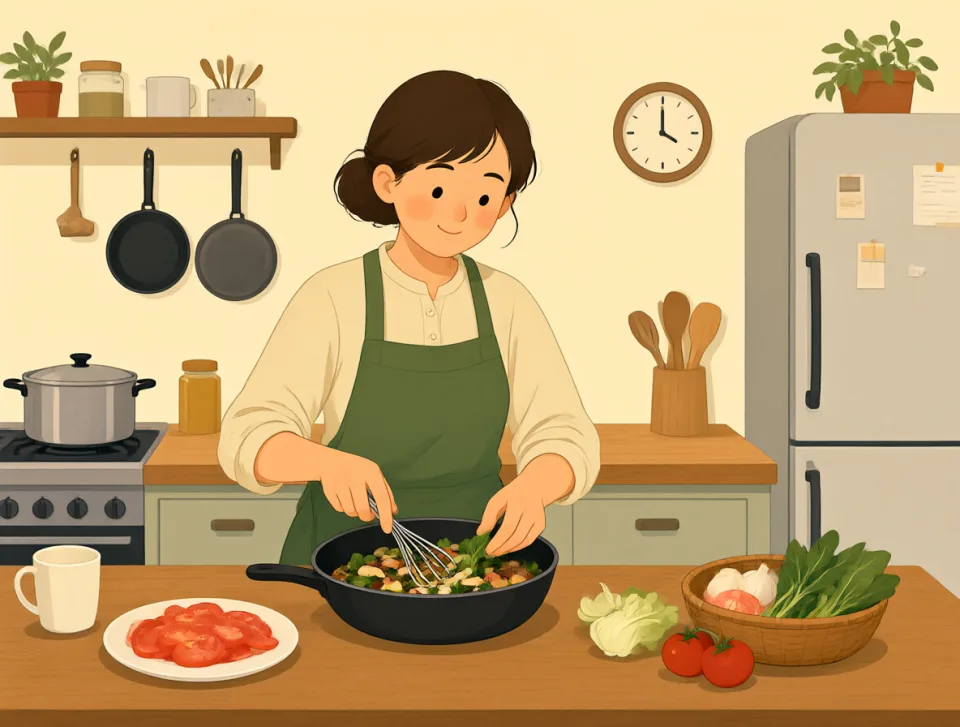
Cooking this meal took a lot of effort.
На приготовление этого блюда ушло много усилий.
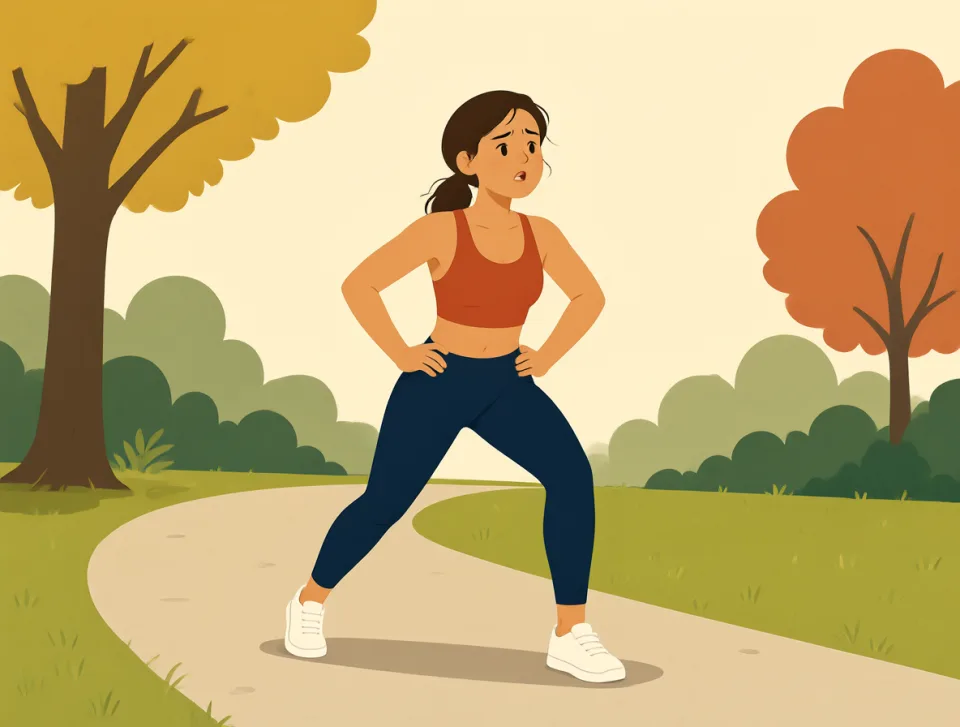
My doctor says exercise needs regular effort.
Мой врач говорит, что для регулярных занятий спортом нужны усилия.
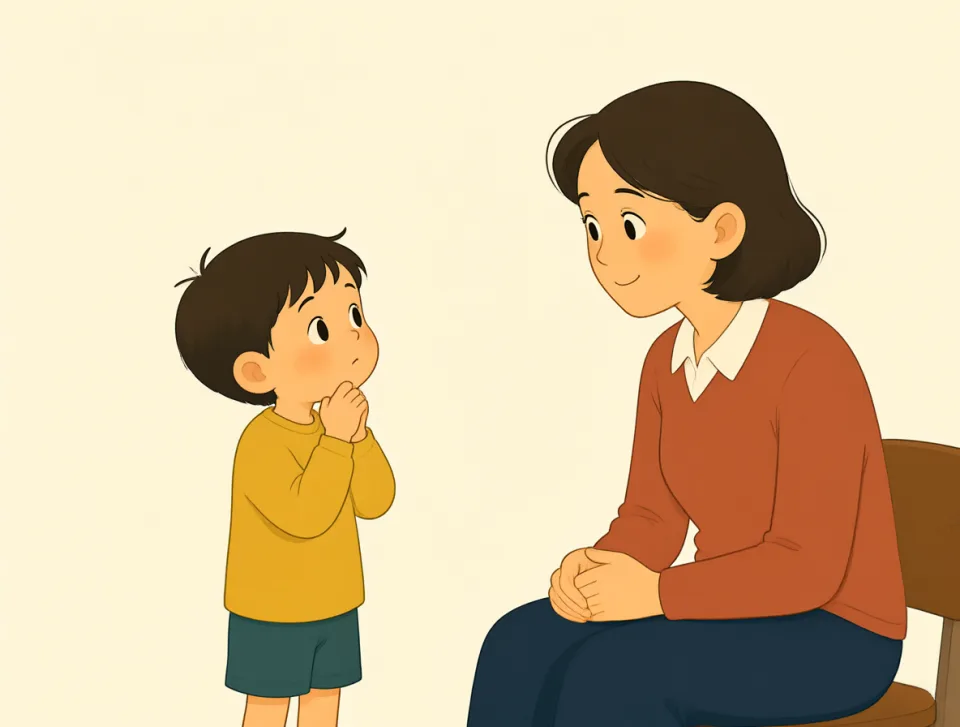
attention
#578noun
внимание
The act of watching, listening to, or thinking carefully about someone or something.
Внимательное наблюдение, слушание или размышление о ком-то или о чём-то.
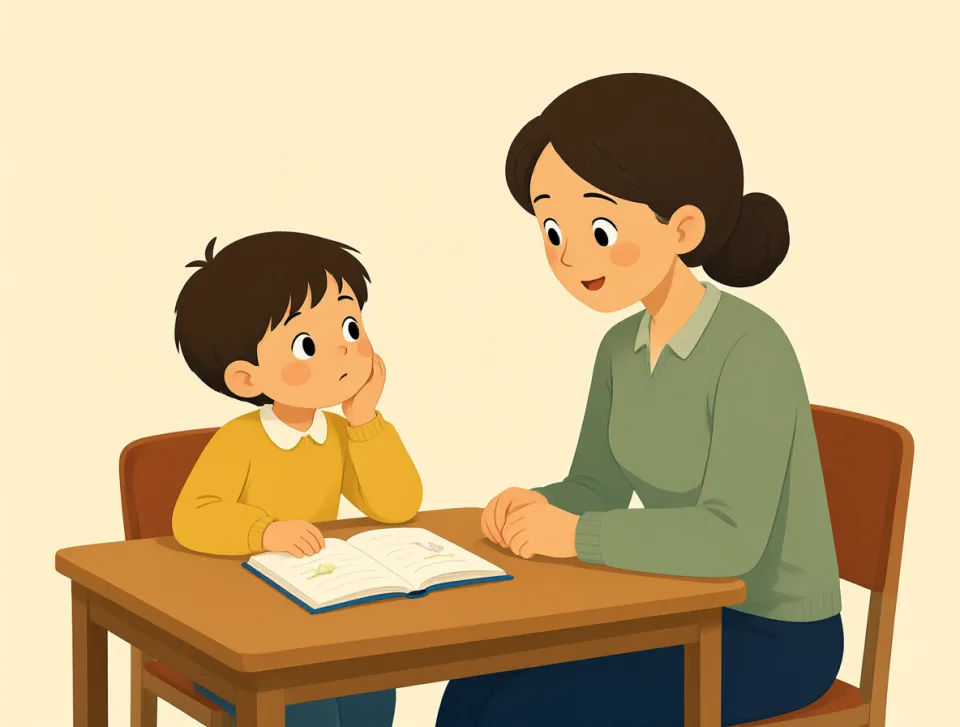
Please pay attention to the teacher.
Пожалуйста, внимательно слушайте учителя.
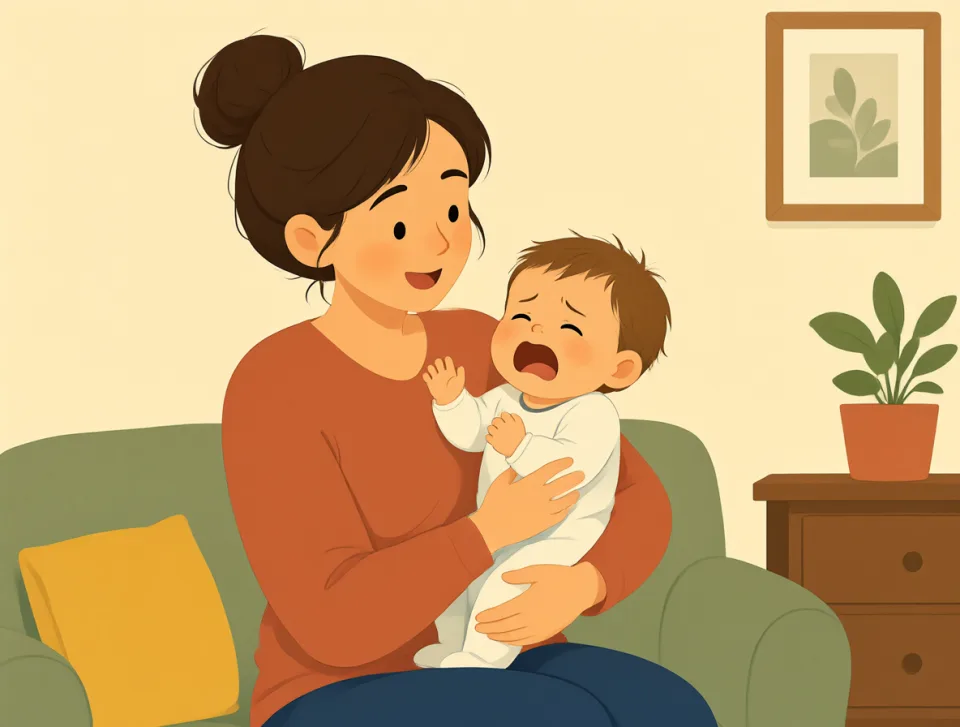
The baby needs attention from her mother.
Малышке нужно внимание мамы.
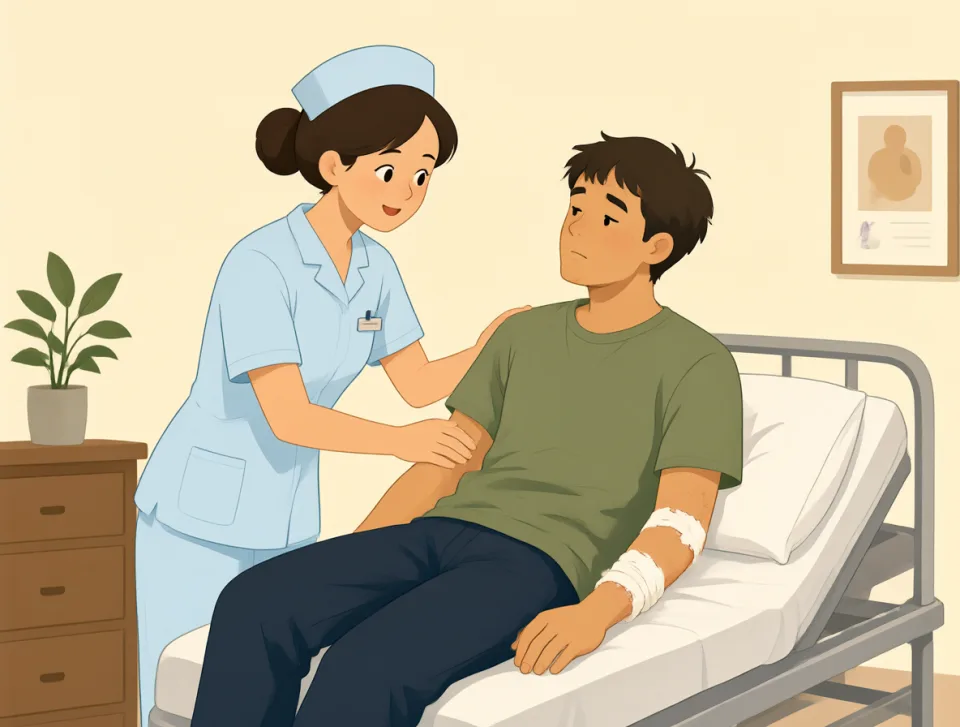
The nurse gave attention to the injured man.
Медсестра уделила внимание пострадавшему мужчине.

The store window caught my attention.
Витрина магазина привлекла моё внимание.
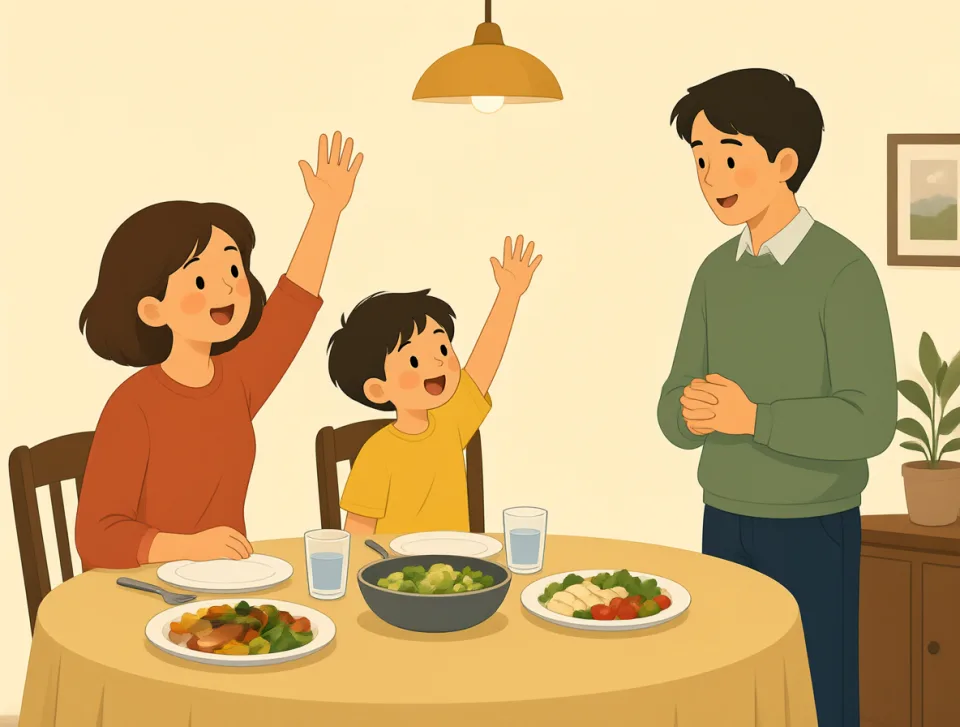
The children were seeking attention at dinner.
За ужином дети пытались привлечь к себе внимание.
upon
#579preposition
при; сразу после
used to mean on or immediately after something
Употребляется в значении «на» или «сразу после чего-либо».
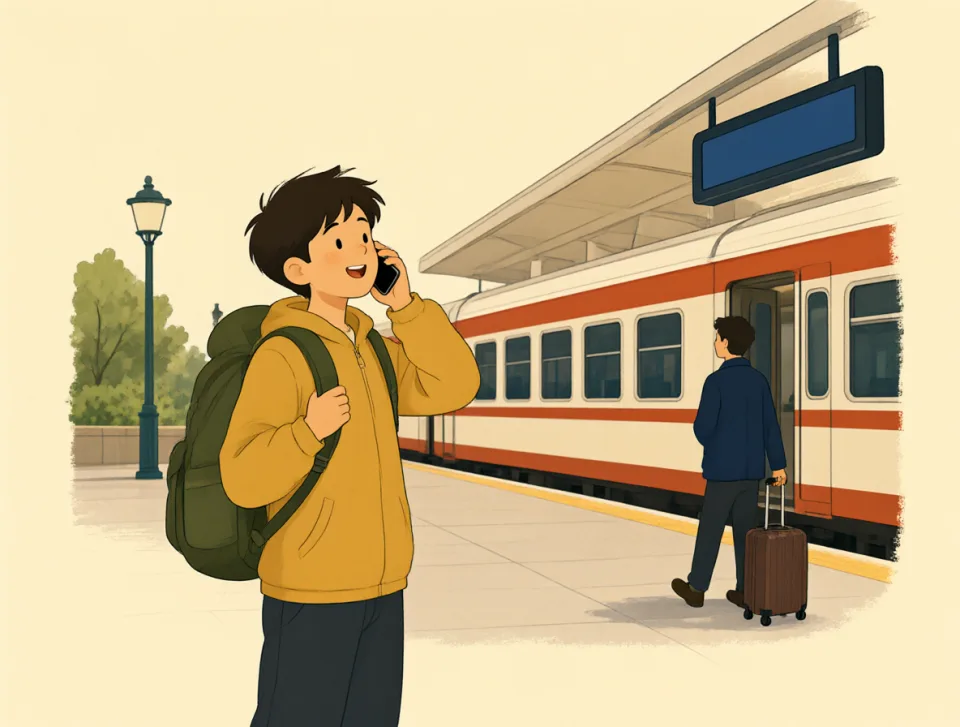
Upon arrival, please call your parents.
По прибытии позвоните родителям.
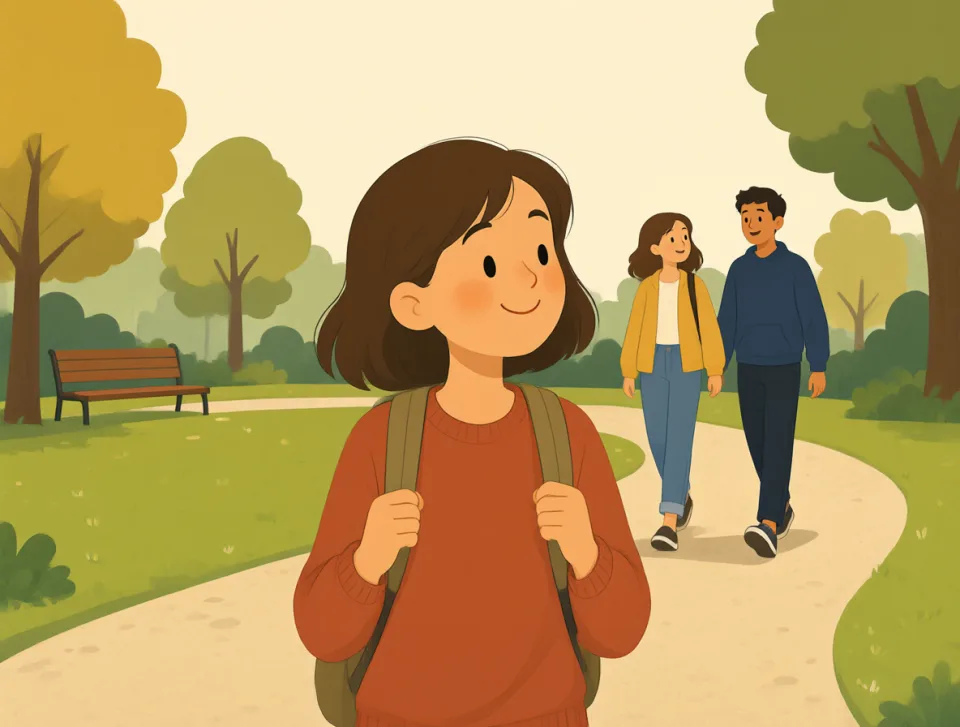
She smiled upon seeing her friends.
Увидев друзей, она улыбнулась.
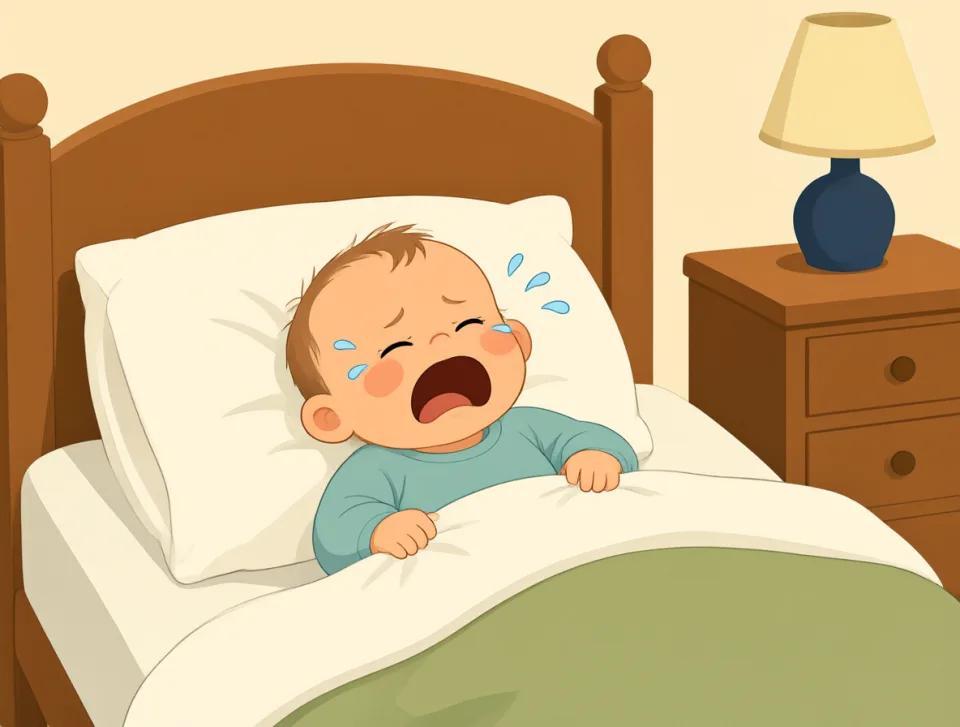
The baby cried upon waking.
Проснувшись, малыш заплакал.

Upon request, we can bring more food.
По запросу мы можем принести ещё еды.
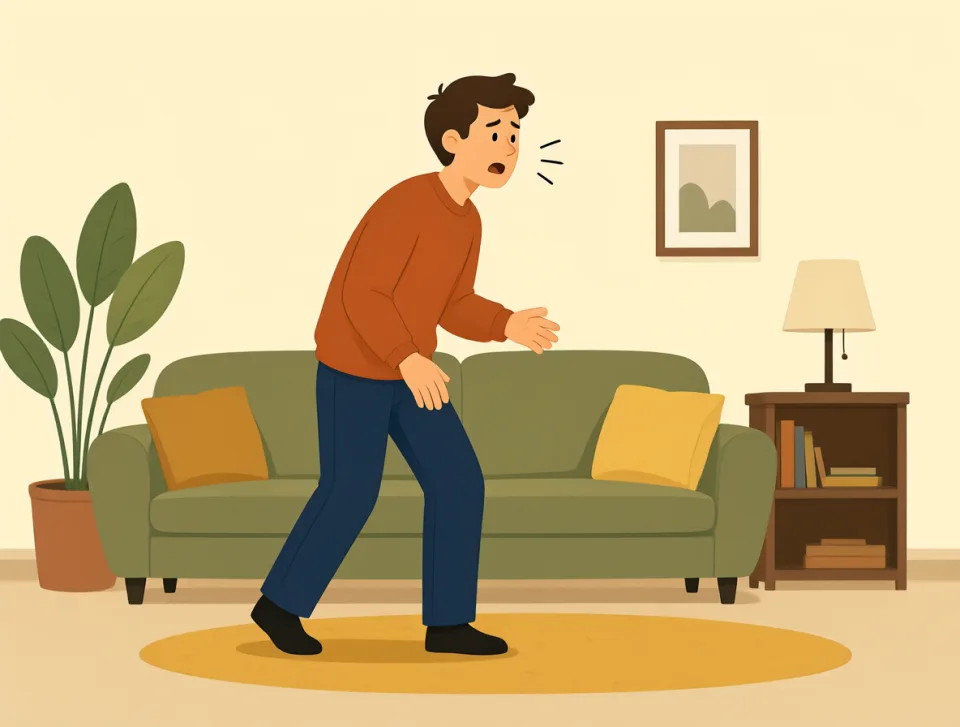
He acted quickly upon hearing the news.
Услышав новость, он быстро принял меры.
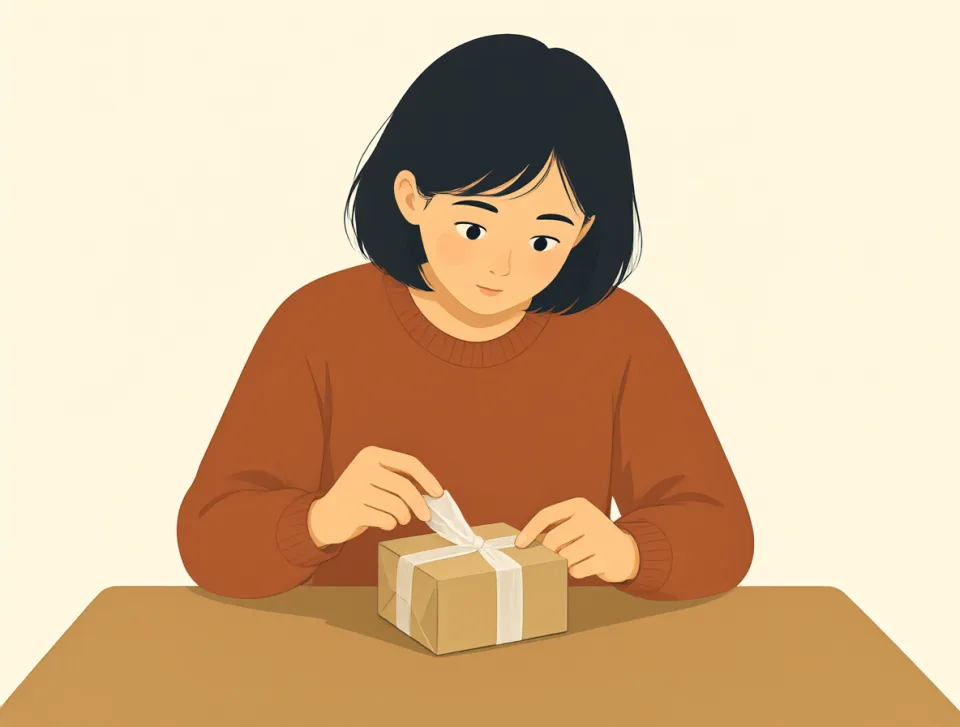
check
#580noun, verb
проверять
To look at something carefully to make sure it is correct, safe, or complete.
Внимательно осматривать что-либо, чтобы убедиться, что всё правильно, безопасно или готово.
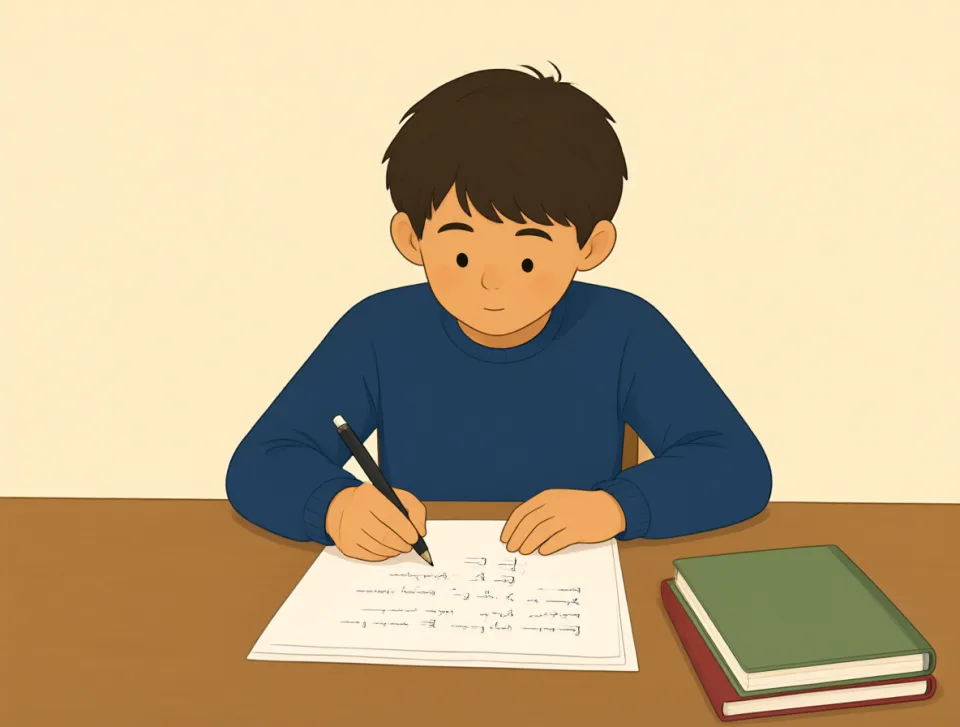
Please check your answers before you finish.
Пожалуйста, проверьте свои ответы, прежде чем закончить.
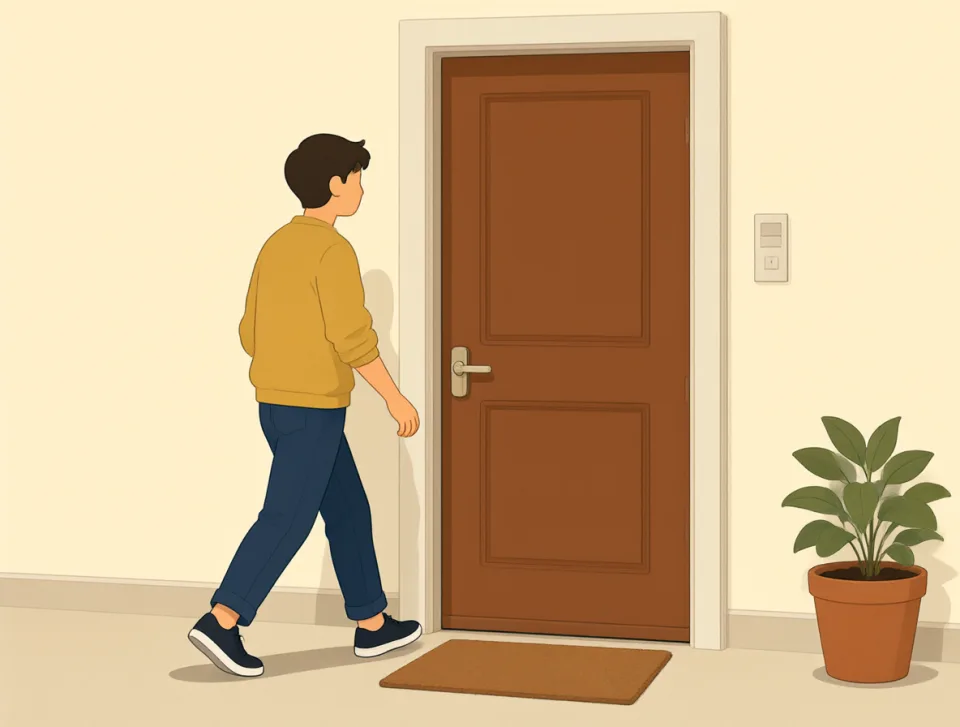
I checked the door before leaving home.
Перед уходом из дома я проверил дверь.
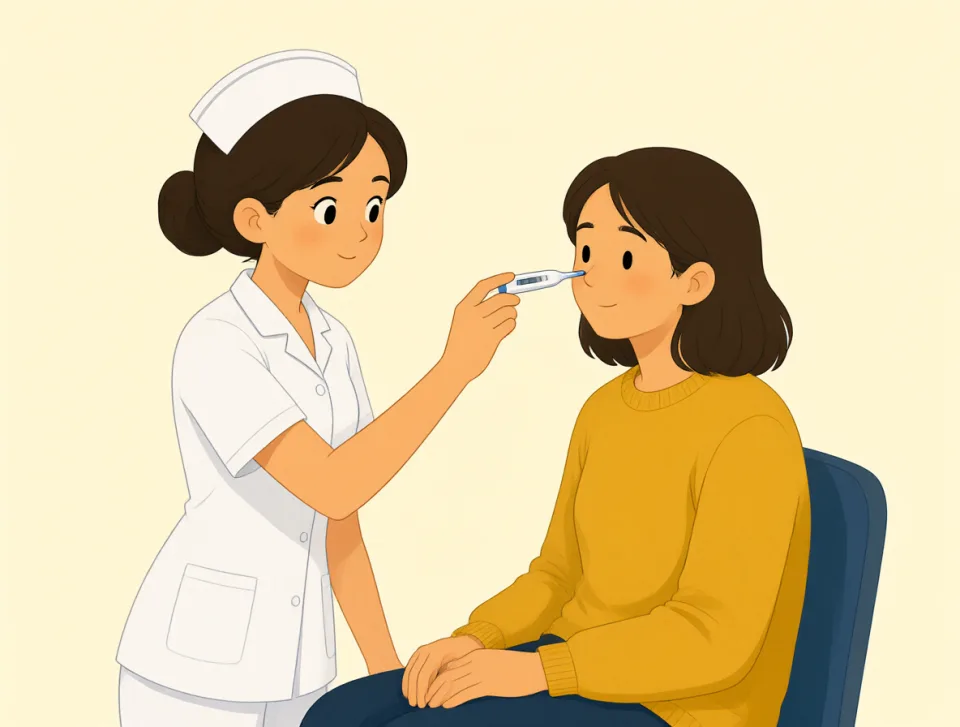
The nurse checked my temperature.
Медсестра измерила мне температуру.

Can you check the price of this shirt?
Можешь узнать цену этой рубашки?
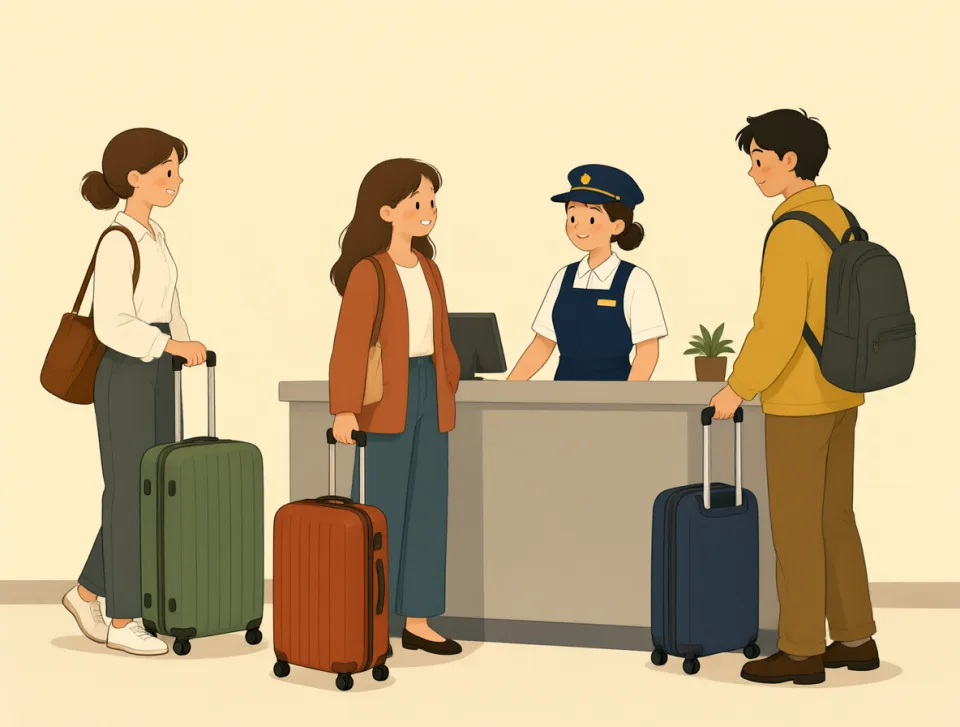
We checked our bags at the airport.
В аэропорту мы сдали багаж.