Unidad 29
Palabras 561–580 · accept, society, technology, mention, choice, save
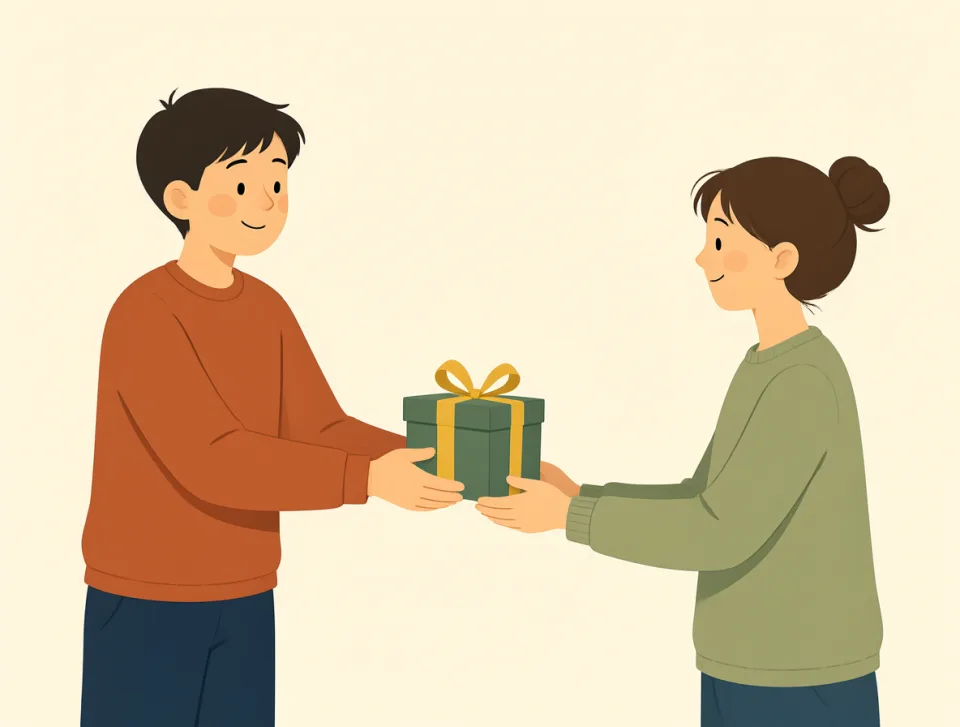
accept
#561verb
aceptar; admitir
to agree to take something or agree that something is true
estar de acuerdo en recibir algo o admitir que algo es verdad

She accepted the invitation to dinner.
Ella aceptó la invitación a cenar.
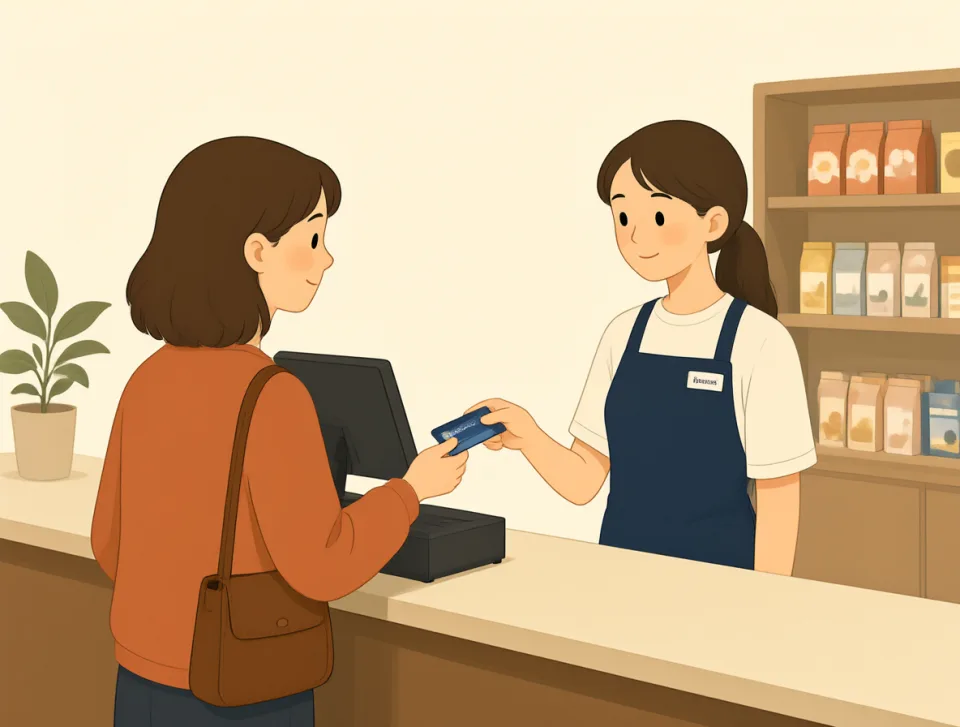
The store accepts credit cards.
La tienda acepta tarjetas de crédito.

He accepted the job after the interview.
Aceptó el trabajo después de la entrevista.
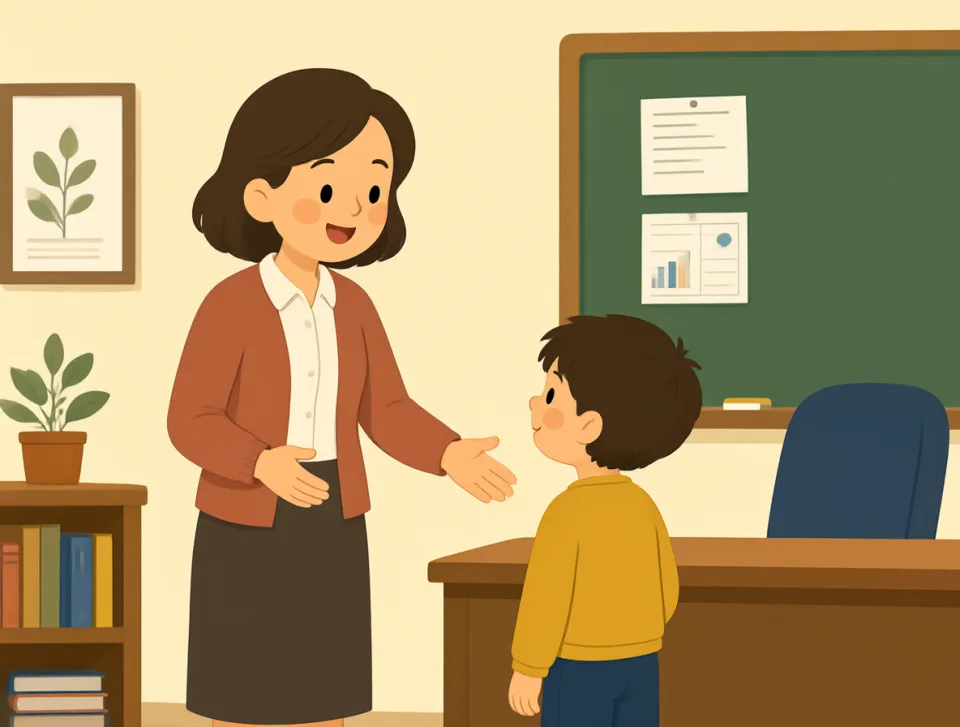
The school accepted my application.
La escuela aceptó mi solicitud.
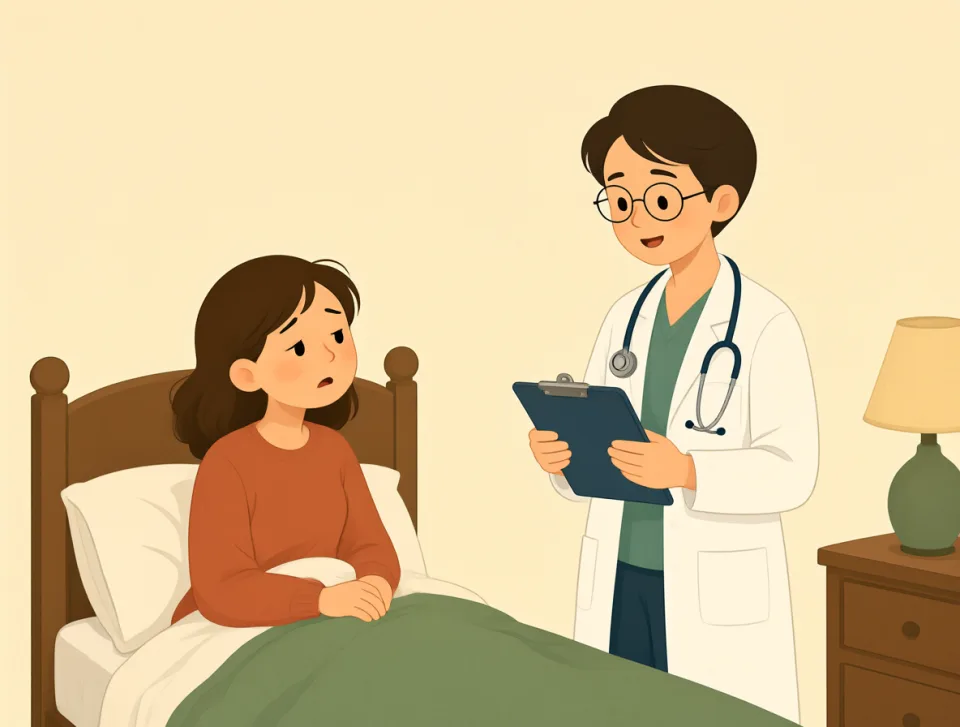
She accepted that she needed more rest.
Ella aceptó que necesitaba descansar más.
society
#562noun
sociedad
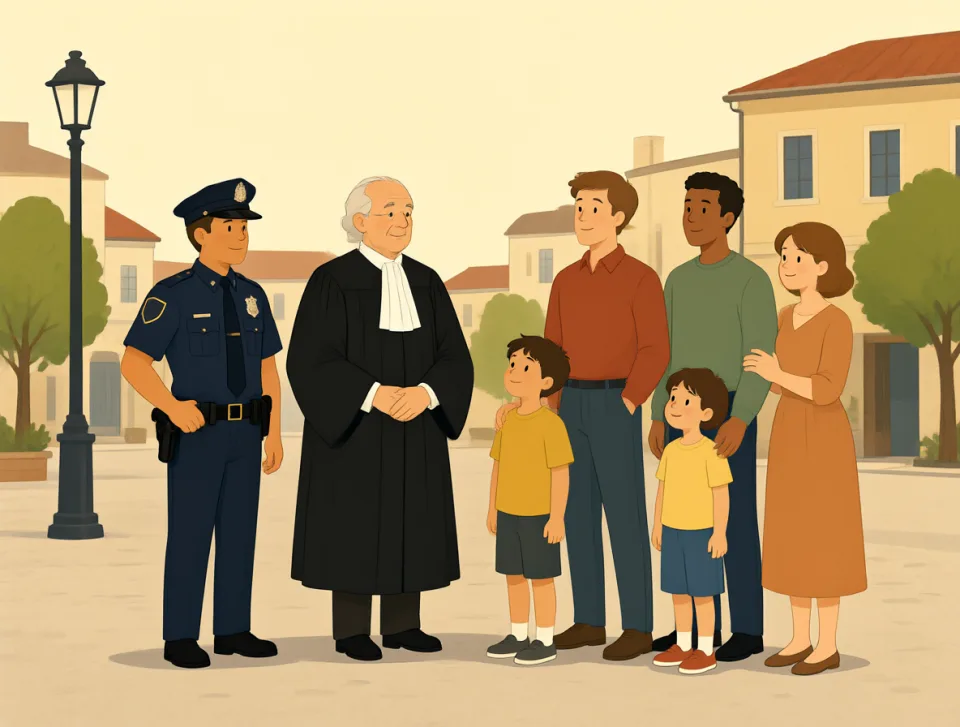
People living together in an organized community or country.
Personas que viven juntas en una comunidad o país organizado.
Society needs laws to protect everyone.
La sociedad necesita leyes para proteger a todos.
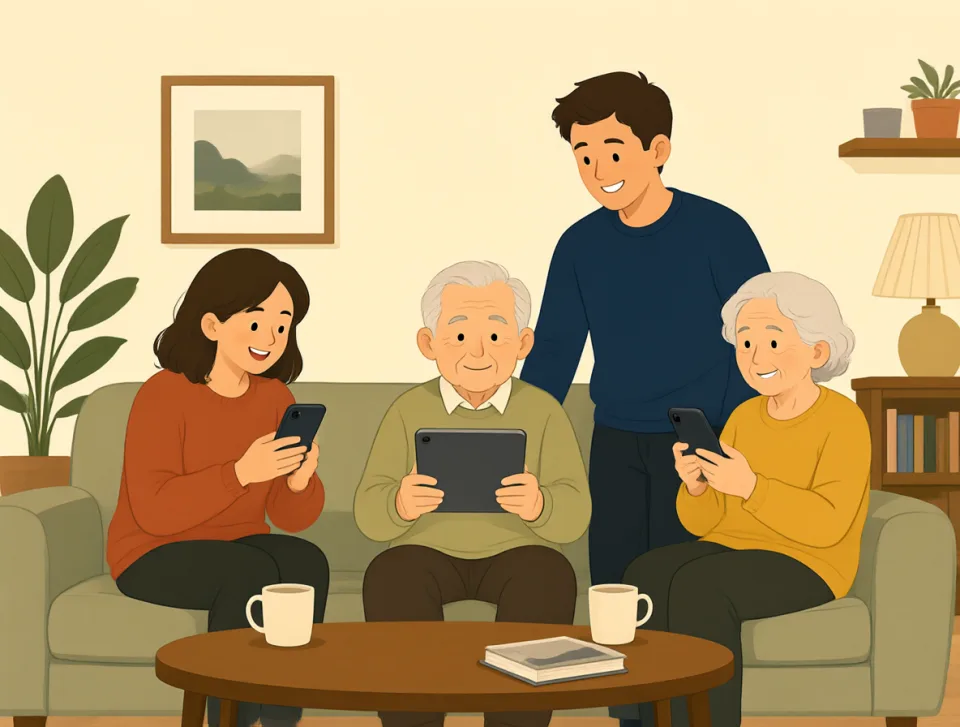
Technology has changed society in many ways.
La tecnología ha cambiado la sociedad de muchas maneras.
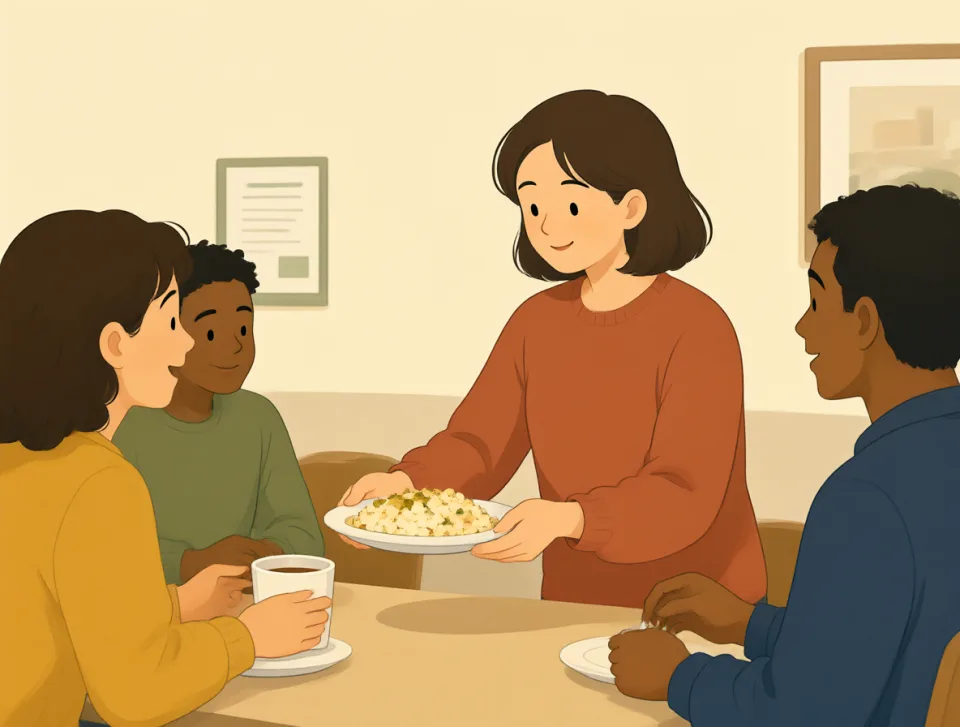
She wants to help society after school.
Ella quiere ayudar a la sociedad después de la escuela.
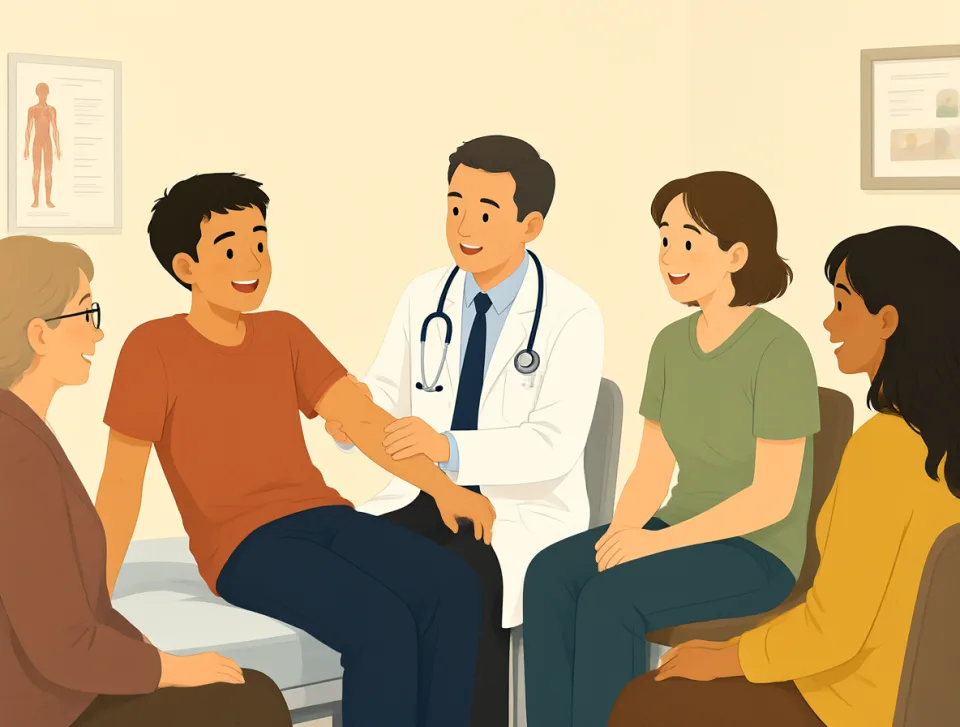
Good health is important for society.
La buena salud es importante para la sociedad.
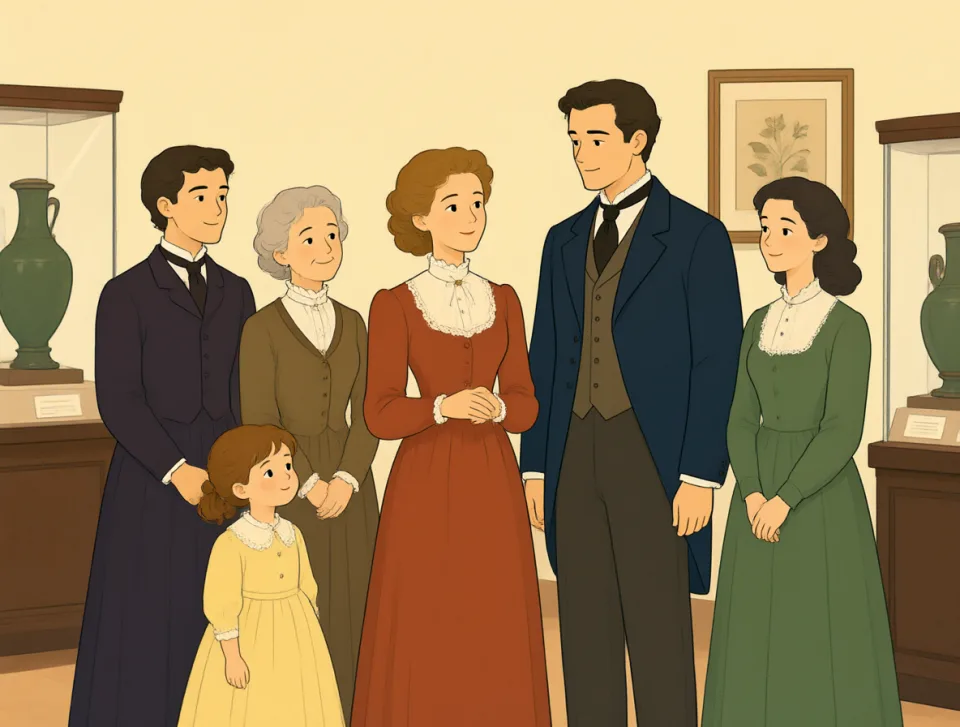
The museum shows how society lived long ago.
El museo muestra cómo vivía la sociedad hace mucho tiempo.

technology
#563noun
tecnología
The use of scientific knowledge to make useful tools, machines, and systems.
El uso de conocimientos científicos para crear herramientas, máquinas y sistemas útiles.

Technology makes it easier to work from home.
La tecnología facilita el trabajo desde casa.
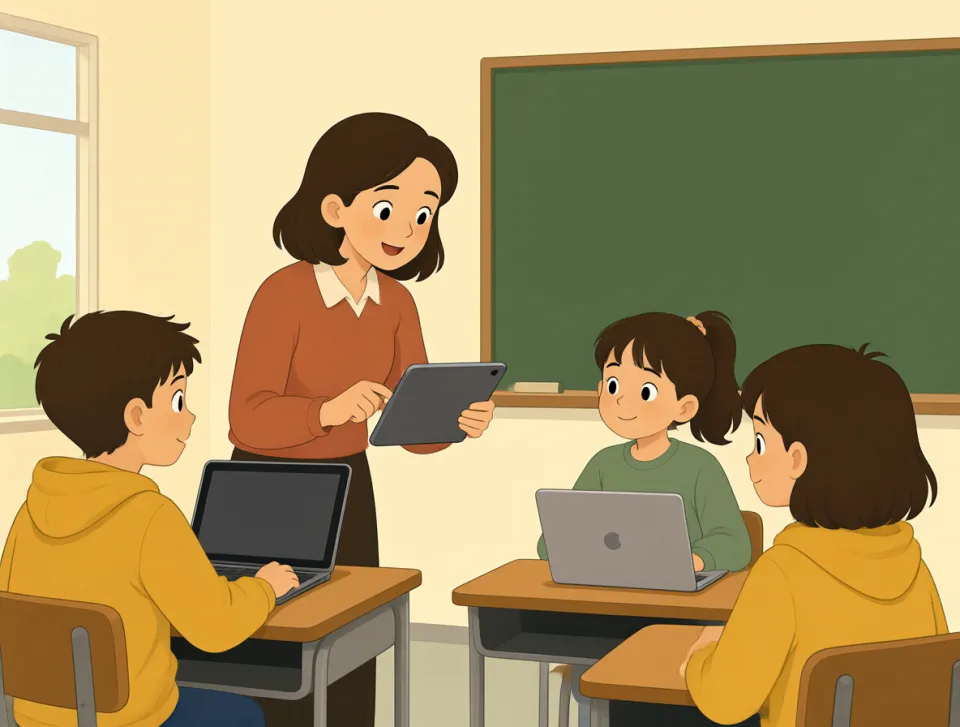
Our school uses new technology every day.
Nuestra escuela utiliza tecnología nueva todos los días.
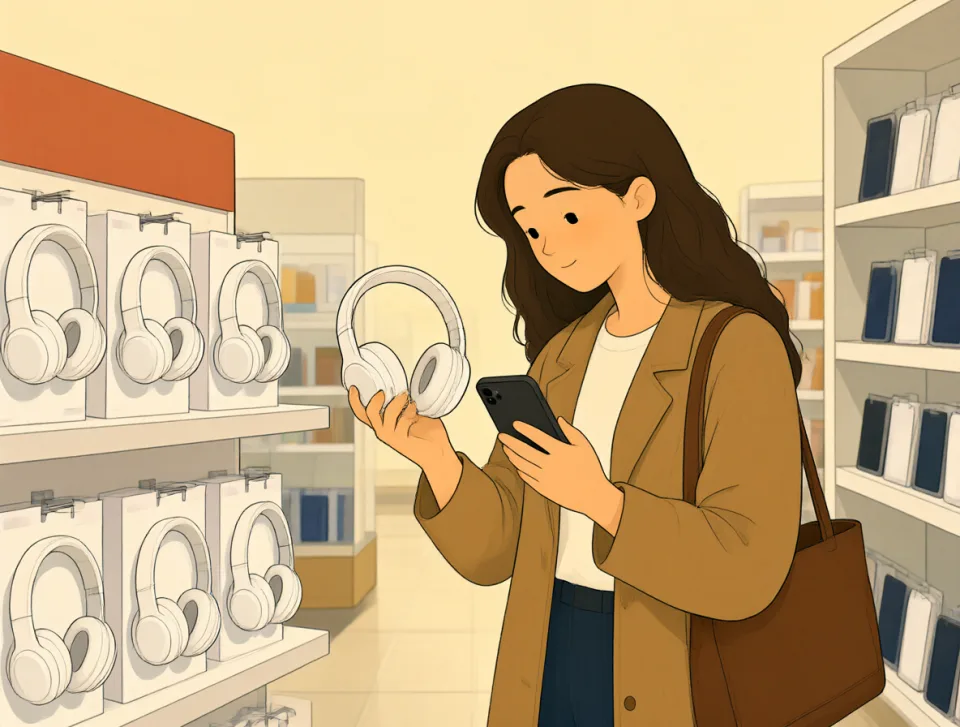
This shop has the latest technology.
Esta tienda tiene la tecnología más avanzada.
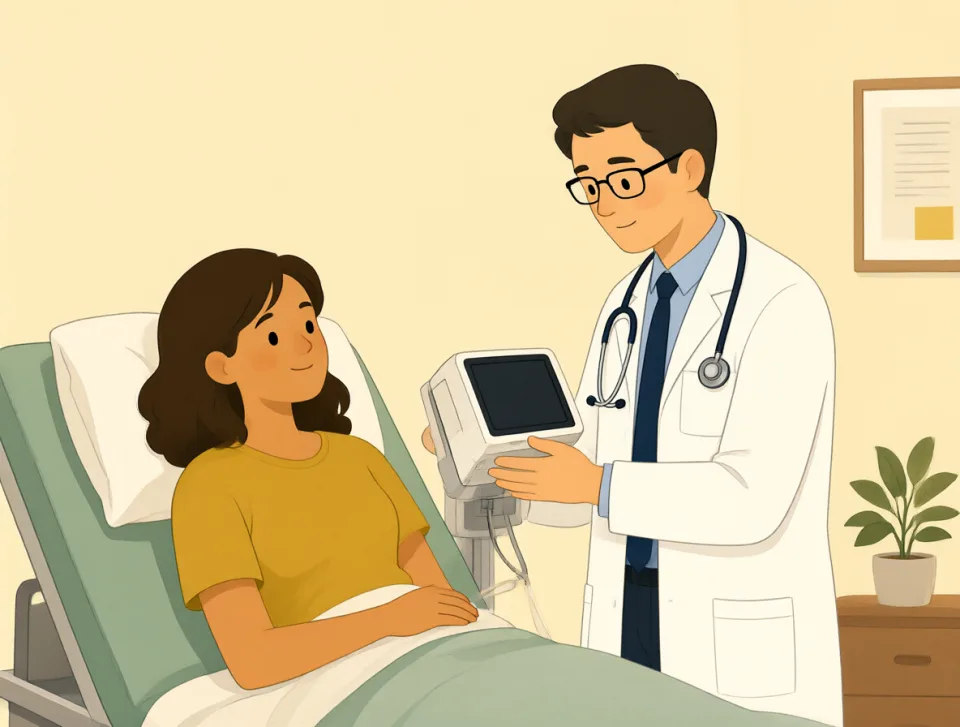
Medical technology helps doctors treat patients.
La tecnología médica ayuda a los médicos a tratar a los pacientes.
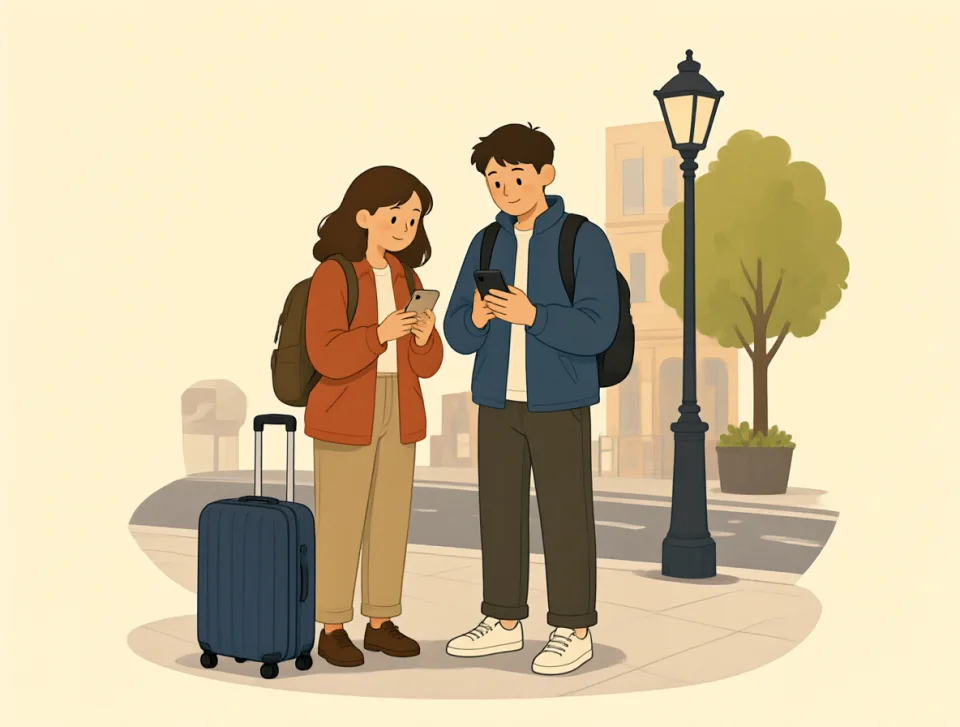
Technology helped us find our way.
La tecnología nos ayudó a encontrar el camino.
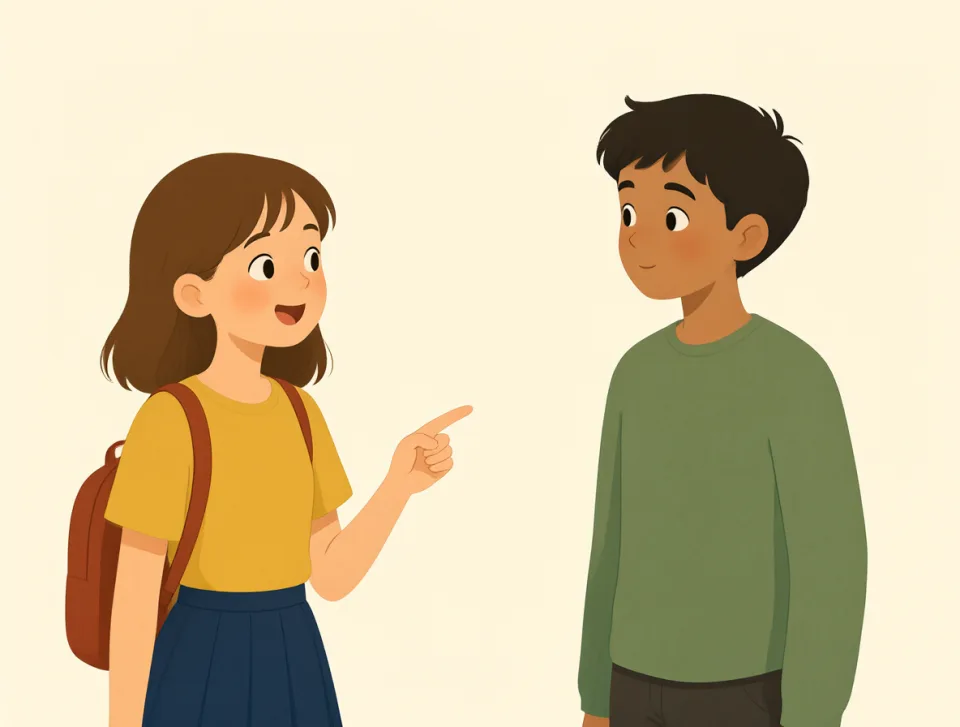
mention
#564verb, noun
mencionar; mención
To talk about someone or something briefly, or to name it in conversation.
Hablar brevemente de alguien o algo, o nombrarlo en una conversación.
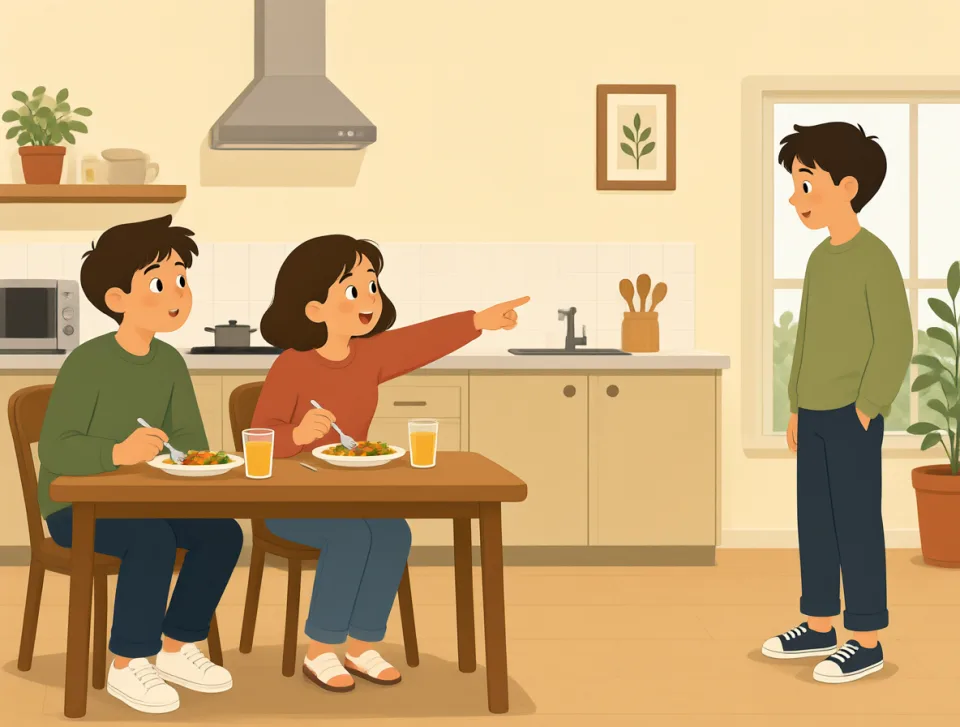
She mentioned your name at lunch.
Mencionó tu nombre durante el almuerzo.
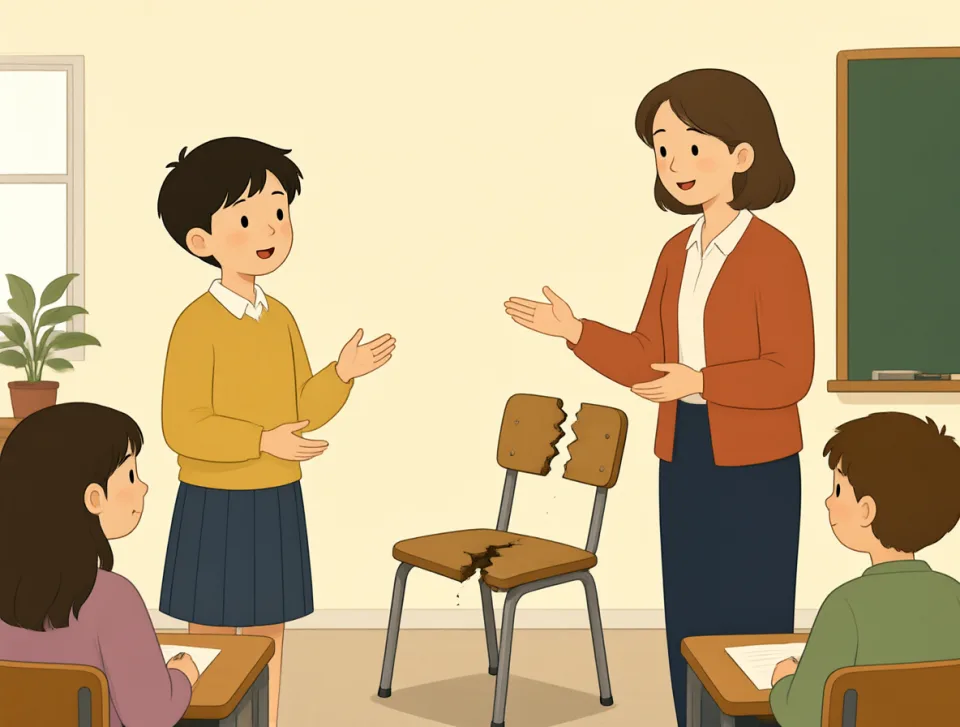
Please mention this problem to your teacher.
Por favor, menciona este problema a tu profesor.

He mentioned meeting us after work.
Mencionó que se reuniría con nosotros después del trabajo.
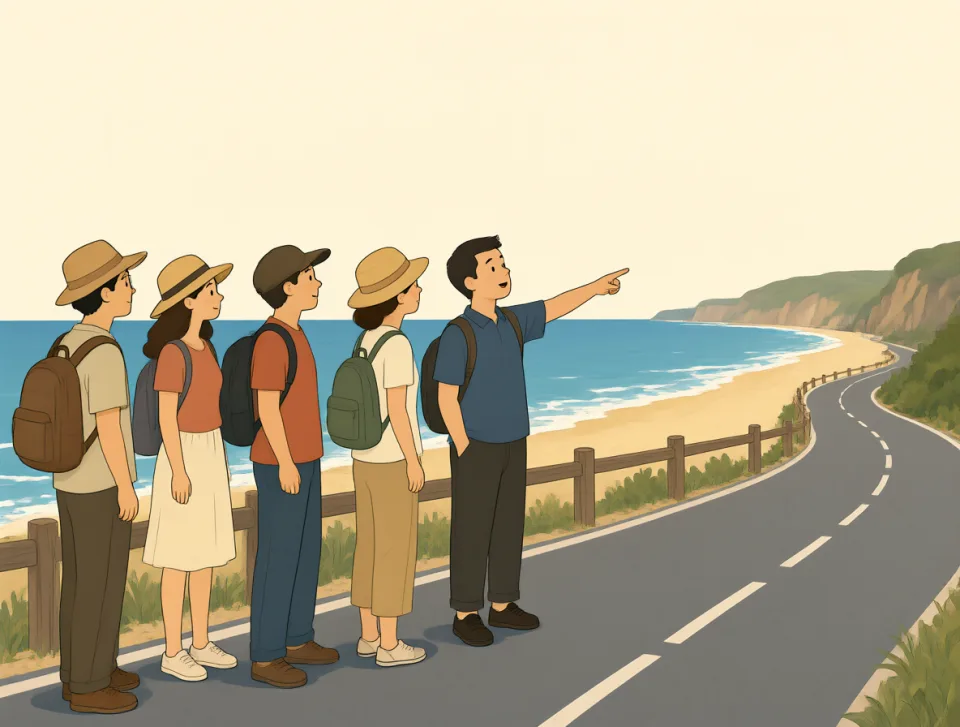
The guide mentioned a beautiful beach nearby.
El guía mencionó que había una playa hermosa cerca.
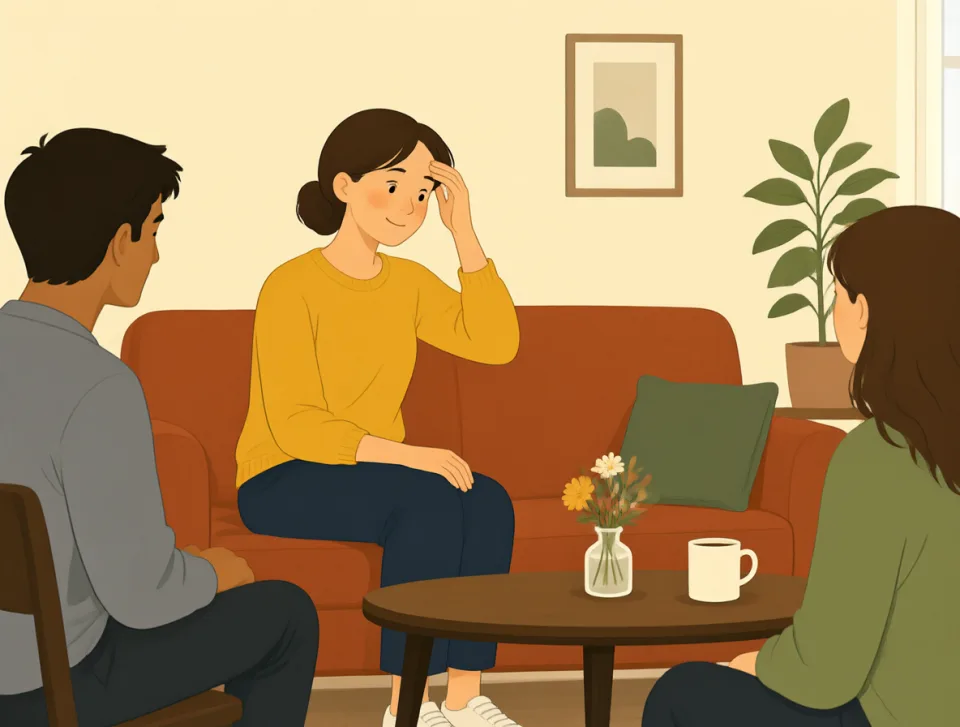
She made no mention of her headache.
No hizo ninguna mención de su dolor de cabeza.
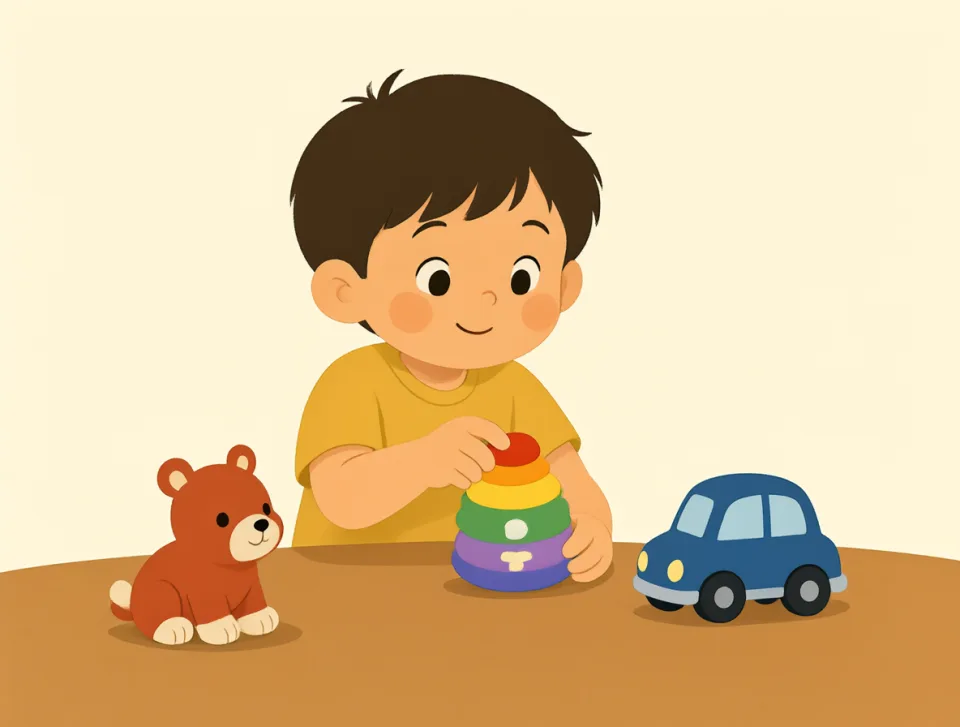
choice
#565noun
elección; opción
The act of choosing between two or more things, or the thing you choose.
El acto de elegir entre dos o más cosas, o la cosa que eliges.
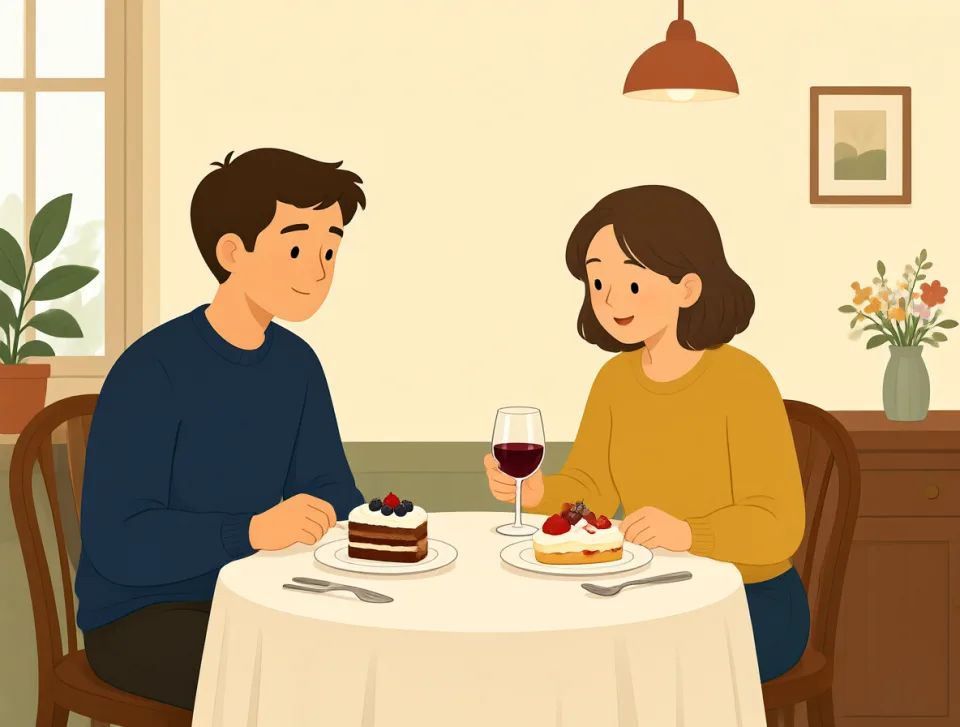
You have a choice of two desserts.
Puedes elegir entre dos postres.
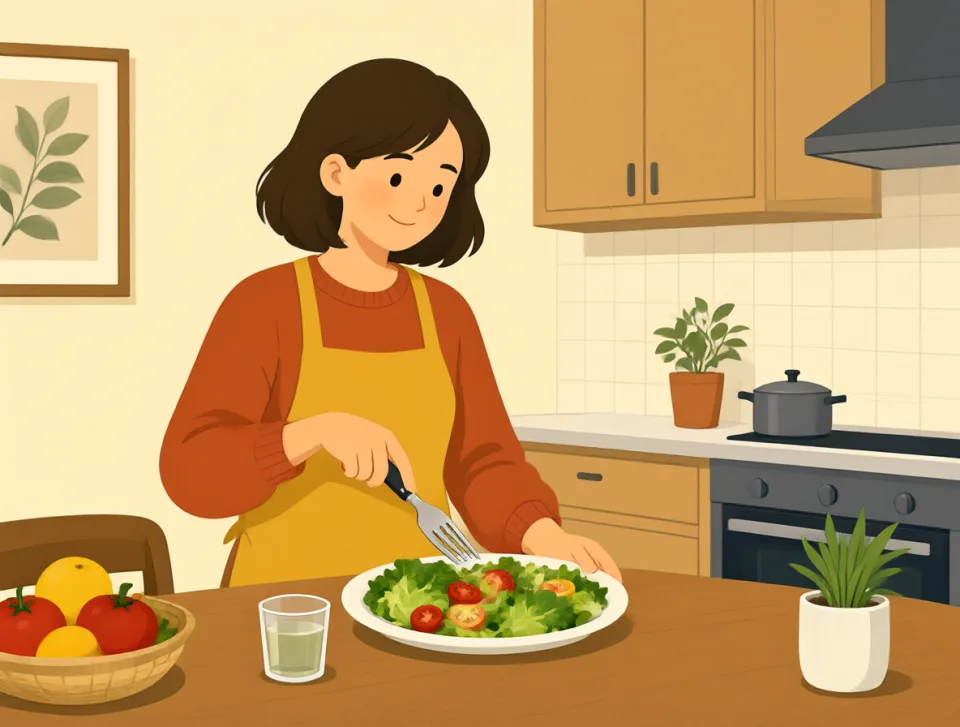
She made the right choice for her health.
Tomó la decisión correcta para su salud.
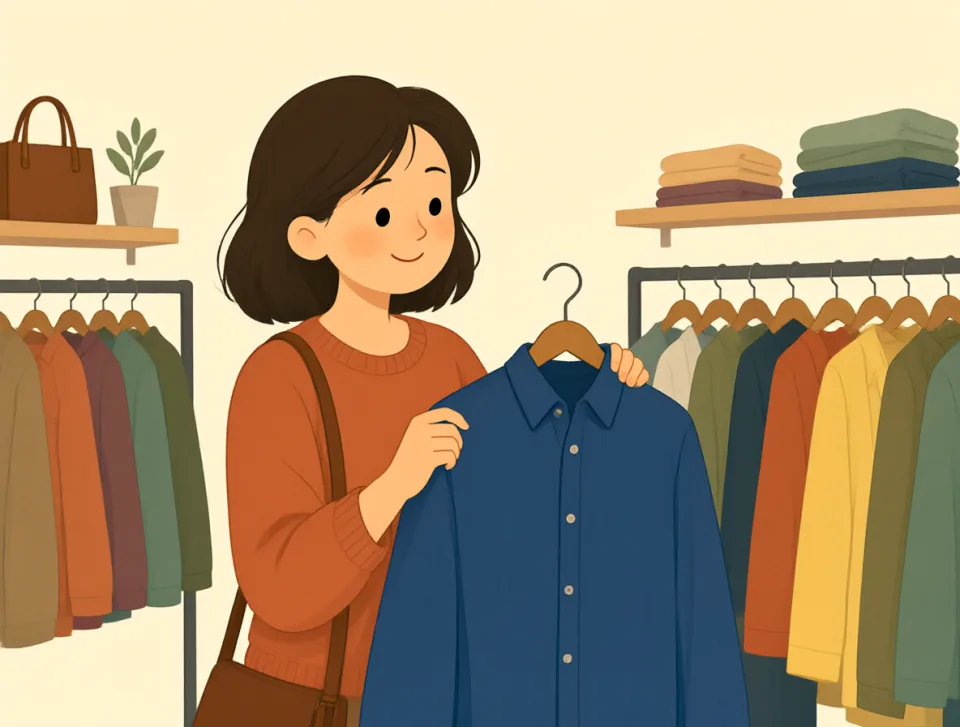
This blue shirt was my first choice.
Esta camisa azul fue mi primera opción.
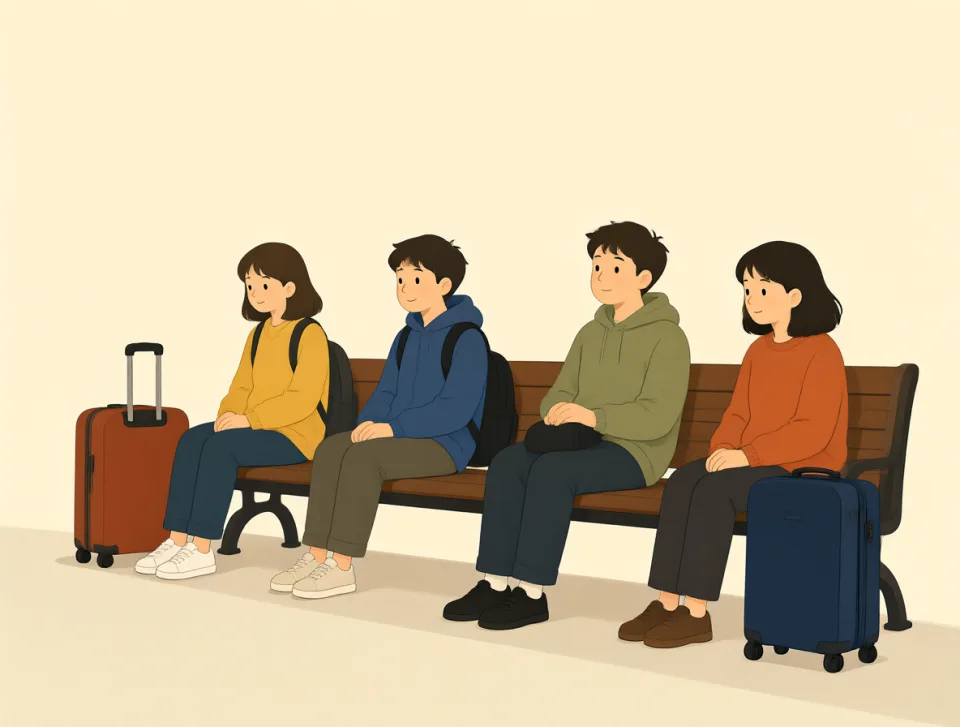
We had little choice but to wait.
Tuvimos pocas opciones aparte de esperar.
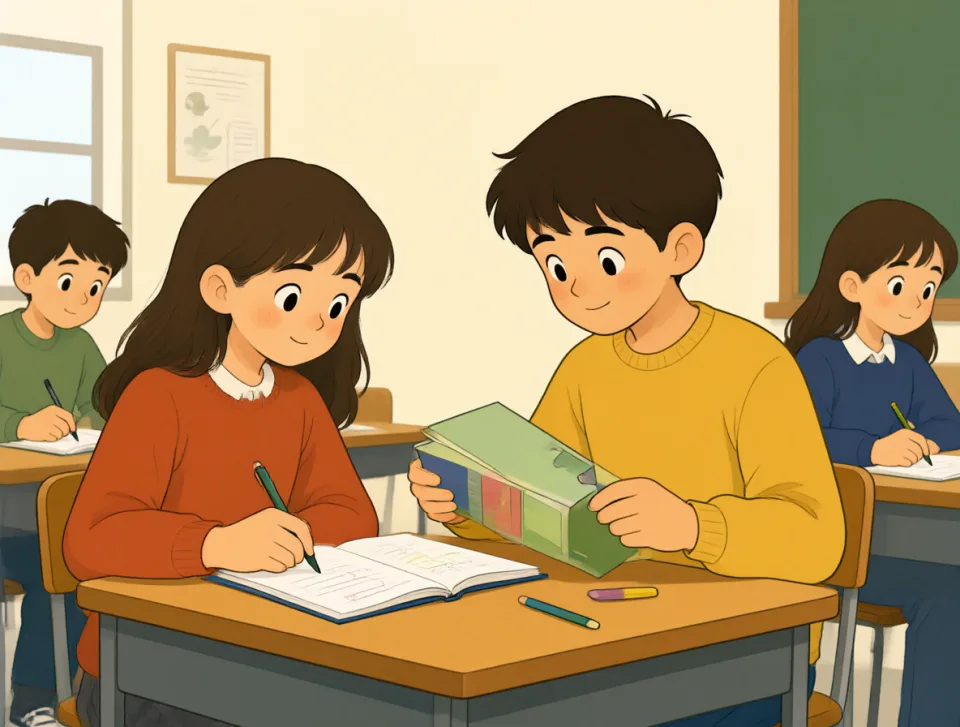
Students can choose their own project topic.
Los estudiantes pueden elegir el tema de su proyecto.
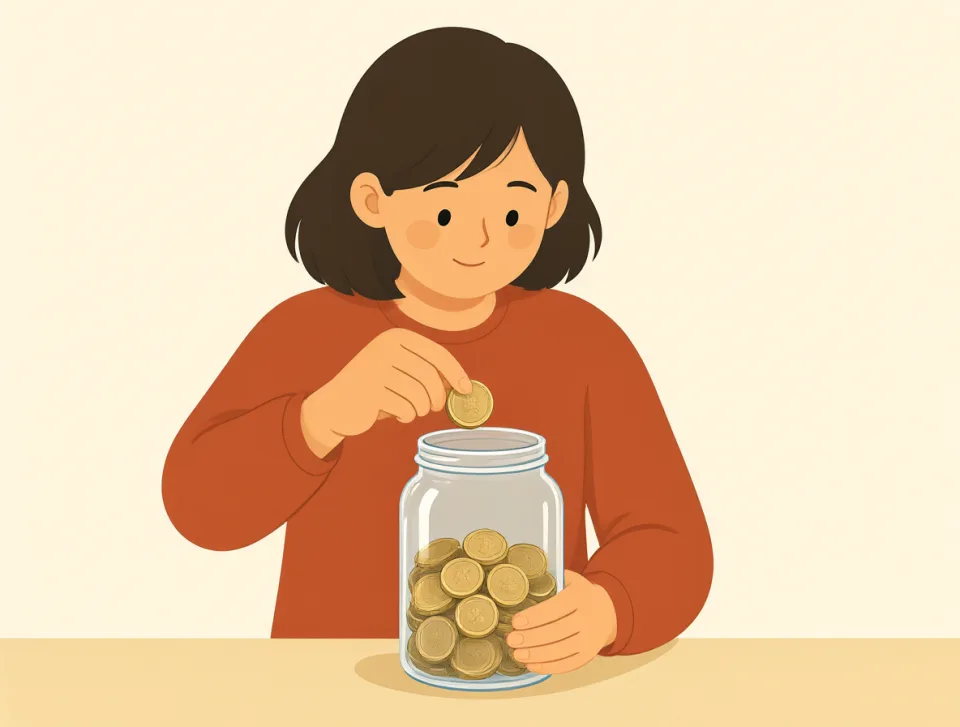
save
#566verb, noun, preposition
guardar; ahorrar; salvar; reservar
To keep something for later, or prevent someone from danger, loss, or harm.
Guardar algo para después o evitar que alguien sufra peligro, pérdida o daño.
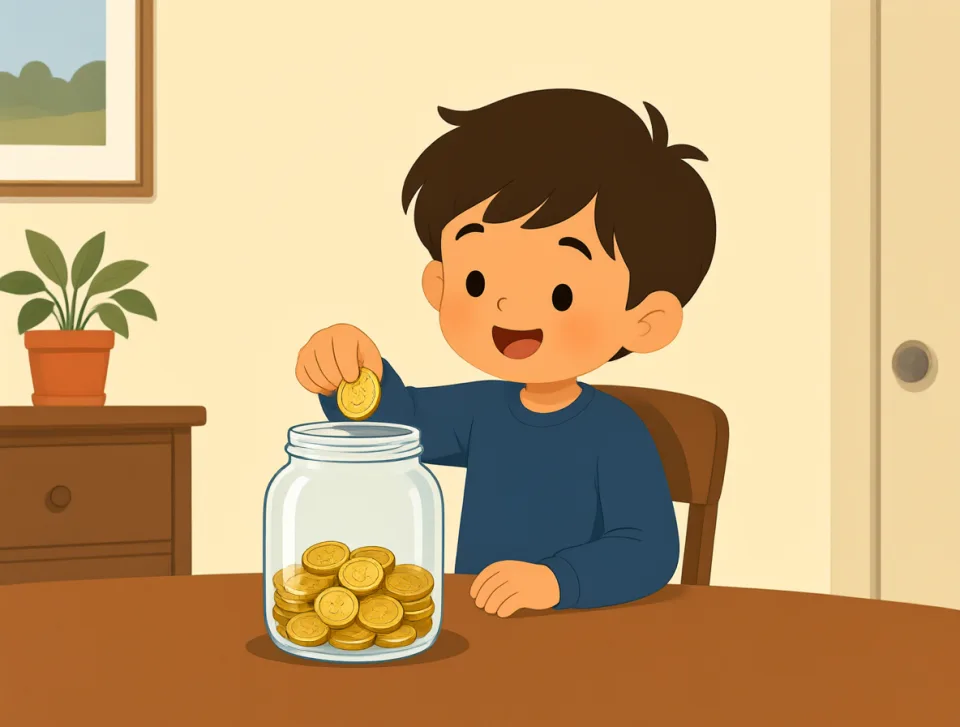
I save money for a new bike.
Ahorro dinero para comprar una bicicleta nueva.
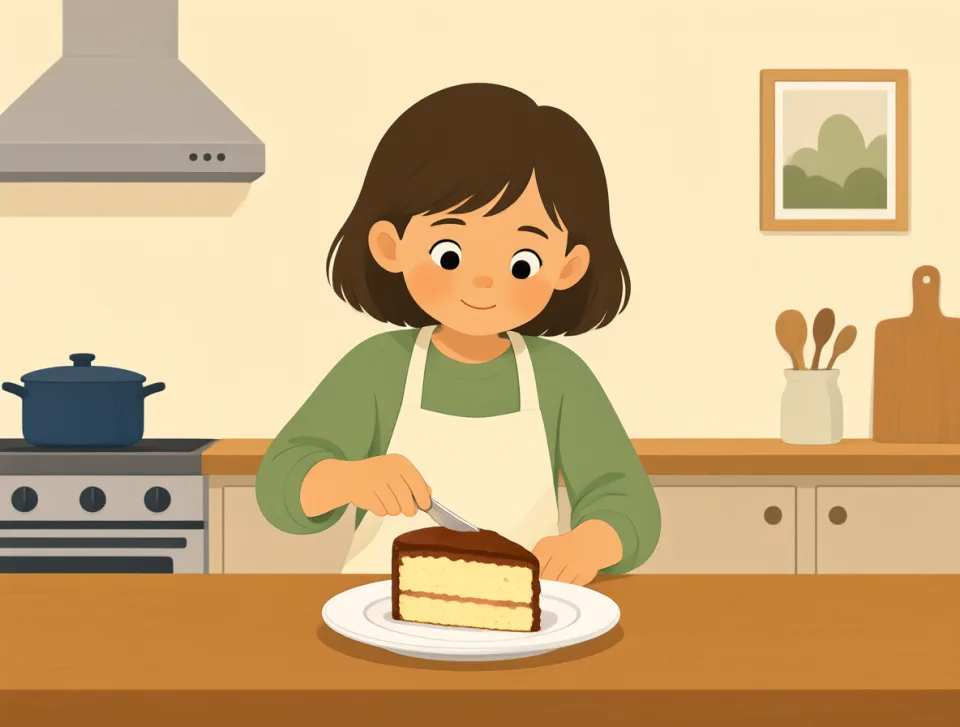
Please save some cake for me.
Por favor, guárdame un poco de pastel.
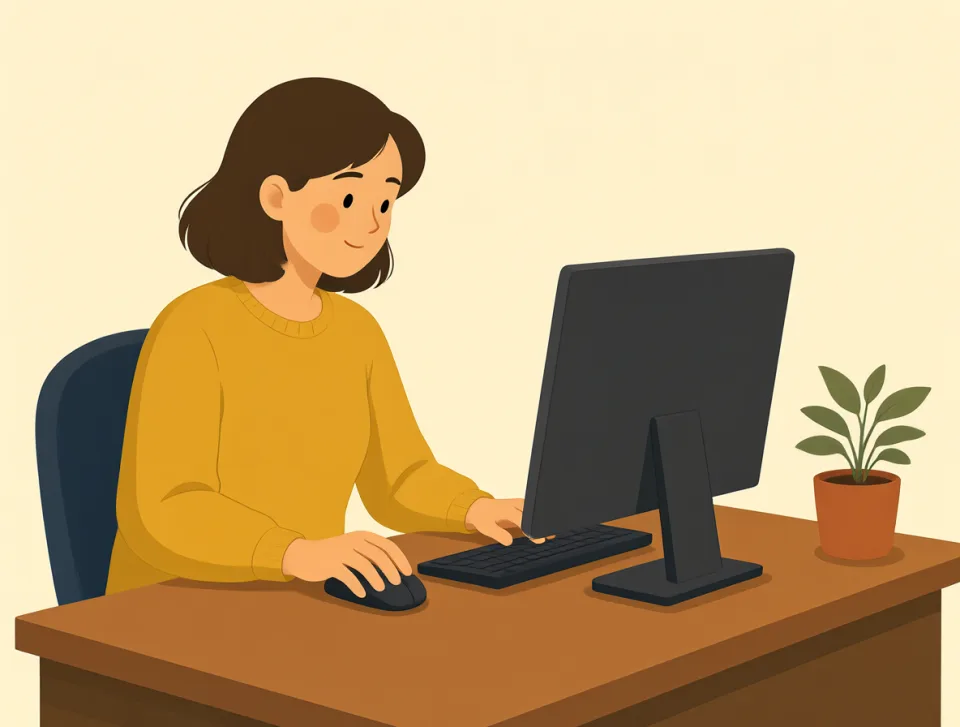
She saved the file before leaving work.
Guardó el archivo antes de salir del trabajo.
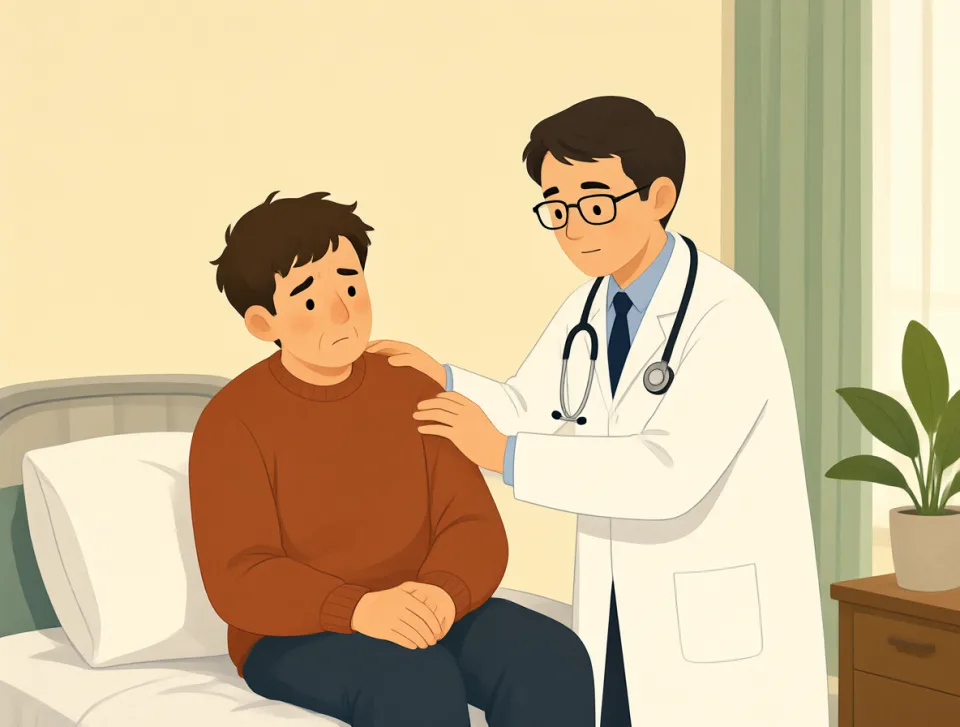
The doctor saved his life.
El médico le salvó la vida.
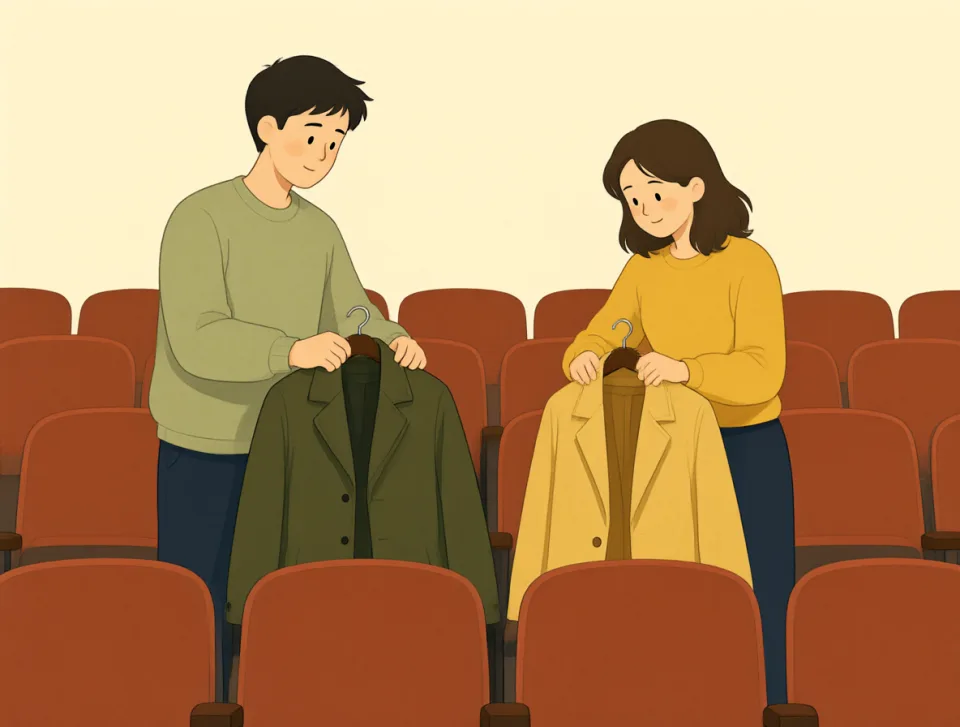
We saved two seats for our friends.
Les guardamos dos asientos a nuestros amigos.
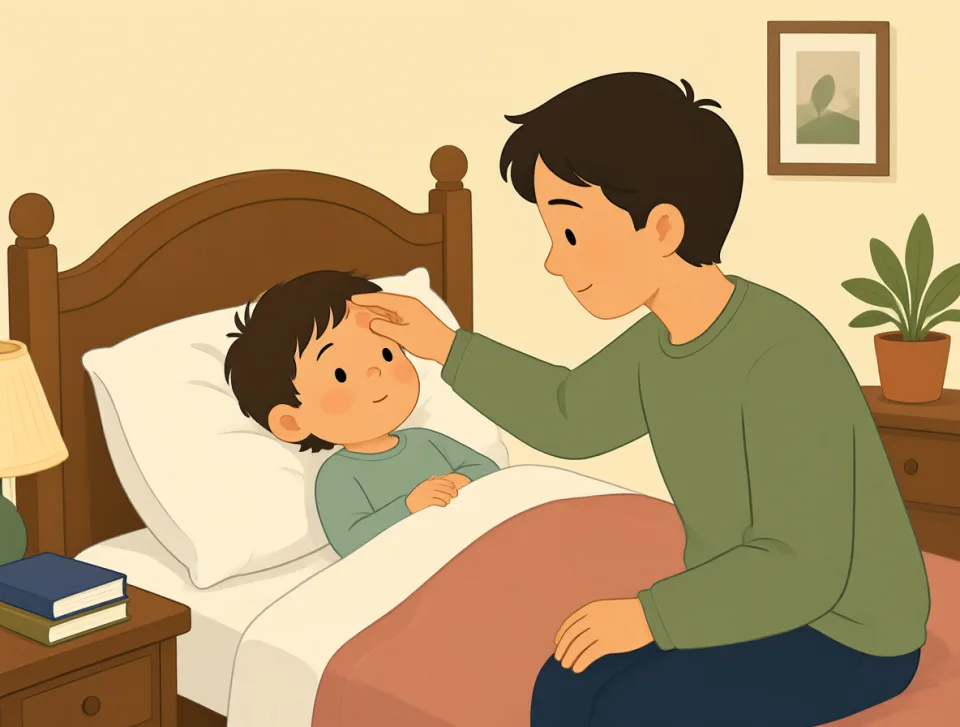
common
#567adjective
común; corriente
Happening often or found in many places or among many people.
Que sucede con frecuencia o que se encuentra en muchos lugares o entre muchas personas.
Colds are common in winter.
Los resfriados son comunes en invierno.
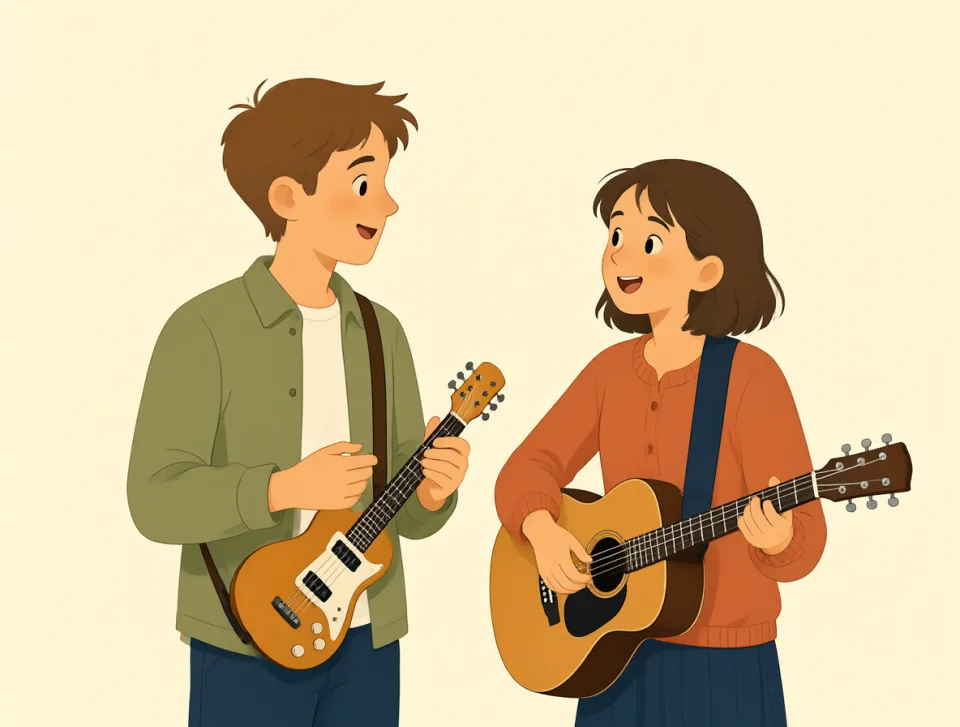
We have a common interest in music.
Tenemos un interés común por la música.
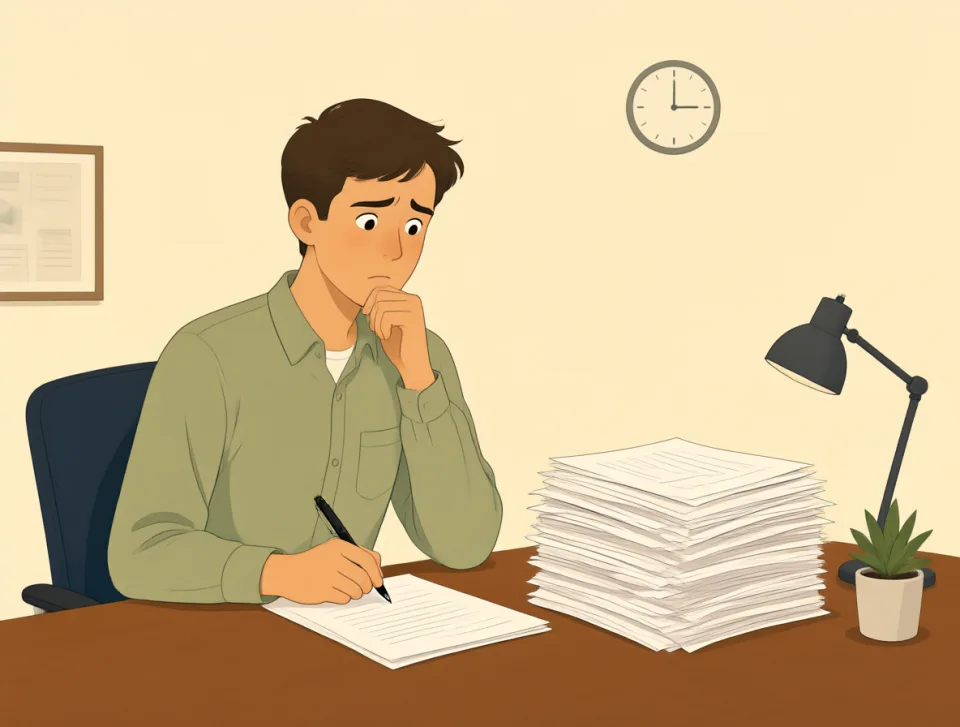
This is a common problem at work.
Este es un problema común en el trabajo.
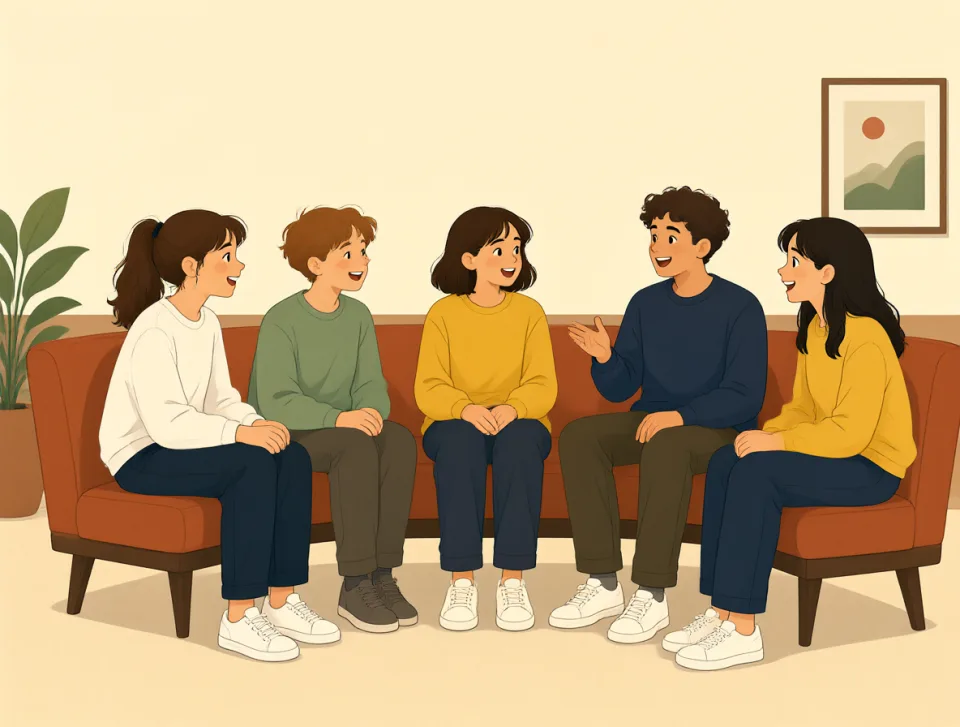
They use a common room after class.
Después de clase, usan una sala común.
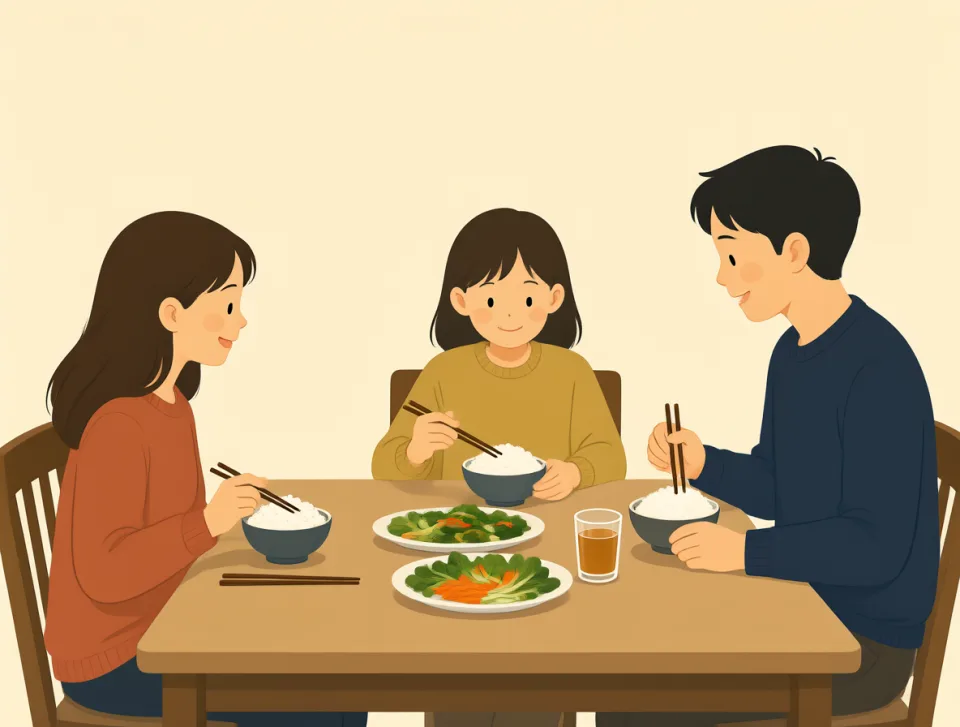
Rice is common in many Asian meals.
El arroz es común en muchas comidas asiáticas.
culture
#568noun
cultura
The beliefs, customs, art, and way of life of a group of people.
Las creencias, costumbres, expresiones artísticas y forma de vida de un grupo de personas.
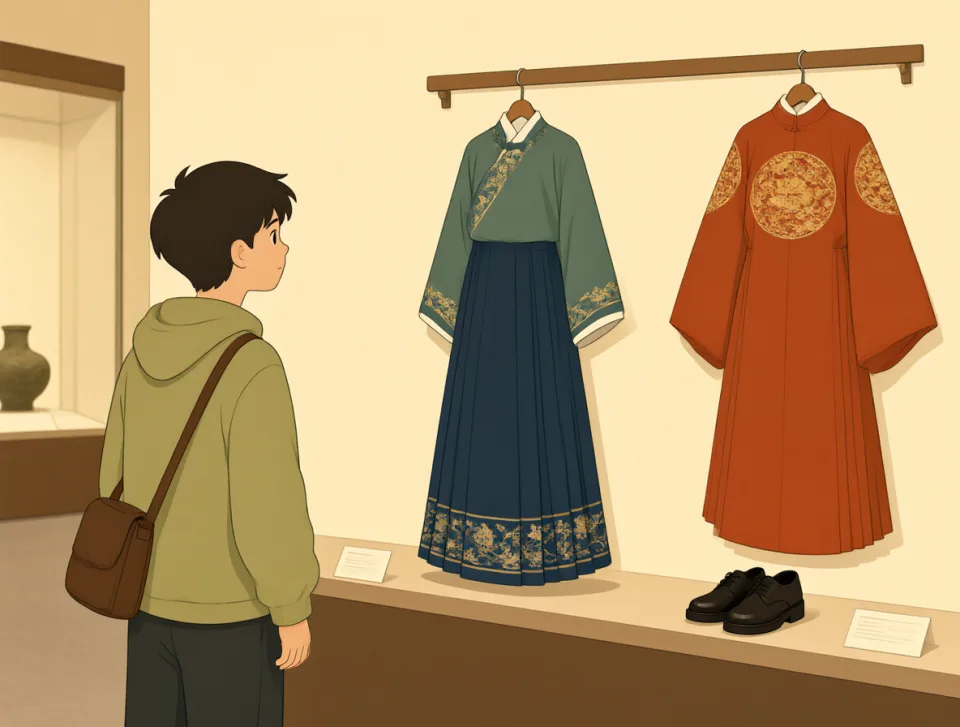
I love learning about different cultures.
Me encanta aprender sobre diferentes culturas.
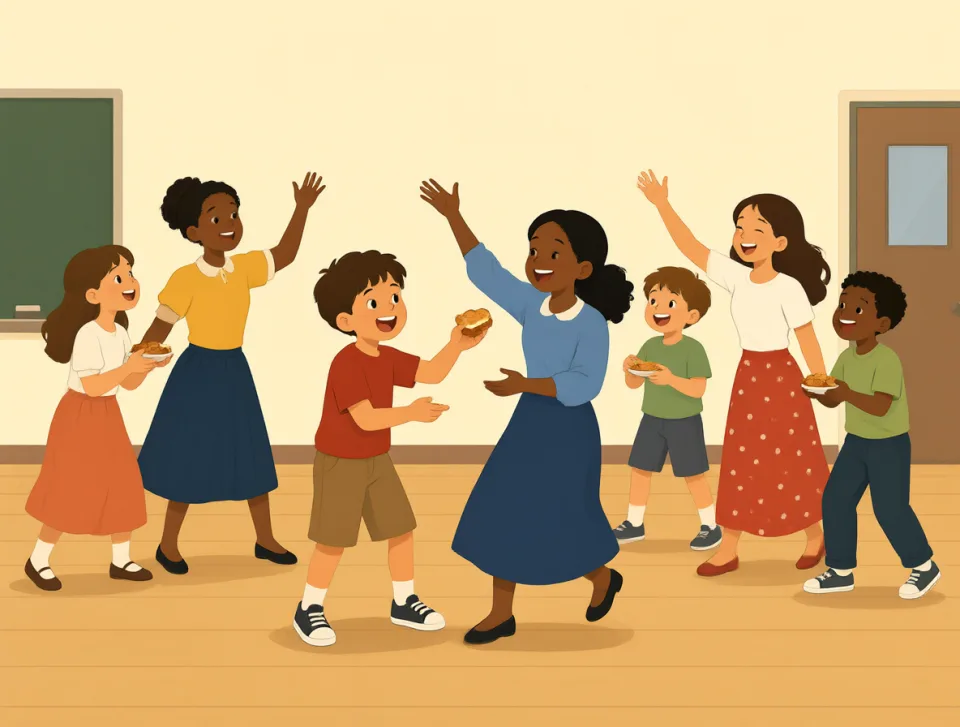
Our school celebrates many cultures.
En nuestra escuela celebramos muchas culturas.
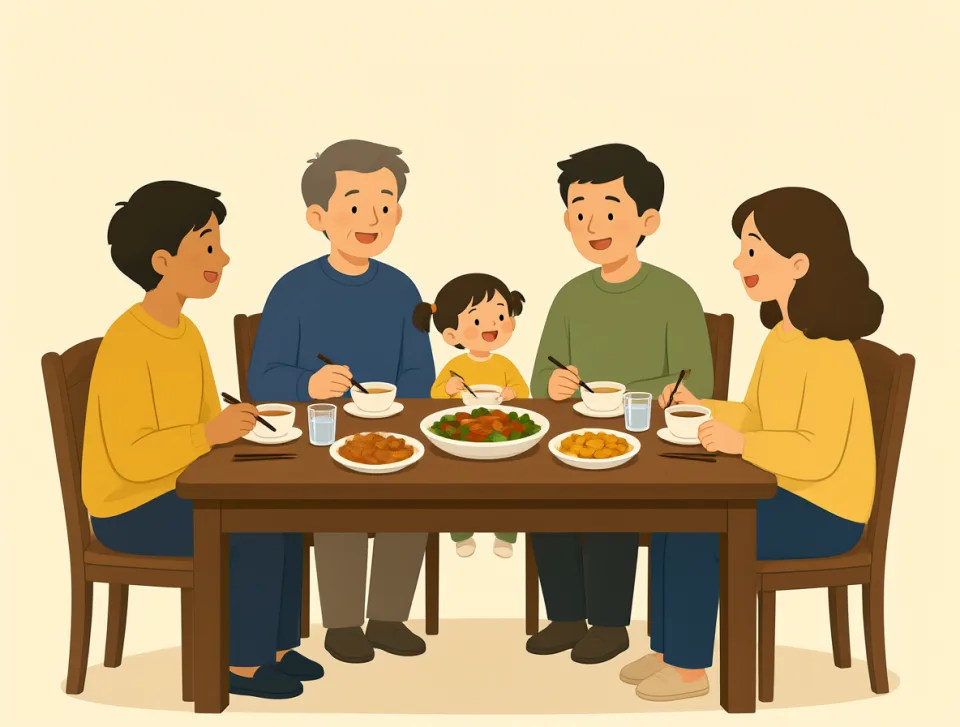
Food is an important part of culture.
La comida es una parte importante de la cultura.
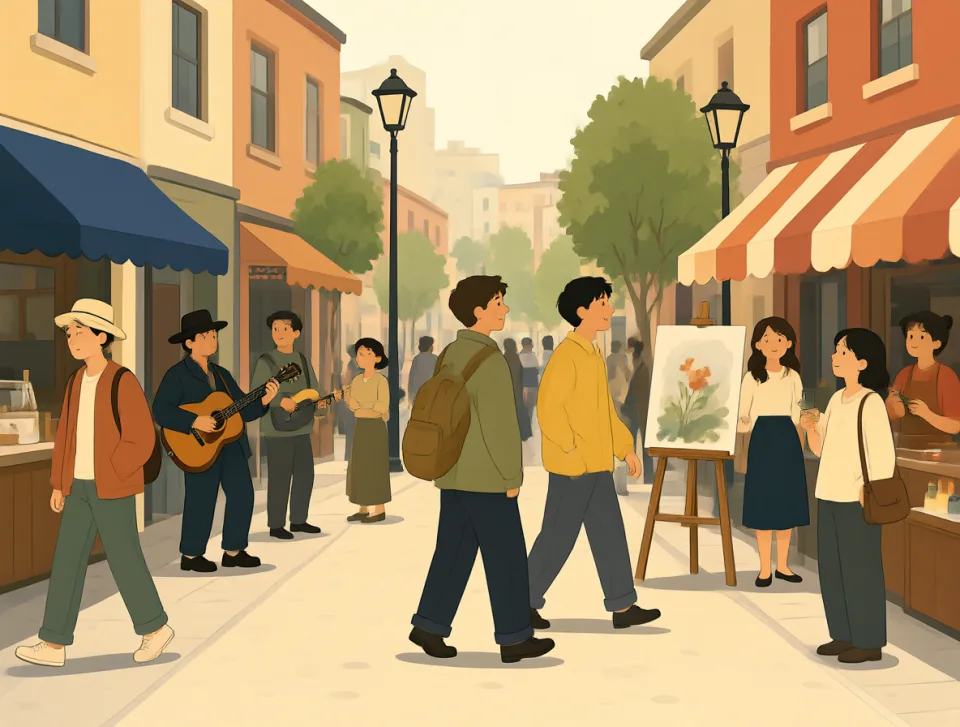
The city has a rich culture.
La ciudad tiene una cultura muy rica.

We talked about work culture over lunch.
Durante el almuerzo hablamos sobre la cultura laboral.
total
#569noun, adjective, verb
total; completo; sumar
The complete amount or number of something; complete or whole.
La cantidad o el número completo de algo; completo o entero.

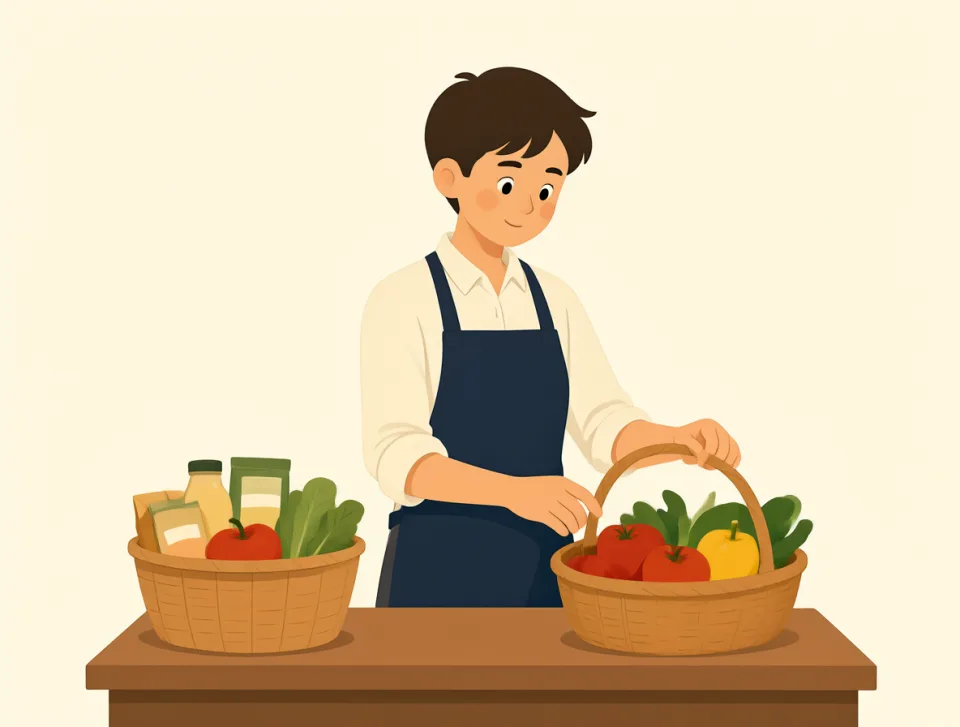
The total cost is ten dollars.
El costo total es de diez dólares.
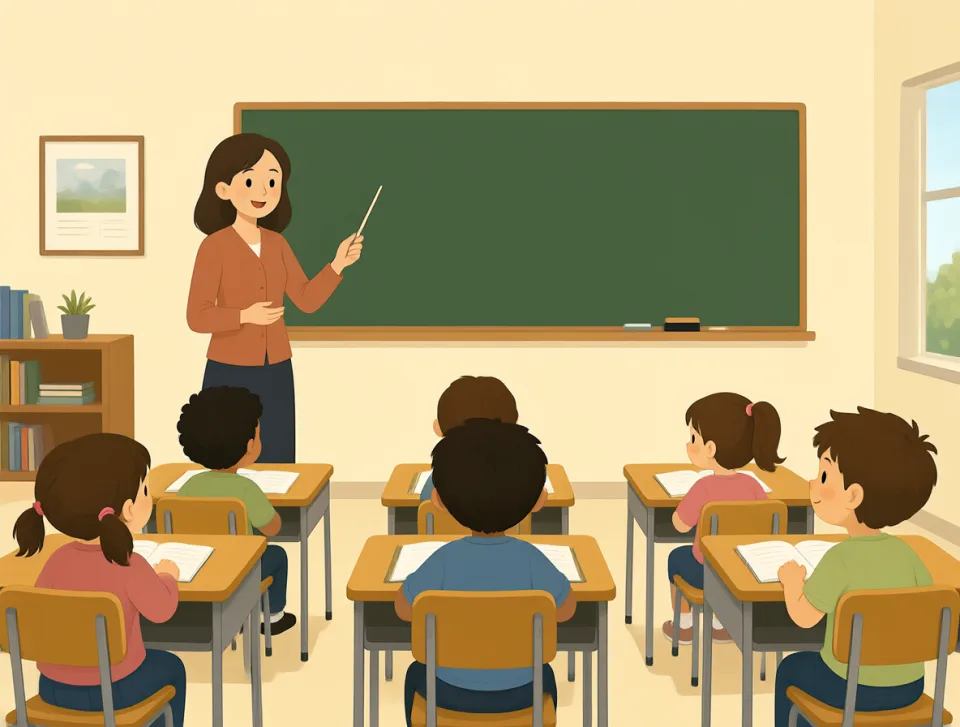
What is the total number of students?
¿Cuál es el número total de estudiantes?
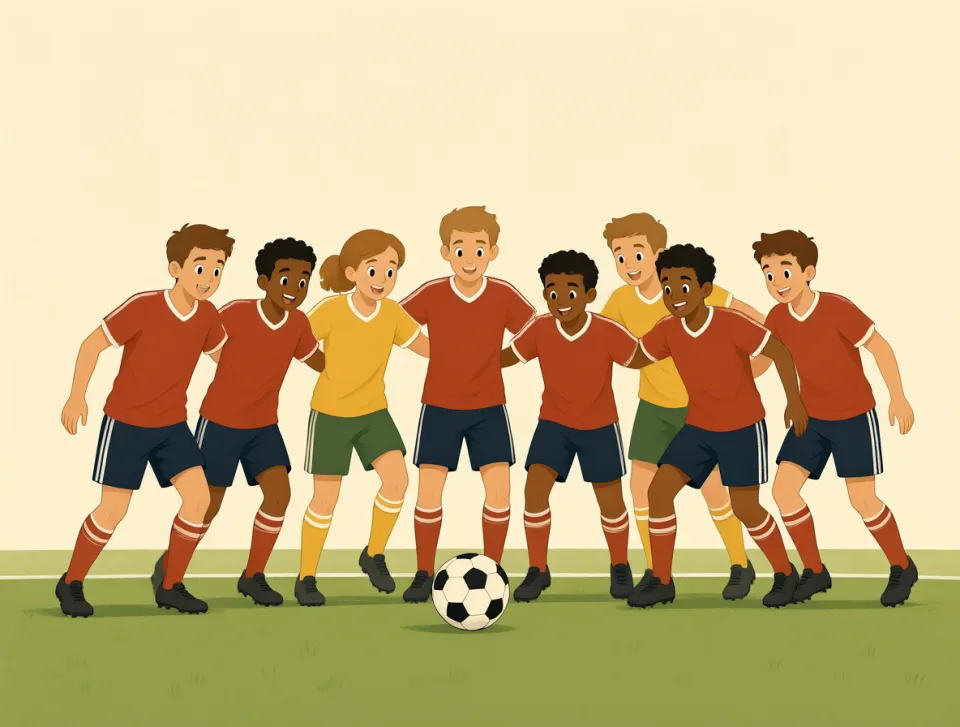
The team played for total control.
El equipo jugó para tener el control total.

We totally enjoyed our holiday.
Disfrutamos muchísimo de nuestras vacaciones.
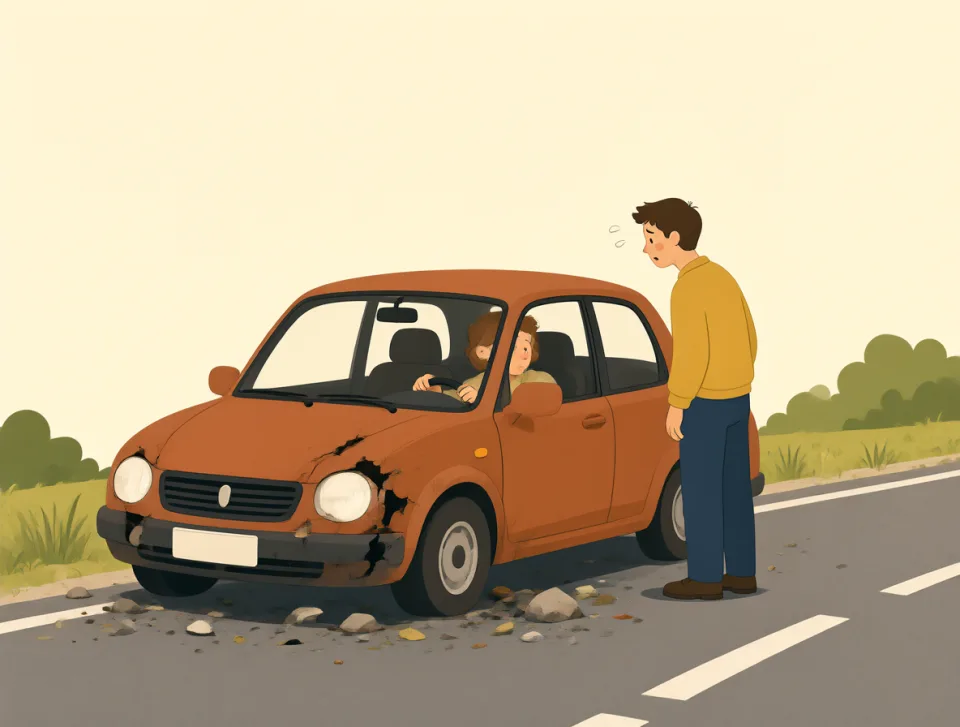
The accident totally damaged the car.
El accidente dañó completamente el auto.

demand
#570noun, verb
demanda; exigir
A strong need or request for something, or to ask strongly for it.
Una necesidad o solicitud fuerte de algo, o pedirlo con insistencia.
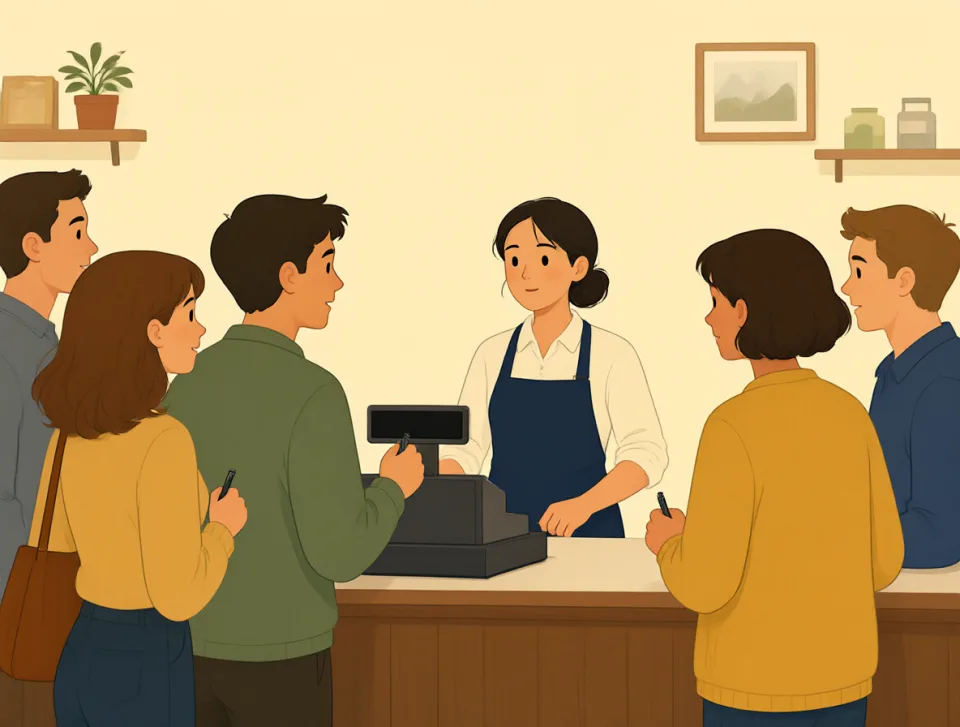
Customers demand better service from the store.
Los clientes exigen un mejor servicio de la tienda.

The job demands long hours every day.
El trabajo exige muchas horas todos los días.
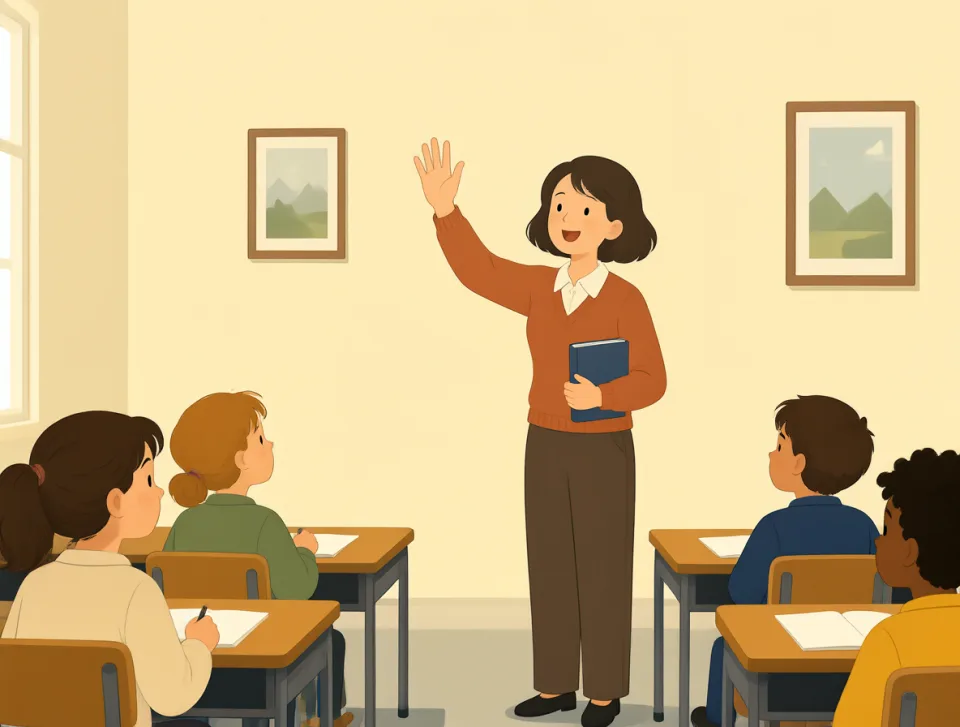
The teacher demanded quiet during the test.
El profesor exigió silencio durante el examen.
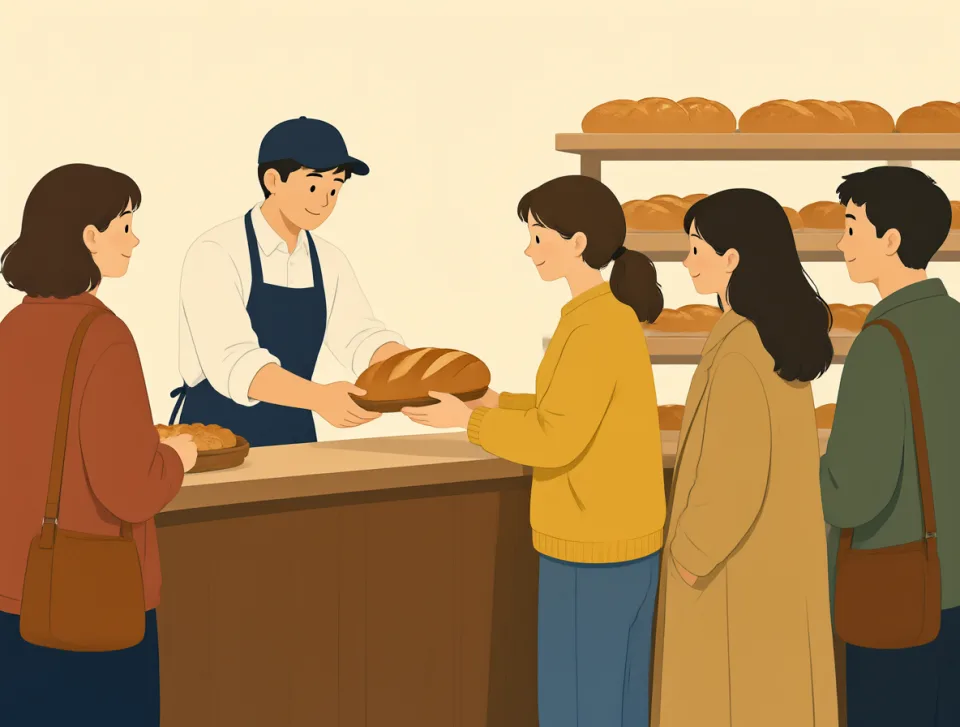
There is high demand for fresh bread.
Hay mucha demanda de pan fresco.
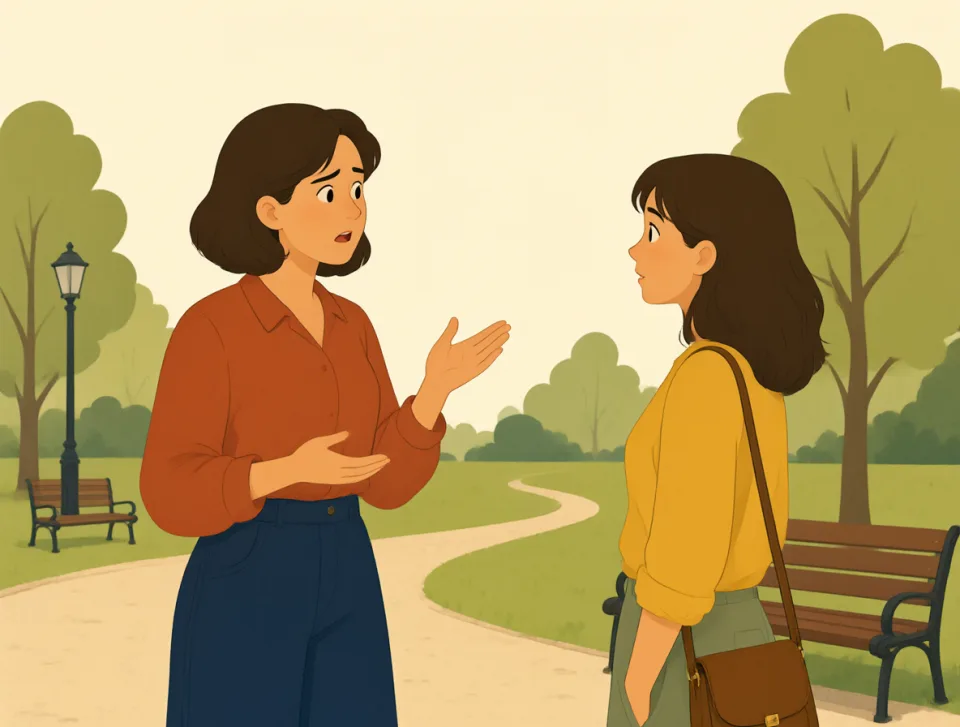
She demanded an answer from her friend.
Ella le exigió una respuesta a su amigo.
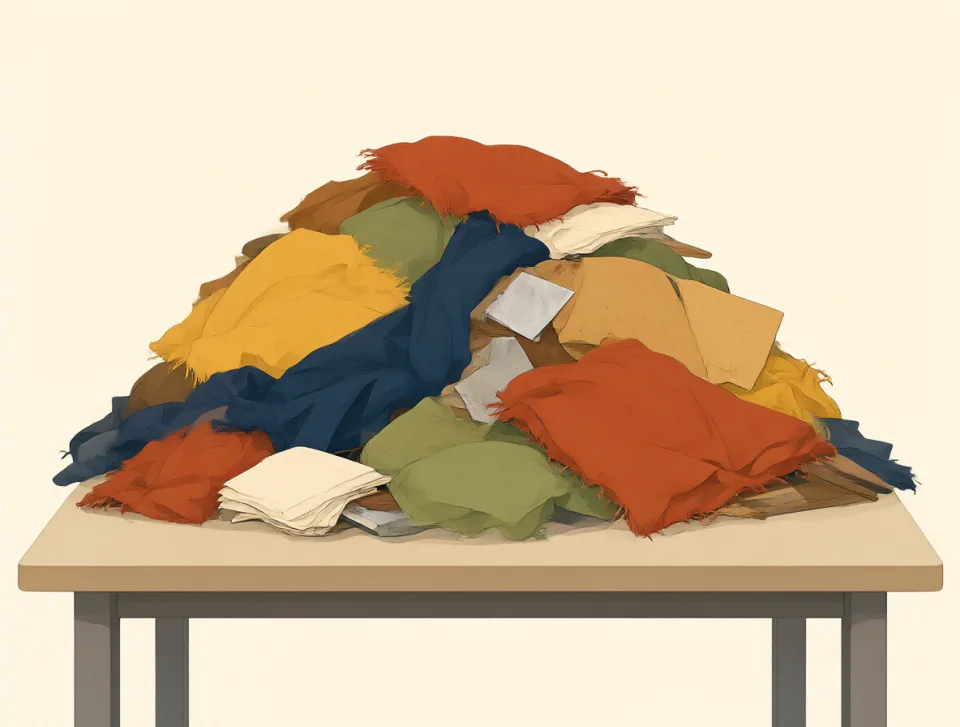
material
#571noun, adjective
material; materia; material de lectura
The substance used to make something, or related to physical things.
La sustancia con la que se fabrica algo, o lo relacionado con objetos físicos.
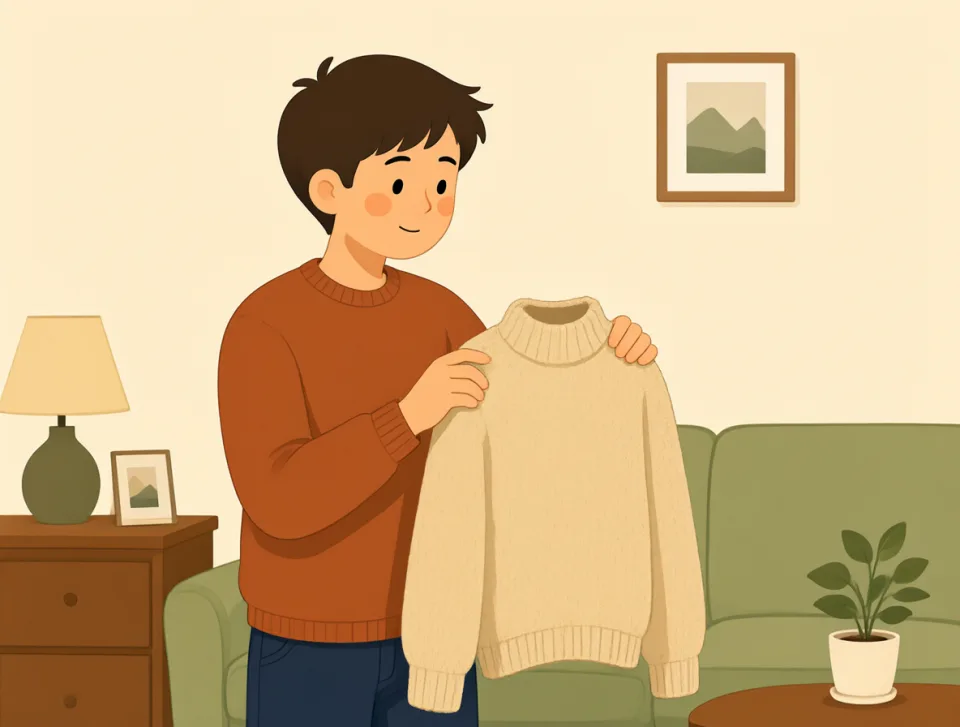
This material feels soft and warm.
Este material se siente suave y cálido.
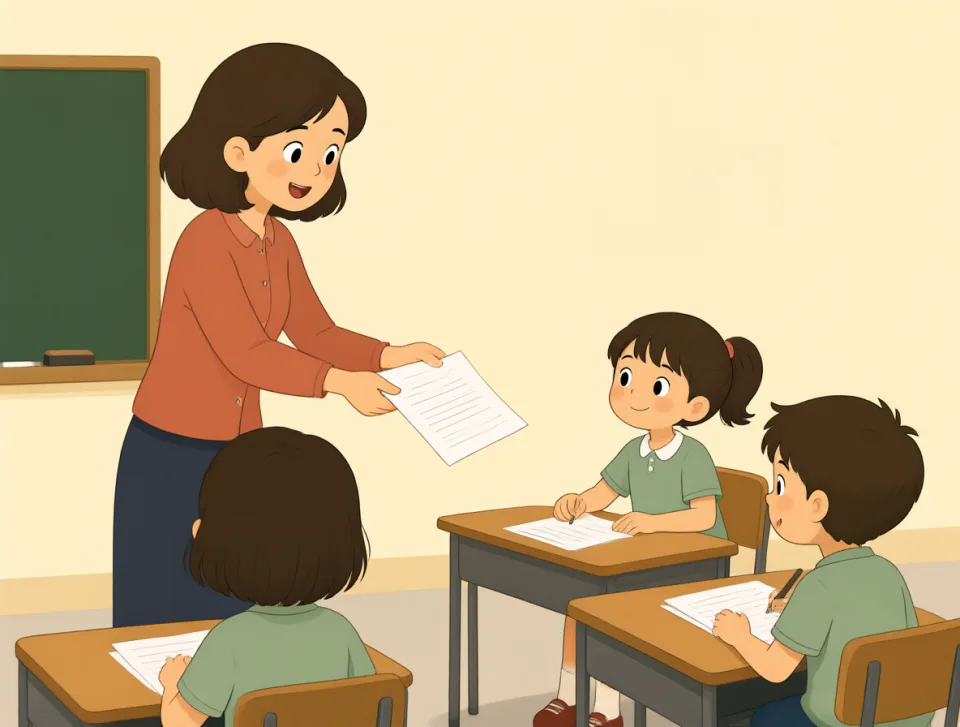
The teacher gave us reading material.
El profesor nos dio material de lectura.
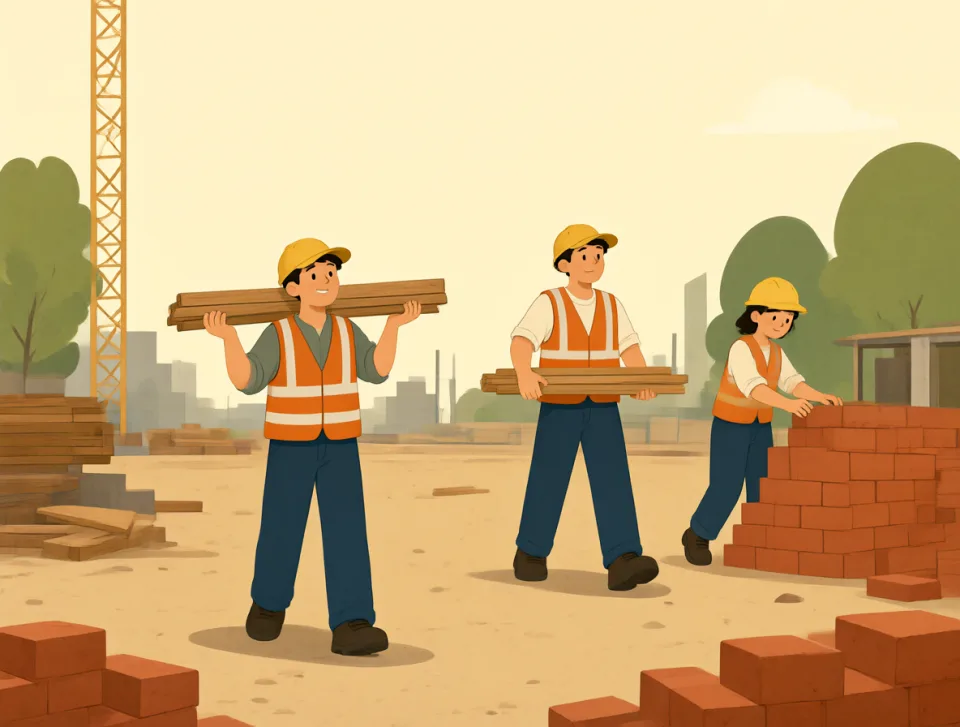
We need more building materials.
Necesitamos más materiales de construcción.
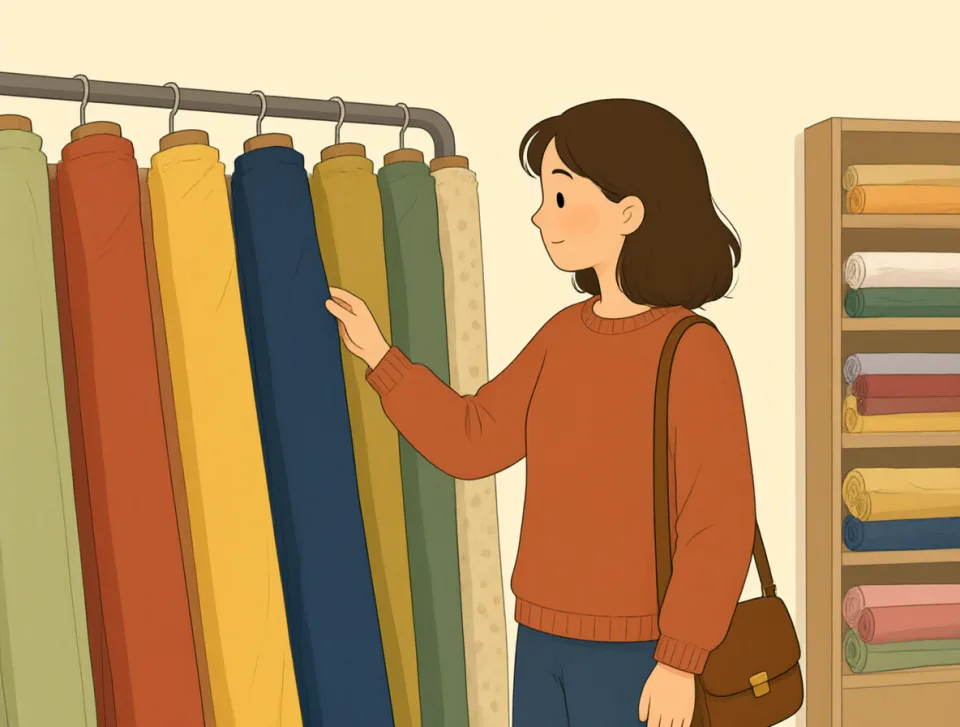
She bought material for a new dress.
Compró tela para un vestido nuevo.
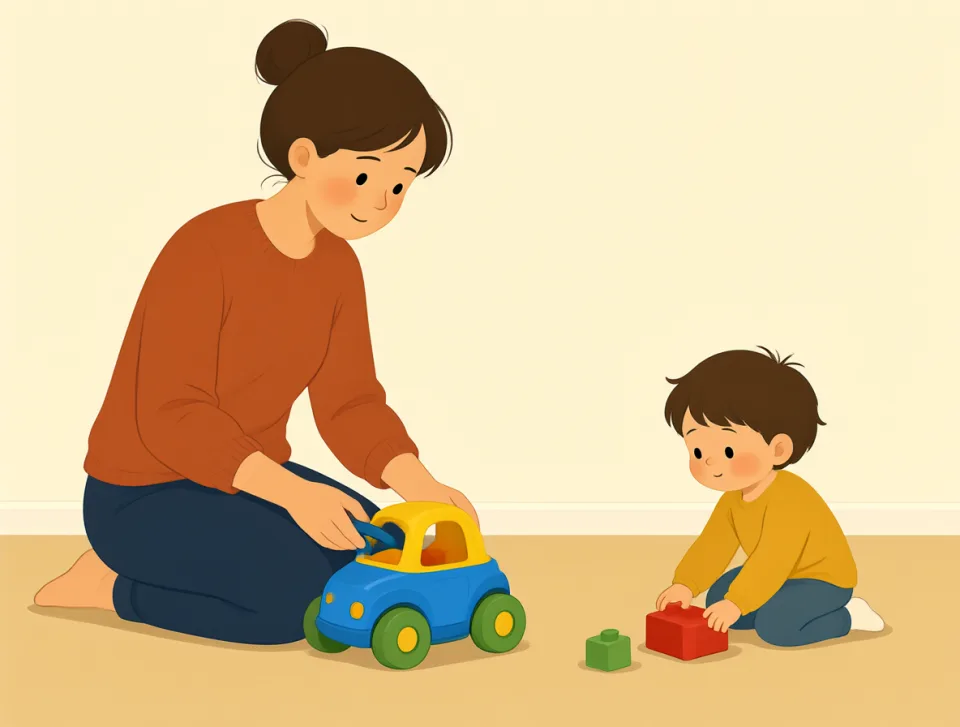
The material is safe for children.
El material es seguro para los niños.
limit
#572noun, verb
límite; limitar
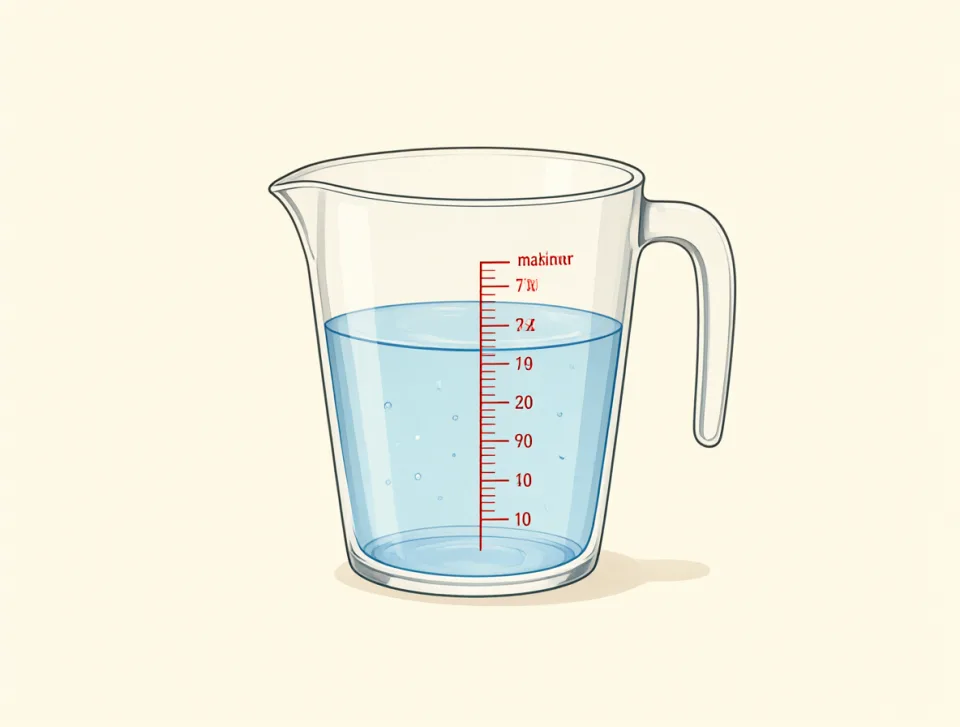
the greatest amount or level that is allowed or possible
la mayor cantidad o nivel permitido o posible
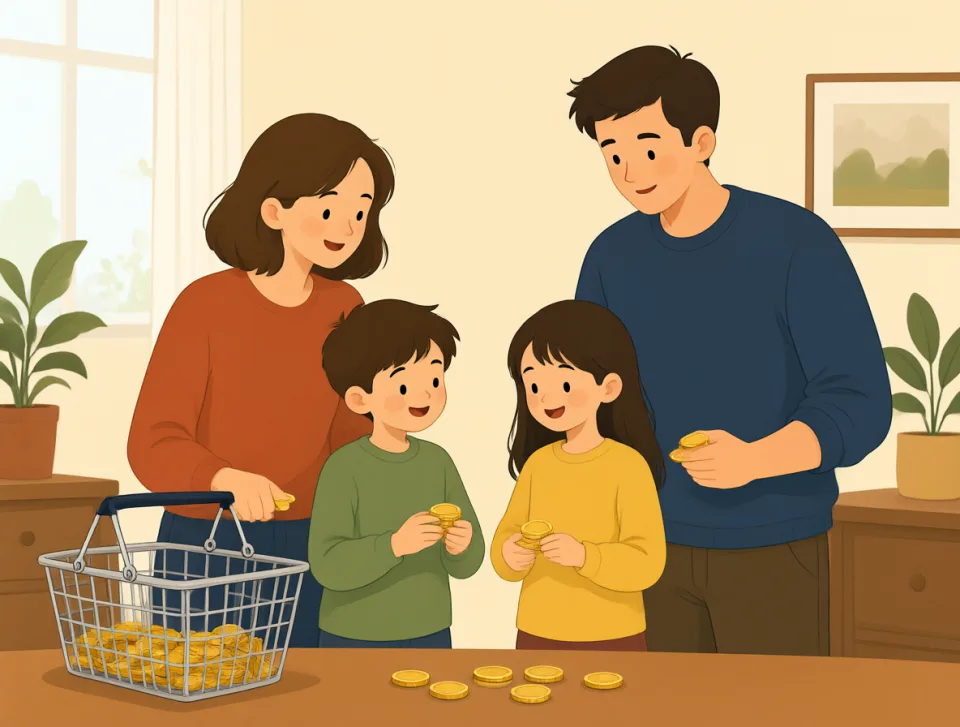
There is a limit to how much we can spend.
Hay un límite de cuánto podemos gastar.
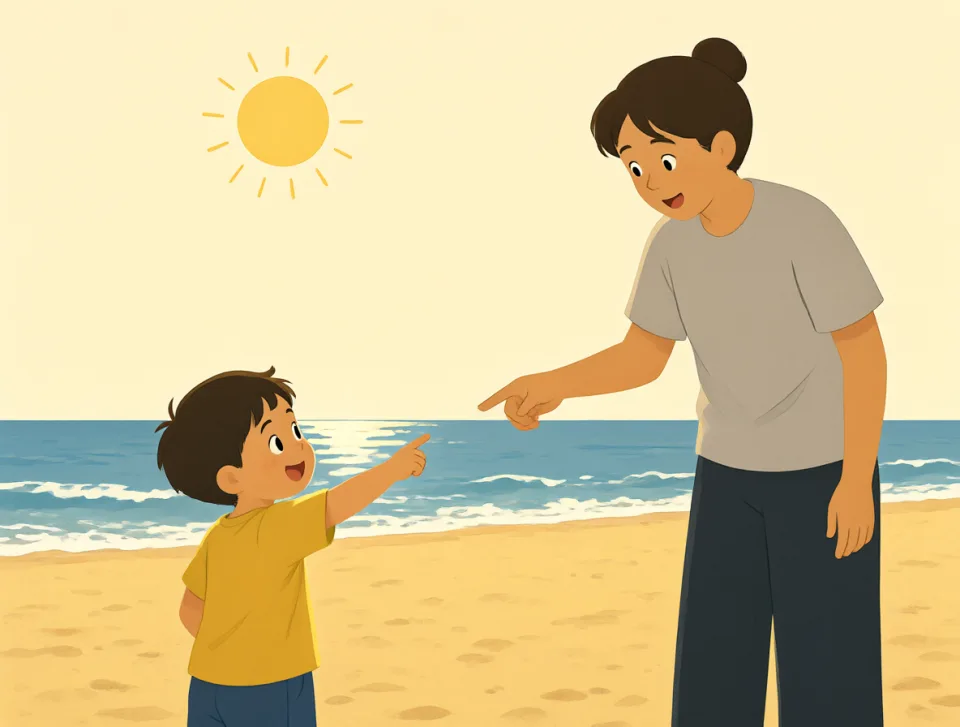
Please limit your time in the sun.
Por favor, limita el tiempo que pasas al sol.
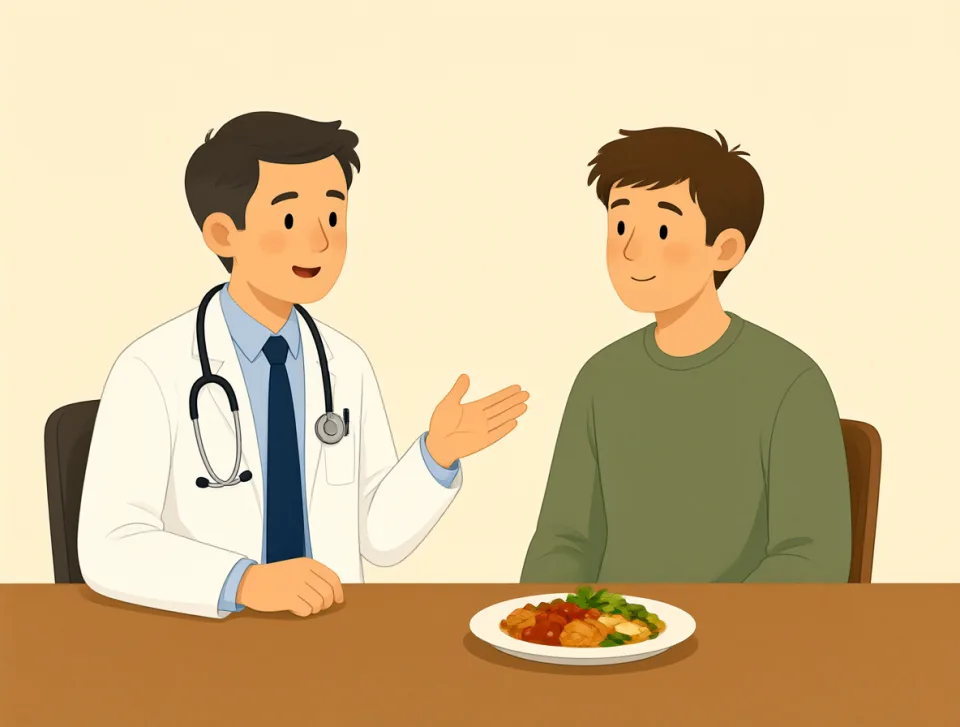
The doctor told him to limit salt.
El médico le dijo que limitara la sal.
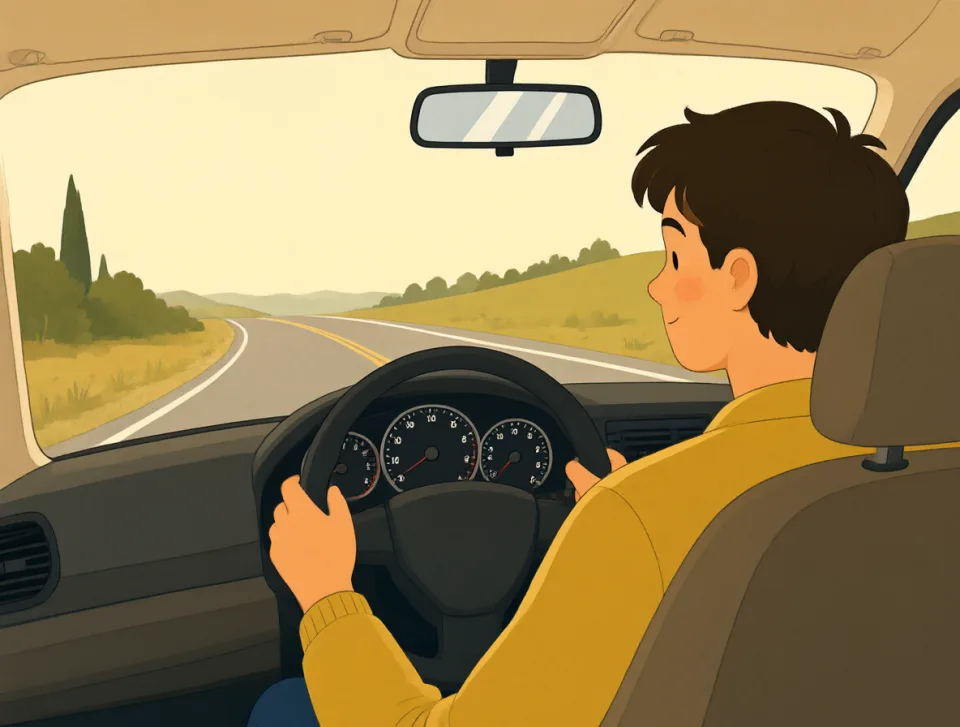
The car reached its speed limit.
El auto alcanzó el límite de velocidad.
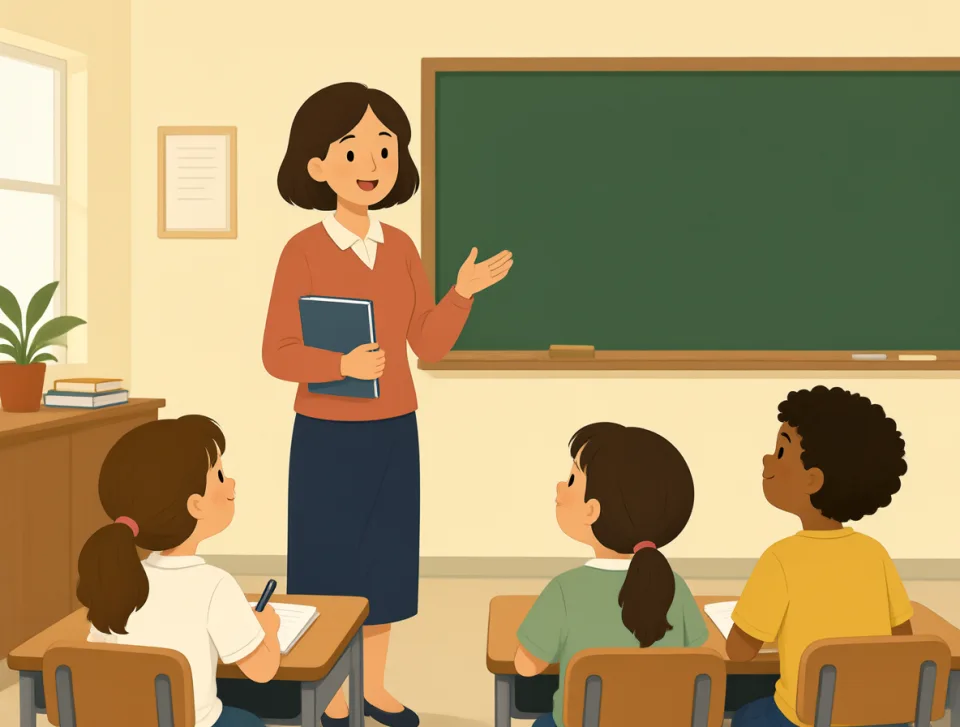
Our class has a limit of twenty students.
Nuestra clase tiene un límite de veinte estudiantes.
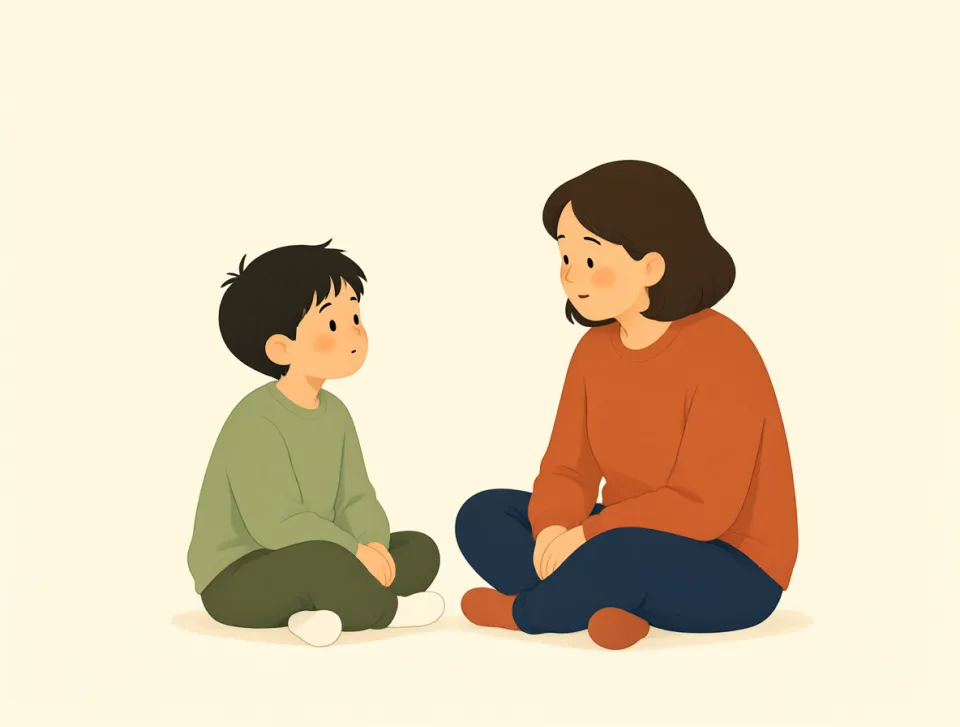
listen
#573verb
escuchar; prestar atención
To pay attention to a sound or someone speaking.
Prestar atención a un sonido o a alguien que está hablando.
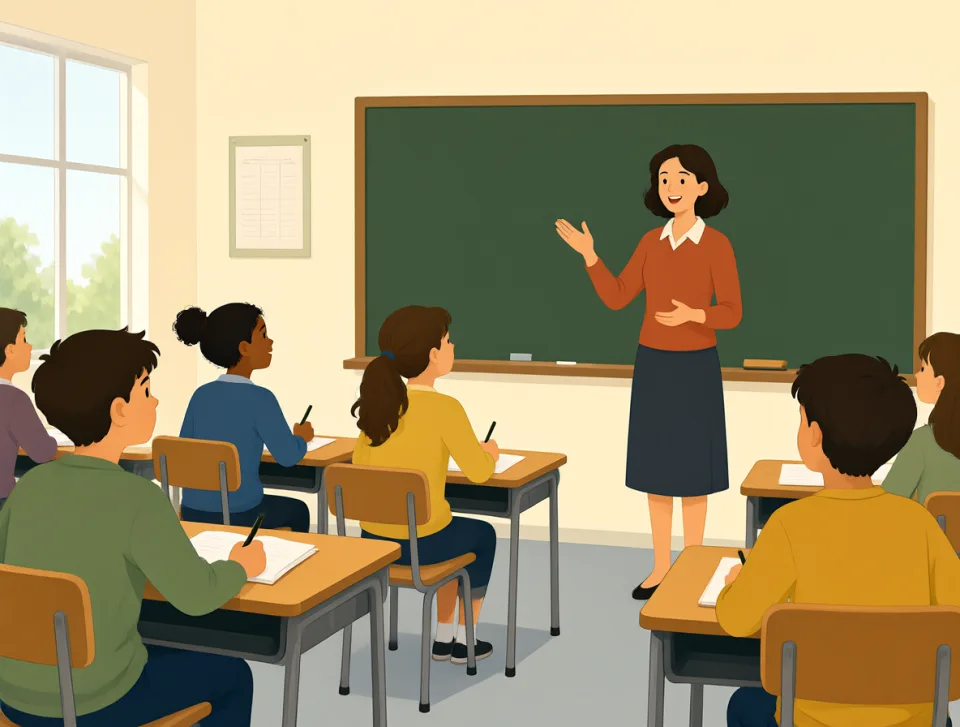
Please listen carefully to the teacher.
Por favor, escucha atentamente al profesor.
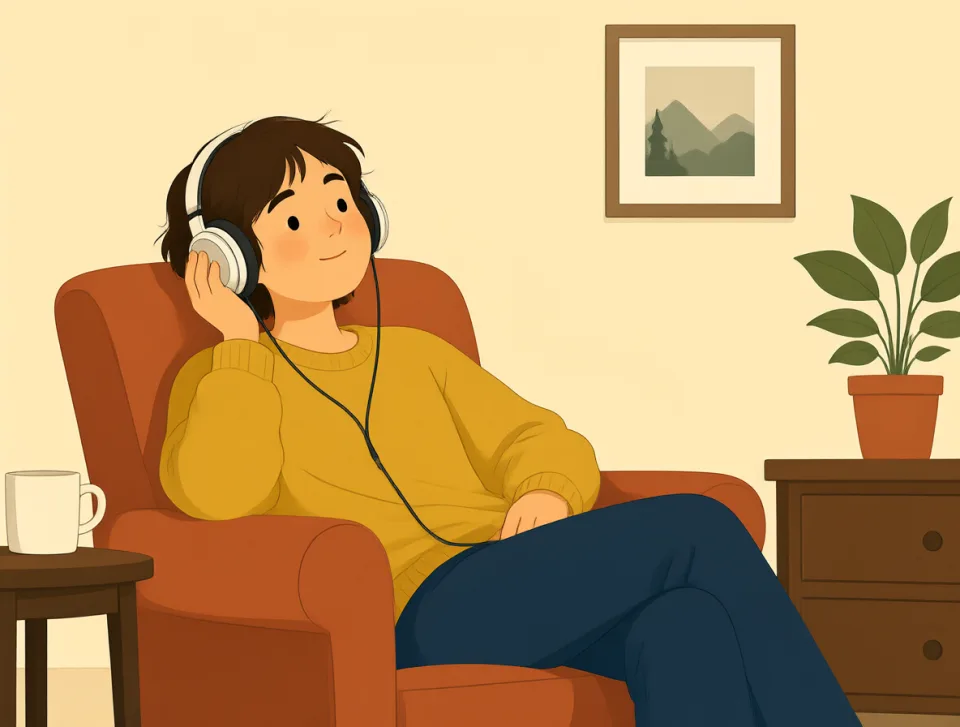
I listen to music every evening.
Escucho música todas las noches.

Listen to this funny story!
¡Escucha esta historia tan divertida!
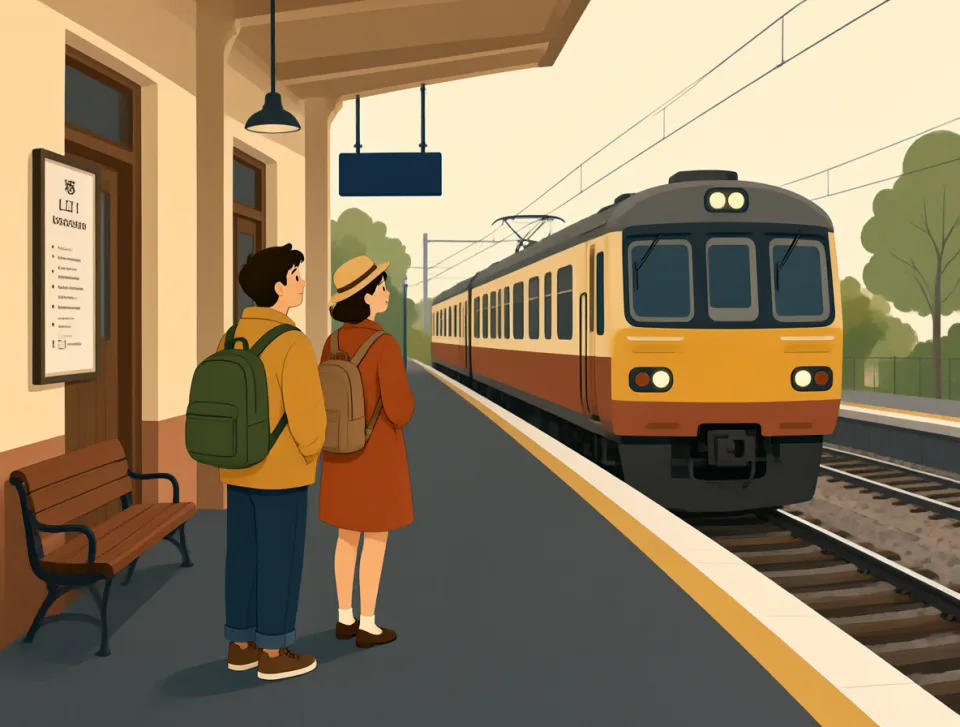
We listened for the train at night.
Por la noche, escuchamos para oír si llegaba el tren.
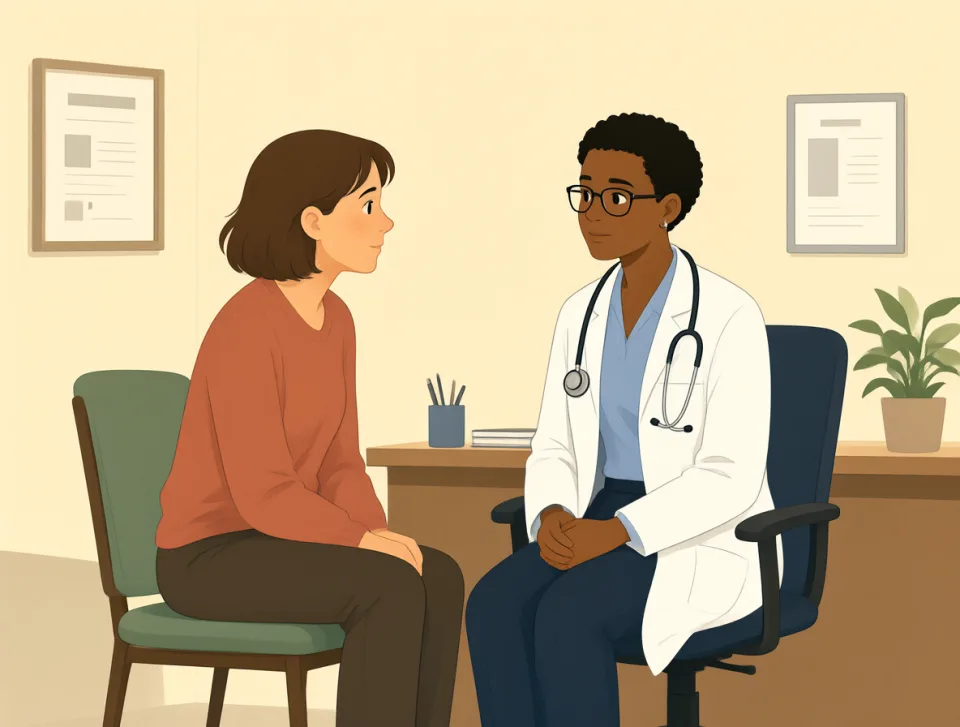
She is listening to her doctor.
Ella escucha a su médico.
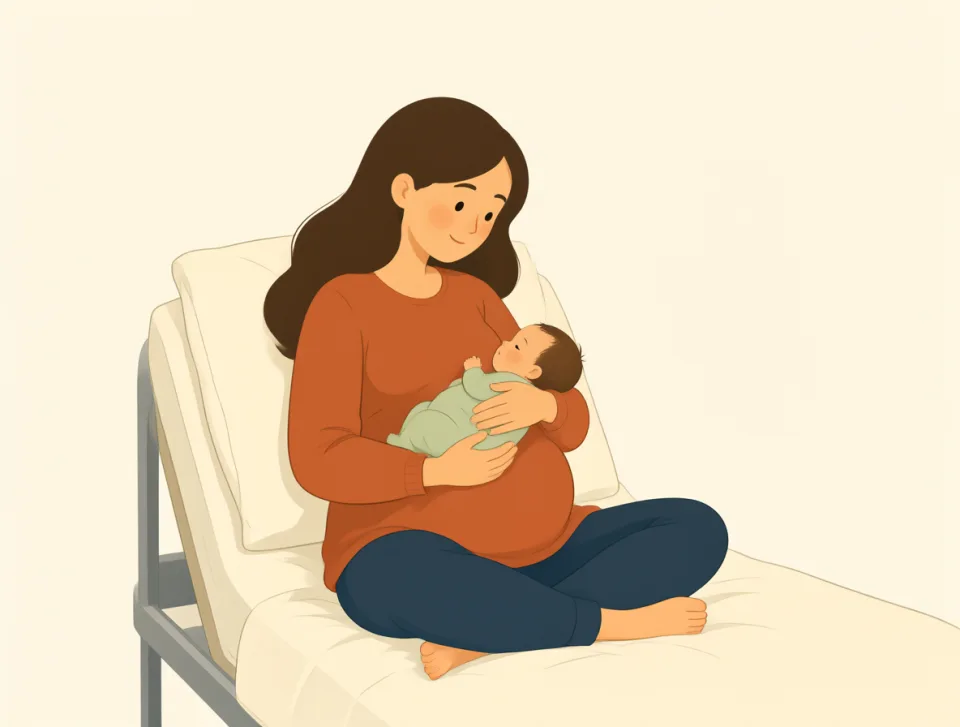
due
#574adjective, noun, preposition
previsto; pendiente; debido a
Expected or owed at a particular time, or caused by someone or something.
Que se espera o se debe en un momento determinado, o que es causado por alguien o algo.
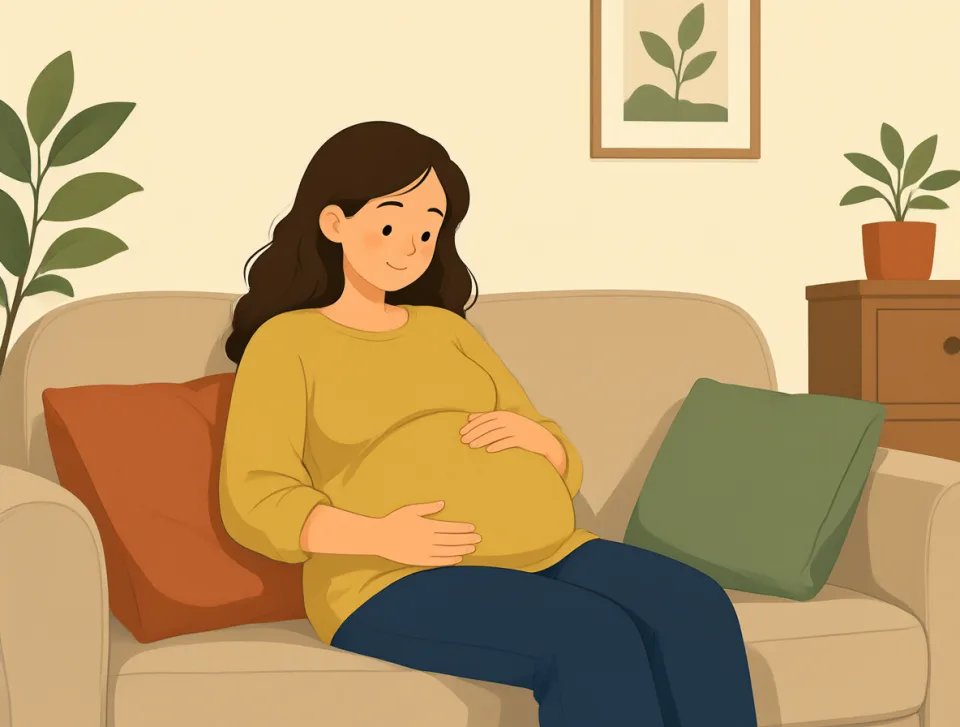
The baby is due next week.
Se espera que nazca el bebé la semana que viene.
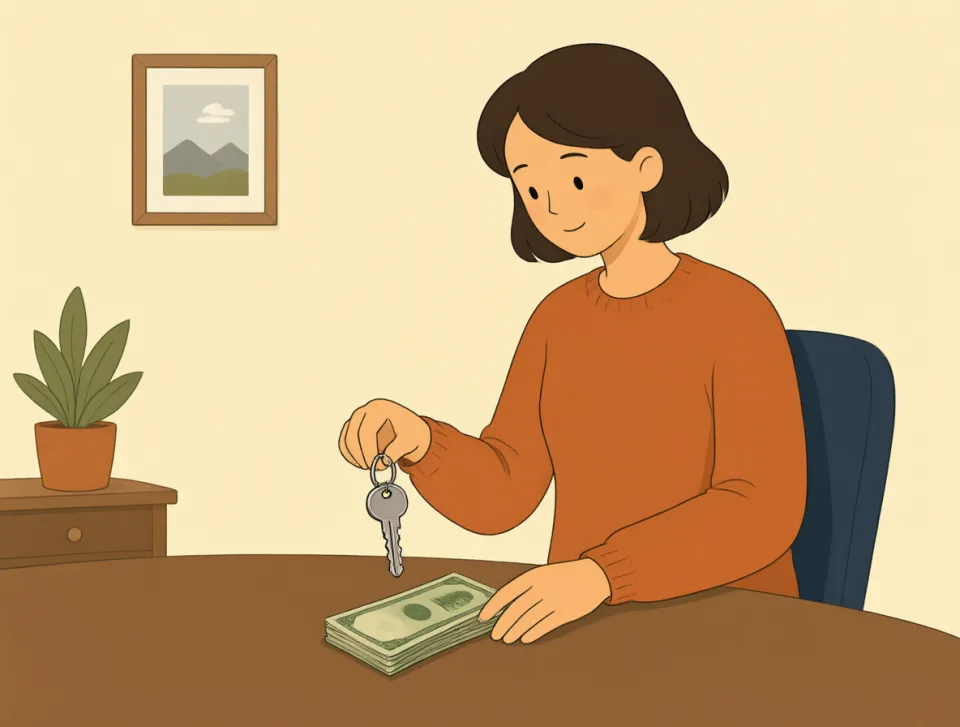
Our rent is due on Friday.
El alquiler vence el viernes.
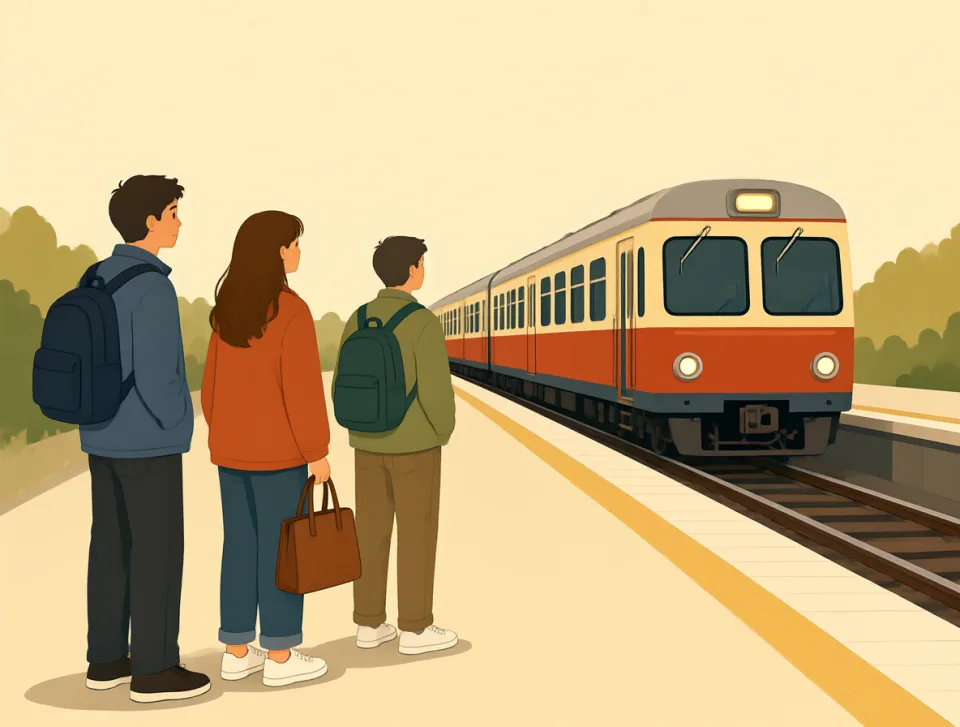
The train is due at six.
Está previsto que el tren llegue a las seis.
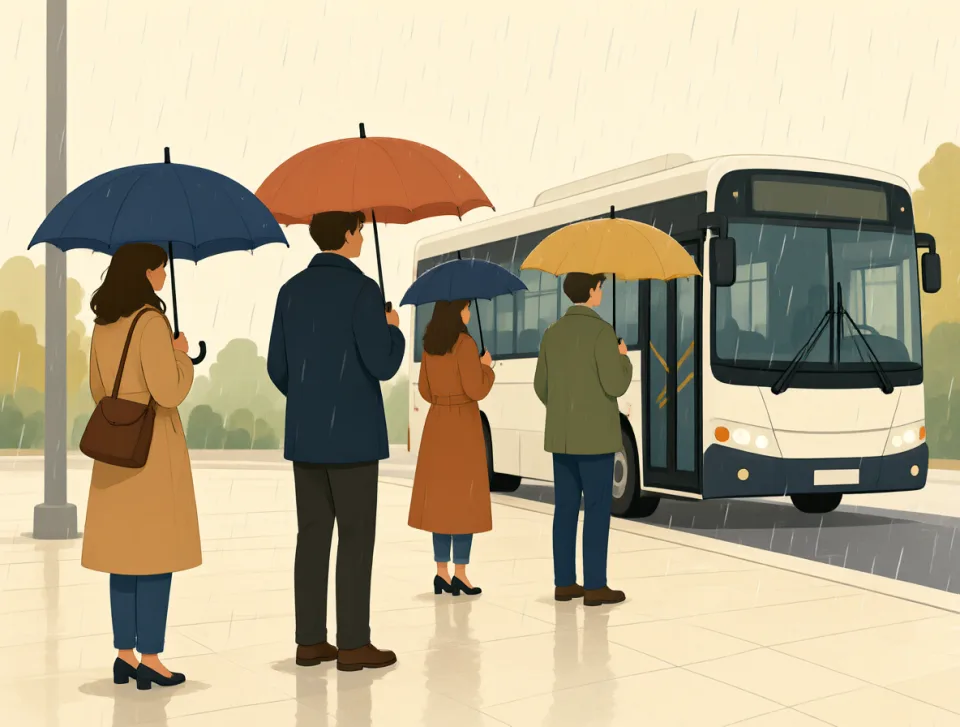
The delay was due to heavy rain.
El retraso se debió a las fuertes lluvias.
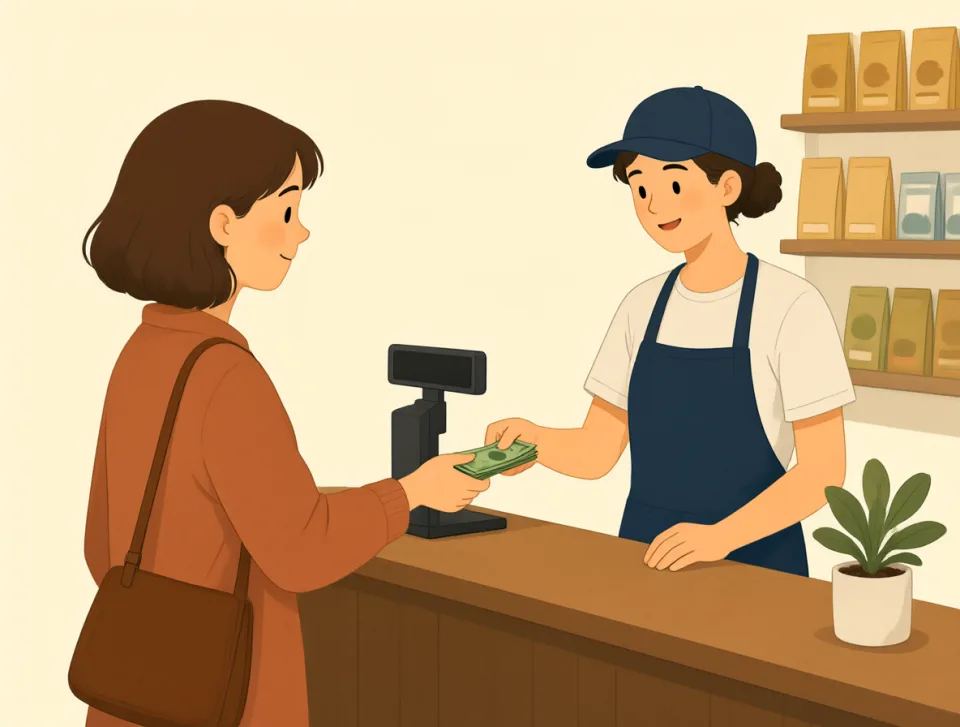
She paid the money due yesterday.
Pagó el dinero que debía desde ayer.
wrong
#575adjective, adverb, noun
equivocado; incorrecto; mal; malo
Not correct, suitable, or true; in an unsuitable or incorrect way.
Que no es correcto, adecuado o verdadero; de una manera inadecuada o incorrecta.
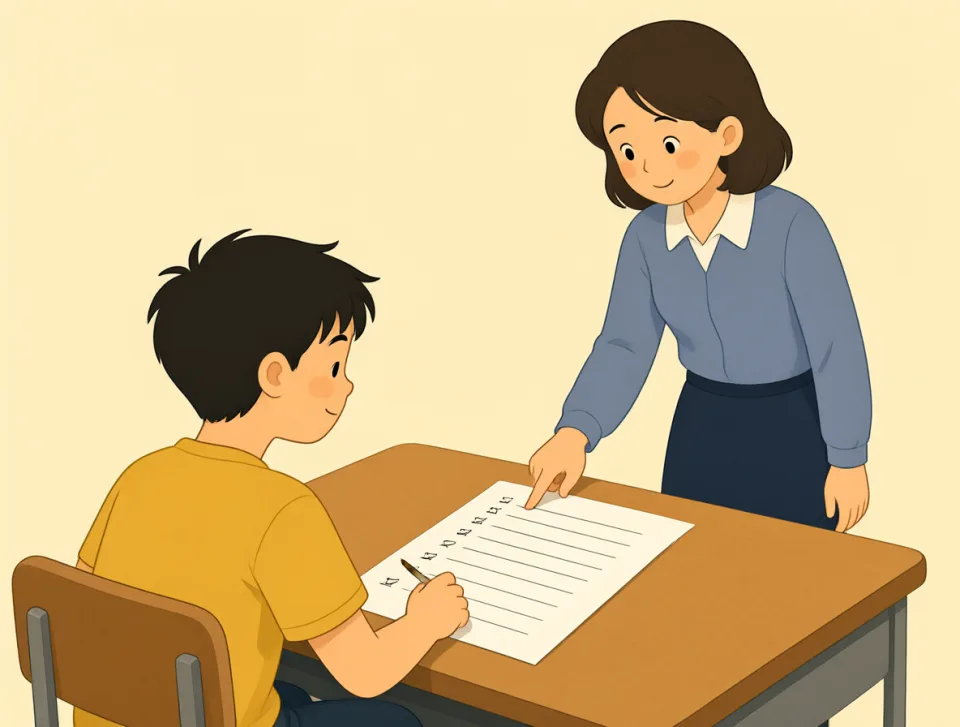
I think you have the wrong answer.
Creo que tienes la respuesta equivocada.
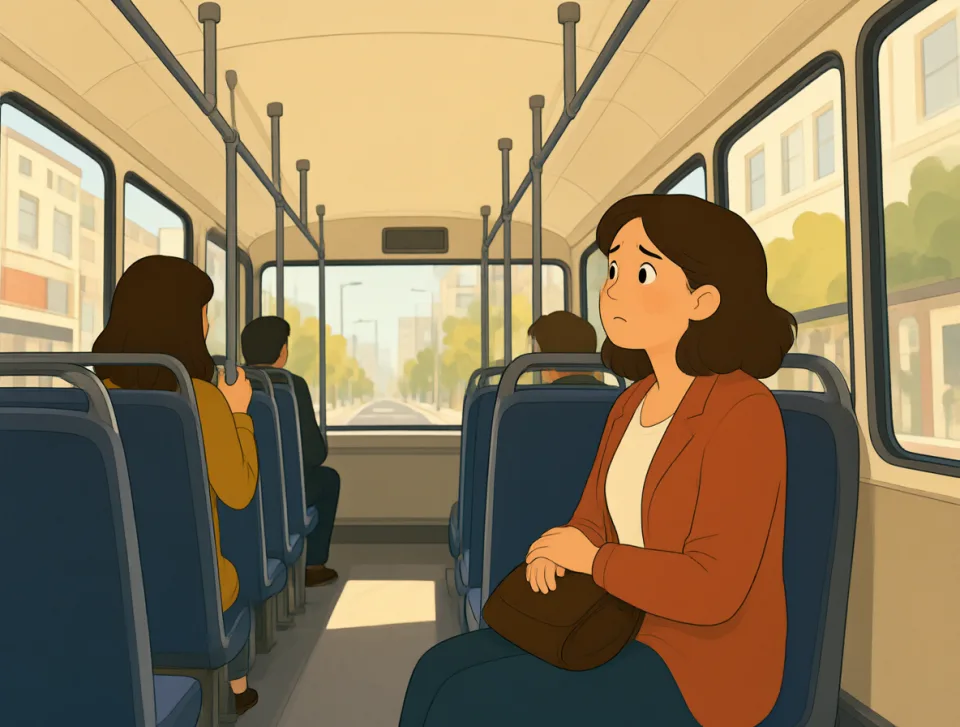
She took the wrong bus to work.
Tomó el autobús equivocado para ir al trabajo.
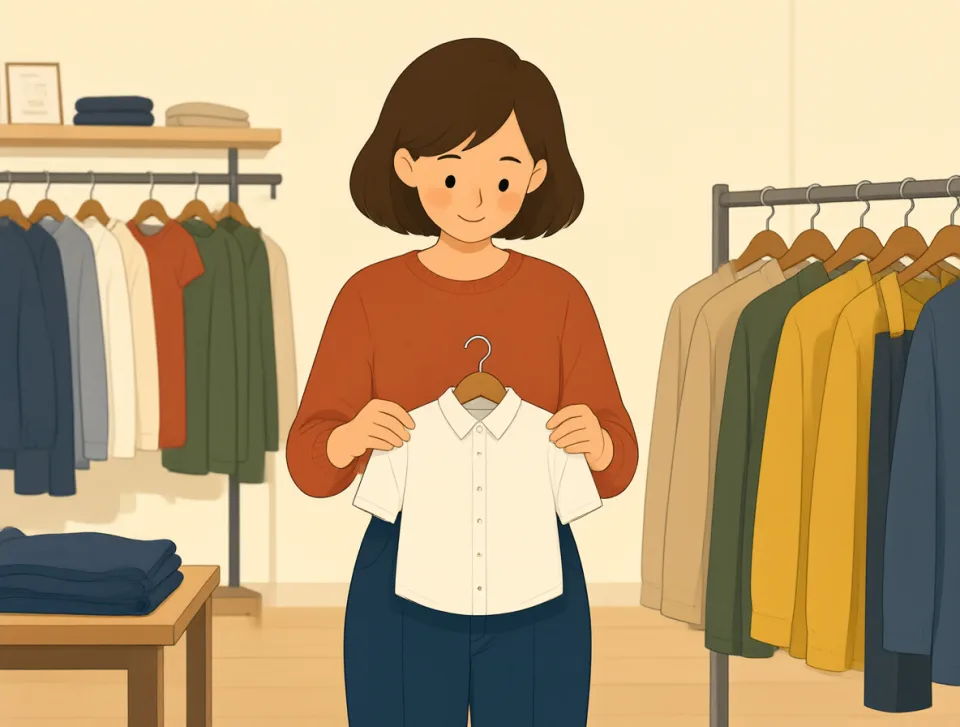
This shirt is the wrong size for me.
Esta camisa es de la talla equivocada para mí.
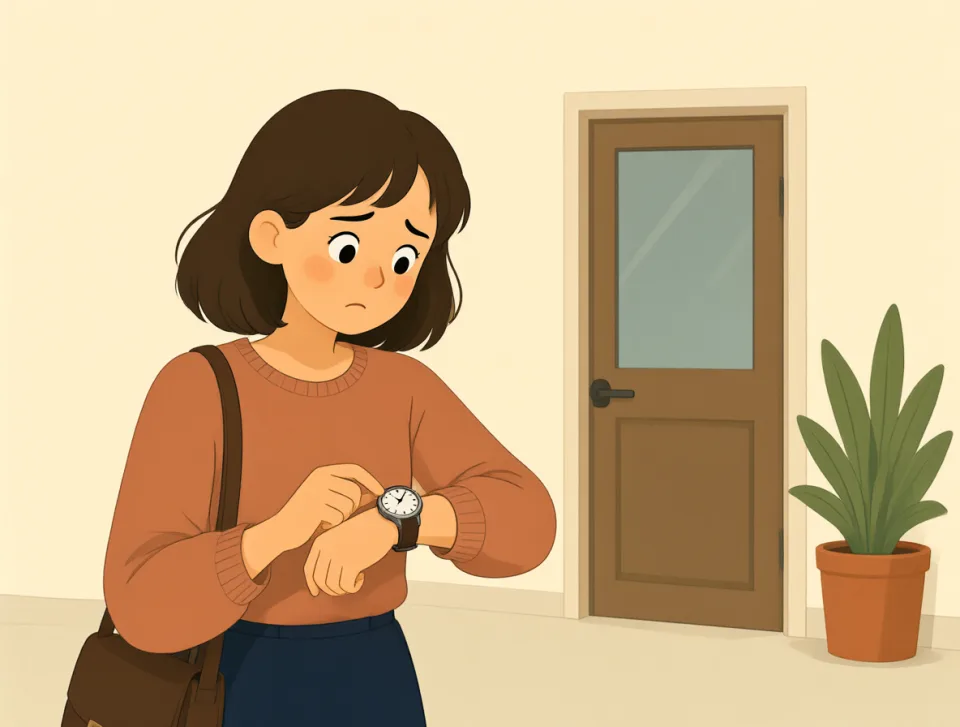
My watch is wrong, so I arrived late.
Mi reloj está atrasado, así que llegué tarde.
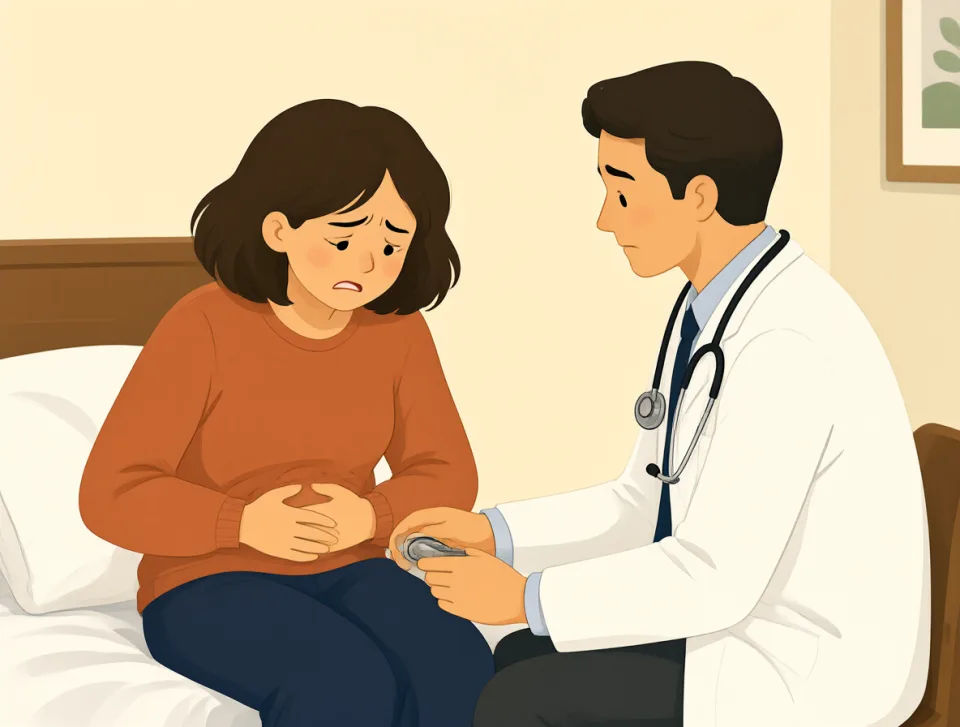
There is something wrong with my stomach.
Tengo algo mal en el estómago.
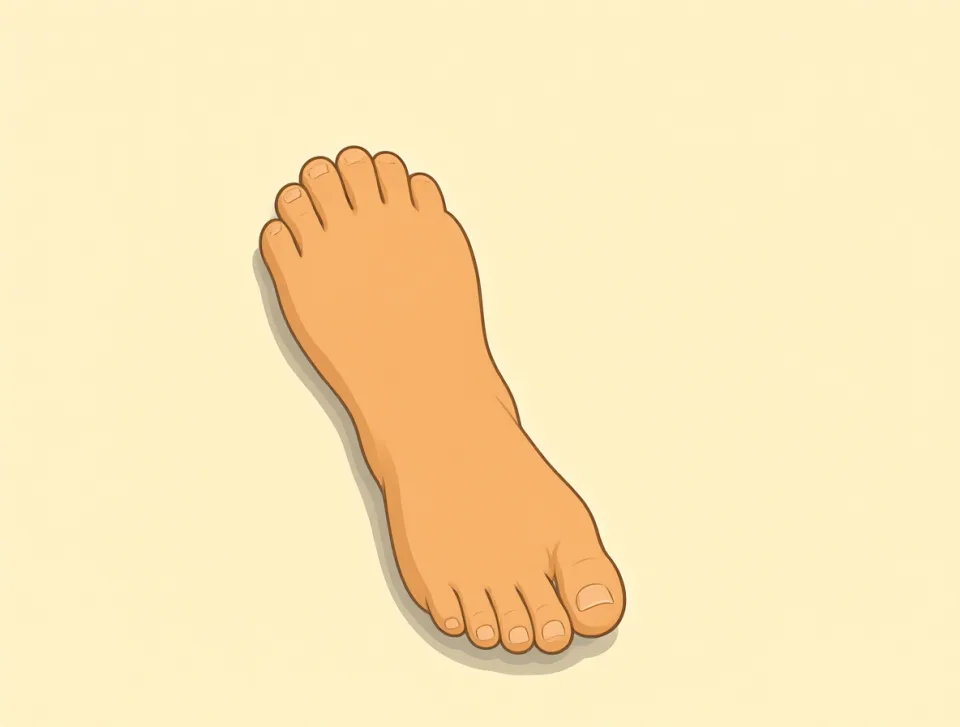
foot
#576noun, verb
pie; caminar
The part of your body below the ankle, or to walk somewhere.
La parte del cuerpo que está debajo del tobillo, o desplazarse caminando a algún lugar.
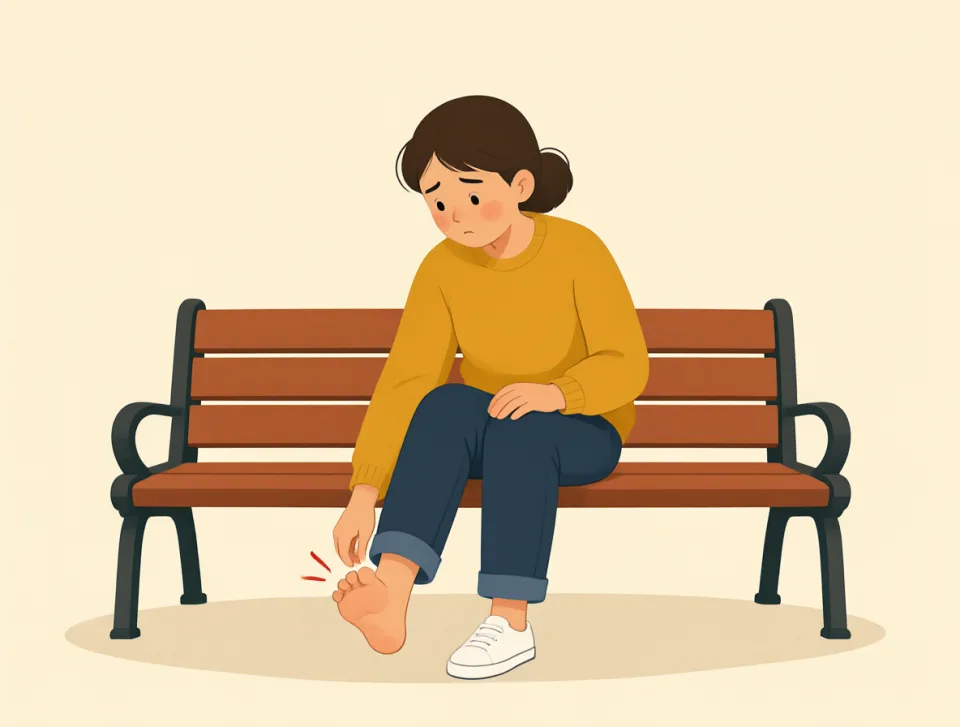
My foot hurts after the long walk.
Me duele el pie después de la larga caminata.
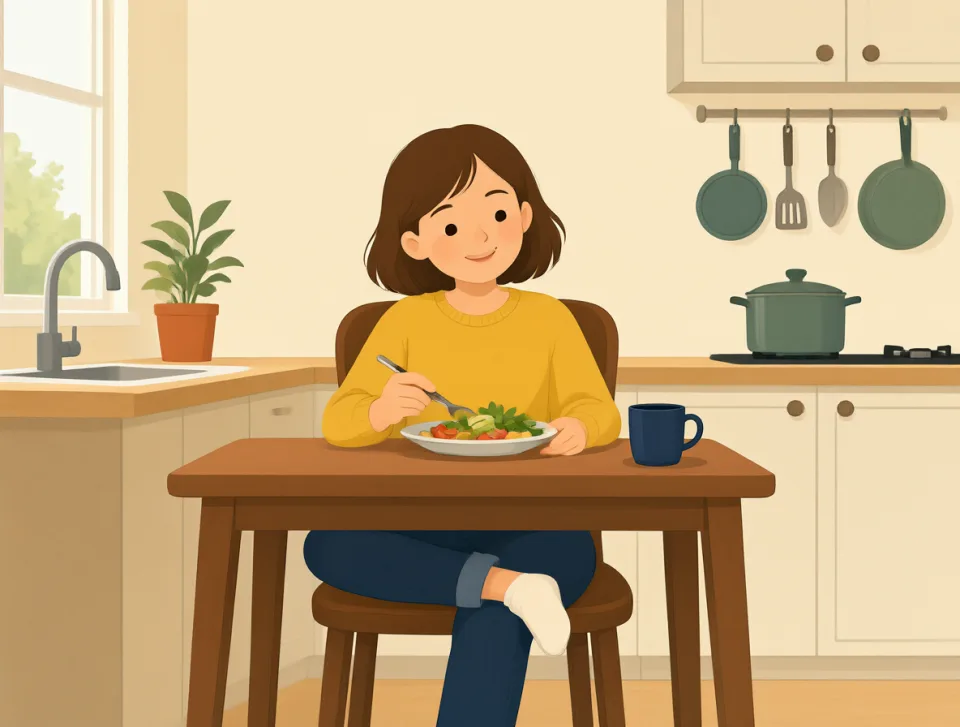
She put her foot under the table.
Puso el pie debajo de la mesa.
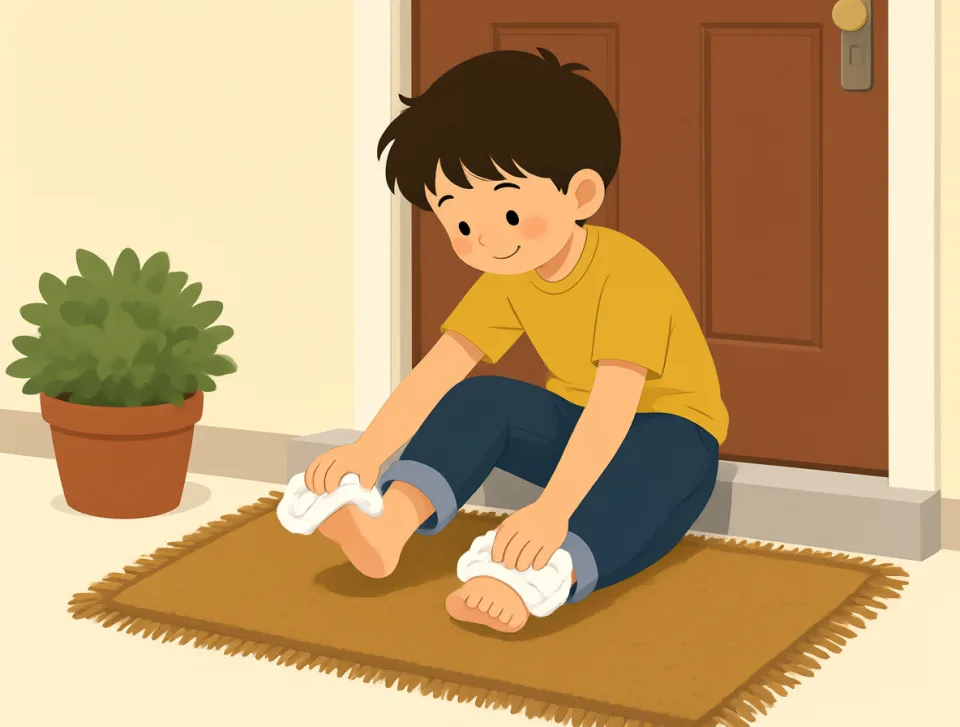
Please wipe your feet before coming inside.
Por favor, límpiate los pies antes de entrar.
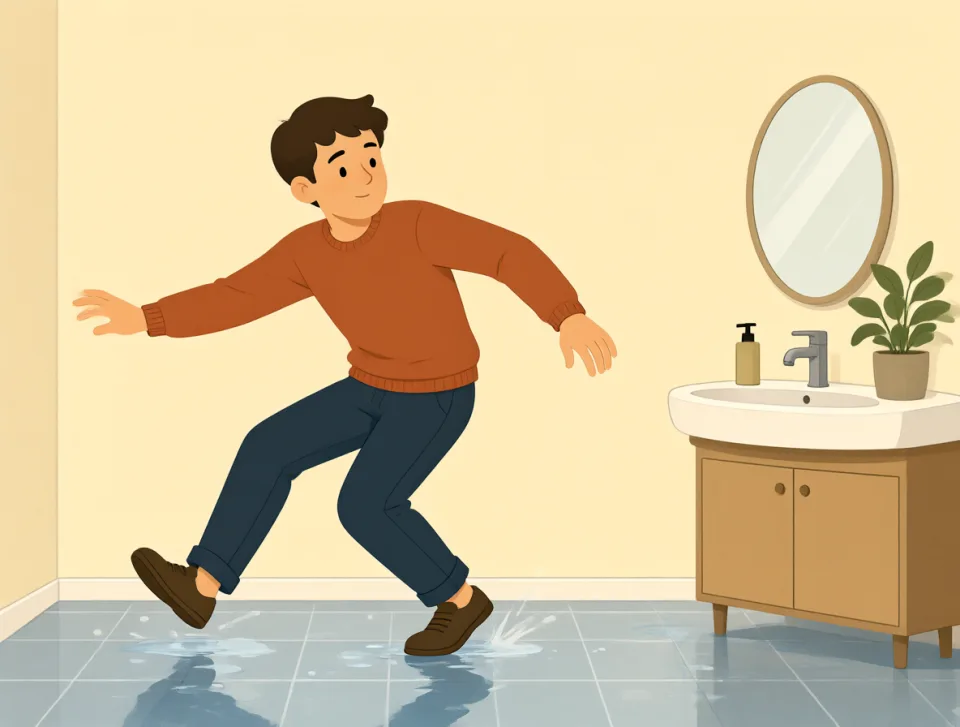
He lost his footing on the wet floor.
Perdió el equilibrio en el suelo mojado.

We walked on foot to the station.
Fuimos caminando a la estación.
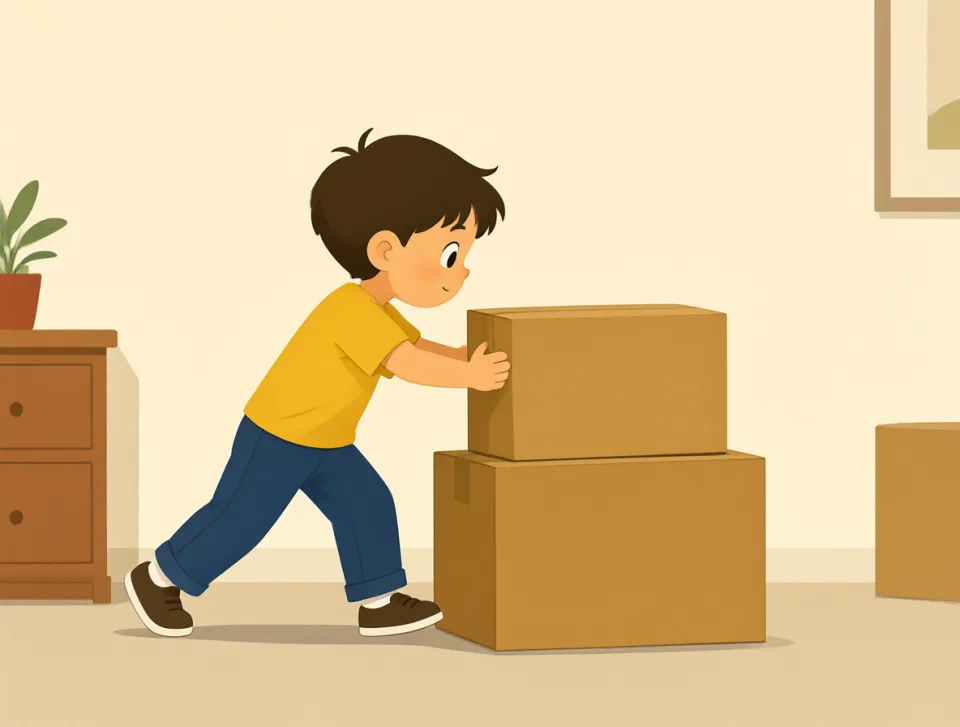
effort
#577noun
esfuerzo
The energy and hard work used to do something.
La energía y el trabajo duro que se necesitan para hacer algo.
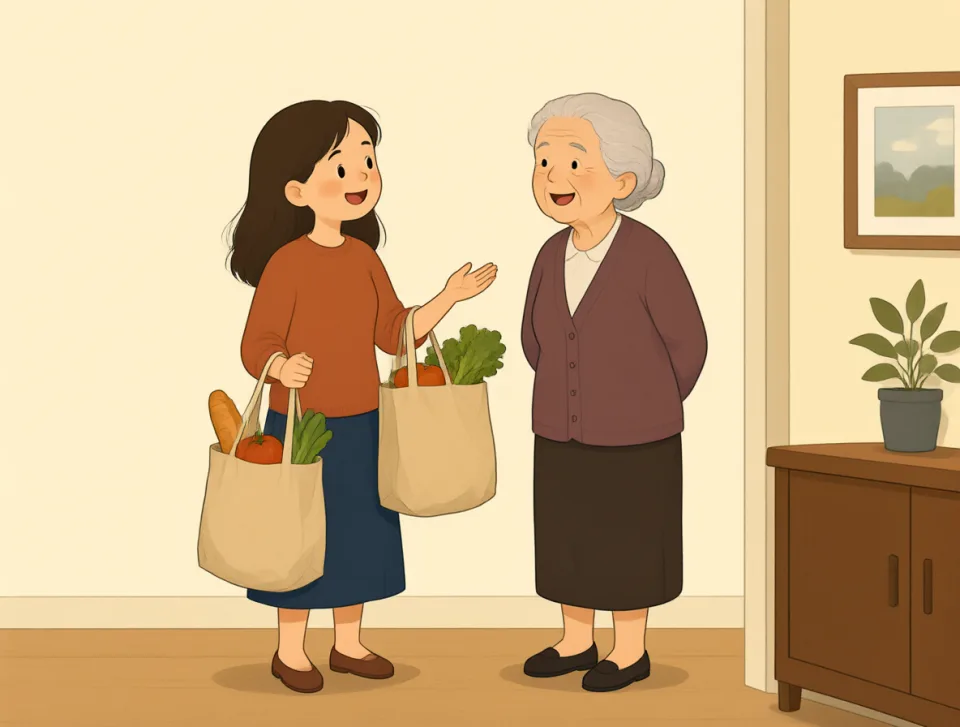
She made a great effort to help.
Ella hizo un gran esfuerzo por ayudar.
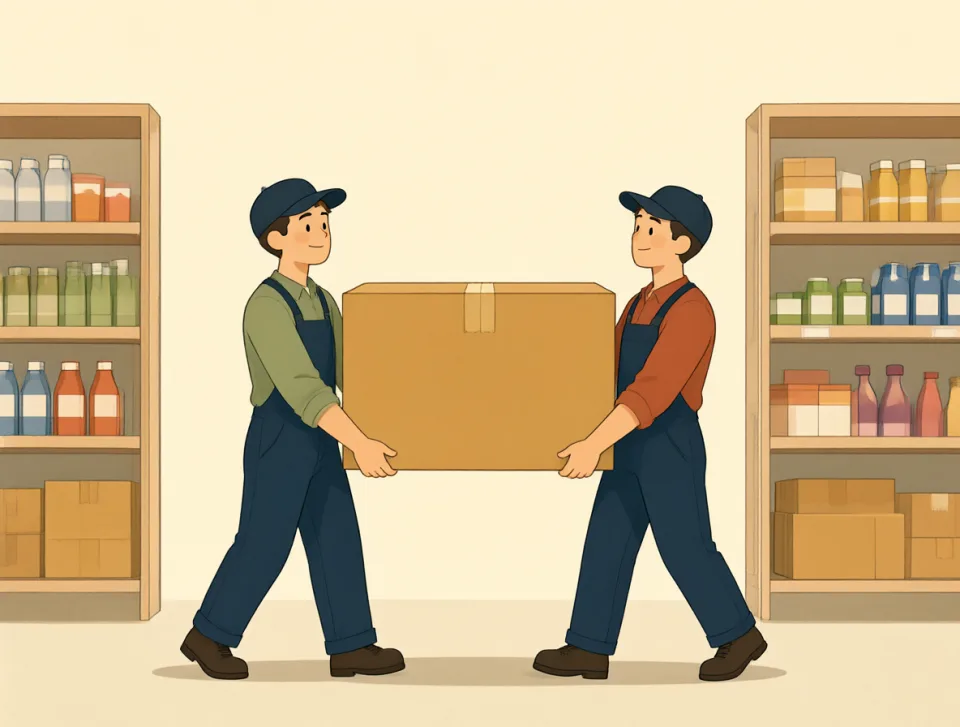
Your effort will make the job easier.
Tu esfuerzo hará que el trabajo sea más fácil.
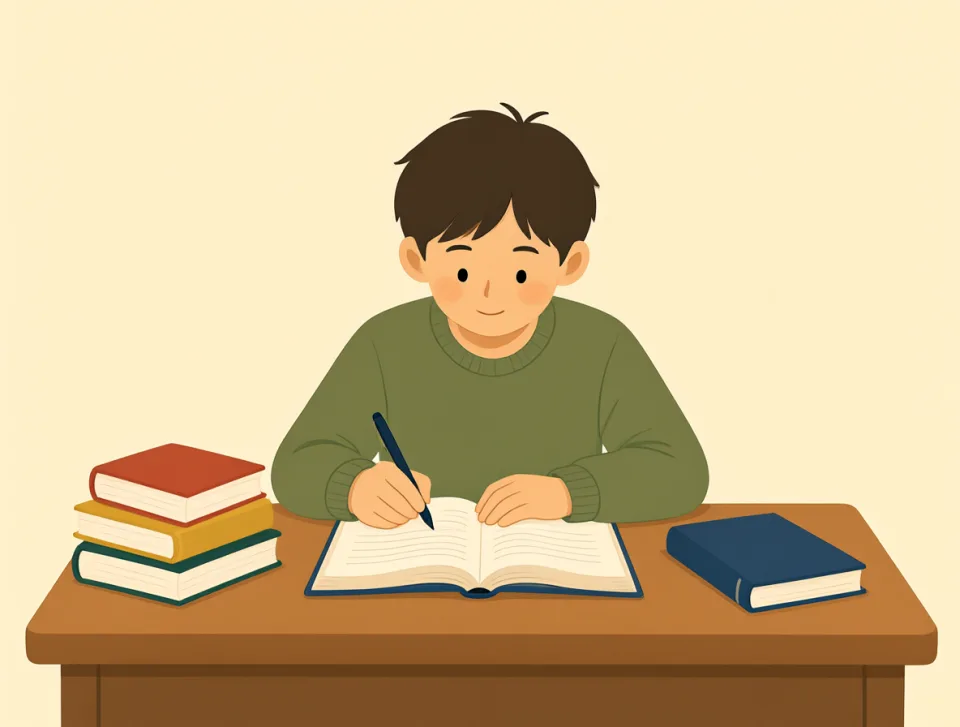
He passed the test through hard effort.
Aprobó el examen gracias a su gran esfuerzo.
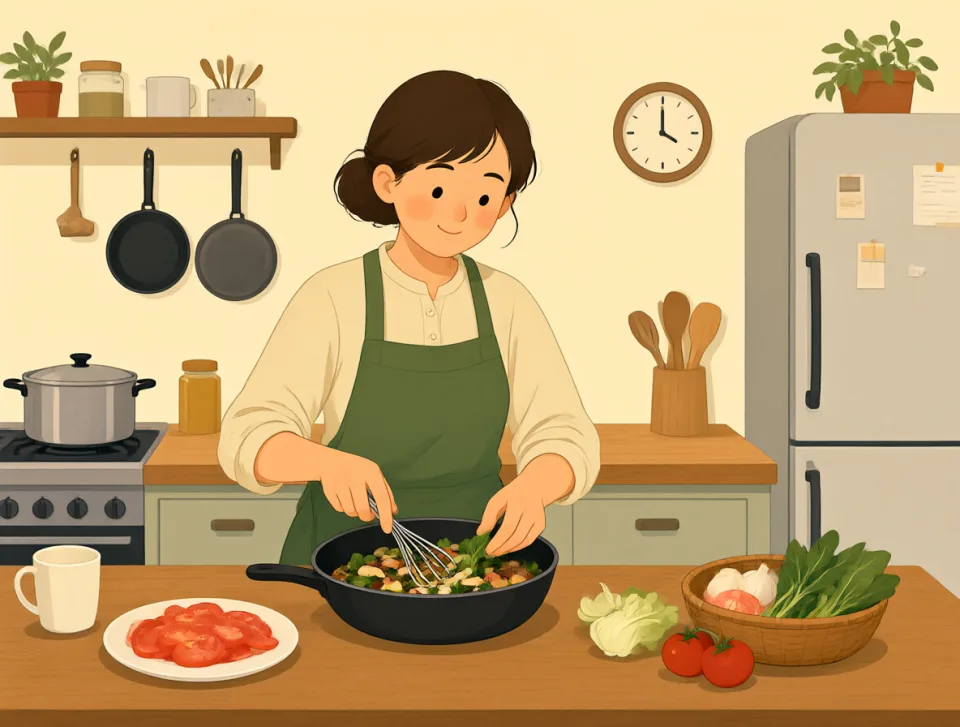
Cooking this meal took a lot of effort.
Preparar esta comida requirió mucho esfuerzo.
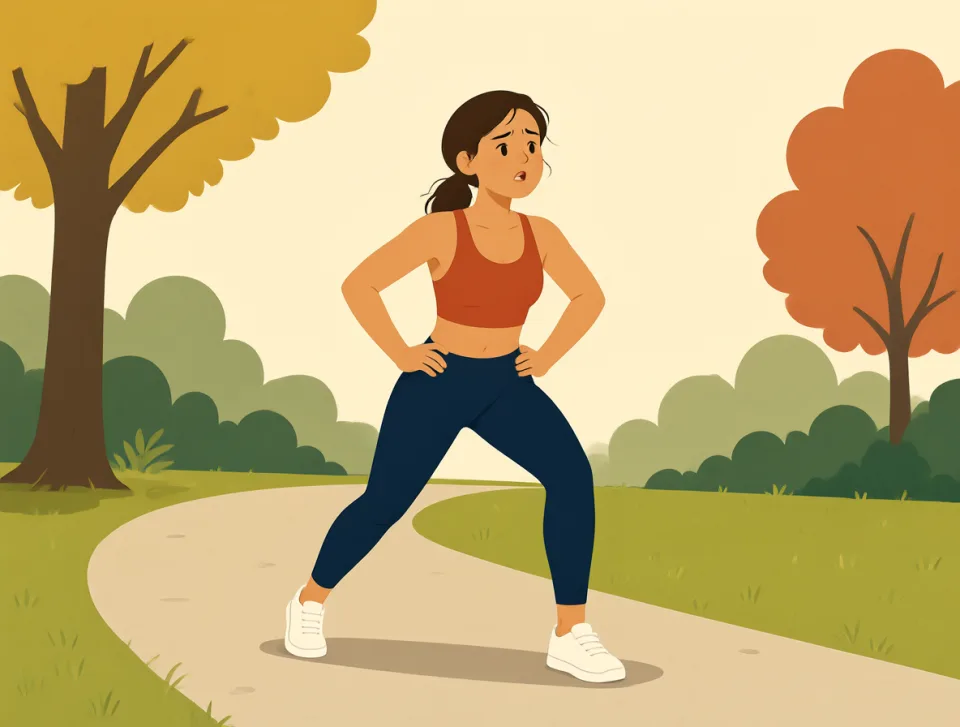
My doctor says exercise needs regular effort.
Mi médico dice que hacer ejercicio requiere constancia.
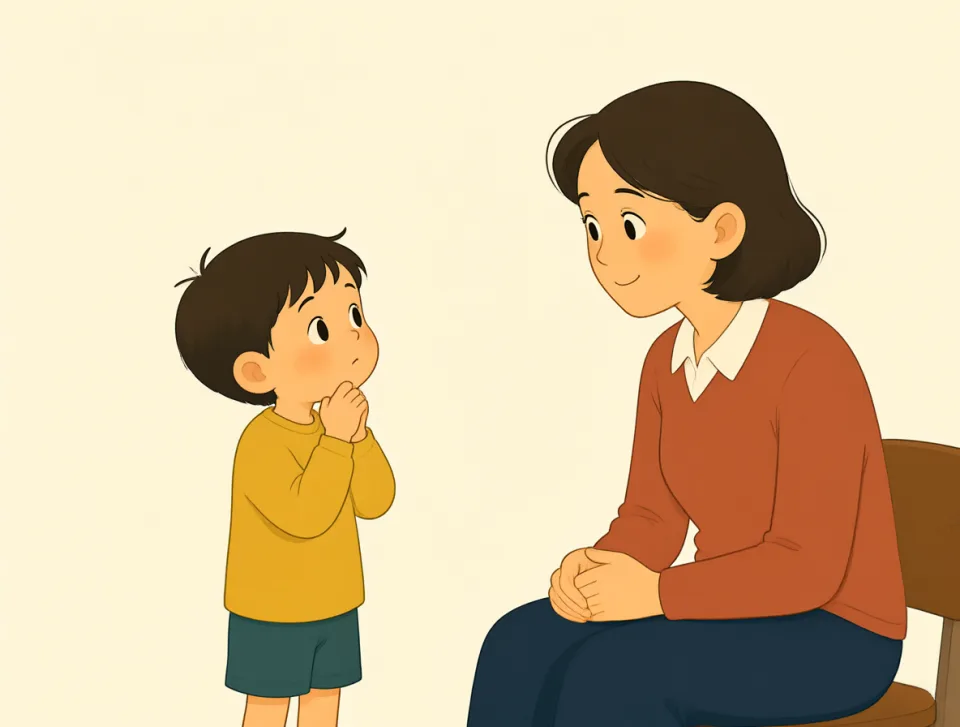
attention
#578noun
atención
The act of watching, listening to, or thinking carefully about someone or something.
El acto de observar, escuchar o pensar detenidamente en alguien o algo.
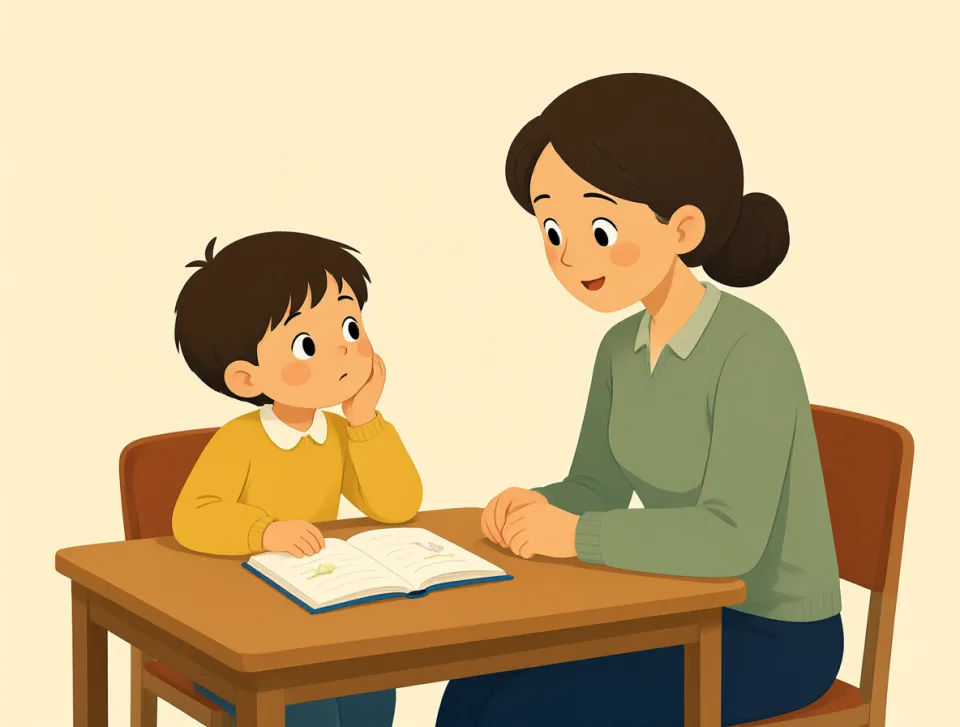
Please pay attention to the teacher.
Por favor, presta atención al profesor.
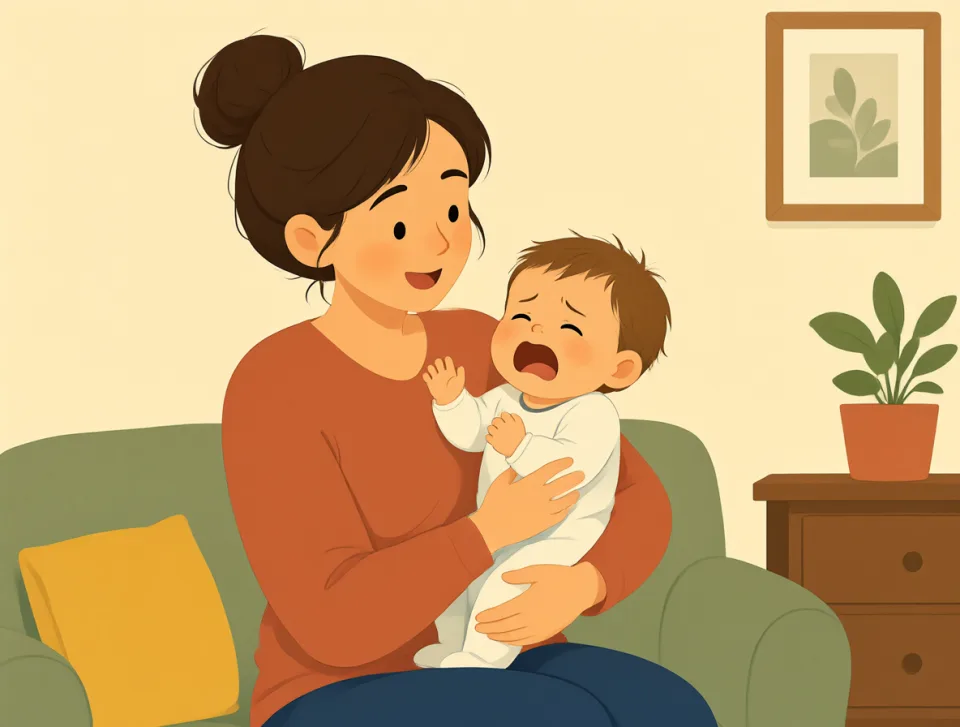
The baby needs attention from her mother.
El bebé necesita la atención de su madre.
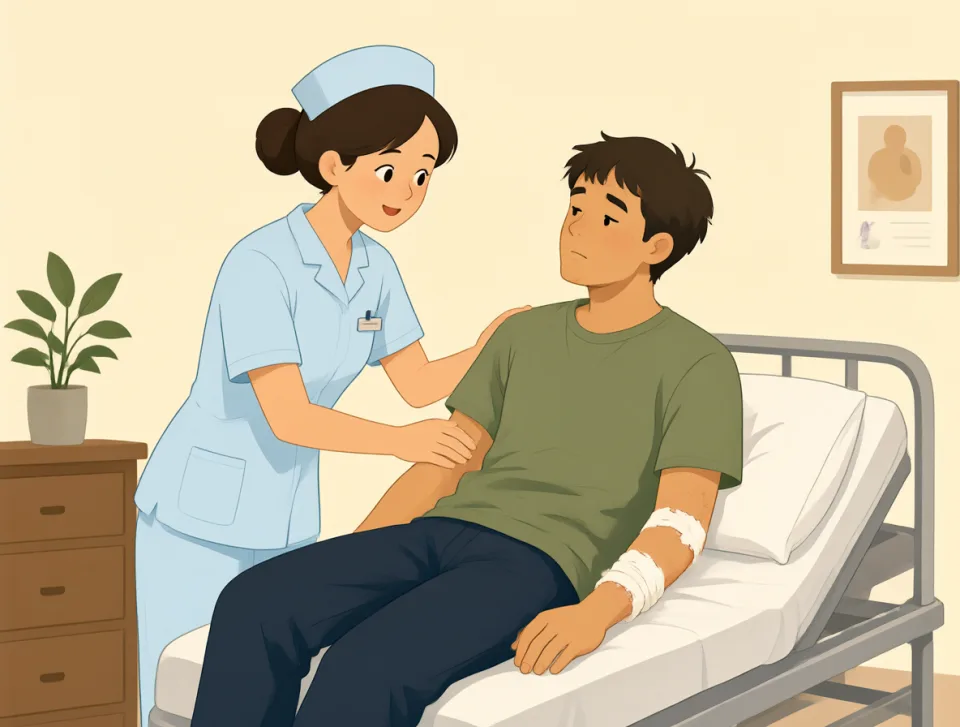
The nurse gave attention to the injured man.
La enfermera atendió al hombre herido.
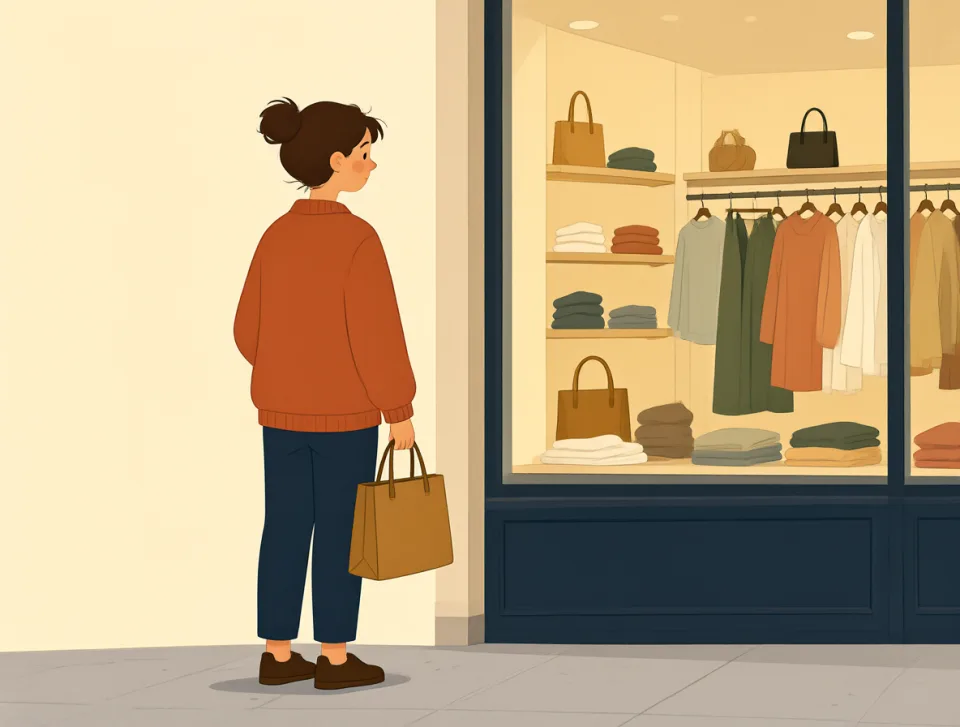
The store window caught my attention.
El escaparate de la tienda llamó mi atención.
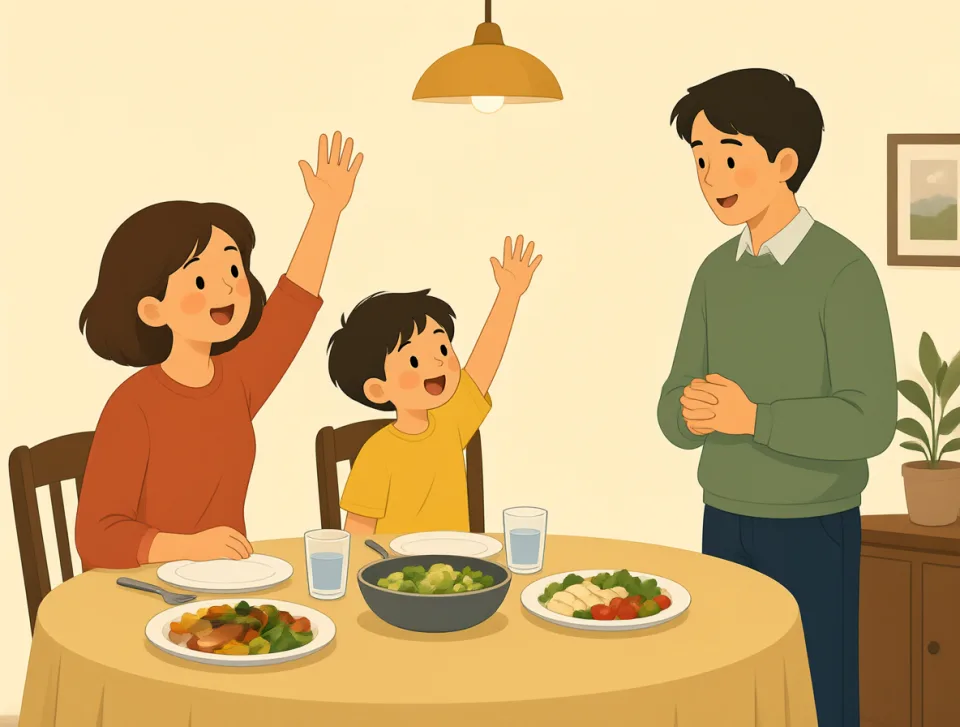
The children were seeking attention at dinner.
Los niños buscaban llamar la atención durante la cena.
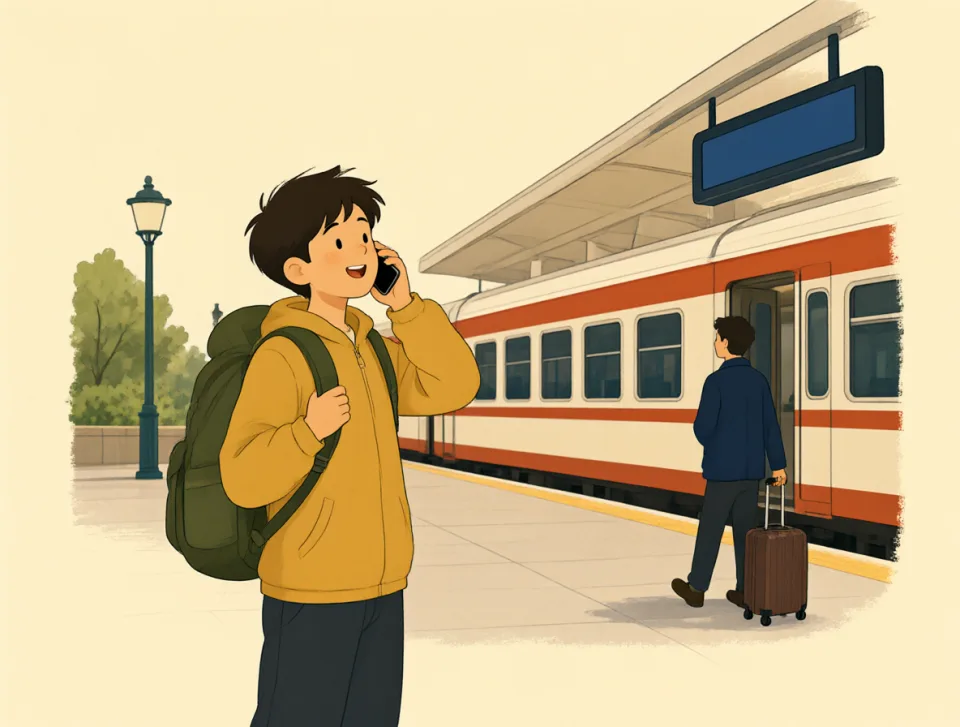
upon
#579preposition
al; tras; al momento de
used to mean on or immediately after something
se usa para significar «en» o inmediatamente después de algo
Upon arrival, please call your parents.
Al llegar, llama a tus padres, por favor.
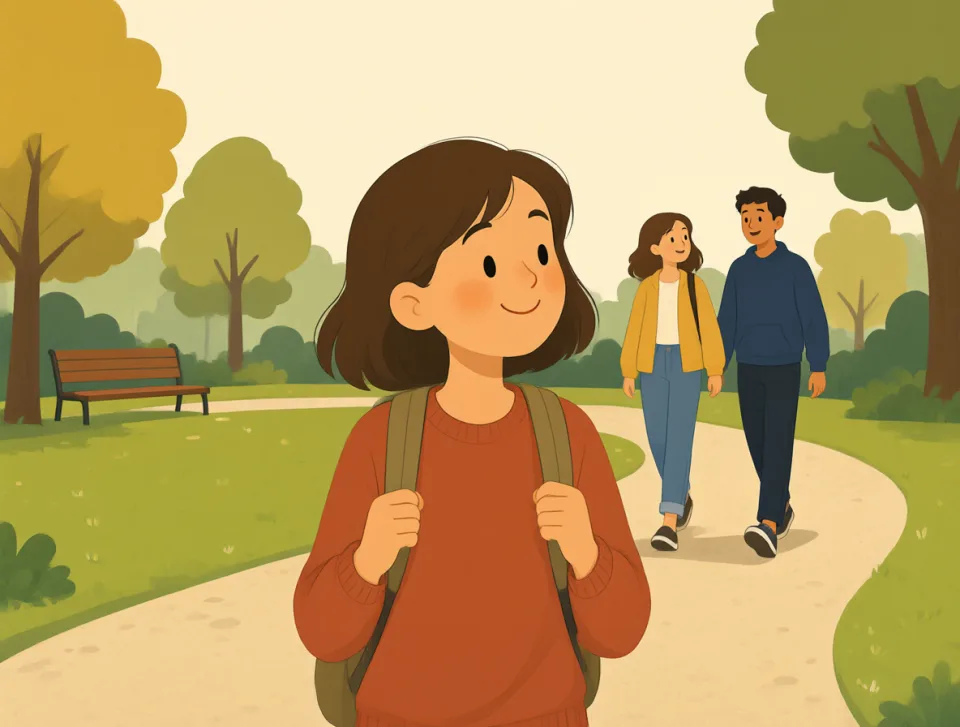
She smiled upon seeing her friends.
Ella sonrió al ver a sus amigos.
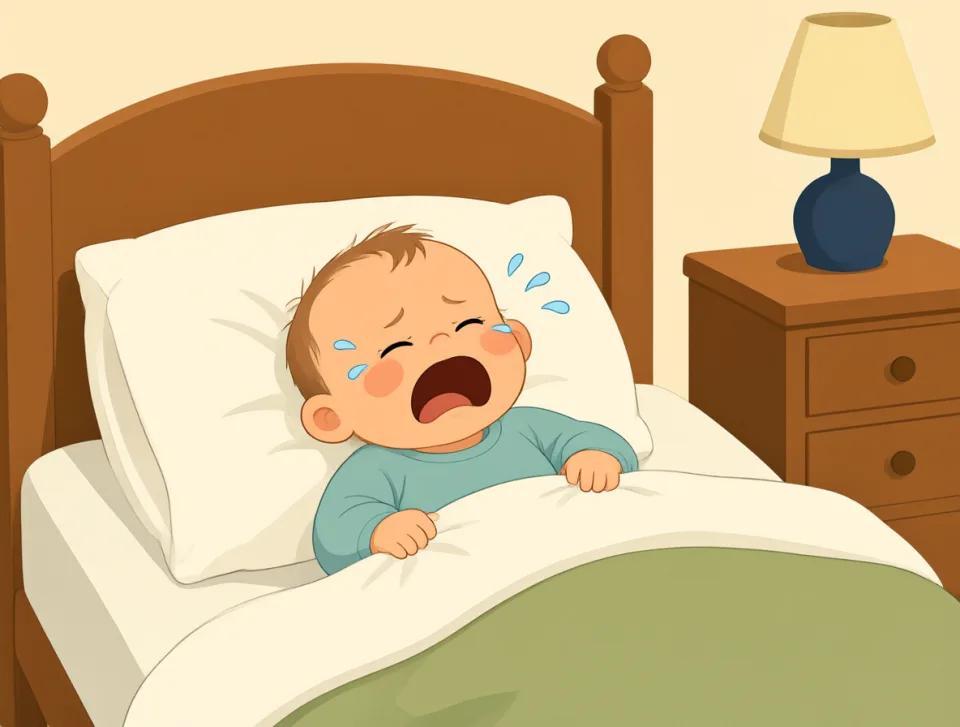
The baby cried upon waking.
El bebé lloró al despertarse.

Upon request, we can bring more food.
Si lo solicitan, podemos traer más comida.
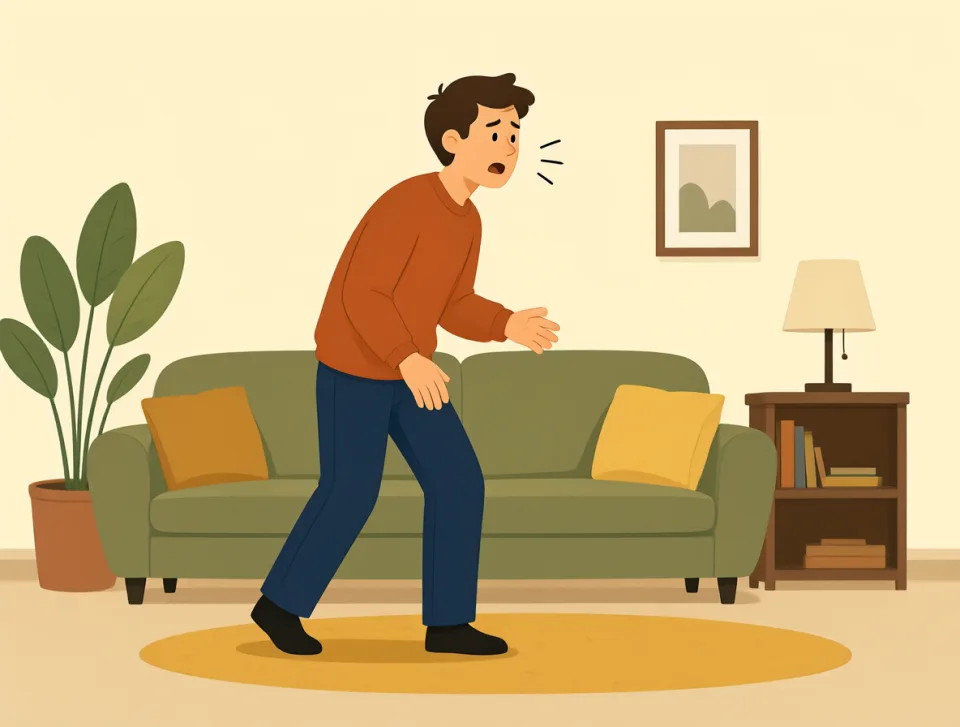
He acted quickly upon hearing the news.
Actuó rápidamente al enterarse de la noticia.
check
#580noun, verb
revisar; comprobar
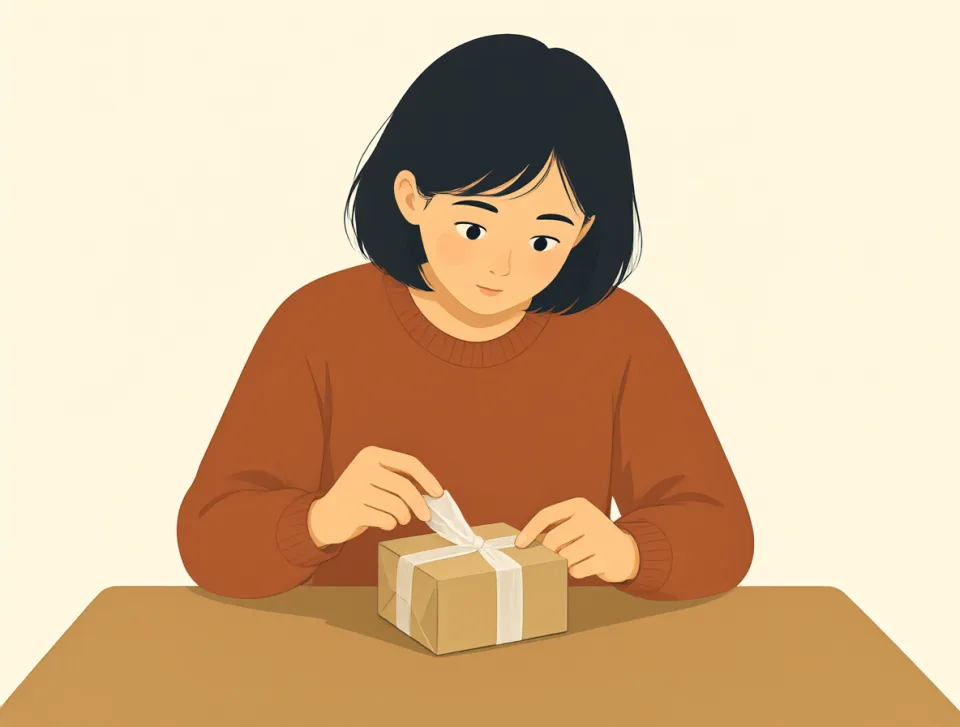
To look at something carefully to make sure it is correct, safe, or complete.
Mirar algo con cuidado para asegurarse de que esté correcto, sea seguro o esté completo.
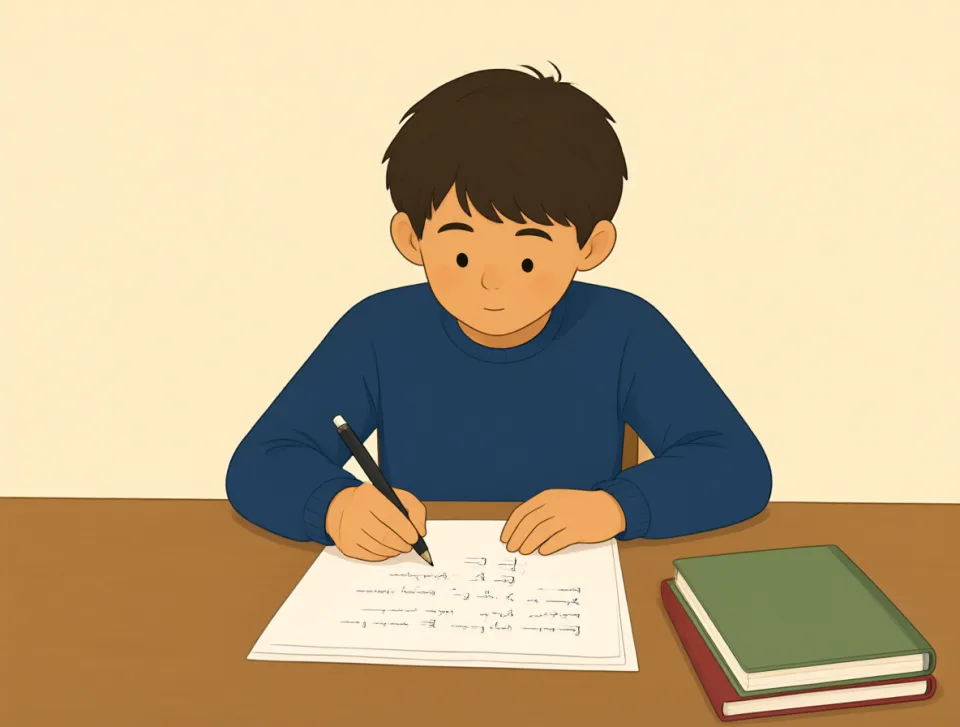
Please check your answers before you finish.
Revisa tus respuestas antes de terminar.
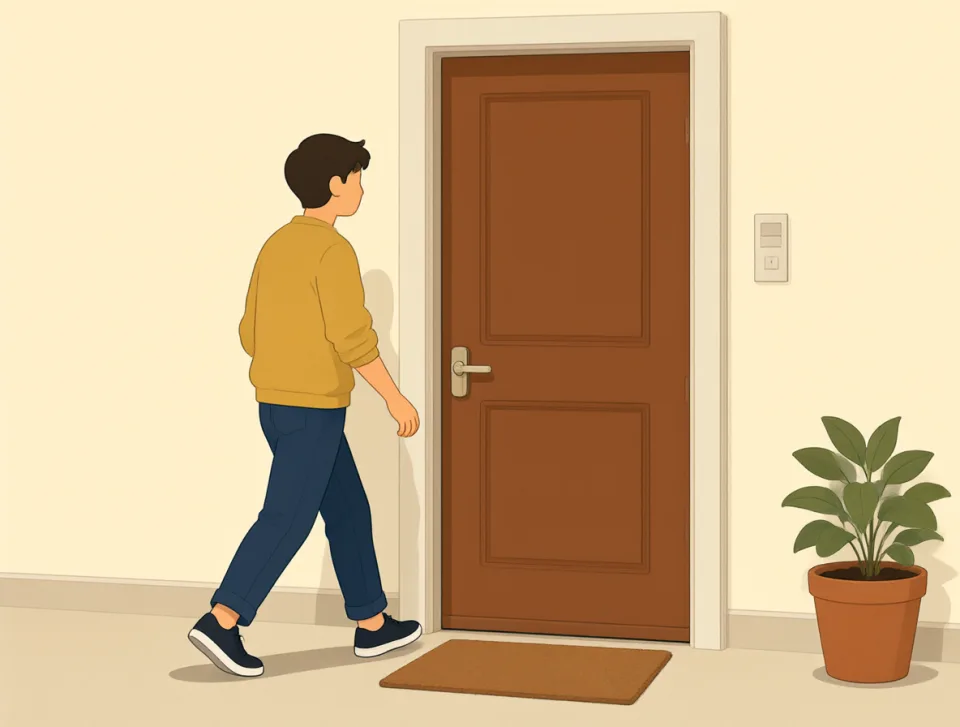
I checked the door before leaving home.
Revisé la puerta antes de salir de casa.
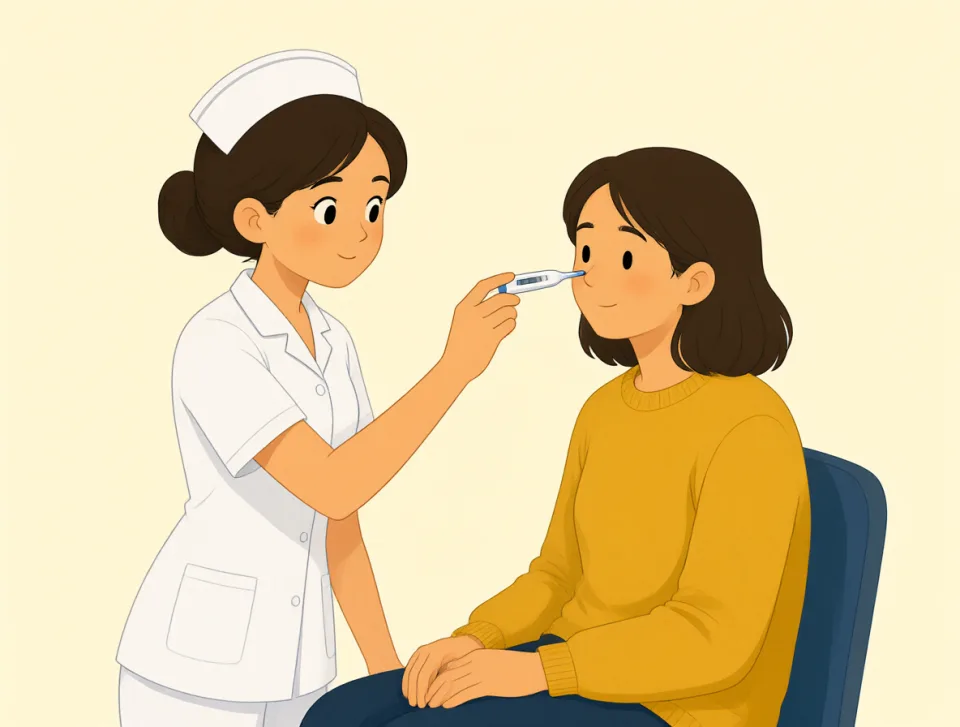
The nurse checked my temperature.
La enfermera me tomó la temperatura.
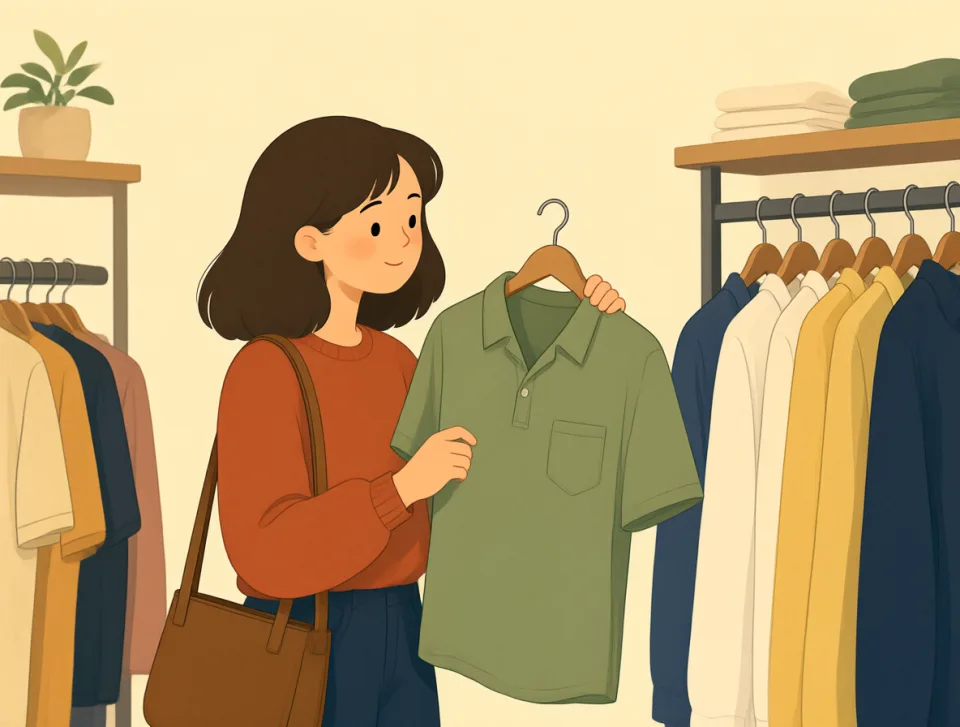
Can you check the price of this shirt?
¿Puedes comprobar el precio de esta camisa?

We checked our bags at the airport.
Facturamos nuestras maletas en el aeropuerto.