The Argument About Forgotten Plans
忘れていた約束をめぐる口論
Emma and Jack argue after Jack forgets their plans for the evening. They both feel hurt, but the disagreement gets sharper when they try to explain what happened.
ジャックが夜の約束を忘れたことで、エマとジャックは言い争いになる。二人とも傷ついているが、何があったのか説明しようとするうちに、口論はさらに険しくなっていく。
会話10
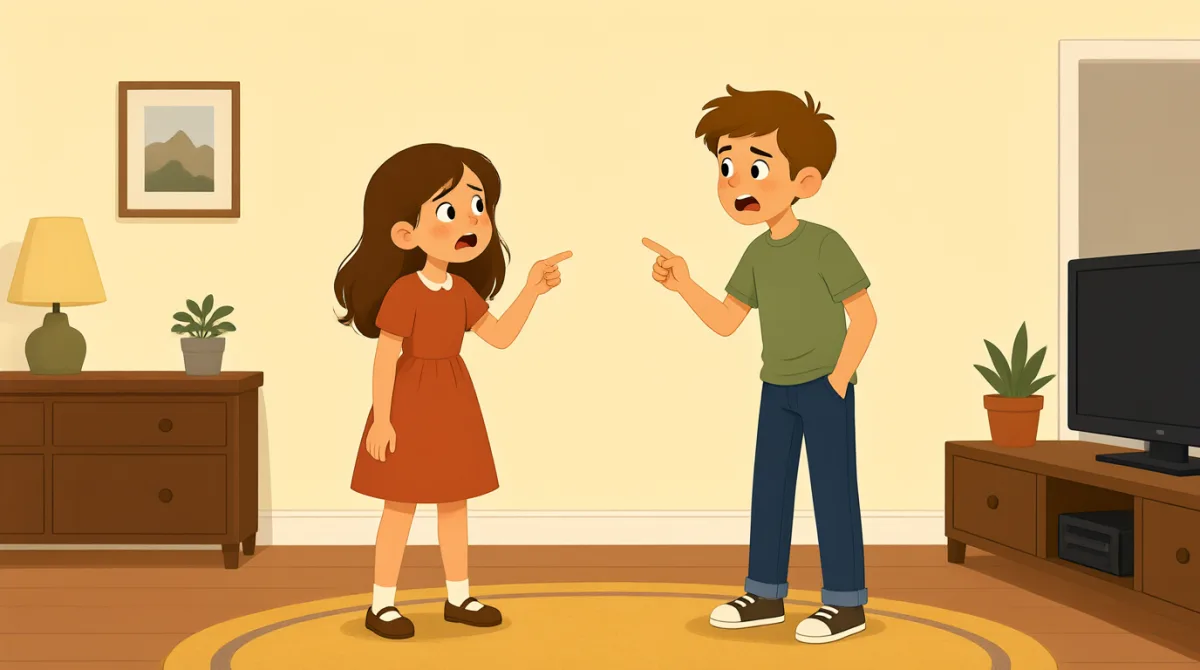

Jack, we agreed to meet at seven, and I waited for nearly an hour. I know things come up, but I wish you’d let me know you weren’t coming.
ジャック、7時に会うって約束したよね。私、1時間近く待ってたんだ。急なことが起きるのはわかってるけど、来られないって連絡してほしかったな。

I’m sorry I didn’t show up. I completely lost track of time at work, and by the time I checked my phone, I saw your messages. That’s on me.
行けなくてごめん。仕事に夢中で時間をすっかり忘れてて、スマホを確認したときには、君からのメッセージに気づいたんだ。これは僕の責任だよ。
It’s not just that you forgot. I’d been looking forward to tonight, and when you didn’t come or even call, I felt like our plans didn’t matter to you.
忘れたことだけじゃないんだ。今夜を楽しみにしてたのに、来るどころか電話もくれなかったから、私たちの約束なんてどうでもいいんだって感じた。
I get why you’re upset, but I wasn’t sitting there thinking your plans didn’t matter. I had a deadline, and everything got hectic. I didn’t do it on purpose.
君が怒るのはわかるよ。でも、君との約束なんてどうでもいいと思いながら座ってたわけじゃないんだ。締め切りがあって、すごくバタバタしてた。わざとじゃないよ。
I’m not saying you did it on purpose. But when I tried to tell you how hurt I was, you immediately started explaining why it wasn’t your fault.
わざとやったって言ってるんじゃないよ。でも、私がどれだけ傷ついたか話そうとしたら、すぐに自分のせいじゃないって説明し始めたよね。
Because it felt like you’d already decided I didn’t care. I was trying to explain what happened, not brush off how you felt, but maybe I came across that way.
君はもう、僕が気にかけてないって決めつけてるように感じたんだ。何があったのか説明しようとしてたのであって、君の気持ちを軽く扱おうとしたんじゃない。でも、そう聞こえたのかもしれないね。
I hadn’t decided that. I was angry and disappointed, and I wanted you to acknowledge that I’d been left waiting. Instead, we both got defensive.
そんなふうには決めつけてなかったよ。私は怒ってたし、がっかりしてた。待たせてしまったことを、あなたにちゃんと認めてほしかったのに、結局お互いに身構えちゃったね。
You’re right that I should’ve acknowledged it first. But when you said I always put work ahead of you, I felt like one mistake was being treated as a pattern.
まず僕がそのことを認めるべきだったっていうのは、君の言うとおりだよ。でも、君にいつも仕事を優先してるって言われたとき、一度の失敗をいつものことみたいに扱われてると感じたんだ。
I said that because I was hurt, and I shouldn’t have made it sound like this happens every time. Still, tonight mattered to me, and I need you to understand that.
傷ついてたからそう言っちゃったけど、いつもこうだって思わせるような言い方をするべきじゃなかった。それでも、今夜は私にとって大切だったってことを、わかってほしい。
I hear you. I’m still frustrated about how we’re talking to each other, though. Can we take a minute before this turns into another round of accusations?
君の言いたいことはわかったよ。でも、お互いの話し方にはまだイライラしてる。このまままた責め合いになる前に、ちょっと時間を置かない?
語彙6
- lost track of time時間を忘れる
To lose track of time means to become so focused on something that you do not notice how much time has passed. Jack uses it to explain why he missed their plans.
“lost track of time” は、何かに夢中になって、どれくらい時間がたったか気づかなくなるという意味です。ジャックは、約束に来られなかった理由を説明するために使っています。
- That’s on me.That’s on me.(僕の責任だよ)
This means “That’s my responsibility” or “It was my fault.” Use it to accept responsibility for a mistake.
「それは自分の責任だ」「自分が悪かった」という意味です。失敗の責任を認めるときに使います。
- come up起こる、持ち上がる
Here, “things come up” means unexpected situations happen. It is a common way to acknowledge that plans can sometimes be interrupted.
ここでの “things come up” は、予期しないことが起きるという意味です。予定が急な事情で変更になることもあると認めるときによく使われます。
- brush off軽くあしらう
To brush off someone’s feelings is to dismiss them or act as if they are not important. It is useful when explaining how someone’s response came across.
誰かの気持ちを “brush off” するとは、その気持ちを取り合わなかったり、大したことではないように扱ったりすることです。相手の反応がどう受け取られたか説明するときに便利な表現です。
- put work ahead of youあなたより仕事を優先する
This means to give work more importance or priority than another person. The phrase can describe a concern about someone’s priorities in a relationship.
相手よりも仕事を大切にしたり、優先したりするという意味です。恋愛関係で、相手の優先順位に対する不安を表すときに使えます。
- another round of accusationsまた責め合うこと
An accusation is a claim that someone has done something wrong. “Another round” suggests the accusations may start again.
“accusation” は、誰かが悪いことをしたと非難することです。“another round” は、非難がまた始まりそうだという意味合いを表します。
重要な文8
- 1
I know things come up, but I wish you’d let me know you weren’t coming.
急なことが起きるのはわかってるけど、来られないって連絡してほしかったな。
This sentence acknowledges that unexpected problems happen while clearly expressing what you needed. Reuse “I wish you’d let me know…” to explain how someone could have handled a situation better.
この文は、予期しない問題が起きることを認めながら、自分がどうしてほしかったのかをはっきり伝えています。“I wish you’d let me know…”(…って知らせてほしかった)を使って、相手がどう対応してくれたらよかったか伝えられます。
- 2
That’s on me.
これは僕の責任だよ。
This is a brief, direct way to take responsibility for a mistake. Use it when you want to acknowledge fault without making excuses.
失敗の責任を認める、短く率直な言い方です。言い訳をせずに自分の非を認めたいときに使います。
- 3
I’d been looking forward to tonight, and when you didn’t come or even call, I felt like our plans didn’t matter to you.
今夜を楽しみにしてたのに、来るどころか電話もくれなかったから、私たちの約束なんてどうでもいいんだって感じた。
This explains both the situation and its emotional impact without claiming to know the other person’s intentions. You can adapt the structure to describe how someone’s actions made you feel.
相手の意図を決めつけずに、何が起きたのかと、それによって自分がどう感じたのかを説明する文です。この形を応用して、相手の行動で自分がどう感じたかを伝えられます。
- 4
I was trying to explain what happened, not brush off how you felt, but maybe I came across that way.
何があったのか説明しようとしてたのであって、君の気持ちを軽く扱おうとしたんじゃない。でも、そう聞こえたのかもしれないね。
This sentence clarifies your intention while recognizing how your behavior may have seemed. Reuse “I was trying to…, but maybe I came across that way” to repair a misunderstanding.
自分の意図を説明しながら、自分の言動が相手にどう受け取られたかも認める表現です。“I was trying to…, but maybe I came across that way” を使うと、誤解を解きながら、相手の受け止め方にも配慮できます。
- 5
I wanted you to acknowledge that I’d been left waiting.
待たせてしまったことを、あなたにちゃんと認めてほしかった。
This clearly states what kind of response the speaker needed. Use “I wanted you to acknowledge that…” when asking someone to recognize the impact of their actions.
相手にどんな反応をしてほしかったのかを、はっきり伝えています。“I wanted you to acknowledge that…”(…ということを認めてほしかった)を使うと、相手の行動が自分に与えた影響を認めてほしいと伝えられます。
- 6
You’re right that I should’ve acknowledged it first.
まず僕がそのことを認めるべきだったっていうのは、君の言うとおりだよ。
This is a specific apology that accepts the other person’s point. Use “You’re right that I should’ve…” to admit what you could have done differently.
相手の言い分を受け入れる、具体的な謝り方です。“You’re right that I should’ve…”(…するべきだったというのは君の言うとおりだ)を使うと、自分が別の対応をできたことを認められます。
- 7
I shouldn’t have made it sound like this happens every time.
いつもこうだって思わせるような言い方をするべきじゃなかった。
This takes responsibility for exaggerating or making a mistake seem like a repeated pattern. Adapt “I shouldn’t have made it sound like…” when correcting how you expressed something.
大げさに言ったり、一度の失敗を繰り返し起きていることのように見せたりした責任を認める表現です。“I shouldn’t have made it sound like…”(…のように聞こえる言い方をするべきじゃなかった)を応用して、自分の言い方を訂正できます。
- 8
Can we take a minute before this turns into another round of accusations?
このまままた責め合いになる前に、ちょっと時間を置かない?
This calmly suggests a pause before a disagreement gets worse. Use “Can we take a minute before…” to propose a break and prevent an argument from escalating.
口論が悪化する前に、落ち着いて少し間を置こうと提案する表現です。“Can we take a minute before…”(…になる前に、少し時間を置かない?)を使って、言い争いがエスカレートするのを防ぐための休憩を提案できます。