The Argument About Forgotten Plans
약속을 잊은 일을 두고 벌어진 말다툼
Emma and Jack argue after Jack forgets their plans for the evening. They both feel hurt, but the disagreement gets sharper when they try to explain what happened.
잭이 저녁 약속을 잊어버린 뒤 에마와 잭은 다툰다. 둘 다 마음이 상했지만, 무슨 일이 있었는지 설명하려다 의견 충돌이 더 심해진다.
대화10
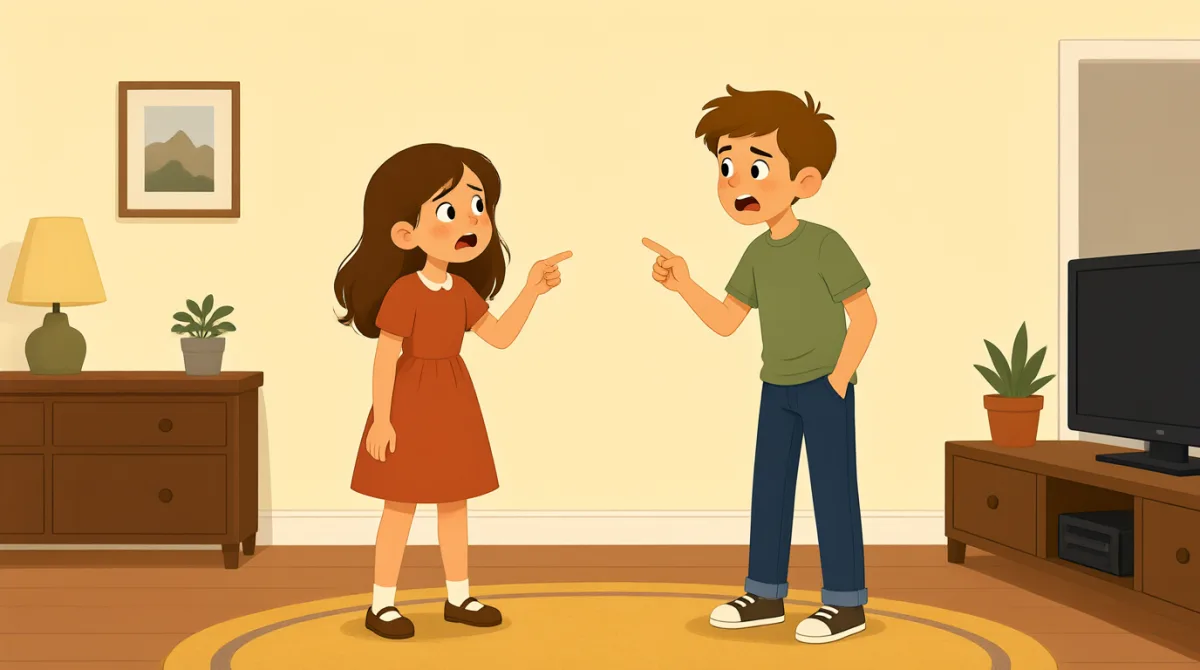

Jack, we agreed to meet at seven, and I waited for nearly an hour. I know things come up, but I wish you’d let me know you weren’t coming.
잭, 우리 7시에 만나기로 했잖아. 난 거의 한 시간이나 기다렸어. 갑자기 일이 생길 수도 있다는 건 알지만, 못 올 거면 미리 알려 줬으면 좋았을 텐데.

I’m sorry I didn’t show up. I completely lost track of time at work, and by the time I checked my phone, I saw your messages. That’s on me.
못 가서 미안해. 회사에서 시간 가는 줄도 몰랐어. 휴대폰을 확인했을 땐 네 메시지가 와 있더라. 그건 내 잘못이야.
It’s not just that you forgot. I’d been looking forward to tonight, and when you didn’t come or even call, I felt like our plans didn’t matter to you.
네가 잊어버린 것만 문제가 아니야. 난 오늘 밤을 기대하고 있었는데, 네가 오지도 않고 전화조차 안 하니까 우리 약속이 너한텐 중요하지 않은 것처럼 느껴졌어.
I get why you’re upset, but I wasn’t sitting there thinking your plans didn’t matter. I had a deadline, and everything got hectic. I didn’t do it on purpose.
네가 왜 화났는지는 알아. 하지만 난 네 약속이 중요하지 않다고 생각하며 앉아 있었던 게 아니야. 마감이 있었고 일이 정신없이 돌아갔어. 일부러 그런 건 아니야.
I’m not saying you did it on purpose. But when I tried to tell you how hurt I was, you immediately started explaining why it wasn’t your fault.
일부러 그랬다고 하는 게 아니야. 그런데 내가 얼마나 속상했는지 말하려고 했을 때, 넌 바로 네 잘못이 아닌 이유부터 설명하기 시작했어.
Because it felt like you’d already decided I didn’t care. I was trying to explain what happened, not brush off how you felt, but maybe I came across that way.
네가 이미 내가 널 신경 쓰지 않는다고 결론 내린 것처럼 느껴졌거든. 무슨 일이 있었는지 설명하려던 거지, 네 기분을 대수롭지 않게 여기려던 건 아니었어. 그래도 그렇게 들렸을 수도 있겠다.
I hadn’t decided that. I was angry and disappointed, and I wanted you to acknowledge that I’d been left waiting. Instead, we both got defensive.
난 그렇게 결론 내린 적 없어. 화도 나고 실망도 했어. 내가 기다리게 됐다는 걸 네가 알아줬으면 했는데, 결국 우리 둘 다 방어적으로 굴었어.
You’re right that I should’ve acknowledged it first. But when you said I always put work ahead of you, I felt like one mistake was being treated as a pattern.
그걸 먼저 알아줬어야 했다는 건 네 말이 맞아. 그런데 네가 내가 항상 너보다 일을 우선한다고 했을 때, 한 번의 실수를 마치 늘 반복되는 일처럼 보는 것 같아서 속상했어.
I said that because I was hurt, and I shouldn’t have made it sound like this happens every time. Still, tonight mattered to me, and I need you to understand that.
내가 속상해서 그렇게 말한 거야. 매번 이런 일이 있는 것처럼 말하면 안 됐어. 그래도 오늘 밤은 나한테 중요했어. 그건 네가 알아줬으면 해.
I hear you. I’m still frustrated about how we’re talking to each other, though. Can we take a minute before this turns into another round of accusations?
네 말 알겠어. 그래도 우리가 서로 말하는 방식은 아직 답답해. 또 서로 탓하기 시작하기 전에 잠깐 쉬었다 얘기할까?
어휘6
- lost track of time시간 가는 줄 모르다
To lose track of time means to become so focused on something that you do not notice how much time has passed. Jack uses it to explain why he missed their plans.
“lost track of time”은 어떤 일에 너무 집중해서 시간이 얼마나 지났는지 알아차리지 못한다는 뜻이에요. 잭은 약속에 늦은 이유를 설명할 때 이 표현을 써요.
- That’s on me.그건 내 잘못이야.
This means “That’s my responsibility” or “It was my fault.” Use it to accept responsibility for a mistake.
“That’s on me.”는 “그건 내 책임이야” 또는 “내 잘못이야”라는 뜻이에요. 실수에 대한 책임을 인정할 때 쓰세요.
- come up갑자기 일이 생기다
Here, “things come up” means unexpected situations happen. It is a common way to acknowledge that plans can sometimes be interrupted.
여기서 “things come up”은 예상하지 못한 일이 생긴다는 뜻이에요. 계획이 때로는 갑작스러운 일로 바뀔 수 있다는 점을 인정할 때 자주 쓰는 표현이에요.
- brush off대수롭지 않게 여기다
To brush off someone’s feelings is to dismiss them or act as if they are not important. It is useful when explaining how someone’s response came across.
누군가의 감정을 “brush off”한다는 건 그 감정을 무시하거나 중요하지 않은 것처럼 대한다는 뜻이에요. 상대의 반응이 어떻게 받아들여졌는지 설명할 때 유용해요.
- put work ahead of you너보다 일을 우선하다
This means to give work more importance or priority than another person. The phrase can describe a concern about someone’s priorities in a relationship.
이 표현은 다른 사람보다 일을 더 중요하게 여기거나 우선시한다는 뜻이에요. 연인 관계에서 상대방의 우선순위에 대한 걱정을 말할 때 쓸 수 있어요.
- another round of accusations또다시 이어지는 비난
An accusation is a claim that someone has done something wrong. “Another round” suggests the accusations may start again.
“accusation”은 누군가가 잘못을 저질렀다고 주장하는 말이에요. “another round”는 그런 비난이 다시 시작될 수 있음을 나타내요.
핵심 문장8
- 1
I know things come up, but I wish you’d let me know you weren’t coming.
갑자기 일이 생길 수도 있다는 건 알지만, 못 올 거면 미리 알려 줬으면 좋았을 텐데.
This sentence acknowledges that unexpected problems happen while clearly expressing what you needed. Reuse “I wish you’d let me know…” to explain how someone could have handled a situation better.
이 문장은 예상치 못한 일이 생길 수 있다는 점은 인정하면서도 자신이 바랐던 점을 분명히 말해요. 상대가 상황을 더 잘 대처할 수 있었던 방법을 말할 때 “I wish you’d let me know…”를 활용해 보세요.
- 2
That’s on me.
그건 내 잘못이야.
This is a brief, direct way to take responsibility for a mistake. Use it when you want to acknowledge fault without making excuses.
실수에 대한 책임을 짧고 분명하게 인정하는 표현이에요. 변명하지 않고 잘못을 인정하고 싶을 때 쓰세요.
- 3
I’d been looking forward to tonight, and when you didn’t come or even call, I felt like our plans didn’t matter to you.
난 오늘 밤을 기대하고 있었는데, 네가 오지도 않고 전화조차 안 하니까 우리 약속이 너한텐 중요하지 않은 것처럼 느껴졌어.
This explains both the situation and its emotional impact without claiming to know the other person’s intentions. You can adapt the structure to describe how someone’s actions made you feel.
상대방의 의도를 안다고 단정하지 않으면서 상황과 그로 인한 감정을 함께 설명하는 문장이에요. 누군가의 행동이 자신에게 어떤 기분을 들게 했는지 말할 때 이 구조를 응용할 수 있어요.
- 4
I was trying to explain what happened, not brush off how you felt, but maybe I came across that way.
무슨 일이 있었는지 설명하려던 거지, 네 기분을 대수롭지 않게 여기려던 건 아니었어. 그래도 그렇게 들렸을 수도 있겠다.
This sentence clarifies your intention while recognizing how your behavior may have seemed. Reuse “I was trying to…, but maybe I came across that way” to repair a misunderstanding.
자신의 의도를 설명하면서도 행동이 상대에게 어떻게 보였을지 인정하는 문장이에요. 오해를 풀고 싶을 때 “I was trying to…, but maybe I came across that way”를 활용해 보세요.
- 5
I wanted you to acknowledge that I’d been left waiting.
내가 기다리게 됐다는 걸 네가 알아줬으면 했어.
This clearly states what kind of response the speaker needed. Use “I wanted you to acknowledge that…” when asking someone to recognize the impact of their actions.
화자가 어떤 반응을 바랐는지 분명하게 말하는 문장이에요. 상대에게 자신의 행동이 미친 영향을 알아주길 바랄 때 “I wanted you to acknowledge that…”을 쓰세요.
- 6
You’re right that I should’ve acknowledged it first.
그걸 먼저 알아줬어야 했다는 건 네 말이 맞아.
This is a specific apology that accepts the other person’s point. Use “You’re right that I should’ve…” to admit what you could have done differently.
상대의 말이 옳았음을 인정하는 구체적인 사과 표현이에요. 자신이 다르게 행동할 수 있었음을 인정할 때 “You’re right that I should’ve…”를 쓰세요.
- 7
I shouldn’t have made it sound like this happens every time.
매번 이런 일이 있는 것처럼 말하면 안 됐어.
This takes responsibility for exaggerating or making a mistake seem like a repeated pattern. Adapt “I shouldn’t have made it sound like…” when correcting how you expressed something.
과장하거나 한 번의 실수를 반복되는 일처럼 말한 데 대한 책임을 인정하는 문장이에요. 자신이 한 말을 바로잡을 때 “I shouldn’t have made it sound like…”를 응용해 보세요.
- 8
Can we take a minute before this turns into another round of accusations?
또 서로 탓하기 시작하기 전에 잠깐 쉬었다 얘기할까?
This calmly suggests a pause before a disagreement gets worse. Use “Can we take a minute before…” to propose a break and prevent an argument from escalating.
의견 충돌이 더 심해지기 전에 차분하게 잠시 멈추자고 제안하는 표현이에요. 잠깐 쉬면서 말다툼이 커지는 것을 막고 싶을 때 “Can we take a minute before…”를 쓰세요.