The Argument About Forgotten Plans
因忘記約定而爭吵
Emma and Jack argue after Jack forgets their plans for the evening. They both feel hurt, but the disagreement gets sharper when they try to explain what happened.
Jack忘記了兩人晚上的約定後,Emma和他發生爭吵。兩人都感到受傷,而解釋事情經過時,爭論變得更加激烈。
對話10
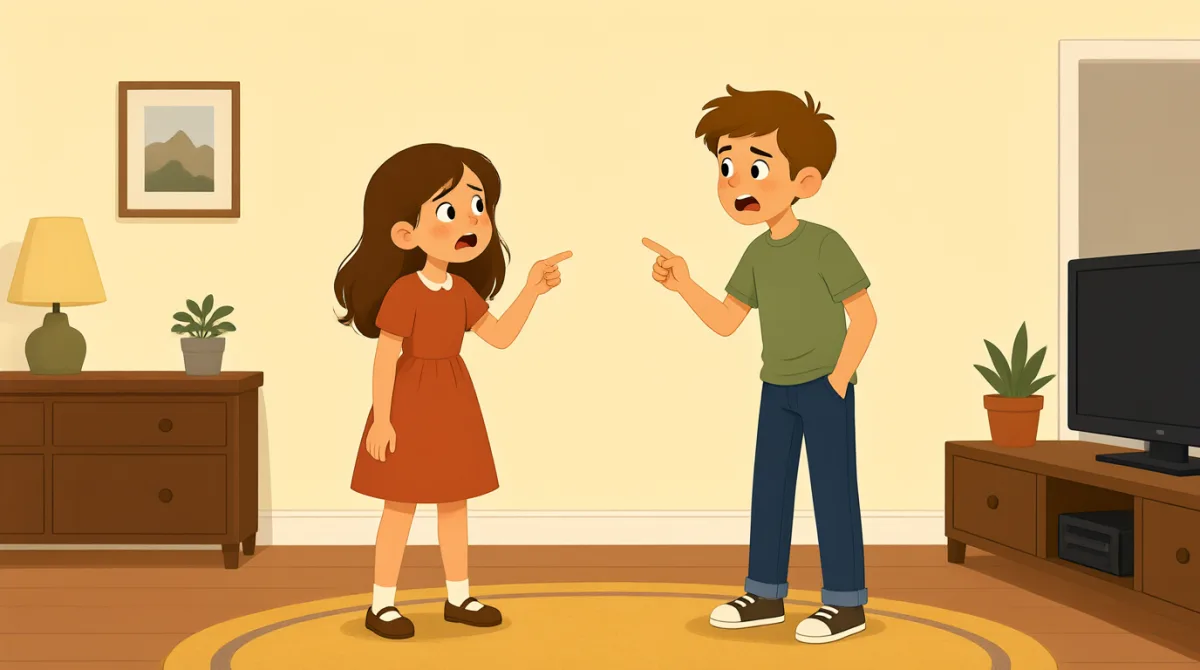

Jack, we agreed to meet at seven, and I waited for nearly an hour. I know things come up, but I wish you’d let me know you weren’t coming.
Jack,我們說好七點見面,我等了快一個小時。我知道有時會遇上事情,但我真希望你能告訴我你來不了了。

I’m sorry I didn’t show up. I completely lost track of time at work, and by the time I checked my phone, I saw your messages. That’s on me.
對不起,我沒赴約。我在工作時完全忘了時間,等我看手機時才看到你的訊息。這是我的責任。
It’s not just that you forgot. I’d been looking forward to tonight, and when you didn’t come or even call, I felt like our plans didn’t matter to you.
不只是你忘了這件事。我一直很期待今晚,可你既沒來,也沒打電話,讓我覺得我們的約定對你來說無關緊要。
I get why you’re upset, but I wasn’t sitting there thinking your plans didn’t matter. I had a deadline, and everything got hectic. I didn’t do it on purpose.
我明白你為什麼生氣,但我當時可不是覺得你的安排無關緊要。我趕著處理截止期限的事,手忙腳亂的。我不是故意的。
I’m not saying you did it on purpose. But when I tried to tell you how hurt I was, you immediately started explaining why it wasn’t your fault.
我沒說你是故意的。但我試著告訴你我有多難過時,你馬上就開始解釋為什麼這不是你的錯。
Because it felt like you’d already decided I didn’t care. I was trying to explain what happened, not brush off how you felt, but maybe I came across that way.
因為我覺得你已經認定我不在乎了。我是想解釋發生了什麼,不是想敷衍你的感受,不過我可能確實讓你有這種感覺。
I hadn’t decided that. I was angry and disappointed, and I wanted you to acknowledge that I’d been left waiting. Instead, we both got defensive.
我沒有那麼想。我當時又生氣又失望,只希望你能承認我一直在等你。結果我們倆都開始為自己辯解。
You’re right that I should’ve acknowledged it first. But when you said I always put work ahead of you, I felt like one mistake was being treated as a pattern.
你說得對,我應該先承認讓你等了那麼久。但你說我總是把工作放在你前面時,我覺得你把一次失誤說成了慣常的情況。
I said that because I was hurt, and I shouldn’t have made it sound like this happens every time. Still, tonight mattered to me, and I need you to understand that.
我那麼說是因為我受傷了,我不該說得好像每次都這樣。不過今晚對我很重要,我希望你能明白這一點。
I hear you. I’m still frustrated about how we’re talking to each other, though. Can we take a minute before this turns into another round of accusations?
我明白你的意思。不過我們現在這樣說話,我還是覺得很煩躁。我們能不能先緩一緩,別讓事情變成新一輪的互相指責?
詞彙6
- lost track of time忘了時間
To lose track of time means to become so focused on something that you do not notice how much time has passed. Jack uses it to explain why he missed their plans.
“lost track of time”是指專注於某件事,以至於沒注意到時間過了多久。傑克用這個說法解釋自己為什麼錯過了約定。
- That’s on me.是我的責任。
This means “That’s my responsibility” or “It was my fault.” Use it to accept responsibility for a mistake.
這句話的意思是“這是我的責任”或“是我的錯”。犯錯後,可以用它來承擔責任。
- come up發生;出現
Here, “things come up” means unexpected situations happen. It is a common way to acknowledge that plans can sometimes be interrupted.
這裡的“things come up”是指出現意料之外的情況。這是一種常見說法,用來承認計劃有時會被打亂。
- brush off敷衍;不當回事
To brush off someone’s feelings is to dismiss them or act as if they are not important. It is useful when explaining how someone’s response came across.
“brush off”某人的感受,就是對其不予理會,或表現得好像那些感受不重要。你可以用這個短語來說明某人的回應給你留下了什麼印象。
- put work ahead of you把工作放在你前面
This means to give work more importance or priority than another person. The phrase can describe a concern about someone’s priorities in a relationship.
“put work ahead of you”是指把工作看得比某個人更重要,或優先考慮工作。這個說法可以用來表達對一段關係中某人如何安排輕重緩急的擔憂。
- another round of accusations又一輪指責
An accusation is a claim that someone has done something wrong. “Another round” suggests the accusations may start again.
“accusation”是指聲稱某人做錯了事。“another round”表示這些指責可能會再次開始。
關鍵句8
- 1
I know things come up, but I wish you’d let me know you weren’t coming.
我知道有時會遇上事情,但我真希望你能告訴我你來不了了。
This sentence acknowledges that unexpected problems happen while clearly expressing what you needed. Reuse “I wish you’d let me know…” to explain how someone could have handled a situation better.
這句話承認意外情況難免會發生,同時也清楚地表達了你需要對方怎麼做。你可以套用“I wish you’d let me know…”來說明對方本可以怎樣處理某件事。
- 2
That’s on me.
是我的責任。
This is a brief, direct way to take responsibility for a mistake. Use it when you want to acknowledge fault without making excuses.
這是一種簡短直接的承擔責任的說法。想承認自己有錯又不找藉口時,可以用它。
- 3
I’d been looking forward to tonight, and when you didn’t come or even call, I felt like our plans didn’t matter to you.
我一直很期待今晚,可你既沒來,也沒打電話,讓我覺得我們的約定對你來說無關緊要。
This explains both the situation and its emotional impact without claiming to know the other person’s intentions. You can adapt the structure to describe how someone’s actions made you feel.
這句話既說明了情況,也表達了它帶來的情緒影響,卻沒有斷定對方的意圖。你可以套用這個句型,描述某人的行為讓你有什麼感受。
- 4
I was trying to explain what happened, not brush off how you felt, but maybe I came across that way.
我試著解釋發生了什麼,不是想敷衍你的感受,不過我可能確實讓你有這種感覺。
This sentence clarifies your intention while recognizing how your behavior may have seemed. Reuse “I was trying to…, but maybe I came across that way” to repair a misunderstanding.
這句話澄清了你的本意,同時也承認自己的行為可能給對方留下了怎樣的印象。你可以套用“I was trying to…, but maybe I came across that way”來化解誤會。
- 5
I wanted you to acknowledge that I’d been left waiting.
我希望你能承認我一直在等你。
This clearly states what kind of response the speaker needed. Use “I wanted you to acknowledge that…” when asking someone to recognize the impact of their actions.
這句話清楚地說出了說話者希望對方作出怎樣的回應。想請對方認識到自己的行為造成了什麼影響時,可以用“I wanted you to acknowledge that…”。
- 6
You’re right that I should’ve acknowledged it first.
你說得對,我應該先承認這一點。
This is a specific apology that accepts the other person’s point. Use “You’re right that I should’ve…” to admit what you could have done differently.
這是一種具體的道歉方式,表明你接受對方的看法。你可以用“You’re right that I should’ve…”承認自己本來可以做得更好。
- 7
I shouldn’t have made it sound like this happens every time.
我不該說得好像這種事每次都會發生。
This takes responsibility for exaggerating or making a mistake seem like a repeated pattern. Adapt “I shouldn’t have made it sound like…” when correcting how you expressed something.
這句話是在為誇大其詞,或把一次失誤說成反覆出現的情況承擔責任。想糾正自己表達某件事的方式時,可以套用“I shouldn’t have made it sound like…”。
- 8
Can we take a minute before this turns into another round of accusations?
我們能不能先緩一緩,別讓事情變成新一輪的互相指責?
This calmly suggests a pause before a disagreement gets worse. Use “Can we take a minute before…” to propose a break and prevent an argument from escalating.
這句話平靜地提議先暫停一下,以免爭論變得更激烈。你可以用“Can we take a minute before…”提議暫時停一停,避免爭吵升級。