The Argument About Forgotten Plans
La discusión por los planes olvidados
Emma and Jack argue after Jack forgets their plans for the evening. They both feel hurt, but the disagreement gets sharper when they try to explain what happened.
Emma y Jack discuten después de que Jack se olvida de los planes que tenían para esa noche. Los dos se sienten heridos, pero la discusión se vuelve más tensa cuando intentan explicar lo que pasó.
Diálogo10
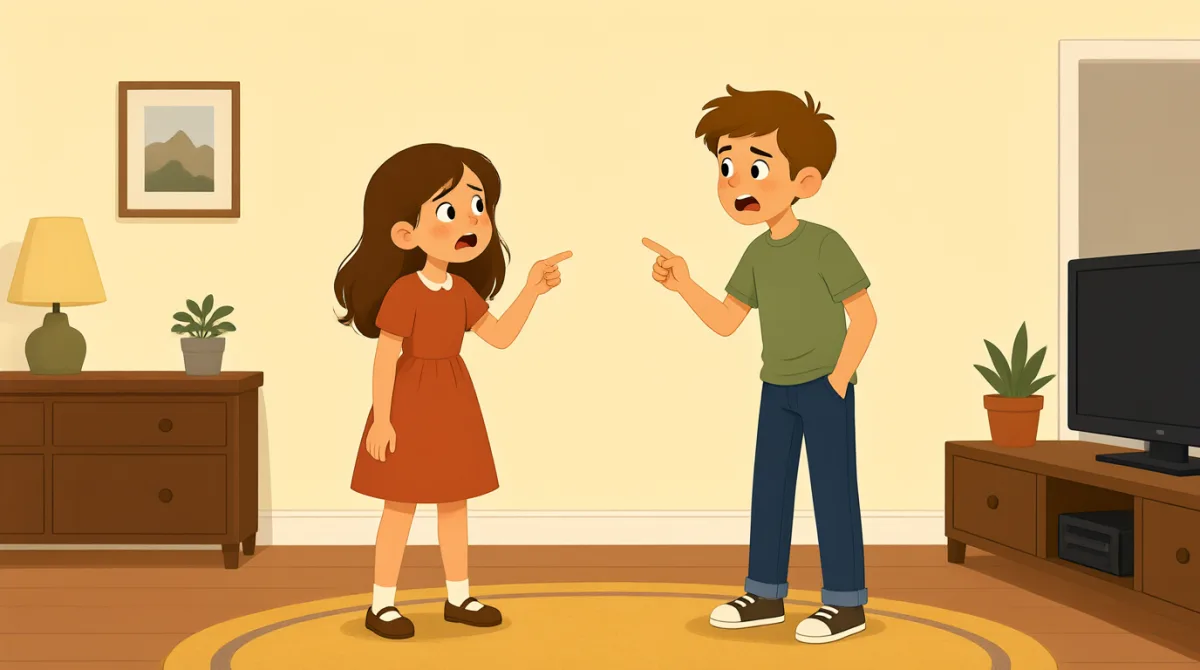

Jack, we agreed to meet at seven, and I waited for nearly an hour. I know things come up, but I wish you’d let me know you weren’t coming.
Jack, habíamos quedado en vernos a las siete y te esperé casi una hora. Sé que a veces surgen imprevistos, pero ojalá me hubieras avisado que no ibas a venir.

I’m sorry I didn’t show up. I completely lost track of time at work, and by the time I checked my phone, I saw your messages. That’s on me.
Perdón por no haber aparecido. Perdí por completo la noción del tiempo en el trabajo y, cuando por fin miré el celular, vi tus mensajes. Fue culpa mía.
It’s not just that you forgot. I’d been looking forward to tonight, and when you didn’t come or even call, I felt like our plans didn’t matter to you.
No es solo que se te olvidara. Tenía muchas ganas de que llegara esta noche y, cuando no viniste ni siquiera llamaste, sentí que nuestros planes no te importaban.
I get why you’re upset, but I wasn’t sitting there thinking your plans didn’t matter. I had a deadline, and everything got hectic. I didn’t do it on purpose.
Entiendo por qué estás molesta, pero no estaba ahí sentado pensando que nuestros planes no te importaban. Tenía una fecha límite y todo se volvió un caos. No lo hice a propósito.
I’m not saying you did it on purpose. But when I tried to tell you how hurt I was, you immediately started explaining why it wasn’t your fault.
No estoy diciendo que lo hicieras a propósito. Pero cuando intenté contarte lo herida que estaba, enseguida empezaste a explicar por qué no era culpa tuya.
Because it felt like you’d already decided I didn’t care. I was trying to explain what happened, not brush off how you felt, but maybe I came across that way.
Porque sentí que ya habías decidido que no me importabas. Intentaba explicar lo que pasó, no quitarle importancia a cómo te sentías, pero quizá di esa impresión.
I hadn’t decided that. I was angry and disappointed, and I wanted you to acknowledge that I’d been left waiting. Instead, we both got defensive.
No había decidido eso. Estaba enojada y decepcionada, y quería que reconocieras que me habías dejado esperando. En cambio, los dos nos pusimos a la defensiva.
You’re right that I should’ve acknowledged it first. But when you said I always put work ahead of you, I felt like one mistake was being treated as a pattern.
Tienes razón: debería haberlo reconocido primero. Pero cuando dijiste que siempre te pongo por detrás del trabajo, sentí que estabas tratando un error como si fuera algo que hago siempre.
I said that because I was hurt, and I shouldn’t have made it sound like this happens every time. Still, tonight mattered to me, and I need you to understand that.
Lo dije porque estaba herida, y no debería haberlo planteado como si esto pasara siempre. Aun así, esta noche era importante para mí y necesito que lo entiendas.
I hear you. I’m still frustrated about how we’re talking to each other, though. Can we take a minute before this turns into another round of accusations?
Te entiendo. Pero sigo frustrado por cómo nos estamos hablando. ¿Podemos tomarnos un minuto antes de que esto se convierta en otra ronda de reproches?
Vocabulario6
- lost track of timeperder la noción del tiempo
To lose track of time means to become so focused on something that you do not notice how much time has passed. Jack uses it to explain why he missed their plans.
Perder la noción del tiempo significa concentrarse tanto en algo que no te das cuenta de cuánto tiempo ha pasado. Jack usa esta expresión para explicar por qué no llegó a sus planes.
- That’s on me.Fue culpa mía.
This means “That’s my responsibility” or “It was my fault.” Use it to accept responsibility for a mistake.
Significa «Es responsabilidad mía» o «Fue culpa mía». Úsala para hacerte responsable de un error.
- come upsurgir
Here, “things come up” means unexpected situations happen. It is a common way to acknowledge that plans can sometimes be interrupted.
Aquí, “things come up” significa que surgen imprevistos. Es una forma habitual de reconocer que a veces algo puede interferir con los planes.
- brush offquitar importancia
To brush off someone’s feelings is to dismiss them or act as if they are not important. It is useful when explaining how someone’s response came across.
“Brush off” los sentimientos de alguien significa restarles importancia o actuar como si no importaran. Es útil para explicar cómo pudo interpretarse la respuesta de alguien.
- put work ahead of youponerte el trabajo por delante
This means to give work more importance or priority than another person. The phrase can describe a concern about someone’s priorities in a relationship.
Significa dar más importancia o prioridad al trabajo que a otra persona. Esta expresión puede describir una preocupación por las prioridades de alguien en una relación.
- another round of accusationsotra ronda de reproches
An accusation is a claim that someone has done something wrong. “Another round” suggests the accusations may start again.
Un reproche es una acusación de que alguien ha hecho algo mal. “Another round” sugiere que los reproches podrían empezar de nuevo.
Frases clave8
- 1
I know things come up, but I wish you’d let me know you weren’t coming.
Sé que a veces surgen imprevistos, pero ojalá me hubieras avisado que no ibas a venir.
This sentence acknowledges that unexpected problems happen while clearly expressing what you needed. Reuse “I wish you’d let me know…” to explain how someone could have handled a situation better.
Esta frase reconoce que pueden surgir problemas inesperados y, al mismo tiempo, expresa claramente lo que necesitabas. Puedes reutilizar “I wish you’d let me know…” para explicar cómo podría haber actuado mejor alguien en una situación.
- 2
That’s on me.
Fue culpa mía.
This is a brief, direct way to take responsibility for a mistake. Use it when you want to acknowledge fault without making excuses.
Esta es una forma breve y directa de asumir la responsabilidad por un error. Úsala cuando quieras reconocer la culpa sin poner excusas.
- 3
I’d been looking forward to tonight, and when you didn’t come or even call, I felt like our plans didn’t matter to you.
Tenía muchas ganas de que llegara esta noche y, cuando no viniste ni siquiera llamaste, sentí que nuestros planes no te importaban.
This explains both the situation and its emotional impact without claiming to know the other person’s intentions. You can adapt the structure to describe how someone’s actions made you feel.
Esta frase explica tanto la situación como su impacto emocional sin afirmar que sabes cuáles eran las intenciones de la otra persona. Puedes adaptar esta estructura para describir cómo te hicieron sentir las acciones de alguien.
- 4
I was trying to explain what happened, not brush off how you felt, but maybe I came across that way.
Intentaba explicar lo que pasó, no quitarle importancia a cómo te sentías, pero quizá di esa impresión.
This sentence clarifies your intention while recognizing how your behavior may have seemed. Reuse “I was trying to…, but maybe I came across that way” to repair a misunderstanding.
Esta frase aclara tu intención y reconoce cómo pudo parecer tu comportamiento. Reutiliza “I was trying to…, but maybe I came across that way” para resolver un malentendido.
- 5
I wanted you to acknowledge that I’d been left waiting.
Quería que reconocieras que me habías dejado esperando.
This clearly states what kind of response the speaker needed. Use “I wanted you to acknowledge that…” when asking someone to recognize the impact of their actions.
Esta frase expresa claramente qué tipo de respuesta necesitaba quien habla. Usa “I wanted you to acknowledge that…” para pedirle a alguien que reconozca el impacto de sus acciones.
- 6
You’re right that I should’ve acknowledged it first.
Tienes razón: debería haberlo reconocido primero.
This is a specific apology that accepts the other person’s point. Use “You’re right that I should’ve…” to admit what you could have done differently.
Esta es una disculpa concreta que reconoce que la otra persona tiene razón. Usa “You’re right that I should’ve…” para admitir qué podrías haber hecho de otra manera.
- 7
I shouldn’t have made it sound like this happens every time.
No debería haberlo planteado como si esto pasara siempre.
This takes responsibility for exaggerating or making a mistake seem like a repeated pattern. Adapt “I shouldn’t have made it sound like…” when correcting how you expressed something.
Esta frase asume la responsabilidad por exagerar o presentar un error como si fuera algo que se repite. Adapta “I shouldn’t have made it sound like…” para corregir cómo expresaste algo.
- 8
Can we take a minute before this turns into another round of accusations?
¿Podemos tomarnos un minuto antes de que esto se convierta en otra ronda de reproches?
This calmly suggests a pause before a disagreement gets worse. Use “Can we take a minute before…” to propose a break and prevent an argument from escalating.
Esta frase propone con calma hacer una pausa antes de que la discusión empeore. Usa “Can we take a minute before…” para sugerir un descanso y evitar que la discusión se intensifique.