The Argument About Forgotten Plans
भूली हुई योजनाओं को लेकर बहस
Emma and Jack argue after Jack forgets their plans for the evening. They both feel hurt, but the disagreement gets sharper when they try to explain what happened.
शाम के लिए बनाई गई योजनाएँ भूल जाने पर एमा और जैक में बहस हो जाती है। दोनों को बुरा लगता है, लेकिन जब वे बताने की कोशिश करते हैं कि क्या हुआ, तो उनकी असहमति और तीखी हो जाती है।
संवाद10
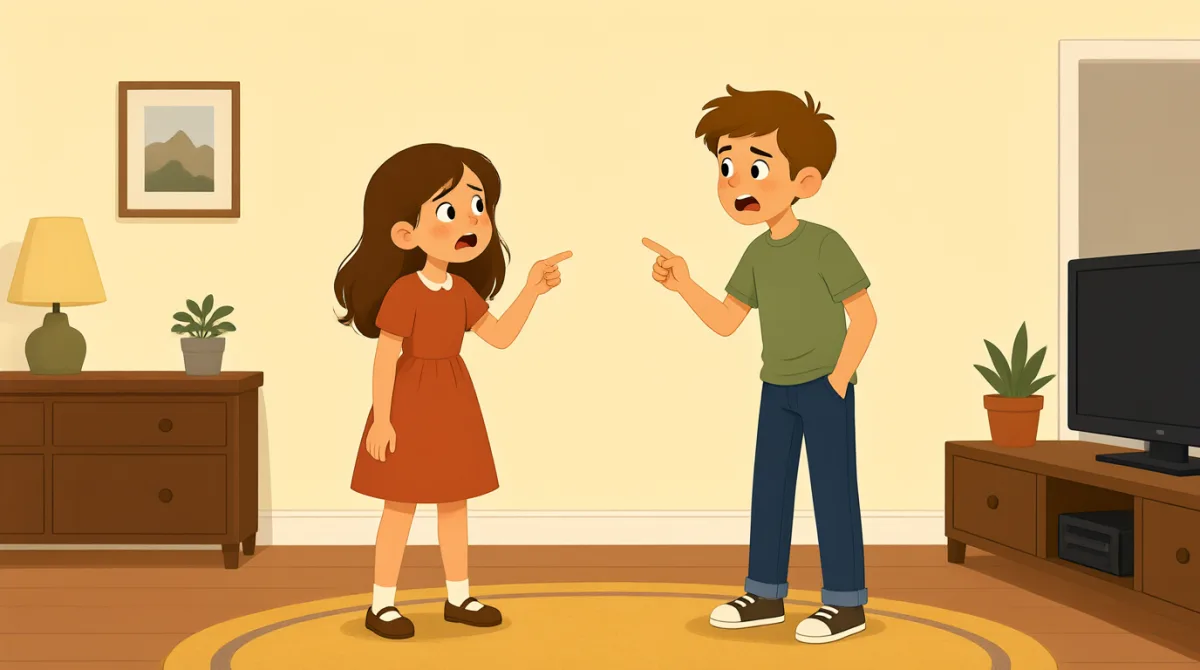

Jack, we agreed to meet at seven, and I waited for nearly an hour. I know things come up, but I wish you’d let me know you weren’t coming.
जैक, हमने सात बजे मिलने की बात तय की थी और मैं करीब एक घंटे तक इंतज़ार करती रही। मुझे पता है कि कभी-कभी कुछ न कुछ हो जाता है, लेकिन काश तुम मुझे बता देते कि तुम नहीं आ रहे हो।

I’m sorry I didn’t show up. I completely lost track of time at work, and by the time I checked my phone, I saw your messages. That’s on me.
मुझे माफ़ करना, मैं नहीं आया। काम में समय का ध्यान ही नहीं रहा, और जब तक मैंने फ़ोन देखा, तुम्हारे संदेश दिखे। इसमें मेरी ही गलती थी।
It’s not just that you forgot. I’d been looking forward to tonight, and when you didn’t come or even call, I felt like our plans didn’t matter to you.
बात सिर्फ़ तुम्हारे भूल जाने की नहीं है। मैं आज की शाम का बेसब्री से इंतज़ार कर रही थी, और जब तुम न आए, न फ़ोन किया, तो मुझे लगा कि हमारी योजनाओं की तुम्हें कोई परवाह नहीं है।
I get why you’re upset, but I wasn’t sitting there thinking your plans didn’t matter. I had a deadline, and everything got hectic. I didn’t do it on purpose.
मैं समझता हूँ कि तुम क्यों नाराज़ हो, लेकिन मैं वहाँ बैठकर यह नहीं सोच रहा था कि तुम्हारी योजनाओं की मुझे परवाह नहीं। मेरे सामने काम की एक समय-सीमा थी और सब कुछ बहुत गड़बड़ हो गया। मैंने जान-बूझकर ऐसा नहीं किया।
I’m not saying you did it on purpose. But when I tried to tell you how hurt I was, you immediately started explaining why it wasn’t your fault.
मैं यह नहीं कह रही कि तुमने जान-बूझकर ऐसा किया। लेकिन जब मैंने तुम्हें बताने की कोशिश की कि मुझे कितना बुरा लगा, तो तुम तुरंत यह समझाने लगे कि इसमें तुम्हारी गलती क्यों नहीं थी।
Because it felt like you’d already decided I didn’t care. I was trying to explain what happened, not brush off how you felt, but maybe I came across that way.
क्योंकि मुझे लगा कि तुमने पहले ही तय कर लिया था कि मुझे परवाह नहीं है। मैं यह समझाने की कोशिश कर रहा था कि क्या हुआ, तुम्हारी भावनाओं को नज़रअंदाज़ करने की नहीं, लेकिन शायद मेरी बात से ऐसा लगा।
I hadn’t decided that. I was angry and disappointed, and I wanted you to acknowledge that I’d been left waiting. Instead, we both got defensive.
मैंने ऐसा तय नहीं किया था। मैं गुस्से में थी और निराश थी, और चाहती थी कि तुम मानो कि तुमने मुझे इंतज़ार करवाया। इसके बजाय, हम दोनों ही अपनी-अपनी सफ़ाई देने लगे।
You’re right that I should’ve acknowledged it first. But when you said I always put work ahead of you, I felt like one mistake was being treated as a pattern.
तुम सही कह रही हो कि मुझे पहले यह मानना चाहिए था। लेकिन जब तुमने कहा कि मैं हमेशा तुम्हारे बजाय काम को प्राथमिकता देता हूँ, तो मुझे लगा कि मेरी एक गलती को बार-बार होने वाली बात की तरह देखा जा रहा है।
I said that because I was hurt, and I shouldn’t have made it sound like this happens every time. Still, tonight mattered to me, and I need you to understand that.
मैंने ऐसा इसलिए कहा क्योंकि मुझे बुरा लगा था, और मुझे यह नहीं जताना चाहिए था कि ऐसा हर बार होता है। फिर भी, आज की शाम मेरे लिए मायने रखती थी, और मैं चाहता हूँ कि तुम यह समझो।
I hear you. I’m still frustrated about how we’re talking to each other, though. Can we take a minute before this turns into another round of accusations?
मैं तुम्हारी बात समझ रहा हूँ। लेकिन इस बात से अब भी परेशान हूँ कि हम एक-दूसरे से कैसे बात कर रहे हैं। क्या हम एक मिनट रुक सकते हैं, इससे पहले कि यह फिर से आरोप लगाने का सिलसिला बन जाए?
शब्दावली6
- lost track of timeसमय का ध्यान खो देना
To lose track of time means to become so focused on something that you do not notice how much time has passed. Jack uses it to explain why he missed their plans.
“lost track of time” का मतलब है किसी चीज़ में इतना डूब जाना कि पता ही न चले कितना समय बीत गया। जैक इसका इस्तेमाल यह समझाने के लिए करता है कि वह मिलने की तय योजना क्यों भूल गया।
- That’s on me.मेरी ही ज़िम्मेदारी है।
This means “That’s my responsibility” or “It was my fault.” Use it to accept responsibility for a mistake.
“That’s on me.” का मतलब है “यह मेरी ज़िम्मेदारी है” या “इसमें मेरी गलती थी।” अपनी गलती की ज़िम्मेदारी स्वीकार करने के लिए इसका इस्तेमाल करें।
- come upहो जाना
Here, “things come up” means unexpected situations happen. It is a common way to acknowledge that plans can sometimes be interrupted.
यहाँ “things come up” का मतलब है कि अचानक कोई अनपेक्षित स्थिति पैदा हो जाती है। यह मानने का आम तरीका है कि कभी-कभी योजनाओं में रुकावट आ सकती है।
- brush offनज़रअंदाज़ करना
To brush off someone’s feelings is to dismiss them or act as if they are not important. It is useful when explaining how someone’s response came across.
किसी की भावनाओं को “brush off” करने का मतलब है उन्हें नज़रअंदाज़ करना या ऐसा जताना कि वे अहम नहीं हैं। किसी की प्रतिक्रिया कैसी लगी, यह समझाते समय यह मुहावरा काम आता है।
- put work ahead of youतुमसे ज़्यादा काम को प्राथमिकता देना
This means to give work more importance or priority than another person. The phrase can describe a concern about someone’s priorities in a relationship.
“put work ahead of you” का मतलब है किसी व्यक्ति से ज़्यादा काम को अहमियत या प्राथमिकता देना। रिश्ते में किसी की प्राथमिकताओं को लेकर चिंता जताने के लिए इस मुहावरे का इस्तेमाल किया जा सकता है।
- another round of accusationsआरोपों का एक और दौर
An accusation is a claim that someone has done something wrong. “Another round” suggests the accusations may start again.
“आरोप” का मतलब है किसी पर कुछ गलत करने का इल्ज़ाम लगाना। “another round” से पता चलता है कि आरोप फिर से शुरू हो सकते हैं।
मुख्य वाक्य8
- 1
I know things come up, but I wish you’d let me know you weren’t coming.
मुझे पता है कि कभी-कभी कुछ न कुछ हो जाता है, लेकिन काश तुम मुझे बता देते कि तुम नहीं आ रहे हो।
This sentence acknowledges that unexpected problems happen while clearly expressing what you needed. Reuse “I wish you’d let me know…” to explain how someone could have handled a situation better.
इस वाक्य में माना गया है कि अचानक समस्याएँ आ सकती हैं, साथ ही साफ़ बताया गया है कि तुम्हें क्या चाहिए था। यह बताने के लिए “I wish you’d let me know…” का दोबारा इस्तेमाल करें कि कोई किसी स्थिति को बेहतर तरीके से कैसे संभाल सकता था।
- 2
That’s on me.
इसमें मेरी ही गलती थी।
This is a brief, direct way to take responsibility for a mistake. Use it when you want to acknowledge fault without making excuses.
गलती की ज़िम्मेदारी लेने का यह छोटा और सीधा तरीका है। जब बिना बहाने बनाए अपनी गलती माननी हो, तब इसका इस्तेमाल करें।
- 3
I’d been looking forward to tonight, and when you didn’t come or even call, I felt like our plans didn’t matter to you.
मैं आज की शाम का बेसब्री से इंतज़ार कर रही थी, और जब तुम न आए, न फ़ोन किया, तो मुझे लगा कि हमारी योजनाओं की तुम्हें कोई परवाह नहीं है।
This explains both the situation and its emotional impact without claiming to know the other person’s intentions. You can adapt the structure to describe how someone’s actions made you feel.
इस वाक्य में स्थिति और उससे हुई भावनात्मक तकलीफ़, दोनों बताई गई हैं; इसमें यह दावा नहीं किया गया कि सामने वाले की मंशा क्या थी। किसी के काम से तुम्हें कैसा महसूस हुआ, यह बताने के लिए इस ढाँचे को अपने हिसाब से ढाल सकती हो।
- 4
I was trying to explain what happened, not brush off how you felt, but maybe I came across that way.
मैं यह समझाने की कोशिश कर रहा था कि क्या हुआ, तुम्हारी भावनाओं को नज़रअंदाज़ करने की नहीं, लेकिन शायद मेरी बात से ऐसा लगा।
This sentence clarifies your intention while recognizing how your behavior may have seemed. Reuse “I was trying to…, but maybe I came across that way” to repair a misunderstanding.
इस वाक्य में तुम अपना इरादा साफ़ करते हो और यह भी मानते हो कि तुम्हारा व्यवहार कैसा लगा होगा। किसी गलतफ़हमी को दूर करने के लिए “I was trying to…, but maybe I came across that way” का दोबारा इस्तेमाल करें।
- 5
I wanted you to acknowledge that I’d been left waiting.
मैं चाहती थी कि तुम मानो कि तुमने मुझे इंतज़ार करवाया।
This clearly states what kind of response the speaker needed. Use “I wanted you to acknowledge that…” when asking someone to recognize the impact of their actions.
इस वाक्य में साफ़ बताया गया है कि बोलने वाले को किस तरह की प्रतिक्रिया चाहिए थी। किसी से अपने काम के असर को मानने के लिए कहने के लिए “I wanted you to acknowledge that…” का इस्तेमाल करें।
- 6
You’re right that I should’ve acknowledged it first.
तुम सही कह रही हो कि मुझे पहले यह मानना चाहिए था।
This is a specific apology that accepts the other person’s point. Use “You’re right that I should’ve…” to admit what you could have done differently.
यह एक खास बात के लिए माफ़ी है, जिसमें सामने वाले की बात को सही माना गया है। यह स्वीकार करने के लिए कि तुम कुछ और कर सकते थे, “You’re right that I should’ve…” का इस्तेमाल करें।
- 7
I shouldn’t have made it sound like this happens every time.
मुझे यह नहीं जताना चाहिए था कि ऐसा हर बार होता है।
This takes responsibility for exaggerating or making a mistake seem like a repeated pattern. Adapt “I shouldn’t have made it sound like…” when correcting how you expressed something.
इस वाक्य में बात को बढ़ा-चढ़ाकर कहने या किसी गलती को बार-बार होने वाली बात की तरह पेश करने की ज़िम्मेदारी ली जाती है। अपनी कही हुई बात को सुधारने के लिए “I shouldn’t have made it sound like…” को अपने हिसाब से ढालें।
- 8
Can we take a minute before this turns into another round of accusations?
क्या हम एक मिनट रुक सकते हैं, इससे पहले कि यह फिर से आरोप लगाने का सिलसिला बन जाए?
This calmly suggests a pause before a disagreement gets worse. Use “Can we take a minute before…” to propose a break and prevent an argument from escalating.
इसमें सुझाव दिया जाता है कि असहमति बढ़ने से पहले थोड़ी देर रुक लें। बहस को बढ़ने से रोकने और थोड़ा विराम लेने का सुझाव देने के लिए “Can we take a minute before…” का इस्तेमाल करें।