The Argument About Forgotten Plans
الجدال بسبب نسيان الخطط
Emma and Jack argue after Jack forgets their plans for the evening. They both feel hurt, but the disagreement gets sharper when they try to explain what happened.
يتجادل إيما وجاك بعد أن ينسى جاك خطتهما للمساء. يشعر كلاهما بالأذى، لكن الخلاف يشتد حين يحاولان شرح ما حدث.
حوار10
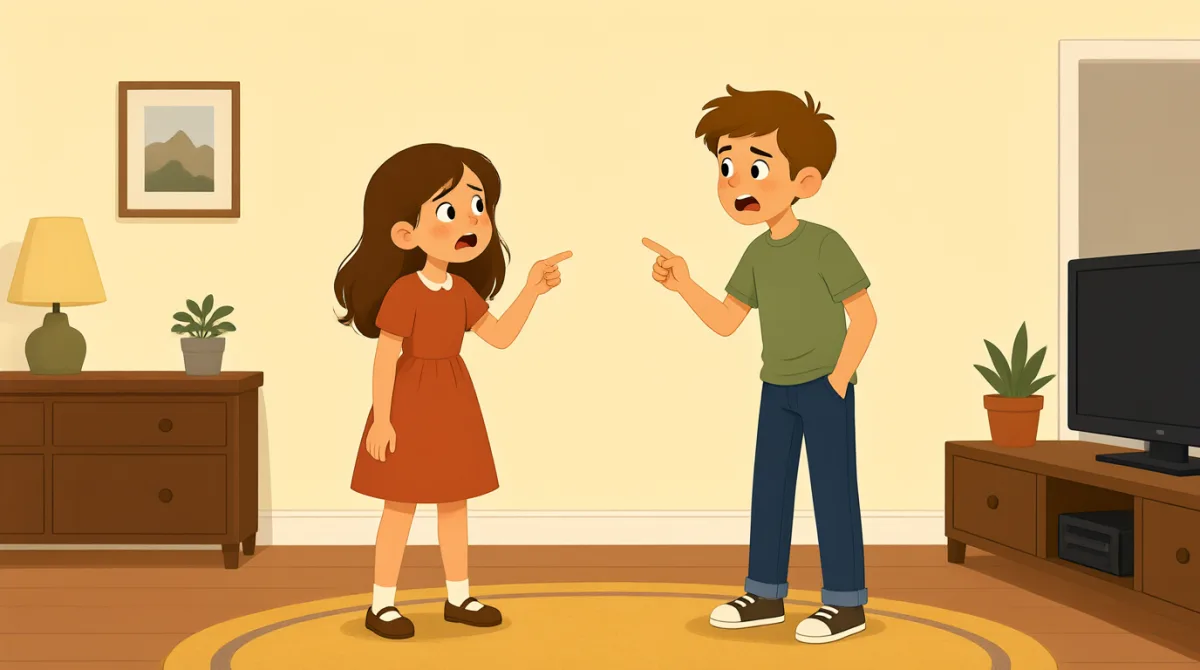

Jack, we agreed to meet at seven, and I waited for nearly an hour. I know things come up, but I wish you’d let me know you weren’t coming.
يا جاك، اتفقنا أن نلتقي في السابعة، وانتظرتك قرابة ساعة. أعرف أن أمورًا طارئة قد تحدث، لكنني كنت أتمنى لو أخبرتني أنك لن تأتي.

I’m sorry I didn’t show up. I completely lost track of time at work, and by the time I checked my phone, I saw your messages. That’s on me.
آسف لأنني لم آتِ. انشغلت بالعمل وفقدت الإحساس بالوقت تمامًا، وحين تفقدت هاتفي أخيرًا، رأيت رسائلك. هذا خطئي.
It’s not just that you forgot. I’d been looking forward to tonight, and when you didn’t come or even call, I felt like our plans didn’t matter to you.
المشكلة ليست أنك نسيت فحسب. كنت متحمسة لهذه الليلة، وحين لم تأتِ ولم تتصل حتى، شعرت كأن خططنا لا تعني لك شيئًا.
I get why you’re upset, but I wasn’t sitting there thinking your plans didn’t matter. I had a deadline, and everything got hectic. I didn’t do it on purpose.
أتفهم سبب انزعاجك، لكنني لم أكن جالسًا أفكر في أن خططك لا تعني لي شيئًا. كان لدي موعد نهائي، وازدحم كل شيء. لم أفعل ذلك عن قصد.
I’m not saying you did it on purpose. But when I tried to tell you how hurt I was, you immediately started explaining why it wasn’t your fault.
أنا لا أقول إنك فعلت ذلك عن قصد. لكن حين حاولت أن أخبرك كم تأذيت، بدأت فورًا تشرح لماذا لم يكن الأمر خطأك.
Because it felt like you’d already decided I didn’t care. I was trying to explain what happened, not brush off how you felt, but maybe I came across that way.
لأنني شعرت كأنك قررت مسبقًا أنني لا أهتم. كنت أحاول شرح ما حدث، لا التقليل من مشاعرك، لكن ربما بدا الأمر كذلك.
I hadn’t decided that. I was angry and disappointed, and I wanted you to acknowledge that I’d been left waiting. Instead, we both got defensive.
لم أقرر ذلك. كنت غاضبة وخائبة الأمل، وأردت منك أن تقر بأنك تركتني أنتظر. وبدلًا من ذلك، صار كل منا في موقف دفاعي.
You’re right that I should’ve acknowledged it first. But when you said I always put work ahead of you, I felt like one mistake was being treated as a pattern.
معك حق، كان ينبغي أن أقر بذلك أولًا. لكن حين قلت إنني أضع العمل دائمًا قبلك، شعرت كأن خطأً واحدًا يُعامل على أنه نمط متكرر.
I said that because I was hurt, and I shouldn’t have made it sound like this happens every time. Still, tonight mattered to me, and I need you to understand that.
قلت ذلك لأنني كنت مجروحة، وما كان ينبغي أن أجعله يبدو كأن هذا يحدث في كل مرة. لكن هذه الليلة كانت مهمة بالنسبة إليّ، وأحتاج إلى أن تفهم ذلك.
I hear you. I’m still frustrated about how we’re talking to each other, though. Can we take a minute before this turns into another round of accusations?
أنا أسمعك. لكن ما زلت منزعجًا من طريقة حديثنا إلى بعضنا. هل يمكننا أن نتمهل قليلًا قبل أن يتحول هذا إلى جولة أخرى من الاتهامات؟
المفردات6
- lost track of timeفقد الإحساس بالوقت
To lose track of time means to become so focused on something that you do not notice how much time has passed. Jack uses it to explain why he missed their plans.
تعني عبارة "lost track of time" أن ينشغل المرء بشيء إلى درجة لا ينتبه معها إلى مرور الوقت. يستخدمها جاك لشرح سبب تفويته موعدهما.
- That’s on me.هذا خطئي.
This means “That’s my responsibility” or “It was my fault.” Use it to accept responsibility for a mistake.
تعني عبارة “That’s on me.” «هذه مسؤوليتي» أو «كان ذلك خطئي». استخدمها لتحمل مسؤولية خطأ ارتكبته.
- come upيطرأ
Here, “things come up” means unexpected situations happen. It is a common way to acknowledge that plans can sometimes be interrupted.
تعني عبارة “things come up” هنا أن أمورًا غير متوقعة تحدث. وهي طريقة شائعة للإقرار بأن الظروف قد تعرقل الخطط أحيانًا.
- brush offيتجاهل مشاعر
To brush off someone’s feelings is to dismiss them or act as if they are not important. It is useful when explaining how someone’s response came across.
يعني التعبير “brush off” مشاعر شخص ما تجاهلها أو التصرف كأنها غير مهمة. وهو مفيد عند توضيح الانطباع الذي تركه رد شخص ما.
- put work ahead of youيضع العمل قبلك
This means to give work more importance or priority than another person. The phrase can describe a concern about someone’s priorities in a relationship.
تعني عبارة “put work ahead of you” إعطاء العمل أهمية أو أولوية أكبر من شخص آخر. وقد تصف العبارة قلقًا بشأن أولويات شخص ما في العلاقة.
- another round of accusationsجولة أخرى من الاتهامات
An accusation is a claim that someone has done something wrong. “Another round” suggests the accusations may start again.
الاتهام هو ادعاء بأن شخصًا ما ارتكب خطأ. وتشير عبارة “another round” إلى احتمال بدء الاتهامات من جديد.
الجمل الأساسية8
- 1
I know things come up, but I wish you’d let me know you weren’t coming.
أعرف أن أمورًا طارئة قد تحدث، لكنني كنت أتمنى لو أخبرتني أنك لن تأتي.
This sentence acknowledges that unexpected problems happen while clearly expressing what you needed. Reuse “I wish you’d let me know…” to explain how someone could have handled a situation better.
تقر هذه الجملة بأن المشكلات غير المتوقعة تحدث، مع التعبير بوضوح عما كنت تحتاج إليه. أعد استخدام “I wish you’d let me know…” لتوضيح كيف كان بإمكان شخص ما التعامل مع موقف على نحو أفضل.
- 2
That’s on me.
هذا خطئي.
This is a brief, direct way to take responsibility for a mistake. Use it when you want to acknowledge fault without making excuses.
هذه طريقة موجزة ومباشرة لتحمل مسؤولية خطأ. استخدمها حين تريد الإقرار بالخطأ من دون تقديم أعذار.
- 3
I’d been looking forward to tonight, and when you didn’t come or even call, I felt like our plans didn’t matter to you.
كنت متحمسة لهذه الليلة، وحين لم تأتِ ولم تتصل حتى، شعرت كأن خططنا لا تعني لك شيئًا.
This explains both the situation and its emotional impact without claiming to know the other person’s intentions. You can adapt the structure to describe how someone’s actions made you feel.
تشرح هذه الجملة الموقف وتأثيره العاطفي من دون الادعاء بمعرفة نوايا الطرف الآخر. يمكنك تكييف هذا التركيب لوصف كيف جعلتك تصرفات شخص ما تشعر.
- 4
I was trying to explain what happened, not brush off how you felt, but maybe I came across that way.
كنت أحاول شرح ما حدث، لا التقليل من مشاعرك، لكن ربما بدا الأمر كذلك.
This sentence clarifies your intention while recognizing how your behavior may have seemed. Reuse “I was trying to…, but maybe I came across that way” to repair a misunderstanding.
توضح هذه الجملة نيتك مع الاعتراف بكيفية ظهور تصرفك للآخر. أعد استخدام “I was trying to…, but maybe I came across that way” لمعالجة سوء تفاهم.
- 5
I wanted you to acknowledge that I’d been left waiting.
أردت منك أن تقر بأنك تركتني أنتظر.
This clearly states what kind of response the speaker needed. Use “I wanted you to acknowledge that…” when asking someone to recognize the impact of their actions.
توضح هذه الجملة نوع الاستجابة التي كان المتحدث يحتاج إليها. استخدم “I wanted you to acknowledge that…” حين تطلب من شخص أن يعترف بأثر تصرفاته.
- 6
You’re right that I should’ve acknowledged it first.
معك حق، كان ينبغي أن أقر بذلك أولًا.
This is a specific apology that accepts the other person’s point. Use “You’re right that I should’ve…” to admit what you could have done differently.
هذا اعتذار محدد يتقبل وجهة نظر الطرف الآخر. استخدم “You’re right that I should’ve…” للاعتراف بما كان بإمكانك فعله على نحو مختلف.
- 7
I shouldn’t have made it sound like this happens every time.
ما كان ينبغي أن أجعله يبدو كأن هذا يحدث في كل مرة.
This takes responsibility for exaggerating or making a mistake seem like a repeated pattern. Adapt “I shouldn’t have made it sound like…” when correcting how you expressed something.
تتحمل هذه الجملة مسؤولية المبالغة أو تصوير خطأ على أنه نمط متكرر. يمكنك تكييف “I shouldn’t have made it sound like…” لتصحيح الطريقة التي عبّرت بها عن شيء.
- 8
Can we take a minute before this turns into another round of accusations?
هل يمكننا أن نتمهل قليلًا قبل أن يتحول هذا إلى جولة أخرى من الاتهامات؟
This calmly suggests a pause before a disagreement gets worse. Use “Can we take a minute before…” to propose a break and prevent an argument from escalating.
تقترح هذه الجملة بهدوء التوقف قليلًا قبل أن يتفاقم الخلاف. استخدم “Can we take a minute before…” لاقتراح استراحة ومنع الجدال من التصاعد.