The Argument About Forgotten Plans
ভুলে যাওয়া পরিকল্পনা নিয়ে ঝগড়া
Emma and Jack argue after Jack forgets their plans for the evening. They both feel hurt, but the disagreement gets sharper when they try to explain what happened.
সন্ধ্যার পরিকল্পনার কথা ভুলে যাওয়ায় এমা ও জ্যাকের মধ্যে ঝগড়া হয়। দুজনেরই খারাপ লাগে, আর কী ঘটেছিল তা বোঝাতে গিয়ে মতবিরোধ আরও তীব্র হয়ে ওঠে।
সংলাপ10
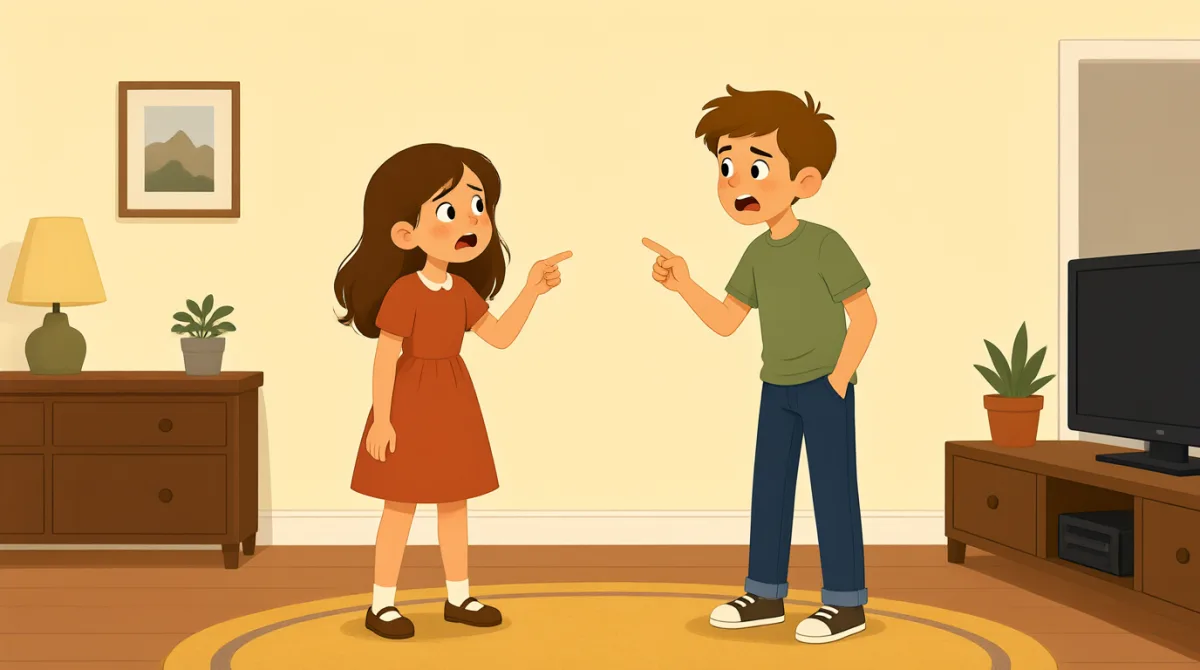

Jack, we agreed to meet at seven, and I waited for nearly an hour. I know things come up, but I wish you’d let me know you weren’t coming.
জ্যাক, আমরা সাতটায় দেখা করার কথা ঠিক করেছিলাম, আর আমি প্রায় এক ঘণ্টা অপেক্ষা করেছি। জানি, হঠাৎ নানা কাজ এসে পড়ে, কিন্তু তুমি যে আসতে পারবে না, সেটা আমাকে জানালে ভালো হতো।

I’m sorry I didn’t show up. I completely lost track of time at work, and by the time I checked my phone, I saw your messages. That’s on me.
না আসার জন্য দুঃখিত। কাজে সময়ের খেয়ালই ছিল না, আর যখন ফোনটা দেখলাম, ততক্ষণে তোমার মেসেজগুলো দেখে ফেলেছি। এটা আমারই দোষ।
It’s not just that you forgot. I’d been looking forward to tonight, and when you didn’t come or even call, I felt like our plans didn’t matter to you.
শুধু তুমি ভুলে গিয়েছিলে, ব্যাপারটা তা নয়। আজ রাতের জন্য আমি অপেক্ষা করছিলাম, আর তুমি যখন এলে না, এমনকি ফোনও করলে না, তখন মনে হলো আমাদের পরিকল্পনাটা তোমার কাছে গুরুত্বপূর্ণ নয়।
I get why you’re upset, but I wasn’t sitting there thinking your plans didn’t matter. I had a deadline, and everything got hectic. I didn’t do it on purpose.
তুমি কেন রাগ করেছ, সেটা বুঝতে পারছি। কিন্তু আমি বসে বসে এটা ভাবছিলাম না যে তোমার পরিকল্পনা আমার কাছে গুরুত্বহীন। আমার একটা কাজের শেষ সময় ছিল, আর সবকিছু খুব ব্যস্ত হয়ে পড়েছিল। ইচ্ছে করে করিনি।
I’m not saying you did it on purpose. But when I tried to tell you how hurt I was, you immediately started explaining why it wasn’t your fault.
আমি বলছি না যে তুমি ইচ্ছে করে করেছ। কিন্তু আমি যখন তোমাকে বোঝাতে চাইলাম যে আমার কতটা খারাপ লেগেছে, তুমি সঙ্গে সঙ্গেই কেন এটা তোমার দোষ নয়, তা ব্যাখ্যা করতে শুরু করলে।
Because it felt like you’d already decided I didn’t care. I was trying to explain what happened, not brush off how you felt, but maybe I came across that way.
কারণ আমার মনে হয়েছিল, তুমি আগেই ঠিক করে নিয়েছ যে আমার কিছু যায় আসে না। কী হয়েছিল সেটা বোঝানোর চেষ্টা করছিলাম, তোমার অনুভূতিকে উড়িয়ে দিতে নয়। তবে হয়তো আমার কথায় সেরকমই মনে হয়েছে।
I hadn’t decided that. I was angry and disappointed, and I wanted you to acknowledge that I’d been left waiting. Instead, we both got defensive.
আমি তা ঠিক করে নিইনি। আমি রাগ করেছিলাম, হতাশও হয়েছিলাম, আর চেয়েছিলাম তুমি স্বীকার করো যে আমাকে অপেক্ষা করতে হয়েছিল। তার বদলে আমরা দুজনেই আত্মপক্ষ সমর্থন করতে শুরু করলাম।
You’re right that I should’ve acknowledged it first. But when you said I always put work ahead of you, I felt like one mistake was being treated as a pattern.
তুমি ঠিক বলেছ, সবার আগে আমার সেটা স্বীকার করা উচিত ছিল। কিন্তু তুমি যখন বললে যে আমি সব সময় তোমার চেয়ে কাজকে বেশি গুরুত্ব দিই, তখন মনে হলো একটা ভুলকে এমনভাবে দেখা হচ্ছে যেন এটা আমার স্বভাব।
I said that because I was hurt, and I shouldn’t have made it sound like this happens every time. Still, tonight mattered to me, and I need you to understand that.
কষ্ট পেয়েছিলাম বলেই কথাটা বলেছি, আর এমনভাবে বলা উচিত হয়নি যেন এটা প্রতিবারই ঘটে। তবু আজ রাতটা আমার কাছে গুরুত্বপূর্ণ ছিল, আর সেটা তোমার বোঝা দরকার।
I hear you. I’m still frustrated about how we’re talking to each other, though. Can we take a minute before this turns into another round of accusations?
তোমার কথা বুঝতে পারছি। তবে আমরা যেভাবে একে অপরের সঙ্গে কথা বলছি, সেটা নিয়ে এখনও বিরক্ত লাগছে। অভিযোগের আরেক দফা শুরু হওয়ার আগে আমরা কি একটু থামতে পারি?
শব্দভান্ডার6
- lost track of timeসময়ের খেয়াল হারিয়ে ফেলা
To lose track of time means to become so focused on something that you do not notice how much time has passed. Jack uses it to explain why he missed their plans.
“lost track of time” বলতে কোনো কাজে এতটাই মনোযোগী হয়ে পড়াকে বোঝায় যে কতটা সময় কেটে গেছে, তা খেয়াল থাকে না। পরিকল্পনা মিস করার কারণ বোঝাতে জ্যাক এই কথাটা বলেছে।
- That’s on me.এটা আমারই দোষ।
This means “That’s my responsibility” or “It was my fault.” Use it to accept responsibility for a mistake.
“That’s on me.” মানে “এর দায়িত্ব আমার” বা “এটা আমার দোষ।” কোনো ভুলের দায় স্বীকার করতে এই কথাটি বলো।
- come upহঠাৎ কোনো কিছু এসে পড়া
Here, “things come up” means unexpected situations happen. It is a common way to acknowledge that plans can sometimes be interrupted.
এখানে “things come up” বলতে অপ্রত্যাশিত কিছু ঘটে যাওয়াকে বোঝায়। পরিকল্পনায় কখনো কখনো বাধা আসতে পারে—এটা স্বীকার করার জন্য কথাটি প্রচলিতভাবে বলা হয়।
- brush offউড়িয়ে দেওয়া
To brush off someone’s feelings is to dismiss them or act as if they are not important. It is useful when explaining how someone’s response came across.
কারও অনুভূতিকে “brush off” করা মানে সেটাকে গুরুত্ব না দেওয়া বা এমন আচরণ করা যেন তা কোনো ব্যাপারই নয়। কারও প্রতিক্রিয়া কেমন মনে হয়েছে, তা বোঝাতে এই কথাটি কাজে লাগে।
- put work ahead of youতোমার চেয়ে কাজকে বেশি গুরুত্ব দেওয়া
This means to give work more importance or priority than another person. The phrase can describe a concern about someone’s priorities in a relationship.
“put work ahead of you” মানে অন্য একজনের চেয়ে কাজকে বেশি গুরুত্ব বা অগ্রাধিকার দেওয়া। সম্পর্কের মধ্যে কারও অগ্রাধিকার নিয়ে উদ্বেগ বোঝাতে এই কথাটি ব্যবহার করা যায়।
- another round of accusationsঅভিযোগের আরেক দফা
An accusation is a claim that someone has done something wrong. “Another round” suggests the accusations may start again.
“accusation” হলো কারও বিরুদ্ধে অন্যায় কিছু করার অভিযোগ। “Another round” বললে বোঝায়, অভিযোগ আবার শুরু হতে পারে।
গুরুত্বপূর্ণ বাক্য8
- 1
I know things come up, but I wish you’d let me know you weren’t coming.
জানি, হঠাৎ নানা কাজ এসে পড়ে, কিন্তু তুমি যে আসতে পারবে না, সেটা আমাকে জানালে ভালো হতো।
This sentence acknowledges that unexpected problems happen while clearly expressing what you needed. Reuse “I wish you’d let me know…” to explain how someone could have handled a situation better.
এই বাক্যে অপ্রত্যাশিত সমস্যা ঘটতে পারে—তা স্বীকার করেও তুমি স্পষ্ট করে বলছ, তোমার কী দরকার ছিল। কেউ পরিস্থিতিটা আরও ভালোভাবে সামলাতে পারত—এটা বোঝাতে “I wish you’d let me know…” কথাটা আবার ব্যবহার করতে পারো।
- 2
That’s on me.
এটা আমারই দোষ।
This is a brief, direct way to take responsibility for a mistake. Use it when you want to acknowledge fault without making excuses.
ভুলের দায় নেওয়ার এটি সংক্ষিপ্ত ও সরাসরি একটি উপায়। অজুহাত না দিয়ে নিজের ভুল স্বীকার করতে চাইলে কথাটি বলো।
- 3
I’d been looking forward to tonight, and when you didn’t come or even call, I felt like our plans didn’t matter to you.
আজ রাতের জন্য আমি অপেক্ষা করছিলাম, আর তুমি যখন এলে না, এমনকি ফোনও করলে না, তখন মনে হলো আমাদের পরিকল্পনাটা তোমার কাছে গুরুত্বপূর্ণ নয়।
This explains both the situation and its emotional impact without claiming to know the other person’s intentions. You can adapt the structure to describe how someone’s actions made you feel.
এই বাক্যে পরিস্থিতি এবং তার আবেগগত প্রভাব দুটোই বোঝানো হয়েছে, তবে অন্য ব্যক্তির উদ্দেশ্য সম্পর্কে নিশ্চিত দাবি করা হয়নি। কারও কাজের কারণে তোমার কেমন লেগেছে, তা বলতে এই কাঠামোটি নিজের মতো করে ব্যবহার করতে পারো।
- 4
I was trying to explain what happened, not brush off how you felt, but maybe I came across that way.
কী হয়েছিল সেটা বোঝানোর চেষ্টা করছিলাম, তোমার অনুভূতিকে উড়িয়ে দিতে নয়। তবে হয়তো আমার কথায় সেরকমই মনে হয়েছে।
This sentence clarifies your intention while recognizing how your behavior may have seemed. Reuse “I was trying to…, but maybe I came across that way” to repair a misunderstanding.
এই বাক্যে তুমি নিজের উদ্দেশ্য পরিষ্কার করছ, আবার স্বীকারও করছ যে তোমার আচরণ অন্যভাবে মনে হতে পারে। ভুল বোঝাবুঝি মেটাতে “I was trying to…, but maybe I came across that way” কাঠামোটি আবার ব্যবহার করতে পারো।
- 5
I wanted you to acknowledge that I’d been left waiting.
আমি চেয়েছিলাম তুমি স্বীকার করো যে আমাকে অপেক্ষা করতে হয়েছিল।
This clearly states what kind of response the speaker needed. Use “I wanted you to acknowledge that…” when asking someone to recognize the impact of their actions.
বক্তা কী ধরনের প্রতিক্রিয়া চেয়েছিলেন, তা এই বাক্যে স্পষ্টভাবে বলা হয়েছে। কারও কাজের প্রভাবটা তাকে স্বীকার করতে বলতে “I wanted you to acknowledge that…” ব্যবহার করো।
- 6
You’re right that I should’ve acknowledged it first.
তুমি ঠিক বলেছ, সবার আগে আমার সেটা স্বীকার করা উচিত ছিল।
This is a specific apology that accepts the other person’s point. Use “You’re right that I should’ve…” to admit what you could have done differently.
এটি একটি নির্দিষ্ট ক্ষমা চাওয়া, যেখানে অন্য ব্যক্তির বক্তব্য মেনে নেওয়া হয়েছে। তুমি অন্যভাবে কী করতে পারতে, তা স্বীকার করতে “You’re right that I should’ve…” ব্যবহার করো।
- 7
I shouldn’t have made it sound like this happens every time.
এমনভাবে বলা উচিত হয়নি যেন এটা প্রতিবারই ঘটে।
This takes responsibility for exaggerating or making a mistake seem like a repeated pattern. Adapt “I shouldn’t have made it sound like…” when correcting how you expressed something.
এখানে বাড়িয়ে বলা বা কোনো ভুলকে বারবার ঘটতে থাকা অভ্যাসের মতো দেখানোর দায় নেওয়া হয়েছে। কিছু বলার ধরন ঠিক করে নিতে “I shouldn’t have made it sound like…” কাঠামোটি ব্যবহার করতে পারো।
- 8
Can we take a minute before this turns into another round of accusations?
অভিযোগের আরেক দফা শুরু হওয়ার আগে আমরা কি একটু থামতে পারি?
This calmly suggests a pause before a disagreement gets worse. Use “Can we take a minute before…” to propose a break and prevent an argument from escalating.
মতবিরোধ আরও খারাপ হওয়ার আগে শান্তভাবে একটু থামার প্রস্তাব দেওয়া হয়েছে। বিরতি নিতে এবং ঝগড়া বেড়ে যাওয়া ঠেকাতে “Can we take a minute before…” ব্যবহার করো।