Asking About Side Effects
副作用について尋ねる
After the shot, Emma asks Grace about possible side effects and when she should call a doctor.
予防接種のあと、エマはグレースに、どんな副作用があるか、いつ医師に連絡すればよいかを尋ねます。
会話8
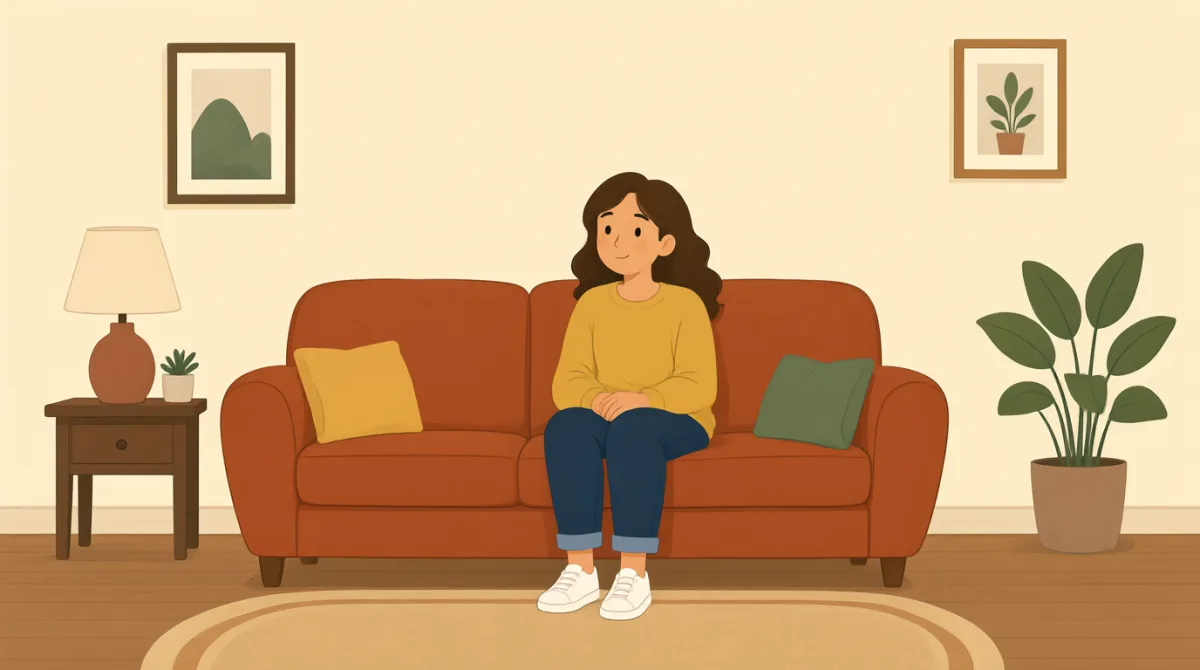

Grace, what side effects might I have after the flu shot?
グレース、インフルエンザの予防接種のあと、どんな副作用が出ることがあるの?

Your arm may feel sore, and you might feel a little tired.
腕が痛くなったり、少し疲れたりすることがあるよ。
How long will the soreness last?
痛みはどれくらい続くの?
It usually gets better in a day or two. A cool cloth may help.
たいてい1、2日でよくなるよ。冷たいタオルを当てると楽になるかも。
Could I get a fever, too?
熱が出ることもある?
A mild fever can happen. Drink water and rest if you need to.
軽い熱が出ることはあるよ。必要なら水を飲んで休んでね。
When should I call a doctor?
いつ医師に連絡すればいい?
Call your doctor if you have trouble breathing or feel very unwell.
息苦しさがあったり、ひどく具合が悪くなったりしたら、医師に連絡してね。
語彙8
- side effects副作用
Side effects are changes you may feel after taking medicine or getting a shot. Here, Emma asks what she might feel after the flu shot.
「Side effects」は、薬を飲んだり注射を受けたりしたあとに感じることのある変化です。ここではエマが、インフルエンザの予防接種のあとにどんな症状が出るか尋ねています。
- feel sore痛みを感じる
To feel sore means to have a mild pain. You can use it to describe how your arm feels after a shot or exercise.
「To feel sore」は、軽い痛みがあるという意味です。注射や運動のあとに腕がどんな感じかを表すときに使えます。
- a little tired少し疲れている
This means slightly tired, not very tired. Use “a little” to describe a small amount of a feeling.
これは、ひどく疲れているのではなく、少し疲れているという意味です。「a little」は、感覚や状態がわずかであることを表します。
- in a day or two1、2日で
This means within one or two days. You can use it to say when something may happen or improve.
これは、1日か2日のうちにという意味です。何かがいつ起こるか、またはよくなるかを伝えるときに使えます。
- cool cloth冷たいタオル
A cool cloth is a piece of cloth made cool with water. It may help soothe a sore area.
「A cool cloth」は、水で冷やした布のことです。痛むところに当てると、症状が和らぐことがあります。
- mild fever軽い発熱
A mild fever is a small rise in body temperature. “Mild” means it is not severe.
「A mild fever」は、体温が少し上がった状態です。「Mild」は、症状がひどくないことを表します。
- rest if you need to必要なら休む
This means to take a break when you feel it is necessary. “If you need to” makes the suggestion gentle.
これは、必要だと感じたときに休憩を取るという意味です。「if you need to」を加えると、やさしく勧める言い方になります。
- trouble breathing息苦しさ
This means having difficulty breathing. In this dialogue, it is a serious symptom that means Emma should call a doctor.
これは、呼吸がしづらい状態を指します。この会話では、医師に連絡すべき深刻な症状です。
重要な文8
- 1
Your arm may feel sore, and you might feel a little tired.
腕が痛くなったり、少し疲れたりすることがあるよ。
This sentence describes possible effects using “may” and “might.” You can reuse the pattern to talk about things that could happen after an activity or treatment.
この文では、「may」と「might」を使って、起こる可能性のある症状を説明しています。この形は、活動や治療のあとに起こりそうなことを話すときにも使えます。
- 2
How long will the soreness last?
痛みはどれくらい続くの?
This is a useful way to ask when pain or another problem will end. Replace “the soreness” with another condition, such as “the cough.”
痛みやほかの不調がいつ治まるか尋ねるときに便利な表現です。「the soreness」を「the cough(せき)」のような別の症状に置き換えられます。
- 3
It usually gets better in a day or two.
たいてい1、2日でよくなるよ。
This sentence explains how long something commonly takes to improve. You can replace “it” with a problem or symptom.
この文は、一般的にどれくらいで症状がよくなるかを説明しています。「it」は、症状や不調に置き換えられます。
- 4
A cool cloth may help.
冷たいタオルを当てると楽になるかも。
This is a simple way to suggest something that could make a problem feel better. Use “may help” when you are not certain.
困っている症状を和らげる可能性のある方法を、簡単に提案する表現です。確実ではないことを伝えるときは「may help」を使います。
- 5
Could I get a fever, too?
熱が出ることもある?
This is a polite way to ask if something might happen to you. You can replace “a fever” with another possible effect.
自分に何かが起こる可能性があるか、丁寧に尋ねる表現です。「a fever」を別の副作用に置き換えて使えます。
- 6
Drink water and rest if you need to.
必要なら水を飲んで休んでね。
This gives two simple suggestions and lets the listener decide when to follow them. You can use the pattern to offer gentle advice.
簡単な提案を2つ伝えながら、いつ実行するかは相手に委ねています。相手にやさしく助言するときに使える形です。
- 7
When should I call a doctor?
いつ医師に連絡すればいい?
This is a useful question when you need to know when to get medical help. You can replace “a doctor” with another person or service.
医療機関に相談するタイミングを知りたいときに便利な質問です。「a doctor」は、別の人や相談先に置き換えられます。
- 8
Call your doctor if you have trouble breathing or feel very unwell.
息苦しさがあったり、ひどく具合が悪くなったりしたら、医師に連絡してね。
This sentence gives clear advice and names symptoms to watch for. Use “Call [person] if you…” to explain when someone should contact another person.
この文では、注意すべき症状を挙げて、はっきりと助言しています。「Call [person] if you…」は、どんなときに誰かへ連絡すべきかを説明する形です。