Asking About Side Effects
Yan Etkileri Sorma
After the shot, Emma asks Grace about possible side effects and when she should call a doctor.
Aşıdan sonra Emma, Grace’e olası yan etkileri ve ne zaman doktora başvurması gerektiğini soruyor.
Diyalog8
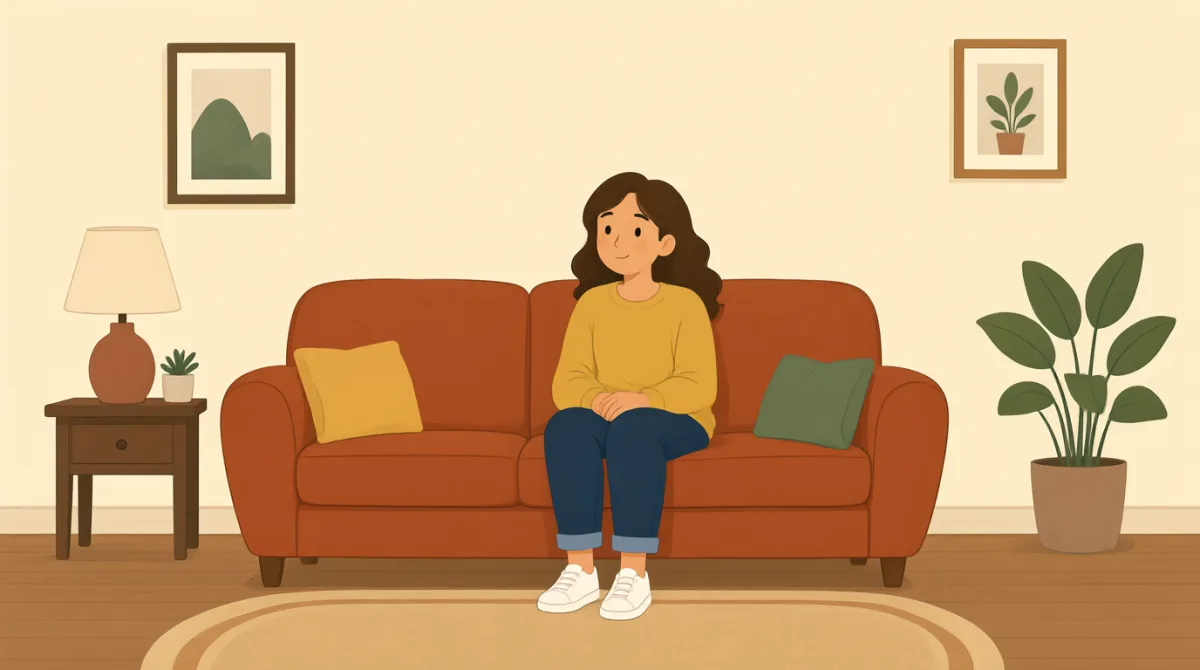

Grace, what side effects might I have after the flu shot?
Grace, grip aşısından sonra ne gibi yan etkiler yaşayabilirim?

Your arm may feel sore, and you might feel a little tired.
Kolun ağrıyabilir, bir de biraz yorgun hissedebilirsin.
How long will the soreness last?
Ağrı ne kadar sürer?
It usually gets better in a day or two. A cool cloth may help.
Genelde bir iki gün içinde geçer. Soğuk bir bez iyi gelebilir.
Could I get a fever, too?
Ateşim de çıkabilir mi?
A mild fever can happen. Drink water and rest if you need to.
Hafif ateş olabilir. Gerekirse su içip dinlen.
When should I call a doctor?
Ne zaman doktora başvurmalıyım?
Call your doctor if you have trouble breathing or feel very unwell.
Nefes almakta zorlanırsan ya da kendini çok kötü hissedersen doktorunu ara.
Kelime Bilgisi8
- side effectsyan etkiler
Side effects are changes you may feel after taking medicine or getting a shot. Here, Emma asks what she might feel after the flu shot.
Yan etkiler, ilaç aldıktan veya aşı olduktan sonra hissedebileceğin değişikliklerdir. Burada Emma, grip aşısından sonra neler hissedebileceğini soruyor.
- feel soreağrımak
To feel sore means to have a mild pain. You can use it to describe how your arm feels after a shot or exercise.
“Feel sore” hafif bir ağrı hissetmek demektir. Aşıdan veya egzersizden sonra kolunun nasıl hissettiğini anlatmak için kullanabilirsin.
- a little tiredbiraz yorgun
This means slightly tired, not very tired. Use “a little” to describe a small amount of a feeling.
Bu, çok yorgun değil, hafifçe yorgun olmak demektir. Bir duygunun az olduğunu belirtmek için “a little” kullanılır.
- in a day or twobir iki gün içinde
This means within one or two days. You can use it to say when something may happen or improve.
Bu, bir veya iki gün içinde demektir. Bir şeyin ne zaman olabileceğini ya da düzelebileceğini söylemek için kullanabilirsin.
- cool clothsoğuk bez
A cool cloth is a piece of cloth made cool with water. It may help soothe a sore area.
Soğuk bez, suyla soğutulmuş bir bez parçasıdır. Ağrıyan bölgeyi rahatlatmaya yardımcı olabilir.
- mild feverhafif ateş
A mild fever is a small rise in body temperature. “Mild” means it is not severe.
Hafif ateş, vücut sıcaklığının az miktarda yükselmesidir. “Mild”, durumun ciddi olmadığı anlamına gelir.
- rest if you need togerekirse dinlen
This means to take a break when you feel it is necessary. “If you need to” makes the suggestion gentle.
Bu, ihtiyaç duyduğunda ara verip dinlenmek demektir. “If you need to” ifadesi öneriyi yumuşatır.
- trouble breathingnefes almakta zorlanma
This means having difficulty breathing. In this dialogue, it is a serious symptom that means Emma should call a doctor.
Bu, nefes almakta güçlük çekmek demektir. Bu diyalogda Emma’nın doktora başvurmasını gerektiren ciddi bir belirtidir.
Önemli Cümleler8
- 1
Your arm may feel sore, and you might feel a little tired.
Kolun ağrıyabilir, bir de biraz yorgun hissedebilirsin.
This sentence describes possible effects using “may” and “might.” You can reuse the pattern to talk about things that could happen after an activity or treatment.
Bu cümlede olası etkiler “may” ve “might” kullanılarak anlatılıyor. Bir etkinlikten veya tedaviden sonra olabilecek şeyleri anlatırken bu kalıbı kullanabilirsin.
- 2
How long will the soreness last?
Ağrı ne kadar sürer?
This is a useful way to ask when pain or another problem will end. Replace “the soreness” with another condition, such as “the cough.”
Bu, ağrının veya başka bir sorunun ne zaman geçeceğini sormanın kullanışlı bir yoludur. “The soreness” yerine “the cough” gibi başka bir durum koyabilirsin.
- 3
It usually gets better in a day or two.
Genelde bir iki gün içinde geçer.
This sentence explains how long something commonly takes to improve. You can replace “it” with a problem or symptom.
Bu cümle, bir şeyin düzelmesinin genellikle ne kadar sürdüğünü anlatır. “It” yerine bir sorun ya da belirti koyabilirsin.
- 4
A cool cloth may help.
Soğuk bir bez iyi gelebilir.
This is a simple way to suggest something that could make a problem feel better. Use “may help” when you are not certain.
Bu, bir sorunu hafifletebilecek bir şeyi önermenin basit bir yoludur. Emin olmadığında “may help” kalıbını kullanabilirsin.
- 5
Could I get a fever, too?
Ateşim de çıkabilir mi?
This is a polite way to ask if something might happen to you. You can replace “a fever” with another possible effect.
Bu, başına bir şey gelip gelemeyeceğini kibarca sormanın bir yoludur. “A fever” yerine başka bir olası etki koyabilirsin.
- 6
Drink water and rest if you need to.
Su içip gerekirse dinlen.
This gives two simple suggestions and lets the listener decide when to follow them. You can use the pattern to offer gentle advice.
Bu cümle iki basit öneri sunar ve bunları ne zaman uygulayacağına karşı tarafın karar vermesine olanak tanır. Nazikçe tavsiye vermek için bu kalıbı kullanabilirsin.
- 7
When should I call a doctor?
Ne zaman doktora başvurmalıyım?
This is a useful question when you need to know when to get medical help. You can replace “a doctor” with another person or service.
Tıbbi yardım almak için ne zaman harekete geçmen gerektiğini öğrenmek istediğinde bu soru işine yarar. “A doctor” yerine başka bir kişi veya hizmet koyabilirsin.
- 8
Call your doctor if you have trouble breathing or feel very unwell.
Nefes almakta zorlanırsan ya da kendini çok kötü hissedersen doktorunu ara.
This sentence gives clear advice and names symptoms to watch for. Use “Call [person] if you…” to explain when someone should contact another person.
Bu cümle açık bir tavsiye verir ve dikkat edilmesi gereken belirtileri söyler. Birinin başka biriyle ne zaman iletişime geçmesi gerektiğini açıklamak için “Call [person] if you…” kalıbını kullanabilirsin.