Asking About Side Effects
পার্শ্বপ্রতিক্রিয়া সম্পর্কে জিজ্ঞাসা করা
After the shot, Emma asks Grace about possible side effects and when she should call a doctor.
টিকা নেওয়ার পর এমা গ্রেসকে সম্ভাব্য পার্শ্বপ্রতিক্রিয়া এবং কখন ডাক্তারকে ফোন করা উচিত তা জিজ্ঞাসা করে।
সংলাপ8
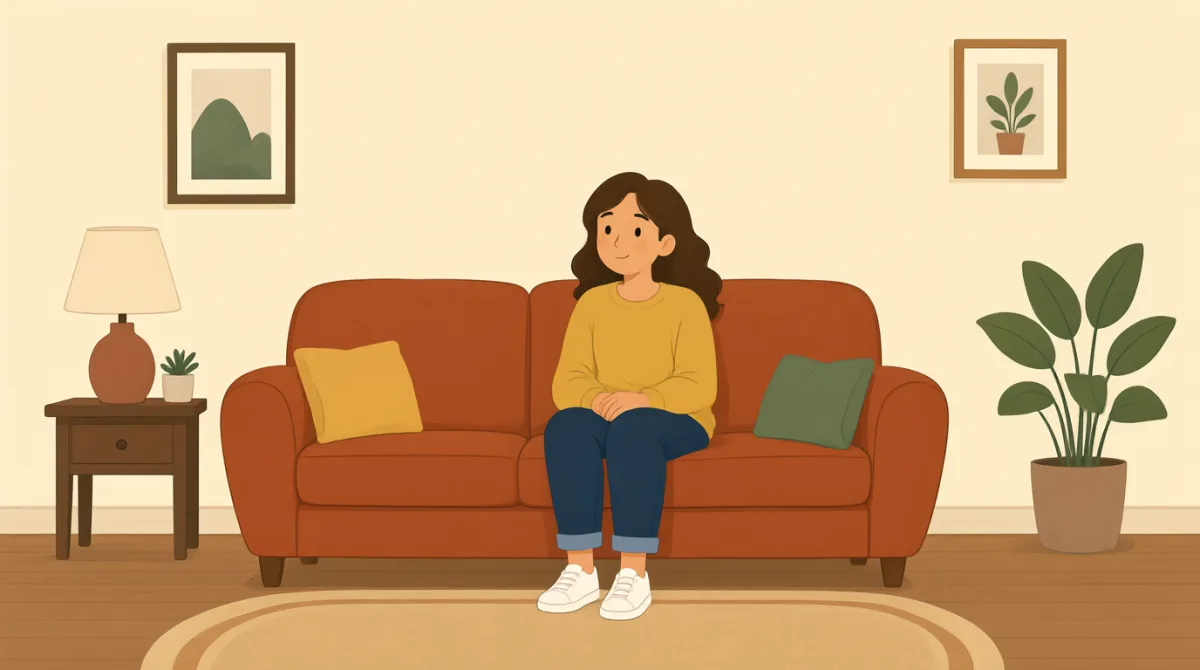

Grace, what side effects might I have after the flu shot?
গ্রেস, ফ্লুর টিকা নেওয়ার পর আমার কী কী পার্শ্বপ্রতিক্রিয়া হতে পারে?

Your arm may feel sore, and you might feel a little tired.
তোমার হাতে ব্যথা হতে পারে, আর তুমি একটু ক্লান্তও বোধ করতে পারো।
How long will the soreness last?
এই ব্যথা কতক্ষণ থাকবে?
It usually gets better in a day or two. A cool cloth may help.
সাধারণত এক-দুই দিনের মধ্যে ভালো হয়ে যায়। ঠান্ডা কাপড় দিয়ে উপকার হতে পারে।
Could I get a fever, too?
আমার কি জ্বরও হতে পারে?
A mild fever can happen. Drink water and rest if you need to.
হালকা জ্বর হতে পারে। প্রয়োজন হলে পানি পান করো এবং বিশ্রাম নাও।
When should I call a doctor?
কখন আমার ডাক্তারকে ফোন করা উচিত?
Call your doctor if you have trouble breathing or feel very unwell.
শ্বাস নিতে কষ্ট হলে বা খুব অসুস্থ বোধ করলে তোমার ডাক্তারকে ফোন করো।
শব্দভান্ডার8
- side effectsপার্শ্বপ্রতিক্রিয়া
Side effects are changes you may feel after taking medicine or getting a shot. Here, Emma asks what she might feel after the flu shot.
Side effects বলতে ওষুধ খাওয়ার বা টিকা নেওয়ার পর শরীরে অনুভূত পরিবর্তনকে বোঝায়। এখানে এমা জানতে চাইছে, ফ্লুর টিকা নেওয়ার পর তার কী অনুভূতি হতে পারে।
- feel soreব্যথা অনুভব করা
To feel sore means to have a mild pain. You can use it to describe how your arm feels after a shot or exercise.
feel sore বলতে হালকা ব্যথা থাকা বোঝায়। টিকা নেওয়ার বা ব্যায়াম করার পর হাত কেমন লাগছে, তা বর্ণনা করতে এই কথাটি ব্যবহার করতে পারো।
- a little tiredএকটু ক্লান্ত
This means slightly tired, not very tired. Use “a little” to describe a small amount of a feeling.
a little tired বলতে সামান্য ক্লান্ত, খুব বেশি ক্লান্ত নয়—এমন বোঝায়। কোনো অনুভূতির অল্প মাত্রা বোঝাতে “a little” ব্যবহার করো।
- in a day or twoএক-দুই দিনের মধ্যে
This means within one or two days. You can use it to say when something may happen or improve.
in a day or two বলতে এক বা দুই দিনের মধ্যে বোঝায়। কোনো কিছু কখন ঘটতে বা ভালো হতে পারে, তা বলতে এই বাক্যাংশটি ব্যবহার করতে পারো।
- cool clothঠান্ডা কাপড়
A cool cloth is a piece of cloth made cool with water. It may help soothe a sore area.
cool cloth হলো পানি দিয়ে ঠান্ডা করা এক টুকরো কাপড়। এটি ব্যথাযুক্ত স্থানকে আরাম দিতে পারে।
- mild feverহালকা জ্বর
A mild fever is a small rise in body temperature. “Mild” means it is not severe.
mild fever হলো শরীরের তাপমাত্রা সামান্য বেড়ে যাওয়া। “Mild” বলতে গুরুতর নয়—এমন বোঝায়।
- rest if you need toপ্রয়োজন হলে বিশ্রাম নাও
This means to take a break when you feel it is necessary. “If you need to” makes the suggestion gentle.
rest if you need to বলতে প্রয়োজন মনে হলে বিরতি নেওয়া বোঝায়। “If you need to” পরামর্শটিকে কোমলভাবে প্রকাশ করে।
- trouble breathingশ্বাস নিতে কষ্ট
This means having difficulty breathing. In this dialogue, it is a serious symptom that means Emma should call a doctor.
trouble breathing বলতে শ্বাস নিতে অসুবিধা হওয়া বোঝায়। এই সংলাপে এটি একটি গুরুতর উপসর্গ, যার অর্থ এমার ডাক্তারকে ফোন করা উচিত।
গুরুত্বপূর্ণ বাক্য8
- 1
Your arm may feel sore, and you might feel a little tired.
তোমার হাতে ব্যথা হতে পারে, আর তুমি একটু ক্লান্তও বোধ করতে পারো।
This sentence describes possible effects using “may” and “might.” You can reuse the pattern to talk about things that could happen after an activity or treatment.
এই বাক্যে “may” এবং “might” ব্যবহার করে সম্ভাব্য প্রভাবের কথা বলা হয়েছে। কোনো কাজ বা চিকিৎসার পর কী ঘটতে পারে, তা বলতে এই কাঠামোটি আবার ব্যবহার করতে পারো।
- 2
How long will the soreness last?
এই ব্যথা কতক্ষণ থাকবে?
This is a useful way to ask when pain or another problem will end. Replace “the soreness” with another condition, such as “the cough.”
ব্যথা বা অন্য কোনো সমস্যা কখন শেষ হবে, তা জিজ্ঞাসা করার এটি একটি উপযোগী উপায়। “the soreness”-এর জায়গায় অন্য কোনো সমস্যা বসাতে পারো, যেমন “the cough”।
- 3
It usually gets better in a day or two.
সাধারণত এক-দুই দিনের মধ্যে ভালো হয়ে যায়।
This sentence explains how long something commonly takes to improve. You can replace “it” with a problem or symptom.
কোনো কিছু ভালো হতে সাধারণত কত সময় লাগে, এই বাক্যে তা বলা হয়েছে। “it”-এর জায়গায় কোনো সমস্যা বা উপসর্গ বসাতে পারো।
- 4
A cool cloth may help.
ঠান্ডা কাপড় দিয়ে উপকার হতে পারে।
This is a simple way to suggest something that could make a problem feel better. Use “may help” when you are not certain.
কোনো সমস্যা কমাতে পারে—এমন কিছু প্রস্তাব করার এটি একটি সহজ উপায়। নিশ্চিত না হলে “may help” ব্যবহার করো।
- 5
Could I get a fever, too?
আমার কি জ্বরও হতে পারে?
This is a polite way to ask if something might happen to you. You can replace “a fever” with another possible effect.
তোমার সঙ্গে কোনো কিছু ঘটতে পারে কি না, তা ভদ্রভাবে জিজ্ঞাসা করার এটি একটি উপায়। “a fever”-এর জায়গায় অন্য কোনো সম্ভাব্য প্রভাব বসাতে পারো।
- 6
Drink water and rest if you need to.
প্রয়োজন হলে পানি পান করো এবং বিশ্রাম নাও।
This gives two simple suggestions and lets the listener decide when to follow them. You can use the pattern to offer gentle advice.
এখানে দুটি সহজ পরামর্শ দেওয়া হয়েছে এবং কখন সেগুলো অনুসরণ করবে, সেই সিদ্ধান্ত শ্রোতার ওপর ছেড়ে দেওয়া হয়েছে। কোমলভাবে পরামর্শ দিতে এই কাঠামোটি ব্যবহার করতে পারো।
- 7
When should I call a doctor?
কখন আমার ডাক্তারকে ফোন করা উচিত?
This is a useful question when you need to know when to get medical help. You can replace “a doctor” with another person or service.
কখন চিকিৎসা সহায়তা নিতে হবে, তা জানার জন্য এটি একটি উপযোগী প্রশ্ন। “a doctor”-এর জায়গায় অন্য কোনো ব্যক্তি বা সেবার নাম বসাতে পারো।
- 8
Call your doctor if you have trouble breathing or feel very unwell.
শ্বাস নিতে কষ্ট হলে বা খুব অসুস্থ বোধ করলে তোমার ডাক্তারকে ফোন করো।
This sentence gives clear advice and names symptoms to watch for. Use “Call [person] if you…” to explain when someone should contact another person.
এই বাক্যে স্পষ্ট পরামর্শ দেওয়া হয়েছে এবং কোন উপসর্গগুলোর দিকে খেয়াল রাখতে হবে, তা বলা হয়েছে। কখন কারও অন্য একজনের সঙ্গে যোগাযোগ করা উচিত, তা বোঝাতে “Call [person] if you…” ব্যবহার করো।