Asking About Side Effects
After the shot, Emma asks Grace about possible side effects and when she should call a doctor.
Dialogue8
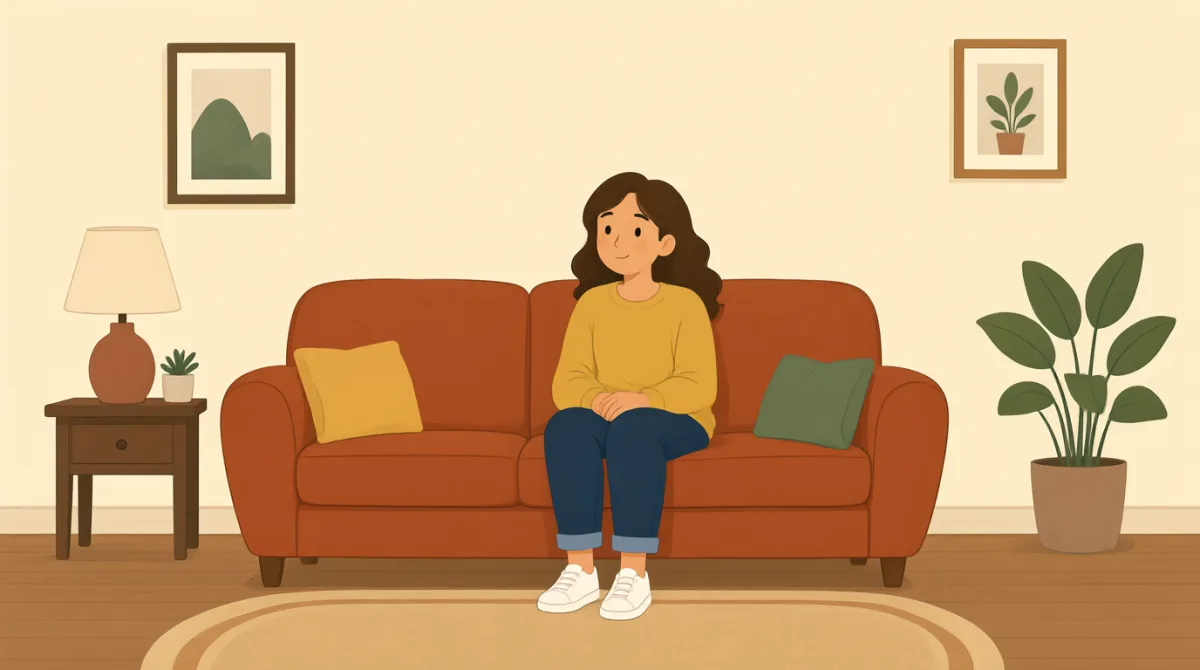

Grace, what side effects might I have after the flu shot?

Your arm may feel sore, and you might feel a little tired.
How long will the soreness last?
It usually gets better in a day or two. A cool cloth may help.
Could I get a fever, too?
A mild fever can happen. Drink water and rest if you need to.
When should I call a doctor?
Call your doctor if you have trouble breathing or feel very unwell.
Vocabulary8
- side effects
Side effects are changes you may feel after taking medicine or getting a shot. Here, Emma asks what she might feel after the flu shot.
- feel sore
To feel sore means to have a mild pain. You can use it to describe how your arm feels after a shot or exercise.
- a little tired
This means slightly tired, not very tired. Use “a little” to describe a small amount of a feeling.
- in a day or two
This means within one or two days. You can use it to say when something may happen or improve.
- cool cloth
A cool cloth is a piece of cloth made cool with water. It may help soothe a sore area.
- mild fever
A mild fever is a small rise in body temperature. “Mild” means it is not severe.
- rest if you need to
This means to take a break when you feel it is necessary. “If you need to” makes the suggestion gentle.
- trouble breathing
This means having difficulty breathing. In this dialogue, it is a serious symptom that means Emma should call a doctor.
Key Sentences8
- 1
Your arm may feel sore, and you might feel a little tired.
This sentence describes possible effects using “may” and “might.” You can reuse the pattern to talk about things that could happen after an activity or treatment.
- 2
How long will the soreness last?
This is a useful way to ask when pain or another problem will end. Replace “the soreness” with another condition, such as “the cough.”
- 3
It usually gets better in a day or two.
This sentence explains how long something commonly takes to improve. You can replace “it” with a problem or symptom.
- 4
A cool cloth may help.
This is a simple way to suggest something that could make a problem feel better. Use “may help” when you are not certain.
- 5
Could I get a fever, too?
This is a polite way to ask if something might happen to you. You can replace “a fever” with another possible effect.
- 6
Drink water and rest if you need to.
This gives two simple suggestions and lets the listener decide when to follow them. You can use the pattern to offer gentle advice.
- 7
When should I call a doctor?
This is a useful question when you need to know when to get medical help. You can replace “a doctor” with another person or service.
- 8
Call your doctor if you have trouble breathing or feel very unwell.
This sentence gives clear advice and names symptoms to watch for. Use “Call [person] if you…” to explain when someone should contact another person.