Asking About Side Effects
दुष्प्रभावों के बारे में पूछना
After the shot, Emma asks Grace about possible side effects and when she should call a doctor.
टीका लगवाने के बाद, एमा ग्रेस से संभावित दुष्प्रभावों और डॉक्टर को कब फ़ोन करना चाहिए, इस बारे में पूछती है।
संवाद8
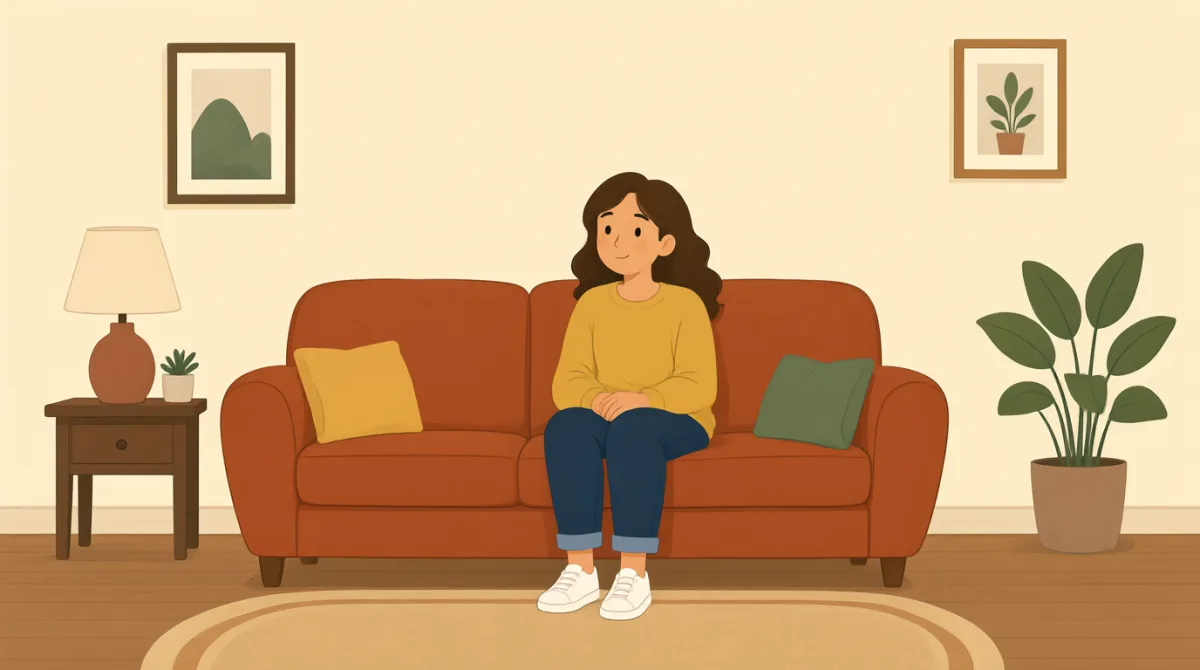

Grace, what side effects might I have after the flu shot?
ग्रेस, फ़्लू का टीका लगवाने के बाद मुझे क्या-क्या दुष्प्रभाव हो सकते हैं?

Your arm may feel sore, and you might feel a little tired.
आपकी बाँह में दर्द हो सकता है और आपको थोड़ी थकान भी महसूस हो सकती है।
How long will the soreness last?
यह दर्द कितने समय तक रहेगा?
It usually gets better in a day or two. A cool cloth may help.
आमतौर पर एक-दो दिन में बेहतर हो जाता है। ठंडा कपड़ा रखने से आराम मिल सकता है।
Could I get a fever, too?
क्या मुझे बुखार भी हो सकता है?
A mild fever can happen. Drink water and rest if you need to.
हल्का बुखार हो सकता है। ज़रूरत लगे तो पानी पीजिए और आराम कीजिए।
When should I call a doctor?
मुझे डॉक्टर को कब फ़ोन करना चाहिए?
Call your doctor if you have trouble breathing or feel very unwell.
अगर आपको साँस लेने में तकलीफ़ हो या बहुत ज़्यादा अस्वस्थ महसूस हो, तो अपने डॉक्टर को फ़ोन कीजिए।
शब्दावली8
- side effectsदुष्प्रभाव
Side effects are changes you may feel after taking medicine or getting a shot. Here, Emma asks what she might feel after the flu shot.
दवा लेने या टीका लगवाने के बाद शरीर में होने वाले बदलावों को दुष्प्रभाव कहते हैं। यहाँ एमा पूछ रही है कि फ़्लू का टीका लगवाने के बाद उसे क्या महसूस हो सकता है।
- feel soreदर्द महसूस होना
To feel sore means to have a mild pain. You can use it to describe how your arm feels after a shot or exercise.
“feel sore” का मतलब है हल्का दर्द महसूस होना। टीका लगवाने या कसरत करने के बाद बाँह कैसी महसूस होती है, यह बताने के लिए आप इस वाक्यांश का इस्तेमाल कर सकते हैं।
- a little tiredथोड़ी थकान
This means slightly tired, not very tired. Use “a little” to describe a small amount of a feeling.
“a little tired” का मतलब है थोड़ी थकान महसूस होना, बहुत ज़्यादा नहीं। किसी एहसास की थोड़ी-सी मात्रा बताने के लिए “a little” का इस्तेमाल करें।
- in a day or twoएक-दो दिन में
This means within one or two days. You can use it to say when something may happen or improve.
“in a day or two” का मतलब है एक या दो दिनों के भीतर। कोई चीज़ कब हो सकती है या कब बेहतर हो सकती है, यह बताने के लिए आप इस वाक्यांश का इस्तेमाल कर सकते हैं।
- cool clothठंडा कपड़ा
A cool cloth is a piece of cloth made cool with water. It may help soothe a sore area.
“cool cloth” पानी से ठंडा किया हुआ कपड़ा होता है। इससे दर्द वाली जगह को आराम मिल सकता है।
- mild feverहल्का बुखार
A mild fever is a small rise in body temperature. “Mild” means it is not severe.
“mild fever” का मतलब है शरीर के तापमान का थोड़ा बढ़ जाना। “Mild” का अर्थ है कि बुखार गंभीर नहीं है।
- rest if you need toज़रूरत हो तो आराम करना
This means to take a break when you feel it is necessary. “If you need to” makes the suggestion gentle.
“rest if you need to” का मतलब है ज़रूरत महसूस होने पर थोड़ा आराम करना। “If you need to” सुझाव को नरम और विनम्र बनाता है।
- trouble breathingसाँस लेने में तकलीफ़
This means having difficulty breathing. In this dialogue, it is a serious symptom that means Emma should call a doctor.
“trouble breathing” का मतलब है साँस लेने में कठिनाई होना। इस बातचीत में यह एक गंभीर लक्षण है, जिसके होने पर एमा को डॉक्टर को फ़ोन करना चाहिए।
मुख्य वाक्य8
- 1
Your arm may feel sore, and you might feel a little tired.
आपकी बाँह में दर्द हो सकता है और आपको थोड़ी थकान भी महसूस हो सकती है।
This sentence describes possible effects using “may” and “might.” You can reuse the pattern to talk about things that could happen after an activity or treatment.
इस वाक्य में “may” और “might” का इस्तेमाल करके संभावित असर बताए गए हैं। किसी गतिविधि या उपचार के बाद क्या हो सकता है, यह बताने के लिए आप इसी ढाँचे का इस्तेमाल कर सकते हैं।
- 2
How long will the soreness last?
यह दर्द कितने समय तक रहेगा?
This is a useful way to ask when pain or another problem will end. Replace “the soreness” with another condition, such as “the cough.”
दर्द या किसी दूसरी समस्या के कब तक ठीक होने की बात पूछने का यह एक उपयोगी तरीका है। “the soreness” की जगह आप किसी दूसरी तकलीफ़ का नाम रख सकते हैं, जैसे “the cough”।
- 3
It usually gets better in a day or two.
आमतौर पर एक-दो दिन में बेहतर हो जाता है।
This sentence explains how long something commonly takes to improve. You can replace “it” with a problem or symptom.
इस वाक्य से पता चलता है कि किसी चीज़ को बेहतर होने में आमतौर पर कितना समय लगता है। “it” की जगह आप किसी समस्या या लक्षण का नाम रख सकते हैं।
- 4
A cool cloth may help.
ठंडा कपड़ा रखने से आराम मिल सकता है।
This is a simple way to suggest something that could make a problem feel better. Use “may help” when you are not certain.
किसी समस्या में राहत देने वाली चीज़ का सुझाव देने का यह एक आसान तरीका है। जब आप पूरी तरह निश्चित न हों, तब “may help” का इस्तेमाल करें।
- 5
Could I get a fever, too?
क्या मुझे बुखार भी हो सकता है?
This is a polite way to ask if something might happen to you. You can replace “a fever” with another possible effect.
अपने साथ कुछ होने की संभावना के बारे में विनम्रता से पूछने का यह एक तरीका है। “a fever” की जगह आप किसी दूसरे संभावित असर का नाम रख सकते हैं।
- 6
Drink water and rest if you need to.
पानी पीजिए और ज़रूरत लगे तो आराम कीजिए।
This gives two simple suggestions and lets the listener decide when to follow them. You can use the pattern to offer gentle advice.
इस वाक्य में दो आसान सुझाव दिए गए हैं और सुनने वाले को तय करने दिया गया है कि उन्हें कब अपनाना है। नरम ढंग से सलाह देने के लिए आप इस ढाँचे का इस्तेमाल कर सकते हैं।
- 7
When should I call a doctor?
मुझे डॉक्टर को कब फ़ोन करना चाहिए?
This is a useful question when you need to know when to get medical help. You can replace “a doctor” with another person or service.
चिकित्सकीय मदद कब लेनी चाहिए, यह जानने के लिए यह एक उपयोगी सवाल है। “a doctor” की जगह आप किसी दूसरे व्यक्ति या सेवा का नाम रख सकते हैं।
- 8
Call your doctor if you have trouble breathing or feel very unwell.
अगर आपको साँस लेने में तकलीफ़ हो या बहुत ज़्यादा अस्वस्थ महसूस हो, तो अपने डॉक्टर को फ़ोन कीजिए।
This sentence gives clear advice and names symptoms to watch for. Use “Call [person] if you…” to explain when someone should contact another person.
इस वाक्य में साफ़ सलाह दी गई है और ध्यान देने योग्य लक्षण बताए गए हैं। किसी को यह समझाने के लिए कि उसे कब किसी से संपर्क करना चाहिए, “Call [person] if you…” का इस्तेमाल करें।