Asking About Side Effects
السؤال عن الآثار الجانبية
After the shot, Emma asks Grace about possible side effects and when she should call a doctor.
بعد أخذ اللقاح، تسأل إيما غريس عن الآثار الجانبية المحتملة ومتى ينبغي لها الاتصال بالطبيب.
حوار8
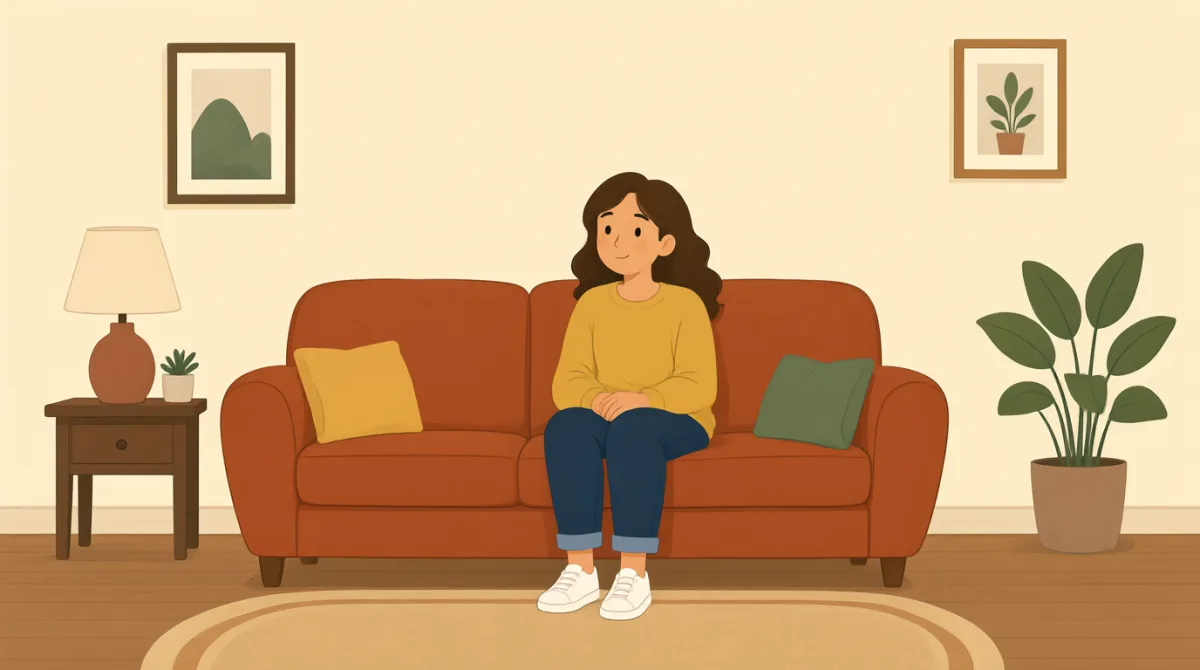

Grace, what side effects might I have after the flu shot?
غريس، ما الآثار الجانبية التي قد أشعر بها بعد لقاح الإنفلونزا؟

Your arm may feel sore, and you might feel a little tired.
قد تشعرين بألم في ذراعك، وقد تشعرين بقليل من التعب.
How long will the soreness last?
كم سيستمر الألم؟
It usually gets better in a day or two. A cool cloth may help.
عادةً ما يتحسن خلال يوم أو يومين. قد تساعدك قطعة قماش باردة.
Could I get a fever, too?
هل يمكن أن أُصاب بالحمى أيضًا؟
A mild fever can happen. Drink water and rest if you need to.
قد تحدث حمى خفيفة. اشربي الماء واستريحي إذا احتجتِ إلى ذلك.
When should I call a doctor?
متى ينبغي أن أتصل بالطبيب؟
Call your doctor if you have trouble breathing or feel very unwell.
اتصلي بطبيبك إذا واجهتِ صعوبة في التنفس أو شعرتِ بتوعك شديد.
المفردات8
- side effectsالآثار الجانبية
Side effects are changes you may feel after taking medicine or getting a shot. Here, Emma asks what she might feel after the flu shot.
الآثار الجانبية هي تغيّرات قد تشعرين بها بعد تناول دواء أو أخذ حقنة. هنا، تسأل إيما عمّا قد تشعر به بعد لقاح الإنفلونزا.
- feel soreيشعر بألم
To feel sore means to have a mild pain. You can use it to describe how your arm feels after a shot or exercise.
تعني عبارة “feel sore” الشعور بألم خفيف. يمكنك استخدامها لوصف ما تشعر به ذراعك بعد أخذ حقنة أو ممارسة الرياضة.
- a little tiredقليل من التعب
This means slightly tired, not very tired. Use “a little” to describe a small amount of a feeling.
تعني عبارة “a little tired” الشعور بتعب بسيط، لا بتعب شديد. استخدمي “a little” لوصف مقدار قليل من شعور ما.
- in a day or twoخلال يوم أو يومين
This means within one or two days. You can use it to say when something may happen or improve.
تعني عبارة “in a day or two” خلال يوم أو يومين. يمكنك استخدامها لتوضيح متى قد يحدث شيء أو يتحسن.
- cool clothقطعة قماش باردة
A cool cloth is a piece of cloth made cool with water. It may help soothe a sore area.
“A cool cloth” قطعة قماش بُرّدت بالماء. قد تساعد على تهدئة موضع مؤلم.
- mild feverحمى خفيفة
A mild fever is a small rise in body temperature. “Mild” means it is not severe.
“A mild fever” ارتفاع بسيط في درجة حرارة الجسم. تعني “mild” أن الحالة ليست شديدة.
- rest if you need toاسترح إذا احتجت إلى ذلك
This means to take a break when you feel it is necessary. “If you need to” makes the suggestion gentle.
تعني عبارة “rest if you need to” أن تأخذي قسطًا من الراحة عندما ترين أن ذلك ضروري. تجعل “if you need to” الاقتراح لطيفًا وغير ملزم.
- trouble breathingصعوبة في التنفس
This means having difficulty breathing. In this dialogue, it is a serious symptom that means Emma should call a doctor.
تعني عبارة “trouble breathing” وجود صعوبة في التنفس. وهي في هذا الحوار عَرَض خطير يستدعي اتصال إيما بالطبيب.
الجمل الأساسية8
- 1
Your arm may feel sore, and you might feel a little tired.
قد تشعرين بألم في ذراعك، وقد تشعرين بقليل من التعب.
This sentence describes possible effects using “may” and “might.” You can reuse the pattern to talk about things that could happen after an activity or treatment.
تصف هذه الجملة آثارًا محتملة باستخدام “may” و“might”. يمكنك إعادة استخدام هذا النمط للحديث عمّا قد يحدث بعد نشاط أو علاج.
- 2
How long will the soreness last?
كم سيستمر الألم؟
This is a useful way to ask when pain or another problem will end. Replace “the soreness” with another condition, such as “the cough.”
هذه طريقة مفيدة للسؤال عن موعد زوال الألم أو مشكلة أخرى. استبدلي “the soreness” بحالة أخرى، مثل “the cough”.
- 3
It usually gets better in a day or two.
عادةً ما يتحسن خلال يوم أو يومين.
This sentence explains how long something commonly takes to improve. You can replace “it” with a problem or symptom.
توضح هذه الجملة المدة التي يستغرقها شيء ما عادةً كي يتحسن. يمكنك استبدال “it” بمشكلة أو عَرَض.
- 4
A cool cloth may help.
قد تساعدك قطعة قماش باردة.
This is a simple way to suggest something that could make a problem feel better. Use “may help” when you are not certain.
هذه طريقة بسيطة لاقتراح شيء قد يخفف المشكلة. استخدمي “may help” عندما لا تكونين متأكدة.
- 5
Could I get a fever, too?
هل يمكن أن أُصاب بالحمى أيضًا؟
This is a polite way to ask if something might happen to you. You can replace “a fever” with another possible effect.
هذه طريقة مهذبة للسؤال عمّا إذا كان شيء ما قد يحدث لك. يمكنك استبدال “a fever” بأثر محتمل آخر.
- 6
Drink water and rest if you need to.
اشربي الماء واستريحي إذا احتجتِ إلى ذلك.
This gives two simple suggestions and lets the listener decide when to follow them. You can use the pattern to offer gentle advice.
تقدم هذه الجملة اقتراحين بسيطين وتترك للمستمع اختيار وقت اتباعهما. يمكنك استخدام هذا النمط لتقديم نصيحة لطيفة.
- 7
When should I call a doctor?
متى ينبغي أن أتصل بالطبيب؟
This is a useful question when you need to know when to get medical help. You can replace “a doctor” with another person or service.
هذا سؤال مفيد عندما تحتاجين إلى معرفة متى تطلبين المساعدة الطبية. يمكنك استبدال “a doctor” بشخص أو جهة أخرى.
- 8
Call your doctor if you have trouble breathing or feel very unwell.
اتصلي بطبيبك إذا واجهتِ صعوبة في التنفس أو شعرتِ بتوعك شديد.
This sentence gives clear advice and names symptoms to watch for. Use “Call [person] if you…” to explain when someone should contact another person.
تقدم هذه الجملة نصيحة واضحة وتذكر أعراضًا ينبغي الانتباه إليها. استخدمي “Call [person] if you…” لتوضيح متى ينبغي لشخص ما التواصل مع شخص آخر.