Accidentally Blocking Someone
गलती से किसी का रास्ता रोकना
You realize you are unintentionally blocking someone's path or access and need to quickly acknowledge it and move, possibly apologizing.
आपको एहसास होता है कि अनजाने में आप किसी का रास्ता या आने-जाने की जगह रोक रहे हैं। आपको तुरंत यह मानकर हट जाना है और शायद माफ़ी भी माँगनी है।
संवाद4
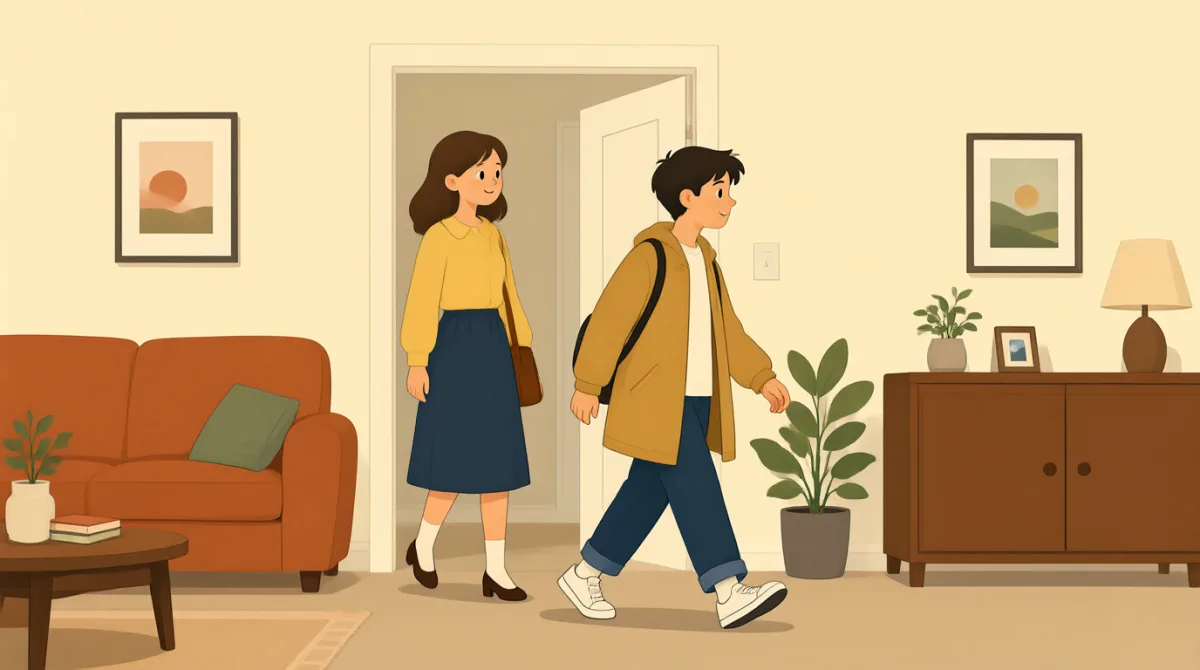

Excuse me, I'm just trying to get by here.
सुनिए, मुझे यहाँ से निकलने की ज़रा-सी जगह चाहिए।

Oh, my bad! So sorry, I didn't even realize I was in the way.
ओह, मेरी गलती! माफ़ कीजिए, मुझे एहसास ही नहीं हुआ कि मैं रास्ते में खड़ा हूँ।
No worries at all! Thanks for moving.
कोई बात नहीं! हटने के लिए शुक्रिया।
Yeah, of course. Hope I didn't hold you up too much.
हाँ, बिल्कुल। उम्मीद है मैंने आपको ज़्यादा देर नहीं रोका।
शब्दावली7
- excuse meमाफ़ कीजिए
A polite phrase used to get someone's attention or apologize for interrupting, especially in crowded places like when you need to pass by.
किसी का ध्यान खींचने या बीच में बाधा डालने के लिए माफ़ी माँगने का विनम्र तरीका। भीड़-भाड़ वाली जगहों पर, जैसे किसी के पास से निकलते समय, इसका इस्तेमाल किया जाता है।
- get byरास्ता बनाकर निकलना
Means to pass through or move past something or someone, often used in situations where space is limited.
इसका मतलब है किसी चीज़ या व्यक्ति के पास से होकर निकलना। जगह कम होने पर इस वाक्यांश का अक्सर इस्तेमाल होता है।
- my badमेरी गलती
An informal way to apologize for a small mistake, common in casual conversations among friends or colleagues.
छोटी-सी गलती के लिए माफ़ी माँगने का अनौपचारिक तरीका। दोस्तों या सहकर्मियों के बीच आम बातचीत में इसका इस्तेमाल होता है।
- realizeएहसास होना
To become aware of something you didn't notice before, like realizing you're blocking someone's path.
किसी ऐसी बात के बारे में जान पाना जिस पर आपने पहले ध्यान नहीं दिया था—जैसे यह समझना कि आप किसी का रास्ता रोक रहे हैं।
- in the wayरास्ते में होना
Describes being positioned so that you block or obstruct someone's movement or access.
जब कोई इस तरह खड़ा या मौजूद हो कि उससे किसी का आना-जाना या पहुँच बाधित हो, तो यह वाक्यांश इस्तेमाल होता है।
- no worriesकोई बात नहीं
A casual response meaning 'it's okay' or 'don't worry about it,' used to reassure someone after an apology.
माफ़ी के जवाब में किसी को तसल्ली देने के लिए कहा जाता है। इसका मतलब है कि सब ठीक है या चिंता करने की ज़रूरत नहीं है।
- hold upरोकना
To delay or stop someone from continuing, often used when apologizing for causing a wait.
किसी को आगे बढ़ने से रोकना या देर करवाना। किसी को इंतज़ार करवाने के लिए माफ़ी माँगते समय इसका अक्सर इस्तेमाल होता है।
मुख्य वाक्य4
- 1
Excuse me, I'm just trying to get by here.
सुनिए, मुझे यहाँ से निकलने की ज़रा-सी जगह चाहिए।
This sentence is a polite request to move aside in a crowded space. 'Excuse me' gets attention, and 'just trying to get by' explains the need softly. Use it when you need to pass without sounding rude; it's useful for everyday situations like in stores or streets.
भीड़ वाली जगह में किसी से हटने का विनम्र अनुरोध करने के लिए यह वाक्य कहा जाता है। 'Excuse me' (सुनिए) से आप उनका ध्यान खींचते हैं, और 'just trying to get by' (बस यहाँ से निकलने की कोशिश कर रहा/रही हूँ) नरमी से बताते हैं कि आपको रास्ता चाहिए। बिना रूखा लगे किसी के पास से निकलना हो, तो दुकानों या सड़क जैसी रोज़मर्रा की जगहों पर इसका इस्तेमाल करें।
- 2
Oh, my bad! So sorry, I didn't even realize I was in the way.
ओह, मेरी गलती! माफ़ कीजिए, मुझे एहसास ही नहीं हुआ कि मैं रास्ते में खड़ा हूँ।
This is an informal apology for accidentally blocking someone. 'My bad' admits fault casually, and 'didn't even realize' shows it was unintentional. The past tense 'realize' and 'was' indicate awareness after the fact. Use this in friendly encounters to apologize quickly and sincerely.
किसी का रास्ता गलती से रोकने पर माफ़ी माँगने का यह अनौपचारिक तरीका है। 'My bad' (मेरी गलती) कहकर आप सहज ढंग से अपनी गलती मानते हैं, और 'didn't even realize' (मुझे एहसास ही नहीं हुआ) बताते हैं कि यह अनजाने में हुआ। भूतकाल के 'realize' और 'was' से पता चलता है कि आपको बात का एहसास बाद में हुआ। किसी से दोस्ताना माहौल में जल्दी और सच्चाई से माफ़ी माँगने के लिए इसका इस्तेमाल करें।
- 3
No worries at all! Thanks for moving.
कोई बात नहीं! हटने के लिए शुक्रिया।
A reassuring response to an apology, meaning it's no problem. 'No worries' is idiomatic for 'don't worry,' and 'at all' emphasizes it strongly. Use this to accept an apology politely and thank the person, common in casual English to keep interactions positive.
यह माफ़ी का तसल्ली देने वाला जवाब है, जिसका मतलब है कि कोई बात नहीं हुई। 'No worries' का मुहावरेदार अर्थ है 'चिंता मत करो', और 'at all' इस बात पर ज़ोर देता है। माफ़ी स्वीकार करते हुए सामने वाले को धन्यवाद देने के लिए इसका इस्तेमाल करें। अनौपचारिक अंग्रेज़ी में बातचीत को खुशनुमा बनाए रखने के लिए यह आम है।
- 4
Yeah, of course. Hope I didn't hold you up too much.
हाँ, बिल्कुल। उम्मीद है मैंने आपको ज़्यादा देर नहीं रोका।
This follows an apology, agreeing to help and expressing hope no harm was done. 'Yeah, of course' means 'yes, naturally,' and 'hold you up' is a phrasal verb for delaying. Use it to show consideration after moving, helpful for building polite conversations.
माफ़ी के बाद यह जवाब मदद करने की सहमति जताता है और उम्मीद करता है कि सामने वाले को ज़्यादा परेशानी नहीं हुई। 'Yeah, of course' का मतलब है 'हाँ, ज़रूर', और 'hold you up' का अर्थ है किसी को देर करवाना। हटने के बाद सामने वाले का ख़याल रखने के लिए इसका इस्तेमाल करें। इससे बातचीत विनम्र बनी रहती है।