Need to Reach Something
मुझे कुछ लेना है
Someone is standing in front of an item or display you need to access (e.g., in a supermarket, museum, or shop). You need to ask them to step aside briefly.
कोई व्यक्ति उस चीज़ या डिस्प्ले के सामने खड़ा है जहाँ आपको पहुँचना है—जैसे सुपरमार्केट, संग्रहालय या दुकान में। आपको उससे थोड़ी देर के लिए रास्ते से हटने के लिए कहना है।
संवाद6
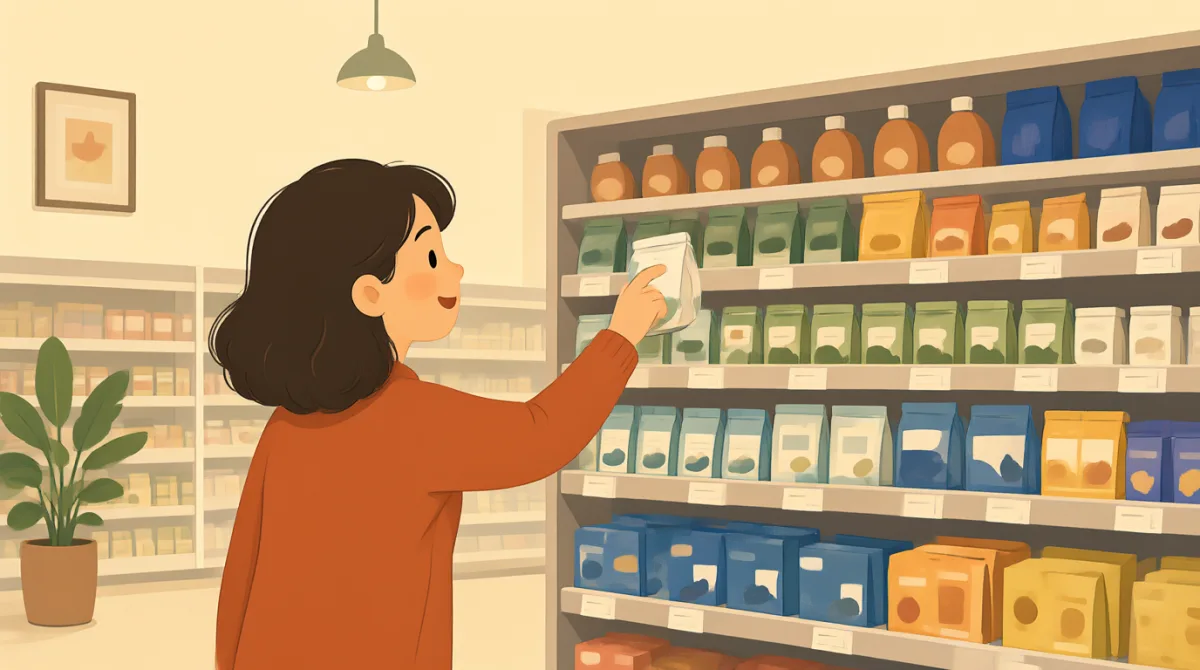

Excuse me, I'm so sorry to bother you, but do you mind if I just quickly grab something right behind you?
माफ़ कीजिए, आपको परेशान करने के लिए बहुत खेद है, लेकिन क्या आपको ऐतराज़ होगा अगर मैं ज़रा जल्दी से आपके ठीक पीछे से कुछ उठा लूँ?

Oh, not at all! Sorry, I didn't realize I was in the way. What are you looking for?
अरे, बिल्कुल नहीं! माफ़ कीजिए, मुझे पता ही नहीं चला कि मैं रास्ते में हूँ। आप क्या ढूँढ़ रहे हैं?
No worries at all! Just trying to get a bottle of that olive oil on the bottom shelf there.
कोई बात नहीं! बस वहाँ नीचे वाली शेल्फ़ पर रखे जैतून के तेल की एक बोतल लेने की कोशिश कर रहा हूँ।
Ah, got it. Let me just step out of your way. There you go.
अच्छा, समझ गई। मैं ज़रा रास्ते से हट जाती हूँ। लीजिए।
Thank you so much! Really appreciate it.
बहुत-बहुत धन्यवाद! मैं सचमुच आपका आभारी हूँ।
You're welcome! Glad I could help.
आपका स्वागत है! खुशी हुई कि मैं मदद कर सकी।
शब्दावली7
- excuse meमाफ़ कीजिए
A polite way to get someone's attention or interrupt them gently, often used before making a request in public places.
किसी का ध्यान खींचने या विनम्रता से बीच में बोलने का यह एक शिष्ट तरीका है। सार्वजनिक जगहों पर कुछ माँगने से पहले अक्सर इसका इस्तेमाल होता है।
- botherपरेशान करना
To disturb or annoy someone slightly; here, it's used to apologize for interrupting, showing politeness.
किसी को थोड़ा बाधित करना या खीझाना। यहाँ इसका इस्तेमाल बीच में बोलने के लिए माफ़ी माँगने और विनम्रता दिखाने के लिए हुआ है।
- mindऐतराज़ होना
In questions like 'Do you mind if...?', it asks if something is okay or acceptable to the other person.
'Do you mind if...?' जैसे सवालों में यह पूछा जाता है कि सामने वाले को कोई बात ठीक या स्वीकार्य लगती है या नहीं।
- grabजल्दी से उठा लेना
An informal word meaning to take or pick up something quickly, useful for everyday actions like reaching for an item.
यह अनौपचारिक शब्द किसी चीज़ को जल्दी से लेने या उठाने के लिए इस्तेमाल होता है। रोज़मर्रा में किसी चीज़ तक हाथ बढ़ाने जैसी बातों के लिए उपयोगी है।
- in the wayरास्ते में होना
Means blocking someone's path or access; it's a common phrase to describe unintentionally obstructing others.
इसका मतलब है किसी का रास्ता या किसी चीज़ तक पहुँच रोकना। अनजाने में दूसरों का रास्ता रोकने के लिए यह आम मुहावरा है।
- no worriesकोई बात नहीं
A casual way to say 'it's okay' or 'don't worry about it', used to reassure someone politely.
यह कहने का अनौपचारिक तरीका है कि सब ठीक है या चिंता करने की ज़रूरत नहीं। किसी को विनम्रता से आश्वस्त करने के लिए इसका इस्तेमाल होता है।
- appreciateआभारी होना
To feel grateful for something; often used in 'I appreciate it' to thank someone sincerely.
किसी चीज़ के लिए कृतज्ञता महसूस करना। किसी को दिल से धन्यवाद देने के लिए अक्सर 'I appreciate it' कहा जाता है।
मुख्य वाक्य6
- 1
Excuse me, I'm so sorry to bother you, but do you mind if I just quickly grab something right behind you?
माफ़ कीजिए, आपको परेशान करने के लिए बहुत खेद है, लेकिन क्या आपको ऐतराज़ होगा अगर मैं ज़रा जल्दी से आपके ठीक पीछे से कुछ उठा लूँ?
This is a polite request to interrupt and access something; it uses 'do you mind if' for permission and 'quickly grab' to show it's brief. Useful in crowded places like stores to ask someone to move aside without being rude.
यह बीच में बोलने और किसी चीज़ तक पहुँचने की एक विनम्र गुज़ारिश है। इसमें अनुमति माँगने के लिए 'do you mind if' और यह बताने के लिए 'quickly grab' कहा गया है कि इसमें बस थोड़ा समय लगेगा। दुकान जैसी भीड़भाड़ वाली जगहों पर बिना रूखे लगे किसी से रास्ते से हटने को कहने के लिए यह उपयोगी है।
- 2
Oh, not at all! Sorry, I didn't realize I was in the way.
अरे, बिल्कुल नहीं! माफ़ कीजिए, मुझे पता ही नहीं चला कि मैं रास्ते में हूँ।
A friendly response agreeing to help and apologizing; 'not at all' means 'no problem at all'. Great for showing empathy and offering to move when someone asks politely.
यह मदद करने की सहमति जताने और माफ़ी माँगने वाला दोस्ताना जवाब है। 'not at all' का मतलब है कि कोई समस्या नहीं है। जब कोई विनम्रता से कुछ माँगे, तो हमदर्दी दिखाने और रास्ते से हटने की पेशकश करने के लिए यह अच्छा जवाब है।
- 3
No worries at all! Just trying to get a bottle of that olive oil on the bottom shelf there.
कोई बात नहीं! बस वहाँ नीचे वाली शेल्फ़ पर रखे जैतून के तेल की एक बोतल लेने की कोशिश कर रहा हूँ।
Reassures the other person it's fine; 'no worries' is casual for 'don't worry', and 'just trying to get' explains the simple need. Use this to respond kindly and clarify your request.
यह दूसरे व्यक्ति को आश्वस्त करता है कि कोई बात नहीं। 'no worries' अनौपचारिक रूप से 'चिंता मत कीजिए' के अर्थ में है, और 'just trying to get' बताता है कि आपको बस एक छोटी-सी चीज़ चाहिए। विनम्रता से जवाब देने और अपनी गुज़ारिश स्पष्ट करने के लिए इसका इस्तेमाल करें।
- 4
Let me just step out of your way. There you go.
मैं ज़रा रास्ते से हट जाती हूँ। लीजिए।
'Step out of your way' means to move aside to allow access; 'there you go' signals it's done. This is practical for helping someone in tight spaces, like shops or museums.
'Step out of your way' का मतलब है रास्ता देने के लिए एक ओर हटना, और 'there you go' बताता है कि काम हो गया है। दुकान या संग्रहालय जैसी तंग जगहों पर किसी की मदद करने के लिए यह काम का वाक्य है।
- 5
Thank you so much! Really appreciate it.
बहुत-बहुत धन्यवाद! मैं सचमुच आपका आभारी हूँ।
A strong expression of thanks; 'so much' adds emphasis, and 'really appreciate it' shows genuine gratitude. Use after someone helps you to end interactions positively.
यह धन्यवाद देने का ज़ोरदार तरीका है। 'so much' बात पर ज़ोर देता है, और 'really appreciate it' सच्ची कृतज्ञता दिखाता है। किसी की मदद के बाद बातचीत को अच्छे ढंग से समाप्त करने के लिए इसका इस्तेमाल करें।
- 6
You're welcome! Glad I could help.
आपका स्वागत है! खुशी हुई कि मैं मदद कर सकी।
'You're welcome' is the standard reply to thanks; 'glad I could help' expresses happiness in assisting. This polite closing makes conversations feel warm and reciprocal.
'You're welcome' धन्यवाद के जवाब में कहे जाने वाला आम वाक्य है। 'glad I could help' से पता चलता है कि मदद करके आपको खुशी हुई। यह विनम्र विदाई बातचीत को आत्मीय और पारस्परिक बनाती है।