Asking a Shop Assistant
दुकान के सहायक से समय पूछना
You're in a store and need to know the time before closing, or if you have enough time to visit another shop, so you ask a shop assistant.
आप दुकान में हैं और बंद होने से पहले का समय जानना चाहते हैं, या यह पता करना चाहते हैं कि किसी दूसरी दुकान पर जाने के लिए पर्याप्त समय है या नहीं। इसलिए आप दुकान के सहायक से पूछते हैं।
संवाद8
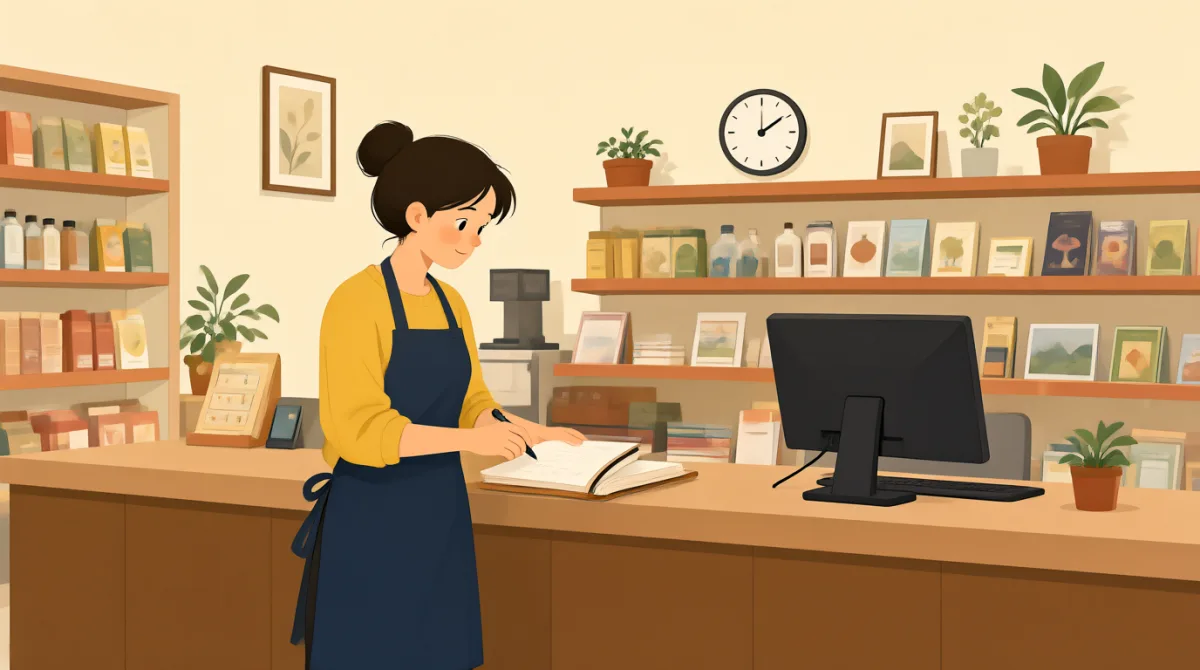

Excuse me, I'm sorry to bother you. Do you happen to have the time?
माफ़ कीजिए, आपको परेशान करने के लिए क्षमा चाहता हूँ। क्या आपके पास समय होगा?

No problem at all! Let me check... It's exactly 4:35 PM.
कोई बात नहीं! मुझे देखने दीजिए... अभी ठीक 4:35 बजे हैं।
4:35 PM, perfect! Thank you so much. My phone died, and I needed to know if I have enough time to pop into another shop before they close.
4:35 बजे, बढ़िया! आपका बहुत-बहुत धन्यवाद। मेरे फ़ोन की बैटरी खत्म हो गई थी, और मुझे जानना था कि उनके बंद होने से पहले दूसरी दुकान पर जल्दी से जाकर आने का समय है या नहीं।
You're welcome! Most shops around here close at 6 PM, so you should have plenty of time.
आपका स्वागत है! यहाँ आस-पास की ज़्यादातर दुकानें शाम 6 बजे बंद हो जाती हैं, इसलिए आपके पास काफ़ी समय है।
That's great news! I appreciate your help.
यह तो बहुत अच्छी बात है! आपकी मदद के लिए मैं आपका आभारी हूँ।
Happy to help! Is there anything else I can assist you with?
मदद करके खुशी हुई! क्या मैं किसी और चीज़ में आपकी सहायता कर सकता हूँ?
No, that's all for now. Thanks again!
नहीं, अभी के लिए बस इतना ही। एक बार फिर धन्यवाद!
You're welcome. Have a good rest of your day!
आपका स्वागत है। आपका दिन अच्छा बीते!
शब्दावली7
- botherपरेशान करना
To bother someone means to disturb or interrupt them politely; use it when you feel sorry for asking something, like 'Sorry to bother you.'
किसी को bother करने का मतलब है उन्हें विनम्रता से परेशान करना या बीच में रोकना। जब आपको कुछ पूछने के लिए संकोच हो, तब इसका इस्तेमाल करें, जैसे 'Sorry to bother you.'
- happen to haveसंयोग से आपके पास होना
This phrase means 'by chance, do you have'; it's a polite way to ask if someone knows or has something, like the time, without assuming.
इस वाक्यांश का मतलब है 'क्या संयोग से आपके पास है'; यह विनम्रता से पूछने का तरीका है कि किसी को कोई चीज़ पता है या उसके पास है या नहीं—जैसे समय—बिना यह मानकर चले कि उसे पता होगा।
- exactlyठीक-ठीक
Exactly means precisely or right at that moment; use it to give the precise time, like 'It's exactly 4:35.'
Exactly का मतलब है बिल्कुल सही या ठीक उसी समय। समय को सटीक बताने के लिए इसका इस्तेमाल करें, जैसे 'It's exactly 4:35.'
- pop intoजल्दी से किसी जगह जाना
To pop into a place means to go quickly into a shop or location for a short time; it's casual and useful for everyday plans like visiting a store briefly.
किसी जगह pop into करने का मतलब है थोड़ी देर के लिए किसी दुकान या स्थान पर जल्दी से जाना। यह अनौपचारिक वाक्यांश रोज़मर्रा की योजनाओं में, जैसे किसी दुकान पर थोड़ी देर के लिए जाने की बात करते समय, काम आता है।
- plentyकाफ़ी
Plenty means a lot or more than enough; use it to reassure someone they have sufficient time, like 'You have plenty of time.'
Plenty का मतलब है बहुत या ज़रूरत से ज़्यादा। किसी को भरोसा दिलाने के लिए इसका इस्तेमाल करें कि उसके पास पर्याप्त समय है, जैसे 'You have plenty of time.'
- appreciateआभारी होना
To appreciate means to be grateful for help; it's a polite way to thank someone sincerely, common in service situations.
Appreciate का मतलब है मदद के लिए आभारी होना। किसी को दिल से और विनम्रता से धन्यवाद देने का यह आम तरीका है, खासकर सेवा-संबंधी बातचीत में।
- assistसहायता करना
To assist means to help; use it in customer service like 'Can I assist you?' to offer polite support in shops or stores.
Assist का मतलब है मदद करना। दुकानों में ग्राहक सेवा के दौरान विनम्रता से सहायता की पेशकश करने के लिए इसका इस्तेमाल करें, जैसे 'Can I assist you?'.
मुख्य वाक्य7
- 1
Excuse me, I'm sorry to bother you. Do you happen to have the time?
माफ़ कीजिए, आपको परेशान करने के लिए क्षमा चाहता हूँ। क्या आपके पास समय होगा?
This is a polite way to start asking for the time; 'Excuse me' gets attention, 'sorry to bother' shows respect, and 'happen to have' makes it indirect and courteous. Use it when approaching strangers in public.
समय पूछने की शुरुआत करने का यह विनम्र तरीका है। 'Excuse me' से आप सामने वाले का ध्यान खींचते हैं, 'sorry to bother' कहकर सम्मान दिखाते हैं, और 'happen to have' सवाल को अप्रत्यक्ष और शिष्ट बनाता है। सार्वजनिक जगह पर किसी अनजान व्यक्ति से पूछते समय इसका इस्तेमाल करें।
- 2
No problem at all! Let me check...
कोई बात नहीं! मुझे देखने दीजिए...
This responds kindly to an apology; 'No problem at all' means it's not an issue, and 'Let me check' shows willingness to help. It's useful for customer service to make people feel welcome.
यह माफ़ी का सहज और दयालु जवाब है। 'No problem at all' का मतलब है कि कोई परेशानी नहीं हुई, और 'Let me check' से मदद करने की तत्परता ज़ाहिर होती है। ग्राहक सेवा में लोगों का स्वागत महसूस कराने के लिए यह उपयोगी है।
- 3
It's exactly 4:35 PM.
अभी ठीक 4:35 बजे हैं।
This gives the time precisely; 'PM' means after noon (12:00 to 11:59 PM). Use this format to state the time clearly in spoken English, including AM/PM for clarity.
इस वाक्य में समय बिल्कुल सटीक बताया गया है। 'PM' का मतलब दोपहर के बाद का समय है (12:00 से रात 11:59 तक)। बोले गए अंग्रेज़ी में समय स्पष्ट बताने के लिए, AM/PM सहित, इस तरीके का इस्तेमाल करें।
- 4
Thank you so much. My phone died, and I needed to know if I have enough time to pop into another shop before they close.
आपका बहुत-बहुत धन्यवाद। मेरे फ़ोन की बैटरी खत्म हो गई थी, और मुझे जानना था कि उनके बंद होने से पहले दूसरी दुकान पर जल्दी से जाकर आने का समय है या नहीं।
This thanks politely and explains the reason; 'phone died' means battery is dead, 'pop into' is casual for quick visit. It's useful to give context when asking for time in a hurry.
यह विनम्रता से धन्यवाद देता है और वजह भी बताता है। 'phone died' का मतलब है कि फ़ोन की बैटरी खत्म हो गई है, और 'pop into' किसी जगह पर थोड़ी देर के लिए जल्दी से जाने का अनौपचारिक तरीका है। जल्दी में समय पूछते हुए संदर्भ बताने के लिए यह उपयोगी है।
- 5
You're welcome! Most shops around here close at 6 PM, so you should have plenty of time.
आपका स्वागत है! यहाँ आस-पास की ज़्यादातर दुकानें शाम 6 बजे बंद हो जाती हैं, इसलिए आपके पास काफ़ी समय है।
This is a standard polite response to thanks; it provides extra helpful info. 'You're welcome' is common, and 'plenty of time' reassures. Use it to build positive interactions.
यह धन्यवाद का एक आम और विनम्र जवाब है, जो साथ में काम की अतिरिक्त जानकारी भी देता है। 'You're welcome' आम तौर पर कहा जाता है, और 'plenty of time' सामने वाले को भरोसा दिलाता है। बातचीत को सुखद बनाने के लिए इसका इस्तेमाल करें।
- 6
Happy to help! Is there anything else I can assist you with?
मदद करके खुशी हुई! क्या मैं किसी और चीज़ में आपकी सहायता कर सकता हूँ?
This shows enthusiasm in helping and offers more support; 'happy to help' is friendly. It's a key phrase in service roles to encourage further questions and end positively.
इससे मदद करने की खुशी ज़ाहिर होती है और आगे सहायता की पेशकश भी की जाती है। 'happy to help' एक दोस्ताना वाक्यांश है। सेवा-संबंधी काम में आगे सवाल पूछने के लिए प्रोत्साहित करने और बातचीत को अच्छे ढंग से खत्म करने के लिए यह उपयोगी है।
- 7
No, that's all for now. Thanks again!
नहीं, अभी के लिए बस इतना ही। एक बार फिर धन्यवाद!
This politely ends the conversation; 'that's all' means no more needs. It's useful to wrap up interactions gratefully without being abrupt.
यह बातचीत को विनम्रता से खत्म करने का तरीका है। 'that's all' का मतलब है कि अब और कुछ नहीं चाहिए। बिना रूखे लगे, आभार जताते हुए बातचीत समेटने के लिए यह उपयोगी है।