Asking While Walking in a Park
पार्क में टहलते हुए समय पूछना
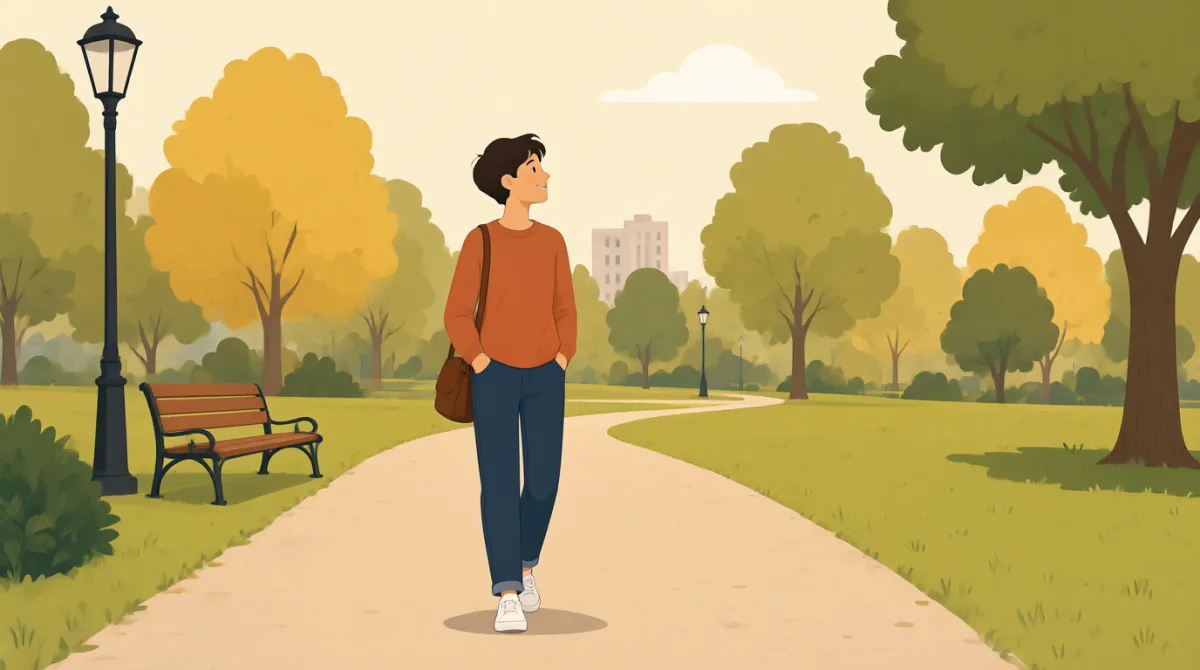
You're out for a walk in a park and want to know how much time you have left before an appointment, so you ask a friendly passerby.
आप पार्क में टहल रहे हैं और जानना चाहते हैं कि आपकी अपॉइंटमेंट से पहले कितना समय बचा है, इसलिए आप वहाँ से गुजर रहे एक मिलनसार व्यक्ति से पूछते हैं।
संवाद8

Excuse me, I'm so sorry to bother you, but do you happen to know what time it is?
माफ़ कीजिए, आपको परेशान करने के लिए बहुत माफ़ी चाहती हूँ, लेकिन क्या आपको पता है कि अभी कितने बजे हैं?

No bother at all! Let me check... It's exactly 3:15 PM.
अरे, कोई बात नहीं! मैं देखता हूँ... अभी ठीक 3:15 PM हुए हैं।
Oh, thank goodness! 3:15 PM, got it. I really appreciate it.
ओह, शुक्र है! 3:15 PM, समझ गई। मैं सचमुच आपकी बहुत आभारी हूँ।
No problem! Are you heading somewhere?
कोई बात नहीं! क्या आप कहीं जा रही हैं?
Yes, I have an appointment at 4 and realized I left my phone at home. Just wanted to make sure I wasn't running too late.
जी, मेरी 4 बजे अपॉइंटमेंट है और मुझे अभी पता चला कि मैं अपना फ़ोन घर पर ही छोड़ आई हूँ। बस यह पक्का करना चाहती थी कि कहीं मुझे बहुत देर तो नहीं हो रही।
You've got plenty of time then. This park is great for walks, but it's easy to lose track of time.
तो आपके पास काफ़ी समय है। यह पार्क टहलने के लिए बहुत अच्छा है, लेकिन यहाँ समय का ध्यान नहीं रहता।
That's true! Thanks again for your help. Have a good afternoon!
सही कहा! आपकी मदद के लिए एक बार फिर धन्यवाद। आपकी दोपहर अच्छी रहे!
You too! Good luck with your appointment.
आपकी भी! आपकी अपॉइंटमेंट के लिए शुभकामनाएँ।
शब्दावली9
- excuseमाफ़ कीजिए
Used as 'excuse me' to politely get someone's attention before asking a question, like starting a conversation with a stranger.
'excuse me' कहकर किसी का ध्यान विनम्रता से अपनी ओर खींचा जाता है, जैसे किसी अजनबी से बात शुरू करने से पहले।
- botherपरेशान करना
To disturb or interrupt someone; in polite phrases like 'sorry to bother you,' it shows respect for the other person's time.
किसी को परेशान करना या बीच में टोकना। 'sorry to bother you' जैसे विनम्र वाक्यांशों में इसका इस्तेमाल सामने वाले के समय के प्रति सम्मान दिखाता है।
- happen to knowसंयोग से पता होना
A polite way to ask if someone knows something by chance, making the question less direct and more courteous.
यह पूछने का एक विनम्र तरीका है कि क्या किसी को किसी बात का पता है। इससे सवाल कम सीधा और ज़्यादा शिष्ट लगता है।
- exactlyठीक-ठीक
Means precisely or right on the dot; used when giving the time to emphasize accuracy, like 'exactly 3:15.'
इसका मतलब है बिल्कुल सही या ठीक उसी समय पर। समय बताते हुए सटीकता पर ज़ोर देने के लिए इसका इस्तेमाल होता है, जैसे 'exactly 3:15.'
- appreciateआभारी होना
To feel grateful for help or kindness; say 'I appreciate it' to thank someone sincerely in everyday situations.
मदद या दयालुता के लिए कृतज्ञ महसूस करना। रोज़मर्रा की स्थितियों में दिल से धन्यवाद देने के लिए 'I appreciate it' कहें।
- appointmentअपॉइंटमेंट
A planned meeting at a specific time, like a doctor's visit or business meeting; common in daily scheduling.
किसी तय समय पर होने वाली मुलाक़ात, जैसे डॉक्टर के पास जाना या कामकाज की बैठक। रोज़मर्रा की समय-सारणी में यह शब्द आम है।
- realizedपता चला
Past tense of 'realize,' meaning to suddenly understand or become aware of something, like forgetting an item.
'realize' का भूतकाल, जिसका अर्थ है अचानक किसी बात को समझना या उसका एहसास होना—जैसे यह पता चलना कि कोई चीज़ भूल गए हैं।
- plentyकाफ़ी
A large amount, often used as 'plenty of time' to mean more than enough time, reassuring someone they're not late.
बड़ी मात्रा या पर्याप्त से अधिक। 'plenty of time' का अर्थ है कि ज़रूरत से ज़्यादा समय है; इससे सामने वाले को भरोसा मिलता है कि उसे देर नहीं हो रही।
- lose trackध्यान न रहना
To forget or stop keeping count of something, like 'lose track of time' when enjoying an activity and forgetting the hour.
किसी चीज़ का हिसाब रखना भूल जाना या बंद कर देना। मज़ेदार गतिविधि में लगे होने और समय का ध्यान न रहने पर 'lose track of time' कहते हैं।
मुख्य वाक्य6
- 1
Excuse me, I'm so sorry to bother you, but do you happen to know what time it is?
माफ़ कीजिए, आपको परेशान करने के लिए बहुत माफ़ी चाहती हूँ, लेकिन क्या आपको पता है कि अभी कितने बजे हैं?
This is a very polite way to ask for the time from a stranger; it uses 'excuse me' for attention, apologizes in advance, and 'happen to know' to soften the request. Useful in public places like parks or streets to avoid seeming rude.
किसी अजनबी से समय पूछने का यह बहुत विनम्र तरीका है। इसमें ध्यान खींचने के लिए 'excuse me' कहा जाता है, पहले ही माफ़ी माँगी जाती है और अनुरोध को नरम बनाने के लिए 'happen to know' का इस्तेमाल होता है। पार्क या सड़क जैसी सार्वजनिक जगहों पर यह पूछना उपयोगी है, ताकि आप रूखे न लगें।
- 2
No bother at all! Let me check... It's exactly 3:15 PM.
अरे, कोई बात नहीं! मैं देखता हूँ... अभी ठीक 3:15 PM हुए हैं।
A friendly response to reassure the asker it's not a problem; 'let me check' shows willingness to help, and 'exactly' adds precision. Use this when someone asks you for information to make them feel comfortable.
यह एक दोस्ताना जवाब है, जिससे पूछने वाले को भरोसा मिलता है कि कोई परेशानी नहीं है। 'let me check' मदद करने की तत्परता दिखाता है और 'exactly' समय की सटीकता बताता है। जब कोई आपसे जानकारी माँगे, तो उसे सहज महसूस कराने के लिए यह जवाब दे सकते हैं।
- 3
Oh, thank goodness! 3:15 PM, got it. I really appreciate it.
ओह, शुक्र है! 3:15 PM, समझ गई। मैं सचमुच आपकी बहुत आभारी हूँ।
Expresses relief and thanks; 'thank goodness' is an idiom for being glad something is okay, and 'got it' means understood. Great for showing gratitude after receiving help, especially when you're in a hurry.
इसमें राहत और धन्यवाद जताया गया है। 'thank goodness' एक मुहावरा है, जिसका मतलब है कि आप खुश हैं कि सब ठीक है; 'got it' का अर्थ है कि बात समझ में आ गई। मदद मिलने पर, खासकर जब आप जल्दी में हों, आभार जताने के लिए यह अच्छा है।
- 4
Yes, I have an appointment at 4 and realized I left my phone at home.
जी, मेरी 4 बजे अपॉइंटमेंट है और मुझे अभी पता चला कि मैं अपना फ़ोन घर पर ही छोड़ आई हूँ।
Explains the reason for asking; uses simple past 'realized' for a recent discovery. This sentence pattern helps share context politely in conversations, useful when justifying why you need information.
यह बताता है कि आपने सवाल क्यों पूछा। इसमें हाल ही में पता चली बात के लिए सामान्य भूतकाल 'realized' का इस्तेमाल हुआ है। बातचीत में विनम्रता से संदर्भ बताने का यह वाक्य-ढाँचा तब काम आता है, जब आप समझाना चाहें कि आपको जानकारी क्यों चाहिए।
- 5
You've got plenty of time then. This park is great for walks, but it's easy to lose track of time.
तो आपके पास काफ़ी समय है। यह पार्क टहलने के लिए बहुत अच्छा है, लेकिन यहाँ समय का ध्यान नहीं रहता।
Reassures the person they aren't late with 'plenty of time,' and adds chit-chat about the situation. The idiom 'lose track of time' explains why people forget the hour. Use this to continue a friendly talk after helping.
'plenty of time' कहकर सामने वाले को भरोसा दिलाया जाता है कि उसे देर नहीं हो रही, और फिर बातचीत को आगे बढ़ाने के लिए आसपास की बात की जाती है। मुहावरा 'lose track of time' बताता है कि लोग समय का ध्यान क्यों भूल जाते हैं। मदद करने के बाद दोस्ताना बातचीत जारी रखने के लिए इसका इस्तेमाल करें।
- 6
That's true! Thanks again for your help. Have a good afternoon!
सही कहा! आपकी मदद के लिए एक बार फिर धन्यवाद। आपकी दोपहर अच्छी रहे!
Agrees with the other person and ends politely; 'that's true' shows agreement, and 'thanks again' reinforces gratitude. A common way to wrap up a short interaction positively, like saying goodbye after getting directions.
यह सामने वाले की बात से सहमति जताता है और विनम्रता से बातचीत खत्म करता है। 'that's true' सहमति दिखाता है और 'thanks again' आभार को दोहराता है। किसी से रास्ता पूछने के बाद विदा लेने की तरह, छोटी बातचीत को अच्छे ढंग से खत्म करने का यह आम तरीका है।