Calling Roadside Help
تماس با امداد جادهای
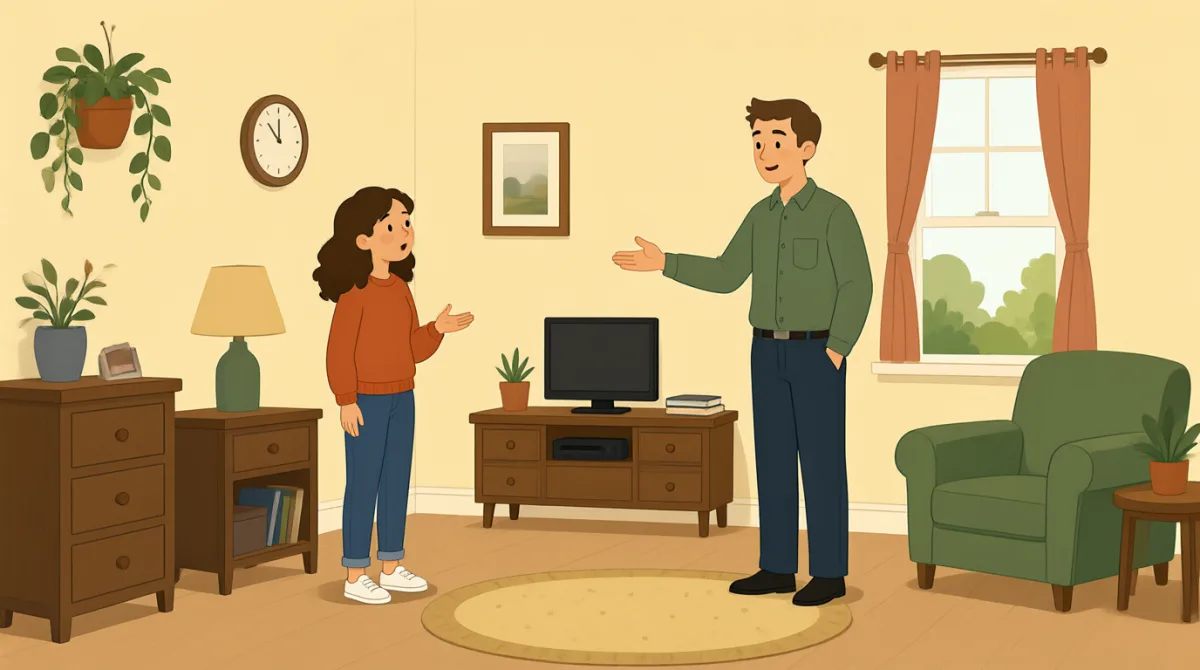
Emma calls for roadside help and explains where they are. The helper tells them what to do while they wait.
اما با امداد جادهای تماس میگیرد و موقعیتشان را توضیح میدهد. امدادگر میگوید تا رسیدن کمک چه کار کنند.
گفتوگو8

Hi, I need roadside help. We have a flat tire.
سلام، به امداد جادهای نیاز دارم. لاستیکمان پنچر شده.

I can help. Where are you right now?
میتونم کمکتون کنم. الان کجا هستید؟
We’re on Route 8, near the Maple Street exit.
توی مسیر ۸ هستیم، نزدیک خروجی خیابان میپل.
Are you in a safe place, away from traffic?
جای امنی هستید و از ترافیک فاصله دارید؟
Yes, we pulled over and got out on the passenger side.
بله، کنار جاده توقف کردیم و از سمت سرنشین پیاده شدیم.
Good. Please stay behind the guardrail and don’t change the tire.
خوبه. لطفاً پشت گاردریل بمانید و لاستیک را عوض نکنید.
Okay. How long will it take for help to arrive?
باشه. چقدر طول میکشه تا کمک برسه؟
A truck should be there in about thirty minutes. I’ll call you if that changes.
احتمالاً یک کامیون حدود سی دقیقه دیگه میرسه. اگر تغییری کرد باهاتون تماس میگیرم.
واژگان8
- roadside helpامداد جادهای
Help for a vehicle that has a problem on the road. You can ask for roadside help when your car has a flat tire.
کمکی برای خودرویی که در جاده دچار مشکل شده است. وقتی لاستیک ماشینتان پنچر میشود، میتوانید درخواست امداد جادهای کنید.
- flat tireلاستیک پنچر
A tire that has lost air and cannot work properly. You can say, “I have a flat tire,” to explain the problem.
لاستیکی که بادش خالی شده و درست کار نمیکند. برای توضیح مشکل میتوانید بگویید “I have a flat tire” (لاستیکم پنچر شده است).
- right nowهمین الان
This means at this moment. Use it to ask where someone is or what they are doing now.
یعنی در همین لحظه. از آن برای پرسیدن مکان یا کاری که کسی در حال حاضر انجام میدهد استفاده کنید.
- pulled overکنار زدن و توقف کردن
Stopped a vehicle at the side of the road. You can say, “We pulled over,” to explain that you stopped safely.
خودرو را کنار جاده متوقف کردن. برای توضیح اینکه با ایمنی توقف کردهاید، میتوانید بگویید “We pulled over” (کنار زدیم و توقف کردیم).
- passenger sideسمت سرنشین
The side of a vehicle where passengers sit, opposite the driver’s side. This phrase can help explain how you got out of a car.
سمتی از خودرو که سرنشینان مینشینند و روبهروی سمت راننده است. این عبارت کمک میکند توضیح دهید چطور از ماشین پیاده شدید.
- guardrailگاردریل
A metal barrier beside a road that helps protect people and vehicles. Stay behind it to keep away from traffic.
مانعی فلزی در کنار جاده که به محافظت از افراد و خودروها کمک میکند. پشت آن بمانید تا از ترافیک دور باشید.
- change the tireلاستیک را عوض کردن
Remove a damaged tire and put on another one. You can use this phrase when talking about fixing a flat tire.
لاستیک آسیبدیده را باز کردن و لاستیک دیگری جایش گذاشتن. هنگام صحبت دربارهٔ تعمیر لاستیک پنچر میتوانید از این عبارت استفاده کنید.
- in about thirty minutesحدود سی دقیقهٔ دیگر
This means something is expected to happen around thirty minutes from now. Use “in about” to give an approximate time.
یعنی انتظار میرود چیزی تقریباً سی دقیقه از الان اتفاق بیفتد. برای گفتن زمان تقریبی از “in about” استفاده کنید.
جملات کلیدی8
- 1
Hi, I need roadside help.
سلام، به امداد جادهای نیاز دارم.
This is a simple way to ask for help with a vehicle problem. You can replace “roadside help” with the kind of help you need.
این راه سادهای برای درخواست کمک در مورد مشکل خودرو است. میتوانید “roadside help” را با نوع کمکی که نیاز دارید جایگزین کنید.
- 2
We have a flat tire.
لاستیکمان پنچر شده.
Use this sentence to explain a common car problem. You can replace “a flat tire” with another problem, such as “engine trouble.”
از این جمله برای توضیح یک مشکل رایج خودرو استفاده کنید. میتوانید “a flat tire” را با مشکل دیگری، مثل “engine trouble”، جایگزین کنید.
- 3
Where are you right now?
الان کجا هستید؟
This is a useful question for asking someone’s current location. You can use it when arranging to meet or send help.
این پرسش کاربردی برای پرسیدن موقعیت فعلی کسی است. وقتی قرار میگذارید یا برای کسی کمک میفرستید، میتوانید از آن استفاده کنید.
- 4
We’re on Route 8, near the Maple Street exit.
توی مسیر ۸ هستیم، نزدیک خروجی خیابان میپل.
This gives a road and a nearby landmark to help someone find you. Replace the road and landmark with your own location.
با گفتن نام جاده و یک نشانهٔ نزدیک، به طرف مقابل کمک میکنید شما را پیدا کند. نام جاده و نشانه را با موقعیت خودتان جایگزین کنید.
- 5
Yes, we pulled over and got out on the passenger side.
بله، کنار جاده توقف کردیم و از سمت سرنشین پیاده شدیم.
This explains where you stopped and how you left the vehicle. You can use it to tell someone what you did after a car problem.
این جمله توضیح میدهد کجا توقف کردید و چطور از خودرو بیرون آمدید. میتوانید از آن برای گفتن اینکه بعد از بروز مشکل خودرو چه کردید استفاده کنید.
- 6
Please stay behind the guardrail and don’t change the tire.
لطفاً پشت گاردریل بمانید و لاستیک را عوض نکنید.
This gives two clear safety instructions. Use “Please” for a polite instruction and “don’t” to say what someone should avoid.
این جمله دو دستور روشن برای حفظ ایمنی میدهد. برای مؤدبانه بیان کردن یک دستور از “Please” و برای گفتن اینکه کسی از انجام کاری پرهیز کند از “don’t” استفاده کنید.
- 7
How long will it take for help to arrive?
چقدر طول میکشه تا کمک برسه؟
Use this question to ask how much time you will need to wait. You can replace “help” with another person or service.
از این پرسش برای پرسیدن مدت زمان انتظار استفاده کنید. میتوانید “help” را با شخص یا سرویس دیگری جایگزین کنید.
- 8
A truck should be there in about thirty minutes.
احتمالاً یک کامیون حدود سی دقیقهٔ دیگر میرسد.
This gives an expected arrival time. Use “should” when you think something is likely, but the time is not completely certain.
این جمله زمان تقریبی رسیدن را میگوید. وقتی فکر میکنید چیزی احتمالاً اتفاق میافتد اما زمان آن کاملاً قطعی نیست، از “should” استفاده کنید.