Reporting a Lost Item
گزارش گمشدن یک وسیله
A person needs to report a lost personal item (e.g., wallet, phone, keys) to a security guard or information desk.
فردی باید گمشدن یک وسیلهٔ شخصی مثل کیف پول، تلفن همراه یا کلید را به نگهبان یا میز اطلاعات گزارش دهد.
گفتوگو10
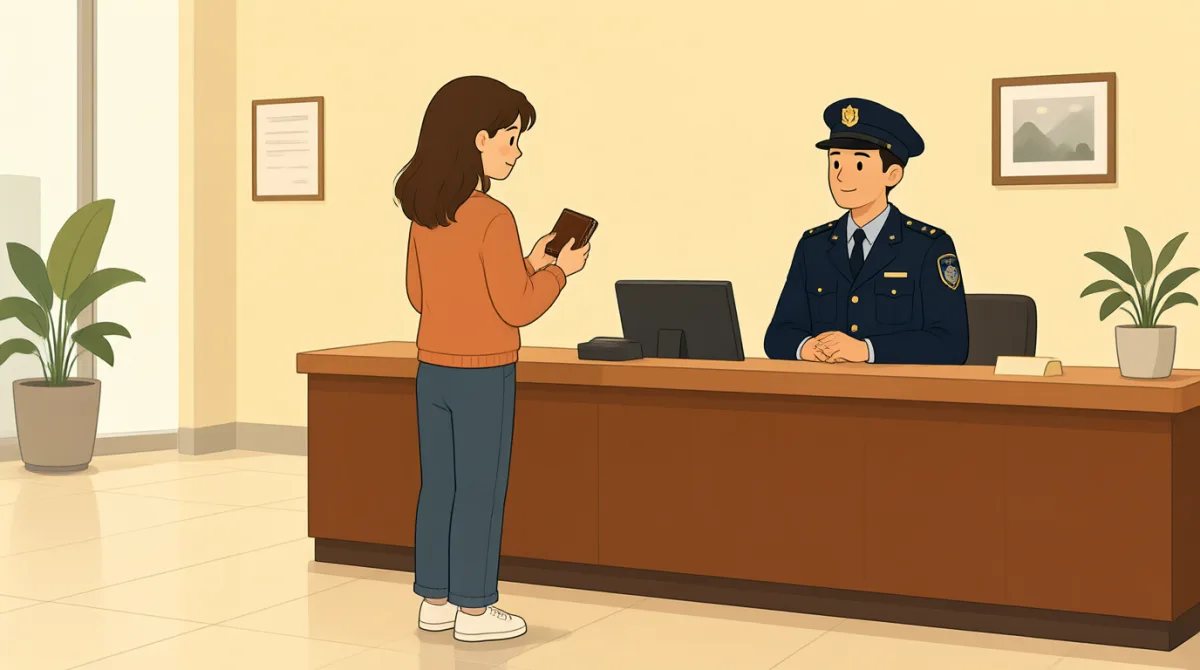

Excuse me, I think I've lost my wallet. Is there a lost and found here?
ببخشید، فکر میکنم کیف پولم را گم کردهام. اینجا بخش اشیای گمشده هست؟

Yes, you've come to the right place. I manage the lost and found. Can you tell me when and where you think you lost it?
بله، جای درستی آمدهاید. من مسئول بخش اشیای گمشده هستم. میگویید فکر میکنید چه زمانی و کجا آن را گم کردهاید؟
I was at the café on the second floor about an hour ago, and I think that's where I might have left it. It's a small black leather wallet.
حدود یک ساعت پیش در کافهٔ طبقهٔ دوم بودم و فکر میکنم شاید همانجا جا گذاشته باشمش. یک کیف پول چرمی کوچک و مشکی است.
Okay, a small black leather wallet. Did it have any specific identifying features, like a logo or anything inside?
خب، یک کیف پول چرمی کوچک و مشکی. نشانهٔ مشخصی داشت، مثلاً لوگو یا چیزی داخلش؟
Yes, it has my ID card and a few credit cards inside. There's also a small golden charm attached to the zipper.
بله، کارت شناسایی و چند کارت اعتباری داخلش هست. یک آویز طلایی کوچک هم به زیپش وصل است.
Got it. Let me check our recent entries. What name is on the ID card?
متوجه شدم. اجازه بدهید مواردی را که اخیراً تحویل دادهاند بررسی کنم. روی کارت شناسایی چه اسمی نوشته شده؟
Emma Carter.
اِما کارتر.
Ah, yes! We did have one turned in from the café that matches your description. Small black leather, a golden charm, and the ID belongs to Emma Carter. Here it is.
آهان، بله! یک کیف پول از کافه تحویل دادهاند که با توصیفتان مطابقت دارد. کوچک و چرمی و مشکی است، یک آویز طلایی دارد و کارت شناساییاش به نام اِما کارتر است. بفرمایید.
Oh, thank goodness! That's it! Thank you so much!
وای، خدا را شکر! خودشه! خیلی ممنونم!
You're very welcome. Please make sure everything is in order before you leave. Have a good day!
خواهش میکنم. لطفاً قبل از رفتن مطمئن شوید همهچیز مرتب است. روز خوبی داشته باشید!
واژگان10
- lostگمشده
Past participle of 'lose', meaning something is missing or cannot be found. Use it like 'I lost my keys' to report missing items in emergencies.
شکل سوم فعل 'lose' است و یعنی چیزی ناپدید شده یا نمیتوان آن را پیدا کرد. برای گزارش گمشدن وسایل میتوانید بگویید 'I lost my keys' (کلیدهایم را گم کردم).
- walletکیف پول
A small case for carrying money, cards, and ID. Common in daily life; say 'I lost my wallet' when reporting to security.
کیف کوچکی برای نگهداری پول، کارت و کارت شناسایی است. در زندگی روزمره زیاد به کار میرود؛ وقتی چیزی را به حراست گزارش میکنید، میتوانید بگویید 'I lost my wallet' (کیف پولم را گم کردم).
- lost and foundبخش اشیای گمشده
A place or office where lost items are kept until claimed. Useful phrase for asking about missing things in public places like malls or offices.
مکان یا دفتری است که وسایل گمشده را تا زمان تحویلگرفتن صاحبشان نگه میدارند. برای پرسیدن دربارهٔ وسایل گمشده در مکانهای عمومی مثل مراکز خرید یا ادارهها، عبارت مفیدی است.
- caféکافه
A small restaurant serving coffee and light meals. Pronounced 'caf-ay'; mention it when describing where you lost something.
رستوران کوچکی است که قهوه و خوراکیهای سبک سرو میکند. تلفظش 'caf-ay' است؛ وقتی محل گمشدن چیزی را توضیح میدهید، میتوانید به آن اشاره کنید.
- leatherچرمی
Material made from animal skin, often used for bags or wallets. Describe items like 'black leather wallet' to help identify them.
جنس ساختهشده از پوست حیوانات است که اغلب برای کیف و کیف پول به کار میرود. برای کمک به شناسایی وسیله، میتوانید آن را اینطور توصیف کنید: 'black leather wallet' (کیف پول چرمی مشکی).
- ID cardکارت شناسایی
Short for identification card, like a driver's license or student ID. Important for proving ownership in lost item reports.
شکل کوتاهشدهٔ عبارت «کارت شناسایی» است، مثل گواهینامه یا کارت دانشجویی. هنگام گزارش وسایل گمشده، برای اثبات مالکیت اهمیت دارد.
- credit cardsکارتهای اعتباری
Plastic cards for paying without cash. List them when describing contents of a lost wallet to aid recovery.
کارتهای پلاستیکیای هستند که برای پرداخت بدون پول نقد استفاده میشوند. برای کمک به پیدا کردن کیف پول گمشده، هنگام توصیف محتویاتش به آنها اشاره کنید.
- charmآویز
A small decorative object, like a pendant. Use it to describe unique features, e.g., 'a golden charm on the zipper'.
وسیلهٔ تزئینی کوچکی مثل آویز گردنبند است. برای توصیف ویژگیهای خاص یک وسیله از آن استفاده کنید؛ مثلاً 'a golden charm on the zipper' (یک آویز طلایی روی زیپ).
- turned inتحویل دادهشده
Phrasal verb meaning handed over to authorities, like lost items given to lost and found. Common in security contexts.
فعل عبارتیای است به معنی تحویلدادن چیزی به مسئولان؛ مثلاً وسیلهٔ گمشدهای را به بخش اشیای گمشده میسپارند. این عبارت در موقعیتهای مربوط به حراست رایج است.
- thank goodnessخدا را شکر
An expression of relief when something good happens, like finding a lost item. Use it to show gratitude in positive outcomes.
عبارتی برای نشاندادن آسودگی خاطر وقتی اتفاق خوبی میافتد، مثلاً وقتی وسیلهای گمشده پیدا میشود. وقتی ماجرا بهخوبی تمام میشود، با آن احساس خوشحالی و قدردانیتان را نشان دهید.
جملات کلیدی8
- 1
Excuse me, I think I've lost my wallet. Is there a lost and found here?
ببخشید، فکر میکنم کیف پولم را گم کردهام. اینجا بخش اشیای گمشده هست؟
This polite way to start reporting a loss uses 'Excuse me' for attention, 'I think I've lost' for uncertainty, and a question about facilities. Useful for initiating help in public places; practice the question form for seeking information.
این شروع مؤدبانه برای گزارش گمشدن وسیله است: 'Excuse me' برای جلب توجه، 'I think I've lost' برای بیان تردید و پرسشی دربارهٔ امکانات آن مکان. در مکانهای عمومی برای درخواست کمک مفید است؛ ساختار پرسشی را برای پرسیدن اطلاعات تمرین کنید.
- 2
Yes, you've come to the right place. I manage the lost and found.
بله، جای درستی آمدهاید. من مسئول بخش اشیای گمشده هستم.
Reassuring response with 'come to the right place' idiom for correct location, and 'manage' meaning to be in charge. Good for customer service; shows possession with 'the lost and found'.
پاسخی اطمینانبخش است که در آن اصطلاح 'come to the right place' یعنی به جای درستی آمدن و 'manage' یعنی مسئول چیزی بودن. این عبارت برای خدمات مشتری مفید است؛ 'the lost and found' به بخشی اشاره میکند که مسئولیتش با گوینده است.
- 3
Can you tell me when and where you think you lost it?
میگویید فکر میکنید چه زمانی و کجا آن را گم کردهاید؟
Polite request using 'Can you tell me' for information, with 'when and where' questions. 'You think' adds speculation. Essential for gathering details in reports; note the wh-questions structure.
درخواستی مؤدبانه برای گرفتن اطلاعات است که از 'Can you tell me' استفاده میکند و پرسشهای 'when and where' را در بر میگیرد. 'You think' نشان میدهد که موضوع قطعی نیست. این ساختار برای جمعآوری جزئیات گزارشها ضروری است؛ به ساختار پرسشهای دارای واژههای پرسشی توجه کنید.
- 4
I was at the café on the second floor about an hour ago, and I think that's where I might have left it.
حدود یک ساعت پیش در کافهٔ طبقهٔ دوم بودم و فکر میکنم شاید همانجا جا گذاشته باشمش.
Describes location and time with past continuous 'I was at', approximate time 'about an hour ago', and speculation 'I think...might have left'. Useful for explaining incidents; includes conjunction 'and' for adding details.
با زمان گذشتهٔ استمراری در 'I was at' مکان، با 'about an hour ago' زمان تقریبی و با 'I think...might have left' حدس را بیان میکند. برای توضیح اتفاقها مفید است؛ 'and' هم برای افزودن جزئیات به کار میرود.
- 5
Did it have any specific identifying features, like a logo or anything inside?
نشانهٔ مشخصی داشت، مثلاً لوگو یا چیزی داخلش؟
Yes/no question with 'Did it have' for past possession, 'specific identifying features' for unique details, and examples 'like a logo'. Helpful for describing items; uses 'or anything' for openness.
پرسش بله یا خیر است که در آن 'Did it have' برای پرسیدن دربارهٔ داشتن چیزی در گذشته و 'specific identifying features' برای اشاره به جزئیات متمایز به کار میرود؛ 'like a logo' هم مثالی میآورد. برای توصیف وسایل مفید است و 'or anything' پرسش را بازتر میکند.
- 6
Ah, yes! We did have one turned in from the café that matches your description.
آهان، بله! یک کیف پول از کافه تحویل دادهاند که با توصیفتان مطابقت دارد.
Exclamation 'Ah, yes!' for realization, emphasis 'did have' in affirmative, and 'matches your description' for agreement. Practical for confirming found items; past perfect 'turned in' implies completion.
'Ah, yes!' برای نشاندادن یادآوری یا متوجهشدن، 'did have' برای تأکید بر داشتن چیزی و 'matches your description' برای بیان مطابقت به کار میرود. برای تأیید پیدا شدن وسیله کاربردی است؛ 'turned in' نشان میدهد که وسیله تحویل داده شده است.
- 7
Oh, thank goodness! That's it! Thank you so much!
وای، خدا را شکر! خودشه! خیلی ممنونم!
Expressions of relief with 'Oh, thank goodness' and confirmation 'That's it!', plus gratitude 'Thank you so much!'. Use in happy resolutions; note exclamations for emotion and intensifier 'so much'.
'Oh, thank goodness' آسودگی خاطر را نشان میدهد، 'That's it!' برای تأیید به کار میرود و 'Thank you so much!' قدردانی را میرساند. در پایان خوش ماجرا از این عبارتها استفاده کنید؛ به علامتهای تعجب برای بیان احساسات و تأکید 'so much' توجه کنید.
- 8
You're very welcome. Please make sure everything is in order before you leave.
خواهش میکنم. لطفاً قبل از رفتن مطمئن شوید همهچیز مرتب است.
Standard reply 'You're very welcome' to thanks, polite request 'Please make sure' with 'in order' meaning correct/complete. Useful for service endings; imperative form for advice.
'You're very welcome' پاسخ معمول به تشکر است. درخواست مؤدبانهٔ 'Please make sure' همراه با 'in order' به معنی درست یا کامل بودن چیزی است. این عبارتها برای پایاندادن به گفتوگوی خدماتی مفیدند؛ ساختار امری برای توصیهکردن به کار میرود.