Identifying Emergency Exits
پیدا کردن خروجیهای اضطراری
Someone at a new location (e.g., a building, a mall) is looking for and asking about the location of emergency exits and safety procedures.
فردی در مکانی ناآشنا، مثل یک ساختمان یا مرکز خرید، دنبال خروجیهای اضطراری میگردد و دربارهٔ محل آنها و روشهای ایمنی سؤال میکند.
گفتوگو8
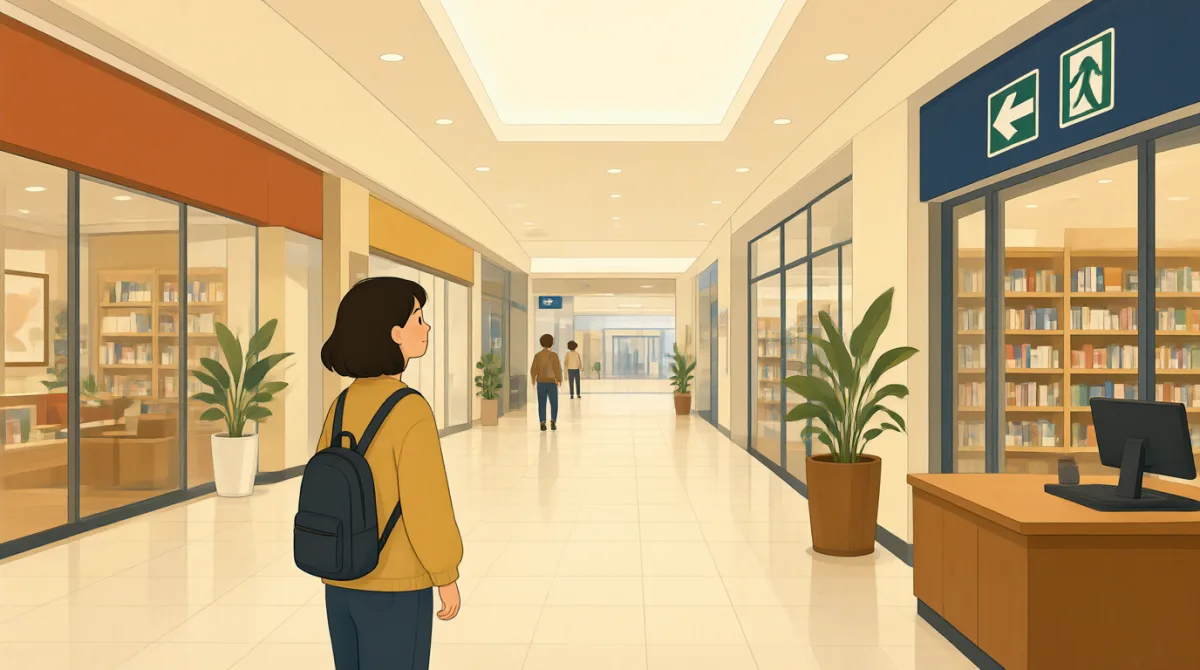

Excuse me, I'm new to this building. Could you point me towards the nearest emergency exit?
ببخشید، من تازه به این ساختمان آمدهام. میشود نزدیکترین خروجی اضطراری را نشانم بدهید؟

Certainly! If you go straight down this hallway and turn right, you'll see a green 'EXIT' sign. That's one of them.
حتماً! اگر از این راهرو مستقیم بروید و بپیچید سمت راست، تابلوی سبز «EXIT» را میبینید. یکی از خروجیها آنجاست.
Thanks! And are there any other emergency exits on this floor, just in case?
ممنون! برای احتیاط، خروجی اضطراری دیگری هم در این طبقه هست؟
Yes, there's another one at the far end of the building, near the main staircase. All exits are clearly marked.
بله، یکی دیگر در انتهای ساختمان، نزدیک پلکان اصلی است. همهٔ خروجیها بهوضوح علامتگذاری شدهاند.
Good to know. Are there any specific safety procedures I should be aware of, like evacuation routes or muster points?
خوبه که میدونم. روش ایمنی خاصی هست که باید بدونم؟ مثلاً مسیرهای تخلیه یا محل تجمع؟
Absolutely. There's a safety information board by the main elevator bank on each floor. It shows the evacuation routes and the primary muster point in the parking lot.
حتماً. در هر طبقه، کنار مجموعهٔ آسانسورهای اصلی، تابلوی اطلاعات ایمنی هست. مسیرهای تخلیه و محل تجمع اصلی در پارکینگ را نشان میدهد.
Perfect. I'll check that out. Thanks for your help!
عالیه. میرم نگاهی بهش میاندازم. ممنون از کمکتون!
You're welcome! Stay safe.
خواهش میکنم! مراقب خودتون باشید.
واژگان7
- emergency exitخروجی اضطراری
A special door or path used to leave a building quickly and safely during an emergency like a fire. It's important to know where these are in public places.
در یا مسیری ویژه برای خارجشدن سریع و ایمن از ساختمان هنگام موقعیت اضطراری، مثلاً آتشسوزی. مهم است بدانید این خروجیها در مکانهای عمومی کجا هستند.
- hallwayراهرو
A long, narrow passage inside a building that connects rooms or areas. Use this word when giving or asking for directions indoors.
گذرگاهی بلند و باریک در داخل ساختمان که اتاقها یا بخشهای مختلف را به هم وصل میکند. وقتی در فضای داخلی آدرس میدهید یا میپرسید، از این واژه استفاده کنید.
- evacuation routesمسیرهای تخلیه
The planned paths people follow to leave a building safely during an emergency. These are often shown on maps or signs for quick escape.
مسیرهایی که از قبل مشخص شدهاند تا مردم هنگام موقعیت اضطراری بتوانند با ایمنی از ساختمان خارج شوند. معمولاً این مسیرها را برای خروج سریع روی نقشهها یا تابلوها نشان میدهند.
- muster pointمحل تجمع
A safe gathering spot outside a building where people go after evacuating. It's where officials check if everyone is safe.
جای امنی بیرون از ساختمان که افراد پس از تخلیه به آنجا میروند. مسئولان در این محل بررسی میکنند که همه در امان هستند یا نه.
- just in casejust in case
A phrase meaning 'to be prepared for a possible problem.' It's useful for asking extra information to feel more secure.
عبارتی به معنی «برای آمادگی در برابر مشکلی که ممکن است پیش بیاید» است. برای پرسیدن اطلاعات بیشتر و اطمینان خاطر مفید است.
- clearly markedclearly marked
Something that is easy to see and understand, like signs with bright colors or big letters. In safety contexts, it means exits are easy to find.
چیزی که دیدنش و فهمیدنش آسان است، مثل تابلوهایی با رنگهای روشن یا نوشتههای درشت. در زمینهٔ ایمنی، یعنی پیدا کردن خروجیها آسان است.
- stay safestay safe
A friendly way to say 'be careful and protect yourself.' It's a common goodbye in safety-related conversations.
عبارتی دوستانه به معنی «مراقب باشید و از خودتان محافظت کنید» است. در گفتوگوهای مربوط به ایمنی، برای خداحافظی زیاد به کار میرود.
جملات کلیدی6
- 1
Excuse me, I'm new to this building. Could you point me towards the nearest emergency exit?
ببخشید، من تازه به این ساختمان آمدهام. میشود نزدیکترین خروجی اضطراری را نشانم بدهید؟
This is a polite way to ask for directions in an unfamiliar place. 'Excuse me' gets attention, 'I'm new to' explains your situation, and 'point me towards' means show the direction. Use it when you're lost and need safety info.
این جمله راهی مؤدبانه برای درخواست راهنمایی در مکانی ناآشناست. «Excuse me» توجه طرف مقابل را جلب میکند، «I'm new to» موقعیت شما را توضیح میدهد و «point me towards» یعنی جهت را نشانم بدهید. وقتی راه را گم کردهاید و به اطلاعات ایمنی نیاز دارید، از آن استفاده کنید.
- 2
If you go straight down this hallway and turn right, you'll see a green 'EXIT' sign.
اگر از این راهرو مستقیم بروید و بپیچید سمت راست، تابلوی سبز «EXIT» را میبینید.
This gives clear step-by-step directions. 'Go straight down' and 'turn right' are common directional phrases; 'you'll see' predicts what happens next. It's useful for helping others find locations.
این جمله راهنمایی روشن و مرحلهبهمرحله میدهد. «Go straight down» و «turn right» عبارتهای رایجی برای گفتن مسیر هستند؛ «you'll see» پیشبینی میکند بعد چه چیزی خواهید دید. این جمله برای راهنمایی دیگران بهکار میآید.
- 3
And are there any other emergency exits on this floor, just in case?
برای احتیاط، خروجی اضطراری دیگری هم در این طبقه هست؟
This follows up for more details using 'just in case' for precaution. The question structure with 'are there any other' asks about alternatives. Use it to ensure you have backup plans in emergencies.
این جمله برای پرسیدن جزئیات بیشتر است و با «just in case» احتیاط را میرساند. ساختار پرسشی «are there any other» دربارهٔ گزینههای دیگر میپرسد. برای اطمینان از داشتن راه جایگزین در موقعیت اضطراری از آن استفاده کنید.
- 4
Are there any specific safety procedures I should be aware of, like evacuation routes or muster points?
روش ایمنی خاصی هست که باید از آنها آگاه باشم، مثلاً مسیرهای تخلیه یا محلهای تجمع؟
This asks about important rules using 'be aware of' meaning 'know about.' 'Like' introduces examples. It's practical for learning safety in new places; the grammar is a yes/no question with specifics.
این جمله دربارهٔ مقررات مهم میپرسد. «be aware of» یعنی «از چیزی اطلاع داشتن» و «like» نمونههایی را معرفی میکند. برای آشنایی با نکات ایمنی در مکانهای جدید کاربردی است؛ از نظر دستوری، پرسشی بلهخیر است که جزئیات مشخصی را مطرح میکند.
- 5
There's a safety information board by the main elevator bank on each floor.
در هر طبقه، کنار مجموعهٔ آسانسورهای اصلی، تابلوی اطلاعات ایمنی هست.
This describes where to find info using 'by' for location and 'on each floor' for repetition. It's helpful for pointing out resources; use it to guide someone to visual aids like maps.
این جمله محل پیدا کردن اطلاعات را با «by» بیان میکند و «on each floor» نشان میدهد که این تابلو در هر طبقه وجود دارد. برای معرفی منابع مفید است؛ مثلاً میتوانید با آن کسی را به نقشهها یا راهنماهای تصویری هدایت کنید.
- 6
You're welcome! Stay safe.
خواهش میکنم! مراقب خودتون باشید.
A polite response to thanks, followed by a safety wish. 'You're welcome' is standard after help; 'stay safe' adds care. Use this to end conversations positively in safety topics.
پاسخی مؤدبانه به تشکر است که بعد از آن آرزوی ایمنی میآید. «You're welcome» پاسخی رایج پس از کمککردن است و «stay safe» توجه و دلسوزی را نشان میدهد. برای پایاندادن مثبت به گفتوگوهای مربوط به ایمنی از آن استفاده کنید.