Asking for Directions after Getting Lost
آدرسپرسیدن پس از گمشدن
Someone is lost in an unfamiliar area and needs to ask a local or a police officer for directions back to a known landmark or their destination.
کسی در منطقهای ناآشنا گم شده و برای پیدا کردن مسیر بازگشت به یک مکان شناختهشده یا مقصدش، باید از یکی از افراد محلی یا مأمور پلیس آدرس بپرسد.
گفتوگو8
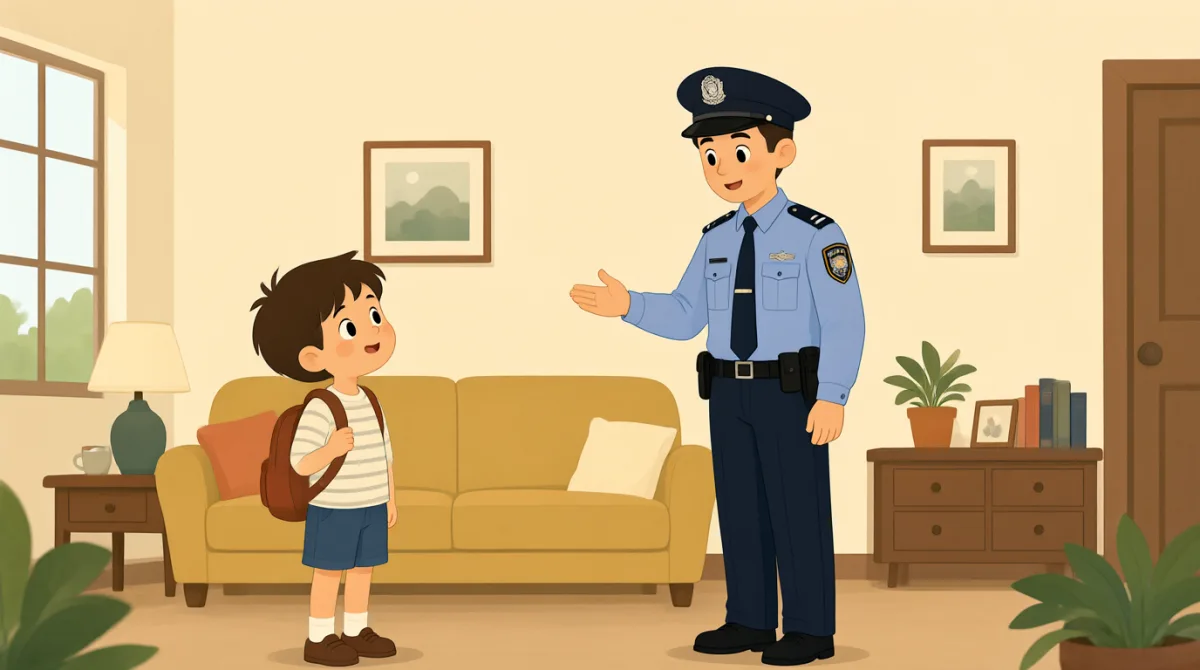

Excuse me, I think I'm a bit lost. Could you possibly point me towards the main train station?
ببخشید، فکر کنم کمی گم شدهام. ممکن است لطفاً مسیر ایستگاه قطار مرکزی را به من نشان بدهید؟

Of course! The train station isn't too far from here. Are you trying to get to the main entrance or a specific platform?
حتماً! ایستگاه قطار از اینجا خیلی دور نیست. میخواهید به ورودی اصلی بروید یا سکوی خاصی؟
Just the main entrance for now. I seem to have taken a wrong turn somewhere after visiting the park.
فعلاً فقط ورودی اصلی. انگار بعد از بازدید از پارک، یک جایی راه را اشتباه پیچیدم.
Okay, from here, walk straight down this street for about two blocks. You'll see a large supermarket on your left. Turn right there, and the station will be directly in front of you.
خب، از اینجا همین خیابان را حدود دو بلوک مستقیم بروید. یک سوپرمارکت بزرگ در سمت چپتان میبینید. همانجا به راست بپیچید؛ ایستگاه درست روبهرویتان خواهد بود.
So, straight for two blocks, past the supermarket, then turn right. Got it. Is it easy to spot?
پس دو بلوک مستقیم میروم، از سوپرمارکت رد میشوم و بعد به راست میپیچم. متوجه شدم. راحت پیداست؟
Yes, it's a very distinctive building, quite large. You can't miss it. If you have any trouble, just ask someone again once you get closer.
بله، ساختمان خیلی متمایزی است و نسبتاً بزرگ. محال است نبینیدش. اگر به مشکلی برخوردید، وقتی نزدیکتر شدید دوباره از کسی بپرسید.
Perfect! Thank you so much, I really appreciate your help. I was starting to worry I'd be wandering around all day.
عالیه! خیلی ممنون، واقعاً از کمکتان سپاسگزارم. داشتم نگران میشدم که تمام روز سرگردان بمانم.
You're welcome! Glad I could help. Have a good rest of your day!
خواهش میکنم! خوشحالم که توانستم کمک کنم. بقیه روزتان بهخیر!
واژگان6
- lostگمشده
Means you cannot find your way or location. Use it when you are in an unfamiliar place and need directions, like 'I am lost in the city.'
یعنی نمیدانید کجا هستید یا راهتان را پیدا نمیکنید. وقتی در جایی ناآشنا هستید و به آدرس نیاز دارید، از این واژه استفاده کنید؛ مثلاً: 'I am lost in the city.' (در شهر گم شدهام.)
- point me towardsمسیرِ ... را نشانم دادن
A polite way to ask someone to show or direct you to a place. It's useful in asking for directions, such as 'Point me towards the station.'
راهی مؤدبانه برای درخواست از کسی است تا مسیر جایی را به شما نشان بدهد. برای آدرسپرسیدن مفید است؛ مثلاً: 'Point me towards the station.' (مسیر ایستگاه را به من نشان بدهید.)
- wrong turnپیچ اشتباه
Refers to making a mistake by turning in the wrong direction while walking or driving. Common in navigation, like 'I took a wrong turn.'
یعنی هنگام پیادهروی یا رانندگی، اشتباهی به مسیر نادرستی بپیچید. این عبارت در صحبت درباره مسیریابی رایج است؛ مثلاً: 'I took a wrong turn.' (اشتباهی به مسیر دیگری پیچیدم.)
- blocksبلوک
In cities, a 'block' is the distance between two streets. Use it for giving directions, e.g., 'Walk two blocks straight.' It helps describe short distances.
در شهر، 'block' به فاصله بین دو خیابان گفته میشود. برای آدرسدادن از آن استفاده کنید؛ مثلاً: 'Walk two blocks straight.' (دو بلوک مستقیم بروید.) این واژه برای توصیف مسافتهای کوتاه به کار میرود.
- distinctiveمتمایز
Means something easy to recognize because it stands out, like a unique building. Useful for describing landmarks, as in 'It's a distinctive building.'
یعنی چیزی بهراحتی قابلشناسایی است، چون به چشم میآید؛ مثل ساختمانی منحصربهفرد. برای توصیف مکانهای شاخص مفید است؛ مثلاً: 'It's a distinctive building.' (ساختمان متمایزی است.)
- wanderingسرگردان بودن
Walking around aimlessly without a clear direction. Say it when describing being lost, like 'I was wandering around all day.'
یعنی بیهدف و بدون مسیر مشخص اینطرفوآنطرف رفتن. برای توصیف گمشدن به کار میرود؛ مثلاً: 'I was wandering around all day.' (تمام روز سرگردان بودم.)
جملات کلیدی7
- 1
Excuse me, I think I'm a bit lost. Could you possibly point me towards the main train station?
ببخشید، فکر کنم کمی گم شدهام. ممکن است لطفاً مسیر ایستگاه قطار مرکزی را به من نشان بدهید؟
This is a polite way to start asking for directions when lost. 'Excuse me' gets attention, 'I think I'm a bit lost' explains the problem softly, and 'Could you possibly' makes the request very courteous. Use it to approach strangers for help in new areas.
این جمله راهی مؤدبانه برای شروع آدرسپرسیدن هنگام گمشدن است. 'Excuse me' توجه طرف مقابل را جلب میکند، 'I think I'm a bit lost' مشکل را با ملایمت توضیح میدهد و 'Could you possibly' درخواست را بسیار مؤدبانه میکند. وقتی در منطقهای ناآشنا از غریبهای کمک میخواهید، از آن استفاده کنید.
- 2
The train station isn't too far from here. Are you trying to get to the main entrance or a specific platform?
ایستگاه قطار از اینجا خیلی دور نیست. میخواهید به ورودی اصلی بروید یا سکوی خاصی؟
This shows how to respond helpfully by confirming details. 'Isn't too far' reassures the person, and the question clarifies the exact destination. Useful for giving precise directions and making the helper feel involved.
این جمله نشان میدهد چطور با پرسیدن جزئیات، پاسخ مفیدی بدهید. 'Isn't too far' به طرف مقابل اطمینان میدهد و پرسش، مقصد دقیق را روشن میکند. برای دادن آدرس دقیق و درگیرکردن طرف مقابل در گفتوگو مفید است.
- 3
Just the main entrance for now. I seem to have taken a wrong turn somewhere after visiting the park.
فعلاً فقط ورودی اصلی. انگار بعد از بازدید از پارک، یک جایی راه را اشتباه پیچیدم.
Here, the speaker specifies their need and explains briefly why they're lost. 'For now' suggests it might change later, and 'seem to have' softens the statement. Practice this to give context when asking for help, helping others understand better.
گوینده در اینجا نیازش را مشخص میکند و بهاختصار توضیح میدهد چرا گم شده است. 'For now' نشان میدهد ممکن است بعداً نظرش عوض شود و 'seem to have' جمله را ملایمتر میکند. برای توضیح موقعیتتان هنگام درخواست کمک، این ساختار را تمرین کنید تا دیگران بهتر متوجه شوند.
- 4
Okay, from here, walk straight down this street for about two blocks. You'll see a large supermarket on your left. Turn right there, and the station will be directly in front of you.
خب، از اینجا همین خیابان را حدود دو بلوک مستقیم بروید. یک سوپرمارکت بزرگ در سمت چپتان میبینید. همانجا به راست بپیچید؛ ایستگاه درست روبهرویتان خواهد بود.
This is a clear step-by-step direction. It uses action words like 'walk straight,' 'turn right,' and landmarks like 'supermarket on your left.' Very practical for guiding someone; break directions into simple steps to avoid confusion.
این جمله مسیر را روشن و مرحلهبهمرحله توضیح میدهد. از عبارتهای مربوط به انجام کار، مثل 'walk straight' و 'turn right'، و نشانههایی مثل 'supermarket on your left' استفاده میکند. برای راهنماییکردن بسیار کاربردی است؛ مسیر را به گامهای ساده تقسیم کنید تا باعث سردرگمی نشود.
- 5
So, straight for two blocks, past the supermarket, then turn right. Got it. Is it easy to spot?
پس دو بلوک مستقیم میروم، از سوپرمارکت رد میشوم و بعد به راست میپیچم. متوجه شدم. راحت پیداست؟
The speaker repeats to confirm understanding, which is a good habit. 'Got it' means 'I understand,' and the question seeks reassurance. Use repetition in conversations to check clarity and build confidence in real-life interactions.
گوینده مسیر را تکرار میکند تا مطمئن شود درست متوجه شده؛ این عادت خوبی است. 'Got it' یعنی «متوجه شدم» و پرسش، اطمینان خاطر میخواهد. در گفتوگوها تکرار کنید تا از روشنبودن مطلب مطمئن شوید و در تعاملهای واقعی اعتمادبهنفس بیشتری پیدا کنید.
- 6
Yes, it's a very distinctive building, quite large. You can't miss it. If you have any trouble, just ask someone again once you get closer.
بله، ساختمان خیلی متمایزی است و نسبتاً بزرگ. محال است نبینیدش. اگر به مشکلی برخوردید، وقتی نزدیکتر شدید دوباره از کسی بپرسید.
This reassures the lost person with descriptions and advice. 'You can't miss it' means it's obvious, and the conditional 'if you have any trouble' offers backup. Helpful for ending directions positively and encouraging further help if needed.
این جمله با توصیف و پیشنهاد، به فرد گمشده اطمینان میدهد. 'You can't miss it' یعنی آنقدر واضح است که حتماً متوجهش میشوید و عبارت شرطی 'if you have any trouble' راه دیگری برای کمک پیشنهاد میکند. برای پایاندادن مثبت به راهنمایی و تشویق به کمکگرفتن دوباره در صورت نیاز، مفید است.
- 7
Perfect! Thank you so much, I really appreciate your help. I was starting to worry I'd be wandering around all day.
عالیه! خیلی ممنون، واقعاً از کمکتان سپاسگزارم. داشتم نگران میشدم که تمام روز سرگردان بمانم.
A grateful closing sentence. 'Thank you so much' and 'I really appreciate' show strong thanks, while sharing the worry adds politeness. Use this to end helpful conversations warmly, making the interaction positive.
این جمله راهی برای پایاندادن به گفتوگو با قدردانی است. 'Thank you so much' و 'I really appreciate' قدردانی زیادی را نشان میدهند و بیان نگرانی، لحن را مؤدبانهتر میکند. برای پایاندادن گرم و خوشایند به گفتوگوهایی که در آنها از شما کمک شده، از این جمله استفاده کنید.