Reporting a Minor Incident (e.g., small accident)
گزارش یک حادثهٔ جزئی (مثلاً یک تصادف کوچک)
Witnessing or being involved in a very minor incident, like a tripped and fallen person with no serious injury, and needing to report it or ask if help is needed.
شاهد یک حادثهٔ بسیار جزئی بودن یا در آن حضور داشتن، مثل زمینخوردن کسی بدون آسیب جدی، و نیاز به گزارشدادن آن یا پرسیدن اینکه آیا به کمک نیاز دارد.
گفتوگو6
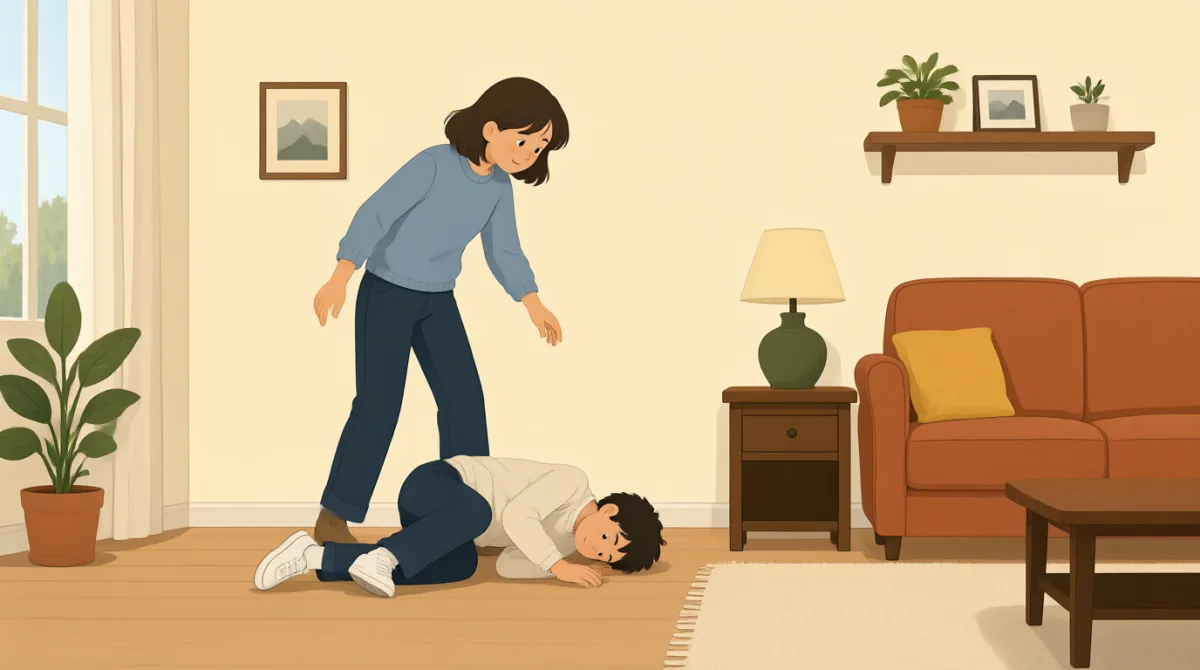

Excuse me, David? I just saw someone trip and fall near the main entrance.
ببخشید، دیوید؟ همین الان دیدم کسی نزدیک ورودی اصلی پایش گیر کرد و زمین خورد.

Oh, really? Are they okay? Did they seem hurt?
اوه، واقعاً؟ حالش خوبه؟ به نظر میرسید آسیب دیده باشه؟
They got up pretty quickly, and they said they were fine, just a bit shaken. But I wanted to make sure it was reported.
خیلی زود بلند شد و گفت حالش خوبه، فقط کمی شوکه شده. ولی خواستم مطمئن بشم که گزارش شده.
Thanks for letting me know, Emma. Good thinking. Was there anything on the ground, like a wet spot or something uneven?
ممنون که خبرم کردی، اِما. خوب شد گفتی. چیزی روی زمین بود، مثلاً جای خیس یا سطح ناهموار؟
It looked like they just caught their foot on the edge of the mat. Nothing serious, thankfully.
به نظر میرسید پاش فقط به لبهٔ زیرپایی گیر کرده. خوشبختانه چیز جدیای نبود.
Okay, that's good to hear. I'll make a note of it and check the mat to ensure it's flat. Thanks again for reporting it.
خب، خوبه که اینطور بوده. یادداشتی ازش برمیدارم و زیرپایی رو بررسی میکنم تا مطمئن بشم صافه. باز هم ممنون که گزارشش کردی.
واژگان6
- tripپای چیزی گیر کردن
To trip means to catch your foot on something and almost fall, often leading to a stumble. Use it in safety contexts like 'I tripped on the step' to describe minor accidents.
Trip یعنی پایت به چیزی گیر کند و نزدیک باشد زمین بخوری؛ این اتفاق اغلب باعث تلوتلوخوردن میشود. در موقعیتهای ایمنی، برای توصیف حادثههای جزئی میتوانی بگویی 'I tripped on the step' (پایم به پله گیر کرد).
- fallزمین خوردن
To fall is to drop suddenly to the ground, often by accident. It's common in emergency reports, e.g., 'She fell down the stairs,' to describe incidents.
Fall یعنی ناگهان و اغلب بهطور اتفاقی روی زمین افتادن. این واژه در گزارشهای اضطراری رایج است؛ مثلاً 'She fell down the stairs' یعنی «او از پلهها افتاد». برای توصیف حادثهها از آن استفاده میشود.
- shakenشوکهشده
Shaken means feeling upset or surprised after a shock, but not physically injured. Use it like 'He was a bit shaken after the fall' to show emotional impact in minor incidents.
Shaken یعنی بعد از یک اتفاق ناگهانی یا شوکآور، آشفته یا غافلگیر بودن، بدون اینکه آسیب جسمی دیده باشی. مثلاً 'He was a bit shaken after the fall' یعنی «او بعد از زمینخوردن کمی شوکه شده بود». این عبارت تأثیر روحی حادثههای جزئی را نشان میدهد.
- reportedگزارششده
Reported means to tell someone in authority about an event. In safety situations, say 'I reported the accident' to show responsibility and follow procedures.
Reported یعنی دربارهٔ اتفاقی به فردی مسئول یا صاحباختیار خبر داده شده باشد. در موقعیتهای ایمنی میتوانی بگویی 'I reported the accident' (حادثه را گزارش کردم) تا نشان بدهی مسئولانه عمل کردهای و رویهها را رعایت کردهای.
- unevenناهموار
Uneven describes a surface that is not flat or smooth, which can cause slips. Useful in warnings like 'Watch out for the uneven sidewalk' to prevent accidents.
Uneven سطحی را توصیف میکند که صاف یا هموار نیست و ممکن است باعث لیزخوردن شود. برای هشدار دادن و پیشگیری از حادثه، عبارت 'Watch out for the uneven sidewalk' (مواظب پیادهروی ناهموار باش) کاربرد دارد.
- matزیرپایی
A mat is a small rug or piece of material on the floor, often at entrances. Mention it in reports like 'The mat was causing the problem' for hazard descriptions.
Mat فرش یا تکهای کوچک از جنس پارچه یا مواد دیگر است که روی زمین میاندازند و معمولاً کنار ورودیها قرار میگیرد. برای توصیف خطرها در گزارشها میتوانی بگویی 'The mat was causing the problem' (زیرپایی باعث مشکل شده بود).
جملات کلیدی6
- 1
Excuse me, David? I just saw someone trip and fall near the main entrance.
ببخشید، دیوید؟ همین الان دیدم کسی نزدیک ورودی اصلی پایش گیر کرد و زمین خورد.
This polite way to start a conversation uses 'Excuse me' to get attention and reports an incident immediately. Useful for interrupting politely in emergencies; the past tense 'saw' describes what happened recently.
این شروع مؤدبانهٔ مکالمه با 'Excuse me' (ببخشید) توجه طرف مقابل را جلب میکند و بلافاصله اتفاقی را گزارش میدهد. برای حرفزدن مؤدبانه در موقعیتهای اضطراری مفید است؛ فعل گذشتهٔ 'saw' هم اتفاقی را توصیف میکند که همین اواخر رخ داده است.
- 2
Oh, really? Are they okay? Did they seem hurt?
اوه، واقعاً؟ حالش خوبه؟ به نظر میرسید آسیب دیده باشه؟
This shows concern with questions using 'okay' for general well-being and 'hurt' for injury. Practice for responding to reports; 'seem' expresses observation without certainty, common in safety checks.
این جمله با پرسشهایی که در آنها 'okay' برای پرسیدن از حال عمومی و 'hurt' برای پرسیدن دربارهٔ آسیب به کار رفته، نگرانی را نشان میدهد. برای واکنش به گزارشهای حادثه تمرینش کن؛ 'seem' بیانگر چیزی است که به نظر میرسد، نه چیزی که از آن مطمئن باشیم، و در بررسیهای ایمنی رایج است.
- 3
They got up pretty quickly, and they said they were fine, just a bit shaken.
خیلی زود بلند شد و گفت حالش خوبه، فقط کمی شوکه شده.
This describes the outcome using past tense actions like 'got up' and reported speech 'they said.' Useful to update on minor incidents; 'pretty quickly' adds detail on speed, and 'just a bit' softens the impact.
این جمله نتیجهٔ حادثه را با فعلهای گذشتهای مثل 'got up' و نقلقول غیرمستقیم با 'they said' توصیف میکند. برای خبررسانی دربارهٔ حادثههای جزئی مفید است؛ 'pretty quickly' جزئیاتی دربارهٔ سرعت میدهد و 'just a bit' شدت موضوع را کمتر نشان میدهد.
- 4
But I wanted to make sure it was reported.
ولی خواستم مطمئن بشم که گزارش شده.
This expresses caution with 'make sure' followed by passive 'was reported.' Ideal for emphasizing responsibility in safety protocols; use it when following up on potential hazards.
این جمله با 'make sure' و ساختار مجهول 'was reported' احتیاط را نشان میدهد. برای تأکید بر مسئولیتپذیری در رعایت دستورالعملهای ایمنی مناسب است و وقتی میخواهی پیگیر خطرهای احتمالی شوی، میتوانی از آن استفاده کنی.
- 5
Was there anything on the ground, like a wet spot or something uneven?
چیزی روی زمین بود، مثلاً جای خیس یا سطح ناهموار؟
This asks for details using examples with 'like' and vague 'something.' Helpful in investigations; the question form encourages more information, key for identifying causes in reports.
این پرسش با استفاده از 'like' برای آوردن مثال و 'something' برای اشارهای کلی، جزئیات بیشتری میخواهد. در بررسی حادثهها مفید است؛ شکل پرسشی جمله طرف مقابل را به ارائهٔ اطلاعات بیشتر تشویق میکند که برای شناسایی علتها در گزارشها اهمیت دارد.
- 6
I'll make a note of it and check the mat to ensure it's flat.
یادداشتی ازش برمیدارم و زیرپایی رو بررسی میکنم تا مطمئن بشم صافه.
This promises action with future 'I'll' and 'to ensure' for purpose. Practical for confirming follow-up; 'make a note' means recording, useful in professional safety responses.
این جمله با آیندهٔ 'I'll' وعدهٔ انجام کار میدهد و 'to ensure' هدف را بیان میکند. برای تأیید اینکه پیگیری انجام میشود کاربردی است؛ 'make a note' یعنی چیزی را ثبتکردن و در واکنشهای حرفهای به مسائل ایمنی مفید است.