Asking About Routines and Meals
السؤال عن الروتين والوجبات
Emma and Jack ask Grace about nap times, outdoor play, and what the children eat. Grace explains how the daycare handles allergies and keeps parents informed.
تسأل إيما وجاك غريس عن أوقات القيلولة، واللعب في الخارج، وما يأكله الأطفال. وتشرح غريس كيف تتعامل الحضانة مع الحساسية الغذائية وكيف تُبقي الوالدين على اطلاع.
حوار10
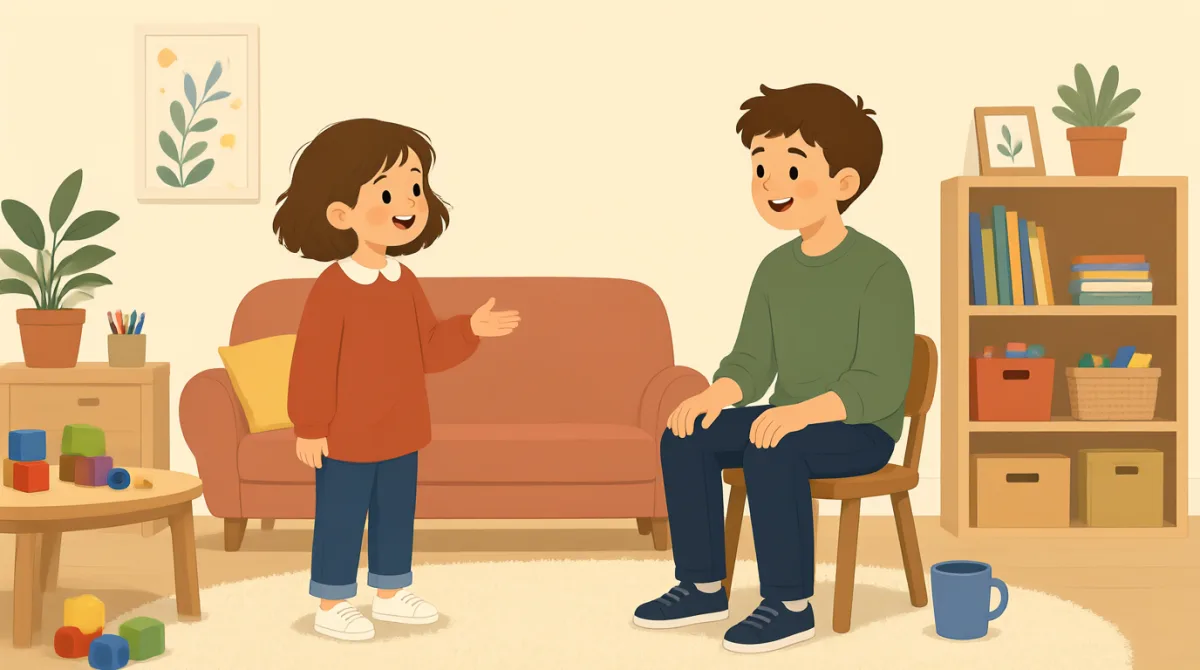

Could you walk us through a typical day? We’re especially curious about nap times and how much time the kids spend outside.
هل يمكنك أن تشرحي لنا كيف يمضي يوم عادي؟ نحن مهتمان بشكل خاص بأوقات القيلولة ومقدار الوقت الذي يقضيه الأطفال في الخارج.

Of course. Younger children usually nap after lunch, while older ones can rest quietly or look at books if they’re not sleepy.
بالتأكيد. عادةً ما يأخذ الأطفال الأصغر سنًا قيلولة بعد الغداء، بينما يمكن للأطفال الأكبر سنًا أن يستريحوا بهدوء أو يتصفحوا الكتب إذا لم يشعروا بالنعاس.

That sounds sensible. And do they get outdoor time every day, or does it depend on the weather?
يبدو ذلك منطقيًا. وهل يخرجون إلى الهواء الطلق كل يوم، أم يعتمد ذلك على الطقس؟
We go outside every day unless the weather is unsafe. The children can run around, play, and get some fresh air.
نخرج كل يوم ما لم يكن الطقس غير آمن. ويمكن للأطفال أن يركضوا ويلعبوا ويستنشقوا بعض الهواء النقي.
Great. What do you usually serve for lunch and snacks? We’d also like to know how you handle food allergies.
رائع. ماذا تقدمون عادةً في الغداء والوجبات الخفيفة؟ ونود أيضًا أن نعرف كيف تتعاملون مع الحساسية الغذائية.
Lunch is usually a balanced meal with vegetables, grains, and protein. We record each child’s allergies and keep those foods separate.
عادةً ما يكون الغداء وجبة متوازنة تحتوي على الخضروات والحبوب والبروتين. نسجل حساسية كل طفل ونحفظ تلك الأطعمة منفصلة.
If a child has a serious allergy, do all the staff know what to do in an emergency?
إذا كان لدى أحد الأطفال حساسية شديدة، فهل يعرف جميع الموظفين ما يجب فعله في حالات الطوارئ؟
Yes. Staff review allergy plans regularly, and we make sure everyone knows the steps to take. We also contact parents right away if there’s a concern.
نعم. يراجع الموظفون خطط التعامل مع الحساسية بانتظام، ونتأكد من أن الجميع يعرف الخطوات التي يجب اتباعها. كما نتصل بالوالدين فورًا إذا كان هناك ما يدعو للقلق.
That’s reassuring. How do you keep parents updated about meals, naps, and how their child’s day went?
هذا يبعث على الاطمئنان. كيف تُبقون الوالدين على اطلاع بوجبات أطفالهم وقيلولاتهم وكيف كان يوم طفلهم؟
We send a daily update with meals, rest, and activities. If anything unusual comes up, we’ll call rather than leave you guessing.
نرسل تحديثًا يوميًا يتضمن الوجبات وفترات الراحة والأنشطة. وإذا طرأ أي أمر غير معتاد، فسنتصل بكم بدلًا من أن نترككم في حيرة من أمركم.
المفردات7
- walk us through a typical dayيشرح لنا تفاصيل يوم عادي
To explain the usual schedule step by step. You can use this when asking someone to describe a routine.
تعني شرح الجدول المعتاد خطوةً خطوة. يمكنك استخدام العبارة “walk us through a typical day” عندما تطلب من شخص وصف روتين معيّن.
- rest quietlyيستريح بهدوء
To relax without making much noise or doing active things. Here, older children can rest even if they are not sleepy.
تعني الاسترخاء من دون إحداث ضوضاء كبيرة أو القيام بأشياء نشطة. وهنا، يستطيع الأطفال الأكبر سنًا أن يستريحوا حتى إذا لم يكونوا يشعرون بالنعاس.
- get some fresh airيستنشق بعض الهواء النقي
To spend time outside and breathe outdoor air. It is often used when talking about taking a break or going outdoors.
تعني قضاء بعض الوقت في الخارج والتنفس في الهواء الطلق. تُستخدم غالبًا عند الحديث عن أخذ استراحة أو الخروج إلى الخارج.
- food allergiesالحساسية الغذائية
These are reactions to certain foods that can make someone ill. The phrase is useful when discussing dietary needs and safety.
هي ردود فعل تجاه أطعمة معينة قد تجعل الشخص مريضًا. وتفيد عبارة “food allergies” عند مناقشة الاحتياجات الغذائية والسلامة.
- in an emergencyفي حالات الطوارئ
Means during a sudden, serious situation that needs quick action. You can use it to ask what people should do if something goes wrong.
تعني أثناء حدوث موقف مفاجئ وخطير يتطلب اتخاذ إجراء سريعًا. يمكنك استخدام عبارة “in an emergency” للسؤال عما ينبغي أن يفعله الناس إذا حدث خطب ما.
- keep parents updatedيُبقي الوالدين على اطلاع
To regularly give parents new information. This phrase is useful when asking how a school or daycare communicates with families.
تعني تزويد الوالدين بانتظام بالمعلومات الجديدة. وتفيد عبارة “keep parents updated” عند السؤال عن كيفية تواصل مدرسة أو حضانة مع العائلات.
- leave you guessingيتركك في حيرة من أمرك
To make you uncertain because you have not been told what happened. Here, Grace promises to call parents instead of leaving them unsure.
تعني أن تجعلك غير متأكد لأنك لم تُبلَّغ بما حدث. وهنا، تعد غريس بالاتصال بالوالدين بدلًا من تركهما في حيرة من أمرهما.
الجمل الأساسية7
- 1
Could you walk us through a typical day?
هل يمكنك أن تشرحي لنا كيف يمضي يوم عادي؟
This is a polite way to ask someone to explain a usual routine. Replace “a typical day” with another routine or process you want to understand.
هذه طريقة مهذبة لطلب أن يشرح لك شخص ما الروتين المعتاد. استبدل “a typical day” بروتين أو عملية أخرى تريد فهمها.
- 2
Younger children usually nap after lunch, while older ones can rest quietly or look at books if they’re not sleepy.
عادةً ما يأخذ الأطفال الأصغر سنًا قيلولة بعد الغداء، بينما يمكن للأطفال الأكبر سنًا أن يستريحوا بهدوء أو يتصفحوا الكتب إذا لم يشعروا بالنعاس.
This sentence compares routines for two groups using “while.” Use the same structure to explain how different people or groups do things.
تقارن هذه الجملة بين روتين مجموعتين باستخدام “while”. استخدم البنية نفسها لشرح كيفية قيام أشخاص أو مجموعات مختلفة بالأشياء.
- 3
We go outside every day unless the weather is unsafe.
نخرج كل يوم ما لم يكن الطقس غير آمن.
This explains a regular plan and the condition that can change it. Use “unless” to say something happens except when a particular condition applies.
تشرح هذه الجملة خطة منتظمة والشرط الذي يمكن أن يغيّرها. استخدم “unless” لتقول إن شيئًا ما يحدث باستثناء الحالة التي ينطبق فيها شرط معين.
- 4
We’d also like to know how you handle food allergies.
ونود أيضًا أن نعرف كيف تتعاملون مع الحساسية الغذائية.
This is a polite way to ask how someone deals with an important concern. You can replace “food allergies” with another topic you need information about.
هذه طريقة مهذبة للسؤال عن كيفية تعامل شخص ما مع أمر مهم. يمكنك استبدال “food allergies” بموضوع آخر تحتاج إلى معلومات عنه.
- 5
If a child has a serious allergy, do all the staff know what to do in an emergency?
إذا كان لدى أحد الأطفال حساسية شديدة، فهل يعرف جميع الموظفين ما يجب فعله في حالات الطوارئ؟
This question checks whether people are prepared for a specific situation. Use “If ..., do ...?” to ask about plans for possible events.
يتحقق هذا السؤال مما إذا كان الناس مستعدين لموقف محدد. استخدم “If ..., do ...?” للسؤال عن الخطط المتعلقة بأحداث محتملة.
- 6
We send a daily update with meals, rest, and activities.
نرسل تحديثًا يوميًا يتضمن الوجبات وفترات الراحة والأنشطة.
This clearly describes what information is shared and how often. You can adapt it to explain what a service includes in a regular update.
تصف هذه الجملة بوضوح المعلومات التي تتم مشاركتها وعدد مرات مشاركتها. يمكنك تكييفها لشرح ما تتضمنه خدمة ما في تحديث منتظم.
- 7
If anything unusual comes up, we’ll call rather than leave you guessing.
وإذا طرأ أي أمر غير معتاد، فسنتصل بكم بدلًا من أن نترككم في حيرة من أمركم.
This explains what someone will do if a problem or unexpected event happens. “Rather than” introduces the action they prefer to take.
تشرح هذه الجملة ما سيفعله شخص ما إذا حدثت مشكلة أو واقعة غير متوقعة. وتقدم “Rather than” الإجراء الذي يفضّلون اتخاذه.