Making a List of Questions
إعداد قائمة بالأسئلة
Emma and Jack prepare questions before visiting nearby daycares. They decide to ask about staff experience, safety, daily routines, and fees.
تُعِدّ إيما وجاك أسئلة قبل زيارة دور الحضانة القريبة. ويقرران الاستفسار عن خبرة الموظفين والسلامة والروتين اليومي والرسوم.
حوار8
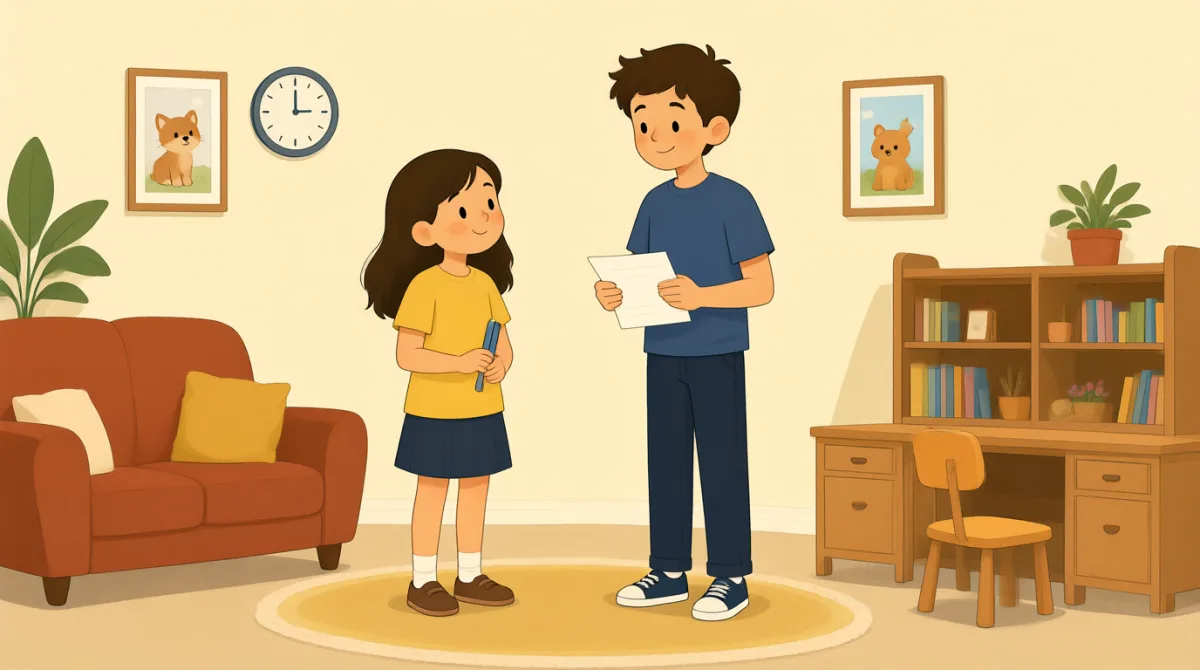

I found three daycares near us. Before we visit, let’s make a list of questions so we don’t forget anything.
وجدتُ ثلاث دور حضانة بالقرب منا. قبل أن نزورها، لنُعِدّ قائمة بالأسئلة حتى لا ننسى شيئًا.

Good idea. We should ask how much experience the staff have and whether they’re trained in first aid.
فكرة جيدة. ينبغي أن نسأل عن مقدار خبرة الموظفين وما إذا كانوا مدرَّبين على الإسعافات الأولية.
Definitely. And we should ask how many children each staff member looks after. I want to know they’ll get enough attention.
بالتأكيد. وينبغي أن نسأل أيضًا عن عدد الأطفال الذين يرعاهم كل موظف. أريد أن أعرف أنهم سيحظون باهتمام كافٍ.
Let’s ask about safety, too—how they handle pick-ups, emergencies, and visitors. Those details really matter.
لنسأل عن السلامة أيضًا: كيف يتعاملون مع استلام الأطفال، وحالات الطوارئ، والزوار. هذه التفاصيل مهمة فعلًا.
Right. I’d also like to know what a typical day looks like, including meals, naps, and outdoor play.
صحيح. وأود أيضًا أن أعرف كيف يسير اليوم المعتاد، بما في ذلك الوجبات والقيلولة واللعب في الخارج.
We should check the fees and ask what’s included. Some places charge extra for meals or early drop-off.
ينبغي أن نتحقق من الرسوم ونسأل عمّا تشمله. فبعض الأماكن تفرض رسومًا إضافية على الوجبات أو على إحضار الأطفال مبكرًا.
Good point. Let’s ask about their hours and whether they offer flexible drop-off. Our schedules can change.
صحيح. لنسأل عن ساعات العمل وما إذا كانوا يتيحون مواعيد مرنة لإحضار الأطفال. فقد تتغير مواعيدنا.
I’ll write everything down on my phone. Then we can compare the answers after we visit each place.
سأدوّن كل شيء على هاتفي. وبعدها يمكننا مقارنة الإجابات بعد زيارة كل مكان.
المفردات8
- make a list of questionsيُعِدّ قائمة بالأسئلة
To write down questions you want to ask. Here, Emma and Jack do this so they remember what to check at each daycare.
أي تدوين الأسئلة التي تريد طرحها. هنا، تفعل إيما وجاك ذلك حتى يتذكّرا ما ينبغي التحقق منه في كل دار حضانة.
- trained in first aidمدرَّب على الإسعافات الأولية
Having learned how to give basic medical help in an emergency. You can ask whether staff members are trained in first aid.
أي تعلّم كيفية تقديم المساعدة الطبية الأساسية في حالات الطوارئ. يمكنك أن تسأل عمّا إذا كان الموظفون مدرَّبين على الإسعافات الأولية.
- looks afterيرعى
Takes care of someone. Here, it describes how many children each staff member is responsible for.
يتولى العناية بشخص ما. وهنا، تصف العبارة عدد الأطفال الذين يكون كل موظف مسؤولًا عنهم.
- get enough attentionيحظى باهتمام كافٍ
Receive enough care and notice from other people. You can use this phrase when talking about whether a child will be well cared for.
يتلقى قدرًا كافيًا من الرعاية والاهتمام من الآخرين. يمكنك استخدام هذه العبارة عند الحديث عمّا إذا كان الطفل سيحظى برعاية جيدة.
- handle pick-upsيتعامل مع استلام الأطفال
Manage the process of children being collected. It is useful when asking about a daycare’s safety procedures.
ينظّم عملية اصطحاب الأطفال من الحضانة. تفيد هذه العبارة عند الاستفسار عن إجراءات السلامة في دار الحضانة.
- what a typical day looks likeكيف يسير اليوم المعتاد
What usually happens during a normal day. You can use this phrase to ask about someone’s routine or a service’s schedule.
ما الذي يحدث عادةً خلال يوم عادي. يمكنك استخدام هذه العبارة للسؤال عن روتين شخص ما أو جدول خدمة ما.
- what’s includedما الذي تشمله الرسوم
What is covered as part of a price or service. You can ask this before paying for childcare or another service.
ما الذي يغطيه السعر أو تشتمل عليه الخدمة. يمكنك الاستفسار عن ذلك قبل دفع تكاليف رعاية الأطفال أو أي خدمة أخرى.
- flexible drop-offمواعيد مرنة لإحضار الأطفال
A drop-off arrangement that can adjust to different schedules. Here, it means being able to bring a child in at different times.
ترتيب لإحضار الأطفال يمكن تكييفه ليناسب جداول مختلفة. وهنا، يعني إمكانية إحضار الطفل في أوقات مختلفة.
الجمل الأساسية8
- 1
Before we visit, let’s make a list of questions so we don’t forget anything.
قبل أن نزور المكان، لنُعِدّ قائمة بالأسئلة حتى لا ننسى شيئًا.
This is a natural way to suggest preparing before a visit. Use “let’s make a list of questions” when planning an appointment, tour, or meeting.
هذه طريقة طبيعية لاقتراح الاستعداد قبل الزيارة. استخدم “let’s make a list of questions” (لنُعِدّ قائمة بالأسئلة) عند التخطيط لموعد أو جولة أو اجتماع.
- 2
We should ask how much experience the staff have and whether they’re trained in first aid.
ينبغي أن نسأل عن مقدار خبرة الموظفين وما إذا كانوا مدرَّبين على الإسعافات الأولية.
This sentence combines two useful questions about staff qualifications. Reuse “We should ask…” to suggest information to check before making a decision.
تجمع هذه الجملة بين سؤالين مفيدين عن مؤهلات الموظفين. أَعِد استخدام “We should ask…” (ينبغي أن نسأل...) لاقتراح المعلومات التي يجب التحقق منها قبل اتخاذ قرار.
- 3
And we should ask how many children each staff member looks after.
وينبغي أن نسأل عن عدد الأطفال الذين يرعاهم كل موظف.
This is a clear way to ask about the number of people one staff member cares for. Replace “children” with another group, such as customers or students, to fit a different situation.
هذه طريقة واضحة للسؤال عن عدد الأشخاص الذين يرعاهم موظف واحد. استبدل “children” بكلمة تدل على مجموعة أخرى، مثل العملاء أو الطلاب، لتناسب موقفًا مختلفًا.
- 4
Those details really matter.
هذه التفاصيل مهمة فعلًا.
This short sentence emphasizes that some information is important. Use it after mentioning details that could affect a decision.
تؤكد هذه الجملة القصيرة أهمية بعض المعلومات. استخدمها بعد ذكر تفاصيل قد تؤثر في قرار ما.
- 5
I’d also like to know what a typical day looks like, including meals, naps, and outdoor play.
وأود أيضًا أن أعرف كيف يسير اليوم المعتاد، بما في ذلك الوجبات والقيلولة واللعب في الخارج.
This politely asks for a description of a normal routine. You can reuse “I’d also like to know…” to add another question.
تطلب هذه الجملة بأدب وصفًا للروتين المعتاد. يمكنك إعادة استخدام “I’d also like to know…” (وأود أيضًا أن أعرف...) لإضافة سؤال آخر.
- 6
We should check the fees and ask what’s included.
ينبغي أن نتحقق من الرسوم ونسأل عمّا تشمله.
This is a useful way to make sure you understand the price and what it covers. Replace “fees” with “cost” or “price” when talking about other services.
هذه طريقة مفيدة للتأكد من فهم السعر وما يغطيه. استبدل “fees” بكلمة “cost” أو “price” عند الحديث عن خدمات أخرى.
- 7
Let’s ask about their hours and whether they offer flexible drop-off.
لنسأل عن ساعات العمل وما إذا كانوا يتيحون مواعيد مرنة لإحضار الأطفال.
This sentence suggests checking opening times and whether arrival times can vary. Use “whether they offer…” to ask if a business provides a particular option.
تقترح هذه الجملة التحقق من ساعات العمل وما إذا كان من الممكن تغيير مواعيد الوصول. استخدم “whether they offer…” للسؤال عمّا إذا كانت جهة ما توفر خيارًا معينًا.
- 8
Then we can compare the answers after we visit each place.
بعدها يمكننا مقارنة الإجابات بعد زيارة كل مكان.
This explains how to make a decision after gathering information. Reuse “compare the answers” when evaluating several services or options.
توضح هذه الجملة كيفية اتخاذ قرار بعد جمع المعلومات. أَعِد استخدام “compare the answers” (مقارنة الإجابات) عند تقييم عدة خدمات أو خيارات.