Asking About Routines and Meals
রুটিন ও খাবার সম্পর্কে জিজ্ঞাসা করা
Emma and Jack ask Grace about nap times, outdoor play, and what the children eat. Grace explains how the daycare handles allergies and keeps parents informed.
এমা ও জ্যাক গ্রেসের কাছে ঘুমের সময়, বাইরে খেলাধুলা এবং শিশুরা কী খায় সে সম্পর্কে জানতে চায়। গ্রেস জানান, ডে-কেয়ার কীভাবে খাবারে অ্যালার্জির বিষয়টি সামলায় এবং অভিভাবকদের নিয়মিত তথ্য জানায়।
সংলাপ10
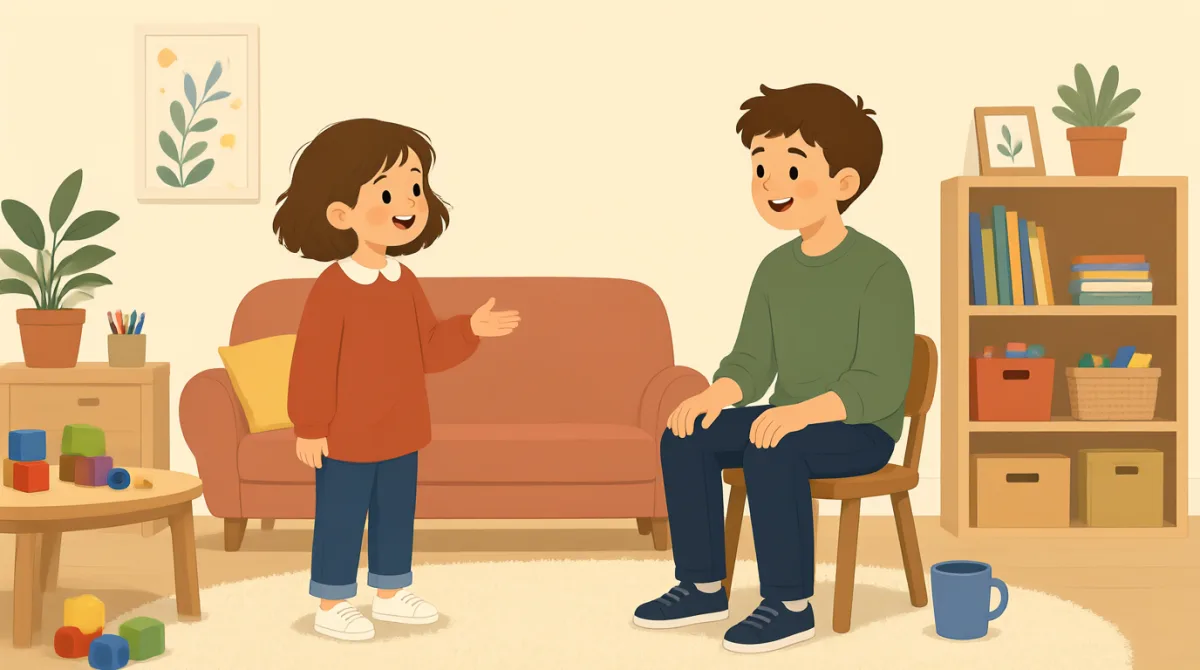

Could you walk us through a typical day? We’re especially curious about nap times and how much time the kids spend outside.
আপনি কি আমাদের একটি সাধারণ দিনের রুটিন ধাপে ধাপে বুঝিয়ে বলতে পারেন? আমরা বিশেষ করে ঘুমের সময় এবং বাচ্চারা কতটা সময় বাইরে কাটায়, তা জানতে আগ্রহী।

Of course. Younger children usually nap after lunch, while older ones can rest quietly or look at books if they’re not sleepy.
অবশ্যই। ছোট শিশুরা সাধারণত দুপুরের খাবারের পর ঘুমায়, আর বড়রা ঘুম পেলে না-ও ঘুমাতে পারে—তারা চুপচাপ বিশ্রাম নিতে বা বই দেখতে পারে।

That sounds sensible. And do they get outdoor time every day, or does it depend on the weather?
বেশ যুক্তিসঙ্গত মনে হচ্ছে। আর তারা কি প্রতিদিন বাইরে সময় কাটায়, নাকি সেটা আবহাওয়ার ওপর নির্ভর করে?
We go outside every day unless the weather is unsafe. The children can run around, play, and get some fresh air.
আবহাওয়া বিপজ্জনক না হলে আমরা প্রতিদিনই বাইরে যাই। শিশুরা দৌড়াদৌড়ি করতে, খেলতে এবং কিছুটা নির্মল বাতাসে শ্বাস নিতে পারে।
Great. What do you usually serve for lunch and snacks? We’d also like to know how you handle food allergies.
দারুণ। আপনারা সাধারণত দুপুরের খাবার ও জলখাবারে কী পরিবেশন করেন? খাবারে অ্যালার্জির বিষয়টি কীভাবে সামলান, সেটাও আমরা জানতে চাই।
Lunch is usually a balanced meal with vegetables, grains, and protein. We record each child’s allergies and keep those foods separate.
দুপুরের খাবারে সাধারণত শাকসবজি, শস্যজাতীয় খাবার ও প্রোটিনসহ সুষম খাবার থাকে। আমরা প্রতিটি শিশুর অ্যালার্জির তথ্য নথিভুক্ত করি এবং ওই খাবারগুলো আলাদা রাখি।
If a child has a serious allergy, do all the staff know what to do in an emergency?
কোনো শিশুর গুরুতর অ্যালার্জি থাকলে, জরুরি অবস্থায় কী করতে হবে তা কি সব কর্মী জানেন?
Yes. Staff review allergy plans regularly, and we make sure everyone knows the steps to take. We also contact parents right away if there’s a concern.
হ্যাঁ। কর্মীরা নিয়মিত অ্যালার্জি-সংক্রান্ত পরিকল্পনাগুলো পর্যালোচনা করেন এবং আমরা নিশ্চিত করি যে সবাই কী কী পদক্ষেপ নিতে হবে তা জানেন। কোনো উদ্বেগের বিষয় থাকলে আমরা সঙ্গে সঙ্গে অভিভাবকদেরও যোগাযোগ করি।
That’s reassuring. How do you keep parents updated about meals, naps, and how their child’s day went?
এটা শুনে নিশ্চিন্ত লাগছে। খাবার, বিশ্রাম এবং তাদের সন্তানের দিনটি কেমন কাটল—এসব বিষয়ে আপনারা কীভাবে অভিভাবকদের আপডেট দেন?
We send a daily update with meals, rest, and activities. If anything unusual comes up, we’ll call rather than leave you guessing.
আমরা খাবার, বিশ্রাম ও কার্যক্রমের বিবরণসহ প্রতিদিনের একটি আপডেট পাঠাই। অস্বাভাবিক কিছু ঘটলে আপনাদের অনিশ্চয়তায় না রেখে আমরা ফোন করব।
শব্দভান্ডার7
- walk us through a typical dayএকটি সাধারণ দিনের রুটিন ধাপে ধাপে বুঝিয়ে বলা
To explain the usual schedule step by step. You can use this when asking someone to describe a routine.
কোনো দিনের স্বাভাবিক সময়সূচি ধাপে ধাপে ব্যাখ্যা করা বোঝায়। কাউকে তার দৈনন্দিন রুটিন বর্ণনা করতে বলার সময় এই বাক্যাংশটি ব্যবহার করতে পারেন।
- rest quietlyচুপচাপ বিশ্রাম নেওয়া
To relax without making much noise or doing active things. Here, older children can rest even if they are not sleepy.
বেশি শব্দ না করে বা সক্রিয় কোনো কাজ না করে আরাম করা বোঝায়। এখানে বড় শিশুরা ঘুম না পেলেও বিশ্রাম নিতে পারে।
- get some fresh airনির্মল বাতাসে শ্বাস নেওয়া
To spend time outside and breathe outdoor air. It is often used when talking about taking a break or going outdoors.
বাইরে কিছুটা সময় কাটিয়ে বাইরের বাতাসে শ্বাস নেওয়া বোঝায়। বিরতি নেওয়া বা বাইরে যাওয়ার কথা বলার সময় এটি প্রায়ই ব্যবহার করা হয়।
- food allergiesখাবারে অ্যালার্জি
These are reactions to certain foods that can make someone ill. The phrase is useful when discussing dietary needs and safety.
নির্দিষ্ট কিছু খাবারের কারণে শরীরে যে প্রতিক্রিয়া হয় এবং যার ফলে কেউ অসুস্থ হয়ে পড়তে পারে, তা বোঝায়। খাদ্যসংক্রান্ত প্রয়োজন ও নিরাপত্তা নিয়ে আলোচনা করার সময় এই বাক্যাংশটি কার্যকর।
- in an emergencyজরুরি অবস্থায়
Means during a sudden, serious situation that needs quick action. You can use it to ask what people should do if something goes wrong.
দ্রুত পদক্ষেপ নেওয়া দরকার এমন আকস্মিক ও গুরুতর পরিস্থিতিতে—এমন অর্থ বোঝায়। কিছু ভুল হলে মানুষের কী করা উচিত, তা জানতে এই বাক্যাংশ ব্যবহার করতে পারেন।
- keep parents updatedঅভিভাবকদের আপডেট দেওয়া
To regularly give parents new information. This phrase is useful when asking how a school or daycare communicates with families.
অভিভাবকদের নিয়মিত নতুন তথ্য জানানো বোঝায়। কোনো স্কুল বা ডে-কেয়ার কীভাবে পরিবারের সঙ্গে যোগাযোগ করে, তা জানতে এই বাক্যাংশটি ব্যবহার করা যায়।
- leave you guessingআপনাকে অনিশ্চয়তায় রাখা
To make you uncertain because you have not been told what happened. Here, Grace promises to call parents instead of leaving them unsure.
কী ঘটেছে তা না জানিয়ে আপনাকে অনিশ্চিত অবস্থায় রাখা বোঝায়। এখানে গ্রেস প্রতিশ্রুতি দিচ্ছেন যে অভিভাবকদের অনিশ্চয়তায় না রেখে তিনি ফোন করবেন।
গুরুত্বপূর্ণ বাক্য7
- 1
Could you walk us through a typical day?
আপনি কি আমাদের একটি সাধারণ দিনের রুটিন ধাপে ধাপে বুঝিয়ে বলতে পারেন?
This is a polite way to ask someone to explain a usual routine. Replace “a typical day” with another routine or process you want to understand.
কাউকে তার স্বাভাবিক রুটিন ব্যাখ্যা করতে বলার এটি একটি ভদ্র উপায়। আপনি যে অন্য কোনো রুটিন বা প্রক্রিয়া বুঝতে চান, তার নাম দিয়ে “a typical day” বদলে দিতে পারেন।
- 2
Younger children usually nap after lunch, while older ones can rest quietly or look at books if they’re not sleepy.
ছোট শিশুরা সাধারণত দুপুরের খাবারের পর ঘুমায়, আর বড়রা ঘুম পেলে না-ও ঘুমাতে পারে—তারা চুপচাপ বিশ্রাম নিতে বা বই দেখতে পারে।
This sentence compares routines for two groups using “while.” Use the same structure to explain how different people or groups do things.
এই বাক্যে “while” ব্যবহার করে দুটি দলের রুটিনের তুলনা করা হয়েছে। বিভিন্ন ব্যক্তি বা দল কীভাবে আলাদা কাজ করে, তা ব্যাখ্যা করতে একই কাঠামো ব্যবহার করুন।
- 3
We go outside every day unless the weather is unsafe.
আবহাওয়া বিপজ্জনক না হলে আমরা প্রতিদিনই বাইরে যাই।
This explains a regular plan and the condition that can change it. Use “unless” to say something happens except when a particular condition applies.
এতে একটি নিয়মিত পরিকল্পনা এবং যে পরিস্থিতি সেটি বদলে দিতে পারে, তা ব্যাখ্যা করা হয়েছে। কোনো নির্দিষ্ট পরিস্থিতি প্রযোজ্য হলে কিছু ঘটে না—এ কথা বলতে “unless” ব্যবহার করুন।
- 4
We’d also like to know how you handle food allergies.
খাবারে অ্যালার্জির বিষয়টি কীভাবে সামলান, সেটাও আমরা জানতে চাই।
This is a polite way to ask how someone deals with an important concern. You can replace “food allergies” with another topic you need information about.
গুরুত্বপূর্ণ কোনো উদ্বেগের বিষয় কীভাবে সামলানো হয়, তা জানতে এটি একটি ভদ্র উপায়। আপনার যে বিষয়ে তথ্য দরকার, তার নাম দিয়ে “food allergies” বদলে দিতে পারেন।
- 5
If a child has a serious allergy, do all the staff know what to do in an emergency?
কোনো শিশুর গুরুতর অ্যালার্জি থাকলে, জরুরি অবস্থায় কী করতে হবে তা কি সব কর্মী জানেন?
This question checks whether people are prepared for a specific situation. Use “If ..., do ...?” to ask about plans for possible events.
এই প্রশ্নের মাধ্যমে নির্দিষ্ট একটি পরিস্থিতির জন্য মানুষ প্রস্তুত কি না, তা যাচাই করা হয়। সম্ভাব্য কোনো ঘটনার পরিকল্পনা সম্পর্কে জানতে “If ..., do ...?” ব্যবহার করুন।
- 6
We send a daily update with meals, rest, and activities.
আমরা খাবার, বিশ্রাম ও কার্যক্রমের বিবরণসহ প্রতিদিনের একটি আপডেট পাঠাই।
This clearly describes what information is shared and how often. You can adapt it to explain what a service includes in a regular update.
এতে কোন তথ্য এবং কত ঘন ঘন তা শেয়ার করা হয়, তা স্পষ্টভাবে বলা হয়েছে। নিয়মিত আপডেটে কোনো পরিষেবা কী কী অন্তর্ভুক্ত করে, তা ব্যাখ্যা করতে বাক্যটি নিজের মতো করে ব্যবহার করতে পারেন।
- 7
If anything unusual comes up, we’ll call rather than leave you guessing.
অস্বাভাবিক কিছু ঘটলে আপনাদের অনিশ্চয়তায় না রেখে আমরা ফোন করব।
This explains what someone will do if a problem or unexpected event happens. “Rather than” introduces the action they prefer to take.
কোনো সমস্যা বা অপ্রত্যাশিত ঘটনা ঘটলে কেউ কী করবেন, তা এই বাক্যে ব্যাখ্যা করা হয়েছে। “Rather than” দিয়ে তারা যে কাজটি করতে বেশি পছন্দ করেন, সেটি বোঝানো হয়।