Asking About Routines and Meals
일과와 식사에 대해 묻기
Emma and Jack ask Grace about nap times, outdoor play, and what the children eat. Grace explains how the daycare handles allergies and keeps parents informed.
에마와 잭은 그레이스에게 낮잠 시간과 바깥 놀이, 아이들이 먹는 음식에 대해 물어봅니다. 그레이스는 어린이집에서 알레르기를 어떻게 관리하고 부모에게 어떻게 소식을 전하는지 설명합니다.
대화10
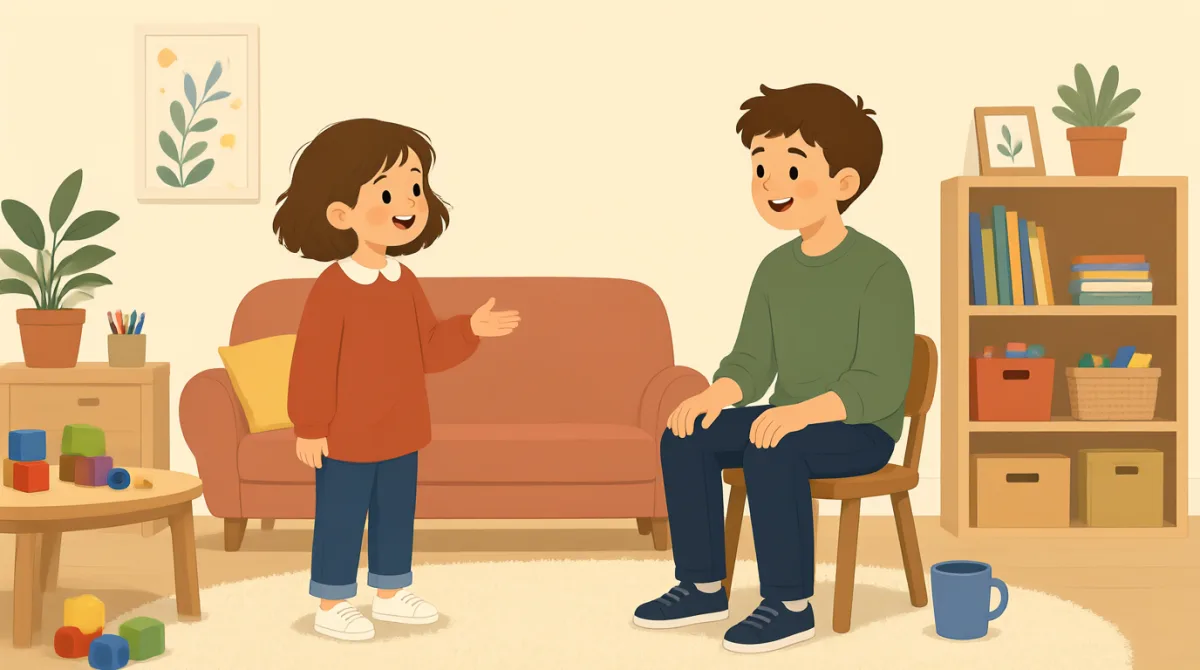

Could you walk us through a typical day? We’re especially curious about nap times and how much time the kids spend outside.
평소 하루 일과가 어떻게 되는지 자세히 설명해 주실 수 있을까요? 특히 낮잠 시간과 아이들이 바깥에서 보내는 시간은 얼마나 되는지 궁금해요.

Of course. Younger children usually nap after lunch, while older ones can rest quietly or look at books if they’re not sleepy.
물론이죠. 어린아이들은 보통 점심을 먹고 나서 낮잠을 자요. 좀 더 큰 아이들은 졸리지 않으면 조용히 쉬거나 책을 볼 수 있고요.

That sounds sensible. And do they get outdoor time every day, or does it depend on the weather?
합리적이네요. 아이들은 매일 바깥에서 시간을 보내나요, 아니면 날씨에 따라 달라지나요?
We go outside every day unless the weather is unsafe. The children can run around, play, and get some fresh air.
날씨가 위험하지 않은 한 매일 밖에 나가요. 아이들은 뛰어놀고 신나게 놀면서 바깥 공기도 쐴 수 있어요.
Great. What do you usually serve for lunch and snacks? We’d also like to know how you handle food allergies.
좋네요. 점심과 간식으로는 보통 뭘 주시나요? 음식 알레르기는 어떻게 관리하시는지도 알고 싶어요.
Lunch is usually a balanced meal with vegetables, grains, and protein. We record each child’s allergies and keep those foods separate.
점심은 보통 채소와 곡물, 단백질이 골고루 들어간 식사예요. 아이마다 알레르기가 있는 음식을 기록해 두고, 그런 음식은 따로 보관해요.
If a child has a serious allergy, do all the staff know what to do in an emergency?
심한 알레르기가 있는 아이가 있다면, 모든 직원이 응급 상황에서 어떻게 해야 하는지 알고 있나요?
Yes. Staff review allergy plans regularly, and we make sure everyone knows the steps to take. We also contact parents right away if there’s a concern.
네. 직원들은 알레르기 대응 계획을 정기적으로 확인하고, 모두가 대처 방법을 알도록 하고 있어요. 우려되는 일이 있으면 부모님께도 바로 연락드려요.
That’s reassuring. How do you keep parents updated about meals, naps, and how their child’s day went?
안심이 되네요. 식사와 낮잠, 아이가 하루를 어떻게 보냈는지 부모님께 어떻게 알려주시나요?
We send a daily update with meals, rest, and activities. If anything unusual comes up, we’ll call rather than leave you guessing.
식사와 휴식, 활동 내용을 매일 보내드려요. 평소와 다른 일이 생기면 부모님이 궁금해하시도록 내버려 두지 않고 전화드릴게요.
어휘7
- walk us through a typical day평소 하루 일과를 자세히 설명하다
To explain the usual schedule step by step. You can use this when asking someone to describe a routine.
평소의 일정을 순서대로 설명한다는 뜻이에요. 누군가에게 일과가 어떻게 되는지 설명해 달라고 할 때 쓸 수 있어요.
- rest quietly조용히 쉬다
To relax without making much noise or doing active things. Here, older children can rest even if they are not sleepy.
큰 소리를 내거나 활발하게 움직이지 않고 편히 쉰다는 뜻이에요. 여기서는 좀 더 큰 아이들이 졸리지 않아도 쉴 수 있다는 말이에요.
- get some fresh air바깥 공기를 쐬다
To spend time outside and breathe outdoor air. It is often used when talking about taking a break or going outdoors.
밖에서 시간을 보내며 바깥 공기를 마신다는 뜻이에요. 잠시 쉬거나 야외에 나가는 이야기를 할 때 자주 써요.
- food allergies음식 알레르기
These are reactions to certain foods that can make someone ill. The phrase is useful when discussing dietary needs and safety.
특정 음식을 먹었을 때 몸이 아프거나 이상 반응이 나타나는 것을 말해요. 식단이나 안전에 대해 이야기할 때 유용한 표현이에요.
- in an emergency응급 상황에서
Means during a sudden, serious situation that needs quick action. You can use it to ask what people should do if something goes wrong.
빠르게 대처해야 하는 갑작스럽고 심각한 상황에서라는 뜻이에요. 문제가 생기면 어떻게 해야 하는지 물을 때 쓸 수 있어요.
- keep parents updated부모에게 최신 정보를 전하다
To regularly give parents new information. This phrase is useful when asking how a school or daycare communicates with families.
부모에게 새로운 소식을 정기적으로 알려준다는 뜻이에요. 학교나 어린이집이 가족과 어떻게 소통하는지 물을 때 유용한 표현이에요.
- leave you guessing궁금한 채로 남겨 두다
To make you uncertain because you have not been told what happened. Here, Grace promises to call parents instead of leaving them unsure.
무슨 일이 있었는지 알려주지 않아 상대방이 불확실하고 궁금하게 만든다는 뜻이에요. 여기서 그레이스는 부모님을 궁금하게 두는 대신 전화하겠다고 약속해요.
핵심 문장7
- 1
Could you walk us through a typical day?
평소 하루 일과가 어떻게 되는지 자세히 설명해 주실 수 있을까요?
This is a polite way to ask someone to explain a usual routine. Replace “a typical day” with another routine or process you want to understand.
평소의 일과를 설명해 달라고 정중하게 요청하는 표현이에요. 알고 싶은 다른 일과나 절차가 있다면 “a typical day” 대신 넣어 말해 보세요.
- 2
Younger children usually nap after lunch, while older ones can rest quietly or look at books if they’re not sleepy.
어린아이들은 보통 점심을 먹고 나서 낮잠을 자고, 좀 더 큰 아이들은 졸리지 않으면 조용히 쉬거나 책을 볼 수 있어요.
This sentence compares routines for two groups using “while.” Use the same structure to explain how different people or groups do things.
“while”을 사용해 두 집단의 일과를 비교하는 문장이에요. 사람이나 집단마다 하는 일이 어떻게 다른지 설명할 때 같은 구조를 써 보세요.
- 3
We go outside every day unless the weather is unsafe.
날씨가 위험하지 않은 한 매일 밖에 나가요.
This explains a regular plan and the condition that can change it. Use “unless” to say something happens except when a particular condition applies.
평소의 계획과 그 계획이 달라질 수 있는 조건을 설명하는 문장이에요. “unless”는 특정 조건이 있을 때를 제외하고 어떤 일이 일어난다고 말할 때 써요.
- 4
We’d also like to know how you handle food allergies.
음식 알레르기는 어떻게 관리하시는지도 알고 싶어요.
This is a polite way to ask how someone deals with an important concern. You can replace “food allergies” with another topic you need information about.
중요한 문제를 어떻게 처리하는지 정중하게 묻는 표현이에요. 필요한 정보를 알고 싶은 다른 주제가 있다면 “food allergies” 대신 넣어 보세요.
- 5
If a child has a serious allergy, do all the staff know what to do in an emergency?
심한 알레르기가 있는 아이가 있다면, 모든 직원이 응급 상황에서 어떻게 해야 하는지 알고 있나요?
This question checks whether people are prepared for a specific situation. Use “If ..., do ...?” to ask about plans for possible events.
특정 상황에 대비가 되어 있는지 확인하는 질문이에요. 일어날 수 있는 상황에 대한 대비책을 물을 때 “If ..., do ...?”를 사용해 보세요.
- 6
We send a daily update with meals, rest, and activities.
식사와 휴식, 활동 내용을 매일 보내드려요.
This clearly describes what information is shared and how often. You can adapt it to explain what a service includes in a regular update.
어떤 정보를 얼마나 자주 공유하는지 분명하게 설명하는 문장이에요. 정기적으로 제공되는 안내에 어떤 내용이 포함되는지 설명할 때 응용해 보세요.
- 7
If anything unusual comes up, we’ll call rather than leave you guessing.
평소와 다른 일이 생기면, 부모님이 궁금해하시도록 두지 않고 전화드릴게요.
This explains what someone will do if a problem or unexpected event happens. “Rather than” introduces the action they prefer to take.
문제나 예상치 못한 일이 생겼을 때 어떻게 할지 설명하는 문장이에요. “Rather than”은 다른 행동 대신 자신이 하려는 행동을 소개해요.