Asking About Routines and Meals
询问日常安排和餐食
Emma and Jack ask Grace about nap times, outdoor play, and what the children eat. Grace explains how the daycare handles allergies and keeps parents informed.
艾玛和杰克向格蕾丝询问午睡时间、户外活动和孩子们的餐食。格蕾丝解释托儿所如何处理过敏问题并及时告知家长。
对话10
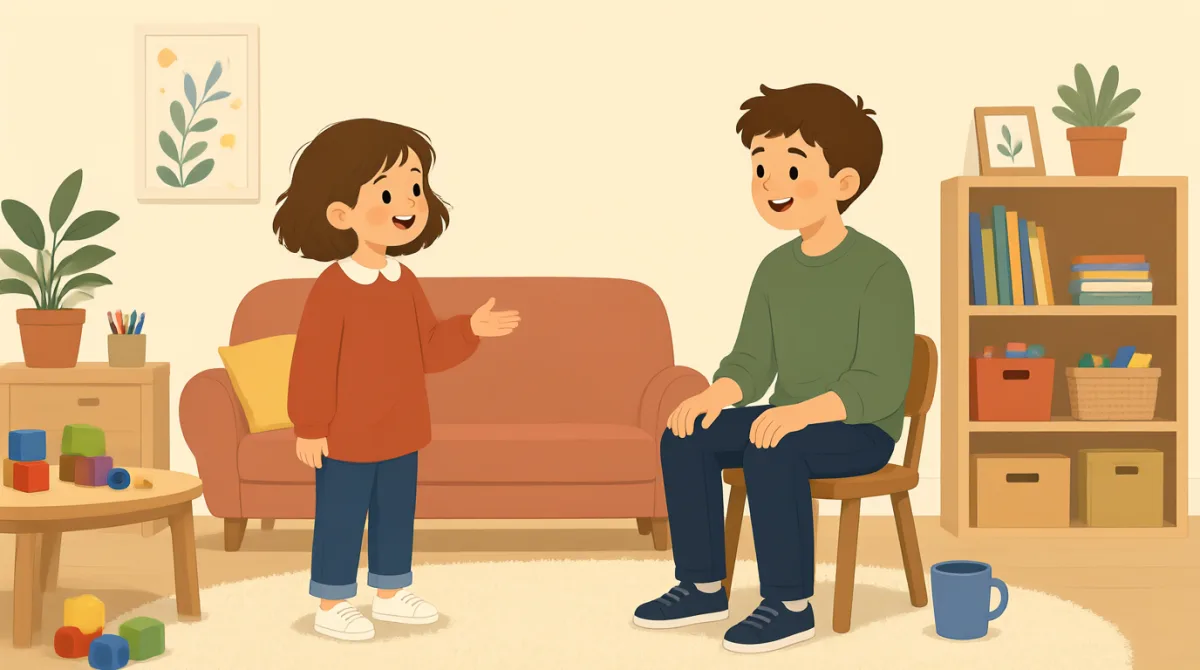

Could you walk us through a typical day? We’re especially curious about nap times and how much time the kids spend outside.
您能给我们介绍一下孩子们一天的日常安排吗?我们特别想了解午睡时间,以及孩子们有多少时间在户外活动。

Of course. Younger children usually nap after lunch, while older ones can rest quietly or look at books if they’re not sleepy.
当然。年纪小的孩子通常午饭后午睡;年纪大些的孩子如果不困,可以安静休息或看书。

That sounds sensible. And do they get outdoor time every day, or does it depend on the weather?
听起来安排得很合理。孩子们每天都会有户外活动时间吗?还是要看天气情况?
We go outside every day unless the weather is unsafe. The children can run around, play, and get some fresh air.
除非天气不适合外出,否则我们每天都会带孩子们去户外。他们可以跑跑、玩耍,呼吸新鲜空气。
Great. What do you usually serve for lunch and snacks? We’d also like to know how you handle food allergies.
太好了。你们午餐和点心通常会提供什么?我们也想了解你们如何处理食物过敏。
Lunch is usually a balanced meal with vegetables, grains, and protein. We record each child’s allergies and keep those foods separate.
午餐通常搭配均衡,包括蔬菜、谷物和蛋白质。我们会记录每个孩子的过敏情况,并把相关食物分开放置。
If a child has a serious allergy, do all the staff know what to do in an emergency?
如果孩子有严重过敏,所有工作人员都知道紧急情况下该怎么做吗?
Yes. Staff review allergy plans regularly, and we make sure everyone knows the steps to take. We also contact parents right away if there’s a concern.
知道。工作人员会定期查看过敏应对方案,我们也会确保每个人都清楚该采取哪些步骤。如果有任何情况,我们会立即联系家长。
That’s reassuring. How do you keep parents updated about meals, naps, and how their child’s day went?
这样我们就放心多了。你们会怎样让家长了解孩子的饮食、午睡情况,以及一天过得怎么样?
We send a daily update with meals, rest, and activities. If anything unusual comes up, we’ll call rather than leave you guessing.
我们每天都会发送情况更新,说明孩子吃了什么、休息得如何,以及参加了哪些活动。如果发生特殊情况,我们会打电话联系您,不会让您一直猜测。
词汇7
- walk us through a typical day带我们了解一下日常安排
To explain the usual schedule step by step. You can use this when asking someone to describe a routine.
按步骤介绍平时的日程安排。询问别人描述日常安排时,可以用这个表达。
- rest quietly安静休息
To relax without making much noise or doing active things. Here, older children can rest even if they are not sleepy.
放松休息,不大声喧哗,也不进行剧烈活动。这里指年纪大些的孩子即使不困,也可以休息。
- get some fresh air呼吸新鲜空气
To spend time outside and breathe outdoor air. It is often used when talking about taking a break or going outdoors.
在户外待一会儿,呼吸室外的新鲜空气。谈到休息一下或到户外活动时,经常会用到这个表达。
- food allergies食物过敏
These are reactions to certain foods that can make someone ill. The phrase is useful when discussing dietary needs and safety.
指身体对某些食物产生反应,可能因此生病。讨论饮食需求和安全问题时,这个表达很实用。
- in an emergency在紧急情况下
Means during a sudden, serious situation that needs quick action. You can use it to ask what people should do if something goes wrong.
指发生需要迅速处理的突发严重情况时。询问发生意外时大家应该怎么做,可以用这个表达。
- keep parents updated及时向家长通报情况
To regularly give parents new information. This phrase is useful when asking how a school or daycare communicates with families.
定期向家长提供最新信息。询问学校或托儿所如何与家长沟通时,这个表达很实用。
- leave you guessing让你摸不着头脑
To make you uncertain because you have not been told what happened. Here, Grace promises to call parents instead of leaving them unsure.
因为没有人告诉你发生了什么,让你感到不确定。这里格蕾丝承诺会给家长打电话,而不是让他们一直猜测。
重点句子7
- 1
Could you walk us through a typical day?
您能带我们了解一下孩子们平时的一天是怎么安排的吗?
This is a polite way to ask someone to explain a usual routine. Replace “a typical day” with another routine or process you want to understand.
这是礼貌地请别人介绍日常安排的说法。你可以把“a typical day”替换成你想了解的其他日常安排或流程。
- 2
Younger children usually nap after lunch, while older ones can rest quietly or look at books if they’re not sleepy.
年纪小的孩子通常午饭后午睡,而年纪大些的孩子如果不困,可以安静休息或看书。
This sentence compares routines for two groups using “while.” Use the same structure to explain how different people or groups do things.
这个句子用“while”对比两组人的日常安排。介绍不同的人或群体如何做事时,也可以使用类似的结构。
- 3
We go outside every day unless the weather is unsafe.
除非天气不适合外出,否则我们每天都会带孩子们去户外。
This explains a regular plan and the condition that can change it. Use “unless” to say something happens except when a particular condition applies.
这个句子说明了日常安排,以及什么情况会改变安排。用“unless”表示某件事通常会发生,除非某个特定条件出现。
- 4
We’d also like to know how you handle food allergies.
我们也想了解你们如何处理食物过敏问题。
This is a polite way to ask how someone deals with an important concern. You can replace “food allergies” with another topic you need information about.
这是礼貌地询问别人如何处理重要问题的说法。你可以把“food allergies”替换成其他你想了解的内容。
- 5
If a child has a serious allergy, do all the staff know what to do in an emergency?
如果孩子有严重过敏,所有工作人员都知道紧急情况下该怎么做吗?
This question checks whether people are prepared for a specific situation. Use “If ..., do ...?” to ask about plans for possible events.
这个问题是在确认大家是否为某种特定情况做好了准备。用“If ..., do ...?”可以询问大家遇到可能发生的情况时有什么计划。
- 6
We send a daily update with meals, rest, and activities.
我们每天都会发送情况更新,介绍孩子的餐食、休息情况和活动。
This clearly describes what information is shared and how often. You can adapt it to explain what a service includes in a regular update.
这个句子清楚地说明了会分享哪些信息,以及分享的频率。你可以调整这个句子,介绍某项服务定期更新的内容。
- 7
If anything unusual comes up, we’ll call rather than leave you guessing.
如果发生什么特别的情况,我们会打电话联系您,而不会让您一直猜测。
This explains what someone will do if a problem or unexpected event happens. “Rather than” introduces the action they prefer to take.
这个句子说明了遇到问题或意外情况时会采取什么行动。“Rather than”引出更倾向采取的做法。