Explaining Symptoms to the Doctor
向醫生說明症狀
At the clinic, Emma describes her symptoms and when they started, while Dr. Grace asks questions and recommends treatment. Emma checks whether the medicine will affect her planned activities.
在診所裡,Emma描述了自己的症狀和發病時間,Grace醫生則詢問情況並建議治療方案。Emma還確認藥物是否會影響她原定的活動。
對話10
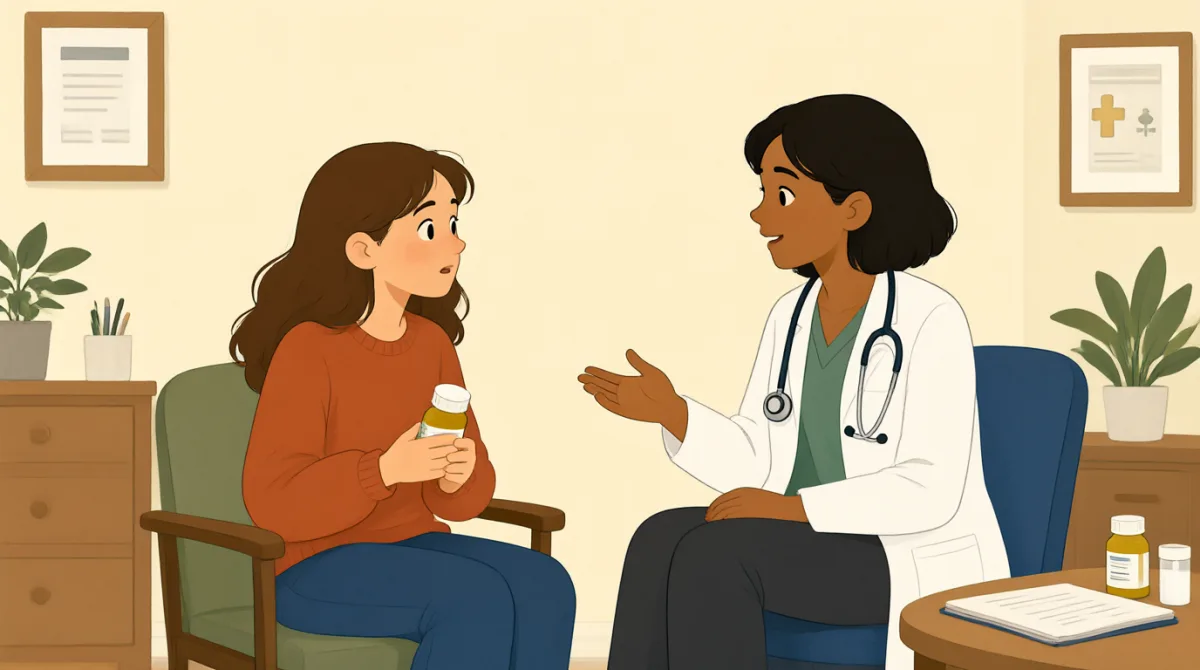

Hi, Dr. Wilson. I’ve had a fever and stomach pain since yesterday evening, and I feel worse this morning.
您好,威爾遜醫生。我從昨天傍晚開始發燒、胃痛,今天早上感覺更難受了。

I’m sorry to hear that. Have you had any nausea, vomiting, or diarrhea since the pain started?
聽你這麼說真讓人難受。疼痛開始後,你有噁心、嘔吐或腹瀉嗎?
I felt nauseous last night, but I haven’t thrown up. I’ve had diarrhea twice, and the pain comes and goes.
我昨晚覺得噁心,但沒有吐。我腹瀉了兩次,肚子一陣一陣地疼。
Where exactly does it hurt? And have you been able to drink water and keep it down?
具體是哪裡疼?你能喝水並且不吐出來嗎?
It’s mostly around my stomach, not on one side. I can drink water, but I don’t have much appetite.
主要是胃部周圍疼,不是偏向某一側。我能喝水,但沒什麼胃口。
Okay. Your temperature is a little high, but your symptoms may be from a stomach infection. I’ll examine you first.
好的。你的體溫有點高,不過這些症狀可能是胃部感染引起的。我先給你做個檢查。
That makes sense. I was worried it might be something serious. Do you think I’ll need any tests?
聽起來有道理。我還擔心會不會是什麼嚴重的問題。您覺得我需要做檢查嗎?
For now, rest and drink plenty of fluids. I’ll give you medicine for the fever and nausea. Take it as directed.
目前先休息,多喝水。我會給你開退燒和止吐的藥。請按說明服用。
Thanks. Will the medicine make me sleepy? We planned to visit a museum this afternoon, but I can skip it.
謝謝。這種藥會讓我犯困嗎?我們原計劃今天下午去博物館,不過我可以不去了。
It might make you a little drowsy, so take it easy today. If the pain gets worse or you can’t keep fluids down, come back.
藥可能會讓你有點困,所以今天儘量休息。如果疼痛加重,或者喝水也會吐,就回來就診。
詞彙7
- since yesterday evening從昨晚開始
This tells someone when a symptom began and suggests it has continued until now.
這個表達用來告訴別人症狀從什麼時候開始,並暗示症狀一直持續到現在。
- thrown up吐了
This is an informal way to say “vomited.” You can say whether you have or haven’t thrown up.
這是“嘔吐”的一種非正式說法。你可以用它來說明自己吐了還是沒吐。
- comes and goes時好時壞
This means something happens for a while, stops, and then returns. It is useful for describing pain that is not constant.
這個表達表示某件事持續一段時間後停止,過一會兒又出現。描述間歇性的疼痛時很有用。
- keep it down不吐出來
This means to drink or eat something without vomiting it. A doctor may ask if you can keep water or medicine down.
這個表達指喝下或吃下東西后沒有吐出來。醫生可能會問你能不能喝水或服藥後不吐出來。
- plenty of fluids大量飲水
This means a large enough amount of drinks, especially water. It is a common recommendation when you are sick.
這個表達指喝足夠多的飲料,尤其是水。生病時,醫生經常會這樣建議。
- take it easy好好休息
This means to rest and avoid doing too much. You can use it when advising someone to have a quiet day.
這個表達的意思是休息一下,別做太多事。建議別人今天輕鬆度過時可以這樣說。
- a little drowsy有點困
This means slightly sleepy. It can describe a possible effect of medicine.
這個表達指稍微有些睏倦,可以用來描述藥物可能產生的作用。
關鍵句7
- 1
I’ve had a fever and stomach pain since yesterday evening, and I feel worse this morning.
我從昨天傍晚開始就發燒、胃痛,今天早上感覺更難受了。
This is a useful way to explain your symptoms and when they started. You can replace the symptoms and time with your own details.
這是向醫生說明症狀和發病時間的一種實用說法。你可以把症狀和時間換成自己的情況。
- 2
I’ve had diarrhea twice, and the pain comes and goes.
我腹瀉了兩次,疼痛時好時壞。
This gives the doctor specific information about how often a symptom happened and what the pain is like. Use “comes and goes” for symptoms that are not constant.
這句話能告訴醫生症狀出現的次數,以及疼痛是什麼感覺。症狀不是一直持續時,可以用“comes and goes”(時好時壞)來描述。
- 3
I can drink water, but I don’t have much appetite.
我能喝水,但沒什麼胃口。
This describes what you can manage and what is difficult for you. You can use “I can…, but I don’t…” to explain two contrasting details.
這句話說明你能做到什麼,以及什麼對你來說比較困難。你可以用“I can…, but I don’t…”(我能……,但我不……)來說明兩個相反的情況。
- 4
I was worried it might be something serious.
我當時擔心可能是什麼嚴重的問題。
This is a natural way to tell a doctor what you have been concerned about. “I was worried it might be…” can introduce a possible problem.
這是告訴醫生你一直擔心什麼的一種自然說法。“I was worried it might be…”(我擔心可能是……)可以用來提出一種可能的問題。
- 5
Do you think I’ll need any tests?
您覺得我需要做什麼檢查嗎?
This is a polite way to ask a healthcare professional what may happen next. You can replace “tests” with another expected step or treatment.
這是禮貌地詢問醫護人員接下來可能會怎麼處理。你可以把“tests”換成其他預期的步驟或治療方式。
- 6
Will the medicine make me sleepy?
這種藥會讓我犯困嗎?
This asks about a possible side effect of medicine. You can replace “sleepy” with another effect you want to ask about.
這句話用來詢問藥物可能產生的副作用。你可以把“sleepy”換成想詢問的其他作用。
- 7
If the pain gets worse or you can’t keep fluids down, come back.
如果疼痛加重,或者喝水也會吐,就回來就診。
This gives clear conditions for when someone should return for medical help. Use “If…” to describe a situation that requires action.
這句話清楚地說明了什麼情況下應該回來尋求醫療幫助。用“If…”(如果……)來描述需要採取行動的情況。