Friend Visiting
朋友來訪
Someone knocks on the door, and it's a friend you were expecting or an unexpected visitor. You greet them warmly and invite them in.
有人敲門,是你期待的朋友或是不速之客。你熱情地問候他們並邀請他們進屋。
對話7
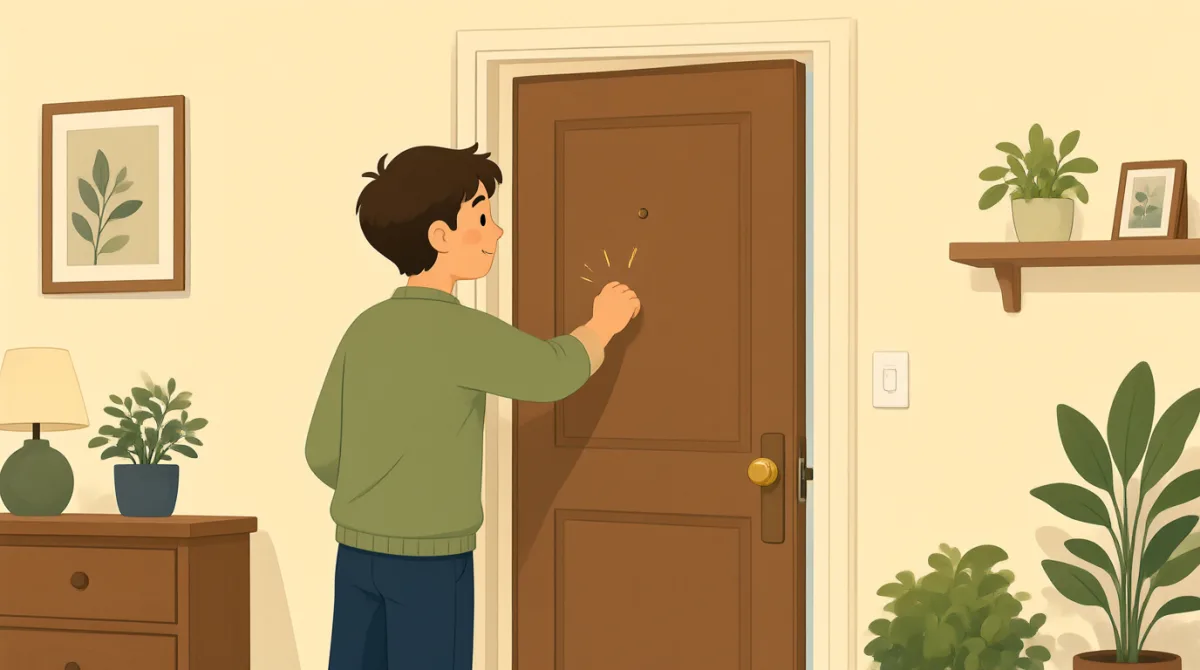

Coming!
來了!
Oh, Emma! Hi! Come on in!
哦,艾瑪!你好!快進來!

Hey Mia! Thanks. Glad to finally make it.
嘿,米婭!謝謝。很高興終於來了。
Great to see you! How was the traffic?
見到你真好!交通怎麼樣?
Not too bad, actually. A bit busy around the main road, but clear otherwise.
其實還不錯。主幹道有點堵,但其他地方都很暢通。
Good! Take off your coat. Make yourself at home.
那就好!脫掉外套吧。別客氣。
Thanks, I will.
謝謝,好的。
詞彙6
- Coming!我來了!
This is a casual way to say you are on your way to answer a knock or call, like 'I'm coming to the door!' It's polite and quick for home situations.
這是回應敲門或呼叫時,表示自己正要過去開門的一種隨意說法,比如“我來開門了!”在家裡這樣說既禮貌又簡潔。
- Come on in!快進來!
An informal invitation to enter a home. Use it to welcome friends warmly, making them feel comfortable right away.
這是邀請別人進家門的一種隨意說法。用它熱情地歡迎朋友,讓對方一進門就感到自在。
- Glad高興
Means happy or pleased about something. In this dialogue, 'glad to finally make it' shows relief and joy after arriving.
表示對某件事感到開心或滿意。在這段對話中,'glad to finally make it' 表示終於到了之後的輕鬆和喜悅。
- Traffic交通
Refers to the flow of vehicles on roads. People often ask about it when someone arrives from outside to start small talk.
指道路上車輛的通行情況。有人從外面到訪時,人們常會問問路況,作為閒聊的開場。
- Make yourself at home別客氣,就當在自己家一樣
A friendly phrase meaning relax and act as if you are in your own house. It's common when hosting guests to make them feel welcome.
這句友好的表達是讓對方放鬆些,就像在自己家一樣。招待客人時常用它來讓客人感到受歡迎。
- Not too bad還不錯
A mild way to say something was okay or acceptable, not perfect but not terrible. It's useful for polite responses in conversations.
一種比較委婉的說法,表示情況還可以,不算完美,但也不糟。用在對話中回答問題,聽起來禮貌自然。
關鍵句6
- 1
Coming!
我來了!
This short exclamation is used when responding to a door knock. It's simple and shows you're approaching, helping to build natural politeness in everyday interactions.
回應敲門時可以用這句簡短的話。它簡單地表示你正走過去開門,讓日常交流聽起來自然又有禮貌。
- 2
Oh, Emma! Hi! Come on in!
哦,艾瑪!你好!快進來!
A warm greeting for a known visitor. It combines surprise, hello, and invitation. Use it for friends to show enthusiasm; the structure is flexible with names.
這是對熟悉訪客的熱情問候,既表達驚喜和問候,也邀請對方進門。和朋友說這句話能顯出你的熱情;名字可以靈活替換。
- 3
Great to see you!
見到你真高興!
Expresses happiness at meeting someone. It's a common phrase for reunions or visits, useful for positive small talk and building rapport.
這句話表達見到某人的喜悅。重逢或朋友來訪時都常用,適合用來愉快地閒聊、拉近彼此距離。
- 4
How was the traffic?
路上堵車嗎?
A typical question to start conversation about a guest's journey. It's practical for when someone arrives by car, showing care about their trip.
這是用來聊客人一路行程的常見問法。對方開車到訪時,可以這樣問候,表示你關心他們路上是否順利。
- 5
Not too bad, actually.
其實還不錯。
Responds to questions about experiences like travel. 'Actually' adds a slight emphasis or correction; it's a neutral way to avoid negativity.
可以用這句話回答有關經歷的問題,比如路上情況。'Actually' 帶有一點補充或糾正的語氣;這是一種不顯得消極的中性回答。
- 6
Take off your coat. Make yourself at home.
脫掉外套吧。別客氣,就當在自己家一樣。
Offers comfort to a guest. 'Take off' means remove clothing; the whole sentence invites relaxation. Use it in hosting to make visitors feel at ease.
這句話讓客人感到自在。'Take off' 的意思是脫下衣物;整句話是在邀請對方放鬆下來。招待客人時可以這樣說,讓他們感覺輕鬆自在。