Friend Visiting
दोस्त का आना
Someone knocks on the door, and it's a friend you were expecting or an unexpected visitor. You greet them warmly and invite them in.
दरवाज़े पर कोई दस्तक देता है—या तो आपका इंतज़ार किया हुआ दोस्त है या अचानक आया मेहमान। आप उसका गर्मजोशी से स्वागत करते हैं और अंदर बुलाते हैं।
संवाद7
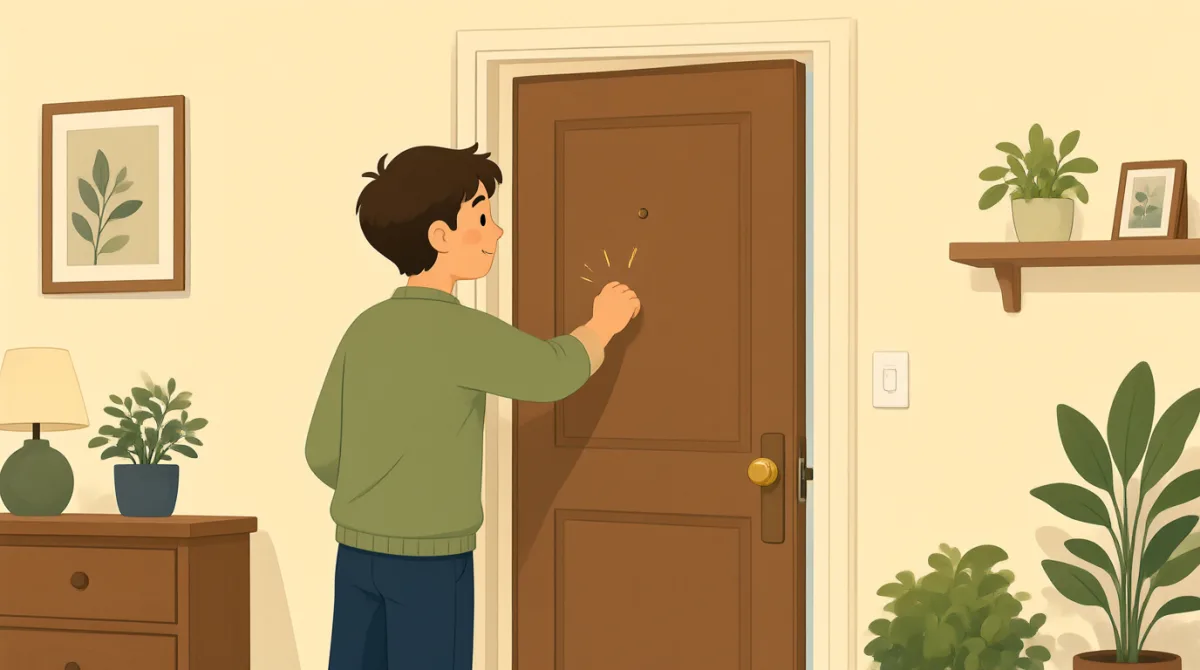

Coming!
आ रही हूँ!
Oh, Emma! Hi! Come on in!
अरे, Emma! हाय! अंदर आओ!

Hey Mia! Thanks. Glad to finally make it.
अरे, Mia! शुक्रिया। आखिरकार पहुँच ही गई, अच्छा लगा।
Great to see you! How was the traffic?
तुमसे मिलकर बहुत अच्छा लगा! रास्ते में ट्रैफ़िक कैसा था?
Not too bad, actually. A bit busy around the main road, but clear otherwise.
सच कहूँ तो, ज़्यादा बुरा नहीं था। मुख्य सड़क के आसपास थोड़ी भीड़ थी, लेकिन बाकी रास्ता साफ़ था।
Good! Take off your coat. Make yourself at home.
अच्छा! अपना कोट उतार दो। अपने ही घर जैसा समझो।
Thanks, I will.
शुक्रिया, उतारती हूँ।
शब्दावली6
- Coming!आ रही हूँ!
This is a casual way to say you are on your way to answer a knock or call, like 'I'm coming to the door!' It's polite and quick for home situations.
किसी के दरवाज़े पर दस्तक देने या आवाज़ लगाने पर जवाब देने के लिए यह अनौपचारिक तरीका है। जैसे, “मैं दरवाज़े पर आ रही हूँ!” घर पर ऐसी स्थिति में यह कहना सहज और विनम्र लगता है।
- Come on in!अंदर आओ!
An informal invitation to enter a home. Use it to welcome friends warmly, making them feel comfortable right away.
घर के अंदर आने का अनौपचारिक न्योता। दोस्तों का गर्मजोशी से स्वागत करने और उन्हें सहज महसूस कराने के लिए इसका इस्तेमाल करो।
- Gladखुश
Means happy or pleased about something. In this dialogue, 'glad to finally make it' shows relief and joy after arriving.
“Glad” का मतलब है किसी बात से खुश या प्रसन्न होना। इस बातचीत में “glad to finally make it” पहुँचने के बाद मिली राहत और खुशी जताता है।
- Trafficट्रैफ़िक
Refers to the flow of vehicles on roads. People often ask about it when someone arrives from outside to start small talk.
सड़कों पर चलने वाले वाहनों के आवागमन को “traffic” कहते हैं। जब कोई बाहर से आता है, तो बातचीत शुरू करने के लिए अक्सर उससे ट्रैफ़िक के बारे में पूछा जाता है।
- Make yourself at homeअपने ही घर जैसा समझो
A friendly phrase meaning relax and act as if you are in your own house. It's common when hosting guests to make them feel welcome.
यह दोस्ताना मुहावरा मेहमान से कहता है कि आराम से रहो और ऐसा महसूस करो जैसे अपने घर में हो। मेहमानों का स्वागत करने और उन्हें सहज महसूस कराने के लिए इसका आम तौर पर इस्तेमाल होता है।
- Not too badज़्यादा बुरा नहीं
A mild way to say something was okay or acceptable, not perfect but not terrible. It's useful for polite responses in conversations.
किसी चीज़ को ठीक-ठाक या स्वीकार करने लायक बताने का हल्का-फुल्का तरीका—न बहुत अच्छा, न बहुत बुरा। बातचीत में विनम्रता से जवाब देने के लिए यह उपयोगी है।
मुख्य वाक्य6
- 1
Coming!
आ रही हूँ!
This short exclamation is used when responding to a door knock. It's simple and shows you're approaching, helping to build natural politeness in everyday interactions.
दरवाज़े पर दस्तक का जवाब देते समय यह छोटा-सा उद्गार कहा जाता है। इससे पता चलता है कि आप दरवाज़े की ओर आ रहे हैं। रोज़मर्रा की बातचीत में यह सहज और विनम्र लगता है।
- 2
Oh, Emma! Hi! Come on in!
अरे, Emma! हाय! अंदर आओ!
A warm greeting for a known visitor. It combines surprise, hello, and invitation. Use it for friends to show enthusiasm; the structure is flexible with names.
किसी जान-पहचान वाले मेहमान का गर्मजोशी से स्वागत करने का तरीका। इसमें हैरानी, अभिवादन और अंदर आने का न्योता—तीनों शामिल हैं। दोस्तों से उत्साह दिखाने के लिए कहो; इस वाक्य में नाम बदलकर इस्तेमाल किया जा सकता है।
- 3
Great to see you!
तुमसे मिलकर बहुत अच्छा लगा!
Expresses happiness at meeting someone. It's a common phrase for reunions or visits, useful for positive small talk and building rapport.
किसी से मिलकर खुशी जताने के लिए यह आम वाक्यांश है। दोबारा मिलने या किसी के घर आने पर बातचीत को खुशनुमा बनाने और अपनापन बढ़ाने के लिए इसका इस्तेमाल करो।
- 4
How was the traffic?
रास्ते में ट्रैफ़िक कैसा था?
A typical question to start conversation about a guest's journey. It's practical for when someone arrives by car, showing care about their trip.
मेहमान के सफ़र के बारे में बातचीत शुरू करने के लिए यह एक आम सवाल है। कोई कार से आए, तो उसके रास्ते के बारे में पूछकर उसकी परवाह जताई जा सकती है।
- 5
Not too bad, actually.
सच कहूँ तो, ज़्यादा बुरा नहीं था।
Responds to questions about experiences like travel. 'Actually' adds a slight emphasis or correction; it's a neutral way to avoid negativity.
सफ़र जैसे अनुभवों के बारे में पूछे जाने पर यह जवाब दिया जा सकता है। “actually” हल्का-सा ज़ोर या सुधार जोड़ता है। यह नकारात्मक हुए बिना तटस्थ जवाब देने का तरीका है।
- 6
Take off your coat. Make yourself at home.
अपना कोट उतार दो। अपने ही घर जैसा समझो।
Offers comfort to a guest. 'Take off' means remove clothing; the whole sentence invites relaxation. Use it in hosting to make visitors feel at ease.
यह मेहमान को आराम महसूस कराने का तरीका है। “Take off” का मतलब है कपड़ा उतारना; पूरा वाक्य मेहमान को बेफ़िक्र होकर आराम करने का न्योता देता है। मेज़बानी करते समय मेहमानों को सहज महसूस कराने के लिए इसका इस्तेमाल करो।