Friend Visiting
เพื่อนมาเยี่ยม
Someone knocks on the door, and it's a friend you were expecting or an unexpected visitor. You greet them warmly and invite them in.
มีคนเคาะประตู และเป็นเพื่อนที่คุณนัดไว้หรือแขกที่มาโดยไม่ได้นัด คุณทักทายอย่างอบอุ่นและเชิญเข้ามาในบ้าน
บทสนทนา7
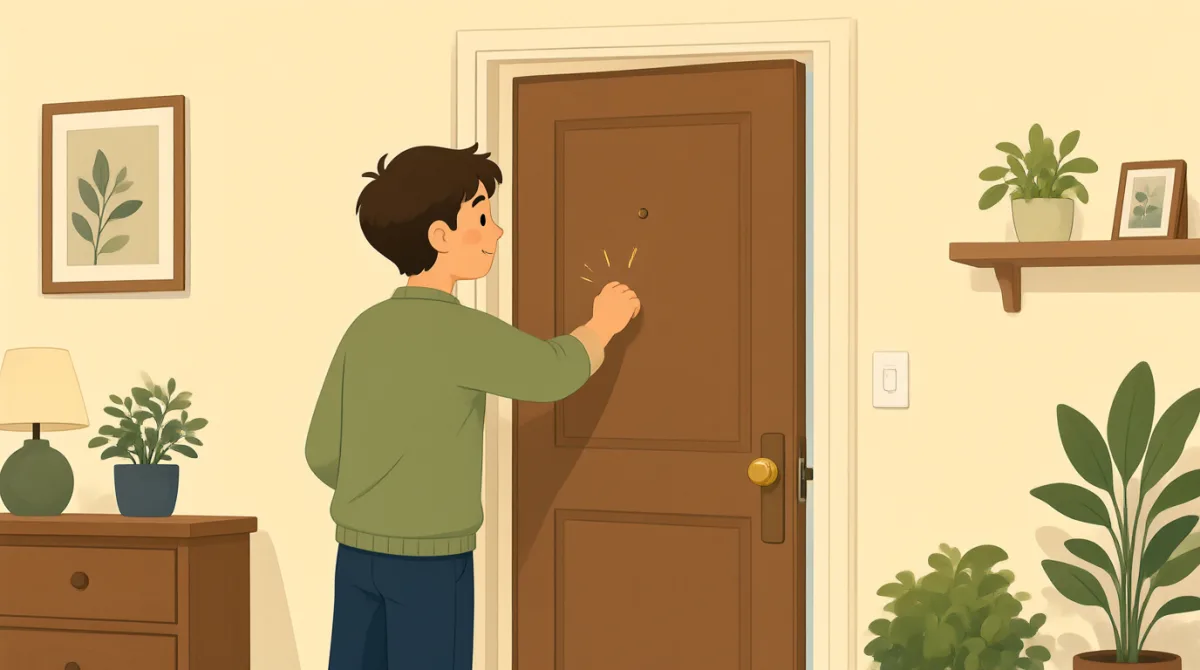

Coming!
มาแล้ว!
Oh, Emma! Hi! Come on in!
อ้าว เอ็มมา! หวัดดี! เข้ามาเลย!

Hey Mia! Thanks. Glad to finally make it.
หวัดดี มีอา! ขอบใจนะ ในที่สุดก็ได้มาแล้ว ดีใจจัง
Great to see you! How was the traffic?
ดีใจที่ได้เจอนะ! รถติดไหม?
Not too bad, actually. A bit busy around the main road, but clear otherwise.
ไม่แย่เท่าไหร่หรอก จริง ๆ แล้วแถวถนนใหญ่รถเยอะนิดหน่อย แต่ที่อื่นก็โล่งดี
Good! Take off your coat. Make yourself at home.
ดีเลย! ถอดเสื้อโค้ตก่อนนะ ทำตัวตามสบายเลย
Thanks, I will.
ขอบใจนะ ได้เลย
คำศัพท์6
- Coming!มาแล้ว!
This is a casual way to say you are on your way to answer a knock or call, like 'I'm coming to the door!' It's polite and quick for home situations.
เป็นวิธีพูดแบบกันเองว่าเรากำลังเดินไปเปิดประตูหรือตอบรับเสียงเรียก คล้ายกับพูดว่า 'กำลังไปเปิดประตู!' ใช้ได้อย่างสุภาพและรวดเร็วในสถานการณ์ที่บ้าน
- Come on in!เข้ามาเลย!
An informal invitation to enter a home. Use it to welcome friends warmly, making them feel comfortable right away.
เป็นคำเชิญให้เข้าบ้านแบบไม่เป็นทางการ ใช้ต้อนรับเพื่อนอย่างอบอุ่น ให้เขารู้สึกสบายใจตั้งแต่แรก
- Gladดีใจ
Means happy or pleased about something. In this dialogue, 'glad to finally make it' shows relief and joy after arriving.
หมายถึงมีความสุขหรือพอใจกับบางสิ่ง ในบทสนทนานี้ 'glad to finally make it' แสดงทั้งความโล่งใจและความดีใจที่มาถึงเสียที
- Trafficการจราจร
Refers to the flow of vehicles on roads. People often ask about it when someone arrives from outside to start small talk.
หมายถึงการเคลื่อนตัวของยานพาหนะบนถนน คนมักถามเรื่องนี้เมื่อมีคนเดินทางมาถึง เพื่อชวนคุยเล็ก ๆ น้อย ๆ
- Make yourself at homeทำตัวตามสบายเหมือนอยู่บ้านตัวเอง
A friendly phrase meaning relax and act as if you are in your own house. It's common when hosting guests to make them feel welcome.
เป็นสำนวนเป็นกันเองที่หมายถึงผ่อนคลายและทำตัวเหมือนอยู่บ้านตัวเอง เจ้าบ้านมักพูดกับแขกเพื่อให้รู้สึกยินดีที่ได้มาต้อนรับ
- Not too badไม่แย่เท่าไหร่
A mild way to say something was okay or acceptable, not perfect but not terrible. It's useful for polite responses in conversations.
เป็นวิธีพูดอย่างนุ่มนวลว่าสิ่งนั้นก็โอเคหรือพอรับได้ ไม่ได้ดีเลิศแต่ก็ไม่ได้แย่ ใช้ตอบคำถามในการสนทนาได้อย่างสุภาพ
ประโยคสำคัญ6
- 1
Coming!
มาแล้ว!
This short exclamation is used when responding to a door knock. It's simple and shows you're approaching, helping to build natural politeness in everyday interactions.
คำอุทานสั้น ๆ นี้ใช้ตอบเวลามีคนเคาะประตู เป็นประโยคง่าย ๆ ที่บอกว่าคุณกำลังเดินไปหา ช่วยให้การพูดในชีวิตประจำวันฟังดูเป็นธรรมชาติและสุภาพ
- 2
Oh, Emma! Hi! Come on in!
อ้าว เอ็มมา! หวัดดี! เข้ามาเลย!
A warm greeting for a known visitor. It combines surprise, hello, and invitation. Use it for friends to show enthusiasm; the structure is flexible with names.
เป็นคำทักทายอย่างอบอุ่นสำหรับคนที่รู้จักกัน ประกอบด้วยความประหลาดใจ คำทักทาย และคำเชิญ ใช้กับเพื่อนเพื่อแสดงความดีใจ โดยเปลี่ยนชื่อในโครงสร้างนี้ได้ตามต้องการ
- 3
Great to see you!
ดีใจที่ได้เจอนะ!
Expresses happiness at meeting someone. It's a common phrase for reunions or visits, useful for positive small talk and building rapport.
ใช้แสดงความดีใจที่ได้พบใครสักคน เป็นวลีที่ใช้กันทั่วไปเมื่อกลับมาเจอกันหรือมีคนมาเยี่ยม เหมาะสำหรับชวนคุยในแง่ดีและสร้างความสนิทสนม
- 4
How was the traffic?
รถติดไหม?
A typical question to start conversation about a guest's journey. It's practical for when someone arrives by car, showing care about their trip.
เป็นคำถามทั่วไปที่ใช้ชวนคุยเรื่องการเดินทางของแขก เหมาะเมื่ออีกฝ่ายขับรถมาถึง และแสดงให้เห็นว่าคุณใส่ใจการเดินทางของเขา
- 5
Not too bad, actually.
ไม่แย่เท่าไหร่หรอก จริง ๆ แล้ว
Responds to questions about experiences like travel. 'Actually' adds a slight emphasis or correction; it's a neutral way to avoid negativity.
ใช้ตอบคำถามเกี่ยวกับประสบการณ์ เช่น การเดินทาง คำว่า 'actually' ช่วยเน้นหรือแก้ความเข้าใจเล็กน้อย เป็นวิธีตอบแบบกลาง ๆ โดยไม่พูดในแง่ลบ
- 6
Take off your coat. Make yourself at home.
ถอดเสื้อโค้ตก่อนนะ ทำตัวตามสบายเลย
Offers comfort to a guest. 'Take off' means remove clothing; the whole sentence invites relaxation. Use it in hosting to make visitors feel at ease.
เป็นการแสดงน้ำใจเพื่อให้แขกรู้สึกสบาย 'Take off' หมายถึงถอดเสื้อผ้า ส่วนประโยคทั้งหมดชวนให้อีกฝ่ายผ่อนคลาย เจ้าบ้านใช้พูดกับแขกเพื่อให้รู้สึกสบายใจได้