Feeling Tired the Next Day
รู้สึกเหนื่อยในวันถัดมา
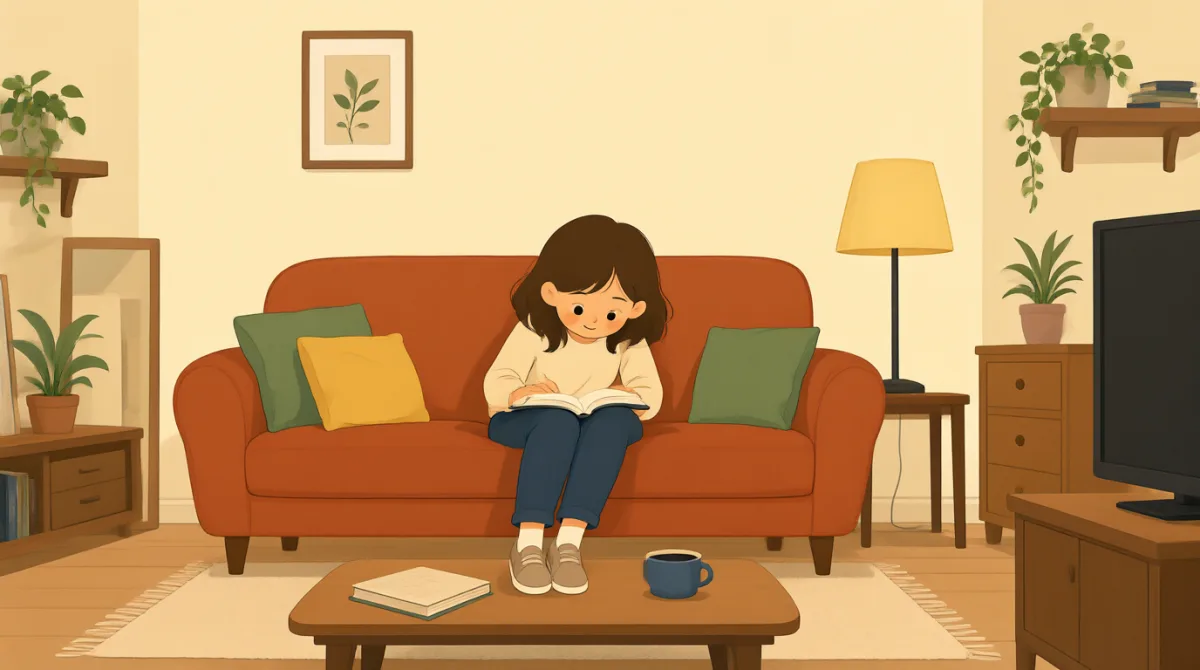
The next day, Emma tells her friend Mia that she feels tired and has a sore arm. Mia helps her decide what to do.
วันถัดมา เอ็มมาบอกมีอาเพื่อนของเธอว่าเธอรู้สึกเหนื่อยและเจ็บแขน มีอาช่วยเธอตัดสินใจว่าควรทำอย่างไร
บทสนทนา8

I feel tired today, and my arm is sore where I got the flu shot.
วันนี้ฉันรู้สึกเหนื่อย แล้วก็เจ็บแขนตรงที่ฉีดวัคซีนไข้หวัดใหญ่ด้วย

That can happen after a shot. Did you get enough sleep last night?
ฉีดยาแล้วเป็นแบบนี้ได้ เธอได้นอนพอเมื่อคืนไหม
Not really. I woke up a few times, but my arm hurts more than I expected.
ก็ไม่ค่อยนะ ฉันตื่นขึ้นมาสองสามครั้ง แต่แขนเจ็บกว่าที่คิดไว้
Try resting and drinking some water. You can move your arm gently, too.
ลองพักผ่อนแล้วก็ดื่มน้ำดูนะ ขยับแขนเบา ๆ ด้วยก็ได้
Should I take medicine, or should I wait and see if it gets better?
ฉันควรกินยาไหม หรือรอดูอาการก่อนว่าดีขึ้นหรือเปล่า
Check the instructions from the pharmacy, or ask your doctor before taking anything.
ดูคำแนะนำจากร้านขายยาก่อนนะ หรือถามหมอก่อนกินยาอะไรก็ได้
Okay. If I feel worse, I’ll call my doctor. How long might this last?
โอเค ถ้าฉันรู้สึกแย่ลง ฉันจะโทรหาหมอ แล้วอาการแบบนี้จะอยู่นานแค่ไหนเหรอ
It often gets better in a day or two. Take it easy today.
ส่วนใหญ่ก็ดีขึ้นในหนึ่งหรือสองวัน วันนี้ก็อย่าหักโหมนะ
คำศัพท์6
- feel tiredรู้สึกเหนื่อย
This means you do not have much energy. You can use it to describe how you feel: “I feel tired today.”
คำนี้หมายถึงรู้สึกไม่มีเรี่ยวแรงมากนัก ใช้บอกความรู้สึกของตัวเองได้ เช่น “I feel tired today.” (วันนี้ฉันรู้สึกเหนื่อย)
- soreเจ็บ
Sore means painful or uncomfortable. You can use it to describe a part of your body: “My arm is sore.”
Sore หมายถึงเจ็บหรือรู้สึกไม่สบาย ใช้บอกอาการที่เกิดขึ้นกับส่วนใดส่วนหนึ่งของร่างกายได้ เช่น “My arm is sore.” (แขนฉันเจ็บ)
- get enough sleepนอนหลับให้เพียงพอ
This means to sleep for the amount of time your body needs. You can ask someone, “Did you get enough sleep?”
คำนี้หมายถึงนอนหลับเป็นเวลานานพอที่ร่างกายต้องการ คุณถามใครสักคนได้ว่า “Did you get enough sleep?” (เมื่อคืนได้นอนพอไหม)
- restingการพักผ่อน
Resting means relaxing instead of doing tiring activities. You can say, “Try resting” to suggest taking it easy.
Resting หมายถึงการผ่อนคลายแทนการทำกิจกรรมที่ทำให้เหนื่อย คุณพูดว่า “Try resting” (ลองพักผ่อนดูนะ) เพื่อแนะนำให้ใครสักคนพักสบาย ๆ
- gets betterดีขึ้น
This means that a problem or symptom improves. You can ask, “When will it get better?”
คำนี้หมายถึงปัญหาหรืออาการทุเลาลง คุณถามได้ว่า “When will it get better?” (เมื่อไหร่อาการจะดีขึ้น)
- take it easyอย่าหักโหม
This means to relax and avoid doing too much. You can say it to someone who needs to rest.
คำนี้หมายถึงผ่อนคลายและอย่าทำอะไรหนักเกินไป ใช้พูดกับคนที่ควรพักผ่อนได้
ประโยคสำคัญ8
- 1
I feel tired today, and my arm is sore where I got the flu shot.
วันนี้ฉันรู้สึกเหนื่อย แล้วก็เจ็บแขนตรงที่ฉีดวัคซีนไข้หวัดใหญ่
This sentence describes how you feel and where you have pain. You can reuse the pattern “I feel [feeling], and my [body part] is sore.”
ประโยคนี้ใช้บอกความรู้สึกและตำแหน่งที่เจ็บ คุณนำรูปแบบ “I feel [feeling], and my [body part] is sore.” (ฉันรู้สึก[ความรู้สึก] แล้วก็เจ็บ[ส่วนของร่างกาย]) ไปปรับใช้ได้
- 2
Did you get enough sleep last night?
เมื่อคืนได้นอนพอไหม
This is a simple way to ask whether someone slept well. You can change “enough sleep” to ask about other needs, such as “Did you get enough water?”
นี่เป็นวิธีง่าย ๆ ในการถามว่าอีกฝ่ายนอนหลับพอหรือเปล่า คุณเปลี่ยน “enough sleep” เป็นสิ่งจำเป็นอย่างอื่นได้ เช่น “Did you get enough water?” (ดื่มน้ำพอไหม)
- 3
Try resting and drinking some water.
ลองพักผ่อนแล้วก็ดื่มน้ำดูนะ
This gives two simple suggestions. You can use “Try [activity]” to recommend something helpful.
ประโยคนี้ให้คำแนะนำง่าย ๆ สองอย่าง คุณใช้ “Try [activity]” (ลอง[กิจกรรม]ดูนะ) เพื่อแนะนำสิ่งที่น่าจะช่วยได้
- 4
You can move your arm gently, too.
ขยับแขนเบา ๆ ด้วยก็ได้นะ
This suggests doing a movement carefully and without force. You can use “You can [action] gently” for other gentle actions.
ประโยคนี้แนะนำให้ขยับอย่างระมัดระวังและไม่ออกแรงมาก คุณใช้ “You can [action] gently” (คุณ[ทำสิ่งนั้น]เบา ๆ ได้) กับการกระทำอื่น ๆ ที่ควรทำอย่างนุ่มนวลได้
- 5
Check the instructions from the pharmacy, or ask your doctor before taking anything.
ดูคำแนะนำจากร้านขายยาก่อนนะ หรือถามหมอก่อนกินยาอะไรก็ได้
This gives safe next steps before taking medicine. You can reuse “Check the instructions, or ask [person]” when you need advice.
ประโยคนี้บอกขั้นตอนที่ปลอดภัยก่อนกินยา คุณนำรูปแบบ “Check the instructions, or ask [person]” (ดูคำแนะนำก่อน หรือถาม[ใครสักคน]) ไปใช้เมื่อต้องการคำแนะนำได้
- 6
If I feel worse, I’ll call my doctor.
ถ้าฉันรู้สึกแย่ลง ฉันจะโทรหาหมอ
This explains what you will do if your condition becomes worse. Use “If [situation], I’ll [action]” to talk about a future plan.
ประโยคนี้บอกว่าคุณจะทำอะไรหากอาการแย่ลง ใช้ “If [situation], I’ll [action]” (ถ้า[สถานการณ์] ฉันจะ[การกระทำ]) เพื่อพูดถึงแผนในอนาคตได้
- 7
It often gets better in a day or two.
ส่วนใหญ่อาการจะดีขึ้นในหนึ่งหรือสองวัน
This describes how long a problem may last. You can use “It gets better in [amount of time]” to talk about improvement.
ประโยคนี้บอกว่าปัญหาอาจอยู่นานแค่ไหน คุณใช้ “It gets better in [amount of time]” (อาการจะดีขึ้นใน[ระยะเวลา]) เพื่อพูดถึงอาการที่ทุเลาลงได้
- 8
Take it easy today.
วันนี้อย่าหักโหมนะ
This is a friendly way to tell someone to rest and avoid doing too much. You can use it when someone feels tired or unwell.
นี่เป็นวิธีพูดอย่างเป็นกันเองเพื่อบอกให้ใครสักคนพักผ่อนและอย่าทำอะไรหนักเกินไป ใช้ได้เมื่ออีกฝ่ายรู้สึกเหนื่อยหรือไม่สบาย