The Weather Back Home
สภาพอากาศที่บ้านเกิด
Emma asks Mia what the weather is like in different seasons. Mia describes the warm summers and rainy winters.
เอ็มมาถามมีอาว่าอากาศในแต่ละฤดูเป็นอย่างไร มีอาเล่าว่าฤดูร้อนอากาศอบอุ่น ส่วนฤดูหนาวมีฝนตก
บทสนทนา9
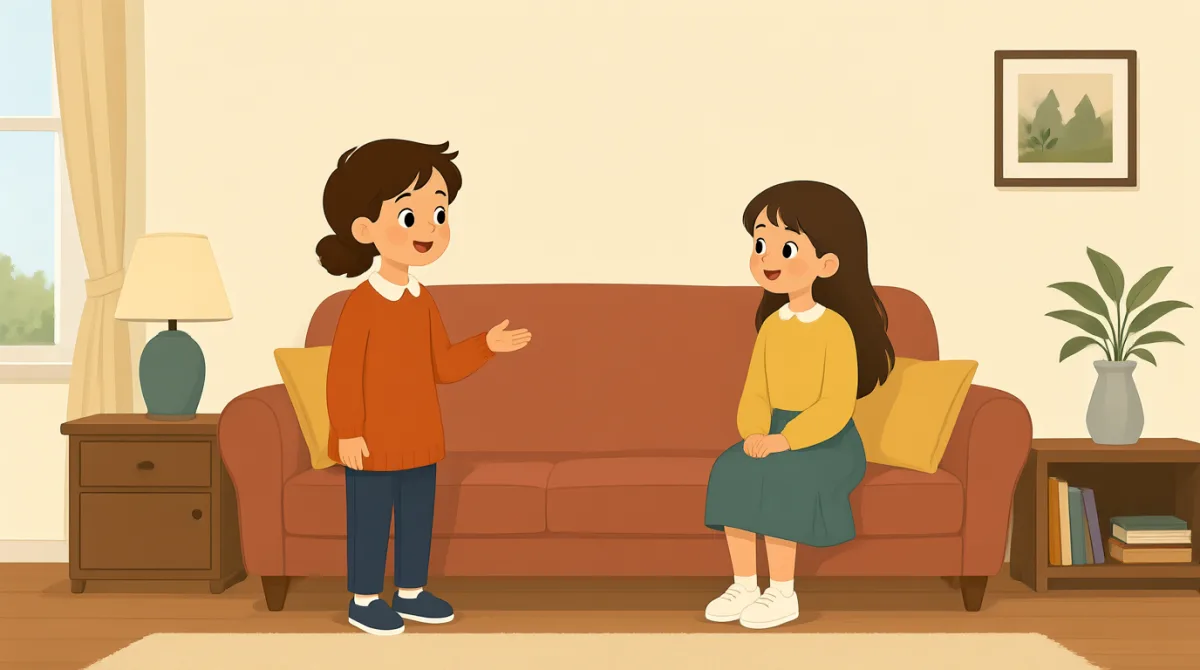

What’s the weather like in your hometown during the year?
ที่บ้านเกิดของเธอ อากาศเป็นยังไงบ้างตลอดทั้งปี?

It changes with the seasons. Summers are usually warm and sunny.
อากาศเปลี่ยนไปตามฤดูกาลน่ะ ปกติฤดูร้อนจะอบอุ่นและแดดดี
That sounds nice. Does it get very hot in summer?
ฟังดูดีจัง หน้าร้อนอากาศร้อนมากไหม?
Some days are hot, but evenings are cooler. We like to walk outside then.
บางวันก็ร้อน แต่ตอนเย็นจะเย็นลงหน่อย พวกเราชอบออกไปเดินเล่นตอนนั้น
What are the winters like?
แล้วฤดูหนาวเป็นยังไงบ้าง?
Winters are cool and rainy. I always take an umbrella when I go out.
ฤดูหนาวอากาศเย็นและฝนตก ฉันพกร่มติดตัวทุกครั้งที่ออกไปข้างนอก
Does it snow there, too?
ที่นั่นหิมะตกด้วยไหม?
Not often. It snowed once when I was a child, and everyone was excited.
ไม่ค่อยตกหรอก ตอนฉันยังเด็กหิมะเคยตกครั้งหนึ่ง ทุกคนตื่นเต้นกันมาก
I’d love to visit in the summer and enjoy the warm weather.
ฉันอยากไปเที่ยวช่วงฤดูร้อนจัง จะได้เพลิดเพลินกับอากาศอบอุ่น
คำศัพท์8
- during the yearตลอดทั้งปี
This means throughout all the months of a year. Use it to ask about something that changes from season to season.
หมายถึงตลอดทุกเดือนในหนึ่งปี ใช้ถามเกี่ยวกับสิ่งที่เปลี่ยนแปลงไปตามฤดูกาลได้
- changes with the seasonsเปลี่ยนไปตามฤดูกาล
This means something is different in spring, summer, fall, and winter. You can use it to describe weather or other things that vary during the year.
หมายถึงสิ่งที่แตกต่างกันไปในฤดูใบไม้ผลิ ฤดูร้อน ฤดูใบไม้ร่วง และฤดูหนาว ใช้พูดถึงสภาพอากาศหรือสิ่งอื่น ๆ ที่เปลี่ยนแปลงไปในแต่ละช่วงของปีได้
- warm and sunnyอบอุ่นและแดดดี
This describes pleasant weather with comfortable warmth and plenty of sunshine. Use it to talk about a nice summer day.
ใช้อธิบายอากาศที่น่าสบาย อบอุ่นกำลังดี และมีแดดมาก เหมาะสำหรับพูดถึงวันที่อากาศดีในฤดูร้อน
- coolerเย็นกว่า
This means less warm than something else. Here, the evenings are cooler than the daytime.
หมายถึงอุ่นน้อยกว่าเมื่อเทียบกับสิ่งอื่น ในที่นี้หมายความว่าตอนเย็นเย็นกว่าตอนกลางวัน
- walk outsideออกไปเดินเล่น
This means to take a walk outdoors. You can use it to talk about an activity you enjoy doing in nice weather.
หมายถึงออกไปเดินข้างนอก ใช้พูดถึงกิจกรรมที่ชอบทำเวลาที่อากาศดีได้
- go outออกไปข้างนอก
This means to leave home and spend time somewhere else. Here, Mia takes an umbrella when she leaves home.
หมายถึงออกจากบ้านไปใช้เวลาที่อื่น ในที่นี้มีอาพกร่มติดตัวตอนออกจากบ้าน
- Not often.ไม่บ่อย
This means something does not happen very frequently. It is a short, natural answer to a yes-or-no question.
หมายถึงสิ่งนั้นไม่ได้เกิดขึ้นบ่อยนัก เป็นคำตอบสั้น ๆ ที่ฟังเป็นธรรมชาติสำหรับคำถามที่ตอบว่าใช่หรือไม่ใช่
- I’d love toอยาก...มากเลย
This is a friendly way to say you would really like to do something. Use it to express interest in a plan or invitation.
เป็นวิธีพูดอย่างเป็นกันเองว่าคุณอยากทำอะไรบางอย่างมาก ใช้แสดงความสนใจในแผนหรือคำชวนได้
ประโยคสำคัญ7
- 1
What’s the weather like in your hometown during the year?
ที่บ้านเกิดของเธอ อากาศเป็นยังไงบ้างตลอดทั้งปี?
Use this to ask someone about the weather in their hometown. You can replace “your hometown” with a place name or another location.
ใช้ถามใครสักคนเกี่ยวกับสภาพอากาศในบ้านเกิดของเขา คุณเปลี่ยน “your hometown” เป็นชื่อสถานที่หรือสถานที่อื่นได้
- 2
Summers are usually warm and sunny.
ปกติฤดูร้อนจะอบอุ่นและแดดดี
This sentence describes typical summer weather. You can change “Summers” and the weather words to describe another season or place.
ประโยคนี้ใช้อธิบายสภาพอากาศโดยทั่วไปในฤดูร้อน คุณเปลี่ยน “Summers” และคำบอกสภาพอากาศ เพื่อพูดถึงฤดูหรือสถานที่อื่นได้
- 3
Some days are hot, but evenings are cooler.
บางวันก็ร้อน แต่ตอนเย็นจะเย็นลงหน่อย
Use this to compare the weather at different times of day. The pattern “Some days are [description], but [time] is [description]” is easy to reuse.
ใช้เปรียบเทียบสภาพอากาศในช่วงเวลาต่าง ๆ ของวันได้ รูปแบบ “Some days are [description], but [time] is [description]” นำไปปรับใช้ได้ง่าย
- 4
We like to walk outside then.
พวกเราชอบออกไปเดินเล่นตอนนั้น
This tells someone what you enjoy doing at a particular time. You can replace “walk outside” with another activity and “then” with a clear time.
ประโยคนี้บอกใครสักคนว่าคุณชอบทำอะไรในช่วงเวลาหนึ่ง คุณเปลี่ยน “walk outside” เป็นกิจกรรมอื่น และเปลี่ยน “then” เป็นช่วงเวลาที่ชัดเจนได้
- 5
I always take an umbrella when I go out.
ฉันพกร่มติดตัวทุกครั้งที่ออกไปข้างนอก
Use this to describe something you regularly bring when leaving home. You can replace “an umbrella” with another useful item.
ใช้พูดถึงสิ่งที่คุณมักพกติดตัวเวลาออกจากบ้าน คุณเปลี่ยน “an umbrella” เป็นของใช้จำเป็นอย่างอื่นได้
- 6
It snowed once when I was a child, and everyone was excited.
ตอนฉันยังเด็กหิมะเคยตกครั้งหนึ่ง และทุกคนก็ตื่นเต้นกันมาก
This is a simple way to share a past event and people’s reaction to it. Use “It [past-tense verb] once when I was a child” to tell a similar childhood story.
นี่เป็นวิธีง่าย ๆ ในการเล่าเหตุการณ์ในอดีตและปฏิกิริยาของผู้คน ใช้ “It [past-tense verb] once when I was a child” เพื่อเล่าเรื่องวัยเด็กที่คล้ายกันได้
- 7
I’d love to visit in the summer and enjoy the warm weather.
ฉันอยากไปเที่ยวช่วงฤดูร้อนจัง จะได้เพลิดเพลินกับอากาศอบอุ่น
Use this to express enthusiasm about visiting a place and say what you hope to do there. You can change the season and activity to fit your plans.
ใช้แสดงความตื่นเต้นที่อยากไปเที่ยวสถานที่หนึ่ง และบอกว่าหวังจะทำอะไรที่นั่น คุณเปลี่ยนฤดูกาลและกิจกรรมให้เข้ากับแผนของคุณได้