A Big City or a Small Town?
เมืองใหญ่หรือเมืองเล็ก?
Emma asks Mia whether her hometown is a big city or a small town. Mia describes its size and what daily life is like there.
เอ็มมาถามมีอาว่าบ้านเกิดของเธอเป็นเมืองใหญ่หรือเมืองเล็ก มีอาเล่าถึงขนาดของเมืองและชีวิตประจำวันในเมืองนั้น
บทสนทนา8
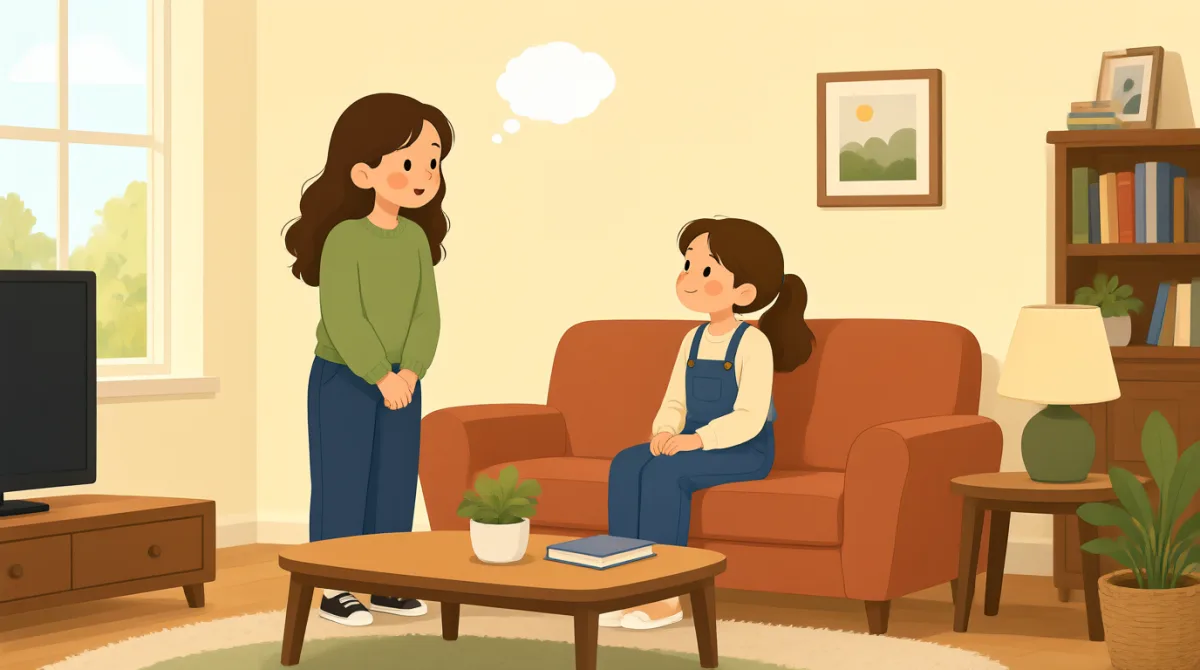

Is your hometown a big city or a small town, Mia?
มีอา บ้านเกิดของเธอเป็นเมืองใหญ่หรือเมืองเล็กเหรอ?

It’s a small city, but it’s bigger than a town.
เป็นเมืองเล็ก ๆ แต่ก็ใหญ่กว่าตัวเมืองเล็ก ๆ นะ
How many people live there?
ที่นั่นมีคนอยู่กี่คนเหรอ?
About two hundred thousand. It’s not too crowded, and most places are easy to reach.
ประมาณสองแสนคน ไม่แออัดเกินไป แล้วสถานที่ส่วนใหญ่ก็เดินทางไปได้ง่าย
That sounds nice. What’s daily life like there?
ฟังดูดีนะ แล้วชีวิตประจำวันเป็นยังไงบ้าง?
It’s quiet and friendly. People often walk to the shops or take the bus.
เงียบสงบและเป็นกันเอง ผู้คนมักเดินไปร้านค้าหรือนั่งรถเมล์
Do you have busy areas, too?
ที่นั่นมีแถวที่คึกคักด้วยไหม?
Yes, the town center gets busy on weekends, but it’s calm on weekdays.
มีสิ ใจกลางเมืองจะคึกคักในวันสุดสัปดาห์ แต่วันธรรมดาจะสงบ
คำศัพท์8
- hometownบ้านเกิด
The town or city where you grew up or where your family is from. Use it when talking about where you are from.
เมืองหรือชุมชนที่คุณเติบโตมา หรือเป็นถิ่นฐานของครอบครัว ใช้คำนี้เวลาพูดถึงว่าคุณมาจากที่ไหน
- small cityเมืองเล็ก ๆ
A city that is not very large. You can use this phrase to describe the size of a place.
เมืองที่มีขนาดไม่ใหญ่มาก ใช้วลีนี้เพื่อบอกขนาดของสถานที่
- crowdedแออัด
Full of many people, so there is little space. Use it to describe a busy place.
มีคนจำนวนมากจนมีพื้นที่เหลือน้อย ใช้บรรยายสถานที่ที่มีคนพลุกพล่าน
- easy to reachเดินทางไปได้ง่าย
Not difficult to get to. You can use this phrase when places are close or transport is convenient.
ไปถึงได้ไม่ยาก ใช้วลีนี้เมื่อสถานที่อยู่ใกล้หรือการเดินทางสะดวก
- daily lifeชีวิตประจำวัน
The usual things people do every day. Ask “What’s daily life like?” to learn about someone’s everyday experience.
สิ่งต่าง ๆ ที่ผู้คนทำเป็นปกติในแต่ละวัน ลองถามว่า “What’s daily life like?” เพื่อเรียนรู้ว่าชีวิตประจำวันของใครสักคนเป็นอย่างไร
- take the busนั่งรถเมล์
To travel somewhere by bus. Use “take the” with other forms of transport, such as “take the train.”
เดินทางไปที่ไหนสักแห่งด้วยรถเมล์ ใช้ “take the” กับยานพาหนะชนิดอื่นได้ด้วย เช่น “take the train”
- town centerใจกลางเมือง
The main area in a town, often with shops and other places to visit. You can use it when describing where people go.
บริเวณหลักของเมือง มักมีร้านค้าและสถานที่ต่าง ๆ ให้ไปเยือน ใช้คำนี้เวลาบรรยายว่าผู้คนไปที่ไหน
- on weekdaysในวันธรรมดา
During the days from Monday to Friday. Use it to say when something usually happens.
ในช่วงวันจันทร์ถึงวันศุกร์ ใช้บอกว่าเหตุการณ์หนึ่งมักเกิดขึ้นเมื่อไร
ประโยคสำคัญ7
- 1
Is your hometown a big city or a small town, Mia?
มีอา บ้านเกิดของเธอเป็นเมืองใหญ่หรือเมืองเล็กเหรอ?
This is a useful way to ask someone what kind of place their hometown is. You can replace “a big city” and “a small town” with other choices.
นี่เป็นวิธีที่ใช้ถามได้เป็นธรรมชาติว่าบ้านเกิดของใครสักคนเป็นสถานที่แบบไหน คุณเปลี่ยน “a big city” และ “a small town” เป็นตัวเลือกอื่นได้
- 2
It’s a small city, but it’s bigger than a town.
เป็นเมืองเล็ก ๆ แต่ก็ใหญ่กว่าตัวเมืองเล็ก ๆ นะ
This sentence describes a place by comparing its size. Use “bigger than” to compare two places or things.
ประโยคนี้บรรยายสถานที่โดยเปรียบเทียบขนาด ใช้ “bigger than” เพื่อเปรียบเทียบสถานที่หรือสิ่งของสองอย่าง
- 3
About two hundred thousand.
ประมาณสองแสนคน
This is a short, natural answer to a question about how many people live somewhere. Use “about” when you are giving an approximate number.
นี่เป็นคำตอบสั้น ๆ ที่ฟังเป็นธรรมชาติ เมื่อตอบคำถามว่ามีคนอาศัยอยู่ที่ไหนสักแห่งกี่คน ใช้ “about” เมื่อต้องการบอกจำนวนโดยประมาณ
- 4
It’s not too crowded, and most places are easy to reach.
ไม่แออัดเกินไป แล้วสถานที่ส่วนใหญ่ก็เดินทางไปได้ง่าย
This sentence describes how busy a place is and how convenient it is to get around. You can change “not too crowded” and “easy to reach” to describe another location.
ประโยคนี้บรรยายว่าสถานที่มีคนพลุกพล่านแค่ไหน และเดินทางไปไหนมาไหนสะดวกหรือไม่ คุณเปลี่ยน “not too crowded” และ “easy to reach” เพื่อใช้บรรยายสถานที่อื่นได้
- 5
What’s daily life like there?
แล้วชีวิตประจำวันเป็นยังไงบ้าง?
This is a natural way to ask what everyday life is like in a place. You can replace “there” with the name of a town or city.
นี่เป็นวิธีถามอย่างเป็นธรรมชาติว่าชีวิตประจำวันในสถานที่หนึ่งเป็นอย่างไร คุณเปลี่ยน “there” เป็นชื่อเมืองหรือชุมชนได้
- 6
People often walk to the shops or take the bus.
ผู้คนมักเดินไปร้านค้าหรือนั่งรถเมล์
This sentence describes common ways people travel locally. Use “often” to talk about something people do regularly.
ประโยคนี้บรรยายวิธีเดินทางในพื้นที่ที่ผู้คนใช้กันทั่วไป ใช้ “often” เพื่อพูดถึงสิ่งที่ผู้คนทำเป็นประจำ
- 7
The town center gets busy on weekends, but it’s calm on weekdays.
ใจกลางเมืองจะคึกคักในวันสุดสัปดาห์ แต่วันธรรมดาจะสงบ
This sentence compares how a place feels at different times. You can use “gets busy” and “is calm” to describe other places and days.
ประโยคนี้เปรียบเทียบความรู้สึกของสถานที่เดียวกันในช่วงเวลาที่ต่างกัน คุณใช้ “gets busy” และ “is calm” เพื่อบรรยายสถานที่และวันอื่น ๆ ได้