The Weather Back Home
고향의 날씨
Emma asks Mia what the weather is like in different seasons. Mia describes the warm summers and rainy winters.
에마가 미아에게 계절마다 날씨가 어떤지 물어봐요. 미아는 여름은 따뜻하고 겨울에는 비가 많이 온다고 설명해요.
대화9
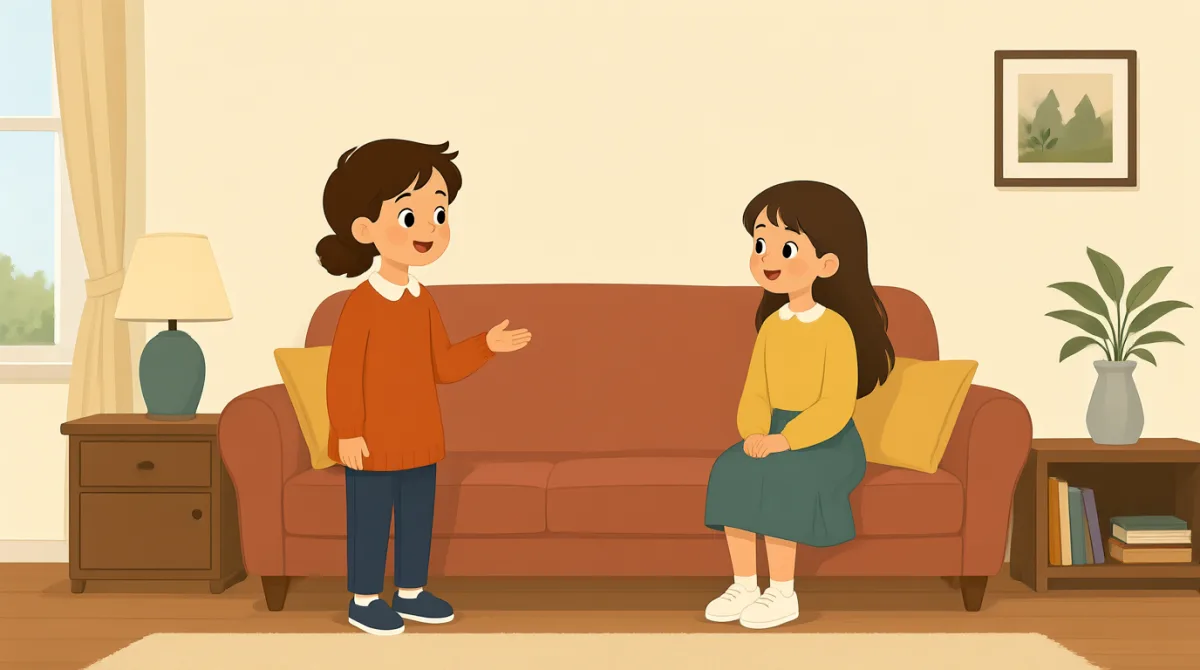

What’s the weather like in your hometown during the year?
네 고향은 일 년 내내 날씨가 어때?

It changes with the seasons. Summers are usually warm and sunny.
계절마다 달라. 여름은 대체로 따뜻하고 화창해.
That sounds nice. Does it get very hot in summer?
좋겠다. 여름에는 많이 더워져?
Some days are hot, but evenings are cooler. We like to walk outside then.
더운 날도 있지만 저녁에는 선선해. 그때 밖에 산책하러 가는 걸 좋아해.
What are the winters like?
겨울은 어때?
Winters are cool and rainy. I always take an umbrella when I go out.
겨울에는 선선하고 비가 와. 외출할 때는 항상 우산을 챙겨.
Does it snow there, too?
거기도 눈이 와?
Not often. It snowed once when I was a child, and everyone was excited.
자주는 아니야. 어렸을 때 한 번 눈이 왔는데, 다들 신났었어.
I’d love to visit in the summer and enjoy the warm weather.
여름에 가서 따뜻한 날씨를 즐기고 싶어.
어휘8
- during the year일 년 내내
This means throughout all the months of a year. Use it to ask about something that changes from season to season.
일 년의 모든 달 동안이라는 뜻이에요. 계절마다 달라지는 것에 관해 물어볼 때 써 보세요.
- changes with the seasons계절마다 달라지다
This means something is different in spring, summer, fall, and winter. You can use it to describe weather or other things that vary during the year.
봄, 여름, 가을, 겨울마다 다르다는 뜻이에요. 날씨처럼 일 년 동안 달라지는 것을 설명할 때 쓸 수 있어요.
- warm and sunny따뜻하고 화창한
This describes pleasant weather with comfortable warmth and plenty of sunshine. Use it to talk about a nice summer day.
기분 좋게 따뜻하고 햇빛이 많이 비치는 날씨를 말해요. 날씨 좋은 여름날을 이야기할 때 써 보세요.
- cooler더 선선한
This means less warm than something else. Here, the evenings are cooler than the daytime.
다른 때보다 덜 따뜻하다는 뜻이에요. 여기서는 저녁이 낮보다 더 선선하다는 말이에요.
- walk outside밖에서 산책하다
This means to take a walk outdoors. You can use it to talk about an activity you enjoy doing in nice weather.
야외에서 걸으며 산책한다는 뜻이에요. 날씨가 좋을 때 즐겨 하는 활동을 말할 때 쓸 수 있어요.
- go out외출하다
This means to leave home and spend time somewhere else. Here, Mia takes an umbrella when she leaves home.
집을 나가 다른 곳에서 시간을 보낸다는 뜻이에요. 여기서는 미아가 집에서 나갈 때 우산을 챙긴다는 말이에요.
- Not often.자주는 아니야.
This means something does not happen very frequently. It is a short, natural answer to a yes-or-no question.
어떤 일이 자주 일어나지 않는다는 뜻이에요. 예·아니요로 답하는 질문에 짧고 자연스럽게 대답할 때 쓸 수 있어요.
- I’d love to정말 그러고 싶어
This is a friendly way to say you would really like to do something. Use it to express interest in a plan or invitation.
무언가를 정말 하고 싶다는 마음을 친근하게 표현하는 말이에요. 계획이나 초대에 관심이 있다는 걸 나타낼 때 써 보세요.
핵심 문장7
- 1
What’s the weather like in your hometown during the year?
네 고향은 일 년 내내 날씨가 어때?
Use this to ask someone about the weather in their hometown. You can replace “your hometown” with a place name or another location.
상대방 고향의 날씨를 물어볼 때 쓰는 문장이에요. “your hometown” 대신 장소 이름이나 다른 장소를 넣어도 돼요.
- 2
Summers are usually warm and sunny.
여름은 대체로 따뜻하고 화창해.
This sentence describes typical summer weather. You can change “Summers” and the weather words to describe another season or place.
여름에 보통 어떤 날씨인지 설명하는 문장이에요. 다른 계절이나 장소를 설명하려면 “Summers”와 날씨를 나타내는 말을 바꿔 보세요.
- 3
Some days are hot, but evenings are cooler.
더운 날도 있지만 저녁에는 더 선선해.
Use this to compare the weather at different times of day. The pattern “Some days are [description], but [time] is [description]” is easy to reuse.
하루 중 시간대별 날씨를 비교할 때 써 보세요. “Some days are [description], but [time] is [description]”이라는 문장 틀은 다양하게 응용할 수 있어요.
- 4
We like to walk outside then.
우리는 그때 밖에 산책하러 가는 걸 좋아해.
This tells someone what you enjoy doing at a particular time. You can replace “walk outside” with another activity and “then” with a clear time.
특정한 때에 무엇을 즐겨 하는지 알려 주는 문장이에요. “walk outside”를 다른 활동으로, “then”을 구체적인 시간으로 바꿔 쓸 수 있어요.
- 5
I always take an umbrella when I go out.
나는 외출할 때 항상 우산을 챙겨.
Use this to describe something you regularly bring when leaving home. You can replace “an umbrella” with another useful item.
집을 나설 때 늘 챙기는 물건을 말할 때 써 보세요. “an umbrella”를 다른 유용한 물건으로 바꿀 수 있어요.
- 6
It snowed once when I was a child, and everyone was excited.
내가 어렸을 때 한 번 눈이 왔는데, 모두 신났어.
This is a simple way to share a past event and people’s reaction to it. Use “It [past-tense verb] once when I was a child” to tell a similar childhood story.
과거에 있었던 일과 사람들의 반응을 간단히 이야기하는 문장이에요. 비슷한 어린 시절 이야기를 할 때 “It [past-tense verb] once when I was a child”를 활용해 보세요.
- 7
I’d love to visit in the summer and enjoy the warm weather.
여름에 가서 따뜻한 날씨를 즐기고 싶어.
Use this to express enthusiasm about visiting a place and say what you hope to do there. You can change the season and activity to fit your plans.
어떤 장소를 방문하고 싶은 마음과 그곳에서 하고 싶은 일을 함께 표현할 때 써 보세요. 계획에 맞춰 계절과 활동을 바꾸면 돼요.