The Weather Back Home
الطقس في مسقط رأسي
Emma asks Mia what the weather is like in different seasons. Mia describes the warm summers and rainy winters.
تسأل إيما ميا عن الطقس في الفصول المختلفة. وتصف ميا الصيف الدافئ والشتاء الماطر.
حوار9
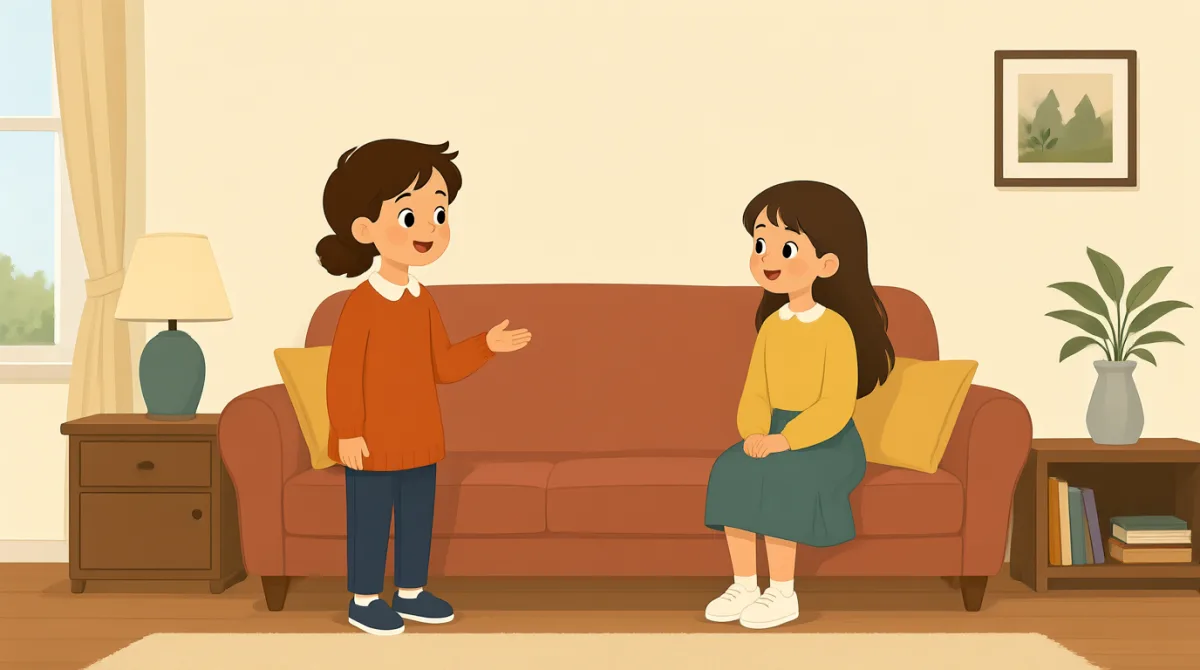

What’s the weather like in your hometown during the year?
كيف يكون الطقس في مسقط رأسك على مدار السنة؟

It changes with the seasons. Summers are usually warm and sunny.
يتغير الطقس مع الفصول. فالصيف عادةً دافئ ومشمس.
That sounds nice. Does it get very hot in summer?
هذا يبدو جميلًا. هل يصبح الجو حارًا جدًا في الصيف؟
Some days are hot, but evenings are cooler. We like to walk outside then.
تكون بعض الأيام حارة، لكن الأمسيات أبرد. نحب أن نتمشى في الخارج حينها.
What are the winters like?
كيف يكون الطقس في الشتاء؟
Winters are cool and rainy. I always take an umbrella when I go out.
الشتاء بارد وممطر. آخذ مظلة معي دائمًا عندما أخرج.
Does it snow there, too?
وهل تتساقط الثلوج هناك أيضًا؟
Not often. It snowed once when I was a child, and everyone was excited.
ليس كثيرًا. تساقطت الثلوج مرة واحدة عندما كنت طفلة، وكان الجميع متحمسًا.
I’d love to visit in the summer and enjoy the warm weather.
أودّ كثيرًا أن أزور المكان في الصيف وأستمتع بالطقس الدافئ.
المفردات8
- during the yearعلى مدار السنة
This means throughout all the months of a year. Use it to ask about something that changes from season to season.
يعني هذا طوال أشهر السنة. استخدم هذه العبارة للسؤال عن شيء يتغير من فصل إلى آخر.
- changes with the seasonsيتغير مع الفصول
This means something is different in spring, summer, fall, and winter. You can use it to describe weather or other things that vary during the year.
يعني هذا أن شيئًا ما يختلف في الربيع والصيف والخريف والشتاء. يمكنك استخدام العبارة لوصف الطقس أو أي شيء آخر يتغير خلال السنة.
- warm and sunnyدافئ ومشمس
This describes pleasant weather with comfortable warmth and plenty of sunshine. Use it to talk about a nice summer day.
تصف هذه العبارة طقسًا لطيفًا، دافئًا باعتدال وكثيرَ أشعة الشمس. استخدمها للحديث عن يوم صيفي جميل.
- coolerأبرد
This means less warm than something else. Here, the evenings are cooler than the daytime.
تعني هذه الكلمة أقل دفئًا من شيء آخر. هنا، الأمسيات أبرد من النهار.
- walk outsideيتمشى في الخارج
This means to take a walk outdoors. You can use it to talk about an activity you enjoy doing in nice weather.
يعني هذا أن تخرج للتنزه في الهواء الطلق. يمكنك استخدامه للحديث عن نشاط تستمتع به عندما يكون الطقس جميلًا.
- go outيخرج
This means to leave home and spend time somewhere else. Here, Mia takes an umbrella when she leaves home.
يعني هذا مغادرة المنزل وقضاء الوقت في مكان آخر. في هذا السياق، تأخذ ميا مظلة معها عندما تغادر المنزل.
- Not often.ليس كثيرًا.
This means something does not happen very frequently. It is a short, natural answer to a yes-or-no question.
يعني هذا أن شيئًا ما لا يحدث كثيرًا. إنها إجابة قصيرة وطبيعية عن سؤال إجابته نعم أو لا.
- I’d love toأودّ كثيرًا
This is a friendly way to say you would really like to do something. Use it to express interest in a plan or invitation.
هذه طريقة ودودة للتعبير عن رغبتك الشديدة في فعل شيء ما. استخدمها للتعبير عن اهتمامك بخطة أو دعوة.
الجمل الأساسية7
- 1
What’s the weather like in your hometown during the year?
كيف يكون الطقس في مسقط رأسك على مدار السنة؟
Use this to ask someone about the weather in their hometown. You can replace “your hometown” with a place name or another location.
استخدم هذه العبارة لسؤال شخص عن الطقس في مسقط رأسه. يمكنك استبدال “your hometown” (مسقط رأسك) باسم مكان أو موقع آخر.
- 2
Summers are usually warm and sunny.
الصيف عادةً دافئ ومشمس.
This sentence describes typical summer weather. You can change “Summers” and the weather words to describe another season or place.
تصف هذه الجملة الطقس المعتاد في الصيف. يمكنك تغيير “Summers” (فصول الصيف) وكلمات وصف الطقس للحديث عن فصل أو مكان آخر.
- 3
Some days are hot, but evenings are cooler.
تكون بعض الأيام حارة، لكن الأمسيات أبرد.
Use this to compare the weather at different times of day. The pattern “Some days are [description], but [time] is [description]” is easy to reuse.
استخدم هذه العبارة للمقارنة بين الطقس في أوقات مختلفة من اليوم. يسهل إعادة استخدام النمط “Some days are [description], but [time] is [description]” (تكون بعض الأيام [وصفًا]، لكن [الوقت] يكون [وصفًا]).
- 4
We like to walk outside then.
نحب أن نتمشى في الخارج حينها.
This tells someone what you enjoy doing at a particular time. You can replace “walk outside” with another activity and “then” with a clear time.
تخبر هذه الجملة شخصًا بما تستمتع بفعله في وقت معين. يمكنك استبدال “walk outside” (التمشي في الخارج) بنشاط آخر، و“then” (حينها) بوقت محدد.
- 5
I always take an umbrella when I go out.
آخذ مظلة معي دائمًا عندما أخرج.
Use this to describe something you regularly bring when leaving home. You can replace “an umbrella” with another useful item.
استخدم هذه الجملة لوصف شيء تحضره معك عادةً عندما تغادر المنزل. يمكنك استبدال “an umbrella” (مظلة) بغرض آخر مفيد.
- 6
It snowed once when I was a child, and everyone was excited.
تساقطت الثلوج مرة واحدة عندما كنت طفلة، وكان الجميع متحمسًا.
This is a simple way to share a past event and people’s reaction to it. Use “It [past-tense verb] once when I was a child” to tell a similar childhood story.
هذه طريقة بسيطة للحديث عن حدث وقع في الماضي ورد فعل الناس عليه. استخدم “It [past-tense verb] once when I was a child” (حدث [فعل بصيغة الماضي] مرة عندما كنت طفلًا) لسرد قصة مشابهة من طفولتك.
- 7
I’d love to visit in the summer and enjoy the warm weather.
أودّ كثيرًا أن أزور المكان في الصيف وأستمتع بالطقس الدافئ.
Use this to express enthusiasm about visiting a place and say what you hope to do there. You can change the season and activity to fit your plans.
استخدم هذه العبارة للتعبير عن حماسك لزيارة مكان ما، وللحديث عما تأمل أن تفعله هناك. يمكنك تغيير الفصل والنشاط بما يناسب خططك.