The Weather Back Home
家乡的天气
Emma asks Mia what the weather is like in different seasons. Mia describes the warm summers and rainy winters.
Emma问Mia家乡不同季节的天气如何。Mia介绍了温暖的夏天和多雨的冬天。
对话9
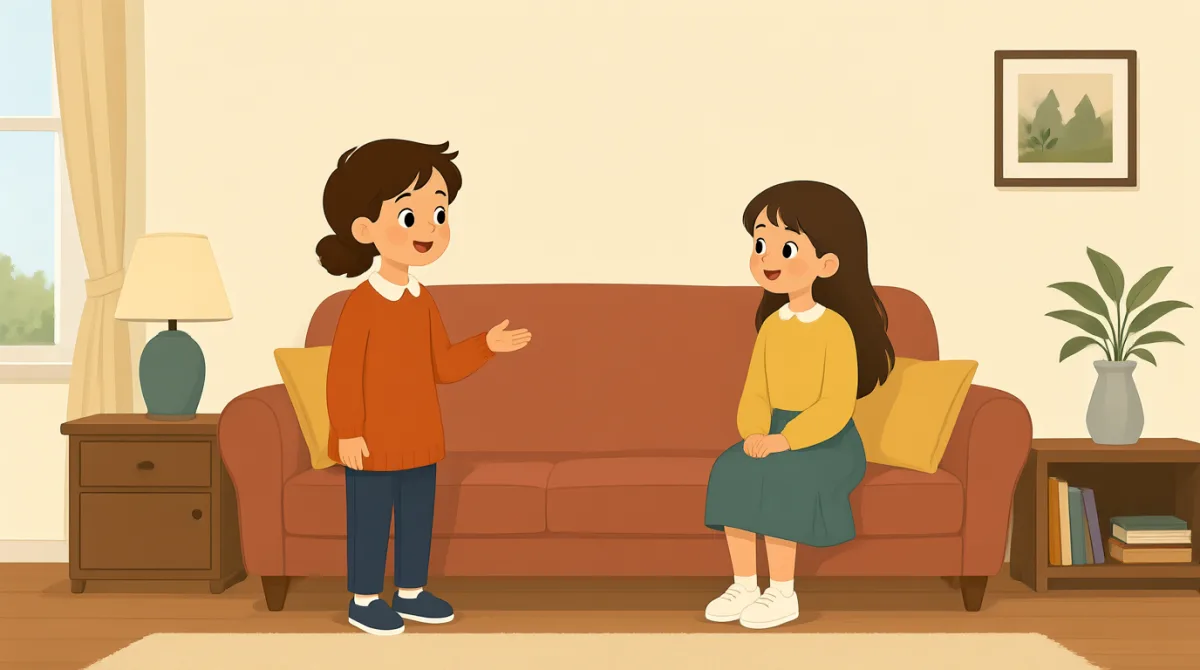

What’s the weather like in your hometown during the year?
你家乡一年四季的天气怎么样?

It changes with the seasons. Summers are usually warm and sunny.
天气会随着季节变化。夏天通常温暖又晴朗。
That sounds nice. Does it get very hot in summer?
听起来不错。夏天会很热吗?
Some days are hot, but evenings are cooler. We like to walk outside then.
有些日子会很热,但晚上凉快一些。那时我们喜欢出去散步。
What are the winters like?
冬天是什么样的?
Winters are cool and rainy. I always take an umbrella when I go out.
冬天凉爽而且多雨。我出门时总会带把伞。
Does it snow there, too?
那里也下雪吗?
Not often. It snowed once when I was a child, and everyone was excited.
不常下雪。我小时候下过一次雪,大家都很兴奋。
I’d love to visit in the summer and enjoy the warm weather.
我很想夏天去那里,享受温暖的天气。
词汇8
- during the year一年四季
This means throughout all the months of a year. Use it to ask about something that changes from season to season.
这个短语指一整年中的所有月份。可以用它来询问随季节变化的情况。
- changes with the seasons随季节变化
This means something is different in spring, summer, fall, and winter. You can use it to describe weather or other things that vary during the year.
这个短语表示某件事在春、夏、秋、冬各不相同。你可以用它来描述天气或一年中会变化的其他事物。
- warm and sunny温暖晴朗
This describes pleasant weather with comfortable warmth and plenty of sunshine. Use it to talk about a nice summer day.
这个短语形容天气舒适温暖、阳光充足。可以用它来描述宜人的夏日天气。
- cooler更凉快
This means less warm than something else. Here, the evenings are cooler than the daytime.
这个词表示没有另一种情况那么暖和。这里指夜晚比白天凉快。
- walk outside在户外散步
This means to take a walk outdoors. You can use it to talk about an activity you enjoy doing in nice weather.
这个短语指在户外散步。可以用它来谈论你喜欢在天气好的时候做的活动。
- go out出门
This means to leave home and spend time somewhere else. Here, Mia takes an umbrella when she leaves home.
这个短语指离开家,到别的地方待一会儿。这里,米娅出门时会带把伞。
- Not often.不常
This means something does not happen very frequently. It is a short, natural answer to a yes-or-no question.
这个短语表示某件事不经常发生。它可以自然简短地回答是非疑问句。
- I’d love to我很乐意
This is a friendly way to say you would really like to do something. Use it to express interest in a plan or invitation.
这是表示很想做某事的一种友好说法。可以用它来表达你对某个计划或邀请很感兴趣。
重点句子7
- 1
What’s the weather like in your hometown during the year?
你家乡一年四季的天气怎么样?
Use this to ask someone about the weather in their hometown. You can replace “your hometown” with a place name or another location.
用这句话询问别人家乡的天气。你可以把“your hometown”换成地名或其他地点。
- 2
Summers are usually warm and sunny.
夏天通常温暖又晴朗。
This sentence describes typical summer weather. You can change “Summers” and the weather words to describe another season or place.
这句话描述了夏天通常的天气。你可以替换“Summers”和描述天气的词,来谈论其他季节或地方。
- 3
Some days are hot, but evenings are cooler.
有些日子会很热,但晚上凉快一些。
Use this to compare the weather at different times of day. The pattern “Some days are [description], but [time] is [description]” is easy to reuse.
用这句话比较一天中不同时段的天气。“Some days are [description], but [time] is [description]”这个句型很容易套用。
- 4
We like to walk outside then.
那时我们喜欢在户外散步。
This tells someone what you enjoy doing at a particular time. You can replace “walk outside” with another activity and “then” with a clear time.
这句话告诉别人你在某个时候喜欢做什么。你可以把“walk outside”换成其他活动,并用明确的时间替换“then”。
- 5
I always take an umbrella when I go out.
我出门时总会带把伞。
Use this to describe something you regularly bring when leaving home. You can replace “an umbrella” with another useful item.
用这句话描述你离家时经常带上的东西。你可以把“an umbrella”换成其他实用物品。
- 6
It snowed once when I was a child, and everyone was excited.
我小时候下过一次雪,大家都很兴奋。
This is a simple way to share a past event and people’s reaction to it. Use “It [past-tense verb] once when I was a child” to tell a similar childhood story.
这是一种简单的方式,可以分享过去发生的事情以及大家对此的反应。用“It [past-tense verb] once when I was a child”来讲述类似的童年故事。
- 7
I’d love to visit in the summer and enjoy the warm weather.
我很想夏天去那里,享受温暖的天气。
Use this to express enthusiasm about visiting a place and say what you hope to do there. You can change the season and activity to fit your plans.
用这句话表达你很期待去某个地方,并说明希望在那里做什么。你可以根据自己的计划更换季节和活动。