Long-term Supply Request
ขอเบิกอุปกรณ์สำนักงานไว้ใช้ระยะยาว
You frequently run out of a certain small supply (e.g., sticky notes, paper clips) and want to ask a colleague if they can give you a small amount to keep, rather than just borrowing for a moment.
คุณมักจะใช้อุปกรณ์ชิ้นเล็ก ๆ บางอย่างหมดอยู่บ่อย ๆ (เช่น กระดาษโน้ตกาวหรือคลิปหนีบกระดาษ) จึงอยากถามเพื่อนร่วมงานว่าพอจะแบ่งให้คุณเก็บไว้ใช้สักหน่อยได้ไหม แทนที่จะขอยืมแค่ชั่วคราว
บทสนทนา7
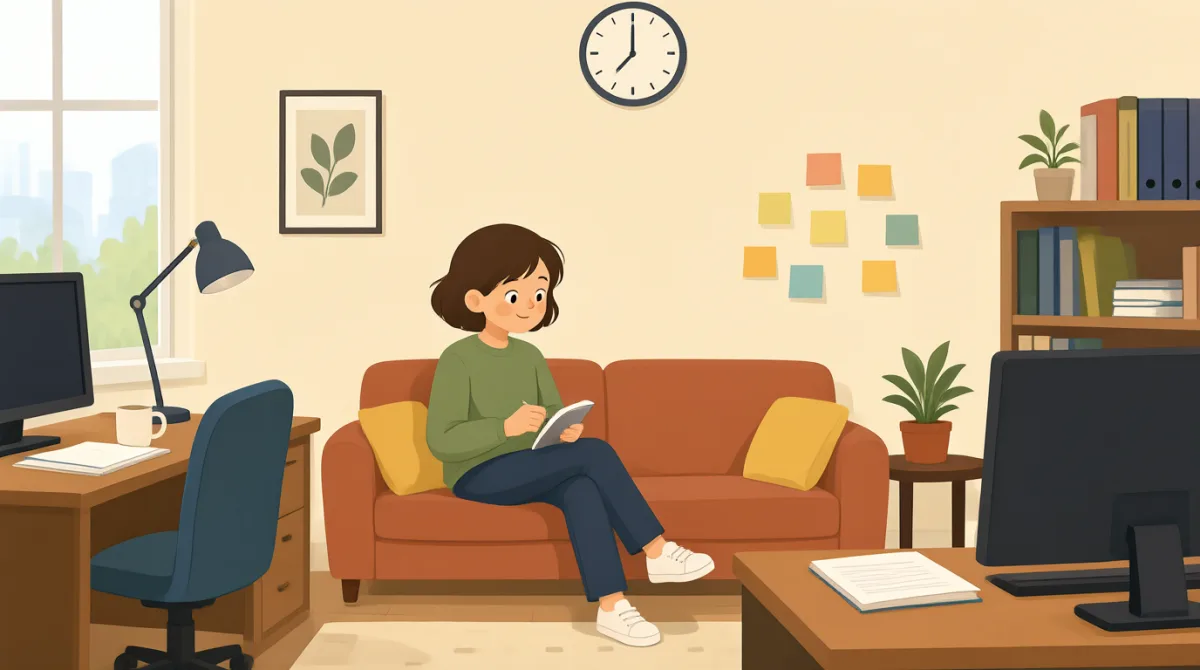

Hey Mia, do you happen to have any spare sticky notes? I'm completely out again.
เฮ้ มีอา พอจะมีกระดาษโน้ตกาวเหลือบ้างไหม เราหมดเกลี้ยงอีกแล้ว

Oh, sure, Jack. I always seem to have a few extra packs. Here, take this one.
อ๋อ ได้สิ แจ็ก ฉันเหมือนจะมีเหลืออยู่สองสามห่ออยู่เสมอ เอ้านี่ เอาอันนี้ไปเลย
Thanks a lot! You know, I seem to go through these so fast. Would you mind if I took a small pad to keep? It'd be great to have some on hand for once.
ขอบใจมากนะ รู้ไหม เราใช้พวกนี้หมดเร็วมากเลย ขอเอาไปเก็บไว้ใช้สักเล่มได้ไหม? มีติดมือไว้บ้างก็คงดี
Not at all, Jack! Help yourself. I usually stock up when I order supplies for the team, so I always have plenty.
ได้เลย แจ็ก! หยิบไปได้ตามสบาย ปกติเวลาสั่งของให้ทีม ฉันจะสั่งเผื่อไว้เยอะ เลยมีเหลือเฟือตลอด
That's super helpful. I'll make sure to put in a request for my own supply soon, but this will really tide me over.
ช่วยได้มากเลย เดี๋ยวเราจะส่งคำขอเบิกของใช้ส่วนตัวเร็ว ๆ นี้ แต่ที่ให้มานี่ช่วยให้เราใช้ไปก่อนได้จริง ๆ
No worries at all. Glad I could help! Just make sure you actually put in that request!
ไม่เป็นไรเลย ดีใจที่ช่วยได้นะ! แต่อย่าลืมส่งคำขอเบิกของจริง ๆ ล่ะ!
Will do! Thanks again, Mia.
ได้เลย! ขอบใจอีกครั้งนะ มีอา
คำศัพท์7
- spareเหลือใช้
Extra or additional items you have beyond what you need, like spare pens in your drawer. Use it when asking for something extra politely.
หมายถึงของที่มีเกินจากที่จำเป็นต้องใช้ เช่น ปากกาสำรองในลิ้นชัก ใช้คำนี้เมื่อต้องการถามอย่างสุภาพว่ามีของเหลือพอจะแบ่งให้ไหม
- sticky notesกระดาษโน้ตกาว
Small pieces of paper with glue on one side for writing reminders and sticking them on surfaces. Common office supply for quick notes.
กระดาษแผ่นเล็ก ๆ ที่มีกาวด้านหนึ่ง ใช้เขียนเตือนความจำแล้วแปะไว้ตามพื้นผิวต่าง ๆ เป็นอุปกรณ์สำนักงานที่นิยมใช้จดข้อความสั้น ๆ
- run outหมด
To use up all of something so none is left. Say 'I'm out of paper' when you have no more supplies.
ใช้ของบางอย่างจนไม่เหลือเลย เช่น พูดว่า 'I'm out of paper' เมื่อกระดาษหมดและไม่มีเหลือแล้ว
- go throughใช้หมด
To use something up quickly, often more than expected. For example, 'I go through coffee fast' means you drink it a lot.
ใช้บางอย่างจนหมดอย่างรวดเร็ว ซึ่งมักเร็วกว่าที่คิด เช่น 'I go through coffee fast' หมายถึงดื่มกาแฟเยอะจนหมดเร็ว
- stock upซื้อหรือเตรียมตุนไว้
To buy or gather a large amount of something to have enough for a while. Useful when talking about preparing supplies in advance.
ซื้อหรือรวบรวมของไว้จำนวนมาก เพื่อให้มีใช้ไปได้สักพัก ใช้พูดถึงการเตรียมอุปกรณ์ไว้ล่วงหน้าได้
- tide overช่วยให้พอใช้ไปก่อนได้
To help someone through a difficult time temporarily until they can get more. Like 'This loan will tide me over until payday.'
ช่วยให้ใครบางคนผ่านช่วงเวลาที่ยากลำบากไปได้ชั่วคราว จนกว่าจะหาของเพิ่มมาได้ เช่น 'This loan will tide me over until payday.' หมายถึงเงินกู้นี้จะช่วยให้ฉันพอใช้ไปจนถึงวันเงินเดือนออก
- put in a requestยื่นคำขอ
To formally ask for something, often through a system or form. Common in offices, like requesting new equipment.
ขอสิ่งใดอย่างเป็นทางการ โดยมักยื่นผ่านระบบหรือกรอกแบบฟอร์ม เป็นคำที่ใช้กันทั่วไปในสำนักงาน เช่น การขออุปกรณ์ใหม่
ประโยคสำคัญ7
- 1
Hey Mia, do you happen to have any spare sticky notes?
เฮ้ มีอา พอจะมีกระดาษโน้ตกาวเหลือบ้างไหม?
This is a polite way to ask if someone has extra items. 'Do you happen to have' softens the request, making it casual and indirect. Use it in informal office chats to borrow supplies.
ประโยคนี้ใช้ถามอย่างสุภาพว่ามีของเหลือบ้างไหม สำนวน 'Do you happen to have' ช่วยทำให้คำขอฟังดูเป็นกันเองและไม่ตรงเกินไป ใช้คุยกันในที่ทำงานแบบไม่เป็นทางการเมื่อต้องการขอยืมอุปกรณ์
- 2
I'm completely out again.
เราหมดเกลี้ยงอีกแล้ว
A simple way to explain you have no more of something. 'Completely out' emphasizes total absence, and 'again' shows it happens often. Useful for expressing need without being demanding.
เป็นวิธีง่าย ๆ ในการบอกว่าของบางอย่างหมดแล้ว 'Completely out' เน้นว่าไม่เหลือเลย ส่วน 'again' บอกว่าเกิดขึ้นบ่อย ใช้บอกว่าต้องการของเพิ่มโดยไม่ฟังดูเรียกร้อง
- 3
Would you mind if I took a small pad to keep?
ขอเอาไปเก็บไว้ใช้สักเล่มได้ไหม?
A polite request for permission to take something permanently. The conditional 'would you mind if' structure is courteous. Great for asking to keep small supplies long-term.
เป็นการขออนุญาตอย่างสุภาพเพื่อนำของไปเก็บไว้ใช้ ไม่ใช่แค่ยืมชั่วคราว โครงสร้าง 'would you mind if' ใช้ถามอย่างสุภาพ เหมาะสำหรับขอเก็บอุปกรณ์ชิ้นเล็ก ๆ ไว้ใช้ระยะยาว
- 4
Not at all, Jack! Help yourself.
ได้เลย แจ็ก! หยิบไปได้ตามสบาย
Means 'no problem at all' and invites the person to take what they need. 'Help yourself' is idiomatic for self-service. Use to respond generously when offering items.
หมายถึง 'ไม่มีปัญหาเลย' และเป็นการบอกให้อีกฝ่ายหยิบของที่ต้องการได้ 'Help yourself' เป็นสำนวนที่หมายถึงเชิญหยิบได้ตามสบาย ใช้ตอบอย่างมีน้ำใจเมื่อแบ่งของให้คนอื่น
- 5
I usually stock up when I order supplies for the team.
ปกติเวลาสั่งของให้ทีม ฉันจะสั่งเผื่อไว้เยอะ
Explains a habit of buying extra in advance. Present simple 'usually' shows routine, and 'stock up' means preparing a lot. Helpful for sharing how you manage office supplies.
ประโยคนี้อธิบายว่ามีนิสัยซื้อของเผื่อไว้ล่วงหน้า คำว่า 'usually' ในรูป present simple บอกถึงสิ่งที่ทำเป็นประจำ ส่วน 'stock up' หมายถึงเตรียมของไว้จำนวนมาก ใช้เล่าว่าคุณจัดการอุปกรณ์สำนักงานอย่างไรได้
- 6
This will really tide me over.
ที่ให้มานี่ช่วยให้เราใช้ไปก่อนได้จริง ๆ
Means this help will last temporarily until you get more. Phrasal verb 'tide over' is practical for thanking someone for short-term aid. Use after receiving borrowed items.
หมายถึงความช่วยเหลือนี้จะช่วยให้พอใช้ไปได้ชั่วคราวจนกว่าจะหาเพิ่มมาได้ กริยาวลี 'tide over' ใช้ขอบคุณใครสักคนที่ช่วยเหลือในระยะสั้นได้ เหมาะกับการพูดหลังได้รับของที่ยืมมา
- 7
No worries at all. Glad I could help!
ไม่เป็นไรเลย ดีใจที่ช่วยได้นะ!
A friendly way to say 'don't worry' and express happiness in assisting. 'No worries' is casual reassurance. Perfect for ending helpful conversations positively.
เป็นวิธีพูดอย่างเป็นกันเองว่า 'ไม่ต้องกังวลนะ' และบอกว่าดีใจที่ได้ช่วย 'No worries' ใช้ปลอบให้อีกฝ่ายสบายใจ เป็นคำพูดที่เหมาะสำหรับปิดบทสนทนาด้วยความรู้สึกดี ๆ